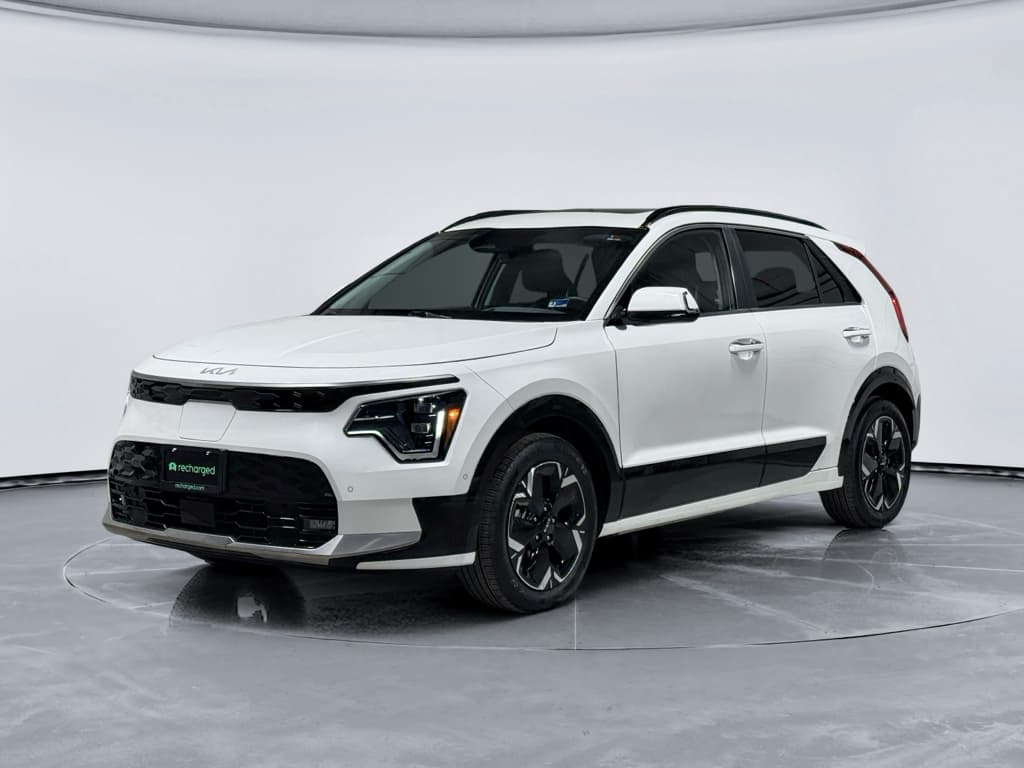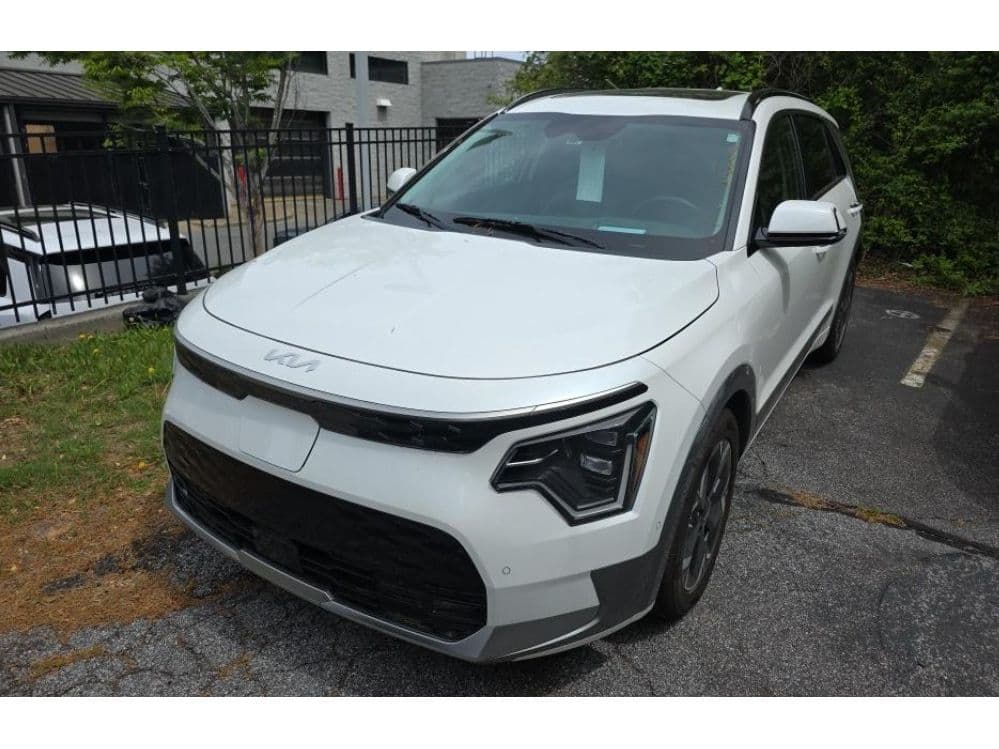
If you’re eyeing a Kia Niro EV, new or used, it’s fair to ask, “How much is insurance on a Kia Niro EV?” In today’s market of rising premiums, that question can make or break a deal. The short version: the Niro EV tends to sit on the more affordable end of the EV insurance spectrum, but your exact number will swing based on who you are, where you live, and which Niro EV you buy.
Context: EV insurance is moving fast
Kia Niro EV insurance cost: the quick answer
Typical Kia Niro EV insurance ranges in 2026
Put simply, most Kia Niro EV owners in the U.S. will land somewhere between about $135 and $210 a month for full‑coverage insurance, assuming a clean driving record and typical coverage limits. Some direct‑to‑consumer insurers quote lower teaser rates for limited coverage, while independent analyses of electric models consistently show the Niro EV near the bottom of the pack on annual cost, often in the low‑$2,000s per year for full coverage.
Watch out for unrealistically low quotes
Why estimates for Kia Niro EV insurance vary so much
If you search “how much is insurance on Kia Niro EV,” you’ll get everything from sub‑$50 promos to estimates north of $200 a month. The gap isn’t because the experts can’t agree on the car, it’s because each source is using a different driver profile, coverage setup, and methodology.
- Some providers look at their own book of business only, which may skew toward a certain age group or region.
- Others model a “typical” U.S. driver with full coverage and average credit, which tends to produce higher, more realistic numbers.
- Aggregators may mix gas, hybrid, and EV Niro data or older model years, which can blur the picture for current‑generation Niro EVs.
- All of this sits on top of a fast‑moving backdrop of rate increases, especially since 2023–2024.
Where the Kia Niro EV usually lands
Key factors that drive Kia Niro EV insurance rates
Insurers don’t really care what you paid for the car. They care about how risky you look on paper and how expensive you’ll be to fix or replace. Here’s how that math usually shakes out for a Niro EV.
What insurers look at with a Kia Niro EV
Same basic formula as any car, plus a few EV‑specific twists
Driver profile
Age, driving history, and credit tier are still the heaviest levers. A 22‑year‑old with a speeding ticket can pay double what a 45‑year‑old claims‑free driver pays for the same Niro EV.
Where you live
State, city, and even ZIP code affect rates. Densely populated, high‑claim states (like parts of CA, FL, NY) push Niro EV premiums toward the top of the ranges you see online.
Safety record
The Niro EV’s solid crash test performance and available driver‑assist tech generally help on the margin, softening the impact of EV repair costs.
Repair & battery costs
EVs bring pricier parts and specialized labor, especially for bodywork and high‑voltage components. That’s a big piece of why a Niro EV can run 5–15% more to insure than a similar gas Kia.
Coverage choices
Full coverage with high limits, low deductibles, and extras like rental reimbursement will cost far more than a bare‑bones liability‑only policy, no matter which Niro you drive.
Annual mileage & usage
Drive 18,000 miles a year in urban traffic and you’ll look riskier than someone putting 7,000 miles on a Niro EV that mostly lives in a garage.
Good news for Niro EV shoppers
Kia Niro EV vs hybrid and gas Niro: insurance comparison
Kia sells the Niro as a hybrid, plug‑in hybrid, and full EV. Insurers see three different risk and repair‑cost profiles, even if the badge looks the same. Where does the full battery‑electric Niro EV land?
How Niro insurance tends to stack up by powertrain
Ballpark trends for many U.S. drivers with clean records and full coverage in 2026. Your actual numbers will depend on your state and insurer.
| Model | Typical annual insurance trend | Why it’s priced that way |
|---|---|---|
| Niro Hybrid | Often among the cheapest Kias to insure | Conventional powertrain, strong efficiency, and lower repair complexity help keep premiums down. |
| Niro Plug‑In Hybrid (PHEV) | Slightly higher than hybrid; close to gas models | More complex powertrain than the hybrid but smaller battery than the EV keeps costs moderate. |
| Niro EV | Usually 5–15% higher than hybrid / gas Niro, but cheaper than many EVs | Higher parts and body repair costs than gas, but strong safety performance and lower MSRP than many EV crossovers help. |
The EV usually costs a bit more than the hybrid or gas Niro, but often less than other popular EV crossovers.
Don’t just compare to other EVs
How your driving profile changes your Niro EV insurance cost
Lower‑risk profile: the best‑case scenario
- Age 35–55 with a clean driving record
- Good or excellent credit
- Lives in a suburban or smaller metro area
- Drives 8,000–10,000 miles per year
- Full‑coverage policy with moderate limits and deductibles
In this lane, it’s realistic to see Niro EV quotes around the lower end of that $1,600–$2,500 band, and sometimes below, especially with multi‑car or multi‑policy discounts.
Higher‑risk profile: why your quote may spike
- Under 25, or a recent at‑fault accident or DUI
- Several speeding tickets in the last 3–5 years
- Dense, high‑claim city or a state with expensive insurance laws
- High annual mileage or commercial use (deliveries, TNC)
- Low deductibles and very high liability limits
Combine two or three of these and it’s easy for a Niro EV premium to push well past $2,500 per year, even though the vehicle itself isn’t seen as especially risky.
You can’t shop your way out of a risky profile
Practical ways to lower Kia Niro EV insurance costs
You can’t change your age or your ZIP code overnight, but you do have levers to pull. With a mainstream EV like the Niro, smart choices on coverage, shopping, and vehicle configuration can make a noticeable difference.
Checklist: steps to keep your Niro EV premium in check
1. Decide how much coverage you actually need
If you’re financing a newer Niro EV, your lender will require full coverage. But you still control the liability limits, deductibles, and extras like rental reimbursement or gap insurance. Aim for liability limits that protect your assets, then see how different deductibles change the price.
2. Get quotes before committing to a trim
A top‑spec Niro EV Wave with more tech and a higher sticker price can cost more to repair than a base Wind. Ask for quotes by trim and model year, sometimes the difference is small, but not always.
3. Ask about EV‑specific and telematics discounts
Some carriers now offer <strong>green‑vehicle discounts</strong> or usage‑based programs that track your driving via an app. Careful, smooth driving in a Niro EV can earn serious savings under these plans.
4. Bundle policies where it actually pays
Bundling home or renters insurance with auto can still drive meaningful discounts, especially with regional carriers. Just don’t assume bundling is cheapest, run the math against stand‑alone policies.
5. Clean up tickets before switching carriers
If you’re a year away from having a big ticket or accident roll off your record, consider timing your carrier switch for after that date. A “fresh” record can open doors with carriers that were too pricey before.
6. Compare at least three carriers every couple of years
Insurance markets are shifting quickly. The company that was cheapest on your last gas car isn’t guaranteed to be competitive on your Niro EV. Make a habit of shopping every 1–2 renewals.
Leverage total ownership cost, not just premium
Insuring a used Kia Niro EV: what changes
Move from a brand‑new Niro EV to a 3‑ or 5‑year‑old example and the conversation shifts. Depreciation has already taken a bite out of the vehicle’s value, and that often bleeds through to insurance, up to a point.
Why used Niro EVs can be cheaper to insure
- Lower replacement cost: An older Niro EV is simply worth less on paper, which can pull down comprehensive and collision portions of your premium.
- Different coverage decisions: Some owners dial back coverage or raise deductibles once the car is older and paid off.
- More rating data: As insurers see more real‑world claim experience for a model year, they refine their pricing, sometimes in your favor.
What doesn’t automatically get cheaper
- Parts and labor: EV body and battery‑adjacent repairs remain expensive whether the car is one year old or five.
- Safety tech: If your used Niro EV doesn’t have certain optional safety features, you may lose small rating credits newer, better‑equipped examples enjoy.
- Your profile: Tickets, credit, and garaging location matter more than the odometer reading.
Where Recharged fits in for used Niro EVs
Ready to find your next EV?
Browse Vehicles
How to estimate your own Kia Niro EV insurance before you buy
You don’t need to guess. With a few minutes and a short list of details, you can get surprisingly close to your real Niro EV premium before you ever step into a showroom or click “Buy online.”
Step‑by‑step: build a realistic Niro EV insurance estimate
1. Gather the right details
You’ll want your driver’s license, current policy declarations page, estimated annual mileage, planned garaging ZIP code, and the exact Niro EV you’re considering (model year, trim, and approximate purchase price).
2. Decide on coverage targets first
Before any quotes, outline your preferred liability limits, comp/collision deductibles, and whether you need extras like new‑car replacement, roadside assistance, or gap coverage. That way you can compare apples to apples across carriers.
3. Run a few “what‑if” quotes online
Use at least two comparison sites and one direct writer. Plug in the same coverage for a Niro EV and for a comparable gas compact SUV you might also buy. Note both the <strong>difference in premium</strong> and the total all‑in cost of ownership.
4. Ask an agent to sanity‑check the numbers
A good independent agent can tell you whether those quotes are in line with what they see for Niro EV customers and may have access to regional carriers that don’t appear on big comparison sites.
5. If you’re buying used, get the VIN early
For a used Niro EV, especially one you’re buying online, ask the seller, or a platform like <strong>Recharged</strong>, for the VIN in advance. Share it with your insurer so they can quote against the exact vehicle, including any prior claims on record.
Tie your insurance to your purchase decision
Frequently asked questions about Kia Niro EV insurance
Kia Niro EV insurance: quick answers
Bottom line: is Kia Niro EV insurance expensive?
Viewed against a volatile insurance backdrop, the Kia Niro EV looks like a relative bright spot. Most drivers will pay somewhere in the mid‑$1,000s to low‑$2,000s per year for full coverage, with the usual caveats about age, driving history, and zip code. That puts the Niro EV at the affordable end of the EV spectrum and often within striking distance of a well‑equipped gas crossover once you zoom out to total ownership cost.
If you’re shopping new or used, don’t wait until delivery day to see what the premium looks like. Build quotes around the exact Niro EV you’re considering, factor those numbers into your monthly budget, and weigh them against the fuel and maintenance savings you’ll pick up by going electric. And if a used Niro EV is on your radar, a platform like Recharged, with battery health diagnostics, transparent pricing, and EV‑specialist support, can help you choose a car that makes sense not just at the dealership, but on your insurance bill for years to come.