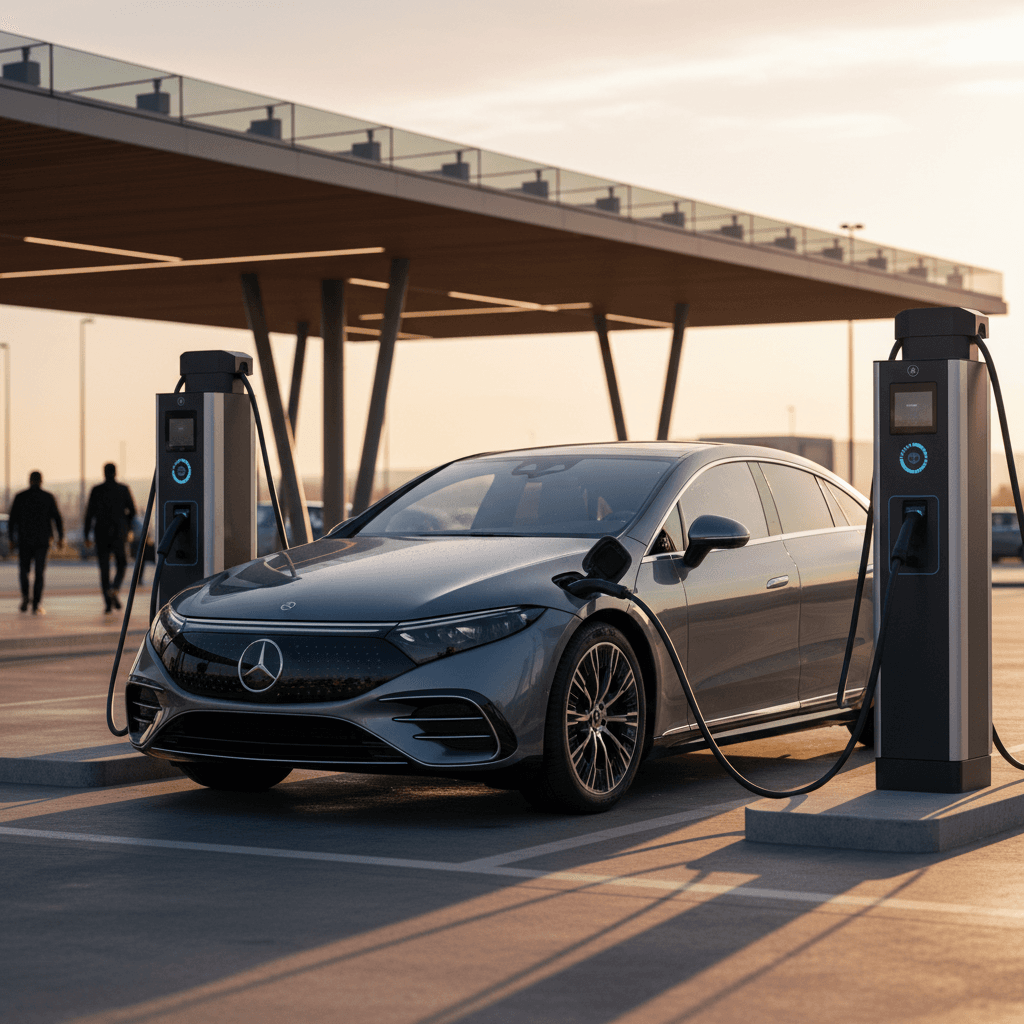
If you’re considering a Mercedes EQS, or you already have one, the natural question is: how long does it take to charge a Mercedes EQS? The honest answer is “it depends,” but you can absolutely pin charging time down to sensible ranges once you know the charger type, your starting battery level, and the conditions. This guide walks you through real‑world EQS charging times at home and on the road so you can plan daily driving and road trips with confidence.
Key takeaway up front
Mercedes EQS battery and charging basics
Before you talk charging time, you need to know what’s under the floor. Most Mercedes EQS sedans and SUVs in the U.S. use a large battery pack around 108 kWh usable capacity and support up to 200 kW DC fast charging on compatible stations. AC charging in the U.S. is limited by an onboard charger that can draw about 9.6 kW from a Level 2 source, even if the wall box is capable of more.
Core Mercedes EQS charging specs (U.S. models)
Approximate specs for common EQS trims sold in the U.S. Exact numbers vary slightly by model year and sedan vs SUV, but these figures are close enough for charging‑time planning.
| Model family | Usable battery (kWh) | Max DC fast charge (kW) | Typical 10–80% DC time | Max AC Level 2 (kW) |
|---|---|---|---|---|
| EQS Sedan (450+, 450 4MATIC, 580) | ~108 | 200 | ≈30–35 minutes | 9.6 |
| EQS SUV (450, 450 4MATIC, 580) | ~108 | 200 | ≈30–35 minutes | 9.6 |
These specs explain why DC fast charging feels quick for road trips, while home Level 2 charging is ideal for overnight top‑ups.
Think in percentages, not 0–100%
Mercedes EQS charging time at a glance
DC fast charging a Mercedes EQS on road trips
For road trips, you’ll rely on DC fast charging. This is where the EQS’s 200 kW capability really matters. In ideal conditions, Mercedes and independent tests both land in the same ballpark: roughly 30–35 minutes for a 10–80% session when you plug into a high‑power CCS or NACS DC fast charger and the battery is already warm from driving.
- Typical best case: ~30 minutes from 10–80% on a 200 kW charger with a properly preconditioned battery.
- Average real‑world: 30–40 minutes from 10–80%, depending on charger quality and temperature.
- Above 80%, the EQS deliberately slows charging, so 80–100% can take just as long as 10–80%, and usually isn’t worth it unless you truly need the extra range.
Example: 15% → 80% highway stop
- Arrive at 15% state of charge after a highway stint.
- Battery is warm, so the car quickly ramps close to its 200 kW peak.
- Charge from 15–50% very quickly, then gradually tapers to ~100–120 kW by 70–80%.
- Total time: about 30–35 minutes, which lines up with a bathroom break, coffee, and a leg stretch.
Example: 40% → 80% quick top‑up
- Arrive around 40% because you stopped early for food.
- The car skips the very highest kW but still holds strong power through ~70%.
- Going 40–80% might take only 20–25 minutes, often less than your sit‑down meal.
- On long trips, stacking these shorter 20–30 minute stops usually feels smoother than trying to go 5–95% in one shot.
Why you may not see 200 kW
Home charging time: Level 1 vs Level 2
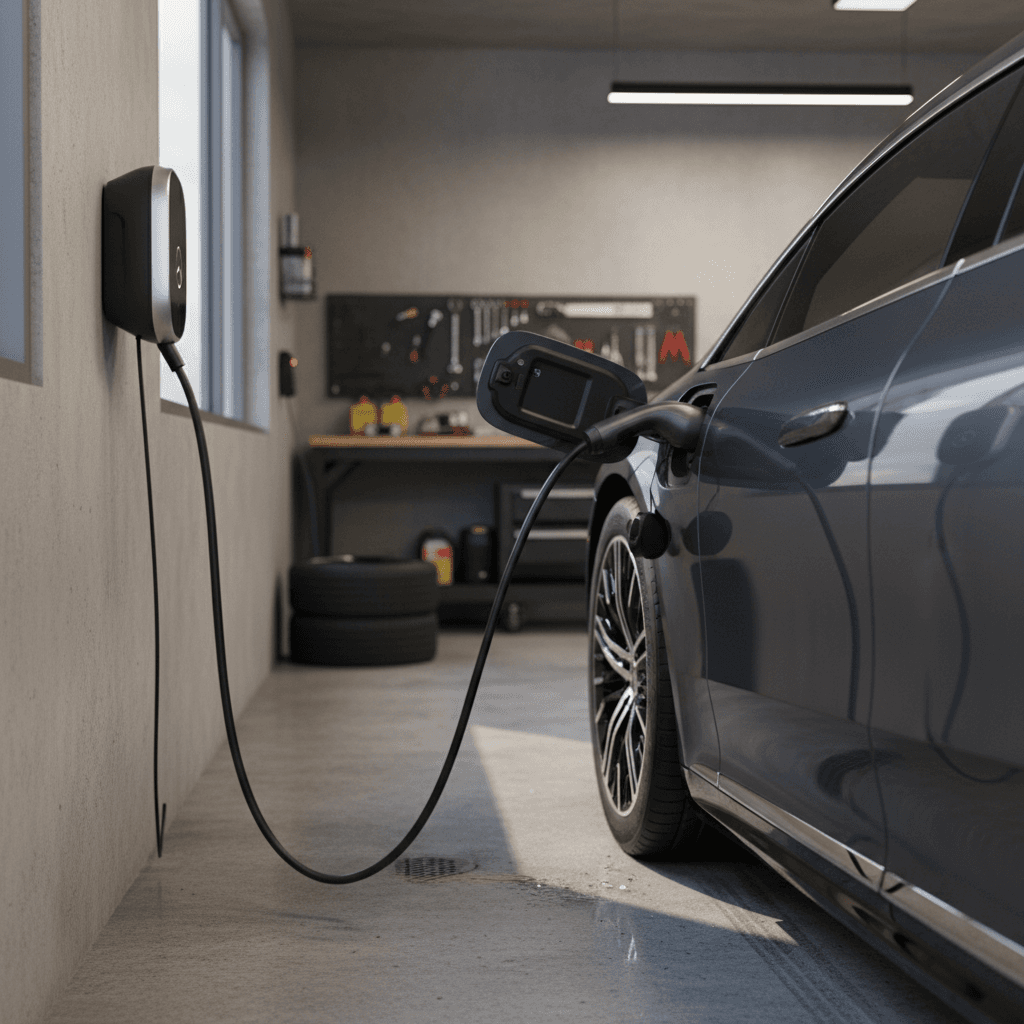
For daily life, what matters most is how long it takes to charge your Mercedes EQS at home. Here, the bottleneck is your circuit and charger, not the battery. In the U.S., most EQS owners either use a 120V outlet (Level 1) as a temporary solution or install a 240V Level 2 setup for proper overnight charging.
Mercedes EQS home charging time by charger type
Approximate times from near empty to full and for typical nightly top‑ups.
Level 1 – 120V outlet
Power: ~1.3–1.4 kW
- 0–100%: 40–60 hours
- 20–80%: 24–36 hours
- Per night (10–12 hrs): about 15–25% added
Best as a backup or for very low weekly mileage.
Level 2 – 240V, 30A circuit (~7 kW)
Power: ~7.0 kW usable
- 0–100%: 15–17 hours
- 20–80%: 9–11 hours
- Per night: 40–60% added
Good for many homeowners and moderate commuters.
Level 2 – 240V, 40–50A circuit (~9.6 kW)
Power: ~9.6 kW (EQS onboard max)
- 0–100%: 10–12 hours
- 20–80%: 6–8 hours
- Per night: 60–80% added
Ideal if you want true "plug in nearly empty, wake up full" capability.
Why 9.6 kW is the real ceiling in the U.S.
Real-world examples: full charges vs quick top‑ups
Most EQS owners quickly discover that charging time matters far less than charging pattern. You almost never run the battery near empty on purpose; instead, you treat the car like your phone and keep it topped up.
Typical Mercedes EQS charging scenarios
1. Daily commute with home Level 2
You drive 40–60 miles per day. Plug in each evening at 40–60% and set a target of 80–90%. The car adds that 20–40% in roughly 2–4 hours at 9.6 kW, usually all done before bedtime, let alone by morning.
2. Weekend errands, no home charger yet
Using public Level 2 around town, you might park at 30–50% and leave at 60–80% after a movie or shopping trip. Figure on adding 20–30% in 2–3 hours on a decent 6–7 kW public Level 2.
3. Road trip, fast-charge focused
Plan legs so you arrive at fast chargers between 10–25% and leave around 70–80%. That keeps you in the EQS’s "sweet spot" for charge speed and translates to 20–35 minute breaks every few hours of highway driving.
4. Rare full charge to 100%
If you genuinely need maximum range, say, a remote stretch with limited infrastructure, allow ~45–60 minutes on DC to go from ~10–100%, or 10–12 hours on a strong Level 2. Expect the last 20% to feel much slower; that’s by design to protect the battery.
Good news: you don’t need 0–100% every day
What changes your EQS charging time?
Official specs are one thing; what you see on the screen is another. Several real‑world factors make a Mercedes EQS charge faster or slower than the brochure suggests.
6 big factors that change your Mercedes EQS charging time
Understand these and you’ll understand almost every "Why is my car only charging at X kW?" moment.
Battery temperature
If the pack is very cold or very hot, the EQS will limit power until temperatures are safe. Using built‑in battery preconditioning before DC fast charging helps a lot on long trips.
State of charge (SoC)
Charging is fastest when the battery is low. As you pass ~50–60% on DC, power gradually tapers; above ~80%, it slows dramatically. That’s why 10–80% is quoted more often than 0–100%.
Charger capability
You only get the EQS’s potential 200 kW if the station is powerful enough and not sharing power with other cars. A 150 kW or 100 kW unit will cap you accordingly.
Circuit limits at home
On AC, your max is the lower of: the EQS onboard charger (~9.6 kW), your wall unit, or the circuit rating. For example, a 30A circuit usually limits you to about 7.2 kW.
Driving just before charging
Arriving at a fast charger directly from the highway with 10–30% battery is ideal. Lots of short city trips before a fast charge may leave the pack cooler and slow at first.
Battery age & health
A high‑mileage or poorly cared‑for pack may have slightly reduced usable capacity or be more conservative with peak power. This is where a battery health report becomes important for used EQS shoppers.
Don’t fight the last 10–20% on DC fast charge
Charging-time tips for used Mercedes EQS buyers
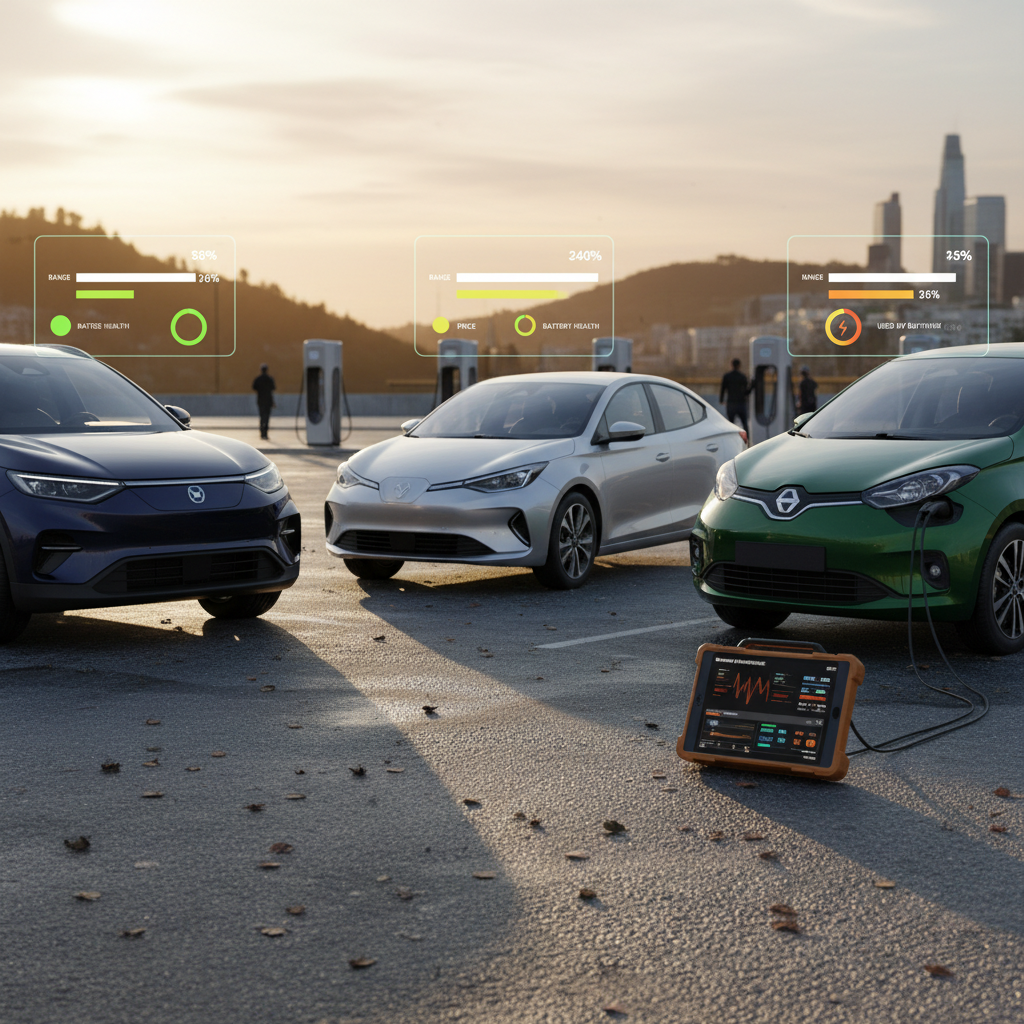
If you’re shopping for a used Mercedes EQS, charging time is more than a comfort issue, it’s a window into battery health and whether the car fits your lifestyle. Two EQS sedans with the same badge can feel very different at a fast charger if one has a tired pack or has been abused on DC all its life.
Smart charging checks before you buy a used EQS
1. Ask for real charging history
If the seller has logs from the Mercedes app or charger apps, look at how often the car was DC fast charged vs home charged. Occasional DC is fine; living on fast charge every day is less ideal long‑term.
2. Look for a battery health report
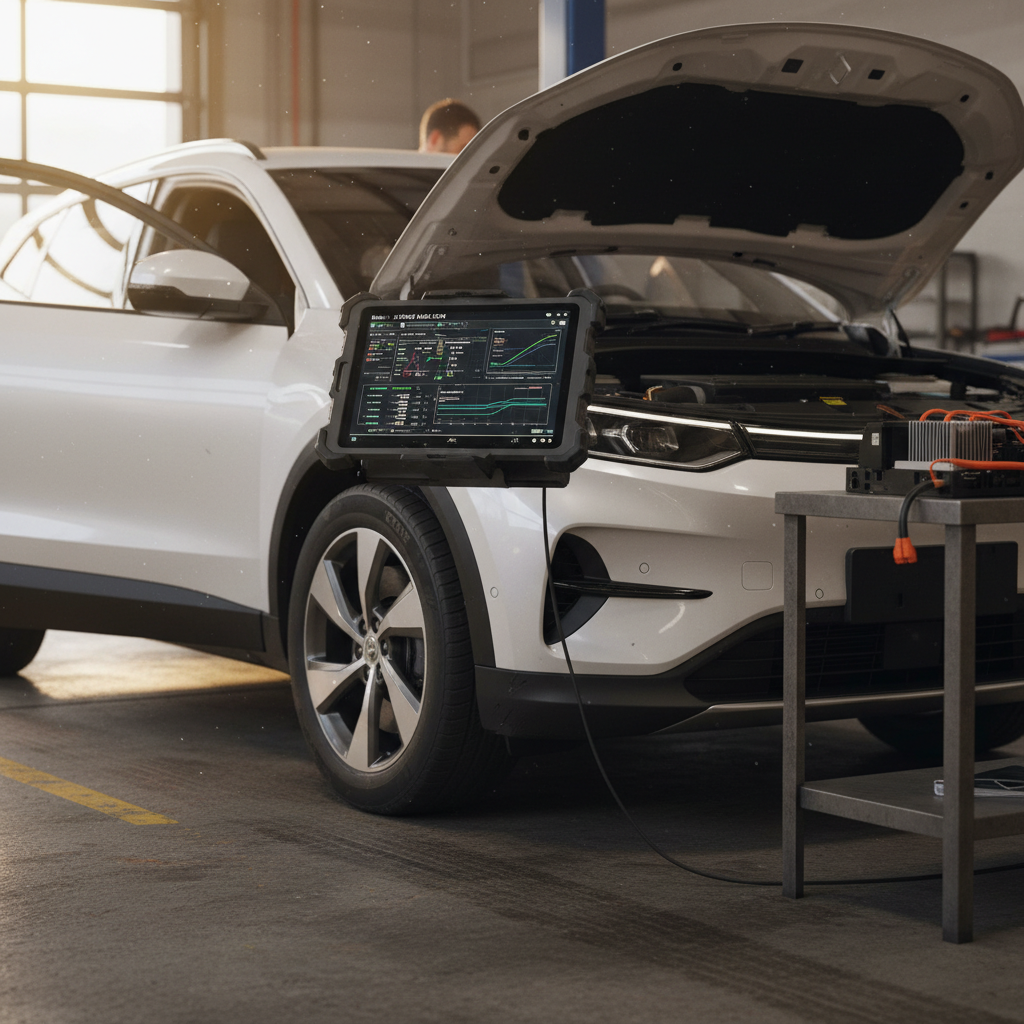
A third‑party diagnostic like the <strong>Recharged Score battery health assessment</strong> can quantify usable capacity and flag anomalies. That’s far more informative than relying on a simple dash range estimate.
3. Test a real DC fast‑charge session
On a pre‑purchase test, try a 20–60% DC fast charge at a known strong station. You’re looking for charging behavior broadly similar to other EQS reports, ramping past 100 kW when low and tapering normally as SoC climbs.
4. Verify home charging speed
Plug into a solid Level 2 (or have the seller do it) and confirm you see roughly 7–9.6 kW draw, depending on the circuit. If you’re capped far below that with no obvious reason, you may be looking at a hardware or configuration issue.
5. Match charging time to your routine
If you can install a 240V Level 2 at home, even a used EQS that’s lost a little capacity will still be easy to live with. If you’re dependent on public DC and Level 2, you’ll want to pay extra attention to how the specific car charges in the real world.
How Recharged fits in
FAQs: How long to charge Mercedes EQS?
Frequently asked questions about Mercedes EQS charging time
Bottom line: Planning your Mercedes EQS charging
When you understand how long it really takes to charge a Mercedes EQS, the car becomes much easier to live with. On the road, figure on 30–35 minute DC fast‑charge stops from about 10–80%. At home, a properly installed 240V Level 2 charger turns a near‑empty pack into a full one overnight and makes everyday top‑ups essentially invisible, you just plug in, go to bed, and wake up ready.
If you’re comparing EQS models or shopping used, pay close attention to how a particular car actually charges and, whenever possible, get objective data on battery health. That’s exactly what Recharged’s Recharged Score Report is designed to deliver when you’re buying a used EQS through our marketplace: verified battery condition, fair‑market pricing, and EV‑specialist guidance on whether the car’s charging behavior fits your life. With the right information up front, charging time becomes just another known variable, not a reason to hesitate about moving into electric luxury.