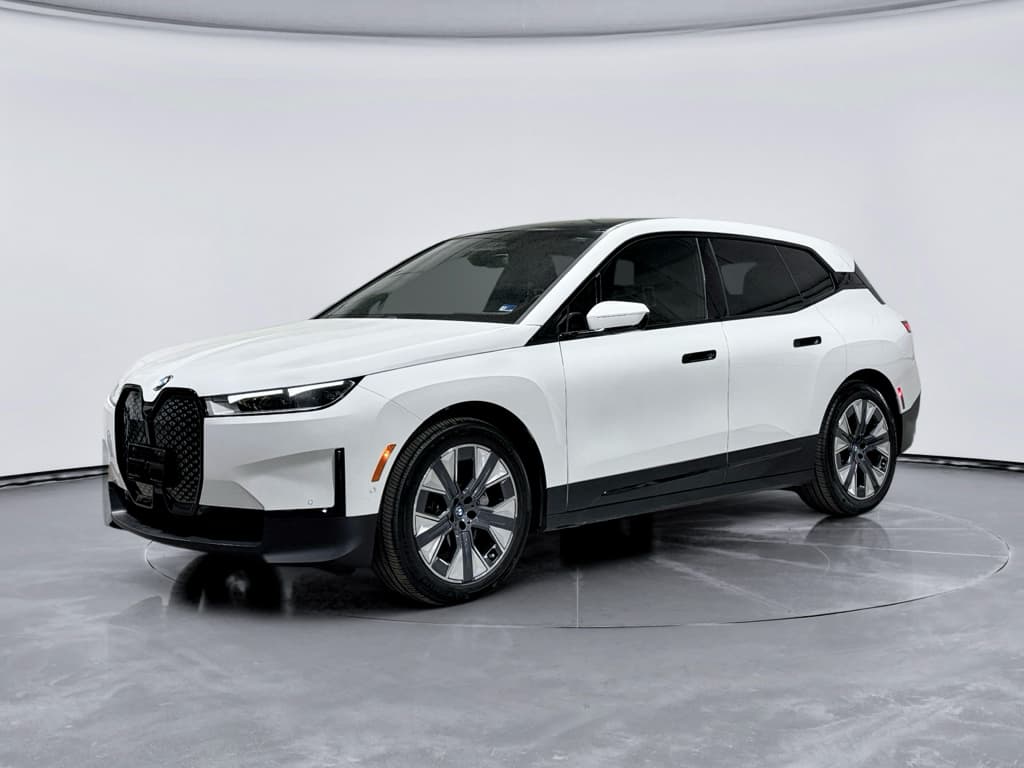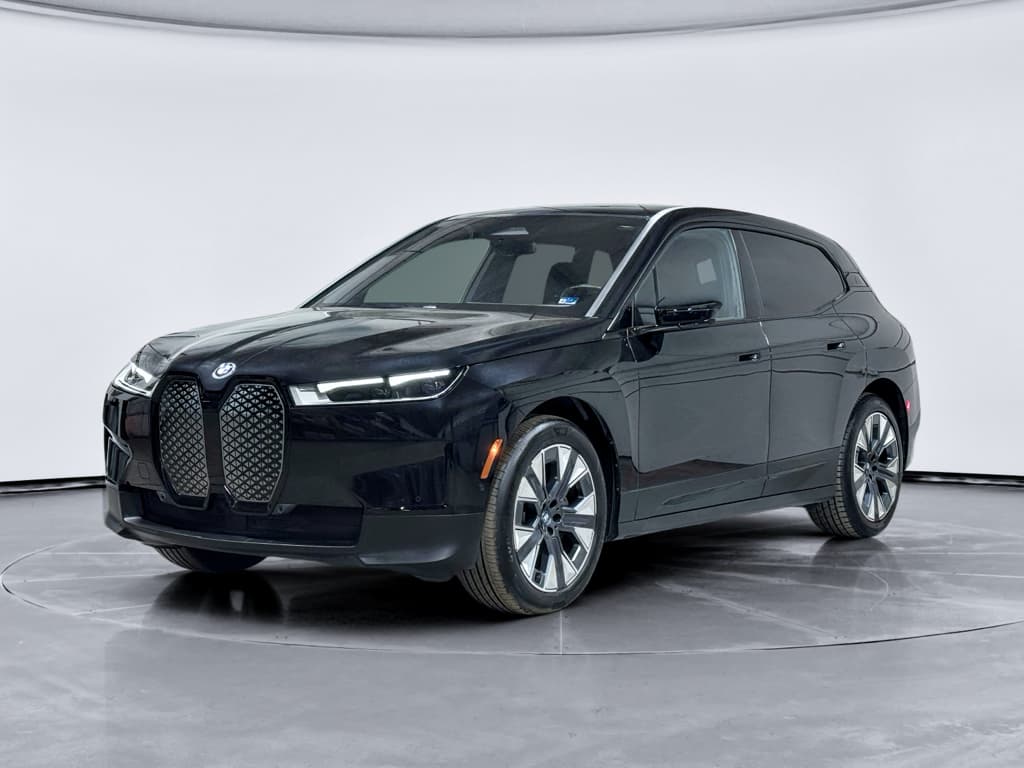
If you’re wondering how fast the BMW i7 depreciates, you’re asking the right question. Six‑figure luxury EVs live at the intersection of brutal luxury‑car depreciation and fast‑moving EV tech, and the i7 is no exception. The flip side is that this pain for first owners creates some of the most compelling deals in the used EV market.
Quick context
BMW i7 depreciation at a glance
BMW i7 depreciation snapshot (early 2026 market)
The exact curve will vary by trim, incentives, options, and how aggressive the original discount was. But across independent studies, auction results, and real‑world listings, the story is consistent: the BMW i7 depreciates very quickly in its first 3–5 years, even by luxury EV standards.
How fast does the BMW i7 actually depreciate?
Because the i7 only launched in 2022, we don’t have a full decade of history. But by stitching together pricing data from sources like iSeeCars, Kelley Blue Book, Vincentric, and live used‑market listings, we can outline a reasonable, conservative view of how fast the i7 loses value.
BMW i7 depreciation curve – directional overview
Approximate retained value versus original MSRP for a typical well‑equipped i7 in the U.S. market, assuming normal mileage and no major damage.
| Age of car | Typical market status | Approx. value vs original MSRP | What that looks like on a $120k build* |
|---|---|---|---|
| Brand‑new | On the showroom floor | 100% (but often discounted) | Sticker may say $120k, but transaction price might already be closer to $105–110k. |
| Year 1 | Lightly used, CPO | ≈70% | Around $80–85k, depending on trim and incentives on new stock. |
| Year 3 | Off‑lease, plenty of supply | ≈35–40% | Roughly $45–50k; big‑option M60s can fall into the low‑$50ks from ~$140k stickers. |
| Year 5 | Out of basic warranty window | ≈25–30% (forecast) | On today’s trajectory, many 5‑year‑old i7s are likely to sit in the low‑to‑mid $30k range. |
These ranges blend several public data sets and observed used‑market pricing as of early 2026. They’re estimates, not guarantees.
Important caveat
Third‑party analysis focused specifically on BMW EVs has already flagged the i7 as a depreciation outlier, estimating about 61–62% value lost by year three, the worst of BMW’s electric lineup and materially steeper than models like the i4. That lines up with anecdotal owner reports of $60–70k drops on early M60 cars purchased near MSRP.
Why does the BMW i7 lose value so quickly?
Six big forces driving i7 depreciation
None of these are unique to BMW, but the i7 sits where all of them overlap.
1. Full‑size luxury sedans shed value anyway
2. Luxury EVs are especially brutal
3. Heavy discounts on new cars
4. Fast tech cycles
5. Charging‑ecosystem uncertainty
6. Complexity & warranty fears
Don’t forget tax credits and incentives
BMW i7 vs other luxury EVs on depreciation
To understand if the i7 is uniquely bad, you have to compare it to its peers. All full‑size luxury EV sedans get hit hard, but the i7 is near the bottom of a tough group.
How the BMW i7 stacks up against other luxury EVs
Approximate 3‑year depreciation from MSRP for 2022–2023 luxury EV sedans, based on public studies and observed used‑market pricing as of early 2026.
| Model | Segment | Est. value lost by year 3 | Notes |
|---|---|---|---|
| BMW i7 | Full‑size luxury EV sedan | ≈60–65% | Among the weakest BMW products for resale; hurt by small buyer pool and big initial discounts. |
| Mercedes‑Benz EQS | Full‑size luxury EV sedan | ≈60% | Similar story: very high MSRP, heavy incentives, niche demand. |
| Tesla Model S | Full‑size luxury EV hatch | ≈63–65% | Older tech and repeated price cuts have dragged used values down sharply. |
| Lucid Air | Full‑size luxury EV sedan | ≈55–60% | Start‑up risk plus aggressive discounting; slightly better than i7 but still rough. |
| BMW i5 / i4 | Midsize / compact EV sedan | ≈40–50% | Smaller, more broadly useful EVs tend to hold value noticeably better than flagship sedans. |
Ranges are directional and depend heavily on options, incentives, and actual transaction prices, not just MSRP.
Silver lining for BMW
What this depreciation means if you buy a new i7
Pros of buying new
- Full warranty coverage on a complex flagship sedan, including high‑voltage components.
- Latest tech and range, which can matter if you keep the car a long time.
- Ability to spec exactly what you want instead of taking whatever the used market offers.
- Heavily subsidized leases in some months, which can blunt the depreciation hit if you don’t buy out the car.
Risks of buying new
- Very steep first‑owner depreciation, especially if you pay close to MSRP instead of a strong discount.
- Rapid tech turnover means your car will feel old faster than a gas 7 Series.
- Poor equity position if you finance with a small down payment, being “underwater” is common for the first few years.
- Uncertain exit values if EV tax credits or BMW incentives change dramatically.
If you really want to buy new…
Why the BMW i7 is so interesting as a used EV
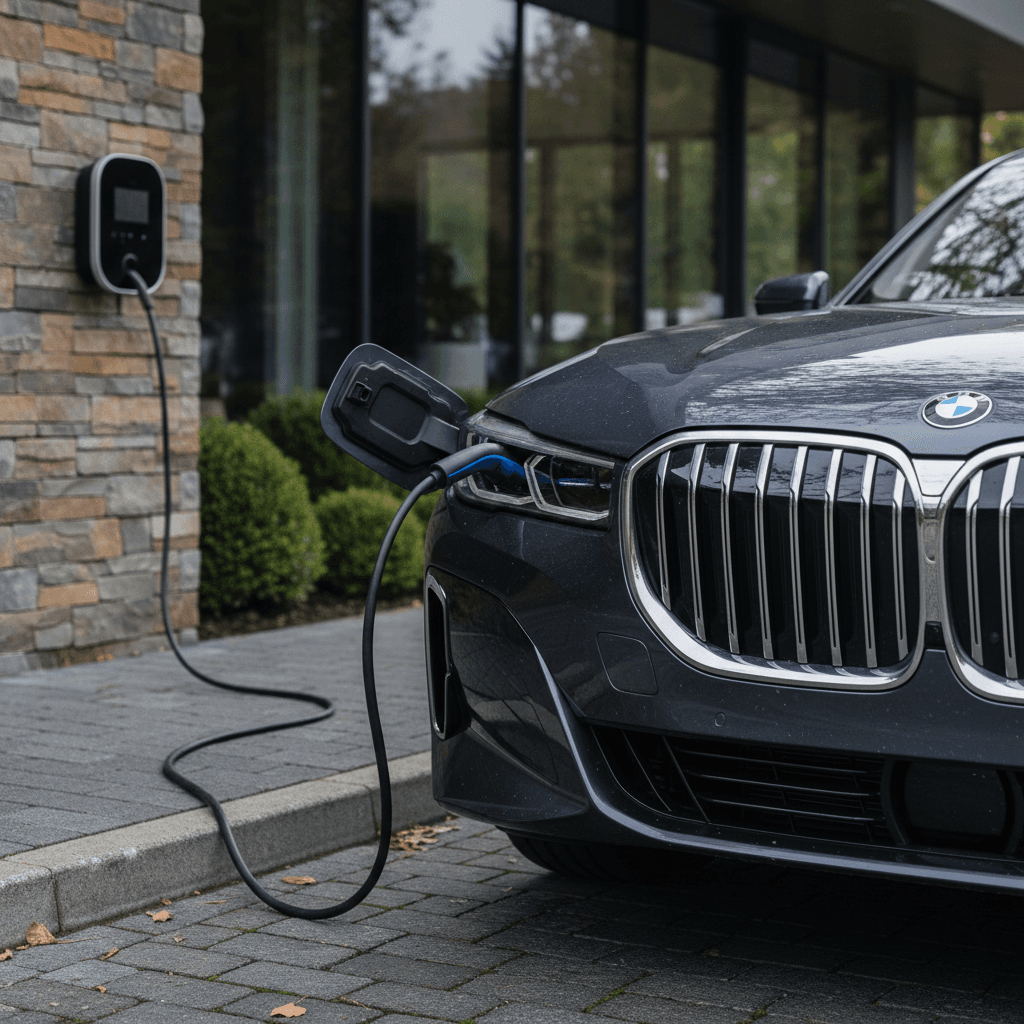
From a consumer‑welfare perspective, steep depreciation is ugly for first owners and fantastic for second and third ones. By years 3–5, the BMW i7 starts looking like one of the best value plays in the executive EV space.
- You’re getting a full‑size BMW flagship EV, space, comfort, materials, refinement, for mid‑range new‑car money.
- A lot of the biggest price drops happen while the 8‑year/100,000‑mile battery warranty is still in force (check specific terms for your car and state).
- Many early i7s were leased by high‑income owners and serviced at BMW dealers, so maintenance histories tend to be well documented.
- The segment is small, so you can afford to be picky about colors, options, and trim levels.
Where Recharged fits in
How to shop for a used BMW i7 smartly
Used BMW i7 buying checklist
1. Start with total cost, not just price
Compare what a used i7 costs to buy, tax, insure, and charge versus alternatives. A $55k used i7 may outclass similarly priced new cars, but ownership costs can still be high.
2. Prioritize battery health data
Ask for <strong>measured battery health</strong>, not just guess‑o‑meter range. With Recharged, the Recharged Score gives you a standardized look at pack condition so you’re not guessing.
3. Verify warranty timelines
Map in‑service date to BMW’s battery and powertrain warranties, and decide if you want to budget for an extended plan once coverage ends, especially on air suspension and tech.
4. Inspect for software and feature issues
Test every major screen, driver‑assist feature, and comfort system. Glitches are more than an annoyance on a flagship; they can be expensive to diagnose and repair.
5. Check charging history and patterns
Heavy DC fast‑charging isn’t a deal‑breaker, but combine that history with battery‑health data. Look for a mix of home and public charging and avoid cars that lived exclusively on DC.
6. Compare multiple years and trims
Early‑build 2023 cars can differ in options and software from later 2024–2025 builds. Cast a wide net and be willing to travel or ship the right car, Recharged offers nationwide delivery to make that easier.
Don’t buy purely on “cheap for what it is”
Ways to reduce depreciation if you already own an i7
If you’re holding an i7 today, you can’t reverse market trends, but you can control where you sit on the curve.
Tactics to slow the hit (or at least control it)
Think less about beating the market and more about playing its incentives smartly.
Keep impeccable documentation
Mind your exit timing
Avoid unnecessary miles & damage
Consider consignment or curated marketplaces
What not to do
BMW i7 depreciation FAQ
Frequently asked questions about BMW i7 depreciation
Bottom line: who should lean into i7 depreciation?
If your question is “how fast does the BMW i7 depreciate?,” the honest answer is: very fast, especially in its first three years. That makes it a tough buy at or near MSRP for anyone who cares about equity, but an unusually attractive opportunity for used‑EV shoppers with realistic expectations about running costs.
If you’re value‑hungry and comfortable owning a complex luxury EV, the sweet spot is likely a 3–5‑year‑old i7 with strong battery‑health data, clean history, and some warranty runway. That’s exactly the kind of car Recharged exists to surface, with transparent pricing, EV‑specialist support, and a Recharged Score Report on every vehicle.
And if you already own an i7, think like a portfolio manager: know where you are on the curve, treat incentives and lease offers as signals of residual‑value expectations, and plan your exit accordingly. Depreciation on cars like this isn’t a bug in the system; it’s the system. Your job is to decide whether you want to be the first owner powering that curve, or the savvy second owner taking advantage of it.