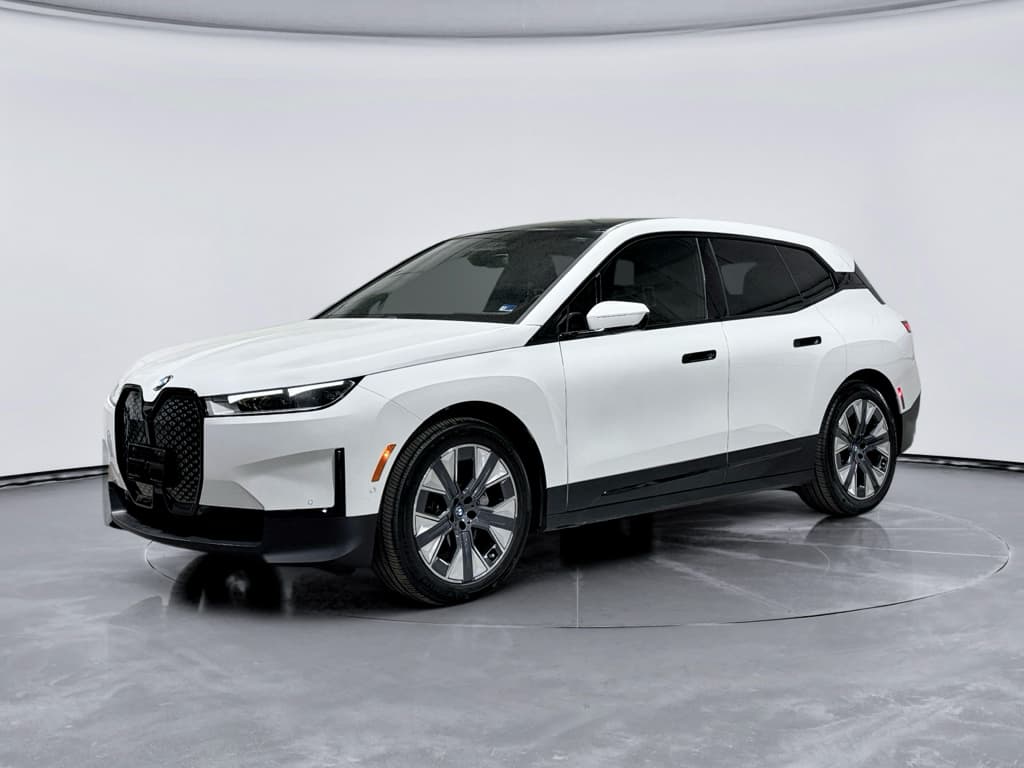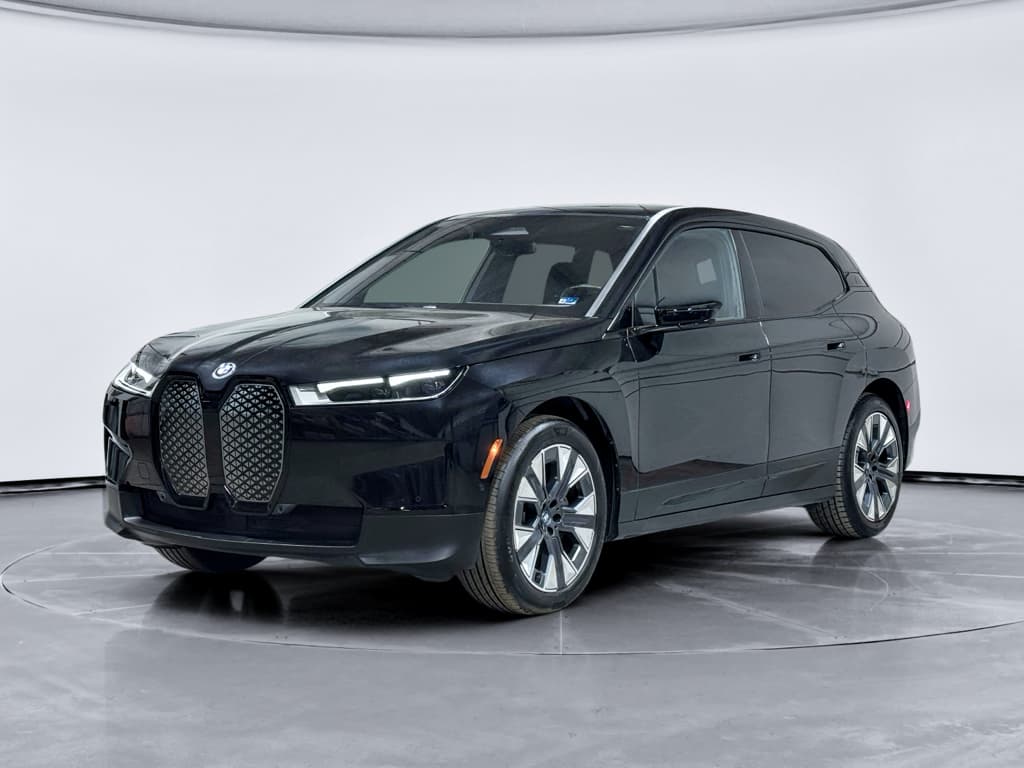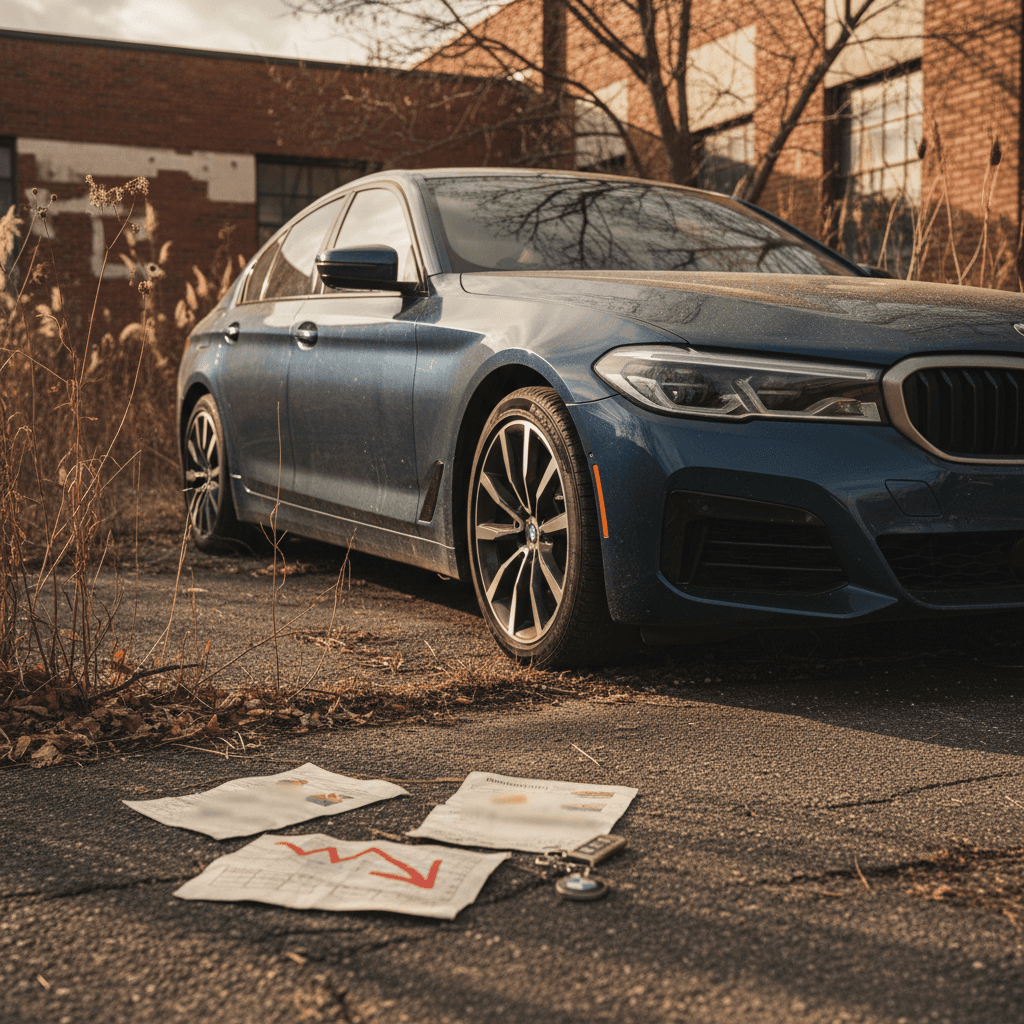
If you’re eyeing a BMW i5, you’re probably asking a very sensible question: how fast does the BMW i5 depreciate? It’s a $70,000‑ish electric 5 Series; you don’t want to discover three years from now that half that money has gone up in electrons and leather smell. The short answer: the i5 depreciates quickly by normal-car standards, and even by luxury‑car standards it’s on the steep side, but there’s nuance hidden in those scary percentages.
In a hurry? Here’s the quick take
BMW i5 depreciation at a glance
Early BMW i5 depreciation picture (U.S. market)
The BMW i5 is still young in the market, so no one has a perfect crystal ball. But combining auction data, pricing tools, and what we already know about BMW 5 Series depreciation and luxury EV resale, a clear pattern is emerging: big hit early, then a plateau. If you’re buying new, that’s sobering. If you’re buying used, it’s an opportunity.
Why the BMW i5 depreciates the way it does
1. It’s a luxury BMW
Historically, the 5 Series is a heavy depreciator. Internal‑combustion 5 Series sedans have routinely lost around half their value in 5 years, sometimes more, simply because luxury buyers chase the latest thing and leasing dominates this segment.
The i5 inherits all of that: high MSRP, expensive options, corporate leases that dump cars onto the used market after 36 months.
2. It’s also an EV
Layer on top the current EV market correction. Rapid tech improvements, shifting incentives, and price cuts across the segment have pushed many EVs into 45–55% depreciation by year three. The i5 is not immune; its value is tethered to the same reality affecting i4s, i7s, and competitors from Mercedes and Tesla.
Put bluntly: you have a car from a brand that has always depreciated quickly, wearing a powertrain type that’s in the middle of a technology arms race. That’s the macro story behind those big percentages.
Don’t confuse brand cachet with resale strength
3-year vs 5-year BMW i5 depreciation
Because the i5 only launched for the 2024 model year, we’re working off projections and early resale data, not a full decade of history. Still, there’s enough signal in the noise to sketch a realistic range for how fast the BMW i5 depreciates.
BMW i5: simplified 3–5 year depreciation outlook
Illustrative figures using a notional $75,000 MSRP, blending several current forecasts and early used pricing.
| Time from new | Estimated value remaining | Approx. dollar loss on $75k MSRP | What’s happening |
|---|---|---|---|
| 1 year | ≈70–75% | $18,750–$22,500 lost | Early luxury + EV hit, especially if new‑car incentives have shifted. |
| 3 years | ≈50–60% | $30,000–$37,500 lost | Lease returns flood in; tech and range advances date older cars. |
| 5 years | ≈40–45% | $41,250–$45,000 lost | Most steep depreciation is behind you; values drift down more slowly. |
Actual numbers will vary by trim, options, mileage, and market conditions, but the pattern, big early drop, then a slower slide, tends to hold.
Some third‑party models peg the i5 closer to a 54–60% loss by year 5, others a bit less severe, but they all rhyme: if you buy new and sell around the end of your warranty, depreciation is by far your largest cost.
Where the deals hide
BMW i5 vs gas 5 Series and other EVs
How the BMW i5 stacks up on depreciation
Think of the i5 as sitting between a gas 5 Series and the faster‑falling early EVs.
Vs. gas BMW 5 Series
Traditional 5 Series sedans are notorious for 50%+ depreciation in 5 years. Recent data puts some 5 Series models losing around half or more of MSRP by year five.
The i5 seems to track slightly worse than the best gas 5 Series examples, because battery and tech concerns spook some buyers.
Vs. older luxury EVs
Some early luxury EVs (Jaguar I‑Pace, first‑wave big sedans) have lost 65–75% in five years. The i5, with its newer platform, better efficiency, and BMW’s dealer network, appears to be faring a bit better than that worst‑case group.
Vs. segment-leading EVs
On the flip side, segment leaders like the strongest‑resale Teslas tend to lose less over the first 5 years than most luxury EVs. The i5 is unlikely to match the best‑in‑class EVs for resale, but it’s also not the bottom of the pile.
So if you put the i5 on a spectrum, it’s worse than a frugal mainstream sedan, roughly in line with other German luxury EVs, and likely a bit better than the very worst‑hit early electric models. Not a disaster, but not a savings bond either.
What hurts BMW i5 resale value
- High original MSRP + heavy options. A $78,000 i5 with every gizmo doesn’t become a $78,000 used car. It becomes a $78,000 new‑car payment that turns into a $38,000 trade‑in faster than you’d like.
- Rapid EV tech progress. Range and charging speeds improve year over year. A 2024 i5 with good specs today will inevitably look more ordinary next to a 2028 model.
- Shifting incentives and pricing. When new‑car EV incentives change, or when automakers cut prices, used values have to follow. That can yank thousands from the resale value overnight.
- Fear of out‑of‑warranty repairs. A BMW packed with electronics and a giant battery makes some second‑hand buyers nervous once the factory coverage is nearly gone.
- High mileage without documentation. An i5 that’s done 20,000 miles a year with no clear charging or service history will trade at a clear discount.
Red flags on a used i5
What helps the BMW i5 hold its value
Signals that a BMW i5 will depreciate more slowly
Strong battery health report
A documented, independent <strong>battery health test</strong> showing good state of health (SOH) calms fears about range loss and makes your i5 far more attractive in a crowded used market.
Desirable, not extreme, spec
Mid‑level trims with popular colors, driver‑assist packages, and upgraded audio tend to do better than ultra‑loaded or oddly optioned cars. Buyers want value, not a museum of options.
Reasonable annual mileage
Aim for something near the <strong>12,000–15,000 miles per year</strong> U.S. norm. A 3‑year‑old i5 with 60,000+ miles will spook more buyers than one with 28,000.
Clear charging and service history
Records showing mostly Level 2 home charging, scheduled maintenance, and software updates are resale gold. They suggest a gentle life and fewer future surprises.
Remaining high-voltage warranty
An i5 still covered by BMW’s battery and high‑voltage system warranty will usually sell faster and for more. Buyers like the manufacturer on the hook for the expensive bits.
Where Recharged fits in
Ready to find your next EV?
Browse VehiclesBattery health: how much does it matter?
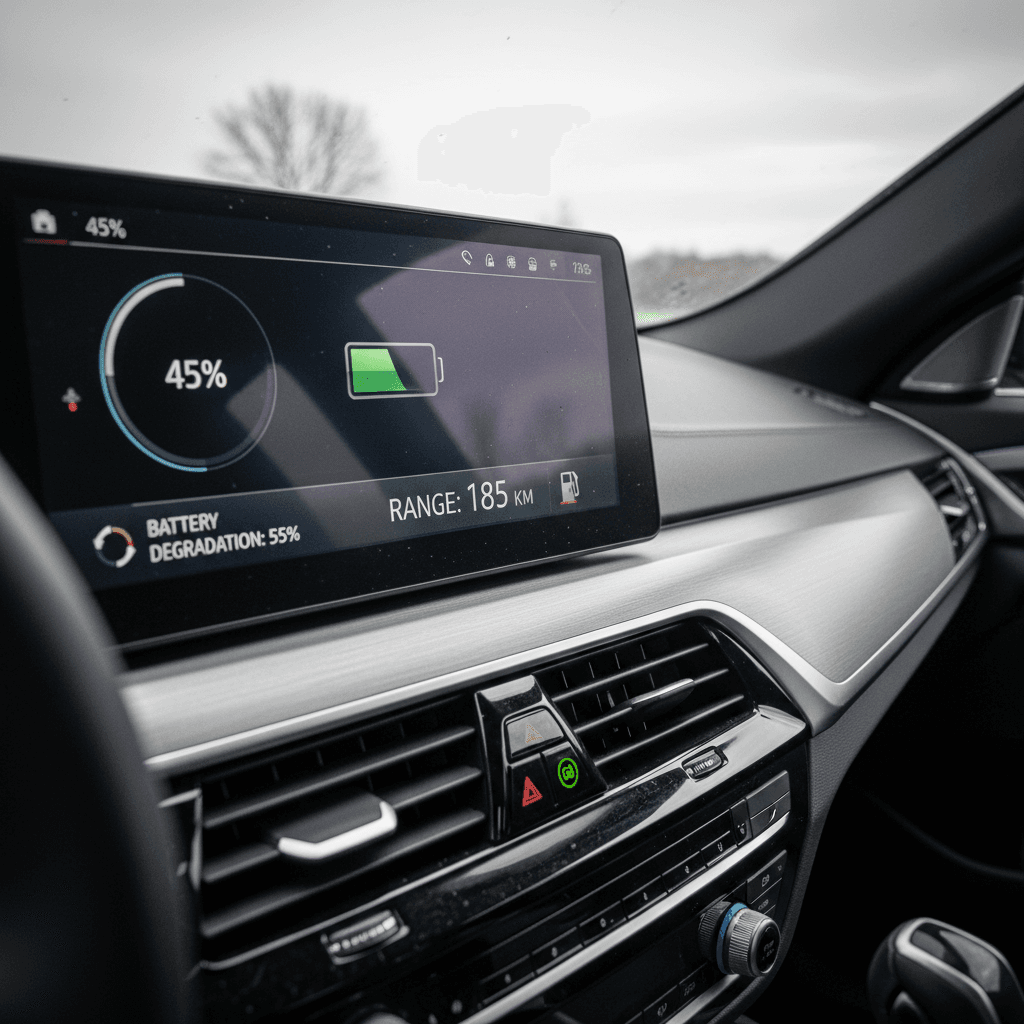
On a used BMW i5, battery health is the whole ballgame. A buyer can forgive some cosmetic wear; it’s harder to forgive a car that’s lost a meaningful chunk of usable range and needs to spend its life glued to a DC fast charger.
Range is the new odometer
Shoppers aren’t just asking, “How many miles are on it?” They’re asking, “How much real‑world range is left?” If a healthy i5 should still do, say, 260 miles on a charge in mixed driving, an example struggling to clear 210 starts to look like a different, less usable car.
Degradation cuts directly into price
An i5 with noticeably worse range than its peers can deserve a 10–15% discount or more versus a similar car with a strong pack. That’s how much the market dislikes uncertainty around future battery performance and replacement costs.
Always get a quantified battery report
Buying a used BMW i5: smart strategies
Depreciation isn’t something you just suffer; it’s something you can use. If someone else has already paid $30,000–$40,000 of first‑owner depreciation, you have leverage, as long as you choose carefully.
Step‑by‑step game plan for shopping a used BMW i5
1. Target the right age window
Focus on <strong>2–4‑year‑old</strong> i5s. At that point a big chunk of depreciation is behind you, but you can still find cars with modern tech and meaningful factory warranty coverage.
2. Prioritize battery + warranty over gadgets
Skip the temptation to chase every option and instead shop for the <strong>healthiest battery and longest remaining high‑voltage warranty</strong>. Those matter far more to your wallet than gesture control or rear‑seat climate zones.
3. Compare to new incentives
Before you sign, check what local dealers are doing on <strong>new i5 leases and discounts</strong>. If a new, incentivized car is only a little more than the used one, the depreciation math may push you back to new, or give you negotiating ammo on the used car.
4. Use transparent pricing tools
Cross‑check asking prices against multiple valuation tools and real‑world listings, not just one app. On Recharged, we build <strong>fair‑market pricing</strong> into every listing so you see how a car stacks up against the wider market.
5. Look for EV‑savvy sellers
A seller who can talk coherently about charging habits, software updates, and battery care is worth more than one with a shrug. Marketplace experiences like Recharged, with EV‑specialist support, help bridge that knowledge gap.
6. Consider total cost, not just price
Insurance, charging costs, tires, and upcoming maintenance matter. An i5 that’s a few thousand more up front but costs less to own over 3–5 years can be the smarter buy.
Cost of ownership beyond depreciation
Focusing only on how fast the BMW i5 depreciates misses half the story. Depreciation is the thunderclap you hear; operating costs are the quiet background hum that can work for you over time.
How depreciation fits into the bigger cost picture
A used i5 can be cheaper to live with than it looks on paper.
Fuel and maintenance savings
Electric miles are usually cheaper than gasoline miles, especially if you can charge at home on off‑peak rates. And the i5 skips oil changes, transmission service, and many of the consumables that keep a gas 5 Series busy at the shop.
Over 3–5 years, those savings can offset a meaningful slice of the depreciation hit.
Balancing the equation
If you buy at the right point in the curve, a used BMW i5 can deliver a luxury‑car experience and EV running costs for the price of a mid‑market new sedan payment. That’s the whole appeal of shopping depreciation instead of fearing it.
Making the move simple
FAQ: BMW i5 depreciation and resale
Frequently asked questions about BMW i5 depreciation
Bottom line: is a used BMW i5 worth it?
If you buy a BMW i5 new and bail out after three years, depreciation will feel like gravity on Jupiter. That’s the nature of a tech‑heavy German luxury EV in 2026. But if you come in at the right point in the curve, after someone else has already donated $30,000–$40,000 to the cause, a used i5 can be a strangely rational indulgence: quiet, quick, beautifully built, and no thirst for premium unleaded.
The key is to treat depreciation as a tool, not a curse. Understand that the BMW i5 tends to lose around 45% of its value in 3 years and close to 60% in 5, then shop accordingly: prioritize battery health, warranty, and honest pricing over shiny options lists. That’s exactly the hole Recharged is built to fill, combining verified Recharged Score battery diagnostics, fair‑market pricing, financing, trade‑ins, and nationwide delivery so you can enjoy the best part of the i5 experience while someone else pays for the steepest part of the curve.