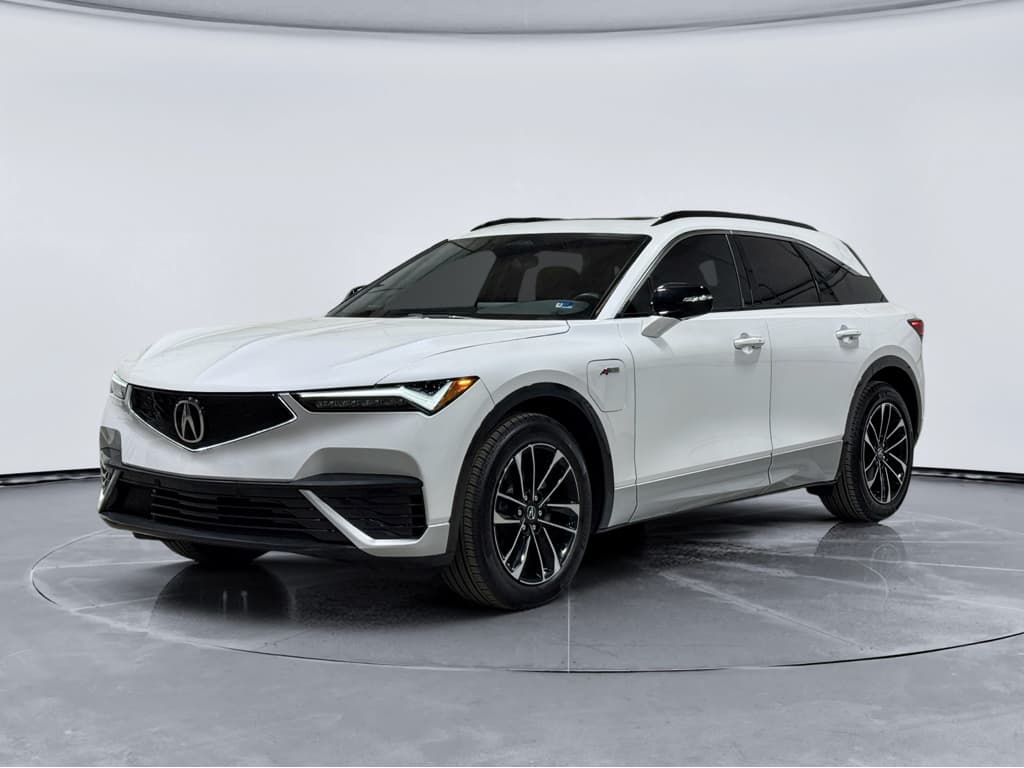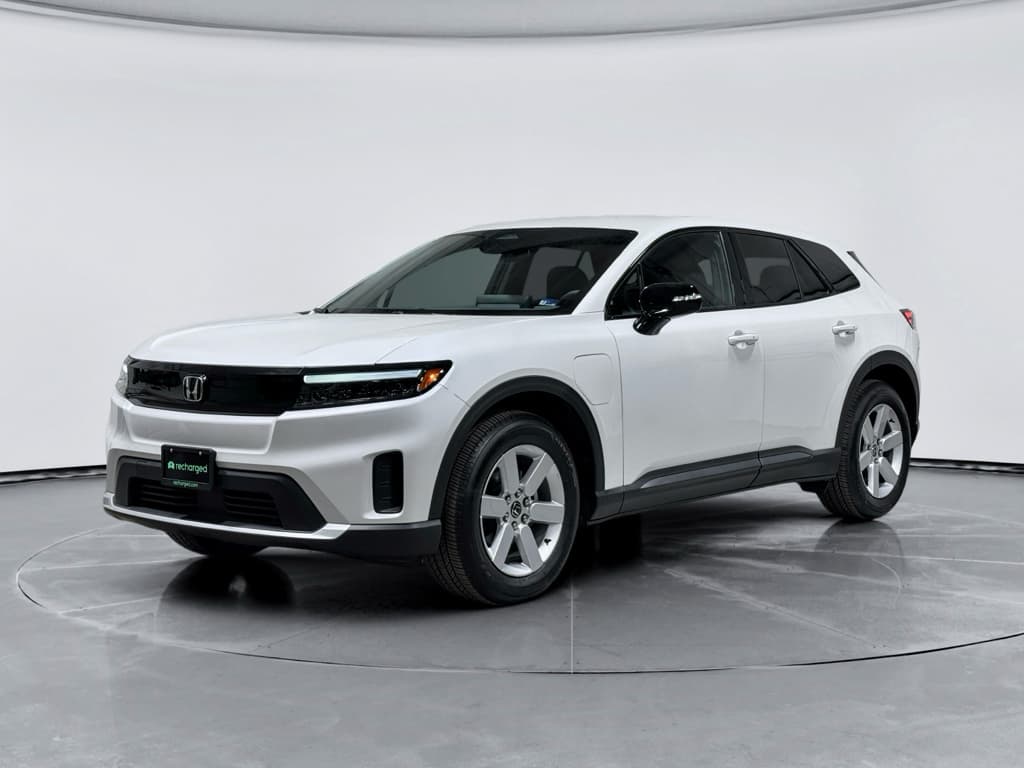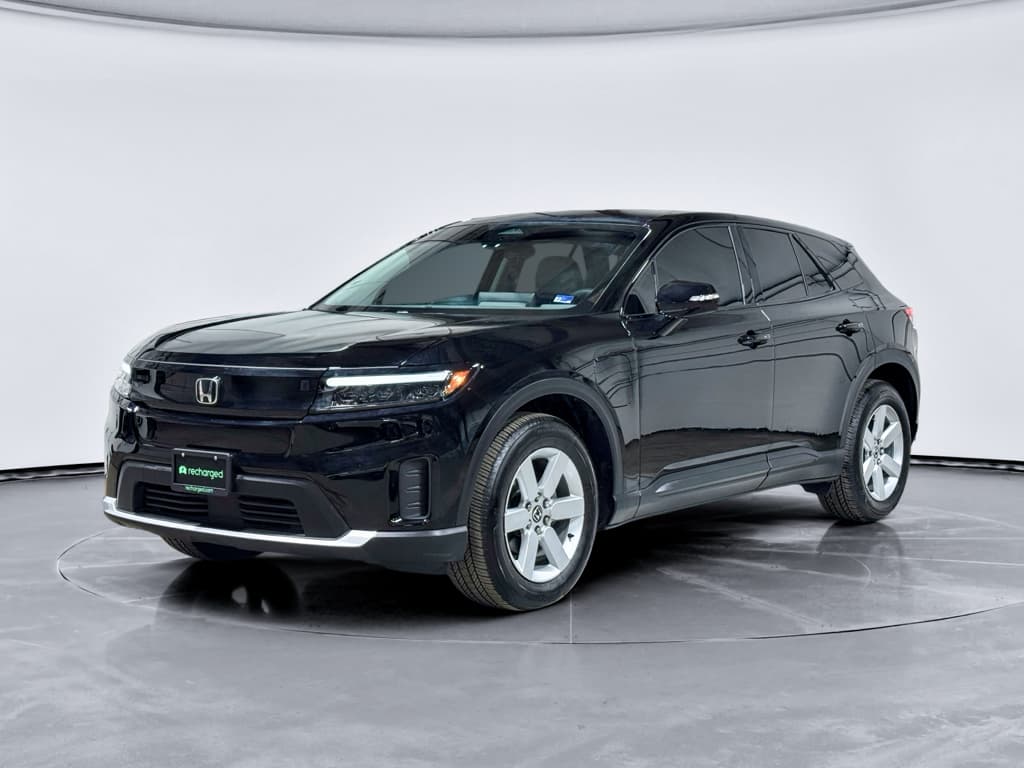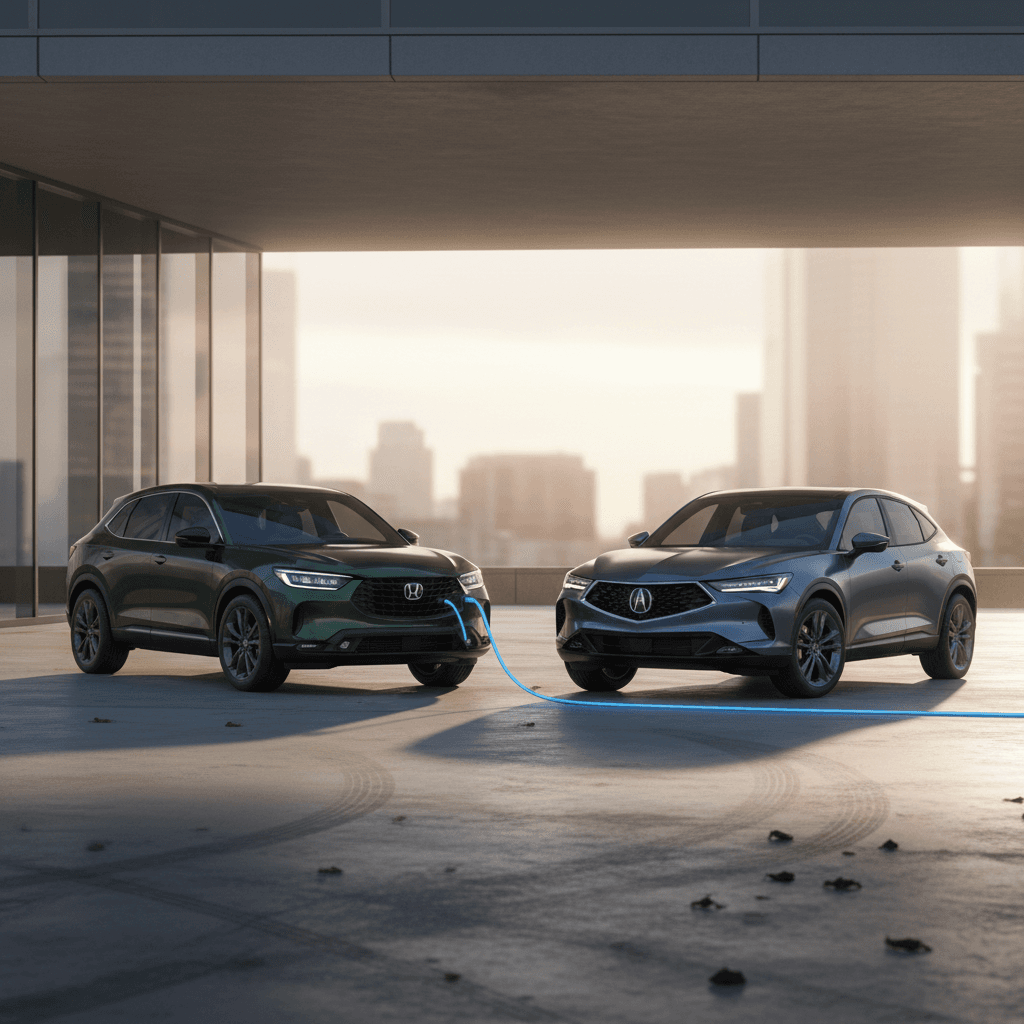
If you’re cross-shopping the Honda Prologue vs Acura ZDX, you’re essentially comparing two closely related electric SUVs that target very different buyers. Both ride on GM’s Ultium platform, share similar dimensions, and launched for the 2024 model year, but they diverge sharply on price, performance, and positioning, and the ZDX has already hit a major crossroads in its short life.
Key context for 2026 shoppers
Honda Prologue vs Acura ZDX: Overview
Think of the Honda Prologue as the mainstream, value-focused Ultium SUV and the Acura ZDX as the premium, performance-leaning sibling. Under the skin, they share a lot: similar wheelbase (about 121.8 inches), five-passenger layouts, and GM-sourced batteries and motors. But Acura wraps that hardware in more power, more technology, and a significantly higher price tag.
Honda Prologue: Mainstream all-rounder
- Targeted at buyers moving from CR-V, Passport, or Pilot into their first EV.
- Prioritizes range, comfort, and value over outright speed.
- Simpler trim lineup and more approachable pricing.
Acura ZDX: Premium performer
- Intended as Acura’s halo EV with sharper styling and stronger performance.
- More powerful A-Spec and Type S variants, with adaptive air suspension and big brakes available.
- Higher starting price that overlaps with luxury rivals from BMW, Mercedes, and Audi.
ZDX availability warning
Quick Specs: Honda Prologue vs Acura ZDX
Core Specs Snapshot
Headline numbers for the Honda Prologue and Acura ZDX as configured at launch.
| Specification | Honda Prologue (2024) | Acura ZDX (2024) |
|---|---|---|
| Platform | GM Ultium, BEV3 | GM Ultium, BEV3 |
| Battery capacity (usable, approx.) | 85 kWh | ~102 kWh |
| Drivetrain options | Single-motor FWD or dual-motor AWD | RWD (A-Spec), AWD (A-Spec, Type S) |
| Max horsepower | ~288 hp (AWD) | Up to ~500 hp (Type S) |
| EPA max range | Up to 296–308 miles (2WD trims) | Up to ~313 miles (A-Spec RWD) |
| DC fast-charge peak | Around 150 kW | Similar Ultium DC peak (higher miles per 10 minutes) |
| Length | ~192 in | ~197.7 in |
| Base MSRP at launch | Around $47,400 (EX 2WD) | Around mid-$60,000s (A-Spec RWD) |
Exact figures vary by trim; always verify the window sticker on the specific vehicle you’re considering.
Range and Power Highlights
Pricing, Trims, and Value Analysis
Price is where the Honda Prologue vs Acura ZDX comparison stops being a friendly family rivalry and becomes a serious financial decision. The Prologue starts in the high-$40,000 range before destination for the EX 2WD, while the ZDX A-Spec RWD originally opened around the mid-$60,000s, with Type S models stretching higher. In other words, you’re often looking at a five-figure gap between comparable Prologue and ZDX trims.
Trim and Value Breakdown
How pricing and equipment stack up for typical shoppers
Honda Prologue EX / Touring
The sweet spot for many buyers will be EX or Touring 2WD:
- MSRP roughly in the high-$40Ks to low-$50Ks.
- Up to nearly 300 miles of range.
- Plenty of standard tech: Google built-in, wireless Apple CarPlay/Android Auto, Honda Sensing.
If you’re budget-conscious, this is where the Prologue really shines.
Honda Prologue Elite AWD
Elite trims push into the high-$50Ks:
- Dual-motor AWD standard with ~288 hp.
- More luxury: bigger wheels, head-up display, ventilated seats.
- Still typically less expensive than a base Acura ZDX.
Think of Elite as the Prologue’s quasi-luxury option.
Acura ZDX A-Spec & Type S
Acura aimed at the luxury-performance market:
- A-Spec RWD in the mid-$60Ks; AWD and Type S climb from there.
- Much higher power ratings and performance hardware.
- More upscale interior and Acura branding.
You’re paying a significant premium for speed and prestige.
Value tip
Range, Battery, and Efficiency
While both SUVs share Ultium underpinnings, they don’t share the same battery strategy. The Honda Prologue uses an approximately 85-kWh pack, while the Acura ZDX leverages a larger ~102-kWh battery. On paper, that gives the ZDX an edge in maximum range, especially the A-Spec RWD variant, but real-world efficiency and your driving patterns matter more than bragging rights.
- Honda Prologue EX/Touring 2WD: manufacturer estimates up to roughly 296–308 miles of range, depending on configuration.
- Prologue AWD trims: range steps down modestly (for example, around the low-to-mid 270s for Elite AWD).
- Acura ZDX A-Spec RWD: EPA estimates in the low 300s, topping out around 313 miles in many reports.
- ZDX AWD and Type S: more power and weight typically mean somewhat lower range, but still competitive for the segment.
Efficiency vs absolute range
Performance and Driving Character
Performance is where Acura draws a clear line between these siblings. The Prologue is tuned as a relaxed, confident daily driver. The ZDX, especially in Type S form, leans hard into the performance-luxury space with more power and a stiffer, more sophisticated chassis setup.
Honda Prologue on the road
- Single-motor versions prioritize smoothness and efficiency over speed.
- Dual-motor AWD models deliver around 288 hp and mid-6-second 0–60 mph performance, quick enough for most families.
- Ride quality skews comfortable; steering is light and predictable rather than sporty.
Ideal if you want an EV that feels like a refined, quiet Honda SUV rather than a performance machine.
Acura ZDX character
- A-Spec trims already offer a noticeable bump in power over the Prologue.
- Type S adds big output (around 500 hp), adaptive air suspension, and serious brakes.
- 0–60 mph in the low-4-second range puts it in genuine performance-SUV territory.
Perfect for drivers who care as much about how an EV feels to hustle as how far it goes on a charge.
Performance vs traction reality
Charging Experience and Networks
Because these vehicles share Ultium hardware, their DC fast-charging behavior is broadly similar: peak rates in the 150-kW neighborhood and 20–80% fast-charge sessions typically in the 30–40 minute window under ideal conditions. But the details, and your charging strategy, still matter.
- Honda Prologue: manufacturer data shows adding roughly 62–65 miles of range in about 10 minutes on a high-power DC fast charger, depending on trim.
- Acura ZDX: larger battery and tuning allow it to add around 80 miles in about 10 minutes under favorable conditions.
- Both: ship with CCS hardware for now, with adapters enabling access to Tesla Superchargers before native NACS ports arrive on future Honda/Acura EVs.
- Home charging: both benefit from a 240V Level 2 setup; an 11.5-kW onboard charger on the Prologue, for example, supports robust overnight charging.
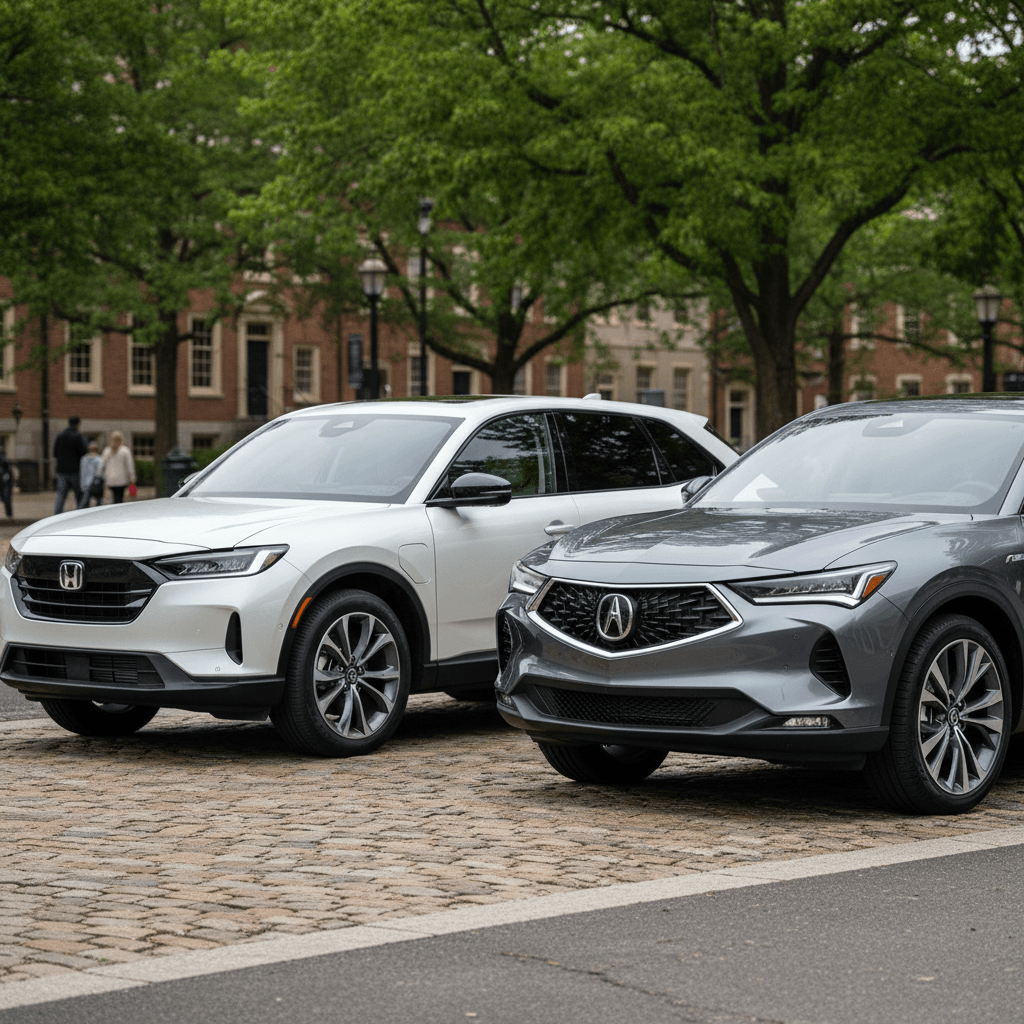
Plan your charging like your fuel stops
If you’ll do most of your charging at home, there’s little difference between these two beyond your utility bill. Where the ZDX’s bigger pack helps is on longer highway days, especially in climates or driving conditions that sap efficiency. For many drivers, though, the Prologue’s range plus a solid home charger is more than enough.
Interior Space, Tech, and Features
Cabin experience is another big divider in the Honda Prologue vs Acura ZDX matchup. The Prologue feels like a modern Honda SUV with clean design, durable materials, and intuitive controls. The ZDX layers on richer finishes, more dramatic styling, and the brand cachet Acura shoppers expect.
Cabin and Tech Highlights
How living with each SUV feels day to day
Space and practicality
Honda Prologue offers generous passenger and cargo room thanks to its 121.8-inch wheelbase. Fold-flat rear seats and a boxier profile make it very family-friendly.
Acura ZDX is slightly longer overall, with a sleeker roofline. It looks sportier but doesn’t dramatically change usable space.
Infotainment and UX
Both models lean heavily on Google built-in, giving you native Google Maps, Assistant, and Play Store apps.
- Wireless Apple CarPlay / Android Auto are standard in the Prologue and available in ZDX trims.
- Acura’s graphics and audio options skew more upscale, but the basic interface feels familiar in both.
Driver assistance
Honda Prologue includes the Honda Sensing suite: adaptive cruise, lane-keeping assist, and more.
Acura ZDX adds brand-specific tuning and available enhancements, but the core feature set is very similar. Neither feels bare-bones in 2026.
Daily usability win: Honda Prologue
Safety, Reliability, and Long-Term Ownership
Both the Honda Prologue and Acura ZDX have performed well in many crash scenarios but have room for improvement in specific tests. Recent IIHS evaluations found that each missed the highest Top Safety Pick awards due largely to small-overlap front performance and headlight glare concerns, particularly on early-build ZDXs. That doesn’t make them unsafe, but it’s worth knowing the details and watching for running changes by build date.
- Crash performance: solid results in most major crash tests, with some demerits in passenger-side small overlap scenarios and headlight performance.
- Active safety: both offer robust driver-assistance suites standard; check trim-level details for extras like surround-view cameras or upgraded collision-avoidance tech.
- Warranty coverage: expect competitive EV component coverage (often 8 years/100,000 miles on high-voltage components) along with 3-year/36,000-mile basic coverage and longer powertrain terms for Prologue.
Reliability outlook
Which Electric SUV Fits You Best?
The best way to frame Honda Prologue vs Acura ZDX is to start with who you are as a driver. Are you a value-focused owner who wants a quiet, comfortable EV that just works? Or are you drawn to luxury badges, strong acceleration, and being a little different from the crowd?
Match Yourself to the Right EV
You’ll likely prefer the Honda Prologue if…
You want a <strong>mainstream, well-priced EV SUV</strong> with plenty of range, an easy ownership experience, and support from a broad Honda dealer network. You care more about comfort, practicality, and monthly payment than you do about 0–60 times.
You’ll likely prefer the Acura ZDX if…
You’re shopping in the <strong>luxury EV space</strong> already and want strong acceleration, premium styling, and a more exclusive feel. You’re comfortable paying extra for performance and branding, and you understand the ZDX’s shorter production run may impact long-term support and resale dynamics.
You prioritize long-term support and parts availability
In that case, the advantage tilts toward the <strong>Prologue</strong>. With Honda committed to the model and expanding its in-house EV lineup, you’re likely to see better continuity of parts, software updates, and service expertise.
You’re a deal hunter in the used market
Lightly used <strong>ZDX models may become relative bargains</strong> if their new pricing overshot demand. If you’re comfortable doing extra homework on battery health, software updates, and warranty coverage, you could get a lot of performance per dollar.
Financing and Used EV Considerations
Whether you’re looking at a new Prologue, a remaining new ZDX, or a used example of either, the numbers on the page will drive a big part of your decision. The good news is that EVs like these can offer very low running costs once you’re past the purchase price, especially if you charge at home and keep up with software updates.
Smart Money Moves for Prologue and ZDX Shoppers
How to stack the deck in your favor financially
Run the full cost-of-ownership math
Don’t just compare MSRPs. Look at:
- Insurance premiums for each vehicle.
- Estimated electricity cost vs gasoline you’re replacing.
- Maintenance savings (no oil changes, fewer moving parts).
- Likely depreciation and resale value.
Often, a lower-priced Prologue will win this battle unless you find a heavily discounted ZDX on the used market.
Buy used with battery health in mind
For used shoppers, battery condition is everything. That’s where a platform like Recharged can help by providing a Recharged Score with verified battery diagnostics, fair market pricing, and expert guidance so you know exactly what you’re getting.
Leverage EV-specific financing and support
FAQ: Honda Prologue vs Acura ZDX
Frequently Asked Questions
Bottom Line: How to Decide Between Prologue and ZDX
When you strip away the badges and carefully compare Honda Prologue vs Acura ZDX, you’re looking at two branches of the same Ultium family tree. The Prologue is the practical, value-minded choice that will fit the needs of most households, especially those new to EVs. The ZDX, at least in its A-Spec and Type S forms, is for drivers who put a premium on acceleration, luxury-feel, and owning something a bit rarer, even as production winds down.
If you’re comparing specific used examples, focus on battery health, charging behavior, and warranty status before you fall in love with any one car. That’s where tools like the Recharged Score, expert EV inspections, and transparent pricing can save you from expensive surprises later. Whether you end up in the Prologue’s sensible shoes or the ZDX’s performance sneakers, taking the time to study your options now will pay dividends over years of quiet, electric miles.