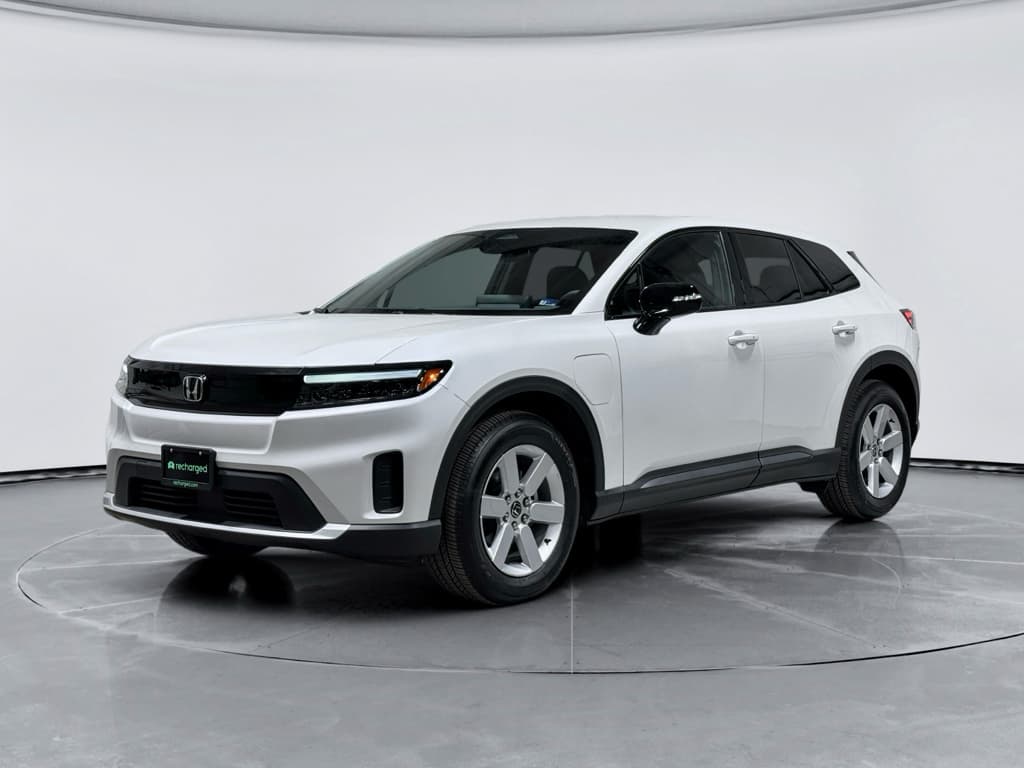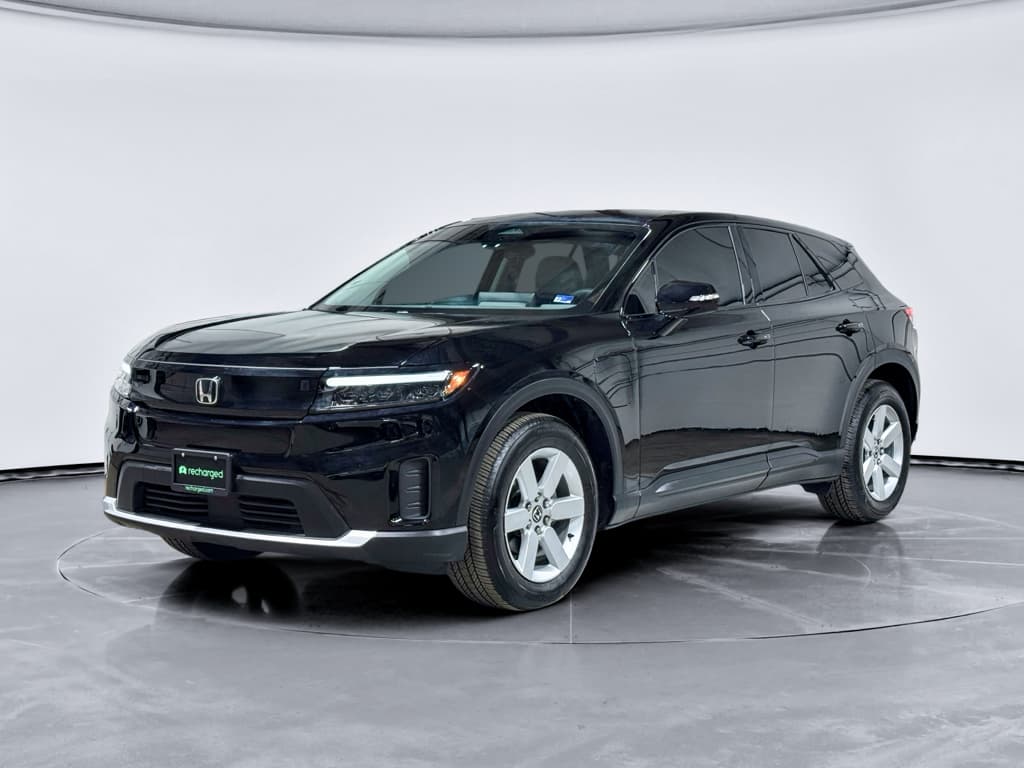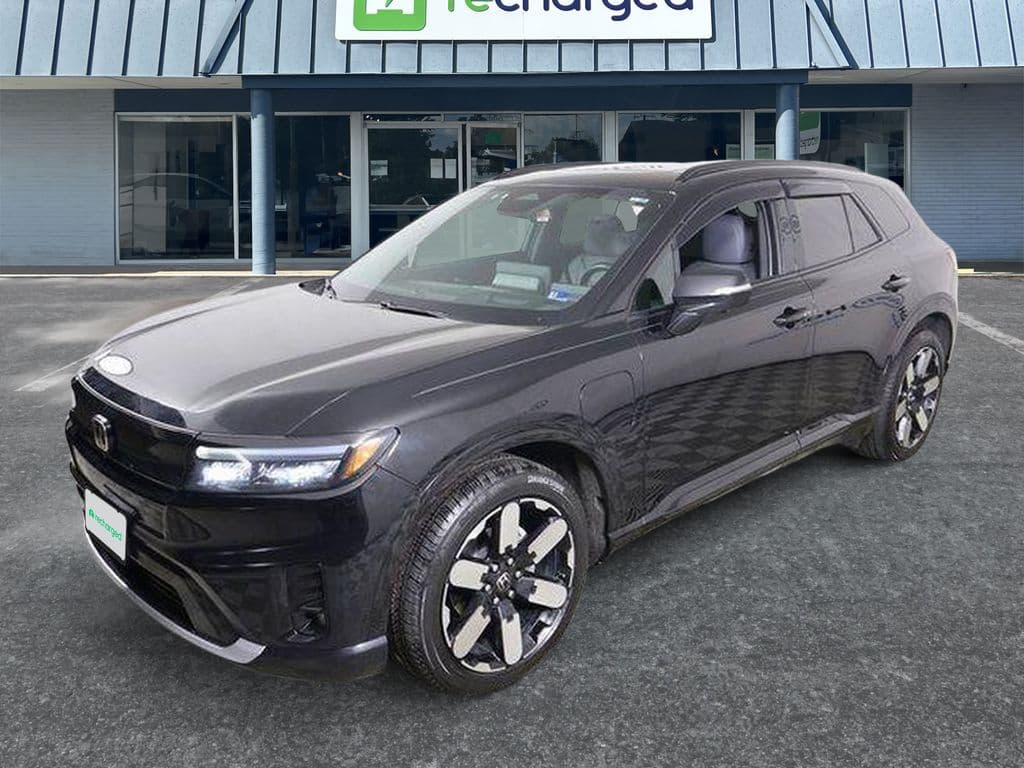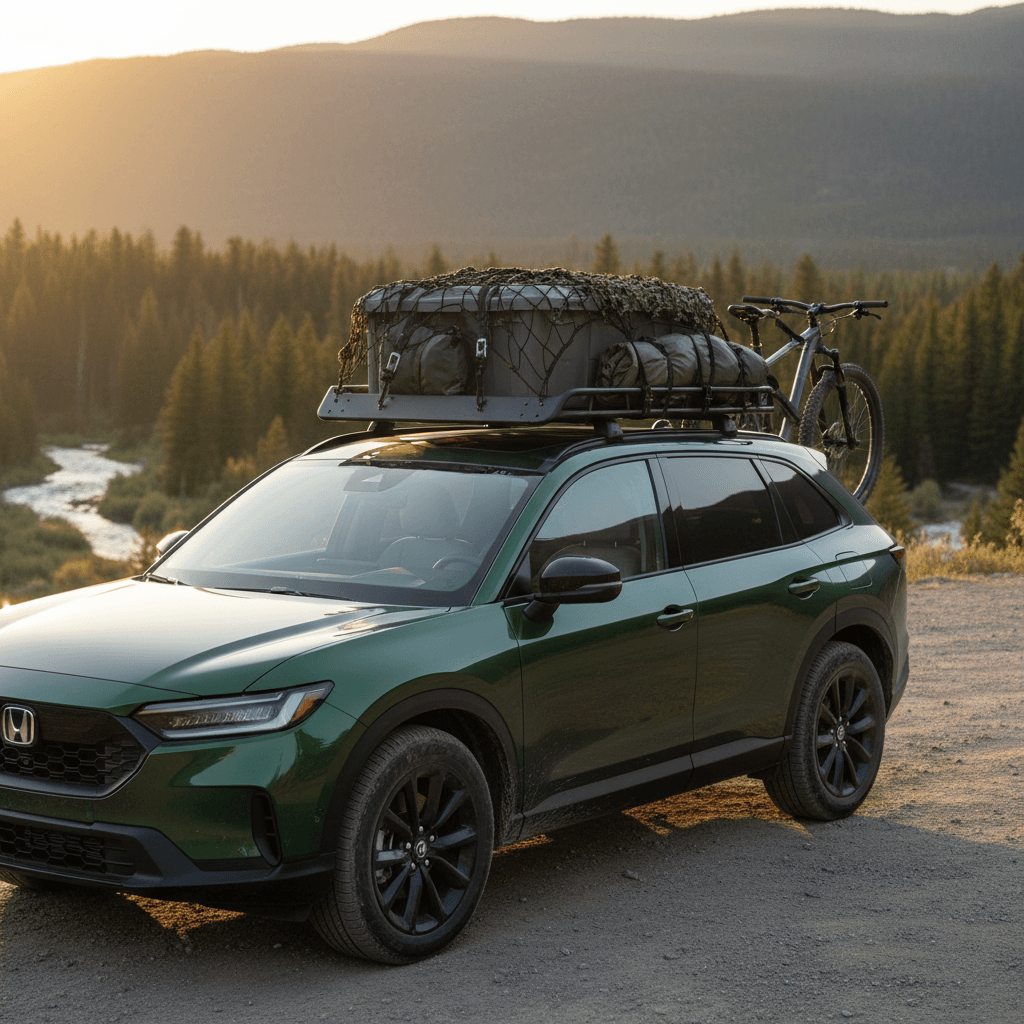
If you’re planning to haul bikes, kayaks, or a cargo box, understanding the Honda Prologue roof rack weight limit is just as important as knowing your towing rating. Staying within the factory limits keeps you safe, protects your battery range, and helps you avoid warranty and insurance headaches.
Short answer
Honda Prologue roof rack weight limit: quick overview
Key Honda Prologue roof load numbers
Honda doesn’t list a separate roof-load line item in every public spec sheet, but dealers and accessory catalogs for the 2024–2026 Prologue show that the genuine Honda crossbars are rated for about 154 lb of cargo. On other Honda crossbar kits, you’ll also see a familiar number: 165 lb, which is Honda’s long‑standing roof load benchmark for many SUVs.
- Vehicle roof limit (in the owner’s manual) ≈ 165 lb (75 kg).
- OEM crossbar limit printed on the bars ≈ 154 lb (70 kg).
- Your real-world limit = the lower of those two numbers, minus the weight of the rack, box, or bike trays themselves.
Don’t forget the rack itself
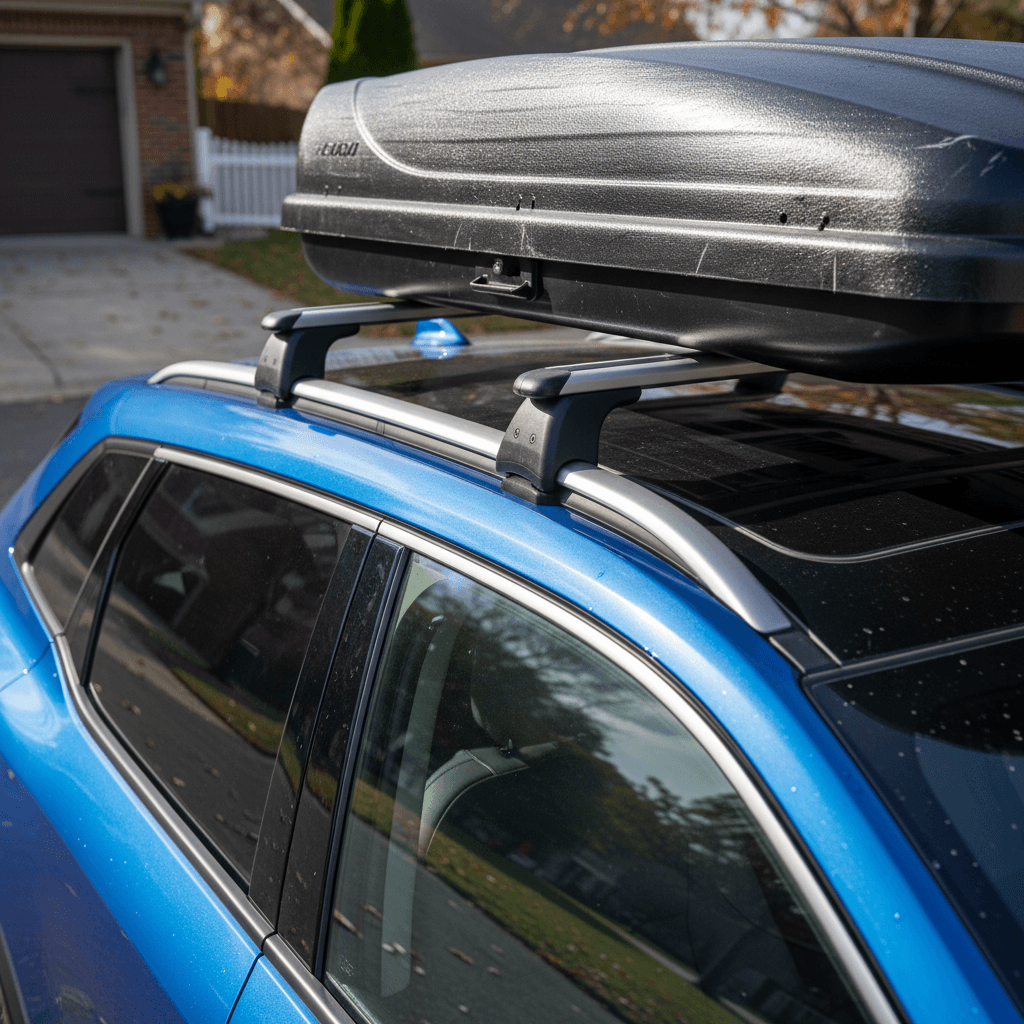
OEM Honda Prologue crossbars weight limit
If you’re using Honda’s own accessory crossbars on the Prologue (part number listings for 2024–2026 typically show a Prologue‑specific kit), here’s how to interpret the numbers you’ll see on the box or in the description:
Honda Prologue OEM crossbars: typical ratings
Approximate capacities based on Honda accessory listings and common Honda SUV practice. Always verify your own bars and owner’s manual.
| Item | Typical value | What it means for you |
|---|---|---|
| Crossbar maximum load | 154.3 lb (70 kg) | Maximum weight on the bars, including the bars, mounts, box, trays, and cargo. |
| Vehicle roof load limit | Around 165 lb (75 kg) | Maximum allowed on the roof structure itself, including rails, bars, and cargo. |
| Per‑bar rating | Not rated separately | Don’t divide by two; treat the rating as a system total, not per bar. |
| Speed assumptions | Normal highway speeds | The rating is for on‑road driving at reasonable speeds, not off‑roading or high‑speed track use. |
When in doubt, follow the lowest rating between the vehicle roof limit and the crossbar kit limit.
Quick way to find your exact limit
One more nuance: some aftermarket sellers advertise higher capacities, 200 lb, 220 lb, even 260 lb, for bars that claim to fit the Prologue’s flush rails. Those numbers are often the rack manufacturer’s internal test limit, not the legal limit of your Honda’s roof. The body structure and factory hard points ultimately decide how much weight is safe, and that’s what Honda’s roof load figure reflects.
Dynamic vs static roof load on the Prologue
If you’ve shopped for roof‑top tents, you’ve probably seen two different numbers: dynamic and static load. Honda generally publishes only one: a dynamic roof load limit. That’s the maximum allowed while the vehicle is driving.
Dynamic load (what Honda rates)
- This is the official limit Honda cares about.
- Applies when the Prologue is moving, acceleration, braking, cornering, crosswinds.
- Controls roof strength, handling, rollover risk, and how the rack hardware is stressed.
Static load (when parked)
- Some rack brands list a higher static limit for roof‑top tents.
- Honda typically does not publish a higher static rating for OEM racks.
- Even if the rack brand says a higher number, Honda’s limit still governs what’s considered safe and warrantable.
Rooftop tents on a Prologue? Think twice
How much gear can you really carry? Real-world examples
Let’s turn the specs into something practical. Below are ballpark examples assuming a ~165 lb roof limit and ~154 lb crossbar limit, with about 30–35 lb of bars and towers. That leaves roughly 120–130 lb for your actual gear and accessories in many setups.
Sample Honda Prologue roof rack setups
Always verify the real weights of your specific accessories and gear.
Midsize cargo box + luggage
- Crossbars & towers: ~30–35 lb
- Midsize roof box: ~40–50 lb
- Remaining for cargo: ~70–80 lb
- Good for: duffel bags, soft-sided luggage, camping gear.
Two bikes on roof trays
- Crossbars & trays: ~35–40 lb
- Two bikes: 50–70 lb total
- Total: ~85–110 lb
- Comfortably under the limit with quality trays and standard mountain/road bikes.
Two kayaks or SUPs
- Crossbars & cradles: ~35–40 lb
- Two plastic kayaks: 80–100 lb total
- Total: ~115–140 lb
- Works if you choose lighter boats and keep other roof items to a minimum.
Notice what these scenarios have in common: they emphasize bulky but relatively light items. That’s exactly how you should think about your Honda Prologue’s roof, perfect for volume, not for serious weight. Load the heavy cooler, tools, and water jugs in the cabin or cargo area instead.
Simple loading priorities that work
Aftermarket racks vs. Honda crossbars on the Prologue
You’ll see aftermarket crossbars and full rack systems for the Honda Prologue, from major brands like Thule and Yakima to lesser‑known options, that advertise capacities well above 200 lb. It’s tempting, but there are two key rules to remember:
- Your vehicle’s roof load limit is the hard ceiling. Even if a rack is tested for 220–260 lb, you’re still legally and mechanically bound by Honda’s lower limit.
- Mixing OEM rails with aftermarket bars is common and usually fine when the vendor lists a Prologue‑specific fit kit, but you must still treat the Honda roof limit as your max.
- Higher‑capacity, heavier racks eat into your allowance. A stout platform rack can weigh 60–80 lb by itself, which doesn’t leave much room for bikes or boats.
Don’t add up incompatible limits
When in doubt, look for fit‑kit notes that explicitly mention the Prologue, use proper torque on all fasteners, and re‑check all hardware after the first few hundred miles with a load on the roof.
Roof rack safety, handling, and range impact
Even if you’re well under the official roof rack weight limit, you’ll feel the difference once you bolt things to your Prologue’s roof. Tall loads change the way the vehicle behaves, and because the Prologue is an EV, extra drag also changes your range picture.
What a loaded rack does to your Prologue
Plan for changes in handling and energy use.
Handling & safety
- Raises the center of gravity, especially with bikes or boats.
- Can increase body roll in sharp lane changes or freeway ramps.
- May catch crosswinds more easily; expect more steering corrections.
- Emergency maneuvers become trickier with heavy roof loads.
Range & efficiency
- Roof boxes and bikes increase aerodynamic drag.
- On highway trips, many drivers see a 2–8% range reduction, sometimes more at 75+ mph.
- Driving a little slower (5–10 mph under your usual cruising speed) can claw back a surprising amount of range.
Driving with a loaded roof: best practices
Installing and loading your Prologue roof rack correctly
Whether you’re fitting Honda’s own crossbars or a third‑party rack, correct installation matters as much as the weight number printed on the box. A poorly positioned or under‑torqued bar can fail at loads well below its rated capacity.
Safe Honda Prologue roof rack setup checklist
1. Read both manuals
Review the <strong>Honda Prologue owner’s manual</strong> and the <strong>rack manufacturer’s instructions</strong>. Flag the roof load limit and any special Prologue‑specific notes.
2. Measure bar spacing
Install crossbars only at the <strong>approved mounting points</strong> and spacing. For cargo boxes and kayak cradles, keep the bars within the spacing range listed by the accessory maker.
3. Torque fasteners correctly
Use the specified torque (or the included torque tool) on all clamps and bolts. Re‑check after your first trip and periodically, especially after rough roads or winter driving.
4. Center heavy items
Keep the bulk of the weight <strong>between the bars</strong> and as close to the roof as possible. Avoid long items that bounce at the ends or extend far beyond the crossbars.
5. Secure loose straps and lines
Straps that hum in the wind are more than annoying; they can fatigue and fail. Twist long strap runs, use strap keepers, and avoid contact with sharp edges.
6. Do a final walk‑around
Before every highway stint, tug on each bike, boat, and box; verify locks are engaged; and quickly scan for shifting or frayed straps.
Weight limits, warranty, and insurance: what to know
Modern EVs like the Honda Prologue use carefully engineered roof structures that integrate crash safety and battery protection. Exceeding the roof rack weight limit isn’t just a theoretical problem, it can affect how the vehicle holds up in a collision and how an adjuster or dealer views damage.
Warranty considerations
- If rack hardware pulls out of the roof or deforms the rails and you were over the published limit, Honda could argue misuse.
- Non‑Honda racks themselves aren’t covered by Honda’s warranty, but roof damage from an overloaded aftermarket rack might not be either.
- Staying comfortably under the limit, and documenting your setup, gives you a stronger position if anything goes wrong.
Insurance considerations
- Most policies will cover damage from a rack or cargo failure, but adjusters do look at improper use.
- Grossly oversized loads (like a big rooftop tent beyond Honda’s spec) may lead to disputes.
- Keep receipts and photos of your rack setup; they can help if you ever need to file a claim.
Good record‑keeping pays off
Shopping tips & used Honda Prologue considerations
If you’re still shopping for a Prologue, or looking at a used example, roof‑rack hardware and how the previous owner used it are worth a closer look. A clean, correctly used system is a plus; a heavily abused one can hint at other issues.
What to check on a Prologue with a roof rack
Smart inspection steps, especially when buying used.
Inspect the rails and roof skin
- Look along the rails for dents, ripples, or cracked paint.
- Check the door openings and roof edges for signs the rack has shifted or been over‑tightened.
- Surface scuffs are normal; creases or sharp dents are not.
Review usage and accessories
- Ask what the seller carried: bikes and skis are usually fine; heavy tents and storage chests are more concerning.
- Confirm that any hardware is Prologue‑specific with a proper fit kit, not a universal clamp‑on compromise.
At Recharged, every used EV we list, including the Honda Prologue, comes with a Recharged Score battery health report and a condition check that looks for exactly this type of wear. If a previous owner treated the roof as a loading dock, we want you to know about it before you buy, not after.
Why roof use matters when buying used
Honda Prologue roof rack weight limit FAQ
Frequently asked questions about the Honda Prologue roof rack
The Honda Prologue has more than enough roof capacity for adventure, as long as you treat the rack as a place for light, bulky gear and respect the roughly 154–165 lb roof rack weight limit. Add up the true weight of your crossbars, boxes, and gear, give yourself a safety margin, and your Prologue will stay safe, efficient, and road‑trip ready for years to come. If you’re considering a used Prologue, or comparing it with other EV SUVs, Recharged can help you evaluate roof‑rack suitability, battery health, and overall value so you drive away with confidence.