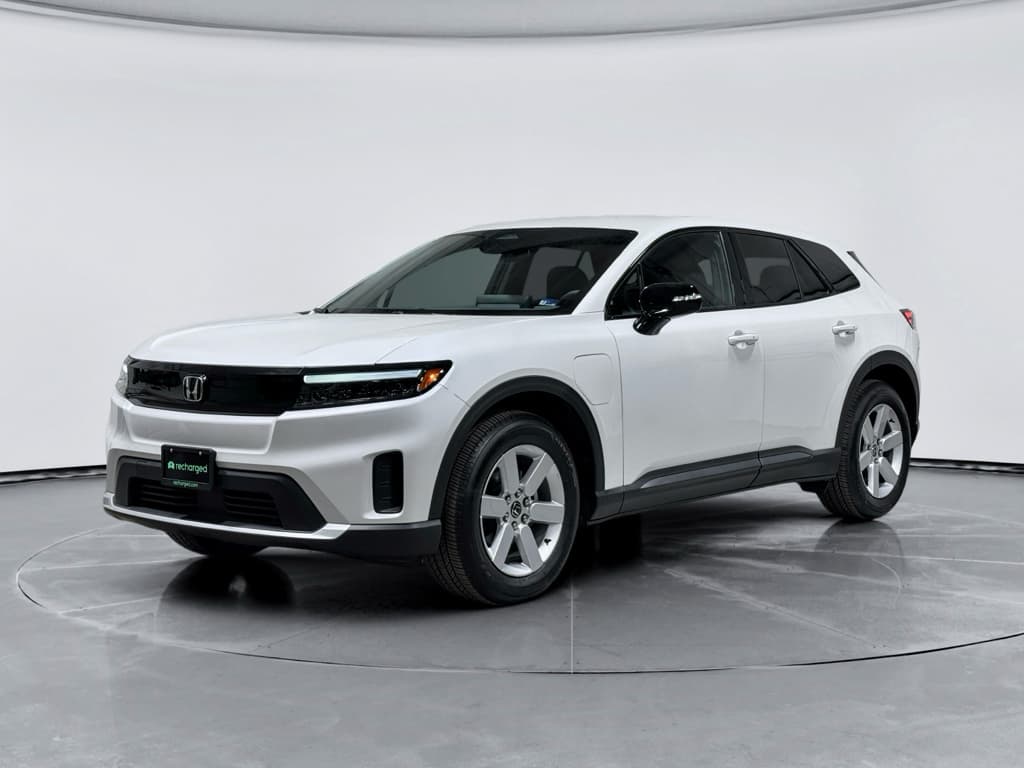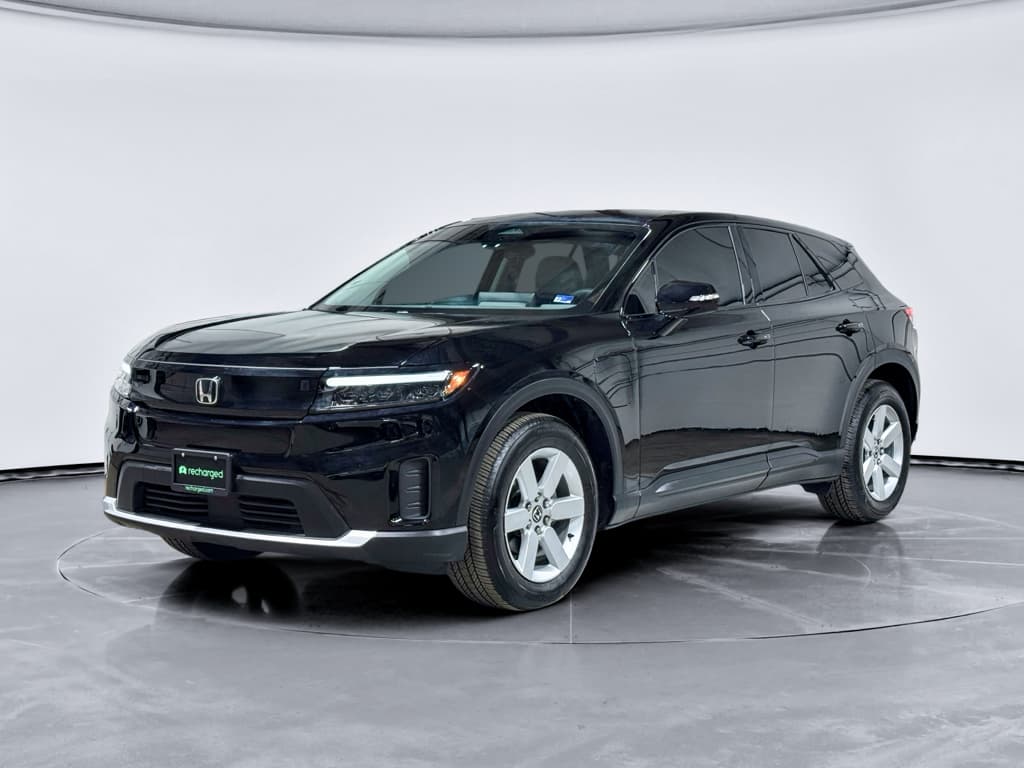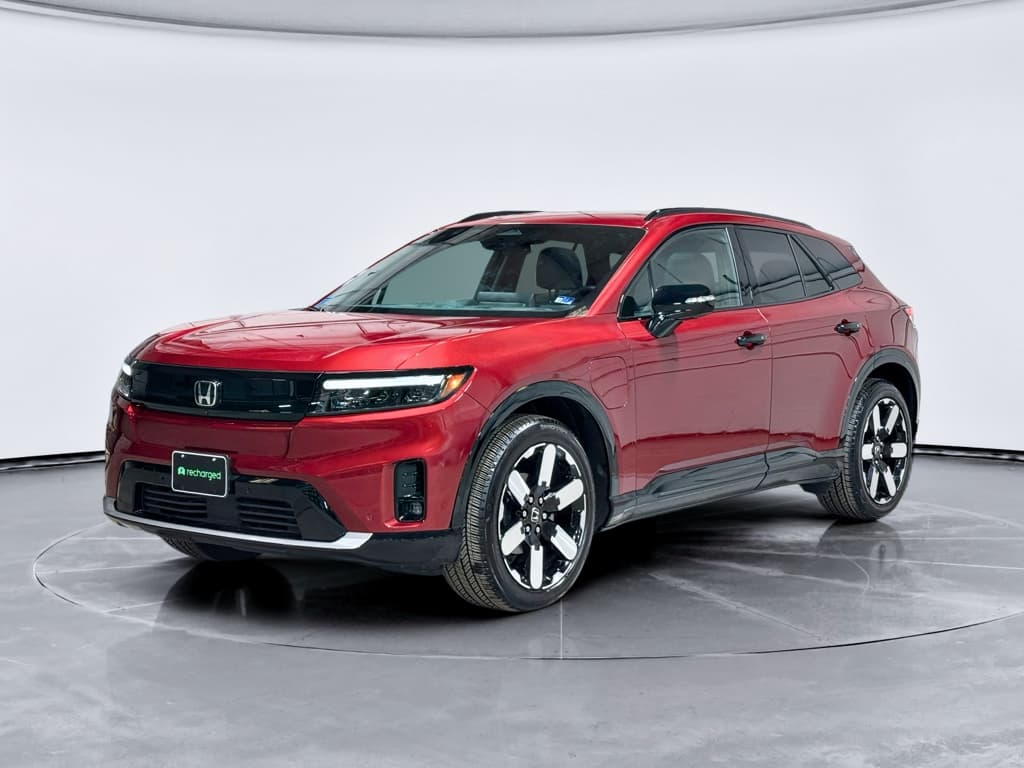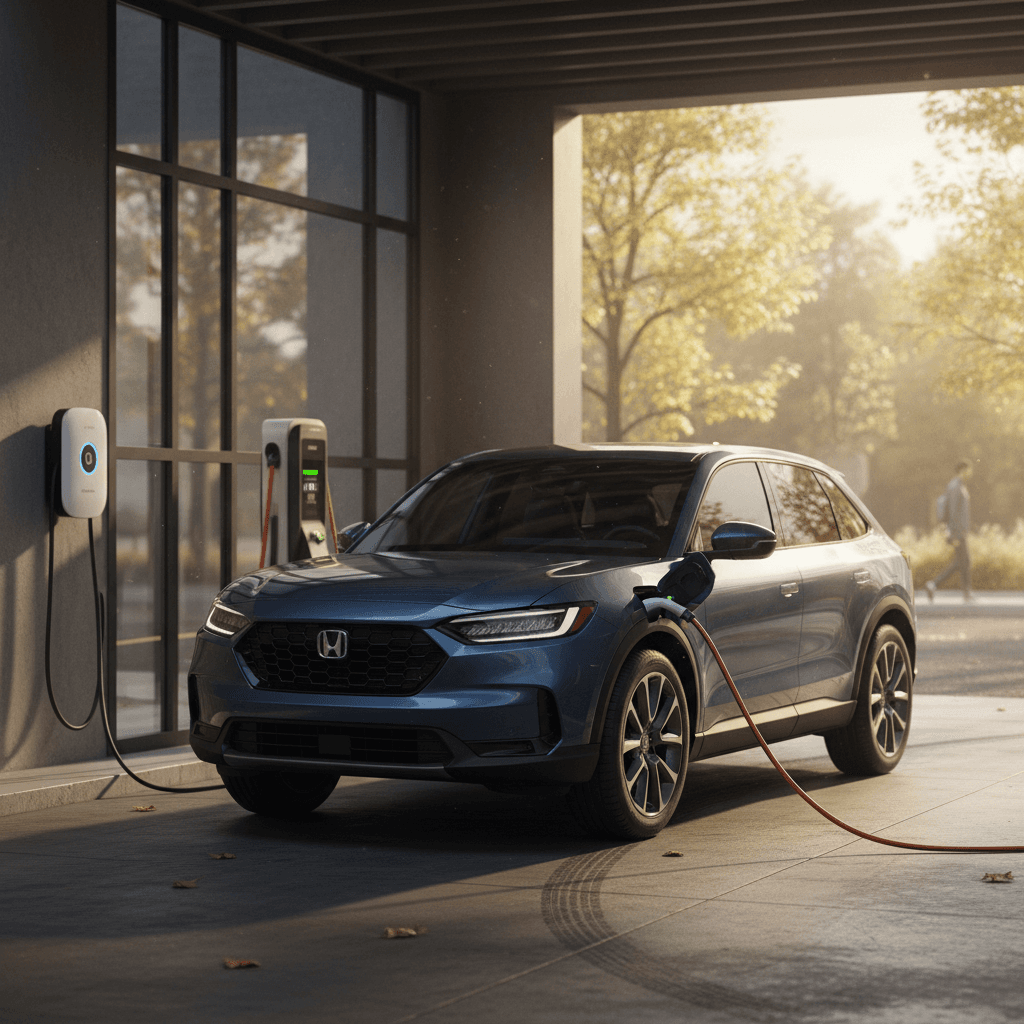
If you’re looking at a Honda Prologue, one of your first questions is obvious: how fast does it charge? This Honda Prologue charging speed guide breaks down Level 1, Level 2, and DC fast charging in plain English so you know what to expect at home, at work, and on road trips.
Quick answer
Honda Prologue charging overview
The Honda Prologue is Honda’s first long‑range electric SUV for the U.S., built on GM’s Ultium platform and sharing a lot of charging DNA with vehicles like the Chevy Blazer EV. That means modern battery tech and competitive charging speeds, but your experience will vary based on how and where you plug in.
- Connector: NACS (Tesla-style) or CCS depending on build year and market; check your charge port before buying accessories.
- AC charging: Supports Level 1 (120V) and Level 2 (240V) for home, workplace, and slower public charging.
- DC fast charging: High‑power capability for road trips and quick top‑ups.
- Battery: Large enough for competitive range, which also means more energy to refill than a compact EV.
Honda Prologue charging at a glance*
About the numbers in this guide
Battery size and what it means for charging speed
Before you worry about charging speed, it helps to understand the battery size. The Prologue’s pack is broadly in line with other midsize electric SUVs, big enough for road‑trip range, but large enough that Level 1 charging alone isn’t practical long‑term if you drive much.
Honda Prologue battery and charging power basics
Approximate figures to help you understand how battery size and charger power translate into charge times.
| Item | Approx. Value | Why it matters |
|---|---|---|
| Usable battery capacity | ~80–90 kWh | More kWh = more miles, but also more time to refill. |
| Typical home Level 2 power | 7.2 kW (240V, 30A) | Common for many 40A circuits after derating. |
| Higher-power home Level 2 | 9.6–11 kW (240V, 40–48A) | Faster if your panel and car both support it. |
| Max DC fast‑charge rate | Often 150 kW+ class | Determines how fast you can add range on road trips. |
| Optimal fast‑charge window | ~10–80% state of charge | Charging slows significantly above ~80% on DC fast. |
Battery size and typical charger power are the main drivers of charging time.
Think in kW, not just "minutes"
Honda Prologue home charging times (Level 1 & Level 2)
Home is where the Honda Prologue will spend most of its charging life. The big decision is whether you rely on a standard 120V outlet (Level 1) or install a 240V solution (Level 2). The difference in charging speed and convenience is dramatic.
Home charging options for a Honda Prologue
How long will it take to charge in real life?
Level 1: 120V outlet
Power: ~1.2–1.4 kW
- ~3–4 miles of range per hour
- Good only for very light daily driving
- Full pack from low can take 50+ hours
Level 2: 240V, 30A (7.2 kW)
Power: ~7.2 kW
- ~25–30 miles of range per hour
- 0–100% from low in roughly 10–12 hours
- Great for overnight charging for most drivers
Level 2: 240V, 40–48A (9.6–11 kW)
Power: ~9.6–11 kW
- ~30–35+ miles of range per hour
- 0–100% from low in roughly 7–9 hours
- Ideal if you drive heavy miles or want faster turnarounds
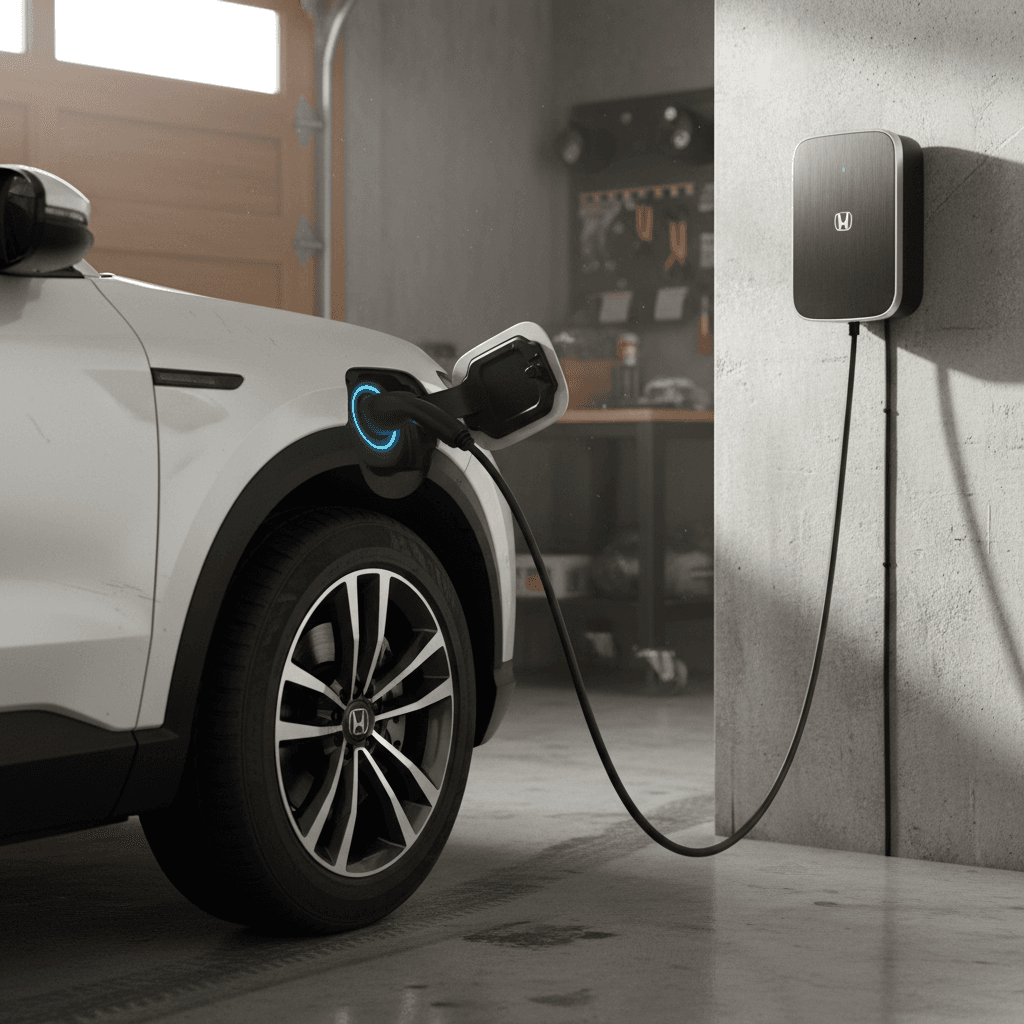
Is your overnight setup fast enough for a Prologue?
1. Estimate your daily miles
If you drive 20–40 miles a day, a solid Level 2 setup can typically replace that in 1–2 hours of charging.
2. Confirm your electrical capacity
Have an electrician verify if your panel can support a 40A or 50A circuit for faster Level 2 charging.
3. Decide between plug‑in or hardwired
Plug‑in units on NEMA 14‑50 outlets are flexible; hardwired units can support the highest amperages.
4. Use scheduled charging
Set charging to run overnight when rates are cheaper where time‑of‑use plans are offered.
Safety first with 240V
DC fast charging the Honda Prologue on road trips
For road trips and quick top‑ups, you’ll lean on DC fast charging. Think of this as the EV equivalent of a highway gas station: more expensive per kWh, but much faster than home. The Prologue’s Ultium-based hardware is built for high‑power sessions, especially from about 10% to 60–70% state of charge.
Typical Honda Prologue DC fast charging time estimates
How long you’ll likely spend at a capable fast charger in normal conditions.
| Scenario | Approx. power* | Approx. time | Range added |
|---|---|---|---|
| 10% → 60% on strong DC fast | ~130–150 kW peak class | ~20–30 minutes | ~120–150 miles |
| 10% → 80% on strong DC fast | Power tapers above ~60–70% | ~30–40 minutes | ~160–200 miles |
| 20% → 80% on mid‑grade fast | ~75–100 kW | ~35–55 minutes | ~140–190 miles |
| 80% → 100% on DC fast | Often under 50 kW | 40+ minutes | Extra 30–40 miles, not road‑trip efficient |
Charging power tapers as the battery fills; the last 20% is always slower.
Stop chasing 100% on fast chargers
Three ways to speed up DC fast charging stops
Same Honda Prologue, smarter strategy.
Arrive with a warm battery
Fast‑charge rates are highest when the battery isn’t freezing. Try to drive 20–30 minutes before plugging in, especially in winter.
Plan for 10–20% arrival
Using apps that plan EV routes helps you reach chargers in the optimal state of charge window for max power, and minimum wait time.
Favor reliable networks
Choose stations with good uptime and recent check‑ins in charging apps. A healthy station can shave many minutes off your stop vs. a throttled one.
Real-world Honda Prologue charging scenarios
On paper, numbers are one thing. In real life, you’ll build habits around work, home, and weekend use. Here’s how Prologue charging speeds play out in common situations.
Daily commuter (30–40 miles/day)
- Plug in to a 7–11 kW Level 2 charger each evening.
- Replace your daily driving in roughly 1–2 hours.
- Battery usually hovers between 40–80%, ideal for longevity.
Result: You rarely visit DC fast chargers except on long trips.
Heavy driver (70–100+ miles/day)
- Use the highest‑power Level 2 your panel and Prologue support.
- Plan 3–4 hours of home charging or a mid‑week DC fast stop.
- Consider workplace charging if offered, to top up during the day.
Result: Still manageable, but your home setup matters a lot more.
Good news for apartment dwellers
Choosing the right home charging setup for a Prologue
For most Prologue owners, the sweet spot is a robust Level 2 solution that comfortably refills your typical daily driving overnight. Start from your driving pattern, then work backward to the equipment and wiring you really need.
Home setup options by driving profile
Match your Honda Prologue charging speed to your lifestyle.
Light driver
Profile: 15–25 miles/day.
- May get by with high‑quality Level 1 if patient.
- Better: 16–24A Level 2 for flexibility.
- Minimal electrical upgrades needed in many homes.
Typical commuter
Profile: 25–60 miles/day.
- Recommended: 30–40A Level 2 (7–9.6 kW).
- Replaces daily driving in about 1–3 hours.
- Gives headroom for errands and weekend trips.
High‑mileage household
Profile: 60–120+ miles/day or multiple EVs.
- Aim for 40–48A Level 2 if panel allows.
- Consider load management or smart chargers.
- DC fast becomes a routine supplement for some drivers.
Think ahead if you’ll own more than one EV
Charging speed tips that protect your battery
Fast charging is a perk of EV ownership, but like any lithium‑ion pack, the Honda Prologue’s battery prefers moderation. A few habits can help you keep strong range and charging performance years down the road.
- Use DC fast mainly for trips, not daily top‑offs.
- At home, set a daily charge limit around 70–80% unless you need a full pack the next morning.
- Avoid sitting at 0% or 100% for long stretches.
- In extreme heat, park in shade or a garage when possible so the thermal system works less during charging.
- Let the car precondition the battery (if available) before fast charging in very cold weather.
Faster isn’t always better for longevity
Used Honda Prologue? What to check about charging
If you’re shopping for a used Honda Prologue, charging behavior is one of the first things to inspect. Charging speed isn’t just about hardware, it also reflects battery health, software updates, and how the vehicle was treated by the previous owner.
Charging checks for a used Honda Prologue
1. Confirm connector and charging standard
Depending on model year and region, the Prologue may use CCS or NACS. Make sure your home charger and local fast‑charge networks support it, or that adapters are readily available.
2. Test Level 2 charging in person
If possible, plug into a known‑good Level 2 charger and confirm the Prologue draws the expected power (kW) and charges without error messages.
3. Observe DC fast charging behavior
On a pre‑purchase inspection or early in ownership, try a DC fast stop from 10–40% and see whether the car reaches reasonable power levels for its spec and temperature.
4. Review battery and charging history
Ask the seller about typical charging habits, home vs. fast, charge limits, and mileage. Heavy fast‑charging isn’t a dealbreaker, but it’s worth factoring into price and expectations.
5. Ask for a third‑party battery report
A platform like <strong>Recharged</strong> includes a Recharged Score battery health report on every EV we sell, so you can see <strong>verified battery condition and charging performance</strong> instead of guessing from a dash gauge.
How Recharged can help
FAQ: Honda Prologue charging speeds
Frequently asked questions about Honda Prologue charging
Key takeaways on Prologue charging speeds
The Honda Prologue’s charging speeds are right in line with today’s mainstream electric SUVs. A solid Level 2 home setup can easily refill typical daily driving overnight, while highway DC fast chargers can add road‑trip range in well under an hour when used in the 10–80% sweet spot.
If you’re considering a Honda Prologue, especially a used one, pay close attention to the home charging plan, connector type, and battery health. That’s where platforms like Recharged come in: every EV includes a Recharged Score Report with verified battery diagnostics, transparent pricing, and expert support on everything from charging to trade‑ins and nationwide delivery. With the right setup, charging speed becomes just another background convenience, not a daily worry.