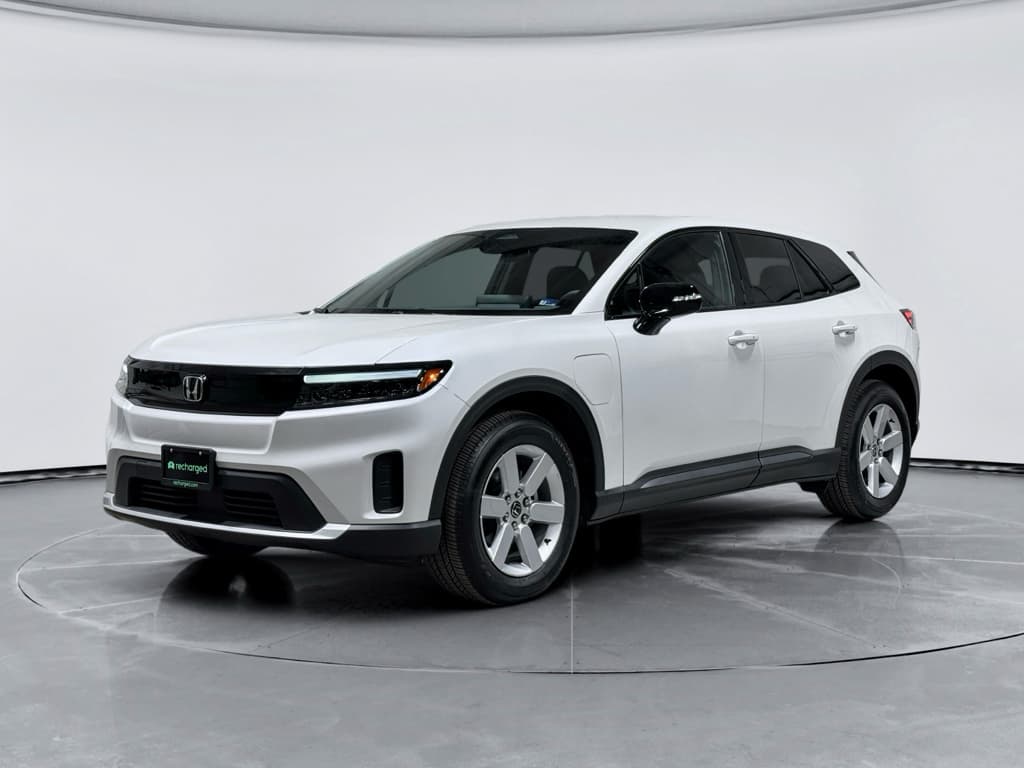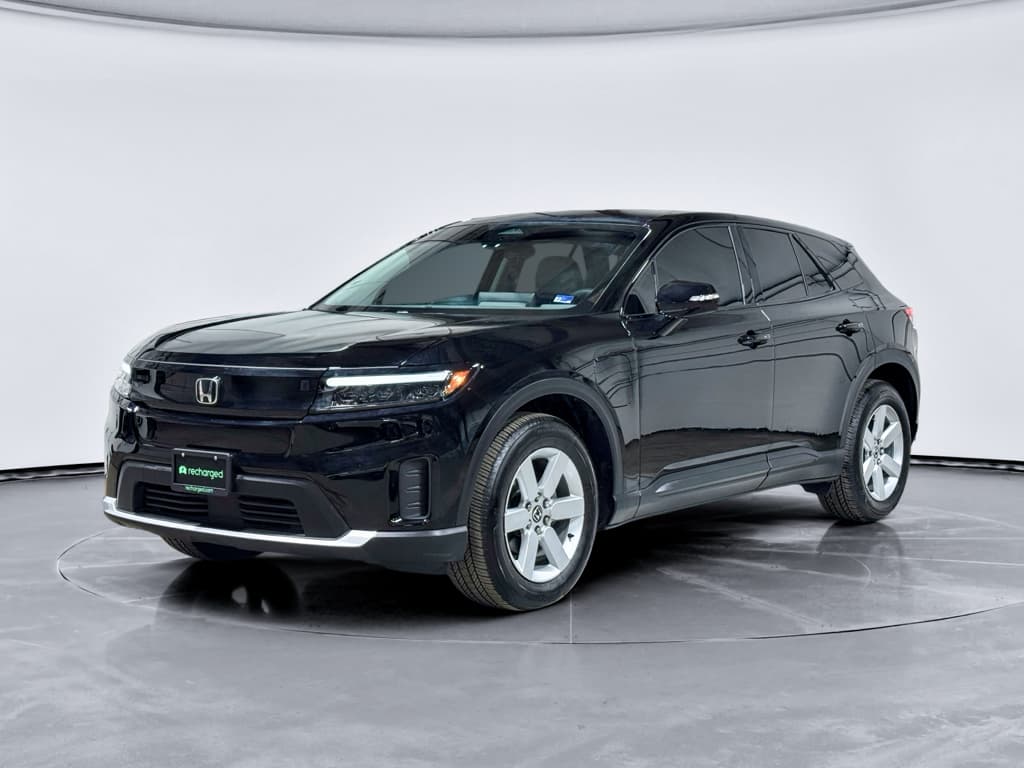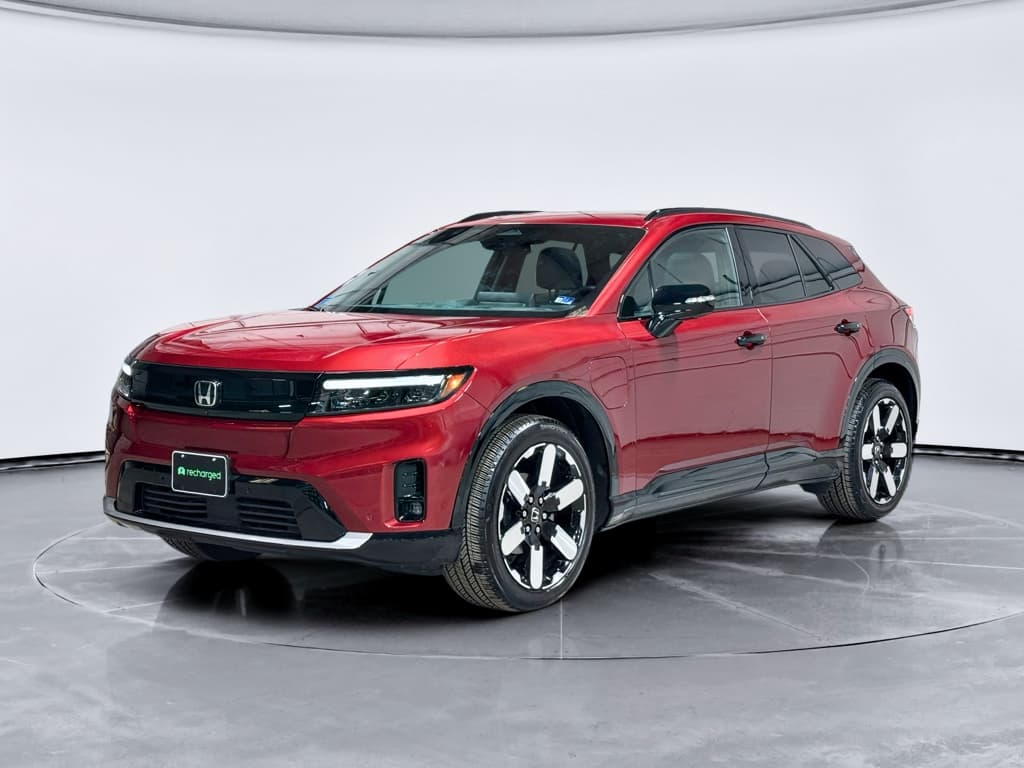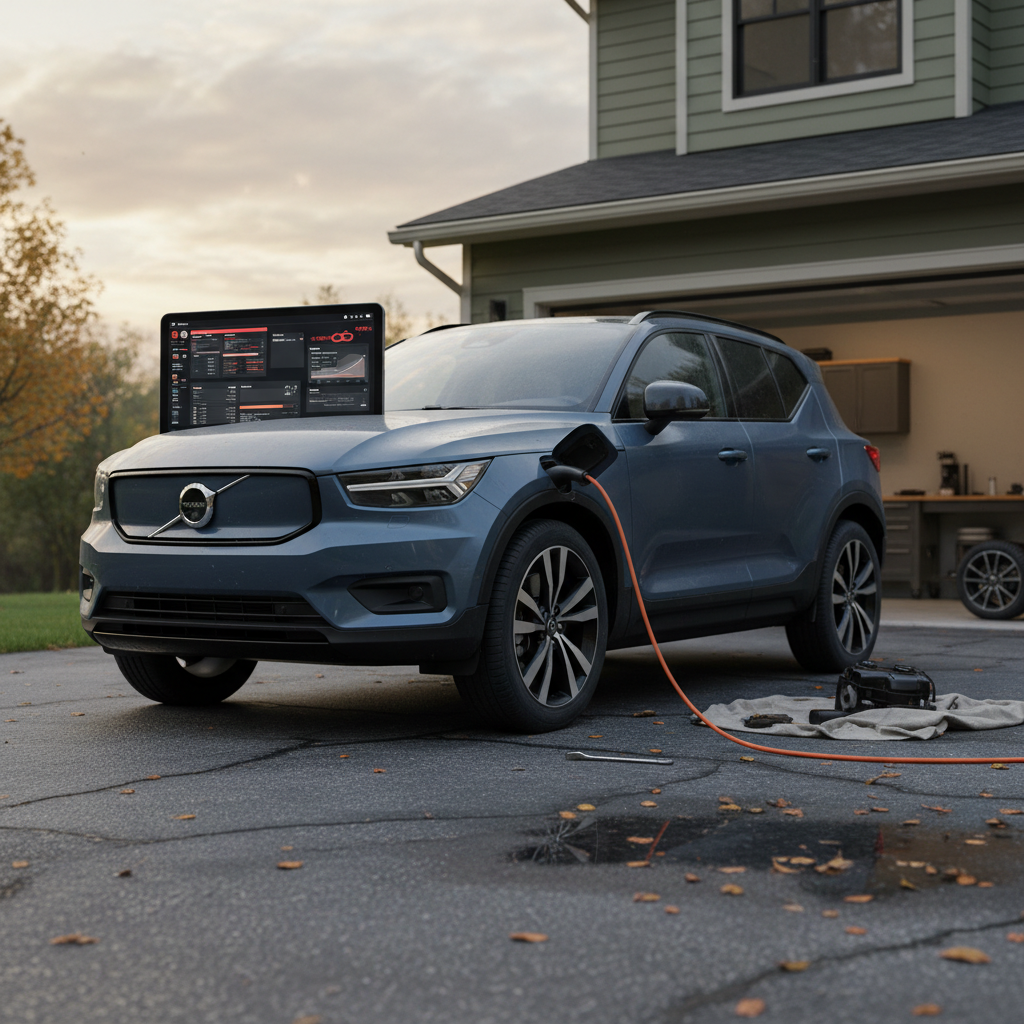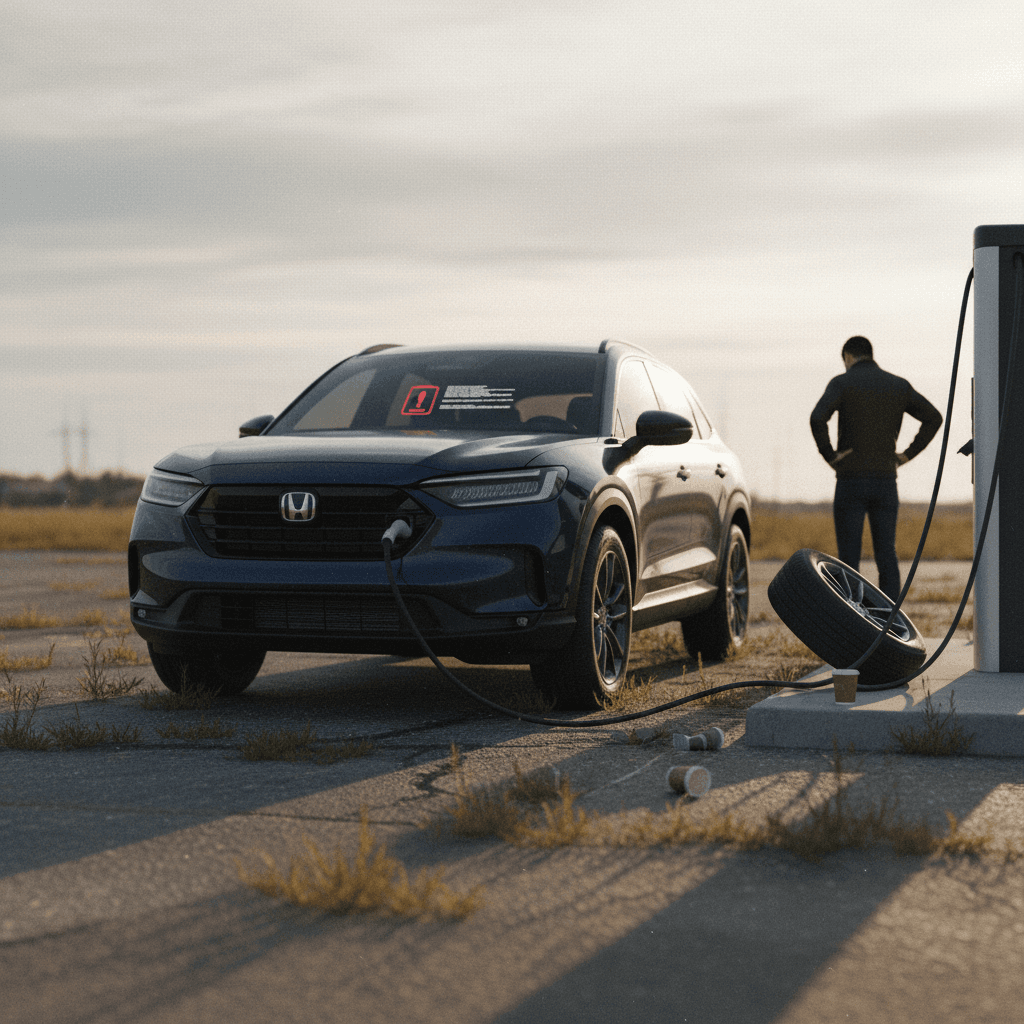
If you’ve heard that the **Honda Prologue’s biggest complaints** involve slow charging, buggy software, and odd front-end noises, you’re not imagining things. Early 2024–2025 owners have been surprisingly vocal, which is unusual for a brand built on quiet, drama‑free reliability. If you’re considering a new or used Prologue, it’s worth understanding what’s going wrong, and how much of it is fixable, before you sign anything.
Honda’s first modern long‑range EV
Why Honda Prologue complaints matter if you’re shopping
Every all‑new EV hits the road with some rough edges, but the Prologue landed in a particularly tricky spot. It’s built on **GM’s Ultium platform**, which has already seen high‑profile software and charging troubles in other models, while Honda buyers expect **bulletproof reliability**. That gap between expectation and reality is driving a lot of frustration in owner reviews.
If you’re shopping new, you want to know which issues are just “first‑year wrinkles” and which might follow you through a three‑year lease. If you’re shopping **used**, you also care about how these complaints affect **battery health, resale value, and repair history**, exactly the things a platform like Recharged is built to surface with objective battery diagnostics and transparent pricing.
Honda Prologue complaints at a glance (2024–2026)
Quick overview: biggest Honda Prologue complaints
- DC fast charging often feels **much slower than advertised**, with charge speeds tapering early and sometimes never climbing above ~30–70 kW in real‑world use.
- Software gremlins: **infotainment freezes, Bluetooth and CarPlay/Android Auto drops**, and HondaLink app connection issues that break things like scheduled charging.
- Driveline and suspension noises, including **front axle clicking or popping** when turning, sometimes blamed on CV axles or front‑end components.
- A front suspension **lower control arm recall**, plus scattered reports of clunks or harshness over bumps.
- Real‑world range that can sit noticeably below the EPA stickers, particularly at highway speeds or in cold weather.
- General **Ultium platform anxiety**, concern that GM‑sourced hardware will age poorly or inherit problems seen in the Chevy Blazer EV and other Ultium models.
Don’t just read the headline
Complaint 1: DC fast charging is slower than owners expect
On paper, the Honda Prologue can DC fast charge at up to **155 kW**, which should be competitive with other mid‑size electric SUVs. In reality, many owners report that the car often hangs around **30–70 kW**, even on modern 150 kW or 350 kW stations, and that the speed **drops sharply above 40–60%** state of charge.
Owners describe road‑trip stops where charging from roughly 20% to 80–90% takes **well over an hour**, and in some cases close to two, especially if they’re not preconditioning the battery or they’re using older public hardware. For drivers coming from Tesla, Hyundai, or Kia EVs with robust charging curves, the Prologue can feel like it’s stuck in the slow lane.
Why this feels worse than the spec sheet
When slow charging is “normal”
- State of charge already above ~50–60%.
- Battery not preconditioned before a fast‑charge session.
- Using older or under‑maintained DC hardware.
- Very hot or very cold ambient temperatures.
When to consider it a red flag
- Charge rate won’t rise above ~25–35 kW even from 10–30% state of charge.
- Repeated “charging interrupted” or “service vehicle charger” messages.
- Multiple different DC stations with the same very low speeds.
- Dealer visits that can’t reproduce or explain the problem.
If you’re test‑driving or inspecting a used Prologue, try at least one **DC fast‑charge session from a low state of charge**. You’re looking less for an exact kW number and more for a healthy, rising curve: it should quickly step up from double‑digits into the higher range on a 150 kW or 350 kW charger, then taper more gradually as it nears 80%.
Complaint 2: Software glitches and HondaLink app frustrations
The Prologue sits at the crossroads of Honda’s user interface and GM’s electronic architecture, and the seams show. Owners frequently mention **infotainment bugs, random setting changes, and an unreliable HondaLink app** as some of their biggest day‑to‑day irritations.
Most common Prologue software complaints
Annoyances more than emergencies, but they add up on a $50K‑plus EV.
HondaLink app issues
Some owners say the HondaLink app goes offline for days or weeks, crashes frequently, or reports the wrong state of charge. When the app misbehaves, remote preconditioning, OTA update prompts, and charging alerts can all fall apart.
Infotainment glitches
Reports include wireless CarPlay/Android Auto drops, frozen maps, laggy menus, and audio volume bugs. Most resolve with a restart or software update, but they erode confidence in a car that’s supposed to feel future‑proof.
Random setting resets
Owners have noticed driver‑assist, lighting, and door‑lock settings changing after an update or power cycle. It’s not dangerous in itself, but it makes the car feel like it has a mind of its own.
What to ask a seller about software
The good news is that software problems are often **fixable over time**. The bad news is you’re depending on both Honda and GM to keep supporting and improving a relatively low‑volume EV. As a shopper, you want evidence that the previous owner actually took updates and documented fixes instead of just living with bugs.
Complaint 3: Axle clicking and front-end noise
One of the more worrying **Prologue‑specific complaints** involves a **clicking or popping noise from the front axle area** when turning sharply from a stop. Some owners have had front CV axles replaced at very low mileage, while others have been told the noise is “normal” pending updated parts or further guidance.
In a six‑month‑old EV with a heavy battery pack and instant torque, any drivetrain noise gets your attention quickly. Persistent clicking when you steer out of a parking spot or perform tight low‑speed turns can hint at **premature wear in driveline components** that were never meant to be stressed this hard, this early.
Don’t ignore rhythmic clicking under load
Simple test‑drive checks for axle and front‑end noise
1. Low‑speed figure‑eights
Find an empty parking lot, crack the windows, and drive slow figure‑eights. Listen for repetitive clicks or pops from either front corner.
2. Reverse and turn
From a standstill, back up on partial steering lock, then drive forward on the opposite lock. Any sharp, rhythmic noise, especially with light throttle, deserves a closer look.
3. Compare both directions
If it only happens turning left or right, or changes volume depending on direction, note that for the technician. It’s a classic sign of a developing axle or joint issue.
4. Ask for repair history
On a used Prologue, look for **CV axle replacements or front suspension work** in the service history. Repaired once and quiet now is usually better than “no problem found” on repeat visits.
Complaint 4: Suspension recall and structural concerns
By late 2024, Honda issued a **recall for a defective right front lower control arm** on certain Prologue models. The concern: the arm can fracture, potentially causing a loss of control. That’s a serious safety item, and one you absolutely want addressed before you put family or friends in the car.
Beyond the official recall, owners have mentioned **front‑end clunks or harshness** over bumps. Some of that may simply be the reality of a heavy EV on imperfect roads; some may be early hints of components working harder than they were designed to. Either way, suspension noises on a nearly new Prologue should get a thorough inspection, not a quick test‑drive shrug.
Verify recall completion
Complaint 5: Real-world range vs EPA numbers
Officially, the Honda Prologue slots in with **EPA range estimates around the high‑200s**, depending on trim: roughly the mid‑ to upper‑200‑mile band for AWD models, and into the **300‑mile neighborhood on the most efficient front‑drive versions**. On a spec sheet, that looks competitive with other mid‑size EV SUVs.
In owner hands, though, Prologue range varies drastically. Highway‑heavy drivers in cold climates routinely see **20–30% less than the window sticker**, especially if they cruise above 70 mph. That isn’t unique to Honda, most EVs take a big hit at speed and in winter, but Prologue shoppers coming from hybrids or efficient Hondas are often surprised by how fast the gauge drops on long interstate runs.
Where Prologue range shines
- Moderate climates and mixed city/highway driving.
- Drivers who plug in most nights and rarely run below 20–30%.
- Owners who precondition the cabin and battery while still plugged in.
Where it disappoints
- Long, fast highway trips in winter, especially with a roof box or bikes.
- Drivers who rely heavily on DC fast charging and rarely charge at home.
- Expectations set by EPA numbers without adjusting for conditions.
Range reality check for shoppers
Complaint 6: Ultium-platform anxiety and long-term reliability
A quieter but still important complaint is **general anxiety about the GM Ultium platform** under the Prologue. Some shoppers watched the Chevrolet Blazer EV’s early stop‑sale and software woes and now worry that the Prologue might inherit the same gremlins over time.
So far, the Prologue has avoided the very worst high‑profile failures seen in some GM‑branded Ultium EVs, and Honda has leaned on its own software and user‑experience tuning to smooth the rough edges. But **owner‑reported trouble spots for drive systems and in‑car electronics** still show up more frequently than Honda buyers are used to seeing.
“The 2024 Prologue is much less reliable than other cars from the same model year,” one independent reliability survey notes, pointing to drive system and in‑car electronics as the main trouble spots.
For a lease, that may not be a deal‑breaker. For a long‑term owner or a used‑EV buyer planning to keep the car past the basic warranty, it’s smart to factor in **higher‑than‑Honda‑average risk** of software fixes, small driveline noises, and the occasional unscheduled dealer visit.
How bad is it? Context vs other EVs
Honda Prologue complaints in context
How the Prologue’s common complaints line up against other popular mid‑size EV SUVs.
| Model | Platform | Charging reputation | Software stability | Driveline/suspension concerns | Overall reliability impression |
|---|---|---|---|---|---|
| Honda Prologue | GM Ultium | Often slower than expected; heavy taper above 50–60% | Buggy but improving with updates; app issues common | Axle clicking and front control arm recall raise eyebrows | Below Honda norms, closer to average Ultium EVs |
| Chevy Blazer EV | GM Ultium | Similar curve; early stop‑sale over software/charging issues | Early models plagued by software bugs; improving with patches | Some complaints about noises and harshness | Still trying to rebuild trust after launch issues |
| Hyundai Ioniq 5 / Kia EV6 | Hyundai E‑GMP | Generally strong DC performance; good curves | Occasional bugs, but fewer systemic complaints recently | Some tire wear and alignment gripes; fewer axle‑noise stories | Mixed but trending positive as updates roll out |
| Tesla Model Y | Tesla proprietary | Very consistent Supercharger performance | Occasional UI quirks, but mature ecosystem | Mainly tire, suspension, and trim noise; not unique to EVs | Strong driveline track record; build quality varies by year |
This comparison focuses on patterns of owner complaints, not an exhaustive ranking.
The Prologue isn’t a disaster, but it’s not a classic Honda either
What to check if you’re buying a used Honda Prologue
Because the Prologue is still relatively new, most examples on the used market will be **off‑lease or nearly new**. That’s good news for warranty coverage, but it also means you’re inheriting someone else’s first‑generation experiments. A careful inspection and good data can separate a well‑sorted Prologue from an owner’s headache they’re trying to offload.
Used Honda Prologue buyer’s checklist
1. Confirm recall and TSB history
Use the VIN to check that **all recalls (especially front suspension)** have been addressed. Ask for documentation of any technical service bulletins (TSBs) applied for charging, software, or driveline noise.
2. Inspect battery health, not just range guess
Have the pack scanned with a **professional EV battery diagnostic** like the Recharged Score battery health check. You want to see consistent cell balance and reasonable usable capacity for the mileage.
3. Test both Level 2 and DC fast charging
Charge at a home‑style Level 2 station and at least one DC fast charger. Watch for errors, interruptions, or DC rates that stay abnormally low even from 10–30% state of charge.
4. Listen for axle and suspension noises
Do slow figure‑eights, hard steering lock starts, and bumpy‑road segments. Any **repetitive clicks, pops, or clunks** from the front end need a written explanation before you buy.
5. Stress‑test the software
Pair a phone, run Apple CarPlay/Android Auto, try navigation, adjust driver‑assist settings, and test scheduled charging. You’re looking for **freezes, random reboots, or features that simply don’t work**.
6. Review charging and service history
Ask how the car was charged (mostly home Level 2 vs frequent DC fast), and look for repeated visits for the same problem. A car with issues resolved and no recent repeat visits is far better than a mystery "no problem found" pattern.
How Recharged can simplify a Prologue purchase
Ready to find your next EV?
Browse Vehicles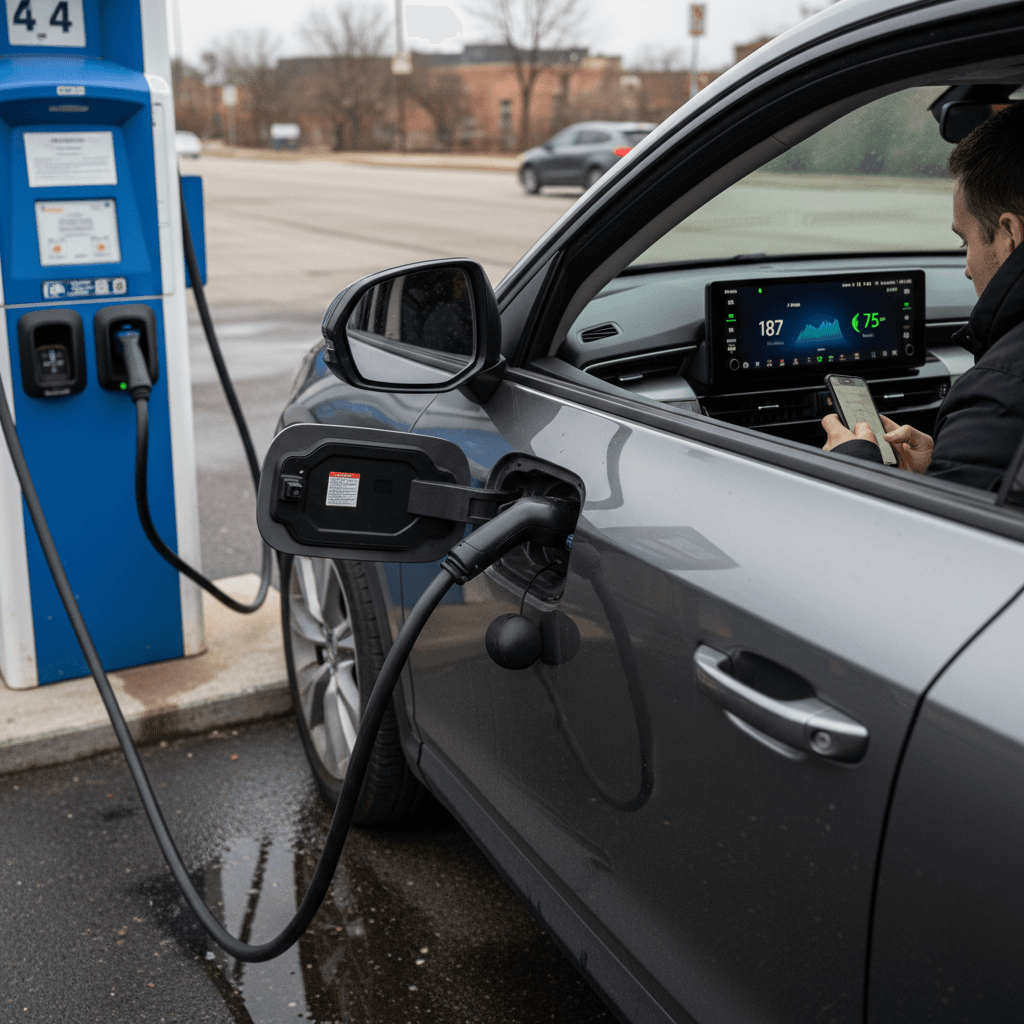
When a Honda Prologue still makes sense
For all the noise around complaints, plenty of owners genuinely like their Prologues. The cabin is spacious and comfortable, the ride is quiet, and the **range is competitive** if you drive mostly around town and charge at home. Honda’s safety tech and familiar control layout also make it an easy transition for long‑time Honda drivers stepping into their first EV.
Who the Prologue fits best
If these sound like you, the complaints may be manageable.
Home‑charging commuters
You have **reliable Level 2 home charging**, a moderate commute, and only use DC fast charging for a few trips a year. Occasional charging curve quirks matter a lot less when you mostly plug in overnight.
Families who value space
You want a roomy, quiet SUV with **solid safety tech** and don’t need wild performance or track‑star handling. The Prologue’s cabin and cargo space are strong selling points.
Lease‑first shoppers
You plan to lease for 3 years, keep everything in warranty, and move into Honda’s next‑generation EVs later. Complaints still matter, but long‑term Ultium worries don’t keep you up at night.
Honda Prologue complaints: FAQ
Frequently asked questions about Honda Prologue complaints
Bottom line: Should Honda Prologue complaints scare you away?
The Honda Prologue isn’t the quiet, invisible appliance many Honda loyalists expected. Its **biggest complaints, slow DC fast charging, software bugs, and front‑end issues, are real**, and they matter if you live on public chargers or plan to keep the car well past the warranty window. At the same time, it delivers competitive range, a comfortable cabin, and a familiar Honda driving feel that plenty of owners genuinely enjoy.
If you’re the kind of driver who loves being first in line for new tech and doesn’t mind ironing out the wrinkles, the Prologue can be a solid, comfortable EV, especially on a lease. If you’re hunting for a **used Honda Prologue**, the key is to be picky: demand proof of recall work, test the charging system hard, and lean on standardized battery health data like a Recharged Score report rather than gut feel.
Do that work up front, and the Prologue’s complaints become something you manage, not a surprise you discover halfway through a road trip with a bored family and a charger stuck at 32 kW.