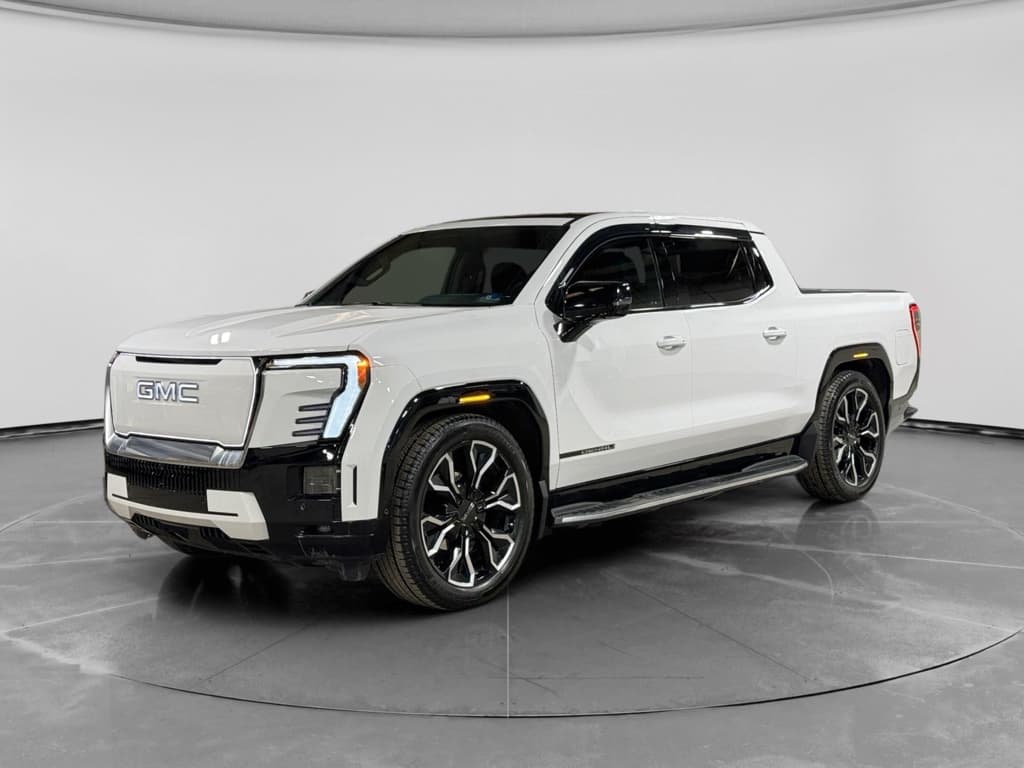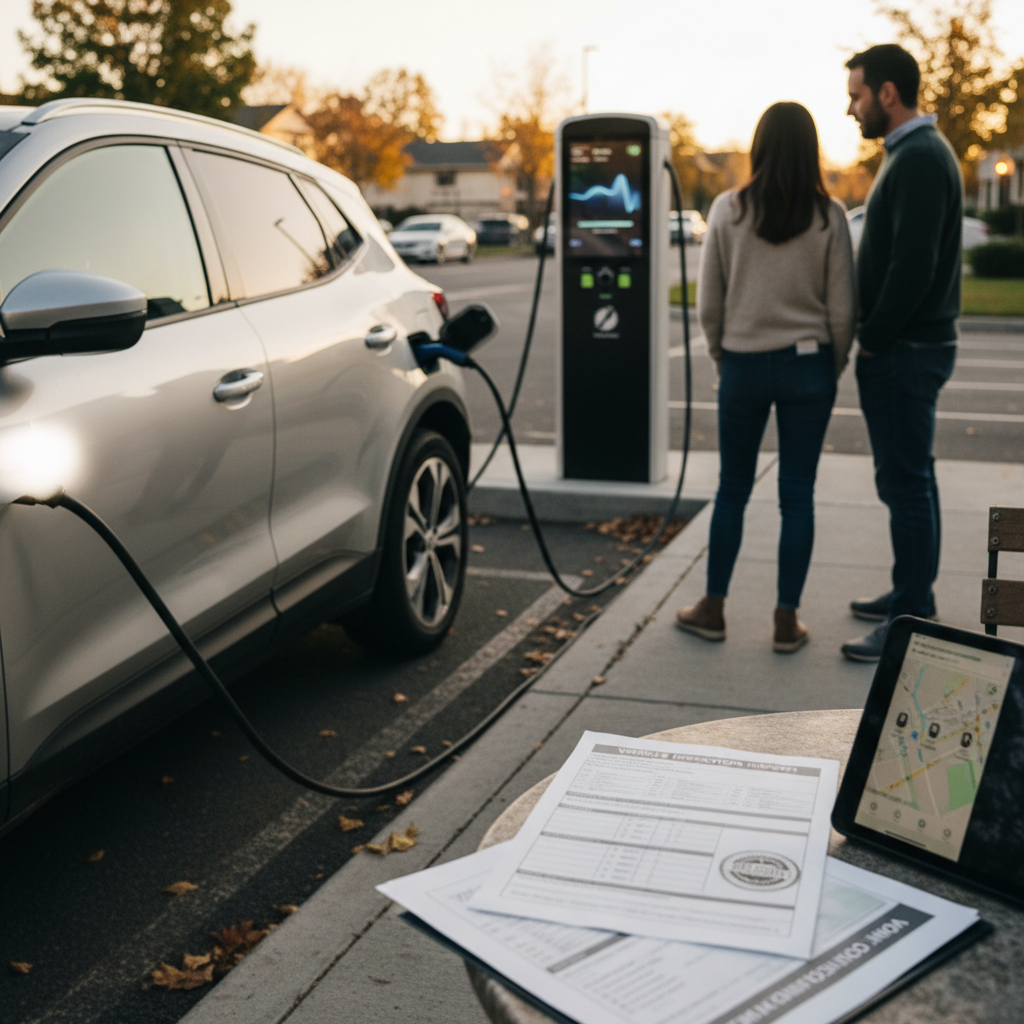
If you followed the launch hype, you probably remember early GMC Hummer EV trucks flipping for well over sticker. Fast-forward to 2025 and the story has flipped: aggressive discounts, five-figure drops on nearly-new examples, and a depreciation curve that looks more like a luxury sedan than a work truck. Understanding the GMC Hummer EV depreciation rate is crucial whether you’re hunting for a deal on the used market or wondering what your six-figure super truck is really worth now.
Why depreciation matters with a Hummer EV
Overview: How the GMC Hummer EV Depreciates
Early on, the Hummer EV behaved like a speculative asset. Edition 1 trucks with an original MSRP a bit over $110,000 often resold for more than sticker. As production increased and demand normalized, values cooled sharply. By 2024–2025, you started seeing nearly new 3X and SUV models trading far below MSRP, sometimes losing well over $30,000 in their first year of life.
- Launch scarcity pushed prices above MSRP; that phase is effectively over.
- Today’s used market reflects real demand for a huge, niche electric truck rather than hype.
- Depreciation has been front‑loaded: big drops in years 1–3, likely slower after that.
- Battery tech and incentives are evolving, which always puts extra pressure on early EVs.
Don’t confuse MSRP with market value
MSRP vs. Real-World Used Hummer EV Prices
To make sense of depreciation, you first need to ground yourself in the gap between MSRP and actual transaction prices for both new and used Hummer EVs.
GMC Hummer EV Pricing Snapshot (2022–2025)
These numbers point to a consistent pattern: the more expensive the configuration, the more dollars it sheds in the first couple of years. In percentage terms, depreciation is roughly in line with other luxury EVs. In absolute dollars, it’s brutal.
Illustrative Hummer EV Pricing: MSRP vs. Used Listings
Approximate examples based on widely reported MSRPs and recent used-market data. Actual pricing varies by options, mileage, and condition.
| Model / Trim (Example) | Original MSRP (Approx.) | Recent Used Asking / Sale | Approx. Dollar Drop | Approx. % Drop |
|---|---|---|---|---|
| 2022 Hummer EV Pickup Edition 1 | $112,000 | $80,000–$90,000 | $22,000–$32,000 | 20–30% |
| 2024 Hummer EV Pickup 2X | $98,845 | $72,000–$80,000 | $19,000–$27,000 | 19–27% |
| 2024 Hummer EV Pickup 3X | $106,945 | $78,000–$86,000 | $21,000–$29,000 | 20–27% |
| 2025 Hummer EV SUV 3X (heavily optioned) | $120,000+ | $84,000 (example sale) | $36,000+ | 30%+ |
Use this table as a directional guide, not a precise appraisal for any individual truck or SUV.
Why real-world comps beat any single guide
Hummer EV Depreciation Rate: The Numbers
So what’s the actual GMC Hummer EV depreciation rate? Different data sources slice it in different ways, but they all tell a similar story: big early losses, especially compared with gas trucks, and even among EVs it’s on the steeper side.
What Depreciation Looks Like in Practice
Three simple scenarios to understand how much value a Hummer EV can lose.
3-Year Typical Case
Take a 3X truck with a $110,000 out‑the‑door price:
- After ~3 years, many real‑world examples fall into the $70,000–$80,000 range.
- That’s around 25–35% depreciation in three years.
Worst-Case Launch Speculation
Early flippers who paid well over sticker for Edition 1 models have seen even steeper percentage losses, because resale values normalized back to MSRP-like levels and then kept sliding.
Lease Residual Perspective
Some early lease programs reportedly assumed only about 9% annual depreciation, far more optimistic than the 15–20% often seen across EVs. In practice, market data suggests depreciation has been closer to the higher end of that EV range.
Don’t ignore annualized depreciation
Why the GMC Hummer EV Depreciates Faster Than You’d Think
On paper, the Hummer EV should be bulletproof on resale: it’s rare, outrageous, and loaded with tech. In reality, several forces push its depreciation above that of more mainstream EVs and trucks.
- Narrow audience: This is a 9,000+‑lb, ultra‑wide, six‑figure toy. That dramatically reduces the pool of second‑hand buyers compared with a Tesla Model Y or Ford F‑150 Lightning.
- Rapid EV tech progress: Newer EVs deliver more range, faster charging, and better efficiency at lower prices, which puts downward pressure on older, less efficient models.
- High running costs: Oversized tires, weight, and complexity mean expensive tires and brakes, plus higher insurance, costs that used‑market buyers bake into what they’re willing to pay.
- Incentive structure: The Hummer EV generally doesn’t qualify for federal EV tax credits because of price caps, so there’s no tax-credit “floor” propping up its transaction prices.
- Brand and segment volatility: The electric truck segment is still thin and volatile; when demand cools even slightly, big, niche products like the Hummer EV feel it first.
Think like a second owner
Pickup vs. SUV: Which Hummer EV Holds Value Better?
GMC sells the Hummer EV in two basic bodies, pickup and SUV, and both have seen meaningful depreciation. But there are some subtle differences in how each behaves on the used market.
Pickup: Early Star, Now the Benchmark
- Launched first, with the Edition 1 pickup grabbing headlines and the highest prices.
- More real‑world used data exists, so pricing has normalized sooner.
- Work‑truck buyers still tend to favor traditional gas or diesel heavy‑duty pickups, limiting secondary demand.
- Depreciation appears to be better understood and thus often more predictable when you’re shopping used.
SUV: Later Arrival, Sharper Early Drops
- SUV versions landed later and often came fully loaded, pushing MSRPs deep into the $110,000–$130,000 zone.
- Some nearly new SUV 3X models have sold for $30,000–$40,000 under MSRP with only a few hundred miles.
- Smaller production volume and fewer comps make pricing spikier.
- In percentage terms, SUVs may depreciate similarly, but in dollars, the losses can be huge given higher MSRPs.
Where buyers tend to find better value
Battery, Range, and How They Affect Depreciation
Battery health is a key driver of EV depreciation, and the Hummer EV is no exception. With packs in the ~170 kWh ballpark and EPA ranges that can crest 300 miles in the right spec, you’re buying a lot of lithium. Over time, how that battery ages will matter more than a long option list.
Battery Factors That Move Hummer EV Value
What savvy used buyers and appraisers look for.
State of Health (SoH)
Battery State of Health measures how much usable capacity remains versus new. A Hummer EV that’s still near 100% SoH will command a premium over one showing notable degradation.
DC Fast Charging History
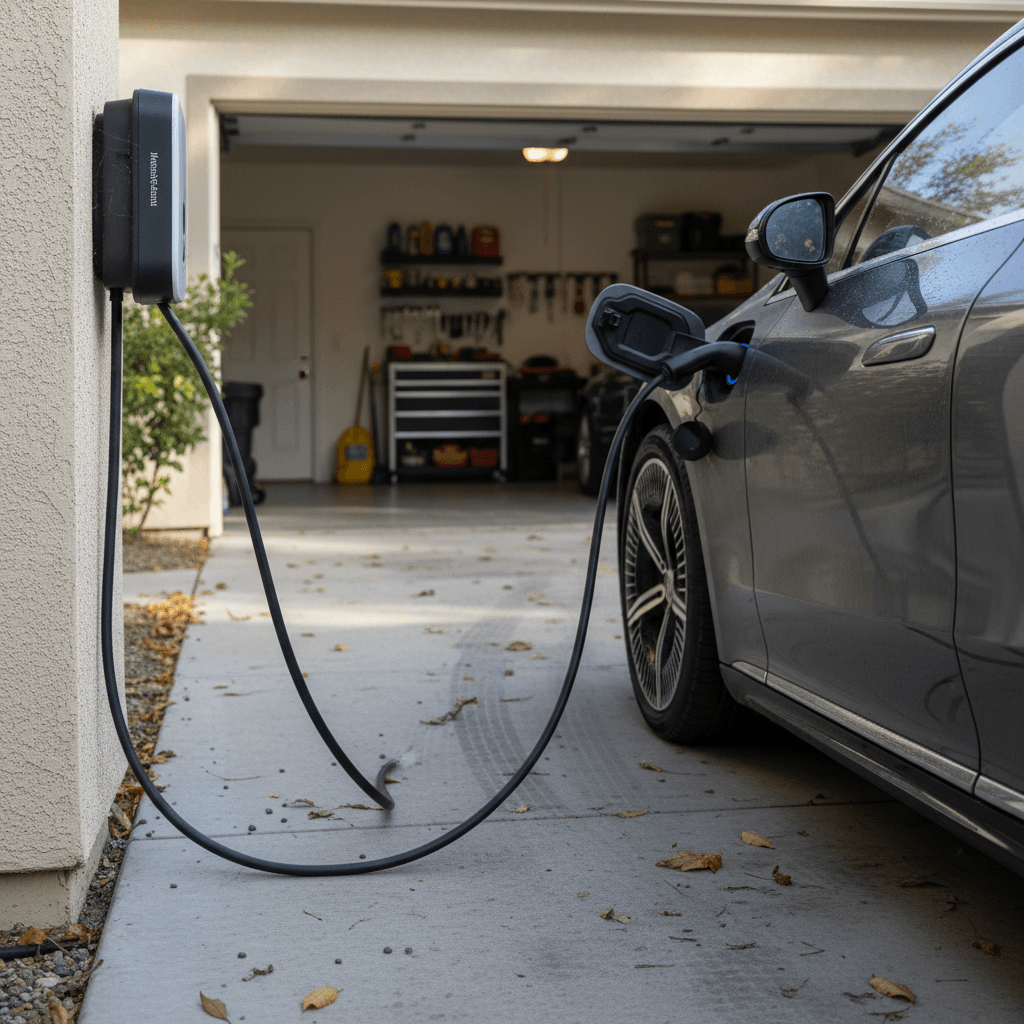
Frequent ultrafast DC charging can accelerate battery wear. A truck fast‑charged daily on road trips will look different (and be valued differently) than one mostly charged at home on Level 2.
Mileage & Use Case
Mileage matters, but use pattern matters more. A 40,000‑mile highway commuter can be a safer bet than a heavily off‑roaded, accessory‑laden truck with half the miles.
How Recharged helps de‑risk battery depreciation
How the Hummer EV Depreciation Compares to Other EVs
Zooming out, the Hummer EV behaves like what it is: a high‑priced, low‑efficiency halo EV. Industry studies in early 2024 put the average five‑year EV depreciation around roughly half of original value, an improvement from much steeper losses a few years prior. The Hummer EV generally lands on the faster side of that spectrum, especially in its first three years.
Depreciation Context: Hummer EV vs Other EV Segments
Broad, directional look at how different EV categories tend to depreciate over the first 5 years.
| Segment | Typical 5-Year Depreciation | Key Drivers |
|---|---|---|
| Mainstream crossovers (Model Y, Ioniq 5, etc.) | ~40–50% | Strong demand, practical packaging, improving incentives. |
| Premium sedans (Taycan, EQE, etc.) | ~50–60% | Luxury segment softness, rapid tech change, high lease penetration. |
| Electric pickups (Lightning, Rivian R1T) | ~50–60% | Young segment, incentive noise, work‑truck buyers still testing EVs. |
| Hummer EV (pickup & SUV) | ~55–65% (projected) | Niche appeal, high MSRPs, limited buyer pool, high running costs. |
These are high-level patterns, not guarantees. Individual model behavior can differ significantly.
Why projections, not promises
How to Use Depreciation to Your Advantage as a Buyer
The upside of a steep depreciation curve is simple: you can let someone else eat the expensive first years and step in once values stabilize. If you’re considering a used Hummer EV, here’s how to turn depreciation from a risk into an advantage.
Smart Steps When Buying a Used Hummer EV
1. Target the “value valley”
Look for trucks and SUVs that are 2–4 years old. At that point, the biggest value hit has usually already happened, but the vehicle is still young in EV terms.
2. Focus on total cost, not just price
Insurance, tires, brakes, and registration can all be higher on a Hummer EV. Compare monthly ownership costs to alternatives, not just the purchase price.
3. Prioritize verified battery health
Ask for a battery health report, not just a range estimate from the dash. Recharged’s Score Report, for example, uses diagnostic tools to measure real battery condition and projected range.
4. Check for off‑road and towing abuse
Inspect underbody protection, suspension components, and tires. A life of hard off‑roading or max‑weight towing can accelerate wear that future buyers will notice, and discount for.
5. Compare to other EV trucks
Always cross‑shop Hummer EVs against Rivian R1T, F‑150 Lightning, and even conventional HD trucks. If the Hummer commands a big premium, make sure you truly value what makes it unique.
6. Run the financing math carefully
Because dollar depreciation is high, a long, low‑down‑payment loan can leave you underwater. Shorter terms and solid down payments are safer for rapidly depreciating vehicles.
Where Recharged fits in as a buyer ally
Ready to find your next EV?
Browse VehiclesSelling or Trading In Your Hummer EV: Maximizing Value
If you already own a Hummer EV, depreciation isn’t theoretical, it’s your equity. The goal is to get ahead of the curve rather than letting the curve run you over.
When to Consider Selling
- Before warranty milestones: Values typically soften as bumper‑to‑bumper and battery warranties age out. Selling while substantial coverage remains is almost always easier.
- Before major refreshes: A big tech or range update to the Hummer EV, or a compelling new rival, can reset used expectations overnight.
- When usage no longer fits: If you’ve shifted to shorter commutes or tighter parking, moving into a more efficient, smaller EV can save real money monthly.
How to Protect Your Value
- Keep records: Document every service visit, tire change, and software update. EV buyers are especially documentation‑sensitive.
- Manage cosmetics: Wheels, tires, and bodywork matter. A big, aggressive truck shows wear quickly; fixing curb rash and paint chips helps resale.
- Highlight battery care: If you mostly charged at home and rarely fast‑charged to 100%, say so, and back it up with any available logs or reports.
Where to sell for the best outcome
GMC Hummer EV Depreciation FAQs
Frequently Asked Questions About Hummer EV Depreciation
Bottom Line: Is the GMC Hummer EV a Good Value Used?
If you bought a new Hummer EV at or above MSRP, depreciation has likely been painful. The combination of six‑figure pricing, niche appeal, and a fast‑moving EV market was always going to take a bite out of early adopters. But if you’re shopping today, that same curve works in your favor: you can often find low‑mile trucks and SUVs at prices that finally align with their real‑world utility.
The key is to treat a used Hummer EV like what it is, an extreme, luxury toy with serious energy needs, not a rational transportation appliance. Look past the paint and light show to the battery health, ownership costs, and long‑term fit for your life. A transparent battery report and fair‑market pricing, like you’ll see on Recharged listings, go a long way toward taking the mystery, and the worst of the depreciation risk, out of the equation.