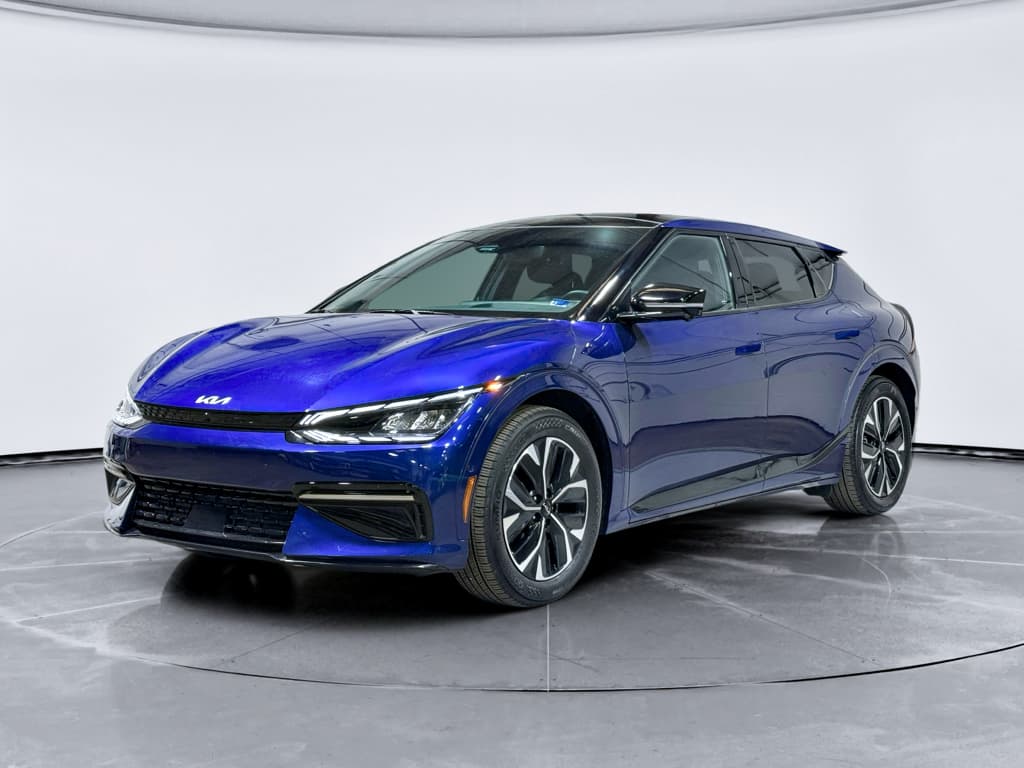
If you’re considering a Genesis GV60, depreciation isn’t a theoretical concern, it’s real money. Early data shows the GV60 loses value faster than many gas luxury SUVs, and even a bit faster than some rival EVs. Understanding the Genesis GV60 depreciation curve over 5 years can help you avoid overpaying today and keep more cash in your pocket when it’s time to sell.
Why GV60 depreciation matters right now
Genesis GV60 5‑Year Depreciation at a Glance
Genesis GV60 Depreciation Snapshot (U.S. Market)
Different valuation models don’t agree to the decimal, but they’re directionally aligned. One widely used depreciation tool modeling a GV60 around $63,700 MSRP projects a 5‑year resale value of roughly $25,000 (about 39% of original price). That lines up with third‑party studies suggesting the GV60 loses around two‑thirds of its value over five years, slightly worse than the overall EV average but typical for a young luxury EV brand.
Important caveat
How Fast Does a Genesis GV60 Depreciate?
To make sense of any depreciation curve, start with what’s already happened. For early‑build GV60s, we have a few years of real‑world data plus fresh forecasts from 2024–2026 valuation guides.
- Early asking prices for 2023–2024 GV60s with 20,000–35,000 miles often sit in the mid‑$20,000s to low‑$30,000s, versus transaction prices that were frequently in the $55,000–$65,000 range when new.
- Forecast tools like Kelley Blue Book and others show GV60 values dropping from the low‑$50,000s at launch to the mid‑$20,000s within roughly two to three years for many trims.
- iSeeCars’ 5‑year analysis pegs the GV60’s typical depreciation around 65.7%, noticeably steeper than the 45–46% industry‑wide average and above the ~59% EV‑segment average.
If you put that together, a pattern emerges: the GV60 experiences an aggressive slide in the first few years, then settles into a more modest, predictable decline. For buyers, that means the sweet spot tends to be between years 3 and 6, when much of the heavy depreciation is behind you but the car still feels and drives like a nearly new EV.
What a 5‑Year Depreciation Curve Looks Like for the GV60
Let’s walk through a simplified example of a Genesis GV60 depreciation curve over 5 years, assuming a new purchase price of $65,000 and average usage (about 12,000 miles per year). These are rounded, scenario‑based numbers, not quotes, but they’re in line with what we’re seeing in the U.S. market.
Illustrative 5‑Year Depreciation Curve for a Genesis GV60
Approximate retained value over five years for a Genesis GV60 originally sold around $65,000, assuming average mileage and normal condition.
| Year | Vehicle Age | Estimated Value | % of Original Price | Approx. Depreciation vs. New |
|---|---|---|---|---|
| Year 0 | New (MSRP) | $65,000 | 100% | , |
| Year 1 | 1 year old | $44,000–$48,000 | 68–74% | −26–32% |
| Year 2 | 2 years old | $35,000–$40,000 | 54–62% | −38–46% |
| Year 3 | 3 years old | $28,000–$33,000 | 43–51% | −49–57% |
| Year 4 | 4 years old | $25,000–$29,000 | 38–45% | −55–62% |
| Year 5 | 5 years old | $22,000–$26,000 | 34–40% | −60–66% |
The steepest drops are in years 1–3. After that, the curve usually flattens as long as battery health remains strong.
How to use this curve

GV60 vs. Other EVs and Luxury SUVs
GV60 vs. Other Electric SUVs
- Segment average: Recent iSeeCars work pegs EVs around 58–60% depreciation by year 5.
- GV60: Around 65–66% depreciation, so it tends to lose value somewhat faster than the typical EV.
- Tesla Model Y: Often cited around 60% depreciation at 5 years, better than the GV60 but still steeper than many gas SUVs.
In short, the GV60 behaves like many luxury EVs: strong tech, high MSRPs, generous lease incentives early on, and a used market still figuring out where to price them.
GV60 vs. Gas Luxury Compact SUVs
- Gas luxury crossovers like the BMW X3 or Audi Q5 often land in the 50–55% depreciation range at 5 years.
- That means a similar‑price gas SUV might still be worth around 45–50% of MSRP, while a GV60 could sit closer to 35–40%.
- However, EVs regularly win back ground on fuel and maintenance savings, especially if you charge at home on time‑of‑use rates.
If you judge only on resale percentage, the GV60 isn’t the star pupil. If you consider total cost of ownership, the picture is much more competitive.
Where the GV60 shines for value
Factors That Shape a GV60’s Depreciation Curve
Depreciation isn’t magic; it’s a set of predictable forces. With the Genesis GV60, five themes show up consistently when you look at real‑world resale data and dealer behavior.
Key Drivers of Genesis GV60 Depreciation
Know these levers and you’ll understand why one GV60 holds value better than another.
1. High Initial MSRP + Incentives
The GV60 launched as a premium EV, often transacting in the mid‑$50,000s to mid‑$60,000s. Generous lease cash and EV tax credits effectively lowered real transaction prices. When those subsidized deals hit the used market, their low lease residuals set a depressed "anchor" for resale values.
2. Brand Positioning & Awareness
Genesis has made big strides in quality and design, but used‑car shoppers still gravitate to household names like Tesla, BMW, and Mercedes. Lower brand familiarity can mean steeper discounts on the used lot, especially outside major metro areas.
3. Technology Pace
EV tech moves quickly, charging speeds, driver‑assist systems, and infotainment improve almost yearly. A 3‑year‑old GV60 can suddenly look "old" on paper, even if it drives like new, which pushes market prices down faster than for a comparable gas SUV.
4. Regional Demand & Incentives
In EV‑friendly states with strong incentives and dense charging networks, used GV60s can command a bit more. In regions where EV adoption is slower, dealers may discount aggressively to move inventory, steepening the local depreciation curve.
5. Mileage & Use Pattern
Like any vehicle, high annual mileage lowers value, but for EVs the story is nuanced. Highway‑heavy usage with frequent DC fast charging can worry some buyers, while low‑mileage commuter cars often sell at a premium, even if they’re the same model year.
6. Warranty & Brand Reliability Perception
Genesis offers a strong basic and powertrain warranty, but shoppers also look for evidence of long‑term reliability and battery durability. Concerns (founded or not) about parts availability and service networks can weigh on resale until the brand matures further.
How Battery Health Affects Your GV60’s Value
On an electric SUV like the GV60, the battery pack is the single most expensive component and the heart of the ownership experience. It’s no surprise that battery health has a direct impact on real‑world depreciation, often more than cosmetic wear or minor options differences.
- A GV60 with clear diagnostics showing strong remaining battery capacity and minimal fast‑charging abuse will typically fetch more than a similar‑mileage example without documentation.
- Buyers are increasingly savvy. Many will scroll past vague ads and focus on vehicles that show verified battery health, clean charging history, and transparent service records.
- As value drops into the mid‑$20,000s, the difference between a healthy pack and a questionable one can easily be several thousand dollars at resale.
Where Recharged comes in
Buying a Used Genesis GV60: Using Depreciation to Your Advantage
If you’re shopping the used market, the Genesis GV60’s depreciation curve is your friend. The first owner took the big hit; you get the benefit. Here’s how to approach the numbers strategically.
Smart Checklist for Buying a Used GV60
1. Target the sweet spot in age and mileage
For most shoppers, a <strong>2–4‑year‑old GV60 with 20,000–45,000 miles</strong> hits the best balance of price, remaining warranty, and up‑to‑date tech. You’ve skipped the worst depreciation while still getting a modern EV experience.
2. Focus on battery and charging history first
Ask for battery health data, not just a Carfax. On Recharged, the Recharged Score Report shows degradation estimates and fast‑charging patterns so you can see how hard the pack has been used.
3. Benchmark price against the 5‑year curve
Use the example curve earlier in this guide as a cross‑check. If a 3‑year‑old GV60 is priced like a 1‑year‑old example, it should come with something extra, extremely low miles, rare Performance trim, or exceptional CPO coverage from Genesis.
4. Compare total cost of ownership, not just resale
Include expected electricity costs, reduced maintenance, and potential incentives. A GV60 that depreciates faster than a gas BMW X3 can still be cheaper to own over five years once you factor in fuel, oil changes, and repairs.
5. Consider who is standing behind the car
Buying from a specialist used‑EV retailer like Recharged, which focuses on battery diagnostics and transparent pricing, can narrow your risk profile versus gambling on a random trade‑in at a non‑EV‑focused store.
Leverage depreciation for higher trim value
Selling or Trading In a GV60: Timing the Market
If you already own a GV60, your goal is to step off the depreciation escalator at the right time. That means understanding where your vehicle sits on the 5‑year curve and what the market is likely to do next.
Best Windows to Exit a GV60 Based on the 5‑Year Curve
These are tendencies, not hard rules, but they’ll help you think like a dealer.
Exit at 2–3 Years
Pros: You’re before the warranty cliff, tech still feels fresh, and there’s strong demand from buyers wanting "nearly new" at a discount.
Cons: You’ve lived through the steepest part of depreciation; your loss per year will be highest, but cash return remains meaningful.
Exit at 4–5 Years
Pros: Depreciation has slowed. You’ve harvested more years of use from a high‑MSRP car and may still have battery coverage depending on mileage.
Cons: Headline resale dollar amount is lower, and new EV tech (especially higher‑range SUVs) may pressure used prices further.
Hold Beyond 5 Years
Pros: If you like the car and the battery stays healthy, keeping it can be cheaper than churning into a newer model every few years.
Cons: You’re exposed to long‑term tech obsolescence and out‑of‑warranty repair risk, though EV drivetrains tend to age more gently than ICE.
Don’t chase the market month‑to‑month
Example 5‑Year Cost Scenarios
To put real numbers behind the Genesis GV60 depreciation curve over 5 years, let’s look at two simplified ownership stories. These are ballpark examples using the curve outlined earlier; your personal numbers will depend on interest rate, taxes, incentives, and how you drive.
Scenario A: Buy New, Sell at 5 Years
- Purchase: $65,000 new in 2026 (after destination, before tax).
- Depreciation: Vehicle is worth roughly $23,000–$26,000 in 2031.
- Value lost: About $39,000–$42,000 over five years, or roughly $7,800–$8,400 per year on average.
- Who this fits: Drivers who want the latest tech now, plan to keep the GV60 for the bulk of its warranty life, and are comfortable accepting heavier depreciation in exchange for first‑owner peace of mind.
Scenario B: Buy 3‑Year‑Old, Keep 5 Years
- Purchase: $30,000 for a 3‑year‑old GV60 in 2029.
- Depreciation: At age 8, it might be worth around $15,000–$17,000 in 2034 if the battery looks healthy.
- Value lost: Roughly $13,000–$15,000 over five years, about $2,600–$3,000 per year.
- Who this fits: Buyers who want maximum value per dollar, are comfortable with slightly older tech, and are willing to prioritize a GV60 with excellent battery diagnostics over one with the flashiest options list.
Where buyers get burned
FAQ: Genesis GV60 Depreciation and Resale
Frequently Asked Questions About the GV60’s 5‑Year Depreciation Curve
Key Takeaways on the Genesis GV60 5‑Year Depreciation Curve
The Genesis GV60 is a sophisticated, quick, and genuinely premium electric SUV, but its resale value story is complicated. Over five years, you’re looking at roughly 60–66% depreciation from new, putting it on the steeper side of the EV and luxury‑SUV world. The bright side is that once that first owner takes the hit, the GV60 becomes one of the more compelling used‑EV buys on the market, especially if you prioritize examples with strong battery diagnostics and sensible pricing.
If you’re buying new, go in with your eyes open about the first 3 years of depreciation and plan to keep the vehicle long enough to justify that upfront loss. If you’re buying used, let the Genesis GV60 depreciation curve over 5 years work for you: aim for a 2–4‑year‑old example, insist on clear battery‑health documentation, and benchmark the asking price against the curve in this guide. And if you’d like a partner that does that homework for you, Recharged can help you source, finance, trade in, or sell a GV60 with the kind of transparency most EV shoppers wish they had from day one.