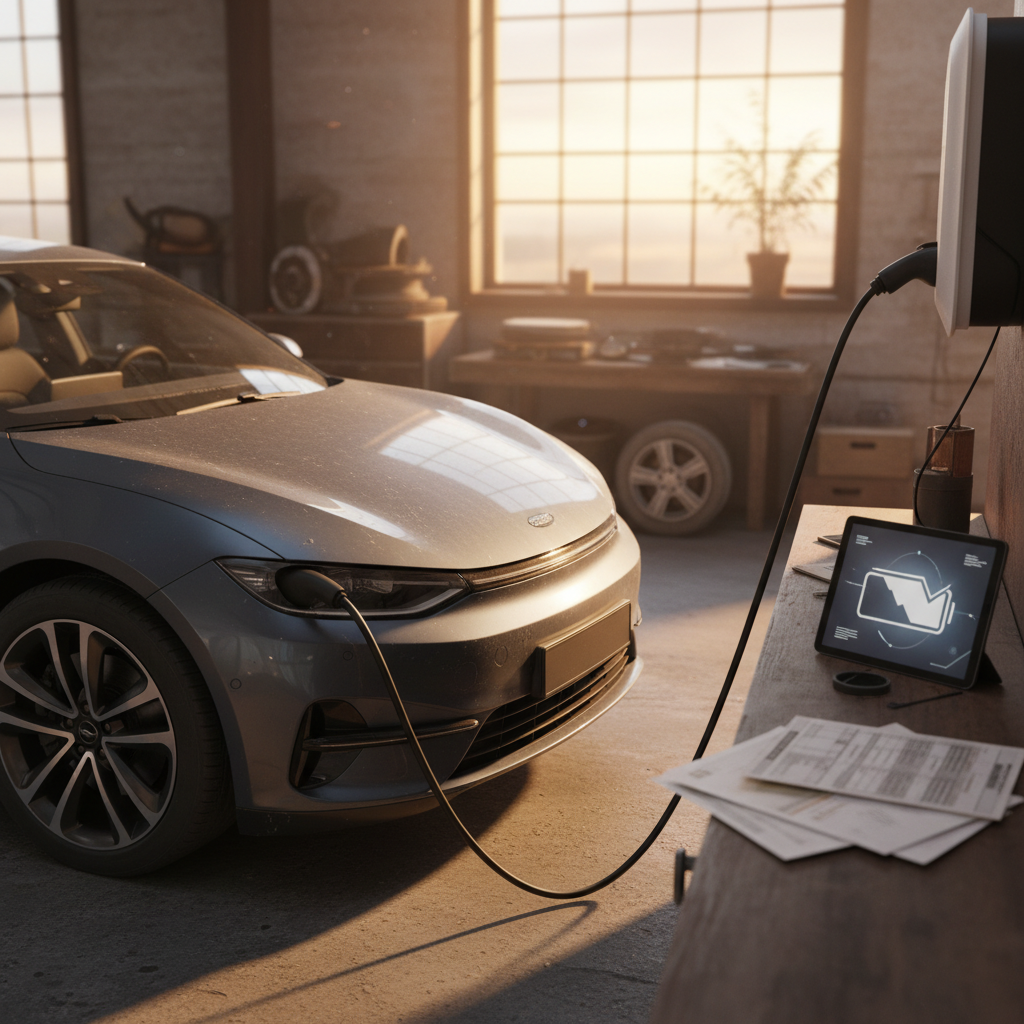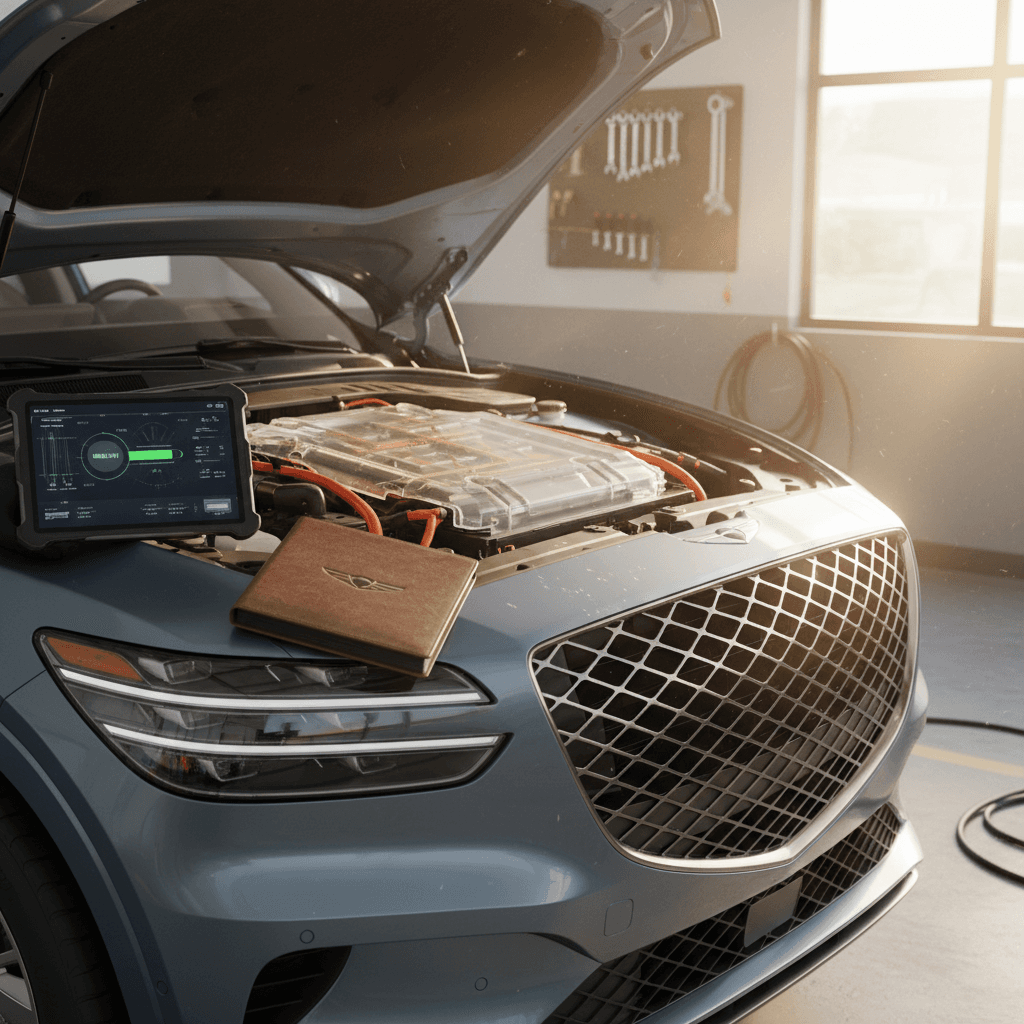
If you’re considering a Genesis Electrified GV70, whether new or used, the first question that usually comes up is the battery. How long will it last, and what happens if something goes wrong? Understanding the Genesis Electrified GV70 battery warranty details is the key to shopping confidently and knowing how protected you really are over the long haul.
Quick take
Electrified GV70 battery warranty overview
Genesis follows the same basic template as its Hyundai cousins: a generous warranty on the high‑voltage battery, backed up by strong powertrain coverage for the rest of the electric drive system. For U.S. buyers, that usually means multi‑year, six‑figure mileage protection on the battery itself, plus separate coverage for components like the onboard charger, inverter, and drive motor.
Genesis Electrified GV70 warranty at a glance
Battery coverage sits on top of an already strong factory warranty package.
High‑voltage battery
Long‑term warranty measured in both years and miles, designed to protect against defects and abnormal loss of usable capacity.
EV powertrain
Separate coverage for the electric drive system (motors, reduction gear, inverter, onboard charger) for a similarly long term.
New‑vehicle limited warranty
Shorter‑term, full‑car protection that covers most other components and electronics, including many charging and infotainment issues.
Tip for shoppers
How long the Electrified GV70 battery warranty lasts
For U.S. models, Genesis backs the Electrified GV70’s high‑voltage battery pack for a long window of ownership. It’s expressed two ways, time and mileage, and whichever you hit first ends the coverage.
Typical Electrified GV70 warranty terms (U.S.)
Time and mileage limits you’re likely to see on a U.S.‑spec Electrified GV70. Always confirm the exact terms in the owner’s manual or warranty booklet for the specific model year.
| Coverage type | What it includes | Typical duration | Mileage limit |
|---|---|---|---|
| High‑voltage battery | Battery pack, battery management system (BMS), associated high‑voltage components | Up to 10 years | Up to 100,000 miles |
| EV powertrain | Electric motors, reduction gear, inverter, onboard charger, related hardware | Up to 10 years | Up to 100,000 miles |
| New‑vehicle limited warranty | Most non‑wear parts, electronics, climate, interior/exterior hardware | 5 years | 60,000 miles |
Battery coverage extends well beyond the standard new‑vehicle warranty period.
Model‑year matters
What the Electrified GV70 battery warranty actually covers
A factory battery warranty doesn’t promise your Genesis will drive like new forever. Instead, it protects you against defects in materials or workmanship and, in many cases, against the battery losing usable capacity faster than Genesis considers normal.
- Repair or replacement of the high‑voltage battery pack if Genesis determines it has a defect in materials or workmanship.
- Coverage for internal battery failures, such as shorted cells or faults in internal battery modules, when not caused by abuse or outside damage.
- Labor associated with battery diagnosis and replacement at an authorized Genesis or affiliated dealer, when the repair is approved under warranty.
Capacity retention language
What isn’t covered: common battery warranty exclusions
Automakers write their battery warranties with guardrails. Genesis is no different. There’s a long list of scenarios that typically will not qualify as a warrantable battery problem, even if the car is still within the time and mileage window.
Issues that usually aren’t covered
These are the headaches you want to avoid by how you charge, drive, and store the car.
Expected gradual degradation
All lithium‑ion batteries slowly lose capacity. A modest loss of range over several years, especially in hot or cold climates, is considered normal wear and is not usually treated as a defect.
Damage from external events
Flooding, collision damage, underbody impact, or corrosion from road debris typically fall outside warranty coverage and into the realm of insurance claims.
Improper use or modifications
Unauthorized software tuning, aftermarket high‑voltage modifications, or repeatedly ignoring warning lights can give Genesis the grounds to deny a warranty claim.
Incorrect charging practices
Consistently using non‑approved charging equipment, attempting unsafe DIY repairs, or operating outside the charging specs listed in the owner’s manual can also jeopardize coverage.
Warranty is not abuse insurance
High‑voltage battery vs. bumper-to-bumper coverage
It helps to mentally separate the Electrified GV70 into three coverage zones: the battery, the rest of the EV powertrain, and everything else. They aren’t all on the same timeline, which is why you’ll see late‑model used EVs still covered for the battery long after their general warranty has expired.
1. High‑voltage battery
Covered the longest, with specific language about capacity loss and defects. This is the most expensive component to replace, which is why that long warranty matters.
2. EV powertrain
Motors, reduction gear, inverter, onboard charger, and related parts typically share a similarly long warranty, though the fine print may differ from the battery pack’s coverage.
3. General components
Everything from infotainment to seat motors lives under a shorter, new‑vehicle limited warranty. After that, you’re in out‑of‑pocket territory unless you have an extended service contract.
Good news for used‑EV shoppers
Battery degradation and real‑world range
Even with a strong warranty, it’s important to set realistic expectations about how the Electrified GV70’s range will age. A healthy EV battery usually loses a small percentage of usable capacity in the first couple of years and then tapers off. That’s normal chemistry, not a warranty failure.
How EV owners typically experience range loss
Read the capacity clause
Warranty transfer rules for used Electrified GV70s
If you’re buying a used Genesis Electrified GV70, the good news is that factory warranties typically follow the car, not the first owner. That means remaining battery and EV powertrain coverage usually transfers automatically to you, as long as the car hasn’t been branded as salvage or severely modified.
Steps to confirm remaining battery warranty on a used Electrified GV70
1. Verify model year and in‑service date
Ask the seller for the original in‑service date (when the vehicle was first sold or leased). That’s when the warranty clock started ticking, not the build date.
2. Check the current mileage
Compare odometer mileage to the mileage limit in the battery and powertrain warranties. The earlier of years or miles ends coverage.
3. Run a title and history check
Avoid cars with salvage or branded titles. These often void remaining factory warranty coverage, especially on high‑voltage components.
4. Confirm no major modifications
Big aftermarket electrical changes, or evidence of tampering with the battery or high‑voltage wiring, can be grounds for denying claims.
5. Ask for dealer service records
A Genesis or Hyundai‑affiliated dealer can confirm open recalls, past battery‑related repairs, and help you verify remaining warranty using the VIN.
Don’t rely on the listing alone
How battery warranty affects used pricing and resale
Battery coverage isn’t just a fine‑print curiosity, it shows up in the price tag. Used Electrified GV70s with years of factory battery and powertrain warranty remaining tend to command stronger prices and sell faster than similar‑age EVs with short or expired coverage.
From a buyer’s perspective
- A long remaining battery warranty reduces the perceived risk of owning a sophisticated, expensive pack.
- It can make a used EV feel more like a certified pre‑owned car, even if it’s being sold outside a dealer network.
- You may be more comfortable stretching your budget if you know a potential five‑figure repair is unlikely for years.
From a seller’s perspective
- Advertising remaining battery and powertrain coverage, in detail, can set your listing apart from similar luxury EVs.
- Clean battery‑health documentation and a clear warranty story help support stronger resale values.
- As EV shoppers become savvier, transparent battery information becomes as important as leather seats or panoramic roofs.
Where Recharged fits in
Protecting your battery to stay within warranty
Most Electrified GV70 owners will never need a new pack under warranty, and that’s exactly how Genesis intends it. The way you charge, park, and drive plays a big role in keeping your battery healthy enough that it never gets anywhere near the warranty’s failure thresholds.
Simple habits that are good for your Electrified GV70’s battery
Avoid constant 100% fast‑charging
Use DC fast‑charging when you need it on road trips, but rely on Level 2 home charging for daily use and set the charge limit below 100% for routine commuting.
Keep it out of extreme heat when parked
If possible, park in a garage or shaded area during very hot weather. High temperatures over long periods accelerate battery aging.
Don’t fear moderate low states of charge
Running down to 20–30% occasionally under normal driving is fine. Just avoid leaving the battery near 0% or 100% for days at a time.
Follow software and recall updates
Genesis may issue software updates that refine battery management or charging behavior. Keeping the car updated can help the pack age more gracefully.
Use approved charging equipment
Stick with reputable Level 2 home chargers and follow the installation guidelines. That protects both your battery and your warranty.
Warranty vs. good habits
How Recharged evaluates Electrified GV70 battery health
Warranty terms tell you how long Genesis is willing to stand behind the Electrified GV70’s battery. But when you’re buying used, you also want to know how the specific battery in front of you is actually doing today. That’s where Recharged’s diagnostics come in.
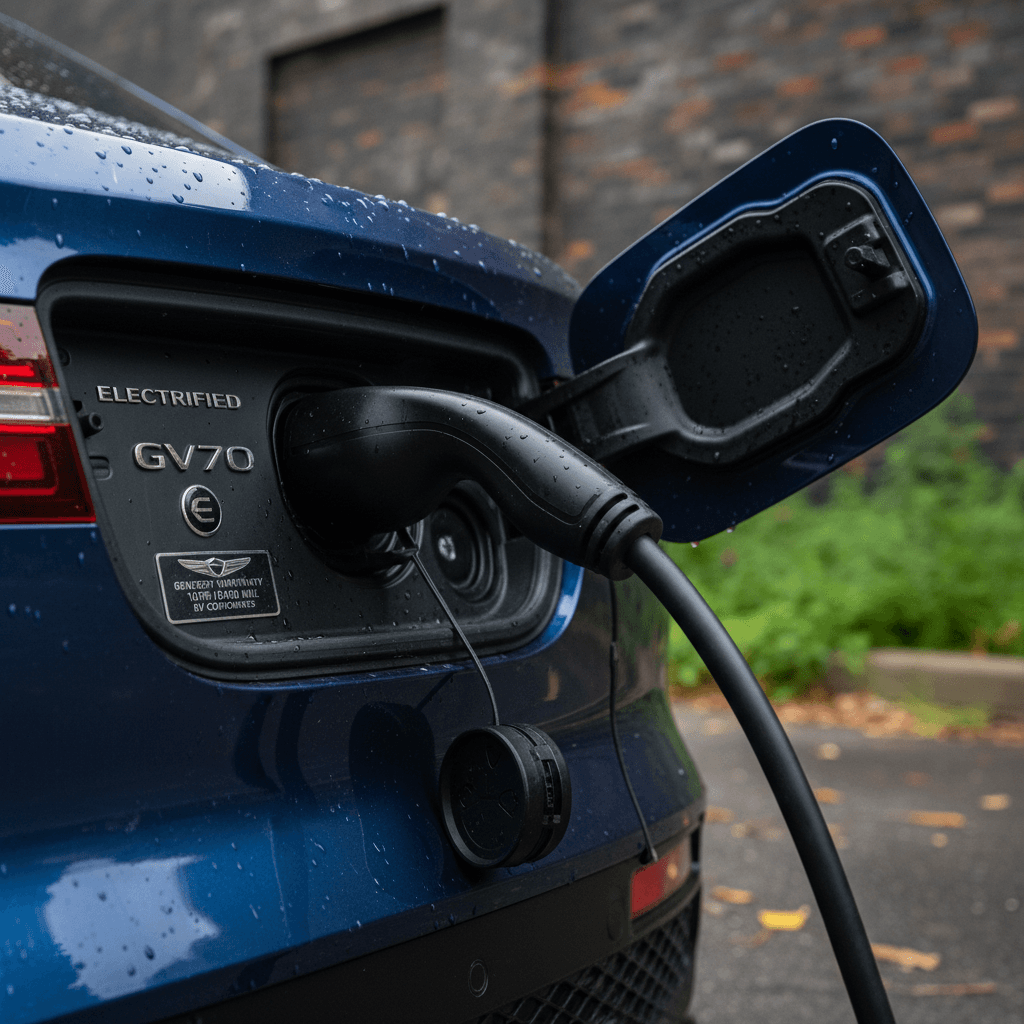
What you learn from a Recharged Score on an Electrified GV70
Beyond basic warranty checks, you see how the battery has aged in the real world.
Measured battery health
We use specialized diagnostics to estimate current usable capacity compared with what the pack had when it was new.
Battery & charging history clues
Review of service history, recalls, and any prior high‑voltage work, plus signs of frequent fast‑charging or abnormal usage patterns.
Fair‑market pricing
Battery health and remaining warranty coverage are baked into our pricing guidance, so you’re not overpaying for a tired pack.
Ready to find your next EV?
Browse VehiclesPaired with expert EV‑specialist support, that battery insight helps you decide whether a particular Electrified GV70 is the right fit, the right price, and the right long‑term bet, before you ever tap “Buy.”
FAQ: Genesis Electrified GV70 battery warranty
Frequently asked questions
Bottom line: Is the Electrified GV70 battery warranty good?
For most drivers, the Genesis Electrified GV70’s battery warranty lands in the “confident yes” category. It offers long‑term, high‑mileage protection on the most expensive component in the car and keeps the electric powertrain under factory care well past the typical new‑car warranty window. The catch is understanding that it’s there to protect you from defects and abnormal degradation, not from every mile of range the battery naturally gives up as the years roll by.
If you’re shopping used, focus on three things: how much factory battery coverage is left by years and miles, how the previous owner likely treated the pack, and what objective battery‑health diagnostics say about its current condition. Buying through a platform like Recharged, with a Recharged Score Report, verified battery data, and EV‑specialist guidance, can turn all that warranty fine print into a clear, confident yes or no on a specific Electrified GV70.