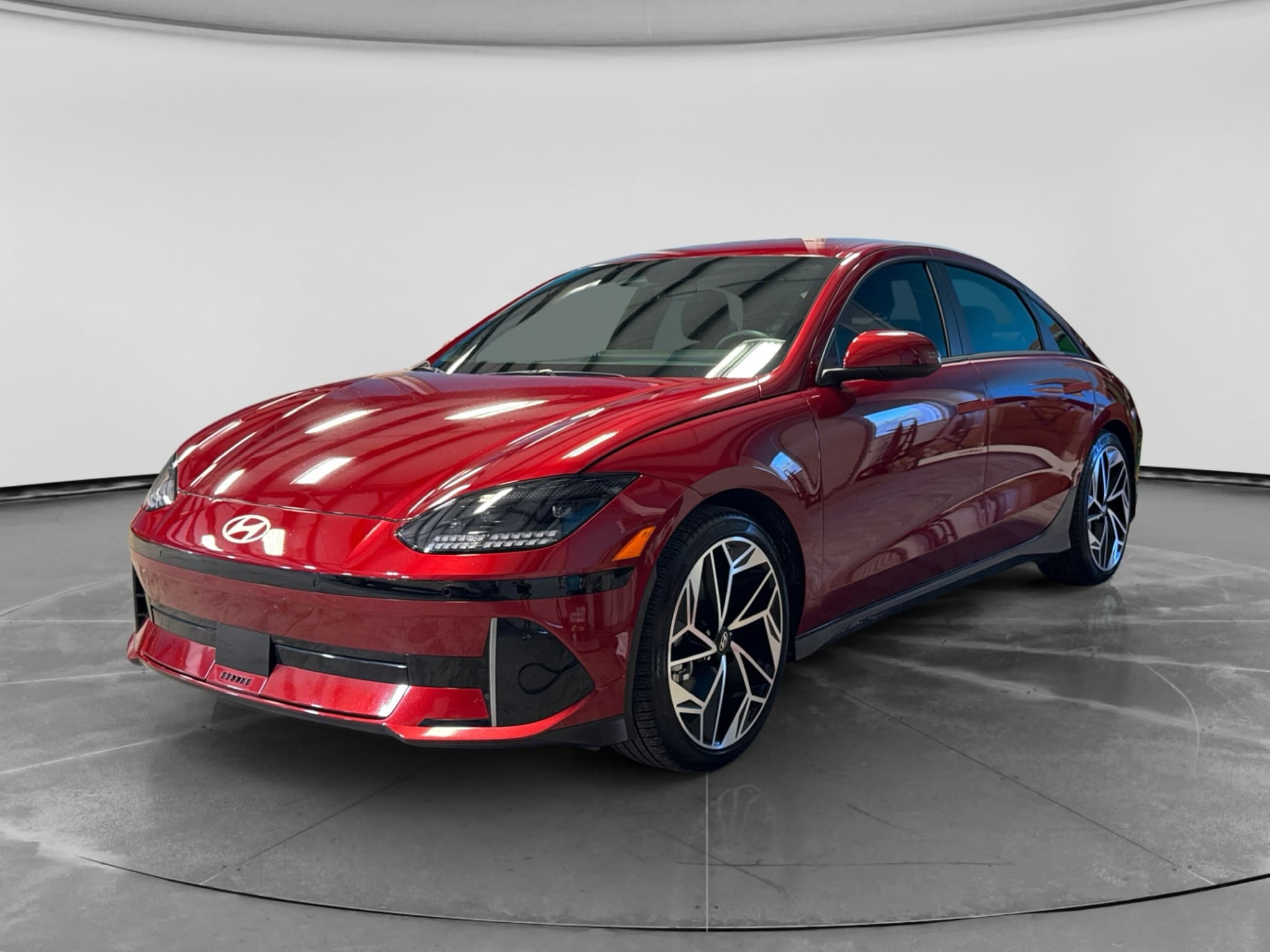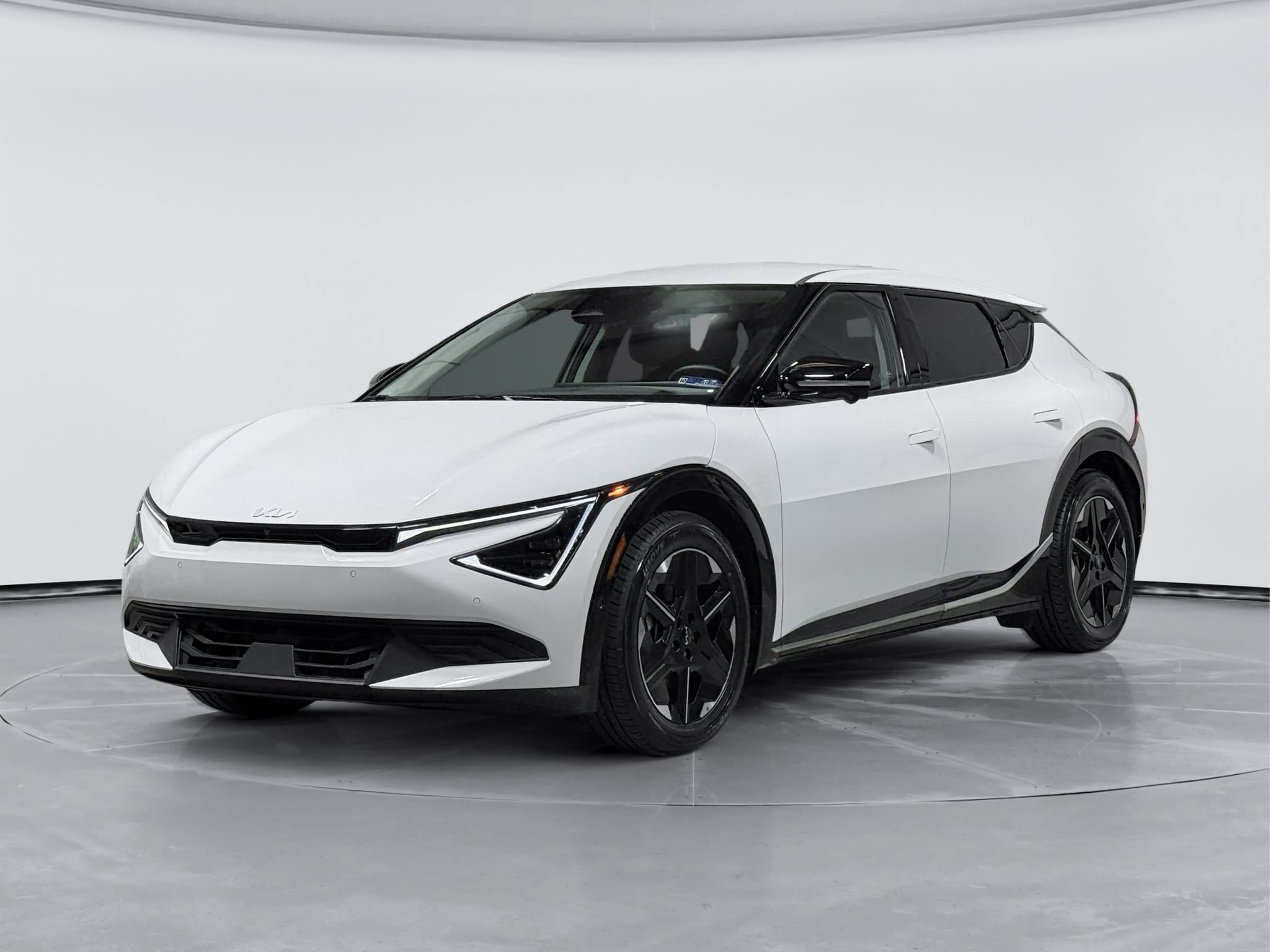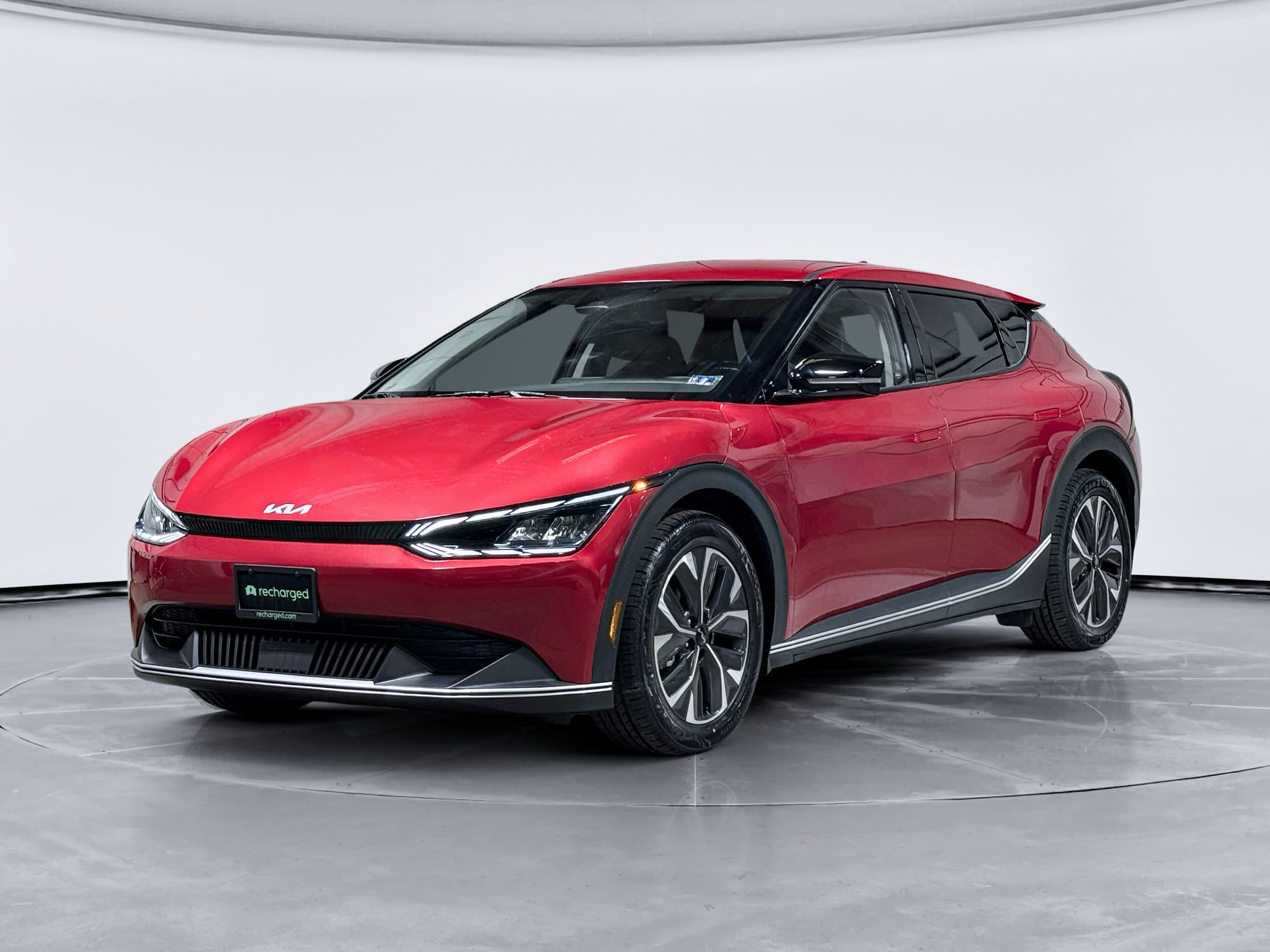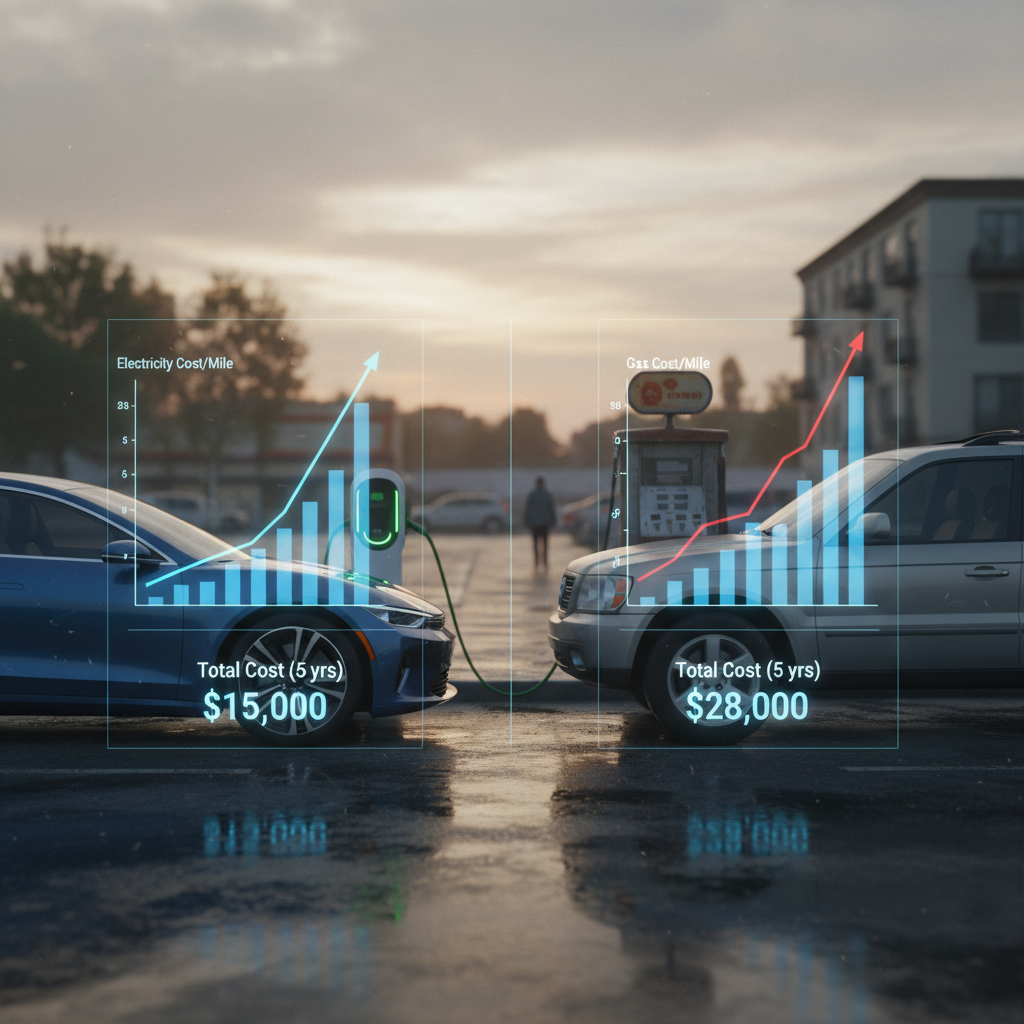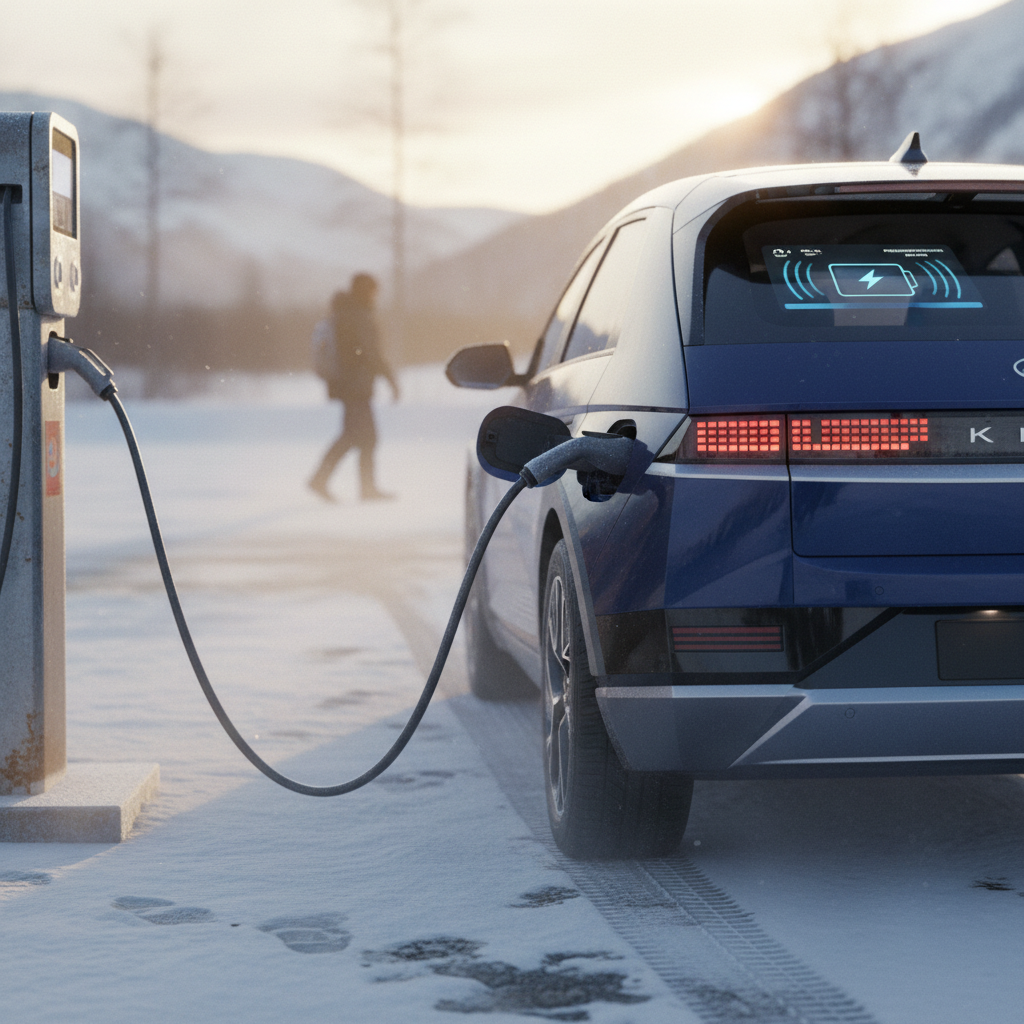
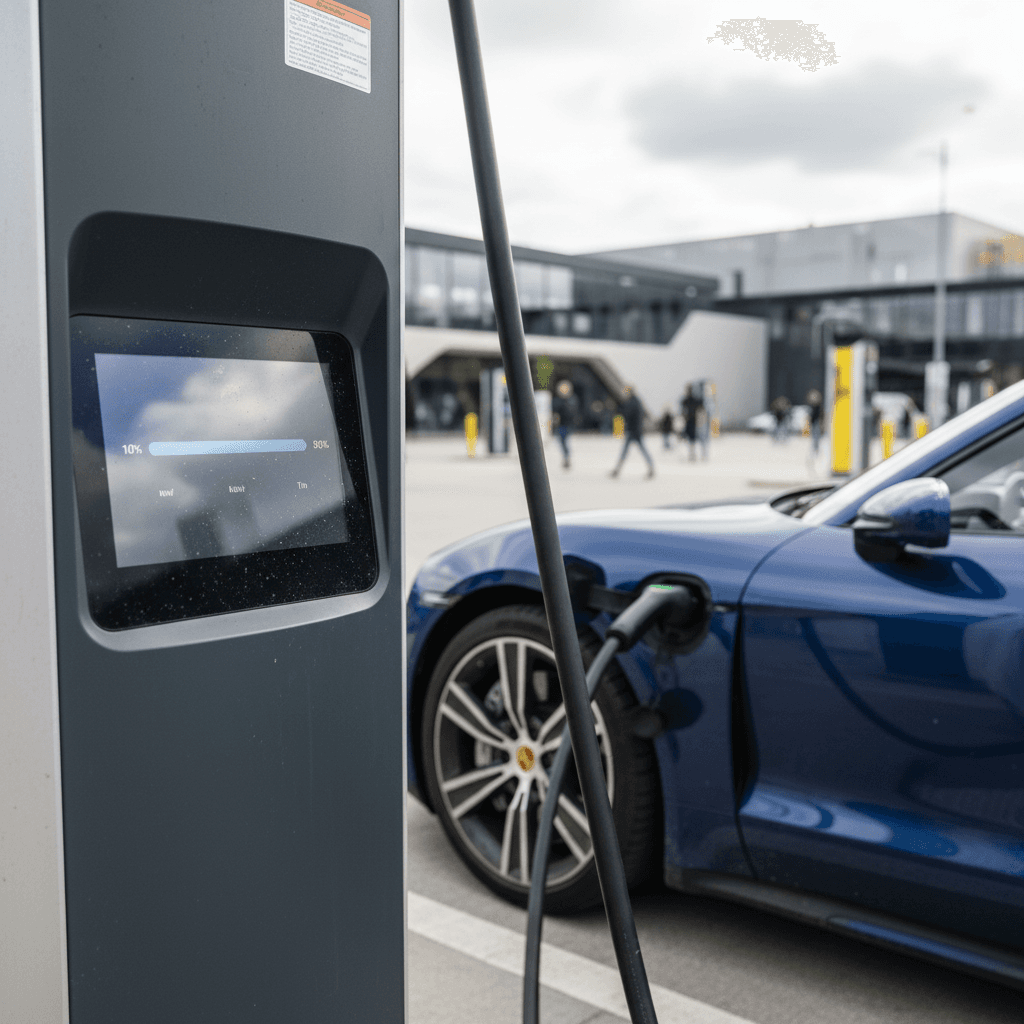
The fastest-charging EV isn't necessarily the one with the biggest advertised kilowatt number. What matters on a road trip is how quickly the car adds usable range across a normal charging stop, especially as its battery moves from a low state of charge toward 80%. That depends on the vehicle's electrical architecture, charging curve, efficiency, battery temperature, and the power actually available from the station.
The fastest-charging shortlist
The strongest fast-charging choices combine high-voltage battery systems with charging curves designed to hold substantial power instead of briefly touching a headline peak. Hyundai, Kia, Porsche, Audi, and Lucid all have compelling candidates, but their body styles, efficiency, prices, and charging-network access differ. Use this as a shortlist rather than an absolute ranking because temperature, battery charge level, software, and station output can change the result.
Fast-charging EVs to compare
These models stand out for rapid road-trip charging, but the best one depends on your budget, space needs, route, and available charging network.
| Model | Charging advantage | Best for | Watch for |
|---|---|---|---|
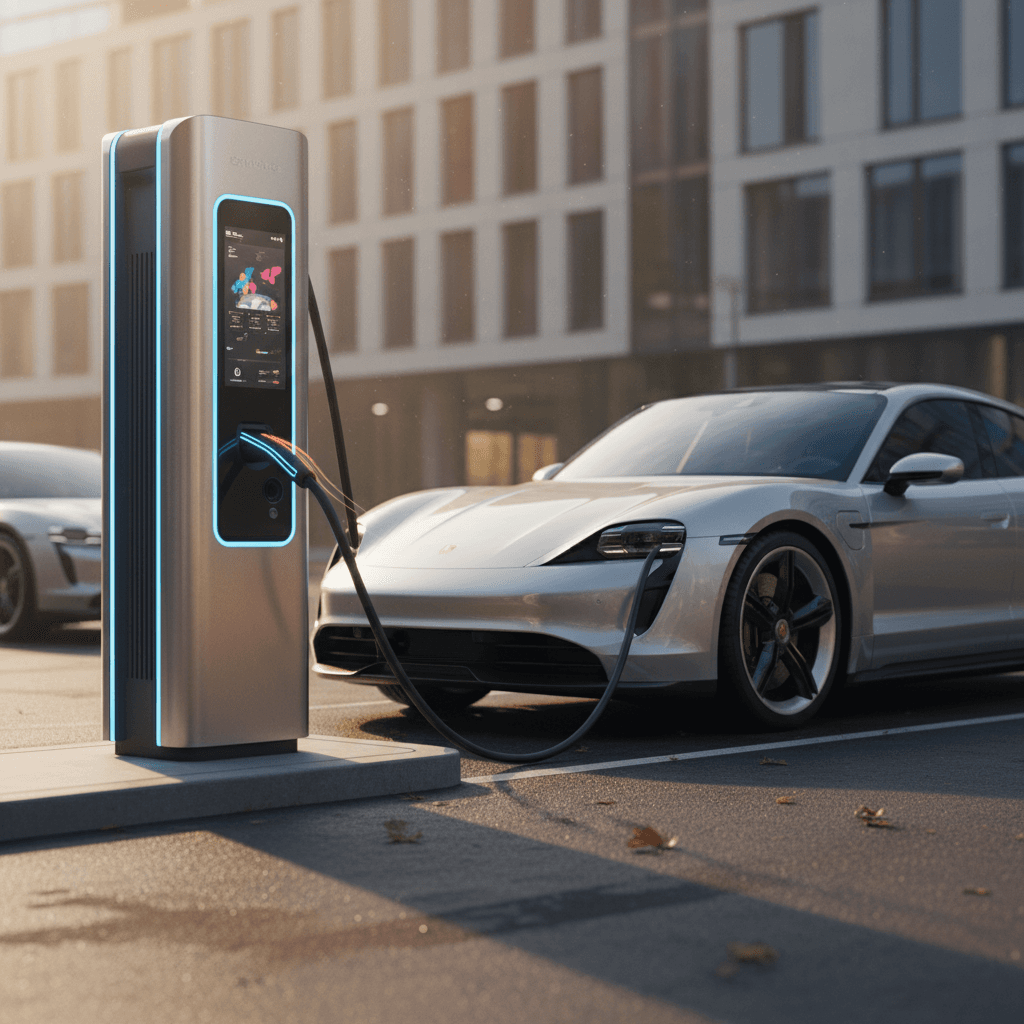
| Porsche Taycan | Sustained high-power curve | Performance road trips | Options and condition |
| Audi e-tron GT | High-voltage architecture | Premium grand touring | Used-car equipment |
| Hyundai Ioniq 5 | Fast 800V charging | Roomy crossover buyers | Battery preconditioning |
| Hyundai Ioniq 6 | Speed plus efficiency | Long highway trips | Sedan practicality |
| Kia EV6 | Fast 800V charging | Sporty crossover buyers | Connector compatibility |
| Lucid Air | Efficient range recovery | Long-distance luxury | Price and service |
Model capabilities and station support can vary by model year, software, connector, and charging conditions.
Peak power isn't average power
What determines real charging speed?
Real charging speed is determined by the slowest constraint in the car-and-charger system. The car requests power, the station supplies what it can, and battery-management software adjusts the rate to protect the pack. A higher-voltage platform can reduce current and heat while moving substantial power, but voltage alone doesn't guarantee a fast stop.
The factors that change a charging stop
Charging curve
The curve shows how the charging rate rises and falls as the battery fills. A broad, stable curve is usually more useful than a short-lived peak.
Battery preconditioning
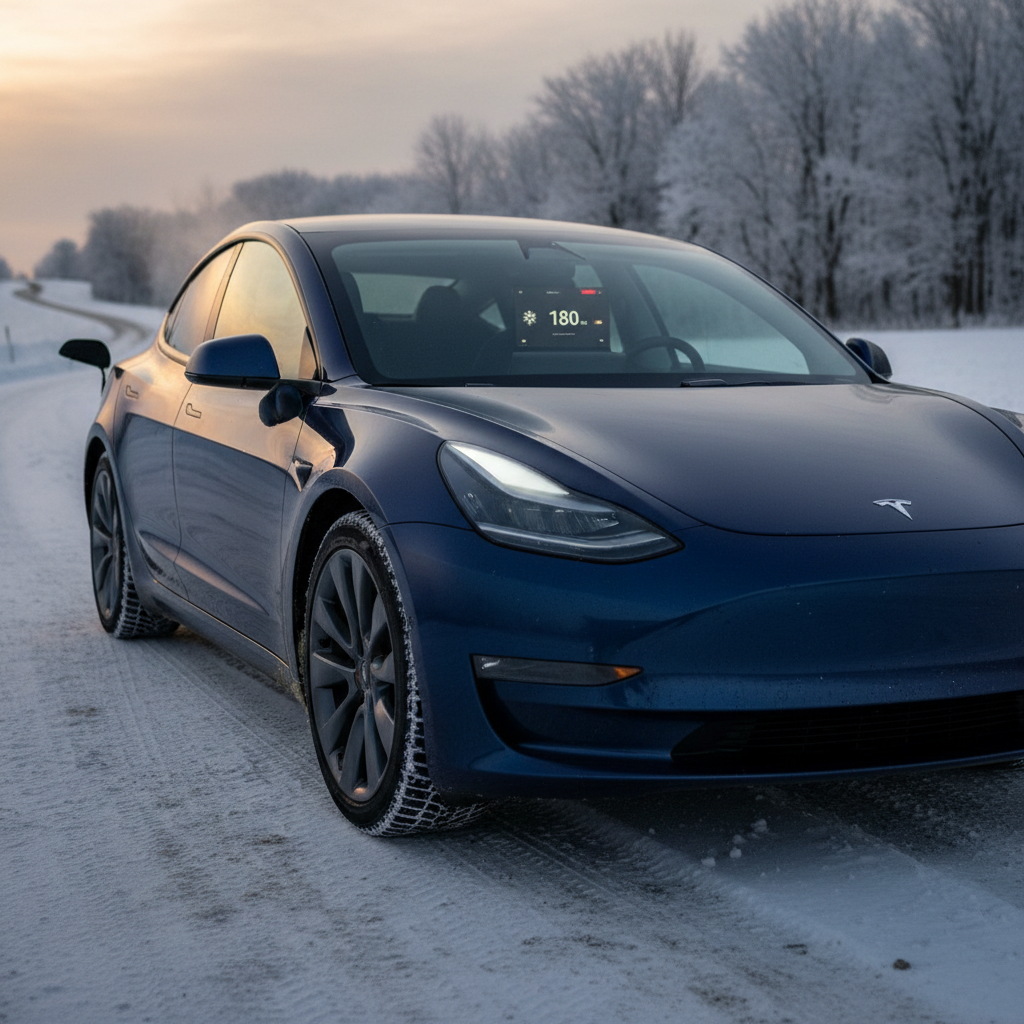
Preconditioning warms or cools the battery before arrival so it can accept power more effectively. Route to the charger through the car's navigation system when the vehicle requires that step.
Starting charge
A warm battery arriving at a low state of charge can often accept power faster than one plugged in while already relatively full.
Station capability
The charger, its voltage, shared power, cable temperature, or equipment condition can limit the session even when the vehicle is capable of more.
Energy efficiency
An efficient EV can add more driving range from the same energy, which can make its road-trip stop more productive than a less efficient vehicle with a higher peak.
Connector access
NACS is the North American Charging Standard connector. Confirm your vehicle's native connector, approved adapters, network eligibility, and route coverage before buying.
On our Cybertruck road trip, battery preconditioning began well before the charging stop, and the charging rate slowed as the pack filled. That's why one peak-speed screenshot never tells you the whole story.
That Recharged road trip also demonstrated the difference between daily and travel charging. The Cybertruck added roughly 160 miles during a little over seven hours on a Level 2 charger at the office, while the preconditioned DC stop added range much more rapidly before tapering as the battery filled. Level 2 is the slower alternating-current charging commonly used at homes and workplaces; DC fast charging is the high-power option intended for travel. Learn more in our guide to EV charging times and our explanation of battery preconditioning.
What Recharged market data says about price
Recharged's fleet-wide data shows that charging capability sits inside a used-EV market with a broad price range, although this dataset does not rank charging speed by model. As of September 22, 2026, 417 matching EVs listed on Recharged had a median asking price of $30,997, with current listing prices ranging from $12,996 to $146,998. That spread covers the broader fleet, so it should be treated as market context rather than the expected price of any one fast-charging model.
Across 1,796 EV retail sales at Recharged over the trailing 12 months, the median final retail price buyers paid was $27,297. Those sales also represent the wider EV fleet, not only the six models in the comparison, and equipment, mileage, condition, model year, and battery health can materially affect an individual vehicle's price. The takeaway is straightforward: compare the actual vehicle, its battery report, and its charging equipment instead of assuming every fast-charging EV occupies the same price tier.
Recharged data
Used EV prices at Recharged
$30,997
median list price
Current list prices for matching inventory at Recharged.
- Lowest
- $12,996
- Average
- $34,803
- Highest
- $146,998
Average Recharged Score on these listings
4.8 / 5
Range
3.7 – 5.0
Based on available listings
Recharged data
Recent EV sold prices
$27,297
median sold price
What buyers actually paid through Recharged, not list price.
- Lowest
- $500
- Average
- $29,901
- Highest
- $129,998
Monthly median sold price
Based on Recharged sales in the last 12 months
Every EV is battery-tested with a Recharged Score. Nationwide delivery.
How to shop for a used fast-charging EV
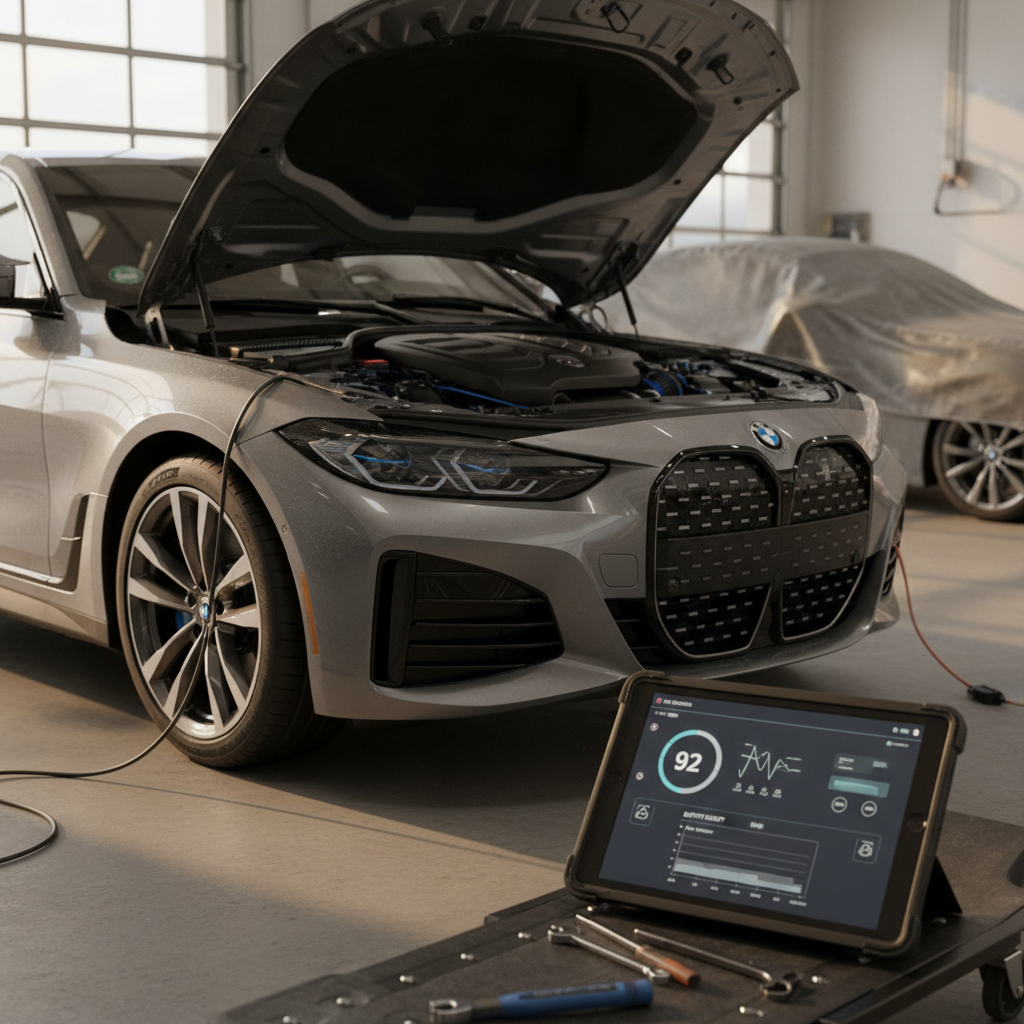
A good used fast-charging EV should have verified battery health, the right hardware for your routes, and software that supports dependable preconditioning. Start with the Recharged Score Report, which provides verified battery-health information and fair-market pricing, but remember that battery capacity and maximum charging behavior are related, not identical, measurements. A healthy battery is important, while charging performance also depends on temperature controls, software, and the station.
- Confirm the exact model year and its original charging hardware; don't assume every year of the same model performs identically.
- Check whether battery preconditioning activates automatically through navigation, manually, or only under certain conditions.
- Verify the vehicle's connector, included cable or adapters, and access to the charging networks along your regular routes.
- Review verified battery health and ask whether relevant charging, thermal-management, and battery software updates are installed.
- Inspect the charging port and test both Level 2 and DC charging when practical.
- Compare insurance, tires, service access, and purchase price alongside charging speed.
If most charging happens overnight at home, you may not need to pay extra for the industry's quickest road-trip performance. If you frequently travel long distances, however, a broad charging curve, effective preconditioning, and reliable network access can be worth more than extra cabin features. See our used-EV buying guide and used-EV battery-health guide before comparing individual listings.
Don't build the purchase around a federal EV credit
Instant offer, trade-in, or consignment. Pickup available.
Fast-charging EV questions
The bottom line
The best fast-charging EV is the one that produces short, repeatable stops on the routes you actually drive. Start with high-voltage models such as the Taycan, e-tron GT, Ioniq 5, Ioniq 6, EV6, and Lucid Air, then compare model year, charging curve, efficiency, connector access, battery health, and price. For a used vehicle, verified condition and compatible charging access are more valuable than an isolated peak-power claim.