If you’re shopping for a car in 2025, you’re probably stuck on the big question: EV vs gas car in 2025, which is actually better for your budget and your life? Gas prices have cooled a bit, electricity isn’t as cheap as it used to be, EV prices are dropping but still higher on average, and incentives keep changing. No wonder it feels confusing.
The 2025 bottom line
EV vs gas in 2025 at a glance
EV vs gas by the numbers in 2025
You can think of EVs and gas cars as two different expense curves. Gas cars are cheaper up front but more expensive every time you drive. EVs tend to cost more on day one but reward you with lower fuel and maintenance costs over time. Whether an EV is "better" in 2025 depends on how much you drive, where you charge, and whether you’re buying new or, increasingly, used.
Important 2025 context
Purchase price and incentives: who wins up front?
In 2025, gas cars still win on sticker price, but the gap is narrowing quickly. Analyses of late‑2024 sales data show the average transaction price for a new EV around the mid‑$50,000s, versus the high‑$40,000s for new gas cars, roughly a $6,000 premium for EVs on average. That’s a lot less than just a few years ago, but it’s still real money for most households.
Typical 2025 price ranges by segment
How comparable EV and gas models are priced in early 2025 (before incentives).
| Segment | Gas car typical price | EV typical price | EV premium |
|---|---|---|---|
| Compact sedan / hatchback | $25,000–$30,000 | $28,000–$35,000 | ≈$3,000–$7,000 |
| Mid‑size SUV | $35,000–$45,000 | $40,000–$55,000 | ≈$5,000–$10,000 |
| Pickup truck | $40,000–$55,000 | $50,000–$70,000 | ≈$8,000–$15,000 |
Actual pricing varies by trim and options, but EVs usually carry a several‑thousand‑dollar premium up front.
How incentives change the picture
New EV vs new gas car
If you’re buying new, you’re likely to pay more for an EV than for a comparable gas car even after incentives. That premium is easiest to swallow if:
- You drive 12,000–15,000+ miles per year.
- You can charge mostly at home on a reasonably priced electricity plan.
- You plan to keep the car at least 5–8 years.
Used EV vs used gas car
The used market is where things get interesting. Because early EVs depreciated faster, you can often find a 3–6‑year‑old EV priced similarly to or cheaper than a comparable gas car. Add in a potential federal used‑EV incentive and the math can flip in favor of electric much faster, especially if you buy from a marketplace like Recharged that verifies battery health and fair pricing with a transparent Recharged Score report.
Smart move for value shoppers
Fuel and energy costs: what you’ll really pay per mile
Even with electricity prices up from a few years ago, EVs are still much cheaper to fuel per mile than gas cars, especially if you charge at home.
2025 fueling cost snapshots
Your exact numbers will vary, but the pattern is consistent: home‑charged EVs are hard to beat.
Home‑charged EV
With residential electricity around 17–19¢/kWh and many EVs getting 3–4 miles per kWh, home charging often works out to roughly 3–4¢ per mile.
Efficient gas car
A 30–40 mpg gas car at about $3.10/gal in 2025 typically runs 8–12¢ per mile just in fuel, depending on your actual mpg and local prices.
DC fast charging
Public fast charging can cost much more per kWh than home electricity. On some networks, it can approach or even exceed gasoline cost per mile, especially for less efficient EVs or in high‑price regions.
Watch your charging mix
Over a typical year of 12,000–15,000 miles, a home‑charged EV can easily save you hundreds to more than a thousand dollars on fuel compared with a similar gas car. The more you drive, think sales reps, commuters, rideshare drivers, the more brutal gasoline looks compared to electrons.
Maintenance, repairs and reliability
Electric vehicles have far fewer moving parts than internal‑combustion cars: no oil, spark plugs, timing belts, multi‑gear transmissions or exhaust systems. In practice, that shows up as meaningfully lower maintenance and repair costs over 5+ years.
- EVs don’t need oil changes, engine air filters, or many emission‑control services.
- Regenerative braking slows the car using the electric motor, which extends brake life.
- There’s no conventional automatic transmission to service or replace.
- Most EVs carry 8–10‑year battery warranties that protect against early pack failures.
How big is the maintenance gap?
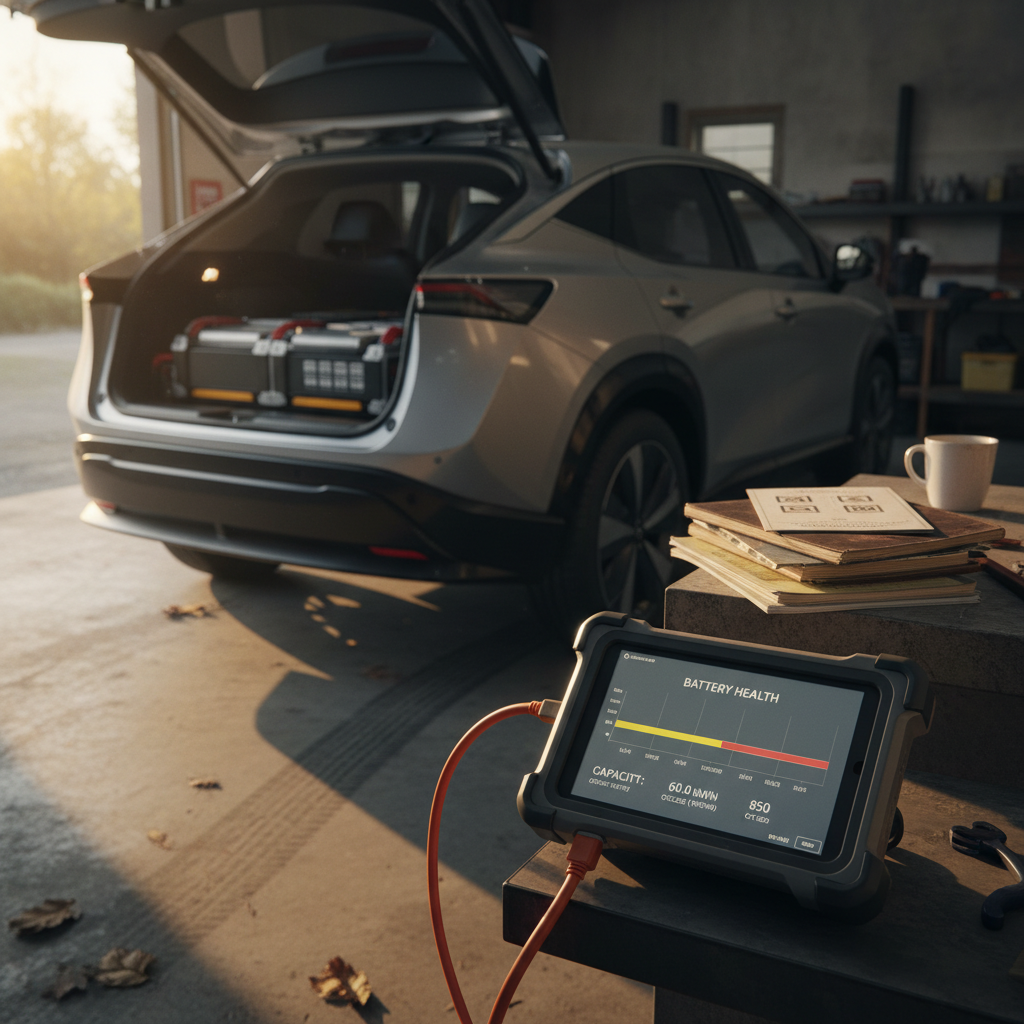
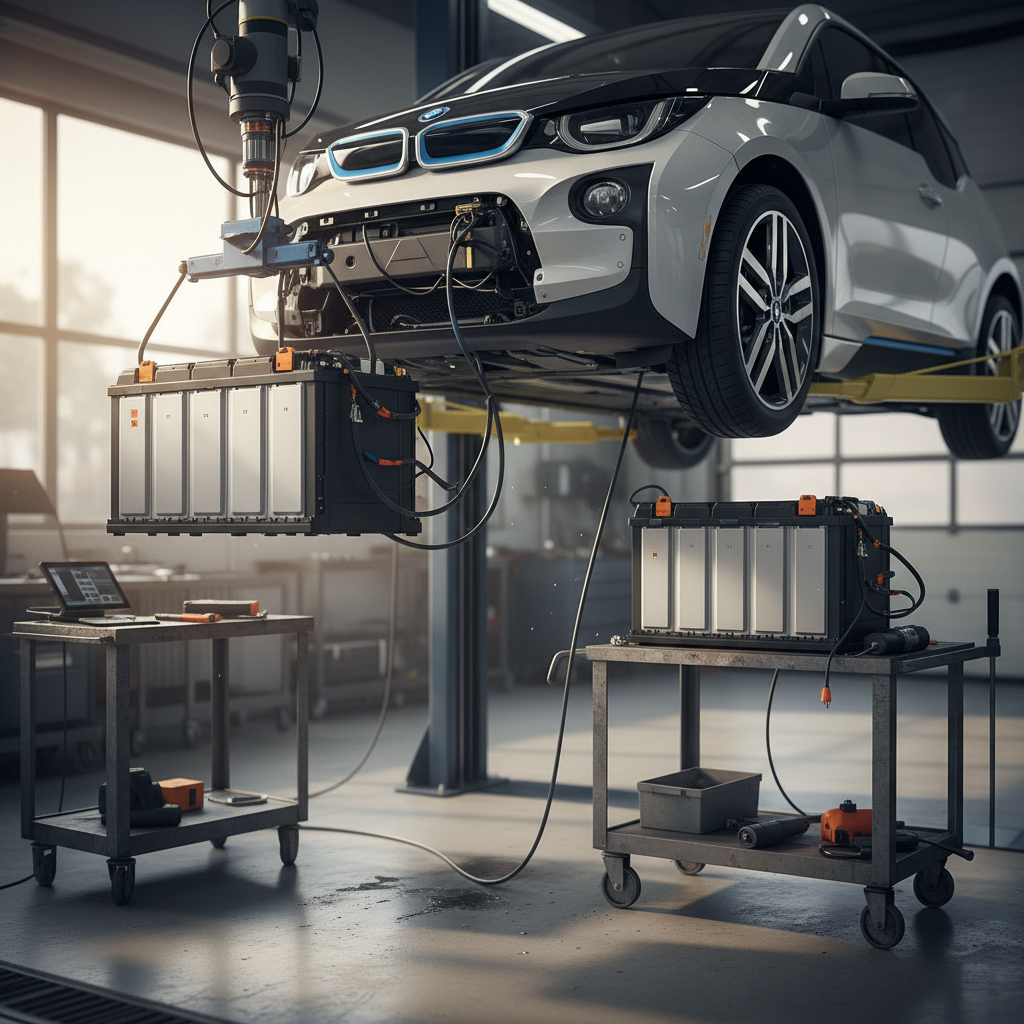
The elephant in the room is the battery. Out‑of‑warranty pack replacements can still be eye‑wateringly expensive, but two realities are worth keeping in mind: first, most modern packs only lose a couple percent of capacity per year when treated reasonably; second, we’re seeing more partial repairs and module replacements rather than full‑pack swaps, which helps keep extreme bills rare.
Battery health matters on used EVs
Depreciation and resale value, especially for used EVs
Depreciation is where the EV vs gas story gets nuanced. Historically, EVs have depreciated faster than gas cars for a few reasons: rapid tech improvements, shifting incentives, and consumer uncertainty about batteries. That’s created some great deals for used‑EV buyers, but it also means new‑EV buyers take a bigger hit when they sell early.
How depreciation typically differs
High‑level patterns for mainstream vehicles bought new in the mid‑$30k–$50k range.
| Ownership period | Typical gas car depreciation | Typical EV depreciation | What it means |
|---|---|---|---|
| 3 years | ≈35–45% value lost | ≈45–55% value lost | EVs can be cheaper to buy used, but riskier if you sell quickly. |
| 5 years | ≈50–60% value lost | ≈55–65% value lost | Gap begins to narrow as incentives and hype effects fade. |
| 8+ years | Highly model‑dependent | Highly model‑dependent | Battery health, brand reputation and repairability matter more than powertrain type. |
Actual numbers vary widely by model and market conditions, but EVs usually lose more value in the first 3–5 years than similar gas cars.
Why used EVs are compelling in 2025
If you tend to keep cars 8–10 years, depreciation matters less: you spread the initial hit over more miles, and the lower running costs of an EV have more time to pay you back. If you lease or trade out of cars every 2–3 years, you’ll want to pay very close attention to residual values or lease terms; in that world, a conventional or hybrid gas model can still be the safer financial bet.
Range, charging and day‑to‑day convenience
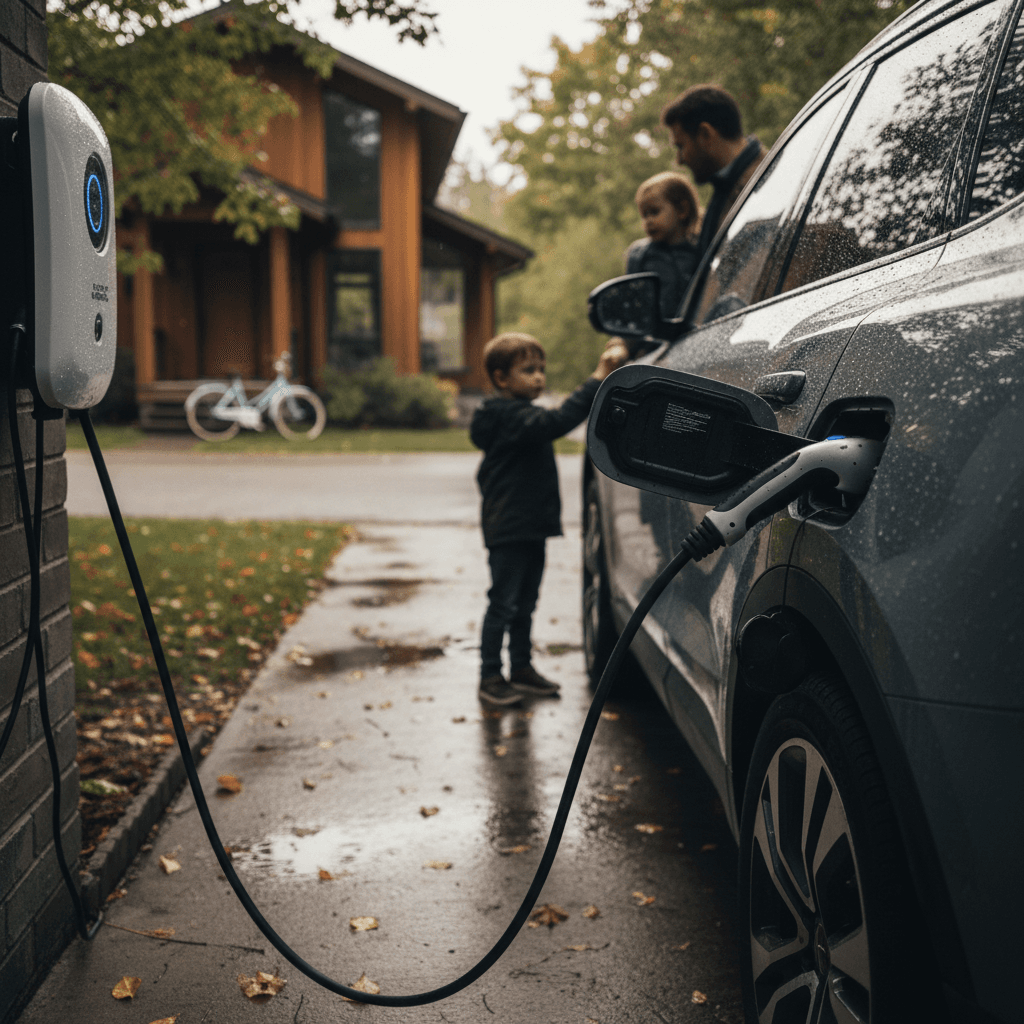
On paper, gas cars still win the classic American road‑trip metrics: longer range, faster refueling, and stations on every corner. But most miles aren’t road‑trip miles, they’re commutes, errands, and kids’ activities. For that reality, the EV experience can be dramatically more convenient, provided you have a place to plug in.
How EV vs gas feels in everyday use
Think about where your miles actually come from, not just the once‑a‑year vacation drive.
With home charging
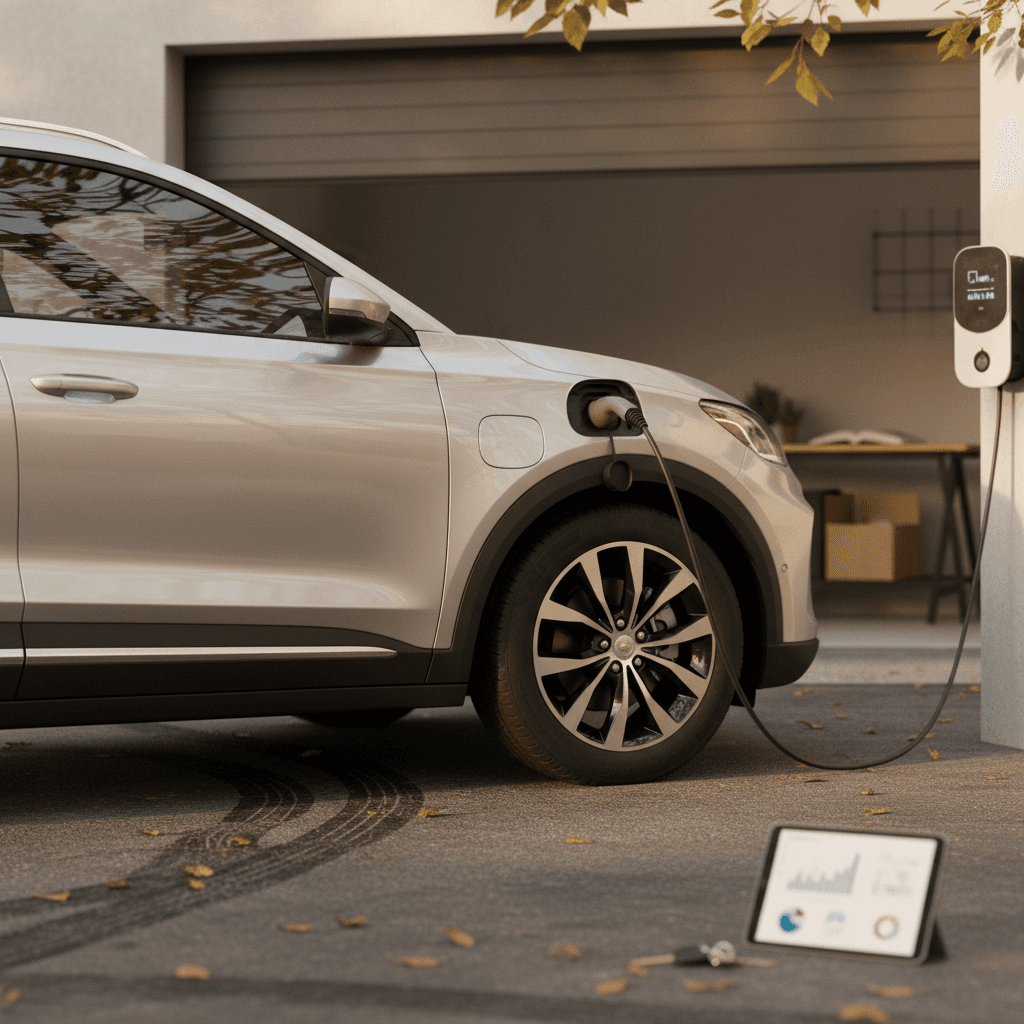
An EV behaves like a smartphone: you plug in at night, wake up to a "full tank," and rarely think about charging. You get back all the time you used to spend at gas stations. For most owners who can install a Level 2 charger, it’s hard to go back.
Without home charging
If you rely on street parking or move frequently, the EV equation is trickier. Public L2 charging can still work, but it requires more planning. In some cities, limited infrastructure and high pricing mean a hybrid or efficient gas car is still the more convenient choice.
Be honest about your use case
Fast‑charging networks have improved dramatically since the early days of EVs, especially along major interstates. But access and reliability vary by region and provider. If you’re considering an EV as your only car and you often do long highway trips, it’s worth test‑driving your actual route in a rental or demo EV to see how the charging pattern feels in real life.
Environment, performance and driving experience
If your primary goal is cutting tailpipe emissions, EVs are the clearer choice in 2025. Even after accounting for battery manufacturing and the power grid mix, most lifecycle analyses show modern EVs emitting substantially less CO₂ over their lifetime than comparable gas cars, especially in regions with cleaner electricity. The more you drive, the more that advantage grows.
- EVs deliver instant torque, which makes even modest models feel quick and smooth in city driving.
- The absence of engine noise makes EVs quieter and less fatiguing on commutes, especially in stop‑and‑go traffic.
- Single‑pedal driving (aggressive regenerative braking) can make urban driving easier once you get used to it.
- Some drivers still prefer the sound and feel of an engine, especially for towing or enthusiast driving, there’s no wrong answer here, just preference.
Don’t overlook grid mix and battery sourcing
So… in 2025 which is better, EV or gas?
When an EV is usually better in 2025
- You drive at least 10,000–12,000 miles per year.
- You can install home charging (or have reliable workplace charging).
- Your electricity rate is competitive, especially off‑peak.
- You plan to keep the car for 5+ years.
- You’re comfortable planning a bit for road‑trip charging.
- You care about cutting emissions and like smooth, quiet acceleration.
In this scenario, the higher upfront price of an EV is often more than offset by fuel and maintenance savings over the life of the car. A well‑chosen used EV can tilt the equation even further in your favor.
When a gas (or hybrid) car may be better
- You drive under 8,000–10,000 miles per year.
- You can’t reliably charge at home or work.
- You live in an area with limited or expensive charging infrastructure.
- You tend to swap cars every 2–3 years and are sensitive to resale risk.
- You tow heavy loads or frequently drive long distances off the major highway network.
Here, a conventional gas car or a high‑efficiency hybrid can still be the pragmatic choice in 2025, at least until charging becomes as ubiquitous as gas stations in your region.
The real answer: match the car to your life
Checklist: deciding between an EV and a gas car
Key questions to answer before you decide
1. How many miles do you drive per year?
Estimate your annual mileage. If you’re over about 10,000–12,000 miles a year, the fuel savings from an EV have more room to pile up. If you’re closer to 6,000–8,000, gasoline costs simply don’t hurt as much.
2. Can you install home charging?
If you have a garage or dedicated parking spot with access to electricity, home charging is usually straightforward. Renters and street parkers should check with landlords and local regulations and consider whether they’re willing to rely on public chargers instead.
3. What are your local energy prices?
Look up your actual cents‑per‑kWh electricity rate and nearby gas prices. Plug those into an EV/gas cost calculator with your mileage. This will tell you whether you’re closer to 3¢ per mile or 6–7¢ per mile in an EV, and how that compares to your current gas car.
4. How long do you usually keep cars?
If you drive vehicles for 8–10 years, the lower running costs of an EV have more time to pay back the upfront premium. If you lease or flip every 2–3 years, you’ll want to look closely at <strong>residual values and lease terms</strong>, and a gas or hybrid model might pencil out safer.
5. Are you open to buying used?
A well‑vetted used EV can be one of the best values in the market right now, especially when paired with a federal used‑EV tax credit. Marketplaces like <strong>Recharged</strong> help by providing battery‑health diagnostics, a Recharged Score report, and expert support so you’re not flying blind.
6. How often do you do long road trips?
If long highway drives are rare, you can plan around them with an EV, rent a gas car for the one big road trip a year if you have to. If they’re weekly, you’ll need to inspect fast‑charging coverage along your routes or consider a hybrid/gas option for now.
7. What do you value most?
Cheapest possible transportation? Quiet, smooth driving? Lowest emissions? Maximum flexibility? There’s no wrong answer, but being clear on your priorities makes the EV vs gas trade‑offs much easier to weigh.
EV vs gas car in 2025: FAQ
Frequently asked questions about EV vs gas in 2025
In 2025, there is no one‑size‑fits‑all winner in the EV vs gas debate. EVs are increasingly the better choice for high‑mileage drivers with access to home charging, especially in the used market where depreciation has already done its work. Gas and hybrid cars still make sense where charging is scarce, electricity is expensive, or you churn through vehicles quickly. The smartest move isn’t to pick a side in the culture war, it’s to run the numbers for your life, then shop accordingly. If you’re leaning electric, Recharged can help you find a used EV with known battery health, fair pricing, and support from people who live and breathe this transition every day.