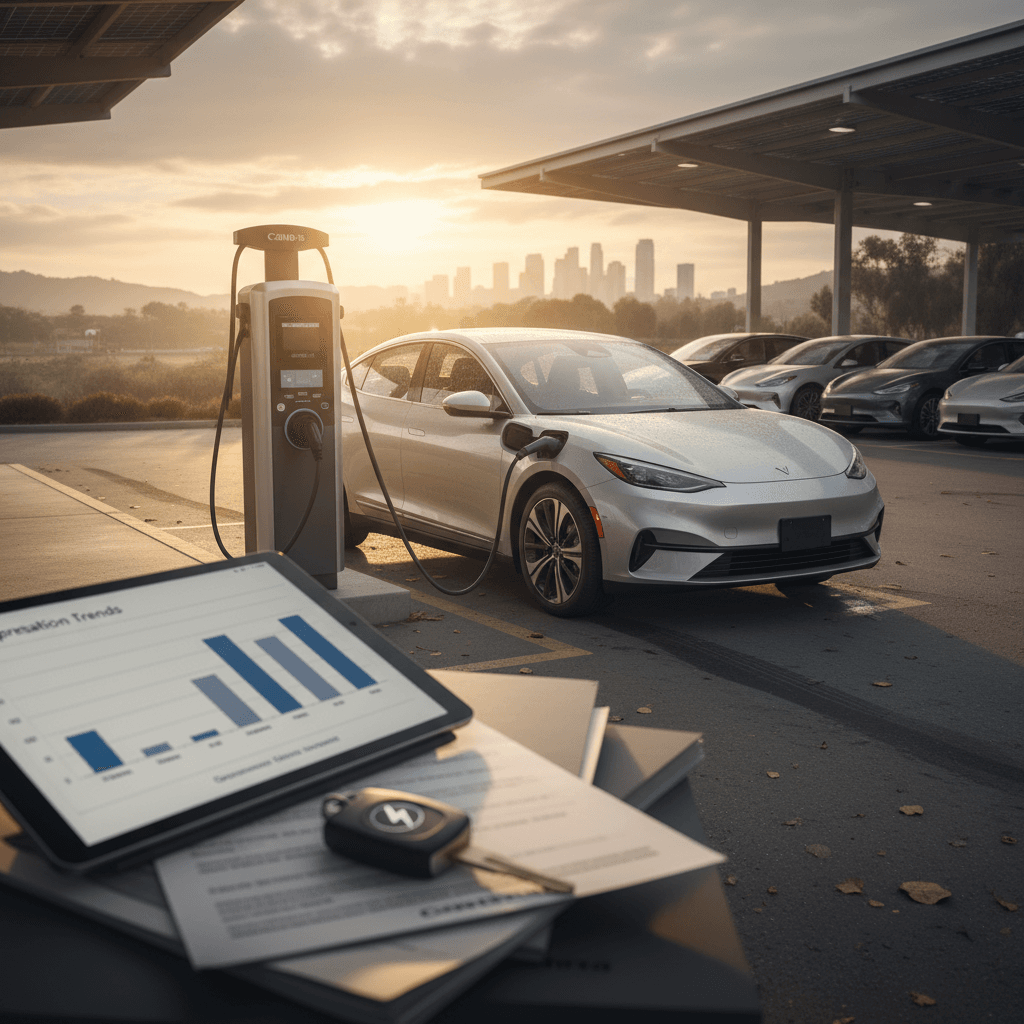
If you live in a dense, parking-scarce city, "EV charging in big cities" can sound like an oxymoron. You may not have a driveway, your building might not have outlets in the garage, and the public fast charger around the corner always seems busy. The good news: urban charging is improving fast, and with a bit of planning, city living and EV ownership can work extremely well together.
Why this matters now
Urban EV charging at a glance
Key numbers for city EV charging
There are three big realities about EV charging in large cities that are easy to miss if you only look at national averages:
- Most charging still happens at home or work, but "home" may mean a shared garage, carport, or assigned spot, not necessarily a driveway.
- Public charging skews urban and slow: in the U.S. and Europe, the majority of public chargers are lower‑power Level 2 units in cities rather than high‑power highway sites.
- Access is highly unequal: some neighborhoods have abundant chargers, while others have long waits and car‑to‑port ratios above 40:1, which makes planning essential.
Don’t assume your city is "average"
Where do city drivers actually charge?
In big cities, EV drivers typically blend several charging options rather than relying on a single plug at home. Think of it as building your own "charging portfolio" based on your routine, budget, and parking reality.
The four main charging pillars for city drivers
Most urban EV owners combine at least two of these
1. Home or building charging
If you have a driveway or a deeded garage space, a Level 2 charger at home will likely cover 80–90% of your needs. For many urban drivers, though, this means negotiating with an HOA, landlord, or building manager to get a circuit installed.
2. Workplace charging
Office garages and corporate campuses increasingly offer Level 2 charging as an employee perk. If you commute by car even a few days a week, topping up at work can substitute for home charging.
3. Public Level 2 in lots/garages
Shopping centers, gyms, municipal garages, and paid parking often host 6–20 kW Level 2 chargers. You typically park for 2–4 hours and add tens of miles of range while you do something else.
4. DC fast charging hubs
Urban fast-charging hubs, often 150–350 kW, serve ride‑hail fleets, delivery vans, and drivers without home charging. You’ll pay more per kWh, but you can add hundreds of miles in under an hour.
Think in days of driving, not full batteries
Apartment and condo EV charging
For many big‑city residents, the real question isn’t "Are there chargers in my city?", it’s "How do I charge if I live in an apartment?" This is where policy and property management matter as much as technology.
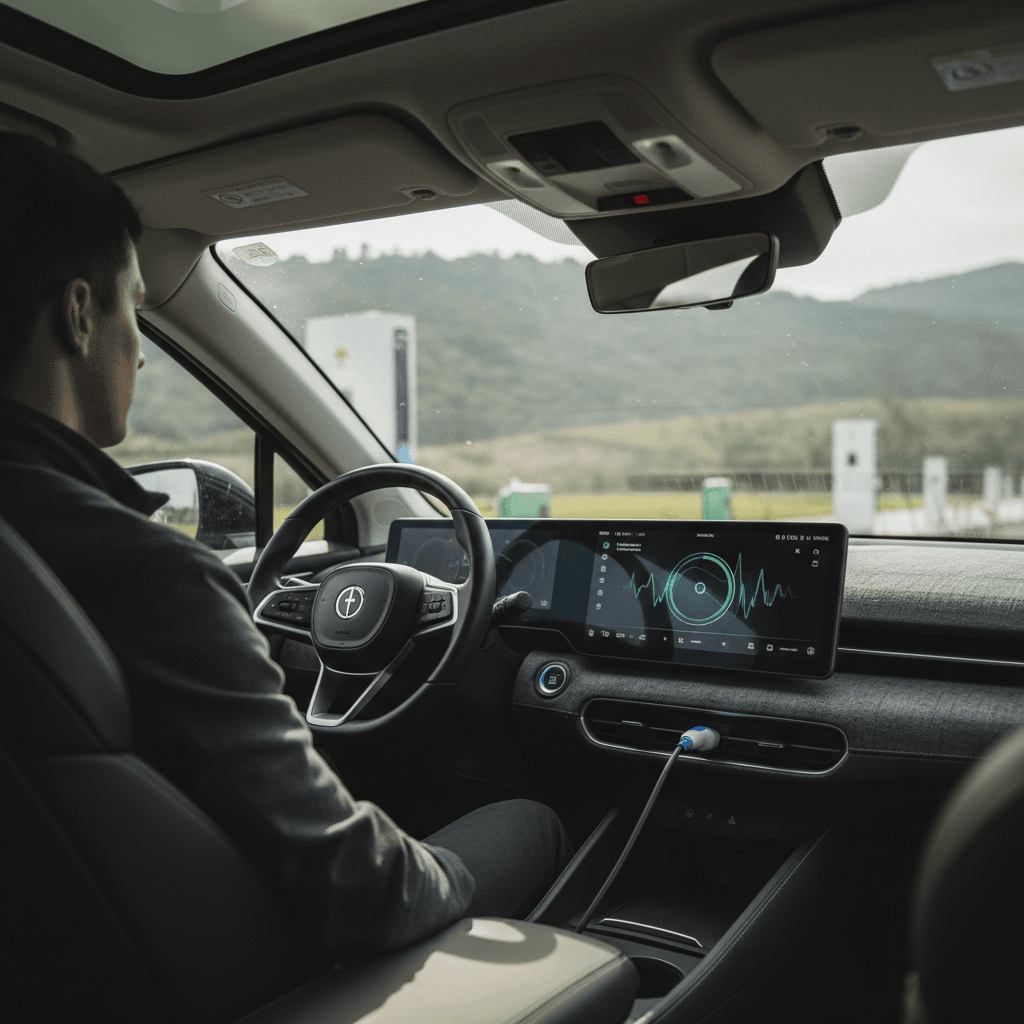
What’s happening in multifamily buildings
Recent surveys of renters and condo owners in major U.S. cities show a clear pattern: access to on‑site charging multiplies EV interest. In Boston, Chicago, Los Angeles, Miami and similar markets, residents with on‑site charging are roughly 2.5 times more likely to say they plan to own an EV within five years than those without access.
Developers and HOAs are responding with shared charging rooms, EV‑ready parking requirements in new construction, and retrofit programs for older buildings. But retrofit progress can be slow, especially where electrical capacity is limited or parking is unassigned.
Questions to ask your landlord or HOA
- Is any parking EV‑ready? Ask whether there’s spare electrical capacity or raceways already in place.
- Who pays for installation? Some utilities and cities offer rebates that offset panel upgrades and conduit runs.
- How is billing handled? Options include flat monthly fees, per‑kWh billing via a networked charger, or "behind‑the‑meter" reimbursement.
- Are there EV policies? Clarify rules around charger sharing, time limits, and reservations.
If your building has no EV charging…yet
1. Map your nearby charging options
Use apps like PlugShare, ChargePoint, EVgo or your utility’s map to find Level 2 and DC fast chargers near home, work, and regular destinations. Focus on places where your car can sit for at least an hour without inconvenience.
2. Talk to property management early
Share basic cost estimates and available rebates rather than just asking for "EV charging." Owners are more receptive when they see options, timelines, and incentives clearly laid out.
3. Form an EV‑interested group in your building
If multiple residents want chargers, you can justify shared infrastructure such as a small bank of networked Level 2 stations instead of one-off installations.
4. Consider workplace or commuter‑lot charging
If home charging isn’t realistic for a few years, workplace or park‑and‑ride chargers can effectively play the same role in your weekly charging routine.
5. Choose an EV that fits your reality
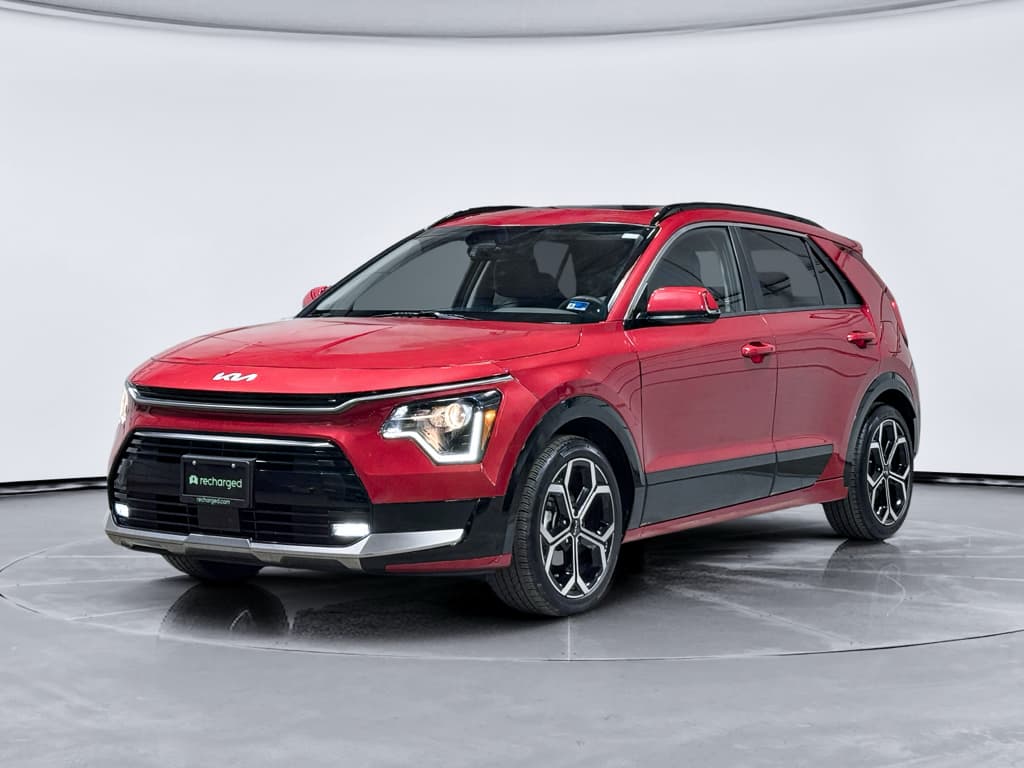
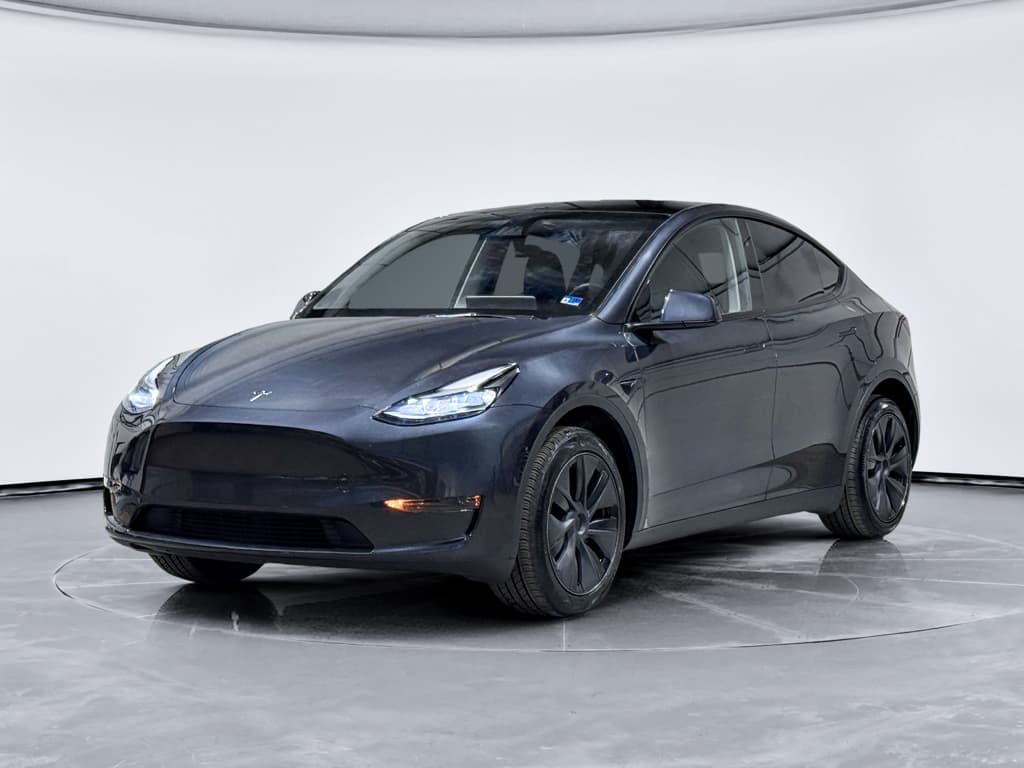
If you’ll rely heavily on public charging, prioritize models with strong fast‑charging performance, efficient city range, and good thermal management. When you shop used, ask for battery‑health data, not just odometer readings.
Safety first with DIY ideas
Curbside and street‑parking charging
As more city residents own EVs while parking on the street, curbside charging is becoming the next frontier. Pilot projects in cities like San Francisco, New York, and several European capitals pair discreet Level 2 chargers with existing street parking to reach drivers who may never have off‑street parking.
Common curbside charging models
Why your block might look different from the next one
Sidewalk pedestals
Standalone posts with one or two ports, similar to a slim parking meter. They’re easy to spot, but cities must carefully manage sidewalk clutter and accessibility.
Lamp‑post chargers
Compact chargers mounted on existing streetlight poles. These are common in older neighborhoods where retrofitting underground power is difficult.
Dedicated EV curb spaces
Some cities designate specific curb spots as EV‑only during certain hours to keep chargers available and discourage long-term parking on the plug.
Expect rules and enforcement
Fast‑charging hubs in big cities
DC fast charging used to be something you only saw at highway rest areas. Now, high‑power urban hubs are appearing in busy neighborhoods, often co‑located with grocery stores or big-box retail. These hubs serve everyone from weekend road‑trippers to rideshare drivers and delivery fleets.
What urban DC fast chargers actually look like
Typical characteristics of modern city fast‑charging hubs in the U.S.
| Feature | Typical Range | What it means for you |
|---|---|---|
| Number of ports | 8–20+ | More plugs reduce wait times and support rideshare and delivery fleets. |
| Power per port | 150–350 kW | Peak rate; your actual speed depends on your car’s capability and battery state of charge. |
| Dwell time | 15–40 minutes | Enough for 100–250 miles of range in many EVs, grab groceries or a coffee while you charge. |
| Location | Retail centers, transit hubs, dense corridors | Operators target high‑traffic areas where cars already park. |
| Pricing | Higher than home L2 | Fast, convenient energy; best reserved for road trips or weekly top‑ups, not every single charge. |
Figures are general patterns, check local station details for exact specs and pricing.
Use fast charging strategically
How much time and money to budget
One fear many urban drivers have is that they’ll spend all their free time hunting for chargers or sitting in parking lots. In reality, if you match your charging strategy to your lifestyle, "charging time" mostly disappears into things you’re already doing, sleeping, working, shopping, or going to the gym.
Time: hours per week, not per day
A typical urban driver in the U.S. drives well under 250 miles per week. In an efficient EV, that’s roughly 60–80 kWh of energy. On a 7–11 kW Level 2 charger, that’s 6–10 hours of plug time per week, which can be spread over several overnight sessions or a couple of long workplace or shopping‑center stops.
The real question is not "How long does it take to charge from 0 to 100%?" but "Can my car be plugged in while I’m busy living my life?"
Money: cost vs. gasoline
Electricity prices and charging‑network fees vary by city, but a few broad patterns hold:
- Home or workplace Level 2 is usually cheapest per mile, especially with off‑peak rates.
- Public Level 2 ranges from free (subsidized retail or workplace) to similar cost per mile as efficient gasoline cars.
- DC fast charging tends to be most expensive but still competitive with gasoline on a cost‑per‑mile basis for many EVs.
Run the numbers for your own city’s electricity and gas prices; even heavy public‑charging users are often pleasantly surprised by total monthly fuel savings.
Watch for idle fees and parking charges
Planning EV ownership without a home charger
The most important test for an urban EV lifestyle is simple: can you keep your car charged without rearranging your life around plugs? If the answer is yes with your local infrastructure, you probably don’t need a driveway to go electric.
Urban EV readiness checklist
1. Map a weekly charging rhythm
Before you buy, sketch out where you’d plug in over a typical week: one or two workplace sessions, a weekly fast‑charge top‑up, and a supermarket or gym Level 2 session can easily cover typical city driving.
2. Stress‑test your worst‑case week
Imagine a week with extra errands, visitors, or bad weather. Are there enough backup chargers, especially fast chargers, within a reasonable distance if your usual spot is full?
3. Check car‑to‑charger ratios in your area
Some metros have many EVs per charging port, which can mean congestion at peak times. Apps that show real‑time availability and user reviews are invaluable here.
4. Look at your building’s 2–5 year plan
Ask whether EV charging is part of upcoming capital projects. If your building expects to add chargers in the next few years, a used EV can be a great way to bridge to that future.
5. Consider seasonal impacts
Cold winters and very hot summers both increase energy use and charging time. If fast chargers are scarce, factor in longer sessions during those periods.
When urban charging really works
Choosing the right EV for city charging
Not every EV behaves the same way on a crowded urban network. Some charge very quickly from 10–60% on DC fast chargers, others taper early. Some are exceptionally efficient in stop‑and‑go traffic, others less so. When you’re charging opportunistically instead of at home every night, these differences matter.
Features that matter most for big‑city charging
Focus here when comparing (especially used) EVs
Strong DC fast‑charging curve
A good urban EV can hold high charging power (e.g., 100–150 kW+) through the middle of the battery. That means shorter, more predictable stops at busy hubs.
Efficient city range
Look for strong EPA city ratings and real‑world reviews in dense traffic. Efficiency turns every kWh into more miles, especially if you’re paying per minute at fast chargers.
Battery thermal management
Liquid‑cooled packs with smart thermal control handle repeated fast charges and extreme temperatures better, which is crucial for year‑round urban use.
Compact footprint
Shorter wheelbases and tighter turning circles are a quality‑of‑life upgrade in any big city, they make parking garages and parallel spots less stressful.
Connector and adapter support
In North America, newer EVs are adopting the NACS (Tesla‑style) connector for access to more fast chargers. Check what your city’s stations use and which adapters are available.
Verified battery health on used EVs
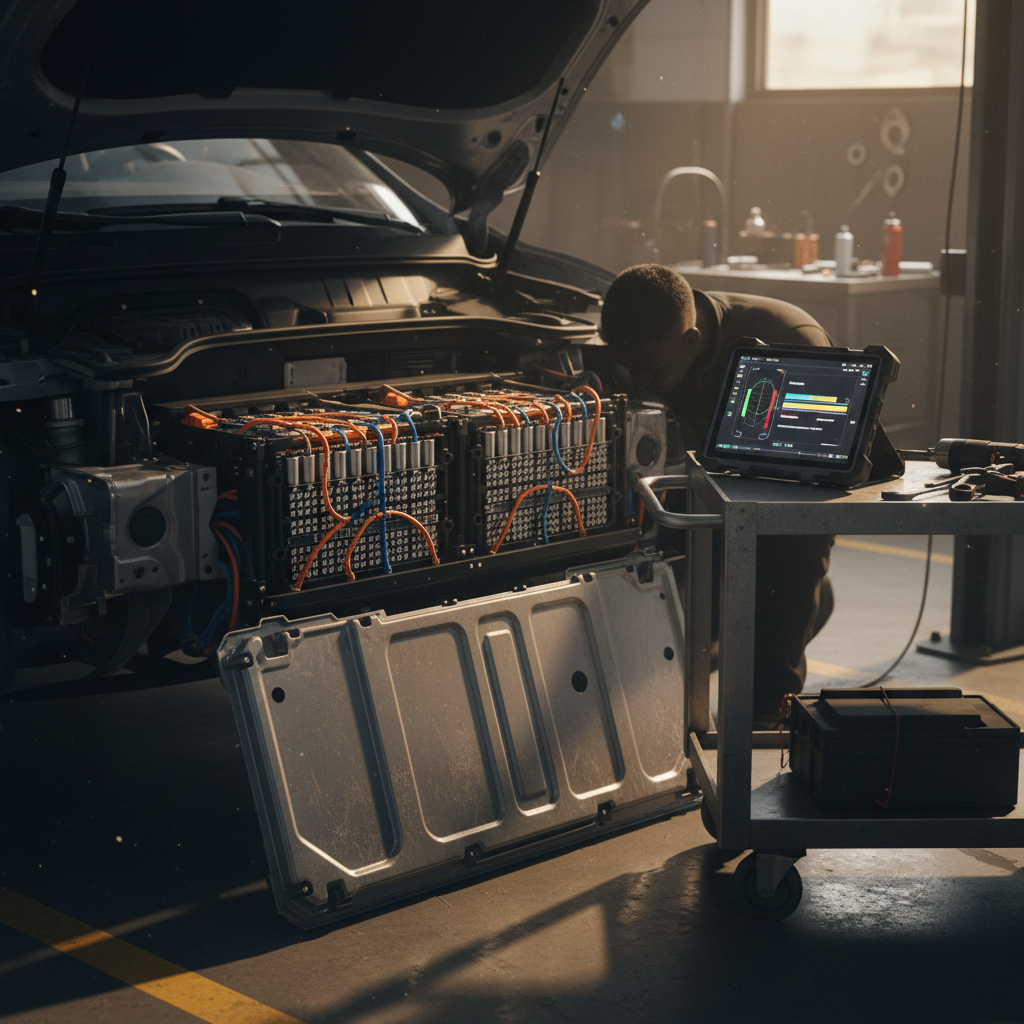
In a used EV, a healthy battery is everything. Ask for a transparent battery health report rather than relying on guesswork from the dashboard gauge.
Range needs are lower than you think
How Recharged helps urban EV buyers
Buying an EV is no longer just about horsepower and color, it’s about how confidently you can keep it charged in your real life. That’s especially true for big‑city drivers who lean heavily on public charging and shared infrastructure.
See how a used EV will fit your charging reality
Every vehicle sold through Recharged includes a Recharged Score Report with verified battery health and fair‑market pricing. That matters in cities, where you might rely more on fast charging and deep cycles than a suburban driver.
Our EV specialists can walk you through how a specific car’s range, charging speed, and connector type match the infrastructure in your city. If you’ll be parking on the street, we can help you think through curbside pilots, workplace options, and backup plans.
Digital-first buying, local expertise
With Recharged, you can browse, finance, and purchase a used EV entirely online, trade in your current car, and get nationwide delivery without ever setting foot in a traditional dealership. If you’d rather see vehicles in person, our Experience Center in Richmond, VA, gives you a chance to explore models, charging hardware, and battery health reports side by side.
Whether you’re in New York, Chicago, Los Angeles or another big city, our team can help you find a used EV that fits your charging options today, and your building’s likely improvements tomorrow.
FAQ: EV charging in big cities
Frequently asked questions about city EV charging
EV charging in big cities is no longer an experiment reserved for early adopters. It’s an evolving system of home, work, curbside, garage, and fast‑charging options that, when matched thoughtfully to your routine, can make owning an EV in a dense urban core not just feasible, but easier than hunting for a gas station. If you’re EV‑curious and city‑based, the next step isn’t memorizing every charging standard; it’s understanding how you live, where your car sleeps, and which used EVs fit that picture best. That’s exactly where Recharged, and a transparent view of battery health, can make your shift to electric much simpler.