You’re not imagining it: finding an electric SUV with a real tow package is harder than shopping gas SUVs. Spec sheets look good, 5,000 pounds here, 6,000 there, but nobody tells you what happens to range when you hook up a camper and point it at the interstate. This guide cuts through the brochure fog so you can decide which towing‑capable EV SUV actually fits your life, especially if you’re considering a used one.
EV towing in one sentence
Why an electric SUV with a tow package is different
With a gas SUV, a tow package usually means a hitch receiver, wiring, maybe a bigger radiator, and you’re off to the boat ramp. On an electric SUV, a tow package also has to reckon with battery heat, regenerative braking limits, and how much trailer weight the high‑voltage system can push before range falls off a cliff. That’s why you’ll see some burly‑looking EVs rated only for light towing, or not rated at all.
- Battery and thermal management: Pulling 4,000+ pounds for long grades keeps the pack hot; good EV tow packages include cooling logic and software limits to protect it.
- Brakes and regen: The tow rating assumes the friction brakes plus regenerative braking can safely manage the combined weight of SUV and trailer.
- Charging strategy: On a road trip, you’re now planning stops for two things, energy and your trailer. That means pull‑through chargers, EV‑friendly campgrounds, and enough range buffer to avoid white‑knuckle drives between fast chargers.
Check the fine print
Quick look: Which electric SUVs actually tow well?
Headline numbers for popular electric SUVs with tow packages
Standout electric SUVs with tow packages
A quick snapshot of four of the most interesting options on the market right now.
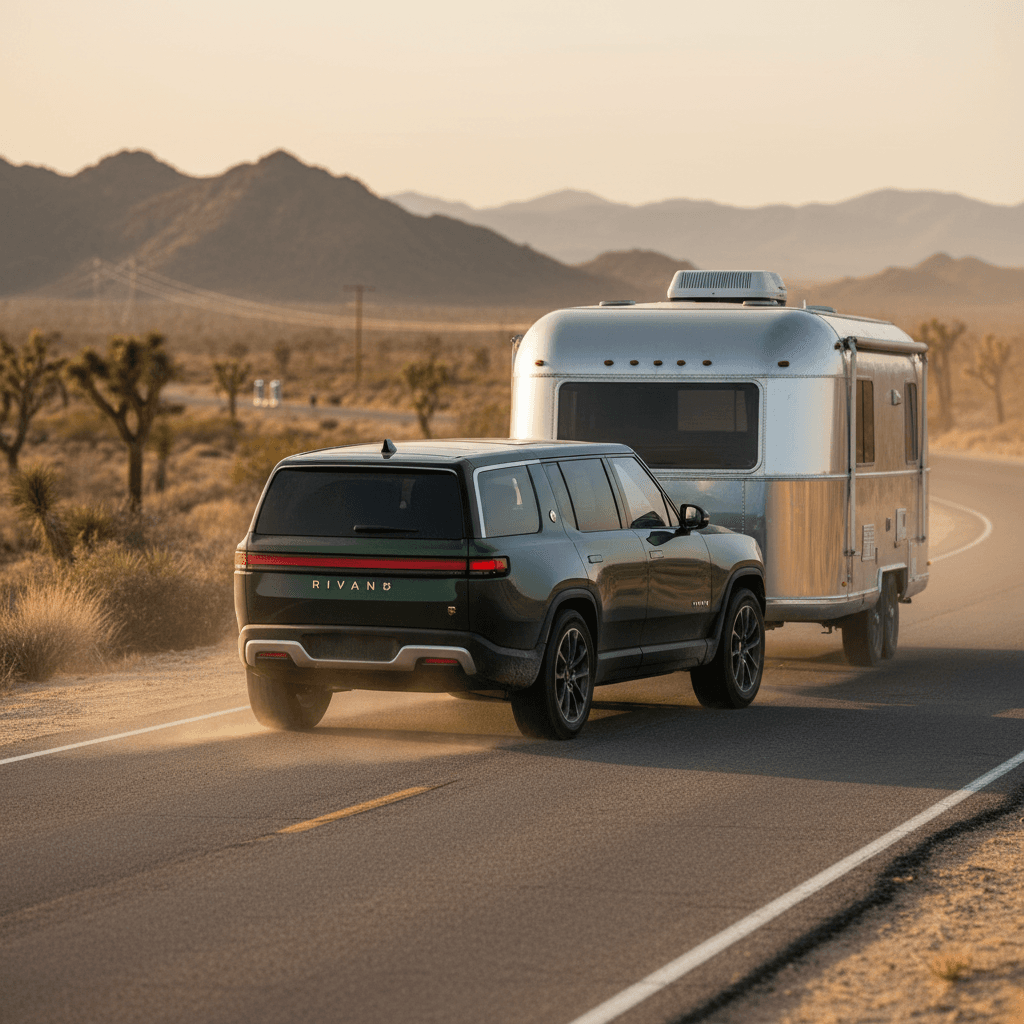
Rivian R1S
Tow rating: up to ~7,700 lb (varies by pack and drive unit).
Why it matters: Serious off‑road chops, strong DC fast charging, and smart towing software make it the adventure dad’s fever dream.
Lucid Gravity
Tow rating: up to 6,000 lb.
Why it matters: Huge efficiency plus a towing‑friendly software suite (hitch camera, trailer light check, built‑in brake controls) make it a long‑haul specialist.
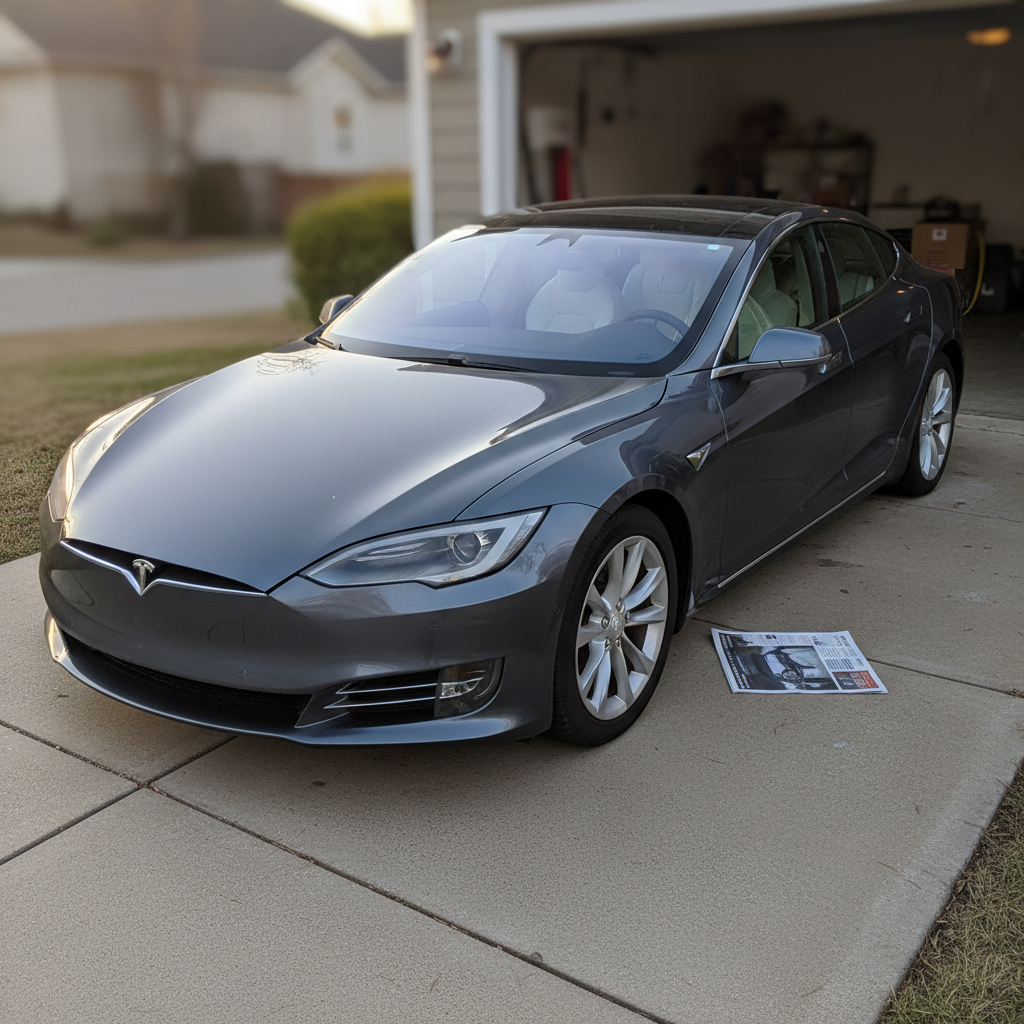
Tesla Model X
Tow rating: up to 5,000 lb.
Why it matters: Long range and the Supercharger network are a powerful combo if your trailer is relatively aerodynamic and light.
Kia EV9
Tow rating: up to 5,000 lb with the right configuration.
Why it matters: Three rows, family‑friendly pricing, and solid towing numbers in a more mainstream package.
Used EV SUV angle
Electric SUV tow ratings: side‑by‑side comparison
Numbers vary by year, battery, and drive unit, but this comparison table gives you a realistic snapshot of electric SUV tow packages as of 2025–2026. Always verify the exact rating in the owner’s manual for the model year you’re buying, especially on the used market.
Popular electric SUVs with factory tow ratings
Approximate U.S. tow ratings for representative trims. Always confirm specs for the specific model year and configuration you’re buying.
| Model | Type | Max Tow Rating (lb) | Approx. Max Range (mi, no trailer) | Good For |
|---|---|---|---|---|
| Rivian R1S | 3‑row SUV | ~7,700 | 270–410 | Boats, mid‑size campers, car haulers |
| Lucid Gravity | 3‑row SUV | 6,000 | 300+ (targeted) | Travel trailers, toys, long‑distance family trips |
| Tesla Model X | 2–3 row SUV | 5,000 | up to ~335–348 | Small campers, boats, utility trailers |
| Kia EV9 | 3‑row SUV | 5,000 | up to ~304 | Family campers, pop‑ups, small boats |
| Hyundai Ioniq 5 XRT | 2‑row crossover | 5,834 | ~260–300 | Utility trailers, light campers (within rating) |
| Kia EV6 | 2‑row crossover | 2,300 | up to ~310 | Small cargo/utility trailers, lightweight toys |
| Mercedes EQS SUV | 3‑row luxury SUV | 1,600 | up to ~323 | Very light towing: small cargo, personal‑watercraft trailers |
Tow ratings shown are ballpark figures to help you compare categories, not a substitute for checking the owner’s manual.
How towing really affects EV range
Here’s the unvarnished truth: when you tow with an electric SUV, you’re no longer driving a sleek aero pod; you’re piloting a brick with a kite tied to it. That means drag goes up, efficiency goes down, and range falls sharply. How sharply depends on three things, weight, shape, and speed.
- Weight: Extra mass hurts in stop‑and‑go and on hills, but it’s not the main villain on the highway.
- Shape: A tall, blunt camper behind a clean EV can slash you from 2.5–3.0 mi/kWh down to 0.7–1.2 mi/kWh. A low, narrow trailer does far less damage.
- Speed: Aerodynamic drag rises with the square of speed. Towing at 75 mph versus 60 mph can easily be the difference between a relaxed day and a flat‑out misadventure.
Simple planning rule
Example: Rivian R1S with mid‑size camper
Say your R1S shows 320 miles of rated range. Hook up a 5,000‑lb, 20‑foot travel trailer and run 65–70 mph, and it’s realistic to see effective range around 130–170 miles between charges, roughly half the sticker number.
Example: Kia EV9 with small boat
With a small, low‑slung boat on a trailer, the EV9’s aerodynamics suffer less. You might see closer to 60–70% of rated range, especially if you keep speeds near 60 mph and use eco modes.
Don’t wing it on mountain passes
Factory tow package vs. aftermarket hitch on an EV
On a gasoline SUV, an aftermarket hitch is rarely a big deal. On an EV, it can be the difference between a safe, warrantied tow rig and a science experiment. A true factory tow package on an electric SUV is usually more than just a 2‑inch receiver bolted to the frame.
What factory EV tow packages typically include
The brochure may just say “Tow Package,” but under the hood there’s more going on.
Hardware
- Hitch receiver and mounting structure
- 7‑pin/4‑pin wiring harness
- Optional trailer brake controller
Software & cooling
- Trailer stability control tuning
- Revised thermal‑management for battery and motors
- Drive‑mode changes when a trailer is detected
Instrumentation
- Trailer light check screens
- Hitch or trailer camera views
- Adjusted range estimates while towing
Why aftermarket is tricky
Buying a used electric SUV with a tow package
Shopping used is where you can score serious value: the first owner eats the depreciation, and you get the tow‑ready EV without the nosebleed sticker. But towing is hard work for any vehicle. On a used electric SUV, you want to look beyond cosmetics and into battery health, brake wear, and hitch history.
Used EV SUV towing inspection checklist
1. Confirm the factory tow rating
Match the VIN and trim to the manufacturer’s guide and owner’s manual. Make sure that specific configuration, battery, motors, wheels, is rated to tow what you need, and that the hitch is the correct factory type.
2. Get a battery health report
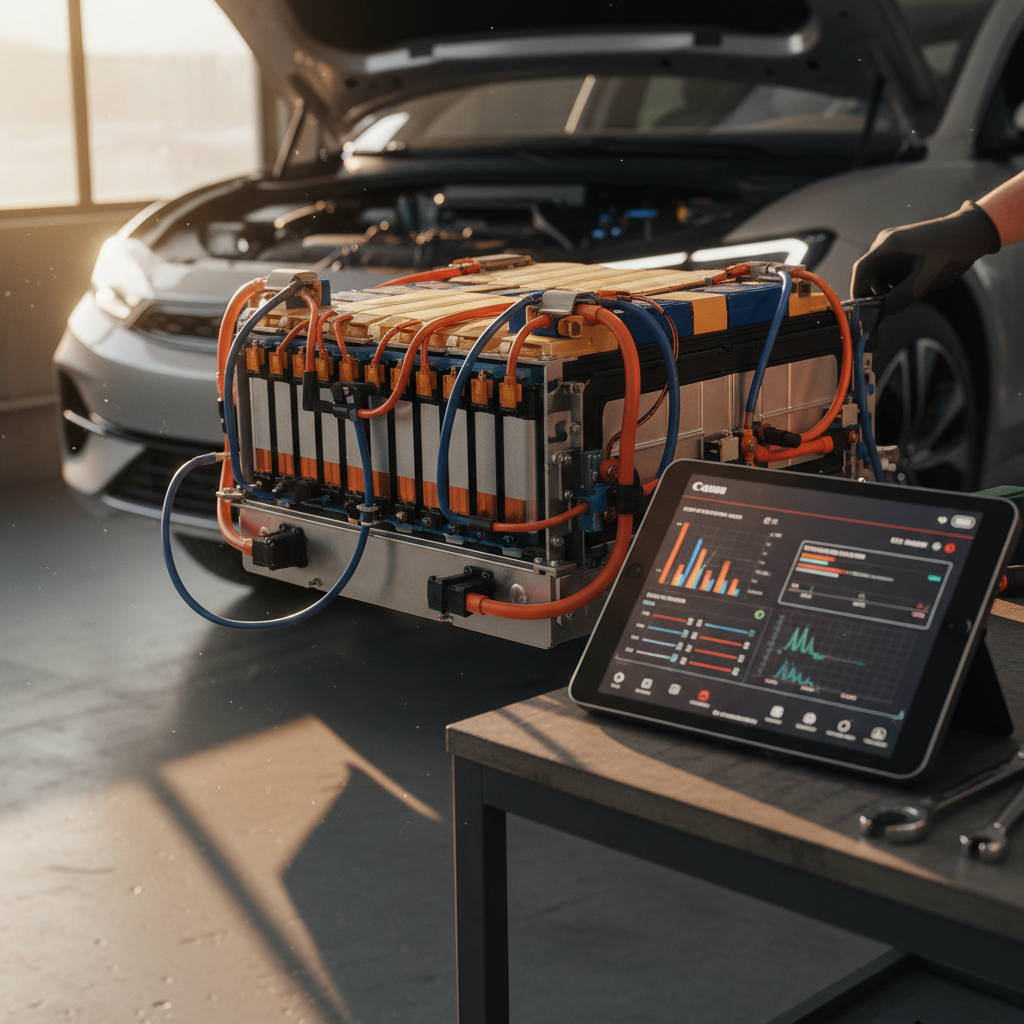
Towing long distances at high loads means more heat cycles. Ask for a <strong>battery health report</strong> or third‑party diagnostic like a Recharged Score, which quantifies remaining battery capacity and flags abnormalities.
3. Inspect brakes, tires, and suspension
Heavy trailers are brutal on consumables. Look for rotor lip, uneven pad wear, tired shocks, or sagging rear springs, classic signs of a hard towing life.
4. Check for wiring hacks
Trailer wiring should be cleanly integrated with the factory harness. Scotch‑locks, mystery splices, or hanging connectors are red flags for future electrical gremlins.
5. Review service and charging history
Frequent DC fast charging plus heavy towing is a normal use case, but you want proof the vehicle was maintained on schedule, especially cooling and brake service.
6. Test with a load if possible
If the seller agrees, a short test tow with a small trailer can reveal noises, stability issues, or braking concerns you won’t find on a solo drive.
How Recharged can help
What electric SUVs tow well, and for what jobs
Not every tow‑rated EV SUV is aiming at the same bullseye. Some make sense as family road‑trip rigs with a small camper; others are better as weekend warriors that occasionally drag a utility trailer to the home‑improvement store. Matching your tow job to the right EV SUV matters more than chasing the highest tow number.
Match the EV SUV to the job
Think in use cases rather than just maximum tow rating.
Family camping & road trips
Best fits: Rivian R1S, Lucid Gravity, Kia EV9, Tesla Model X.
Why: 3‑row cabins, solid tow ratings, plus fast charging and decent efficiency make them workable for 2–4 times a year camping runs.
Utility trailers & small boats
Best fits: Hyundai Ioniq 5 XRT, Kia EV6, Mercedes EQS SUV.
Why: Occasional towing of 1,500–3,500 lb is well within their comfort zone, and range hits are manageable on shorter hauls.
Daily driver that can tow
Best fits: Nearly any tow‑rated EV SUV.
Why: Most of these vehicles spend 95% of their lives as comfortable family crossovers. The tow package simply adds capability for when life happens, moves, projects, new toys.
Practical tips for towing with an electric SUV
Even the best electric SUV with a tow package can be miserable if you use it like a gas rig and ignore how EVs behave under load. The good news: a few smart habits can turn an anxious first tow into a calm, almost boring experience, which is exactly what you want.
Real‑world tips for smoother EV towing
1. Plan chargers that work with trailers
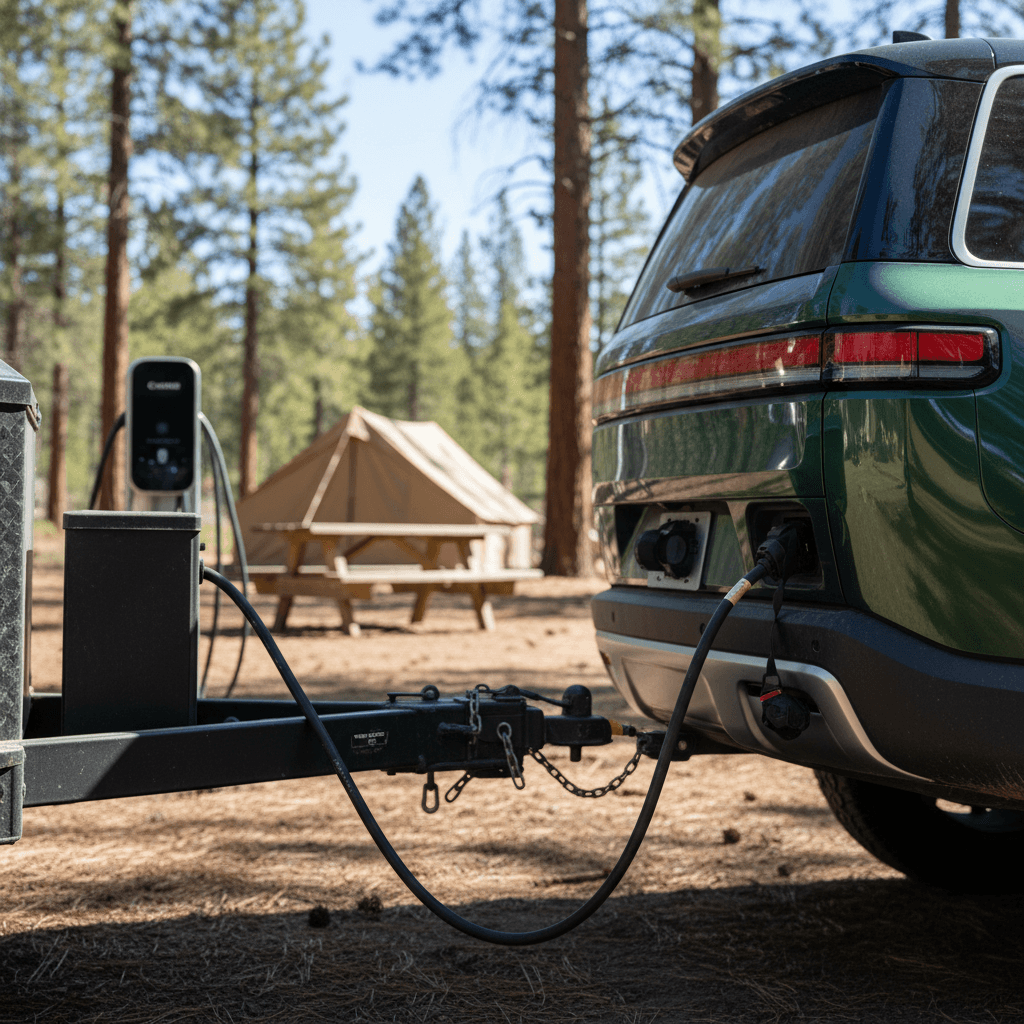
Look for pull‑through chargers at travel plazas or stations with back‑in room so you don’t have to unhitch every time. Satellite view in your mapping app is your friend.
2. Slow down… a little
Driving 60–65 mph instead of 75 is the single easiest way to improve range and reduce white‑knuckle moments. The difference in arrival time is smaller than you think; the difference in stress is huge.
3. Use the vehicle’s towing mode
Most tow‑capable EVs offer a trailer or tow mode that adjusts stability control, regen, and power delivery. Use it. The engineers put it there for a reason.
4. Watch temperature, not just state of charge
Pay attention to battery and motor temperature warnings if your SUV shows them. Long grades in hot weather can tax thermal systems; give the vehicle a breather if it asks for one.
5. Load the trailer correctly
Aim for 10–15% tongue weight, keep heavy items low and centered over the axles, and avoid big weight imbalances side‑to‑side. Stability matters even more in a quiet EV where speed feels deceptively low.
6. Charge more often, not deeper
Fast chargers are quickest from roughly 10–60%. When towing, it’s often smarter to hop between chargers more frequently and live in that faster charging window than to deep‑charge to 90–100%.
Use your SUV’s trip planner
FAQs: Electric SUVs with tow packages
Frequently asked questions about electric SUVs with tow packages
Bottom line: Is an electric SUV with tow package right for you?
If your life looks like most people’s, school runs, commuting, Costco, and a handful of trips a year with a trailer, an electric SUV with a factory tow package can be a fantastic solution. You get the smooth, quiet daily drive of an EV, the flexibility to haul what matters a few weekends a year, and dramatically lower running costs the other 48 weeks.
The key is matching the job to the machine. A Rivian R1S or Lucid Gravity is overkill for a single jet ski; a Kia EV9 or Tesla Model X is probably the sweet spot for family camping; a compact crossover like an Ioniq 5 XRT can make light work of utility trailers and small toys. If you’re shopping used, lean on tools like the Recharged Score and EV‑savvy experts to make sure the battery, brakes, and hitch setup are worthy of the trailer you have in mind.
Get the right SUV, respect its limits, and plan your charging with a little care, and towing with an EV stops being a gamble and starts feeling like what it should’ve been all along: just another way your vehicle fits your life.