If you’re thinking about an electric car, you’ve probably asked yourself, “Do I need a home charger for an electric car, or can I just use public stations?” The honest answer is: it depends a lot more on your parking situation and driving habits than on the car itself. Let’s walk through when a home charger is essential, when it’s just nice to have, and how to make EV ownership work even if you can’t plug in at home.
Key takeaway
Do You Need a Home Charger? Short Answer
Situations where a home charger is almost a must-have
- You drive most days and rack up 10,000–15,000 miles a year.
- You have a garage or driveway with access to household power.
- Your nearest public chargers are limited, busy, or unreliable.
- You want predictable, low-cost overnight charging.
Situations where you can skip a home charger
- You live in an apartment or condo with on-site chargers.
- You can charge at work on most days.
- You drive relatively little (for example, under 150 miles a week).
- You live near reliable public fast chargers and don’t mind planning stops.
Good news
How EV Charging Works at Home vs Public
Before you decide if you need a home charger, it’s worth understanding the basic EV charging levels and what they mean for your day-to-day routine.
Charging Options You’ll Actually Use
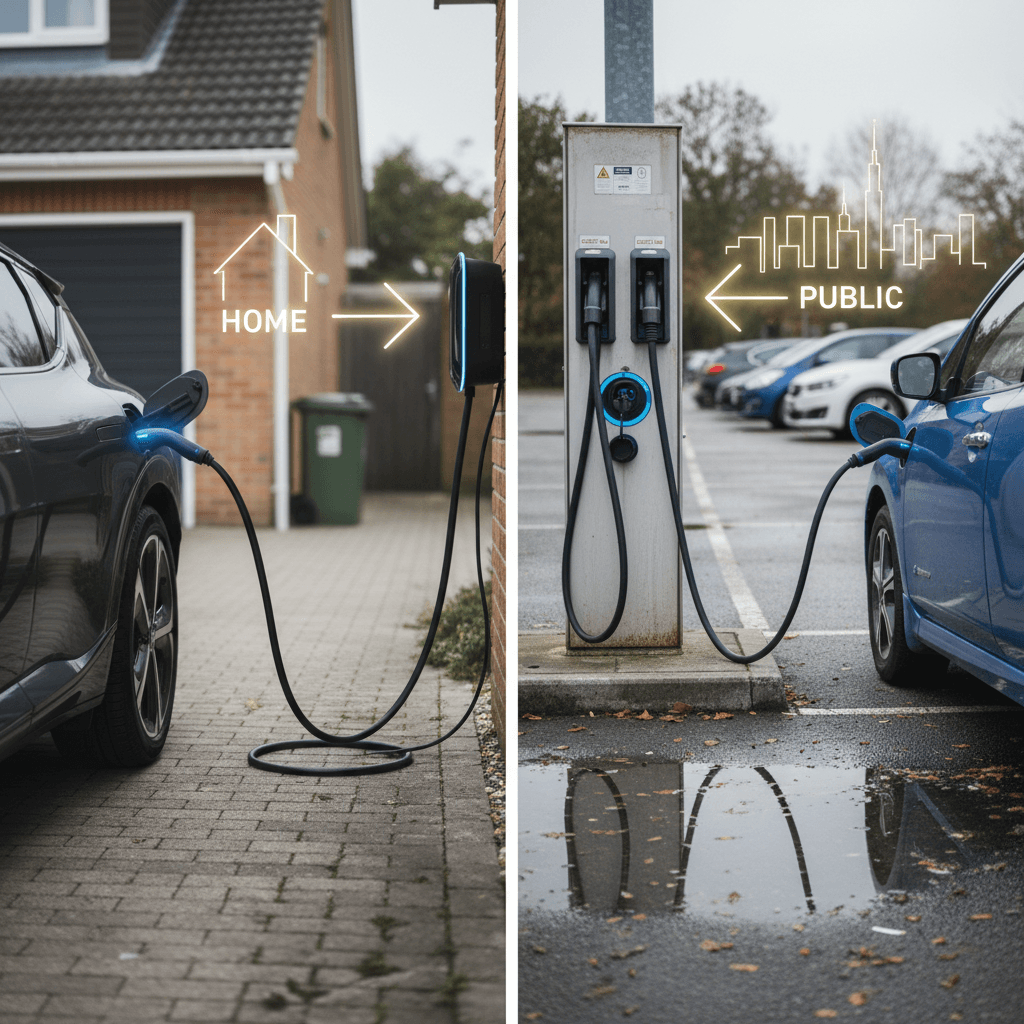
Home and public charging fill different roles in real life
Level 1: Standard Outlet (120V)
Uses a regular household outlet, no electrician required.
- Adds roughly 3–5 miles of range per hour.
- Great for plug‑in hybrids or low‑mileage drivers.
- Works anywhere you can park near an outlet.
Level 2: Home or Public (240V)
This is the sweet spot for most EV owners.
- Adds roughly 20–40 miles of range per hour, depending on car and charger.
- Typically installed in a garage or driveway.
- Also common at workplaces and public destinations.
DC Fast Charging (Public Only)
What you’ll use on road trips.
- Adds 150–250+ miles of range in ~30 minutes on newer EVs.
- More expensive per kWh than home charging.
- Available at highway plazas and some city hubs.
Think in miles per night, not just kW
Who Really Benefits From a Home Charger?
Home charging is popular for a reason. Surveys in the U.S. consistently show that the majority of EV drivers charge primarily at home, and many still use public chargers weekly for road trips or top‑ups. But the value of a home charger isn’t the same for everyone.
Why Home Charging Is So Popular
Homeowners with a driveway or garage
If you own your home and have off‑street parking, a Level 2 home charger is one of the best quality‑of‑life upgrades you can make. You plug in when you get home, set a schedule to charge overnight on cheaper rates, and wake up with the “tank” full. For many owners, that turns charging from a chore into something they rarely think about.
- Daily drivers and commuters who use 40–70 miles of range most days.
- Families with multiple cars juggling busy schedules.
- Owners in areas where public charging is sparse, unreliable, or expensive.
- Anyone planning to keep their EV for several years and wants maximum convenience.
Apartment and condo residents
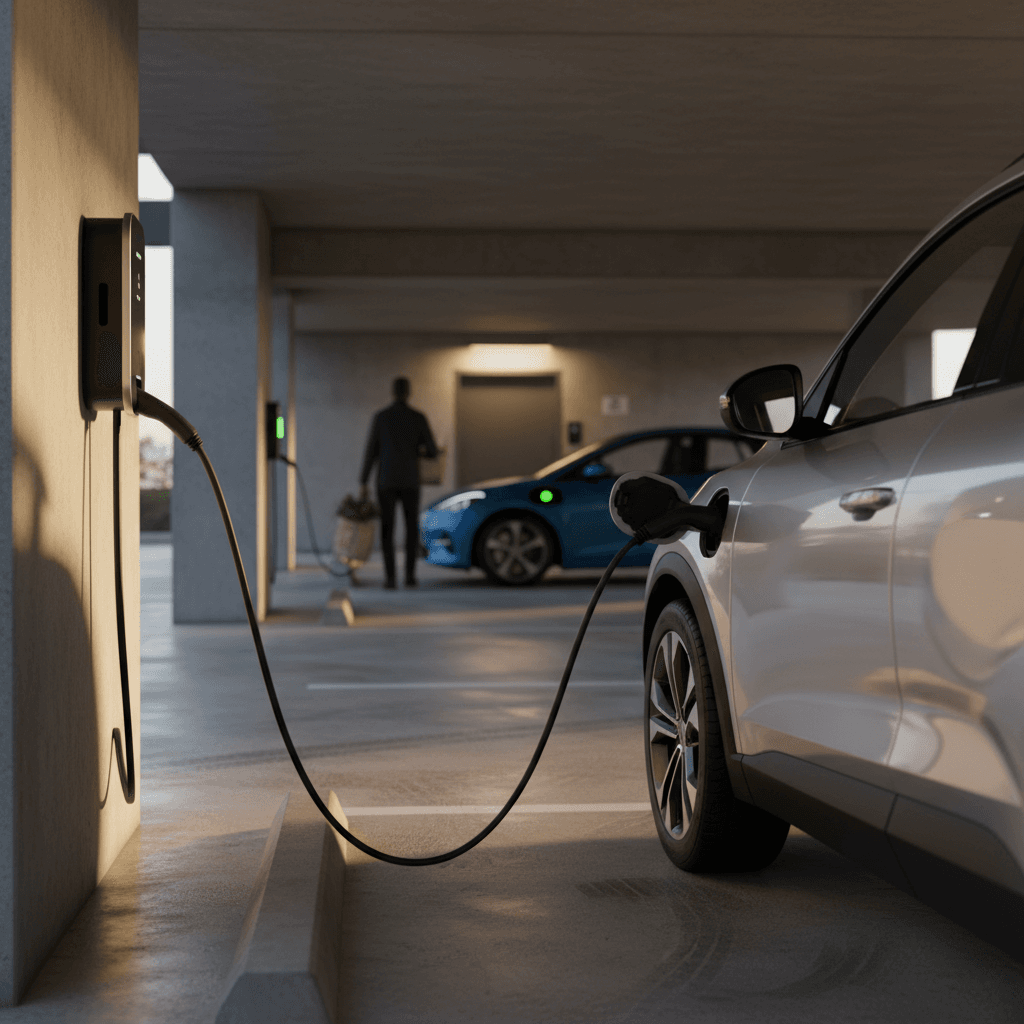
If you rent or live in a condo, your situation is different. Access to power in a dedicated parking space is often limited, and getting permission to install a charger can be slow. At the same time, more multifamily buildings now include shared Level 2 chargers or are adding them to attract tenants. If your building offers on‑site charging, you may not need a personal home charger at all, you just need consistent access to those shared stations.
Watch the wait times
Drivers with very light usage
If you only drive a few days a week or take short trips around town, you might not need a dedicated wallbox at all. A standard 120‑volt outlet (Level 1) can add a few dozen miles overnight, enough to cover a couple of days’ errands. In that case, it may be smarter to start with Level 1 and upgrade later if your driving pattern changes.
When You Can Skip a Home Charger
Despite the hype, plenty of EV owners successfully drive electric without a dedicated home charger. The key is matching your charging plan to your lifestyle.
Common Scenarios Where a Home Charger Is Optional
You’ll trade some convenience, but it can work well
You have reliable workplace charging
If your employer offers dependable Level 2 charging and you’re in the office most days, your workplace can effectively become your "home" charger.
- Plug in while you work, unplug when you leave.
- Great for commuters with predictable schedules.
- Confirm policies so you’re not surprised by changes.
You live near robust public charging
If you’re in a dense urban area with many public Level 2 and fast chargers, you may be able to top up once or twice a week instead of every night.
- Plan charging around shopping, meals, or gym visits.
- Use multiple apps to see station availability.
- Expect higher per‑mile cost than off‑peak home charging.
You drive infrequently
Retirees, remote workers, or multi‑car households that only use the EV occasionally may be fine charging every few days, or even weekly, on public stations.
- Look for slower, cheaper Level 2 chargers instead of always using fast chargers.
- Monitor battery state of charge to avoid running too low.
Your EV is the “city car”
If your household keeps a gas vehicle for road trips, the EV might only handle local duty. That makes it much easier to rely on workplace or public charging without the stress of cross‑country travel.
When skipping a home charger is a bad idea
The Real Cost of Installing a Home EV Charger
A Level 2 home charger is an upfront investment, but it can pay off over time in convenience and lower per‑mile charging costs. The total price depends on two main pieces: the charging unit itself and the electrical work to support it.
Typical Home Charger Cost Breakdown (US)
Actual costs vary by region and home, but this gives you ballpark numbers to plan around.
| Item | Low End | High End | Notes |
|---|---|---|---|
| Level 2 wallbox charger | $350 | $900 | Wi‑Fi, load management, and brand can change price. |
| Basic installation (short run, existing 240V capacity) | $400 | $800 | Panel is adequate, wiring run is simple. |
| Complex installation (panel upgrade, long run) | $800 | $2,000+ | Older homes or detached garages can cost more. |
| Total typical project | $750 | $2,500+ | Many homeowners land somewhere in the $1,000–$1,800 range. |
Before you buy, always get a written quote from a licensed electrician.
Don’t forget incentives
How to Live With an EV Without a Home Charger
If a home charger isn’t realistic for you right now, that doesn’t mean an EV is off the table. It just means you’ll lean more on shared, workplace, or public options, and you’ll want a clear plan before you sign on the dotted line.
Practical Strategies for “Public-First” EV Owners
Map your local chargers before you buy
Use charging apps to locate every Level 2 and DC fast charger near your home, work, and usual routes. Look at how many are available, what networks they’re on, and recent user reviews for reliability.
Test‑drive your charging routine
If you already own an EV or can borrow one, spend a week charging only at public stations you plan to use. That dry run will tell you quickly whether the routine feels manageable.
Lean on workplace charging when possible
If your employer offers charging, ask about access rules, pricing, and future expansion plans. A well‑managed workplace charger can be more reliable than many public options.
Prefer destination charging over waiting
Whenever possible, plug in while you’re doing something else, grocery shopping, grabbing dinner, going to the gym, instead of sitting in the car waiting for a charge to finish.
Carry a reliable mobile app toolkit
Install more than one charging app so you can see stations across different networks, check real‑time availability, and pay without fuss. Keep your accounts and payment methods set up before you really need them.
Watch your battery habits
If you rely on public chargers, avoid running the battery very low before every session. Try to plan charges from around 20–25% up to 70–80% for quicker stops and less stress.
Reality check on public charging
Home Charging and Shopping for a Used EV
If you’re considering a used EV, your charging plan should be just as important as the color, trim, or wheel size. In fact, battery health and where you’ll charge are closely linked over the life of the car.
Questions to ask yourself before buying used
- Where will I park most nights? Garage, driveway, street, or apartment lot?
- What power do I already have? Is there a 120V outlet nearby, or room in the panel for a 240V circuit?
- How many miles do I drive in a typical week? That will shape how often you need to hunt for chargers.
- What’s my public charging backup? Identify at least two reliable locations before delivery day.
How Recharged helps you think through charging
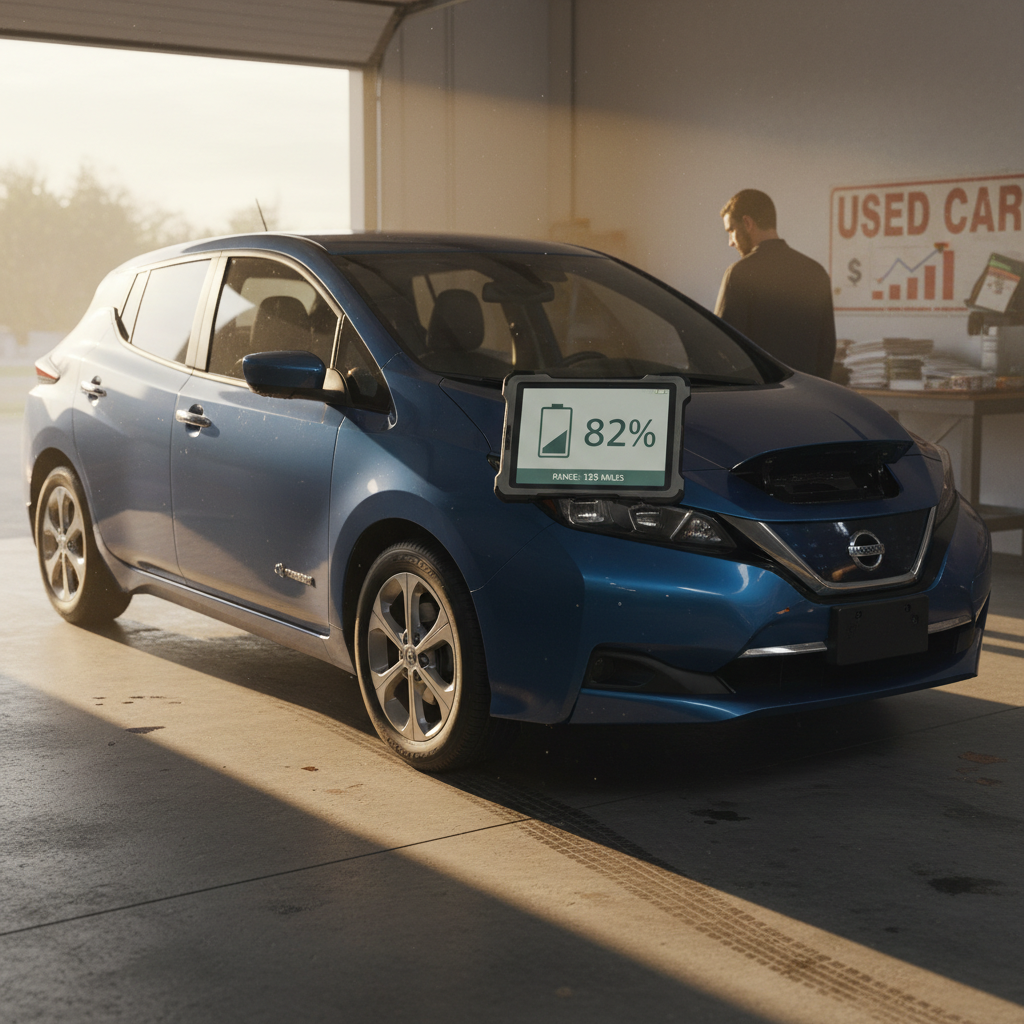
Every vehicle on Recharged comes with a Recharged Score Report that includes verified battery health and range insight. Our EV specialists can walk you through how that range translates into your daily driving and whether home charging, workplace charging, or a public‑first strategy makes the most sense for you.
If you’re selling or trading in a used EV, our instant offer and consignment options make it simple, and you can talk through charging needs for your next vehicle at the same time.
Visiting our Experience Center
Checklist: Do I Personally Need a Home Charger?
Use this quick decision checklist. If you answer “yes” to most items in a column, that’s a strong hint about whether a home charger fits your life.
Home Charger Decision Snapshot
This isn’t a hard rulebook, but it will clarify your leaning in a hurry.
| Question | Points Toward Home Charger | Points Toward No Home Charger |
|---|---|---|
| I have a garage or driveway with access to my electrical panel. | Yes | No |
| I drive more than about 150 miles most weeks. | Yes | No |
| Public chargers near me are often busy or unreliable. | Yes | No |
| My employer offers reliable, affordable charging most days. | No | Yes |
| I’m comfortable planning a weekly charging stop around errands. | No | Yes |
| I want the lowest possible per‑mile charging cost. | Yes | No |
| I’m okay spending $1,000+ upfront for convenience over several years. | Yes | No |
Tally up your "yes" answers in each column to see which side fits you best.
If You Decide to Install a Home Charger
Confirm your electrical capacity
Have a licensed electrician check your panel and available capacity before you buy a charger. They can tell you whether you’ll need a panel upgrade or whether a 32–40‑amp charger will fit easily.
Match charger size to your car
There’s no benefit in paying for a 19.2 kW charger if your EV can only accept 7.2 kW on AC. Check your car’s maximum AC charging rate and size the charger accordingly.
Plan for cable length and placement
Think about where the car will park and how the cable will reach the charge port. A little planning up front prevents tripping hazards and awkward parking gymnastics later.
Ask about utility rates and rebates
Before you schedule installation, call your utility or check their website for EV‑specific rates or rebates on chargers and wiring. Those savings can be significant over time.
FAQ: Home EV Chargers and Everyday Use
Frequently Asked Questions About Home Chargers
Bottom Line: Do You Need a Home Charger?
You don’t need a home charger to drive electric, but it does change the ownership experience. For homeowners with a driveway or garage, a Level 2 home charger turns your EV into a “fuel at home” appliance that’s cheaper and more convenient than visiting a gas station. For apartment and condo residents, or anyone with modest mileage and good public options, EV ownership without home charging is absolutely possible with a bit more planning.
As you weigh your options, especially if you’re looking at a used EV, keep your charging reality front and center. Where will you plug in most of the time? How often do you drive? What’s available around you today, not just on a map in theory? If you’d like help matching the right used EV and charging plan to your lifestyle, the team at Recharged is built for exactly that, from the Recharged Score battery report to financing, trade‑ins, and delivery to your driveway, charger or not.