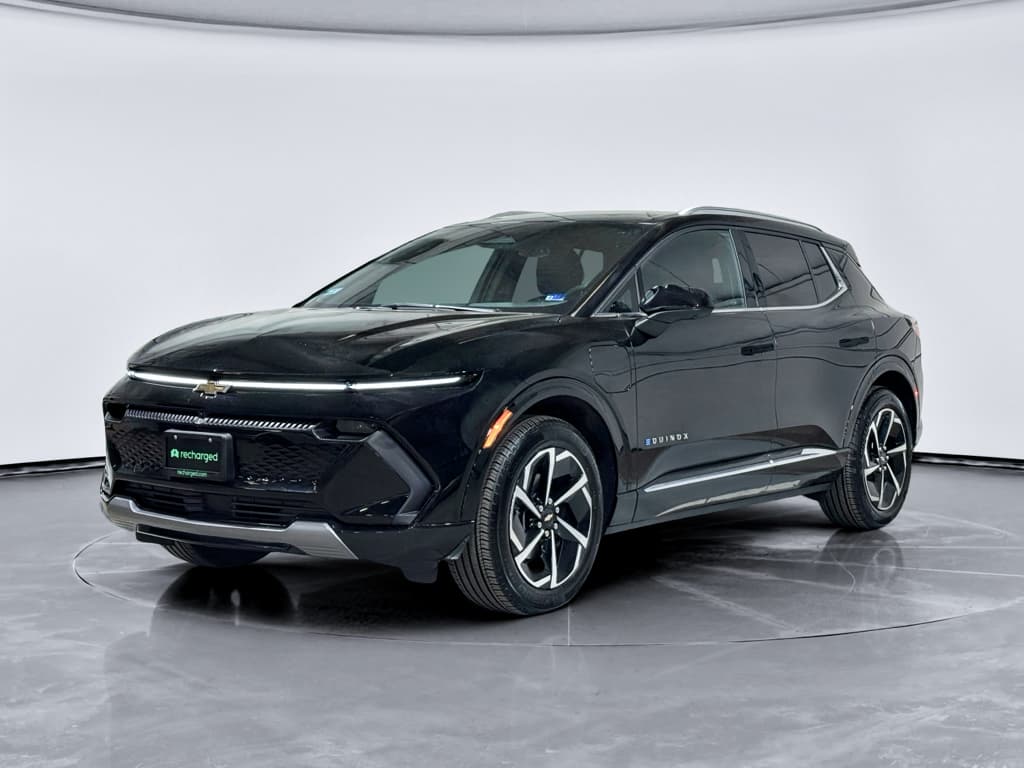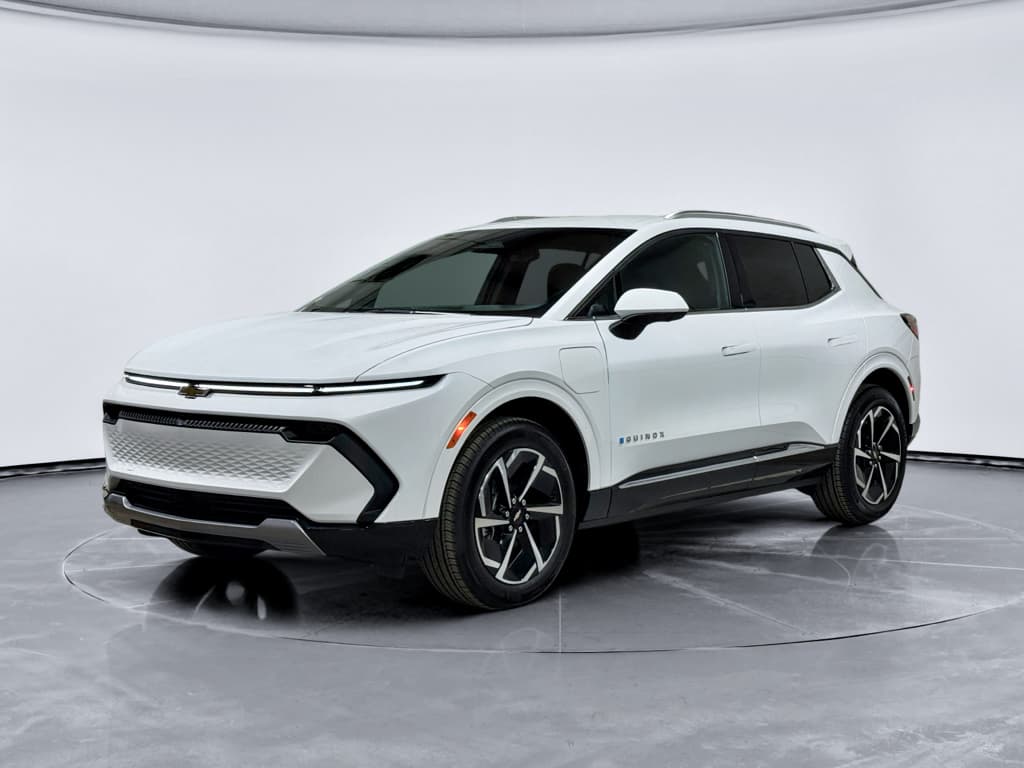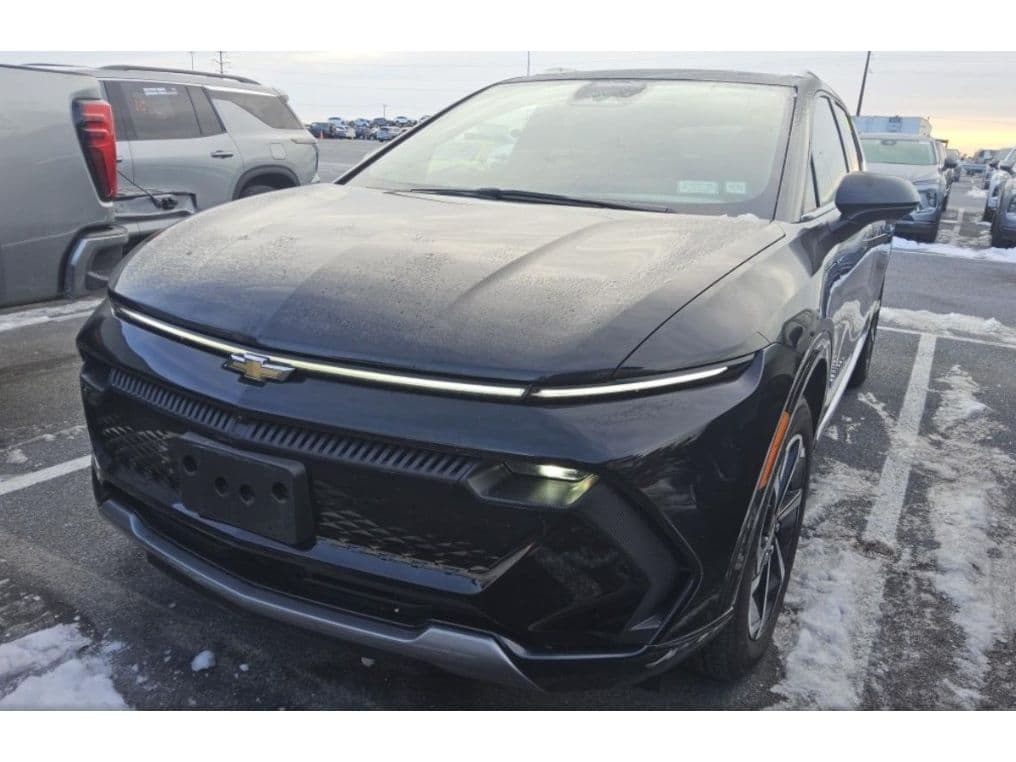
If you’re considering a Chevrolet Equinox EV, whether new or used, one of the first questions you’ll ask is: how much does the Equinox EV battery degrade per year? You’re not alone. Battery health is the single biggest long‑term variable in an electric SUV’s value, range, and ownership costs.
Quick answer
Equinox EV battery degradation per year: what to expect
The Chevrolet Equinox EV rides on GM’s Ultium battery platform, using a large pack that delivers up to an EPA‑estimated 319 miles of range in front‑wheel‑drive trims. While GM doesn’t publish a year‑by‑year degradation curve, we can triangulate from three things: modern EV degradation studies, GM’s own battery warranty, and early owner experience.
- Most modern EVs show around 1.5–2.5% capacity loss per year under typical use.
- GM backs the Equinox EV battery for 8 years or 100,000 miles in the U.S., against dropping below 70% capacity (or equivalent range).
- Early Ultium vehicles (Lyriq, Blazer EV, Equinox EV) are not showing widespread capacity‑loss complaints; issues tend to be software or individual component faults, not packs wearing out quickly.
Combine those points and you get a realistic expectation: over the first 3–5 years, many Equinox EVs will lose only a modest slice of range, often small enough that day‑to‑day driving doesn’t feel dramatically different. Over 8–10 years, a typical, well‑maintained Equinox EV might see total usable capacity fall into the low‑80s or high‑70s as a percentage of original.
Chevy Equinox EV battery & range at a glance
What makes the Equinox EV’s Ultium battery different?
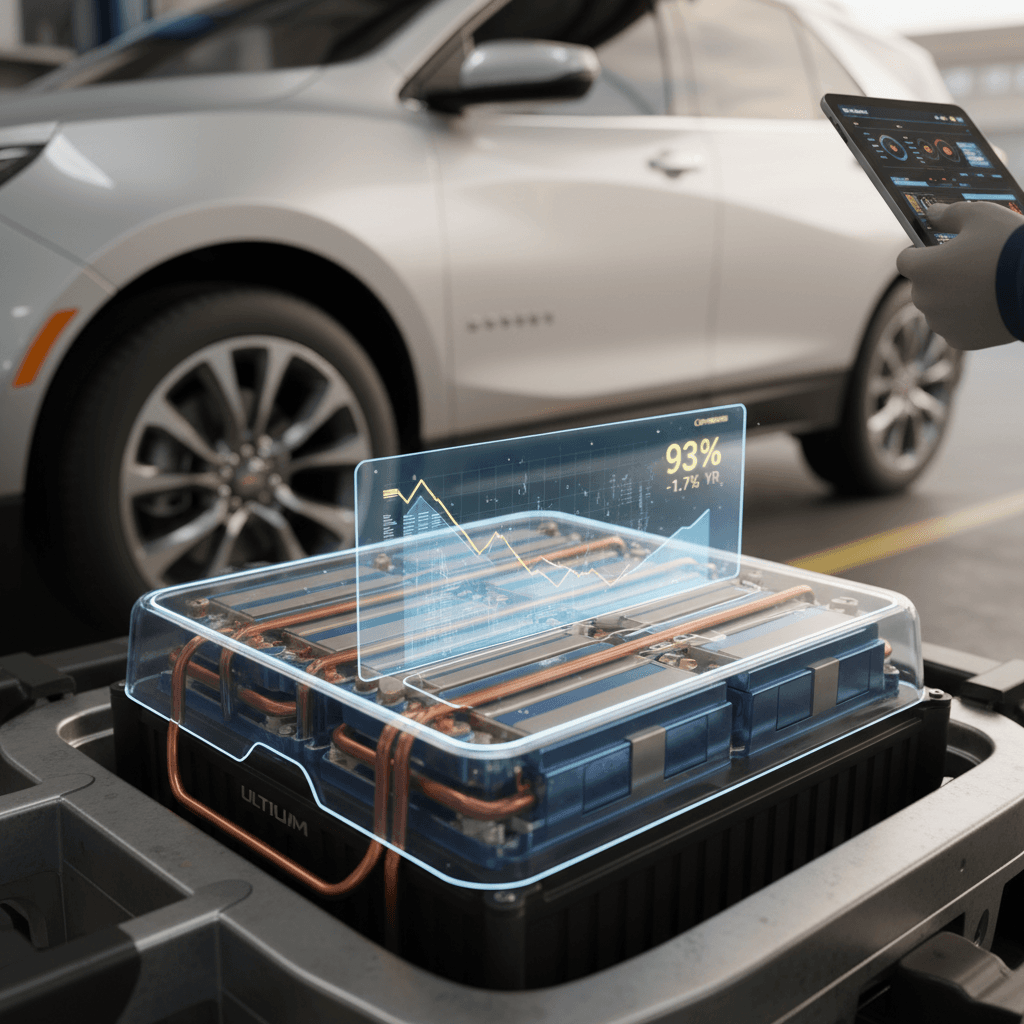
To understand how the Equinox EV degrades over time, it helps to know what’s inside the pack. GM’s Ultium batteries use large pouch cells and a modular structure shared across the Equinox EV, Blazer EV, Cadillac Lyriq, Honda Prologue and others. The chemistry is a nickel‑rich lithium‑ion formulation optimized for energy density and longevity, not just headline range numbers.
Ultium details that influence Equinox EV battery life
Design choices that help slow degradation compared with older EV packs
Modular pack design
Ultium uses repeatable modules, each containing a group of cells. This makes thermal management more uniform, which is a big factor in long‑term battery health.
Active liquid cooling
The Equinox EV actively heats and cools its pack. Keeping the battery in its ideal temperature window reduces both calendar aging (time‑based wear) and cycling aging (charge/discharge wear).
Conservative power outputs
Unlike some performance EVs, the Equinox EV doesn’t constantly ask for maximum power from the pack. Operating below the cells’ stress limits helps slow degradation over hundreds of thousands of miles.
Why pack size matters
Normal EV battery degradation numbers (and how the Equinox fits in)
Multiple large‑scale studies of thousands of EVs now show that modern lithium‑ion packs degrade slowly. A recent fleet analysis of more than 10,000 EVs found an average capacity loss in the neighborhood of 1.8–2.3% per year, with many vehicles still above 90% of original capacity after four to five years on the road.
How Equinox EV expectations compare to typical EV degradation
Approximate annual capacity loss under normal driving and charging conditions.
| Scenario | Expected annual loss | 8‑year capacity estimate | What it feels like |
|---|---|---|---|
| Mild climate, home Level 2, mostly 20–80% | ~1.5% | ~88% | Range loss is subtle; most daily routines unchanged. |
| Average U.S. use, mix of DC fast & Level 2 | ~2.0% | ~84% | Noticeable but manageable; may charge slightly more often on trips. |
| Hot climate, frequent DC fast, often to 100% | ~2.5–3.0% | ~78–80% | Highway range steps down earlier; trip planning matters more. |
These figures are generalized from modern EV fleet data; actual results depend on climate, mileage, charging habits, and how often the car sits at very high or very low states of charge.
Because the Equinox EV’s pack is relatively large, even a 15–20% capacity loss still leaves you with more usable range than many compact EVs had when new. That’s one reason compact electric crossovers like the Equinox EV are attractive in the used market, they’re more forgiving of some inevitable degradation.
Real‑world Equinox EV owner experience so far
The Equinox EV is still a young model, so we don’t yet have 10‑year field data. But early reports from owners and dealers over the first year or two of sales have a clear pattern: almost no one is talking about capacity loss. When issues appear, they’re usually software glitches, charging‑network quirks, or isolated component failures, not the pack simply wearing out early.
- Higher‑mileage early Equinox EVs, some already past 25,000–30,000 miles, are still reporting a “full” range estimate close to the original EPA rating in moderate climates.
- Dealership technicians who see a lot of Ultium vehicles day‑to‑day report very few warranty claims specifically for capacity loss.
- Driver forums are far more concerned with charging behavior, software updates, and range‑meter quirks (“guess‑o‑meter”) than with measurable battery health decline.
Range meter vs. real degradation
Warranty and how much Equinox EV battery degradation is covered
GM backs the Equinox EV’s high‑voltage battery with an 8‑year / 100,000‑mile limited warranty in the U.S. (whichever comes first). The intent is similar to other modern EVs: if the pack suffers an abnormal loss of usable capacity, well beyond normal wear, the manufacturer steps in.
What the warranty typically covers
- Defects in materials or workmanship in the high‑voltage battery.
- A drop in usable capacity that falls below a specified threshold (often around 70%) within the coverage window.
- Diagnostics and repair or replacement of modules, harnesses, or the full pack if necessary.
What it usually doesn’t cover
- Normal, gradual degradation that still leaves the pack above the warranty threshold.
- Damage from misuse, severe overloading, improper modifications, or ignoring warning lights.
- Consequences of routinely operating the battery well outside recommended temperatures or storage conditions.
Check your specific warranty booklet
5 factors that speed up or slow down Equinox EV degradation
Battery degradation isn’t random. The same Equinox EV can age very differently in Phoenix than in Portland, or for a sales rep putting on 30,000 miles a year versus a work‑from‑home driver. Here are the five big factors that matter most.
Key drivers of Equinox EV battery aging
1. Average state of charge (SoC)
Lithium‑ion cells are happiest in the middle. Parking your Equinox EV for days on end at 20–80% SoC is easier on the pack than leaving it at 100% or near empty.
2. Temperature and climate
Heat is enemy number one. Hot‑climate owners who park outside in direct sun, especially at high SoC, typically see faster degradation than owners in cool or mild regions.
3. DC fast‑charging frequency
The occasional road‑trip fast charge is fine. Making 150–200 kW DC fast charging a daily habit, especially to 100%, ages the pack more quickly than charging at 240 V Level 2.
4. Annual mileage and depth of discharge
High mileage itself isn’t a problem; it’s repeated deep cycles from near‑empty to full that add stress. Many shallow cycles are less damaging than fewer “empty‑to‑full” swings.
5. Storage habits
If you’re leaving the Equinox parked for weeks, storing it at roughly 40–60% SoC in a cool garage is far easier on the battery than full charge at curbside in summer heat.
How to minimize Equinox EV battery degradation in daily use
The reassuring news is that you don’t have to baby the Equinox EV to get a long battery life. A few sensible habits go a long way toward keeping degradation near the low end of that 1.5–2.5% per‑year band.
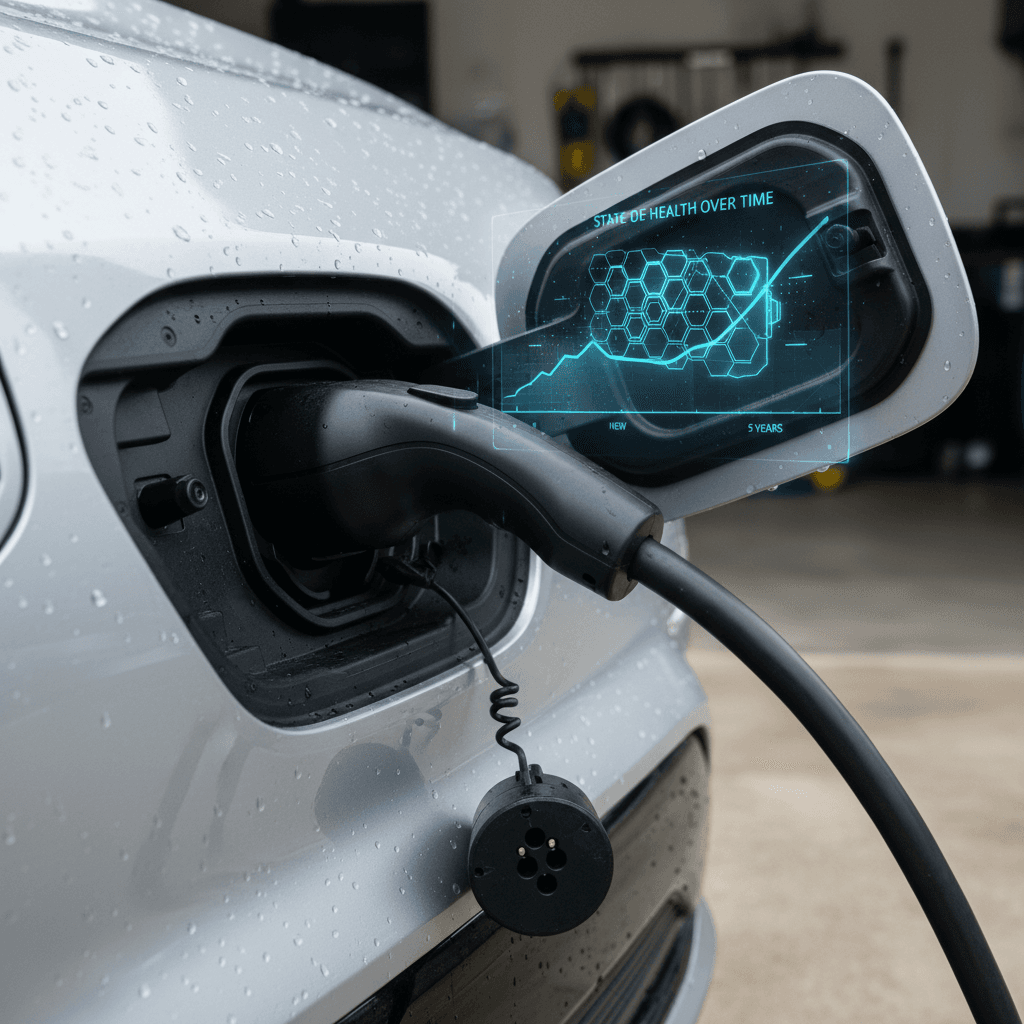
- Use an 80–90% charge limit for daily driving. In the Equinox EV’s settings, set your target SoC to around 80 or 90% for everyday use, and only go to 100% right before a long highway trip.
- Don’t fear low SoC, but avoid sitting near 0%. Occasionally running down to single‑digit percentages is fine, but try not to let the car sit at very low charge for days on end.
- Favor Level 2 over DC fast charging when you can. Home or workplace Level 2 at 32–48 amps is the sweet spot for pack health. Save DC fast charging for road trips or rare tight schedules.
- Park in the shade or a garage. In hot climates, simply getting the car out of direct sun helps the thermal system keep the pack within its comfort zone with less effort.
- Let software updates run. GM continues to refine charging curves, thermal management and range estimation. Keeping the Equinox EV updated ensures the battery management system is doing its best work for you.
A simple “set‑and‑forget” routine
Battery degradation and Equinox EV resale value
Battery health isn’t just a science‑project metric, it’s a pricing lever. Because the Equinox EV’s pack is its single most expensive component, how much battery has degraded per year directly affects resale value, especially once the vehicle is past the factory warranty window.
How degradation shows up in used Equinox EV pricing
Why two similar‑looking SUVs can differ thousands of dollars in value
Higher state of health (SoH), higher price
An Equinox EV that still shows close to its original usable range, and has data or a battery health report to back it up, commands a premium over a similar‑mileage example with noticeable range loss.
Range matters more than odometer alone
Shoppers care less about total miles and more about usable daily range. A 70,000‑mile Equinox EV with 90% capacity can be more attractive than a 40,000‑mile one already down around 80% capacity.
At Recharged, every vehicle gets a Recharged Score Report that includes a battery‑health‑focused assessment. That transparency helps both buyers and sellers: shoppers can compare Equinox EVs by more than just mileage, and current owners who’ve taken good care of their batteries can capture the value of those habits when it’s time to sell or trade.
How to check battery health on a used Equinox EV
Because GM doesn’t surface a simple “battery health %” number in the Equinox EV’s main screens, evaluating a used example takes a bit more finesse. You’re essentially triangulating from range, charging behavior, and (when available) diagnostic data.
Used Equinox EV battery health checklist
1. Compare indicated range to EPA rating
Fully charge the vehicle and note the projected range in the same climate and driving conditions you expect to use. A healthy pack that’s been driven normally should be in the ballpark of its EPA estimate when reset after gentle driving.
2. Ask for service records and warranty history
Look for any high‑voltage battery repairs, module replacements, or pack‑related recalls. A clean history suggests the pack has been uneventful so far.
3. Look at charging patterns
If you can, check telematics or owner logs. A life of near‑daily DC fast charging to 100% is more concerning than mostly Level 2 at home with modest charge limits.
4. Have an EV‑savvy technician scan the pack
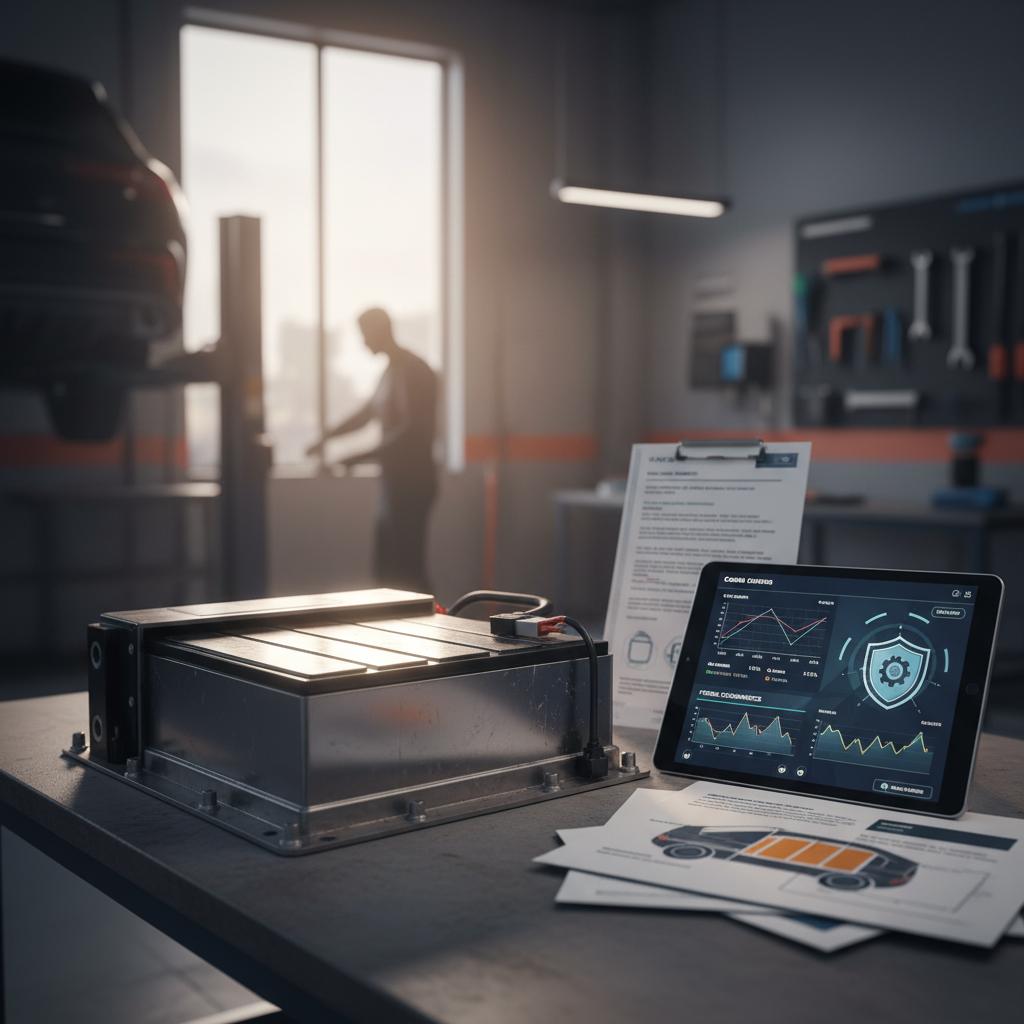
Some third‑party tools and dealer systems can estimate state of health from pack telemetry. It won’t be perfect, but it’s more data than eyeballing the range meter alone.
5. Get an independent EV‑focused inspection
For a higher‑value used Equinox EV, it can be worth investing in an inspection from a shop or marketplace (like Recharged) that specializes in battery‑health diagnostics and can benchmark that vehicle against others in the real world.
How Recharged can help
Chevrolet Equinox EV battery degradation FAQ
Frequently asked questions about Equinox EV battery degradation
Key takeaways on Equinox EV battery degradation per year
If you’re eyeing a Chevrolet Equinox EV, new or used, the data should give you confidence. With its Ultium platform, active thermal management, and a generously sized pack, the Equinox EV is set up for slow, predictable battery degradation, typically in the 1.5–2.5% per‑year range under normal use. Treat the battery reasonably, and you can expect many years of useful range, often well beyond the 8‑year / 100,000‑mile warranty window.
Where this really matters is in the used market. A clear understanding of how much the battery has degraded per year, and how that compares to what’s normal, helps you decide whether a given Equinox EV is fairly priced. That’s exactly why every EV sold through Recharged comes with a Recharged Score battery‑health report, expert EV guidance, and transparent, fair‑market pricing. It turns battery degradation from a mystery into just another line item you can evaluate with confidence.