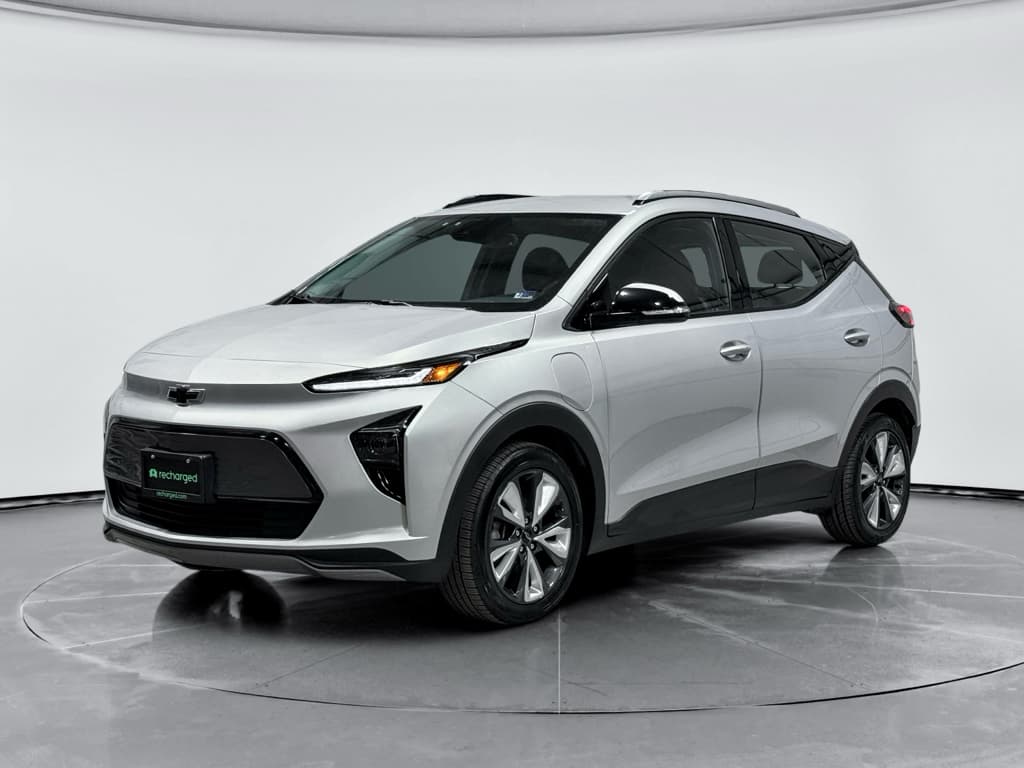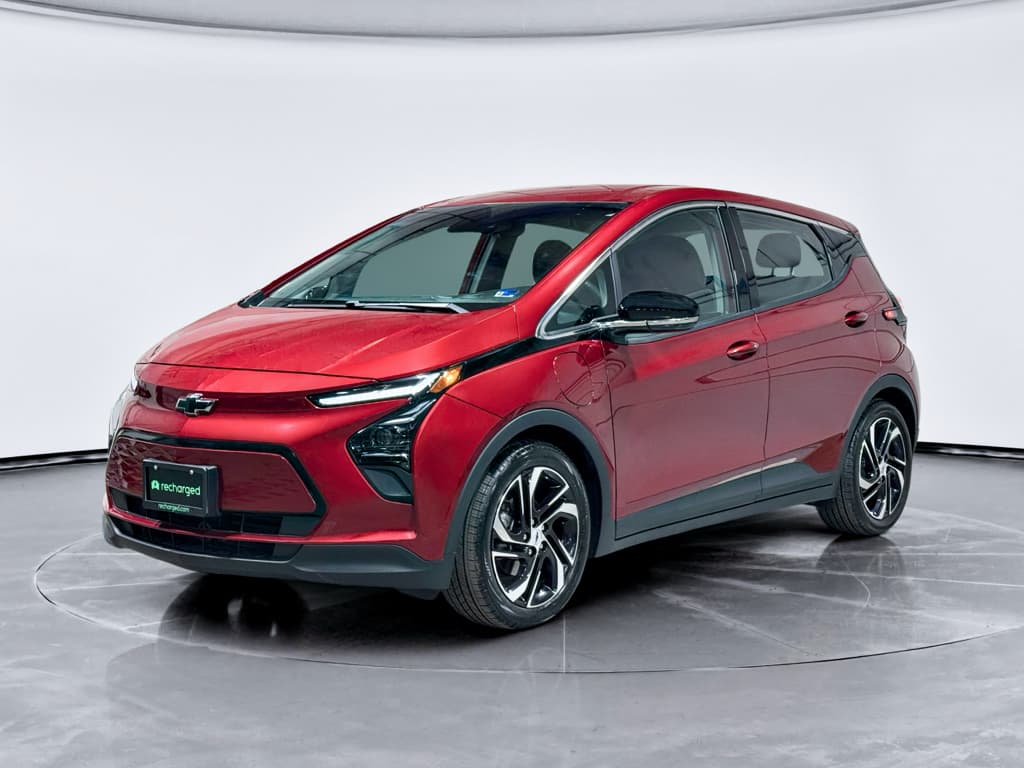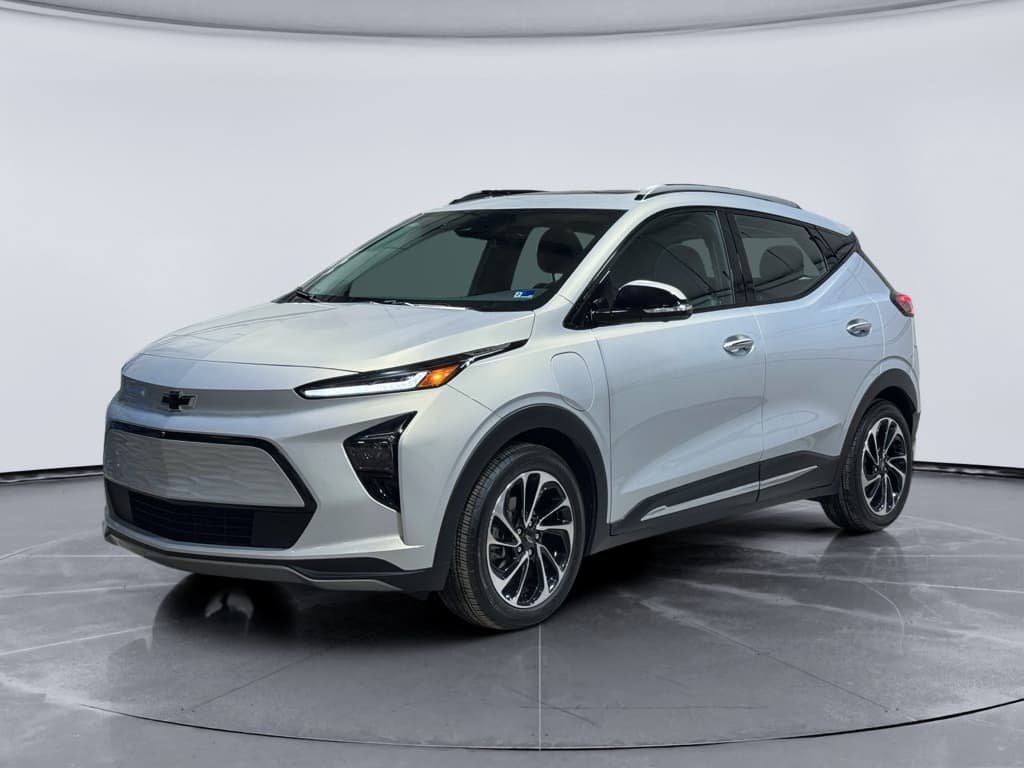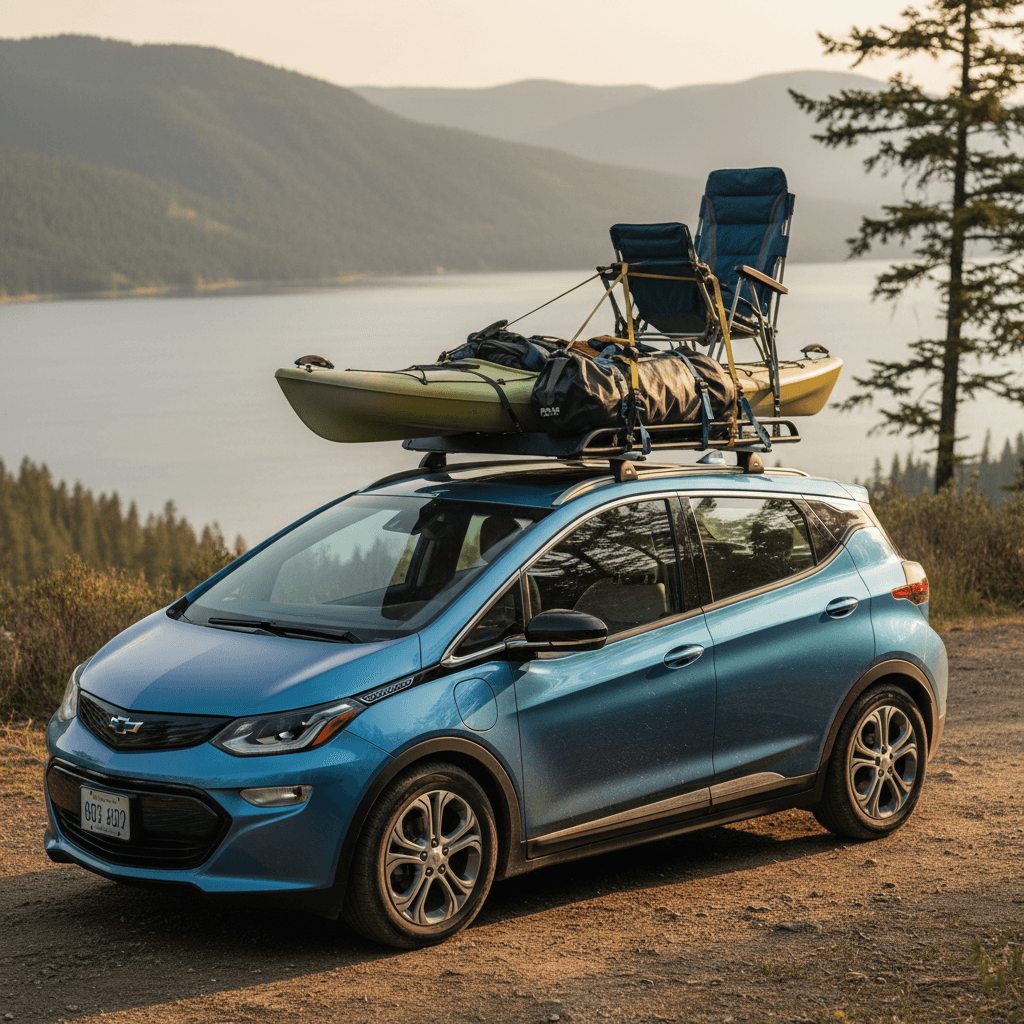
If you own or are shopping for a Chevrolet Bolt EV, it’s natural to ask: what’s the real Chevrolet Bolt EV roof rack weight limit? Whether you’re planning to haul bikes, kayaks, a cargo box, or even dreaming about a rooftop tent, understanding GM’s roof ratings is critical for safety, handling, and warranty peace of mind.
Quick answer
Chevrolet Bolt EV roof rack weight limit overview
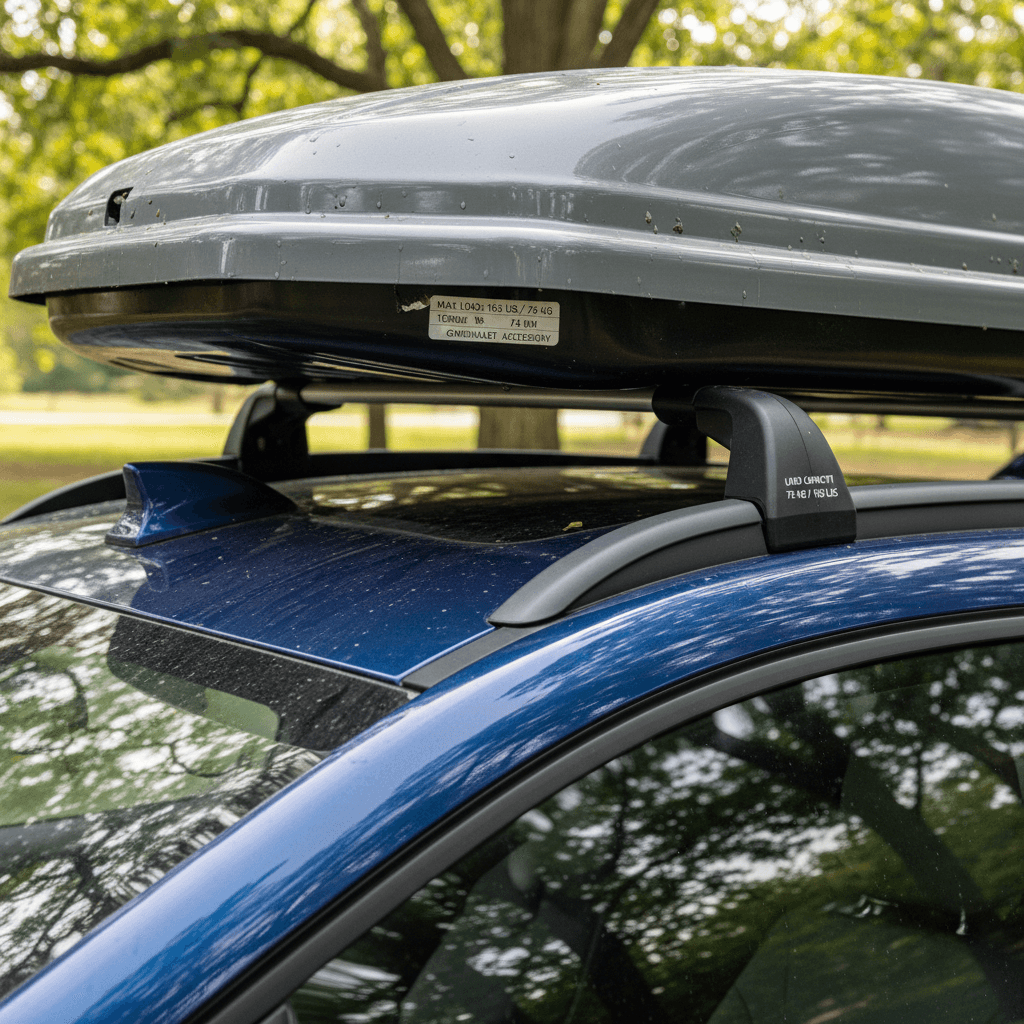
Let’s start with the simple part. In the Bolt EV and Bolt EUV owner’s manuals, GM spells out a clear limit for factory-style roof rack systems: 50 kg (110 lb) of cargo on the rack. That 110 lb includes everything above the roof sheet metal: crossbars, mounting feet, bike trays, cargo boxes, skis, and the gear itself.
Aftermarket rack companies often advertise higher ratings, 150, 165, even 220 lb on some crossbar kits. That can be confusing, because the car itself is not designed to the same load as a full-size SUV. For your Bolt, the safe approach is straightforward: the vehicle’s roof rating is the hard ceiling, and you should treat 110 lb as a dynamic (driving) limit, no matter how beefy your bars look.
Key roof load numbers for Chevrolet Bolt EV / EUV
Car vs rack ratings
Official GM roof rack weight limits for Bolt EV and EUV
GM’s language around roof loads has stayed very consistent across the Bolt line. In the Bolt EUV owner’s manual, for example, you’ll find wording along these lines:
The maximum cargo weight that can be loaded onto the roof rack system is 50 kg (110 lb) or the weight designated in the instructions that came with the cross rails or other roof rack accessories, whichever is less.
Earlier Bolt EV manuals use essentially the same number and structure. A few key points are baked into that one sentence:
- 50 kg (110 lb) is a vehicle-level limit. It’s about what the roof structure and handling can safely tolerate, not what the bars themselves can hold in a static test.
- The crossbars’ own rating still matters. If your Thule or Yakima kit is rated to 100 lb, that becomes your effective max, even though GM allows 110 lb.
- Everything counts. When you’re adding up weight, you include crossbars, feet, bike trays, boxes, plus the bikes, skis, or cargo you’re carrying.
Where to confirm your number
Dynamic vs static load: why 110 lb isn’t the whole story
One source of confusion, especially among people thinking about rooftop tents, is the difference between dynamic and static load. GM’s 50 kg / 110 lb figure is a dynamic limit: what the roof and rack should handle while you’re driving, hitting potholes, braking, cornering, and dealing with crosswinds.
Dynamic roof load
- Applies while driving.
- Includes forces from bumps, braking, and swerving.
- Is what GM is thinking of when they write “maximum cargo weight.”
- Impacts rollover risk and structural fatigue.
Static roof load
- Applies when parked.
- Roof structure can usually support more than the driving limit.
- Often referenced by rooftop tent brands.
- Not published by GM for the Bolt EV/EUV.
Enthusiasts sometimes install light rooftop tents on Bolt EUVs and argue that static load is much higher than 110 lb. They’re not wrong about static vs dynamic physics, but the reality is that GM only publishes the dynamic 110 lb number. If you exceed that while driving, you’re outside the manufacturer’s tested and validated envelope.
Rooftop tents on a Bolt?
How to calculate a safe roof rack load on a Bolt EV
The safest way to think about roof loads is to work backward from GM’s 50 kg (110 lb) limit and carefully account for every component. Here’s a simple process you can follow before you buy any gear, or before a big trip.
Step-by-step Bolt EV roof load calculation
1. Find your vehicle’s roof rack limit
Open your owner’s manual (or PDF) and confirm the roof rack cargo limit. On most Chevrolet Bolt EV and EUV models, this will be 50 kg (110 lb). Use that as your dynamic driving limit.
2. Check your crossbar rating
Look up the maximum load listed by Thule, Yakima, GM Accessories, or any aftermarket crossbar supplier. Write down the lower of the vehicle’s 110 lb limit and the bar’s own rating.
3. Weigh or estimate your hardware
Add together the weight of the crossbars, feet, and any accessories like bike trays or the empty cargo box. Many full-width bars with towers are in the 12–20 lb range; big boxes can be 30–50 lb on their own.
4. Subtract hardware from your total
Take your effective limit (for most Bolts, 110 lb) and subtract your hardware weight. The number left over is your <strong>usable cargo capacity</strong> for bikes, skis, or luggage.
5. Add up real-world gear weight
One adult road bike is typically 18–25 lb, a mountain bike 28–35 lb, and many hard-shell roof boxes weigh 35–50 lb before luggage. Do the math conservatively and round up the estimates.
6. Leave a safety margin
Try to stay at least 10–15% under your calculated maximum. That buffer helps account for scale inaccuracies, water absorbed into gear, and the extra forces from rough roads or high winds.
A rule of thumb that actually works
Real-world setups: bikes, kayaks, and roof boxes
So what does the Chevrolet Bolt EV roof rack weight limit look like in real use? Let’s walk through a few common setups using realistic weights. These aren’t universal recommendations, but they’ll give you a feel for what fits under 110 lb.
Example Bolt EV roof rack configurations
Approximate weights assuming a 110 lb vehicle limit
Two bikes on the roof
Scenario: Two adult bikes on fork-mount or wheel-on trays.
- Crossbars + feet: ~15 lb
- Two bike trays: ~20 lb
- Two bikes: ~50–60 lb total
Total: ~85–95 lb → Within GM’s 110 lb limit, if your bars are also rated high enough.
Skis or snowboards + small box
Scenario: Narrow 400–450 L box with skis or snowboards.
- Crossbars + feet: ~15 lb
- Compact box: ~35–40 lb
- Gear inside: ~30–40 lb
Total: ~80–95 lb → Comfortable for most Bolt EV/EUV setups.
Large cargo box stuffed for a road trip
Scenario: Full-size 16–18 cu ft roof box packed with luggage.
- Crossbars + feet: ~15 lb
- Large box: ~45–55 lb
- Luggage: often 60+ lb if you’re not careful
Total can easily exceed 120–130 lb → higher than GM’s 110 lb limit. You must pack light or choose a smaller box.
Don’t forget aerodynamics
Why GM’s rating matters more than the rack’s marketing number
If you browse rack retailers, you’ll see Bolt EV fit kits from Thule, Yakima, and others with numbers like 150 or 165 lb. These specs are usually generic platform ratings: what the bars can handle across many vehicles in controlled tests. They aren’t a promise that your specific car can safely carry that much at speed.
From an engineering standpoint, the vehicle manufacturer is the only one with full visibility into the roof structure, welds, glass bonding, and crash/rollover performance. GM’s 50 kg / 110 lb spec is the result of that integrated testing. That’s why, when vehicle and rack numbers conflict, the conservative choice is to obey the lower rating.
How to interpret multiple ratings
Bolt EV vs Bolt EUV roof rack differences
Because the Chevrolet Bolt EV and Bolt EUV ride on related underpinnings but different bodies, roof options vary a bit by year and trim. That can change how you get to the 50 kg limit, but not the underlying physics.
Bolt EV vs Bolt EUV: roof rack and rail basics
High-level comparison of what you’re working with before you start loading the roof.
| Model | Typical roof configuration | Factory rails? | GM roof rack cargo limit | Notes |
|---|---|---|---|---|
| 2017–2020 Bolt EV | Smooth roof with fixed mounting points or aftermarket clamp-on bars | No factory rails (US) | ≈ 50 kg / 110 lb | Rely on aftermarket crossbar kits that fit the bare roof. |
| 2021–2023 Bolt EV (refresh) | Some trims without visible roof rails | Limited OEM options | ≈ 50 kg / 110 lb | Roof geometry changed slightly; check fitment carefully. |
| 2022–2023 Bolt EUV | Raised factory-style rails on many trims | Yes on most EUV trims | 50 kg / 110 lb | Easier to add crossbars; manual explicitly calls out 110 lb. |
Always verify roof rail or crossbar availability and fitment by model year and trim before you order hardware.
The presence of raised rails on the EUV doesn’t mean the roof can suddenly take 200 lb of dynamic load. It mainly changes how you attach crossbars and how easy they are to remove. The conservative 110 lb limit still applies in GM’s documentation.
Model-year quirks
Roof rack vs hitch cargo: efficiency and safety
For many Bolt EV owners, the smartest move isn’t to push the roof to its limit, but to move more weight and wind area behind the car instead of on top of it. A properly engineered 2" hitch with a bike rack or cargo carrier keeps weight lower and usually lives in the aerodynamic wake of the car, which is why drivers often report far smaller range penalties than with a roof box.
When a roof rack makes sense
- You occasionally carry 1–2 bikes, skis, or a small box.
- You want to keep the rear hatch fully usable.
- You’re comfortable accepting some extra drag on highway trips.
- You keep total rack load at or under GM’s 110 lb spec.
When a hitch is the better tool
- You regularly haul heavy bikes or lots of gear.
- You care about preserving maximum range on the highway.
- You don’t want to lift gear overhead.
- You want to avoid loading the Bolt’s relatively light roof structure.
Think long-term efficiency, not just capacity
Buying a used Bolt EV with a roof rack or cargo accessories
If you’re looking at a used Chevrolet Bolt EV or EUV, especially through a digital retailer like Recharged, you’ll increasingly see cars that come with crossbars, hitches, or even roof boxes and bike racks included. That’s a plus for practicality, but it’s worth a closer look before you assume everything was used within spec.
Checklist when evaluating a used Bolt EV with a roof rack
1. Inspect mounting points and rails
Look for cracks in plastic covers, deformation around fixed points, or any evidence of water intrusion. A clean, OEM-style installation is what you want to see.
2. Ask how the rack was used
Two light bikes a few weekends a year is very different from a constantly mounted, overstuffed cargo box. Ask the seller how often they loaded the roof and with what.
3. Check for roof or glass damage
Stand back and look at the roof line. Any ripples, dents near the mounting points, or stress cracks in the windshield or panoramic glass (if equipped) are red flags.
4. Verify accessories are appropriate
Giant expedition boxes and heavy steel baskets are overkill on a Bolt. Ideally, you see compact, streamlined gear that fits within the 110 lb limit.
5. Confirm vehicle load history
With any used EV, you want a sense of how it was used. A Bolt that spent years as a low-speed city commuter with the occasional bike on the roof is less concerning than one that towed or carried max roof loads on long trips.
6. Use objective diagnostics
Tools like the <strong>Recharged Score battery health report</strong> can help you separate cosmetic add-ons from deeper wear and tear, so you know whether a well-accessorized Bolt is still a smart buy.
How Recharged can help
Ready to find your next EV?
Browse VehiclesChevrolet Bolt EV roof rack weight limit FAQ
Frequently asked questions about Bolt EV roof loads
Bottom line: how much can you really put on top of a Bolt EV?
For both the Chevrolet Bolt EV and Bolt EUV, the story is consistent: treat 50 kg (110 lb) as your maximum dynamic roof rack cargo load, including crossbars and all attachments. That’s enough for two bikes, a sensible ski setup, or a compact, lightly packed roof box, but it’s not the place to push into overland fantasy territory with tents and expedition boxes.
If you need more capacity or want to protect your range on longer trips, look hard at hitch-mounted solutions and smarter packing inside the cabin. And if you’re shopping for a used Bolt, especially one already wearing racks or a hitch, a transparent buying experience with tools like the Recharged Score can help you separate tasteful utility upgrades from hard-use red flags, so you end up with an EV that fits both your lifestyle and your risk tolerance.