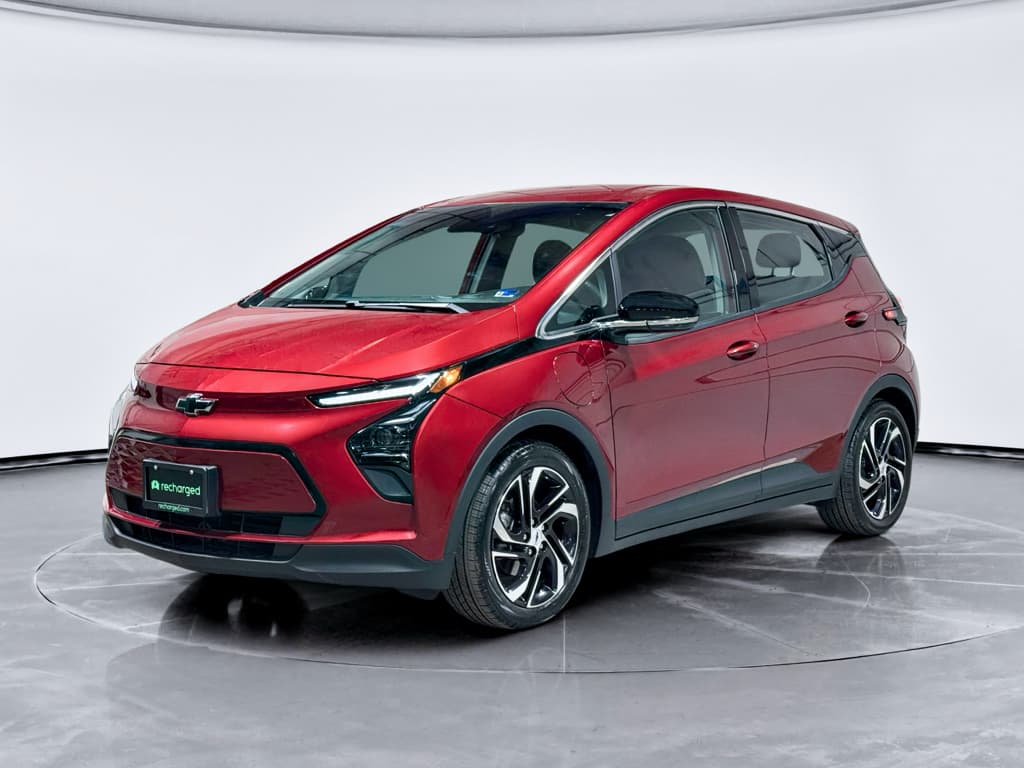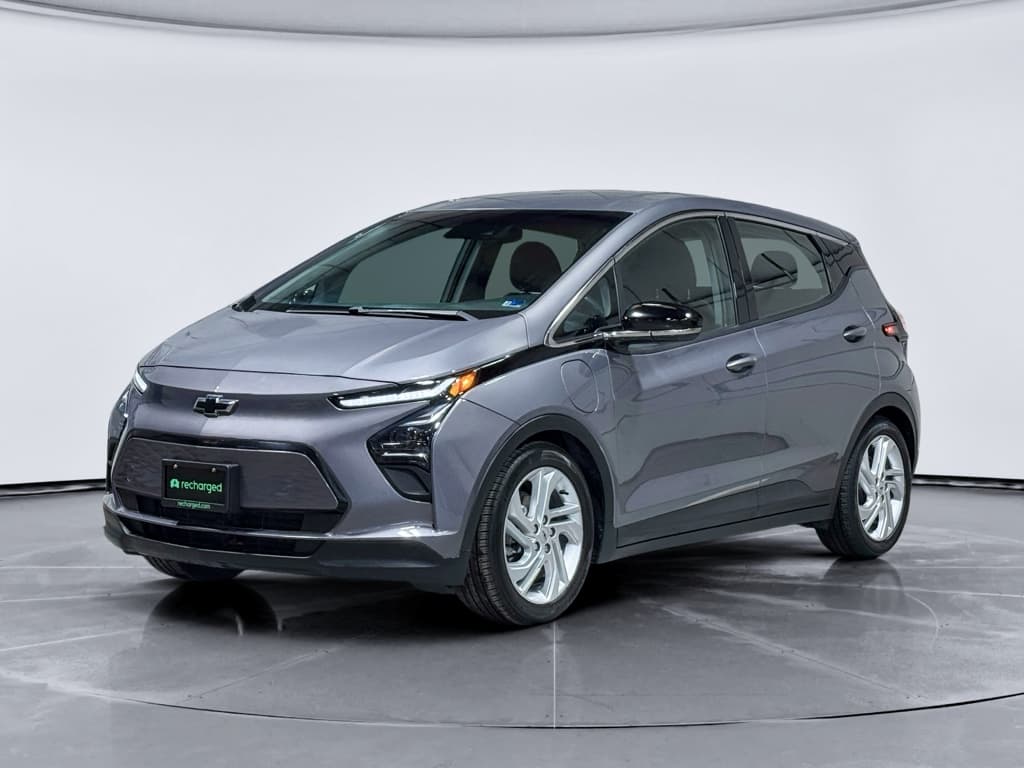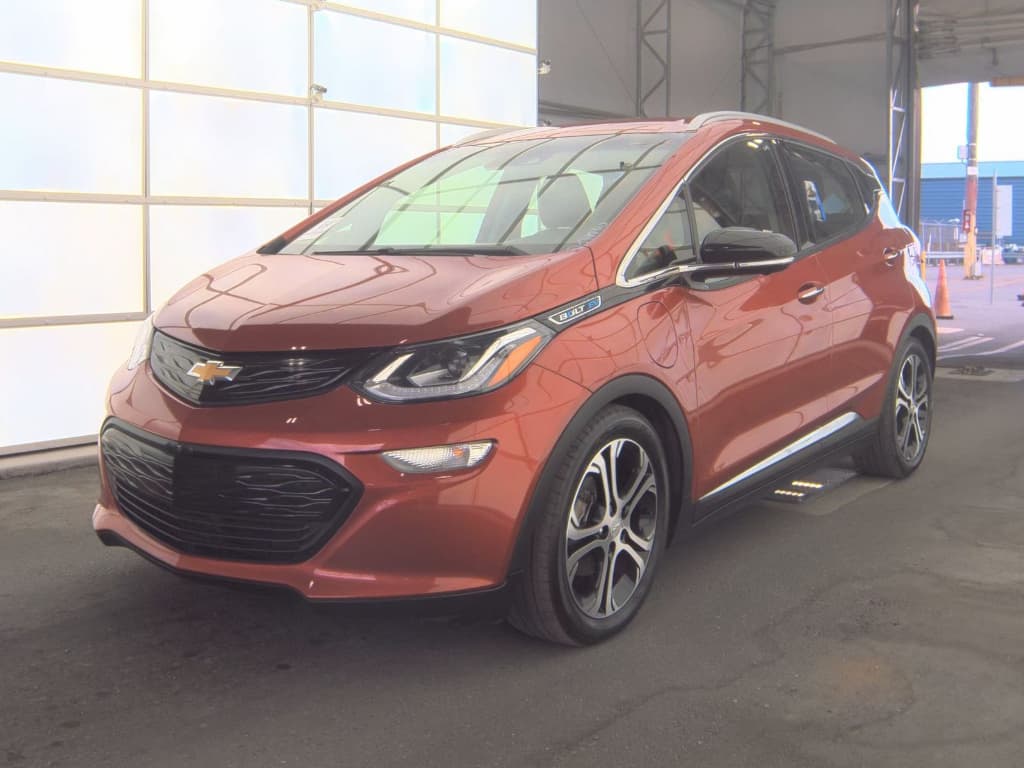
If you’re looking at a Chevrolet Bolt EV, you’re probably doing the math on monthly costs: payment, charging, and especially insurance. The short version: most U.S. drivers can expect **Chevrolet Bolt EV insurance costs per month** to land roughly in line with the national average for full‑coverage car insurance, sometimes slightly higher and sometimes slightly lower depending on your profile and state.
Key takeaway
What does Chevrolet Bolt EV insurance cost per month?
Start with the big picture. Recent national data pegs the **average full‑coverage car insurance premium in the U.S. in 2025–2026 at roughly $2,600–$2,700 per year**, or around **$215–$225 per month** for all vehicles combined. That average masks huge state‑to‑state swings, but it gives us a baseline.
Chevy Bolt EV insurance in context
Pulling together recent EV‑specific insurance studies and model‑by‑model comparisons, the **Chevrolet Bolt EV usually sits near the lower middle of the EV pack**. It’s cheaper to insure than many Teslas or luxury EVs, but in some markets it still carries a modest premium over an equivalent gas compact because of **battery repair costs and limited EV repair networks**.
Your number might be very different
How Chevrolet Bolt EV insurance compares to gas cars
EVs vs. gas vehicles overall
Across the U.S., multiple studies still find that **EV insurance premiums are modestly higher** than comparable gas vehicles on average, often in the range of 10–20% above similar gas models. That’s driven by:
- Higher average repair bills when batteries or high‑voltage components are involved
- Fewer shops fully tooled and trained to repair EVs
- Historically higher MSRP, especially for early EVs
Where the Bolt EV fits in
The **Chevrolet Bolt EV is a budget‑oriented compact hatchback**, so its insurance costs are typically far lower than a Tesla Model S or large luxury SUV. In model‑by‑model comparisons, the Bolt often lands **near or slightly below the overall EV average**, roughly similar to a compact crossover or small wagon from mainstream brands when you adjust for driver and location.
In other words, you shouldn’t expect a Chevy Bolt EV to be an outlier in either direction. If you’re moving from a similar‑size, similar‑value gas compact, it’s common to see your **monthly premium move by tens of dollars, not hundreds**, unless broader market forces in your state are driving big swings for everyone.
Reality check when comparing
Why Chevy Bolt EV insurance rates vary so much
There’s no single "Chevrolet Bolt EV insurance cost per month" that applies to everyone, because insurers price risk at a very granular level. For EVs like the Bolt, several factors matter more than most shoppers realize.
Major factors that shape your Bolt EV insurance premium
The car matters, but you matter more
Where you live and park
Driving history & mileage
Coverage limits & deductibles
Repair & battery risk
Age, credit, and household
Market‑wide rate changes
EVs are getting easier to insure
Sample monthly Chevrolet Bolt EV insurance costs
To make this more concrete, here’s a **hypothetical range of monthly premiums** for a 2022–2023 Chevrolet Bolt EV with full coverage. These aren’t quotes, just directional examples that line up with recent national averages and real‑world owner reports, but they’ll help you sanity‑check the numbers you’re seeing.
Illustrative Chevrolet Bolt EV insurance costs per month
Examples assume full coverage, 12,000 miles per year, and one driver on the policy. Real quotes will differ.
| Driver profile & location | Risk level | Estimated annual premium | Estimated monthly cost |
|---|---|---|---|
| 30‑year‑old, clean record, low‑cost state (e.g., Iowa, New Hampshire) | Lower | $1,000–$1,300 | $85–$110 |
| 40‑year‑old, clean record, average‑cost state (e.g., Ohio, Wisconsin) | Average | $1,500–$1,900 | $125–$160 |
| 35‑year‑old, one at‑fault accident, average‑cost state | Elevated | $1,900–$2,400 | $160–$200 |
| 30‑year‑old, clean record, high‑cost metro (e.g., South Florida, NYC area) | High | $2,800–$3,500+ | $235–$290+ |
| Household policy: Bolt EV plus another vehicle, multi‑car discount | Mixed | $2,200–$2,800 total policy | Effective $180–$235 for both cars |
Use this as a ballpark reference, not a guarantee of pricing.
Treat these as ranges, not promises
Does a used vs. new Chevrolet Bolt EV change insurance cost?
With the Bolt EV now discontinued as a new model (until GM’s next‑generation version arrives), most shoppers are looking at **used Chevrolet Bolt EVs**. That’s actually good news for insurance costs in many cases, because insurers care a lot about **what it would cost to repair or replace your car today**.
- A used Bolt EV with a market value around $15,000–$22,000 often carries **lower comprehensive and collision premiums** than a brand‑new $35,000+ EV, all else equal.
- If you finance your used Bolt, your lender will usually require full coverage; if you pay cash, you have the option to **dial back physical damage coverage** as the car ages, though that increases your risk.
- Total loss thresholds can come into play: when repair costs approach a large fraction of the car’s actual cash value, insurers may choose to **total a lower‑value used vehicle sooner** than a new one. That dynamic is part of why used EV premiums can sometimes look surprisingly reasonable.
Where Recharged fits in
Ready to find your next EV?
Browse VehiclesHow to lower your Chevrolet Bolt EV insurance cost per month
You can’t change the fact that an EV has a battery pack or that your state might be expensive, but you do have levers to pull. Here are some **practical, Bolt‑specific moves** to bring your monthly premium down without gutting coverage.
Action plan to reduce your Bolt EV insurance bill
1. Decide how much coverage you actually need
If you’re putting a loan on your Bolt EV, you’ll need full coverage. But you still choose the liability limits, deductibles, and optional coverages. Many owners opt for **higher deductibles ($500–$1,000)** to reduce monthly cost while keeping robust liability protection.
2. Leverage EV‑friendly and telematics discounts
Ask each insurer about **EV discounts, low‑mileage plans, and usage‑based programs** that track your driving. Because many Bolts are used mostly for commuting and local errands, low‑mileage and good‑driver telematics can be a major savings lever.
3. Bundle and multi‑car where it makes sense
If your household has multiple cars or a home or renters policy, bundle them. A Bolt EV combined with another vehicle under one carrier can often unlock **multi‑policy savings** that you won’t see on a standalone EV policy.
4. Shop around when you switch to a Bolt
When you replace a gas car with a Bolt EV, don’t just accept your current carrier’s renewal number. Different insurers think about EV risk differently, so it’s smart to **collect at least 3–4 quotes** when you make the switch.
5. Be realistic about optional extras
Roadside assistance, rental reimbursement, and glass coverage are useful, especially for a daily‑driven EV. But if your budget is tight, scale back on the **add‑ons that matter least** to you rather than slashing liability limits or dropping collision entirely.
6. Keep your risk profile clean
Over time, the biggest savings come from avoiding tickets and at‑fault crashes, avoiding lapses in coverage, and keeping claims to a minimum. A clean history helps insurers view **you and your Bolt** as a lower risk, regardless of drivetrain.
Pair the right car with the right financing
Insurance and the true cost of owning a Bolt EV
Insurance is just one line item in your Bolt EV budget. When you zoom out to total cost of ownership, the Bolt’s **fuel and maintenance advantages** can easily offset a modest insurance premium difference versus a gas car.
Where the Bolt EV can cost more
- Insurance that’s **10–20% higher** than a similar gas compact in some markets
- Higher repair costs if a crash damages the battery, high‑voltage wiring, or power electronics
- Potentially higher comprehensive premiums in areas worried about EV‑specific risks (for example, flooding and battery damage)
Where the Bolt EV usually saves you money
- Electricity cost per mile that’s **far lower than gasoline**, especially if you can charge off‑peak at home
- Less routine maintenance, no oil changes, fewer fluids, and reduced brake wear due to regen braking
- Competitive used‑EV pricing, which can mean **smaller loan balances and lower physical damage premiums**
At Recharged, we encourage shoppers to look at **the entire monthly picture**: payment, insurance, energy, and maintenance. When you’re evaluating a used Bolt EV, pairing its lower fueling and maintenance costs with a fair, right‑sized insurance policy is often what makes the numbers really work.
How Recharged can help
Chevrolet Bolt EV insurance FAQs
Common questions about Chevrolet Bolt EV insurance
The Chevrolet Bolt EV proves that going electric doesn’t have to mean signing up for sky‑high insurance. For many drivers, **Bolt EV insurance costs per month land right around the national average**, and in low‑cost states or with clean histories, they can be impressively low, especially on a reasonably priced used example. If you understand how insurers think about EV risk, shop coverage intentionally, and pair your Bolt with the right financing, you can enjoy the benefits of electric driving without letting your insurance bill eat the savings.