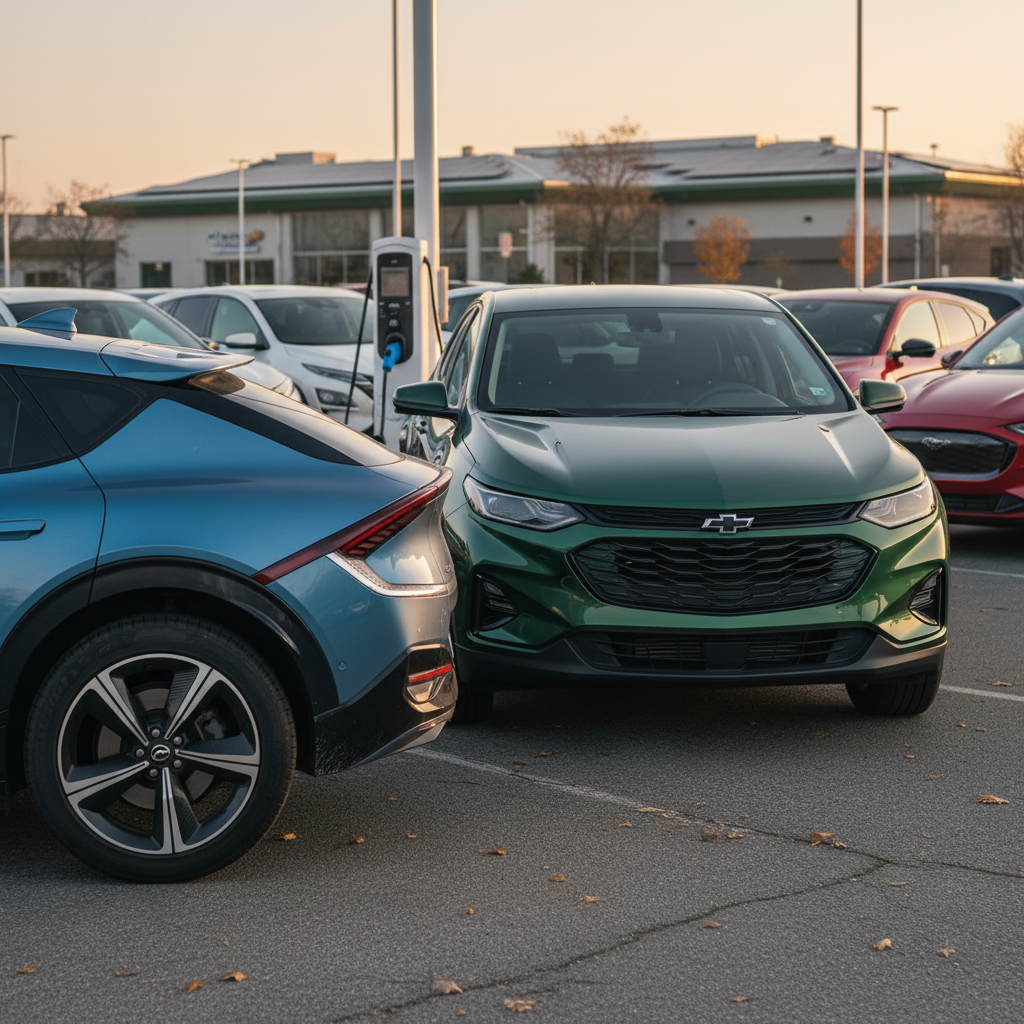
If you own a Chevrolet Bolt EV or Bolt EUV, your battery pack is the heart of the car, and the most expensive component to replace. The good news is that with thoughtful habits, you can maximize Bolt EV battery life, keep your real‑world range strong, and protect resale value, whether you plan to keep the car for three years or thirteen.
The short version
Why Chevrolet Bolt EV Battery Care Matters
Chevrolet designed the Bolt EV’s battery to last the life of the car, and the 8‑year/100,000‑mile (or higher, depending on model year and region) battery warranty is proof that GM expects it to hold up. Still, chemistry is chemistry. Every lithium‑ion pack slowly loses capacity over time, which means your usable range shrinks as the years and miles pile up.
What’s at Stake With Your Bolt EV Battery
Three reasons your habits today matter years down the road
Real‑world range
The healthier your battery, the more of that original EPA‑rated range you’ll keep. That makes winter commutes, road trips, and last‑minute detours less stressful.
Resale and trade‑in value
Used EV shoppers care about battery health. A well‑cared‑for Bolt with verified good capacity is worth more and easier to sell or trade.
Long‑term peace of mind
Good charging and driving habits reduce stress on the pack and its thermal management system, which helps the car age more gracefully.
You don’t need to baby your Bolt or obsess over every percentage point. But if you build a few simple routines into your day, how high you charge, how low you run it, and how often you fast‑charge, you can significantly slow degradation over 8–10 years of ownership.
Bolt EV Battery Basics: What You’re Working With
Before you can maximize battery life, it helps to know what’s under the floor. Every Chevrolet Bolt EV and Bolt EUV uses a large lithium‑ion battery pack with liquid cooling and a fairly conservative usable capacity window to help protect the cells.
Chevy Bolt EV & Bolt EUV Battery Overview
Approximate capacities and range ratings by generation (U.S. EPA figures).
| Model | Approx. usable battery | EPA range (new) | Onboard AC charger |
|---|---|---|---|
| 2017–2019 Bolt EV | ~60 kWh | 238 miles | 7.2 kW |
| 2020–2021 Bolt EV | ~66 kWh | 259 miles | 7.2 kW |
| 2022–2023 Bolt EV | ~65 kWh | 259 miles | 11.5 kW |
| 2022–2023 Bolt EUV | ~65 kWh | 247 miles | 11.5 kW |
Exact figures vary slightly by model year and trim, but the big picture is the same: a relatively large pack with solid range if you keep it healthy.
Built‑in buffer = hidden protection
Smart Charging Habits to Maximize Battery Life
If you remember nothing else from this guide, remember this: most of your battery wear happens while the car is sitting, not while it’s driving. That’s why your routine charging habits matter so much. The Bolt EV gives you just enough control to keep the pack in its happy place without turning your life into a science project.
Everyday Charging Habits That Help Your Bolt EV Battery
1. Set a daily charge limit around 70–80%
For daily commuting, avoid leaving the car at 100% for hours. Use the Bolt’s charge level settings or your EVSE’s app to stop around 70–80%. That dramatically reduces long‑term stress on the pack.
2. Save 100% charges for trips
When you need maximum range, it’s fine to charge to 100%, just time it so the car reaches full not long before you hit the road. Try not to leave it at 100% overnight or all weekend.
3. Don’t fear 30–40%, that’s still healthy
Lithium‑ion batteries don’t mind living in the middle. Seeing 40% on the gauge isn’t an emergency. Regularly running to the low single digits, then letting the car sit, is what you want to avoid.
4. Use Level 2 charging when possible
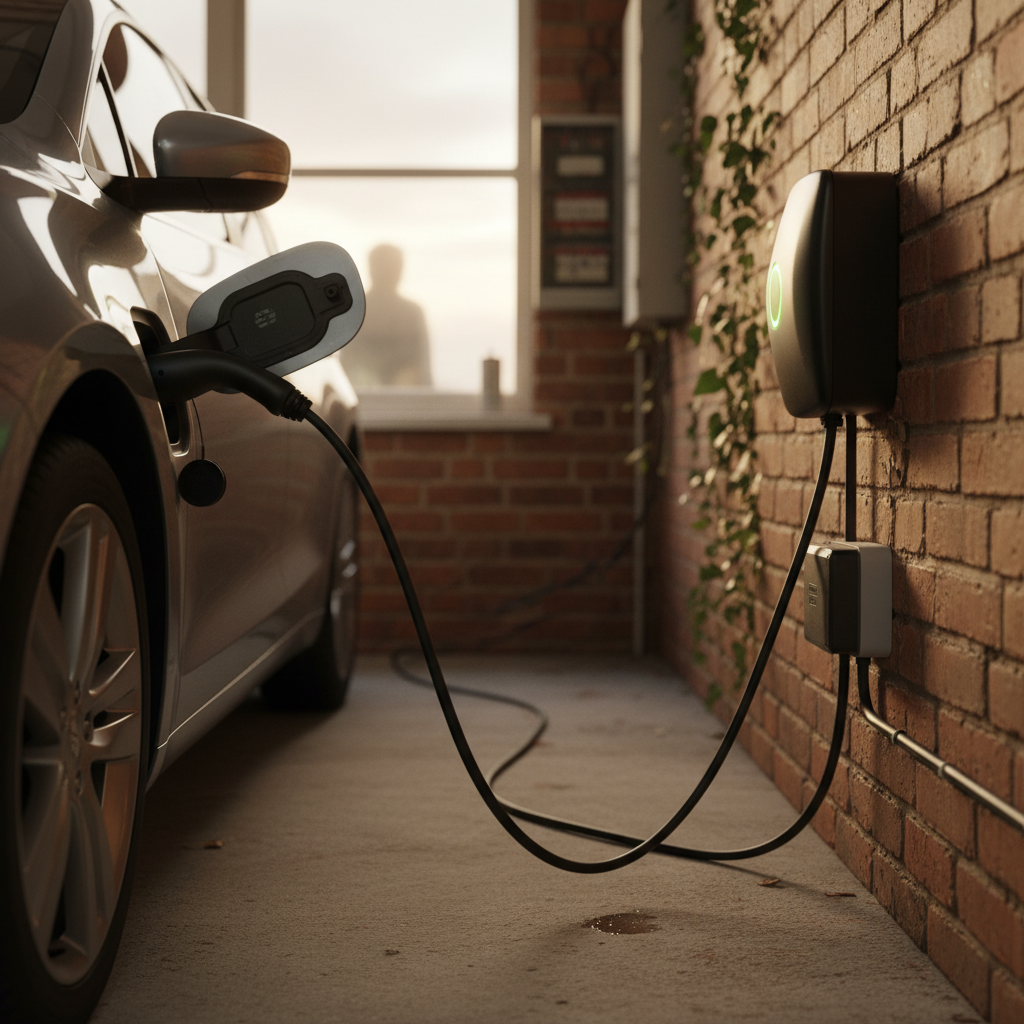
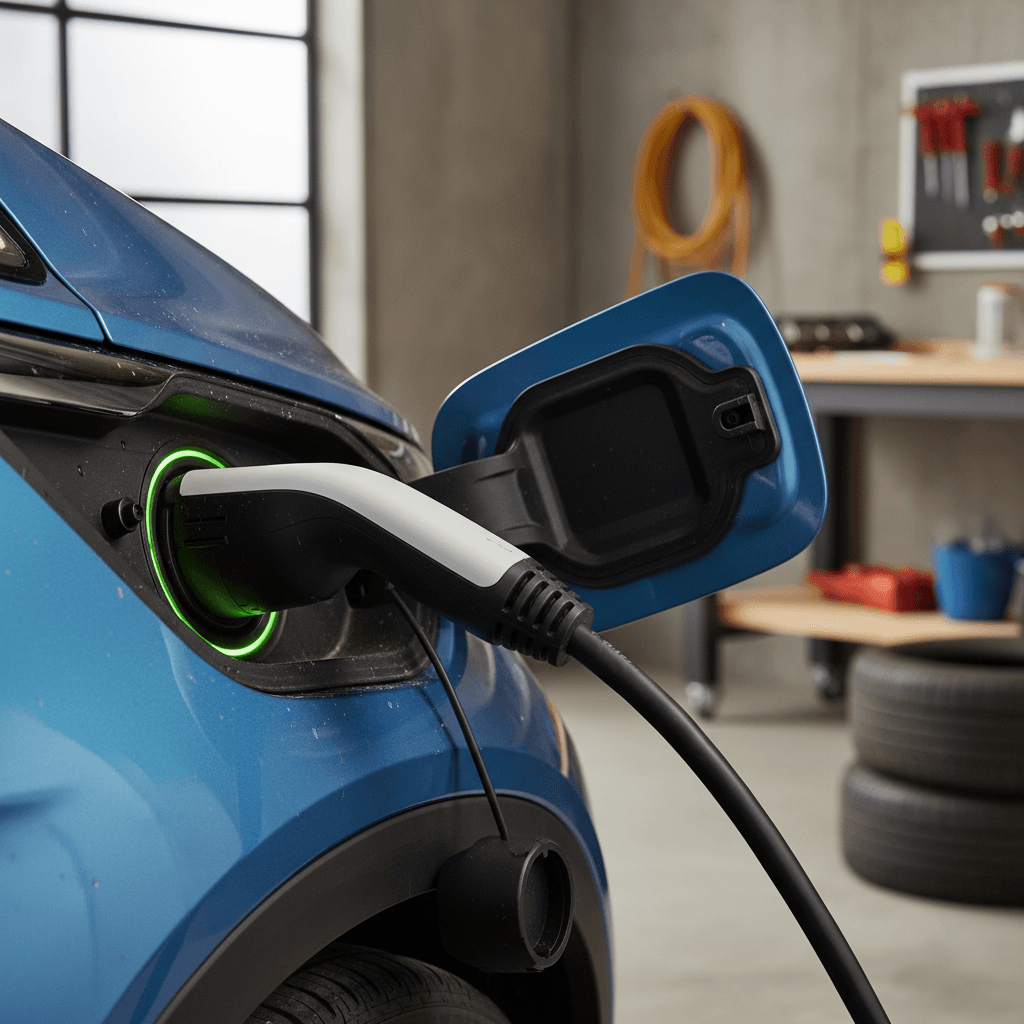
Level 2 (240‑volt) charging at home or work is a sweet spot for the Bolt EV, fast enough to be practical, gentle enough for the battery. Level 1 is fine too; it’s just slower.
5. Keep scheduled charging turned on
Take advantage of scheduled charging to finish charging right before your morning departure instead of topping up to your limit as soon as you plug in. That shortens the time the pack spends at higher states of charge.
6. Avoid cheap, unvetted portable chargers
Your Bolt EV manages its own charging, but a poorly built EVSE can introduce voltage and heat issues. Stick with reputable Level 2 chargers and have hard‑wired units installed by a licensed electrician.
Don’t live at 100%
Daily Driving Habits That Protect Your Battery
The Bolt EV’s thermal management does the heavy lifting while you’re driving, but your right foot still has a say in how hot the pack gets and how many charge cycles you burn through. You don’t need to baby it, but a little moderation goes a long way.
Smoother acceleration and braking
High current flow in or out of the pack generates heat and contributes slightly more wear. Hammering the accelerator, then jumping on the friction brakes, is hard on range and doesn’t help the battery.
- Use one‑pedal driving and Regen on Demand whenever it’s safe.
- Look ahead and lift early instead of braking late.
- Enjoy the instant torque, just don’t turn every red light into a drag race.
Reasonable cruising speeds
At highway speeds, range loss is mostly about aerodynamics, not battery wear, but it all adds up. Driving 80+ mph also keeps the pack working harder for longer.
- Set cruise control a few mph lower when you can.
- Aim for the right lane on long slogs.
- Use Eco mode if it helps you keep a lighter foot.
Good for the battery, good for your wallet
Fast-Charging Your Bolt EV Without Killing Range
DC fast charging is one of the Bolt EV’s superpowers on road trips, but it’s also when the battery sees the highest charging currents and the most heat. Occasional fast charging is perfectly fine; living on DC fast charging alone is harder on the pack over many years.
Best Practices for DC Fast Charging Your Bolt
How to enjoy quick charging without beating up the pack
Use fast charging as a tool, not a lifestyle
For daily life, home or workplace Level 2 is ideal. Save DC fast charging for road trips, out‑of‑town errands, or those days when life gets in the way and you need a quick splash of energy.
Stay in the middle of the battery gauge
Your Bolt charges fastest from roughly 10–60%. On trips, it’s usually better for battery health (and your schedule) to charge from about 15% to 65–70%, then hit the road again, rather than sitting on the charger to nurse it from 80% to 100%.
Watch heat in summer
If it’s blazing hot and you’re stacking back‑to‑back DC fast‑charge sessions, the battery and its cooling system are working hard. When you can, give the car a few minutes to cool between sessions, or ease off your next charge at a slightly lower state of charge.
Avoid living on DC fast charging
Weather, Storage, and Long Parked Periods
Temperature is the silent partner in battery life. The Bolt’s liquid‑cooled pack helps, but where and how you park makes a difference, especially if you live where summers are hot or winters are brutal.
How Non‑Driving Time Adds Up for Battery Health
- Park in the shade or indoors whenever you can, especially in summer. A garage or carport can significantly reduce cabin and battery temperatures.
- In freezing weather, precondition while plugged in so the car uses grid power to warm the battery and cabin, not stored energy.
- For trips where your Bolt will sit for weeks, store it around 40–60% state of charge in a cool place if possible, and avoid leaving it at 0–5% or 100%.
- If you can’t avoid parking in the sun, consider using cabin preconditioning before driving off so the HVAC doesn’t have to work as hard at the start of every trip.
Going on vacation? Set and forget wisely
Battery Health Myths vs Reality for the Bolt EV
EV forums are full of passionate advice, half‑truths, and the occasional myth. Let’s clear up a few common misunderstandings so you can focus on what actually matters for a Chevy Bolt EV or EUV.
Common Bolt EV Battery Myths, Debunked
What owners worry about, and what’s worth ignoring
“I must never charge past 80%.”
Reality: Your Bolt EV won’t self‑destruct at 81%. The car already hides a buffer at the top and bottom of the gauge. The key is avoiding long periods at 100%, especially in hot weather. Occasional full charges are normal and expected.
“Regenerative braking wears out the battery.”
Reality: Regen is your friend. It converts momentum back into energy that would otherwise disappear as heat in the friction brakes. The currents involved are modest compared with DC fast charging, and the Bolt is designed for it.
“I should fully drain and fully charge to recalibrate.”
Reality: Old nickel‑cadmium habits die hard. Lithium‑ion cells do not need full discharge cycles for “memory.” In fact, deep discharges are harder on the pack. If your gauge seems off, an occasional deeper cycle won’t kill it, but don’t make a habit of it.
“Letting it sit at 0% is fine because there’s a buffer.”
Reality: That hidden buffer is a safety net, not a lifestyle. If you hit 0%, plug in as soon as you reasonably can. Leaving the car parked at or near empty for days is one of the most stressful things you can do to the battery.
Checking Battery Health on a Used Bolt EV
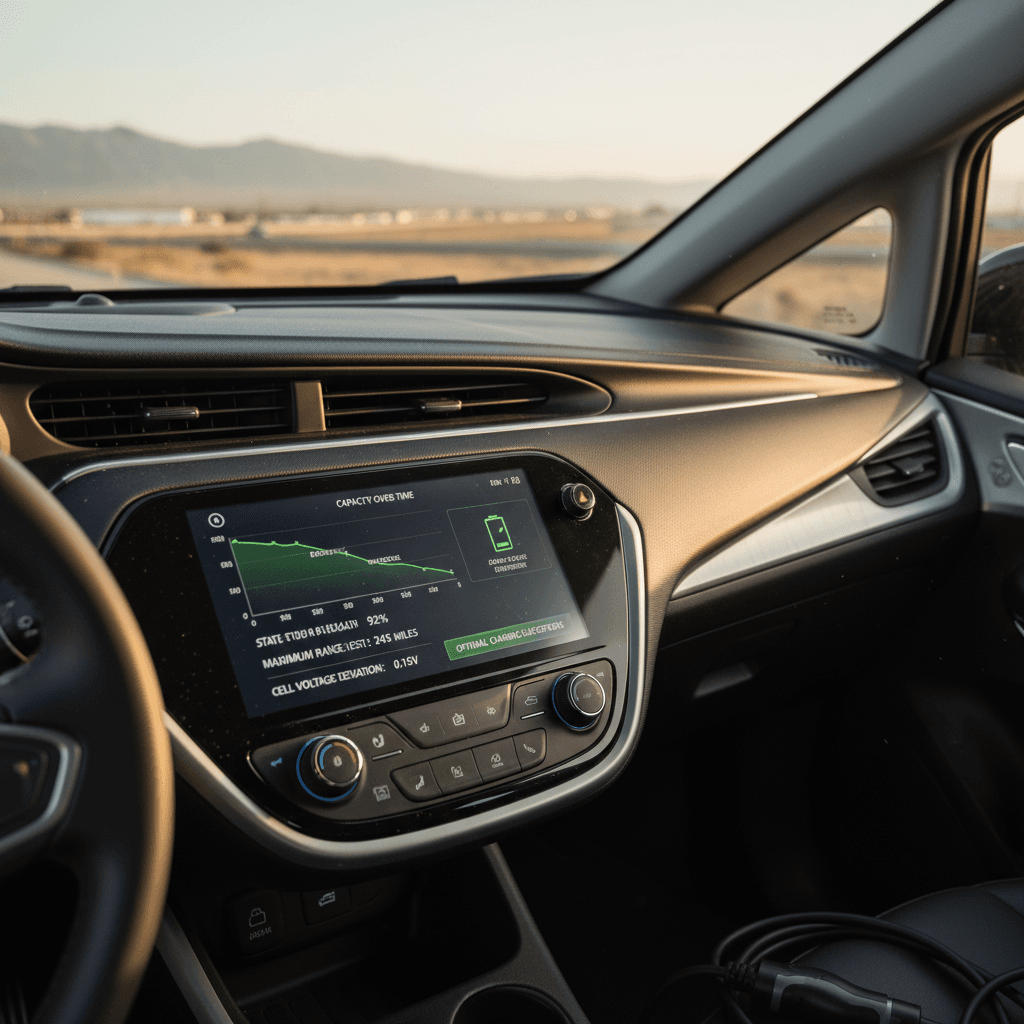
If you’re shopping for a used Chevrolet Bolt EV or EUV, battery health is the difference between a fantastic deal and a frustrating experience. The dash only shows you state of charge, not how much total capacity the pack still has compared with new.
What you can do yourself
- Compare indicated range to EPA ratings. On a full charge in mild weather, a healthy Bolt should display numbers in the ballpark of its original rating. Big discrepancies may simply be driving style, but they’re a reason to ask questions.
- Look at charging history. Ask the seller how they typically charged, home Level 2, lots of DC fast charging, always to 100%? You’re listening for reasonable, consistent habits.
- Drive it. On a test drive, note energy use (kWh/mi) and whether the car behaves normally under acceleration and regen.
Why professional diagnostics matter
A proper scan can see far more than the dash. At Recharged, every used EV we sell includes a Recharged Score battery health report that uses advanced diagnostics to verify pack condition and estimate remaining usable capacity. You don’t have to guess how the last owner treated the car, we show you.
If you’re buying a Bolt privately, consider paying for a pre‑purchase inspection with someone who understands EVs and can access detailed battery data.
A healthier battery is worth real money
Ready to find your next EV?
Browse VehiclesMaintenance Checklist for a Healthy Bolt Battery
You don’t “maintain” a Bolt EV battery the way you maintain an engine, there are no oil changes or spark plugs. But you can build a simple routine around the car that keeps the pack, charger, and cooling system happy year after year.
Bolt EV Battery Care Checklist
1. Review your charge limit once a season
As your commute or climate changes, revisit your daily charge setting. If your 50‑mile round‑trip commute just became 10, you can likely lower that upper limit and give the battery an easier life.
2. Glance at energy usage monthly
Open the Energy or History screens and see how many kWh per mile you’re using. Sudden changes without a clear reason (like weather) might warrant a closer look at tires, brakes, or software updates.
3. Keep software up to date
GM occasionally refines battery management and charging behavior through software updates. Make sure recall work and updates are performed so the car is operating with the latest calibrations.
4. Protect the cooling system
Your Bolt’s battery relies on liquid cooling. Follow GM’s recommended service intervals for coolant checks and any related inspections so the system can do its job in extreme heat and cold.
5. Inspect your charging setup
Once or twice a year, look over your home EVSE, outlet, and cord. Check for discoloration, loose connections, or damage. If something looks off, call an electrician or EV‑savvy technician.
6. Document your habits for resale
If you know you’ll sell or trade the car eventually, keep a simple log or screenshots of your typical charging routine. Pair that with a verified battery health report, like the Recharged Score, and you’ll have a strong story for the next owner.
Chevy Bolt EV Battery Life FAQ
Frequently Asked Questions About Bolt EV Battery Life
Bringing It All Together
Maximizing Chevrolet Bolt EV battery life is less about perfection and more about patterns. Charge in the comfortable middle of the gauge most of the time, keep the car out of temperature extremes when you can, don’t live on DC fast charging, and let the Bolt’s thermal management do the rest. Those habits will pay you back in preserved range, smoother road trips, and stronger resale value.
If you’re shopping for a used Bolt EV or Bolt EUV, don’t settle for guesswork. Look for honest charging histories and independent battery health data. At Recharged, every EV comes with a Recharged Score and detailed battery report, so you can shop by the numbers instead of crossing your fingers. Take care of the pack, or buy one that’s clearly been cared for, and your Bolt will keep feeling "like new" long after the new‑car smell fades.