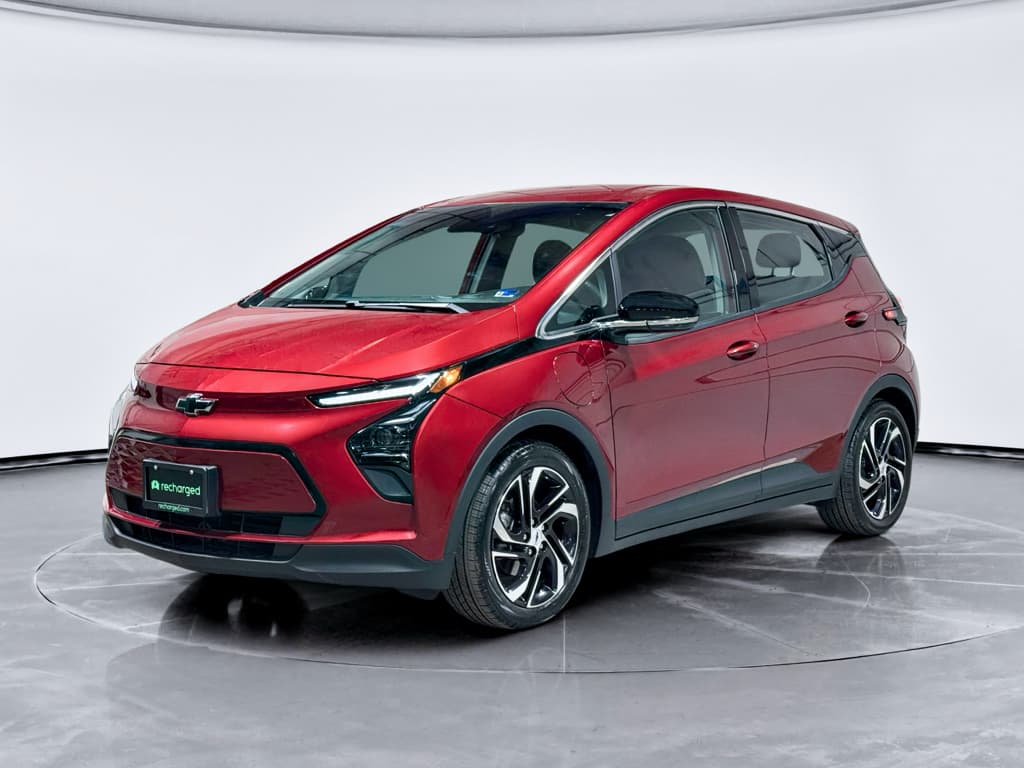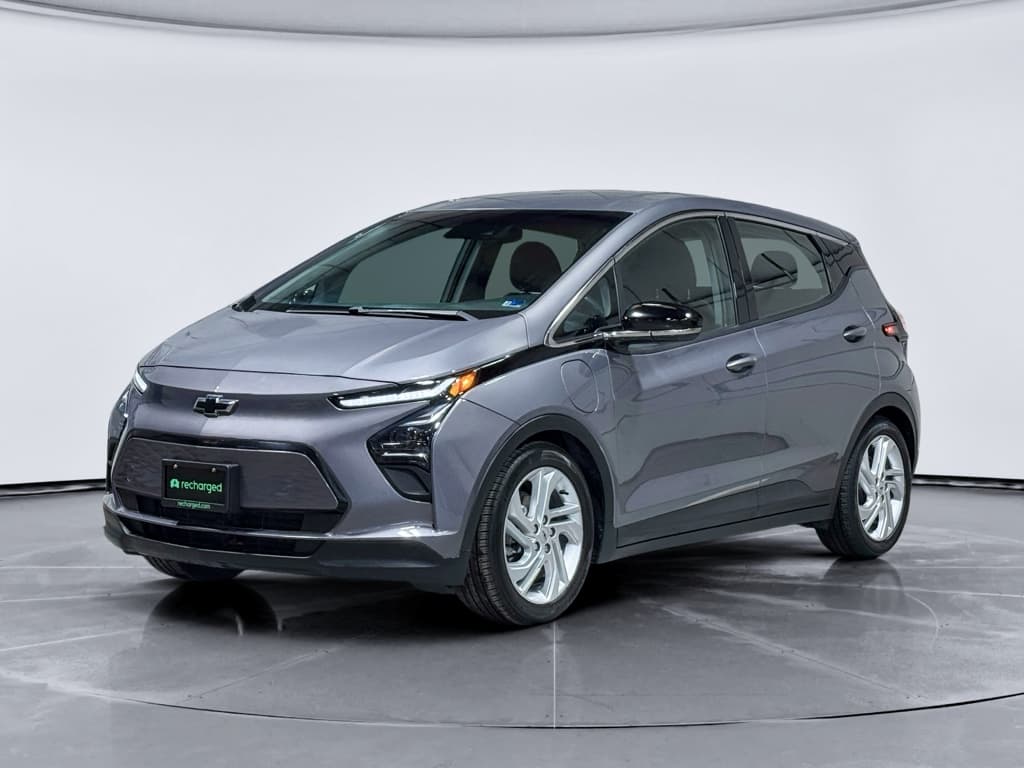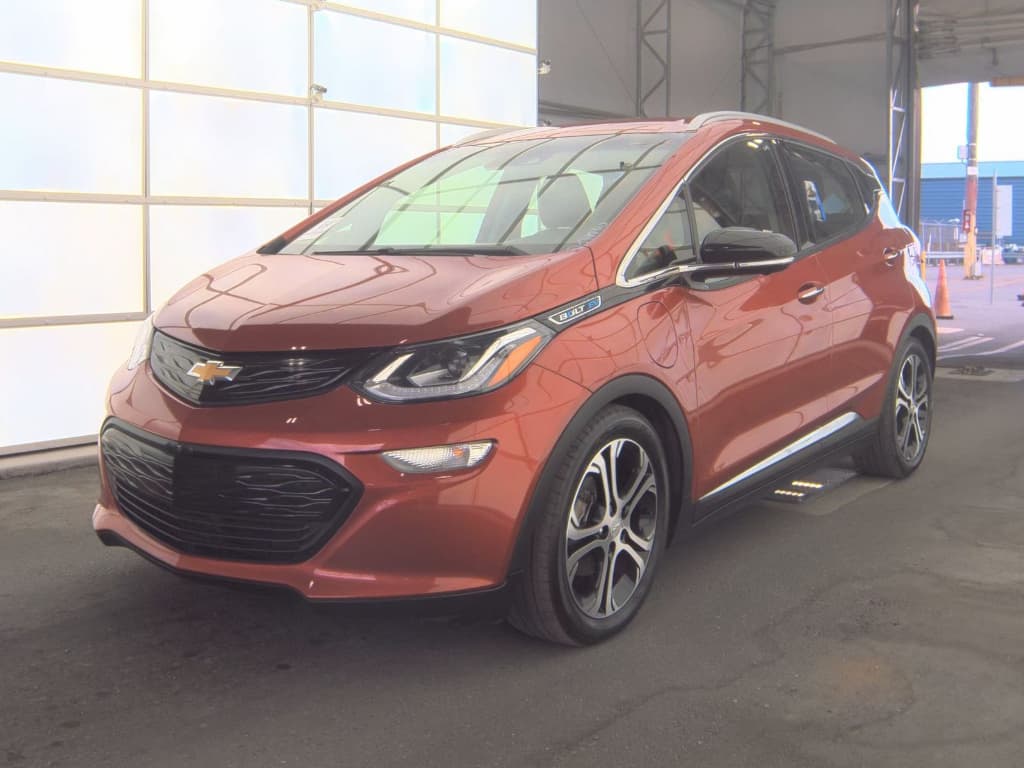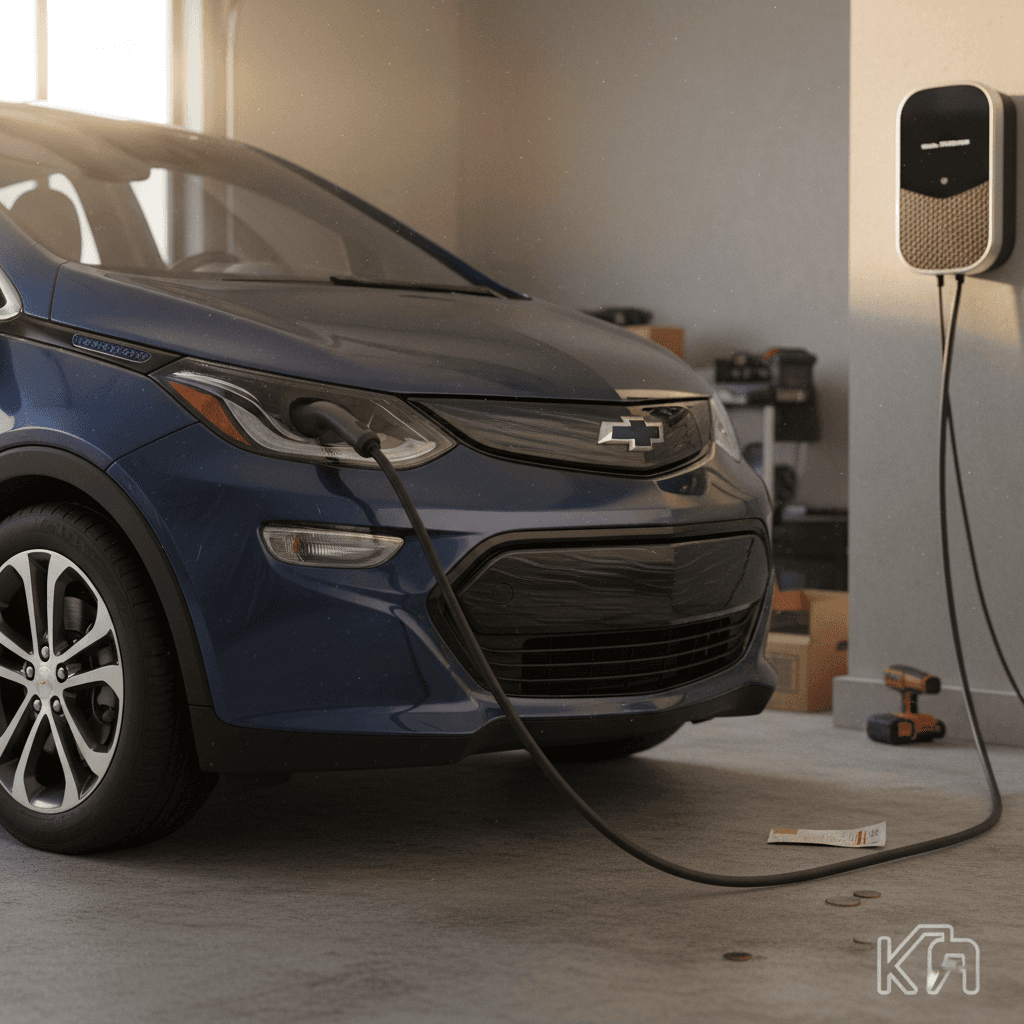
If you’re eyeing a Chevrolet Bolt EV or EUV, you’re probably trying to pin down one simple number: charging cost per mile. That single metric tells you how cheap (or not) your daily driving will be compared with gas. The good news is that for most U.S. drivers, the Chevrolet Bolt EV charging cost per mile is just a few cents, often less than a third of what a comparable gas car costs to fuel.
Key takeaway upfront
How much does a Chevrolet Bolt EV cost per mile to charge?
Let’s start with a simple, big-picture answer before we get into the math. For a typical U.S. electric rate of around $0.13 per kWh and normal driving efficiency, a Chevrolet Bolt EV or EUV will usually cost about 3–5 cents of electricity per mile when you charge at home. At higher utility rates (around $0.20 per kWh), that jumps into the 5–8 cents per mile range.
Chevy Bolt EV charging cost per mile: quick stats
Those are ballpark ranges. Your exact cost per mile depends on three main factors: electricity price (¢/kWh), your Bolt’s efficiency (miles per kWh), and how much you rely on expensive DC fast charging vs cheaper home charging.
Bolt EV battery size and efficiency basics
To understand cost per mile, you need two core specs: battery capacity and efficiency.
Chevrolet Bolt EV vs Bolt EUV: key efficiency specs
Approximate factory specs that impact charging cost per mile.
| Model | Battery capacity (kWh usable) | EPA range (miles) | Approx. miles/kWh |
|---|---|---|---|
| Bolt EV (2017–2019) | ~60 | 238 | ~4.0 |
| Bolt EV (2020–2023) | ~65 | 259 | ~4.0 |
| Bolt EUV (2022–2023) | ~65 | 247 | ~3.8 |
Real-world efficiency varies with speed, temperature, and driving style, but these figures are a solid planning baseline.
In everyday driving, many owners report seeing 3.5–4.2 miles per kWh, depending on highway speed, climate, and how aggressively they drive. The more miles you squeeze out of each kWh, the lower your cost per mile.
Quick rule of thumb
Chevy Bolt charging cost per mile: real-world examples
Let’s run through some concrete examples using common U.S. electricity prices. We’ll assume you’re averaging 4 miles per kWh, which is realistic for many Bolt drivers who mix city and highway driving.
Home charging cost per mile: sample scenarios
Use your own rate and efficiency numbers to plug into the same math.
Low-cost electricity
10¢/kWh, 4 mi/kWh
- Cost per mile = 10 ÷ 4 = 2.5¢/mi
- 1,000 miles/month ≈ $25
Typical U.S. rate
13¢/kWh, 4 mi/kWh
- Cost per mile = 13 ÷ 4 ≈ 3.25¢/mi
- 1,000 miles/month ≈ $32–35
High-rate area
20¢/kWh, 4 mi/kWh
- Cost per mile = 20 ÷ 4 = 5¢/mi
- 1,000 miles/month ≈ $50
If you’re a heavy highway driver averaging closer to 3.5 mi/kWh, your cost per mile goes up slightly. For example, at 20¢/kWh and 3.5 mi/kWh, you’re looking at about 5.7¢/mi instead of 5¢/mi.
Don’t forget charging losses
Chevy Bolt EV vs gas car: cost per mile comparison
Where the Bolt really shines is when you stack its electricity cost per mile against a comparable gas hatchback or small crossover.
Chevy Bolt EV (home charging)
- Electricity rate: 13¢/kWh
- Efficiency: 4 mi/kWh
- Cost per mile: ~3.25¢/mi
- 1,000 miles/month: about $32–35
Comparable gas compact
- Fuel efficiency: 30 mpg
- Gas price: $3.50/gal (example)
- Cost per mile: $3.50 ÷ 30 ≈ 11.7¢/mi
- 1,000 miles/month: about $117
Even if you live in a higher-cost electricity market and average around 6–8¢ per mile, you’re usually still ahead of a similar gas car, especially as gas prices fluctuate. Over 12,000 miles a year, those pennies add up to hundreds of dollars in savings.
Home charging vs public fast charging costs
Most Bolt owners do the bulk of their charging at home, but public stations and DC fast chargers come into play on road trips or if you can’t install home charging. Those costs can change your per‑mile math.
Typical Chevy Bolt cost per mile by charging context
Approximate per‑mile cost ranges based on common pricing in 2024–2025.
| Charging situation | Assumed energy price | Efficiency assumption | Approx. cost per mile |
|---|---|---|---|
| All home, value plan | ~10¢/kWh | 4 mi/kWh | ~2.5¢/mi |
| All home, typical | ~13¢/kWh | 4 mi/kWh | ~3–3.5¢/mi |
| All home, high | ~20¢/kWh | 4 mi/kWh | ~5¢/mi |
| Mix of home + Level 2 public | 15–30¢/kWh | 3.5–4 mi/kWh | ~5–9¢/mi |
| Heavy DC fast charging | 30–50+¢/kWh | 3–3.5 mi/kWh | ~8–16+¢/mi |
Exact pricing varies by network and region, but this table shows how your mix of home vs public charging reshapes overall cost per mile.
Why relying only on fast charging gets expensive
How to estimate your own Bolt EV charging cost per mile
You don’t need a spreadsheet to figure out your own number. With two bits of information, your electricity price and your average efficiency, you can get a solid estimate in a few minutes.
Step-by-step: calculate your Chevy Bolt cost per mile
1. Find your electricity rate
Look at your utility bill for your all‑in price per kWh, including taxes and fees. If you have time‑of‑use plans, note the off‑peak rate you’ll use for overnight charging.
2. Check your Bolt’s efficiency
On your Bolt’s dashboard or trip computer, look for your long‑term average in <strong>mi/kWh</strong>. If you’re new to the car, assume 3.5–4.0 mi/kWh as a starting point.
3. Adjust for charging losses
Multiply your kWh price by about <strong>1.1–1.15</strong> to account for charging losses. For example, 15¢/kWh × 1.1 ≈ 16.5¢ effective cost.
4. Do the simple division
Take your effective cents per kWh and divide by your mi/kWh. Example: 16.5¢ ÷ 3.8 mi/kWh ≈ <strong>4.3¢ per mile</strong>.
5. Estimate monthly and annual cost
Multiply your per‑mile cost by your monthly miles (e.g., 1,000–1,200). Then extrapolate to 12 months to see your annual fueling cost vs a gas car.
6. Factor in public charging
If you regularly use paid public Level 2 or DC fast charging, estimate what fraction of your miles use those, and blend that cost into your overall average.
Use your car as the meter
Tips to lower your Bolt EV charging cost
Once you understand your baseline cost per mile, there are several levers you can pull to keep it as low as possible, especially if you’re charging a used Bolt EV you picked up for value‑focused commuting.
Six practical ways to cut your Chevy Bolt charging cost per mile
Most of these are simple behavior changes or billing tweaks, not big hardware projects.
Charge off‑peak when possible
Many utilities offer cheaper night and weekend rates. Schedule your Bolt to charge during those windows so every kWh costs less.
Dial back highway speeds
Going 75–80 mph can knock your efficiency from ~4 mi/kWh closer to 3–3.3. Staying nearer to 65–70 mph noticeably lowers cost per mile.
Use preconditioning
In cold weather, preheat the cabin while you’re still plugged in. That way, the grid, not your battery, pays for the initial energy spike.
Prioritize home Level 2 charging
If you can, install or use a Level 2 home charger. It’s usually cheaper, more convenient, and more efficient than public Level 2 or DC fast charging.
Avoid unnecessary fast charging
Use DC fast charging mainly for road trips and occasional top‑ups. For daily use, it’s usually more expensive and harder on the battery.
Keep tires properly inflated
Low tire pressure drags down efficiency. Checking pressures monthly helps you maintain your rated mi/kWh and keeps cost per mile from creeping up.
Where Recharged fits in
Ready to find your next EV?
Browse VehiclesUsed Bolt EV ownership: battery health and cost per mile
On a used Chevrolet Bolt EV or Bolt EUV, battery health and previous charging habits matter. A pack that’s been fast‑charged heavily or frequently run to 0% can show a bit more degradation, which slightly reduces range. That doesn’t radically change cost per mile in the short term, but over years it can mean more frequent charging and a bit less efficiency.
- A degraded battery may still cost roughly the same per kWh to charge, but each kWh delivers fewer miles.
- You might find yourself charging more often to cover the same commute, nudging your effective cost per mile higher.
- If DC fast charging was overused previously, you’ll want to treat the pack gently going forward to preserve what range you have.
That’s why transparent battery health diagnostics matter in the used EV market. At Recharged, every vehicle gets a Recharged Score battery health report, so you can see how the pack has aged and make more accurate assumptions about long‑term efficiency and operating costs. Expert EV specialists can also walk you through what those numbers mean before you buy, whether you’re purchasing entirely online or visiting the Recharged Experience Center in Richmond, VA.
FAQ: Chevrolet Bolt EV charging cost per mile
Frequently asked questions
Bottom line: what you’ll really pay per mile
When you boil it down, a Chevrolet Bolt EV or EUV is one of the most cost‑effective ways to drive in the U.S. today. For most owners, home charging lands in the 3–6¢ per‑mile range, with road‑trip fast charging stretching that into the high single digits or low teens. Even in higher electricity‑cost areas, you’re usually spending less per mile than you would in a comparable gas compact.
If you’re shopping for a used Bolt EV, understanding charging cost per mile is just one piece of the total‑cost‑of‑ownership puzzle, alongside battery health, financing, and resale value. Recharged is built to make that puzzle easier: from the Recharged Score battery report to expert EV‑only support, trade‑in options, and a fully digital buying experience, you can see both what you’ll pay today and what you’re likely to spend per mile for years to come.