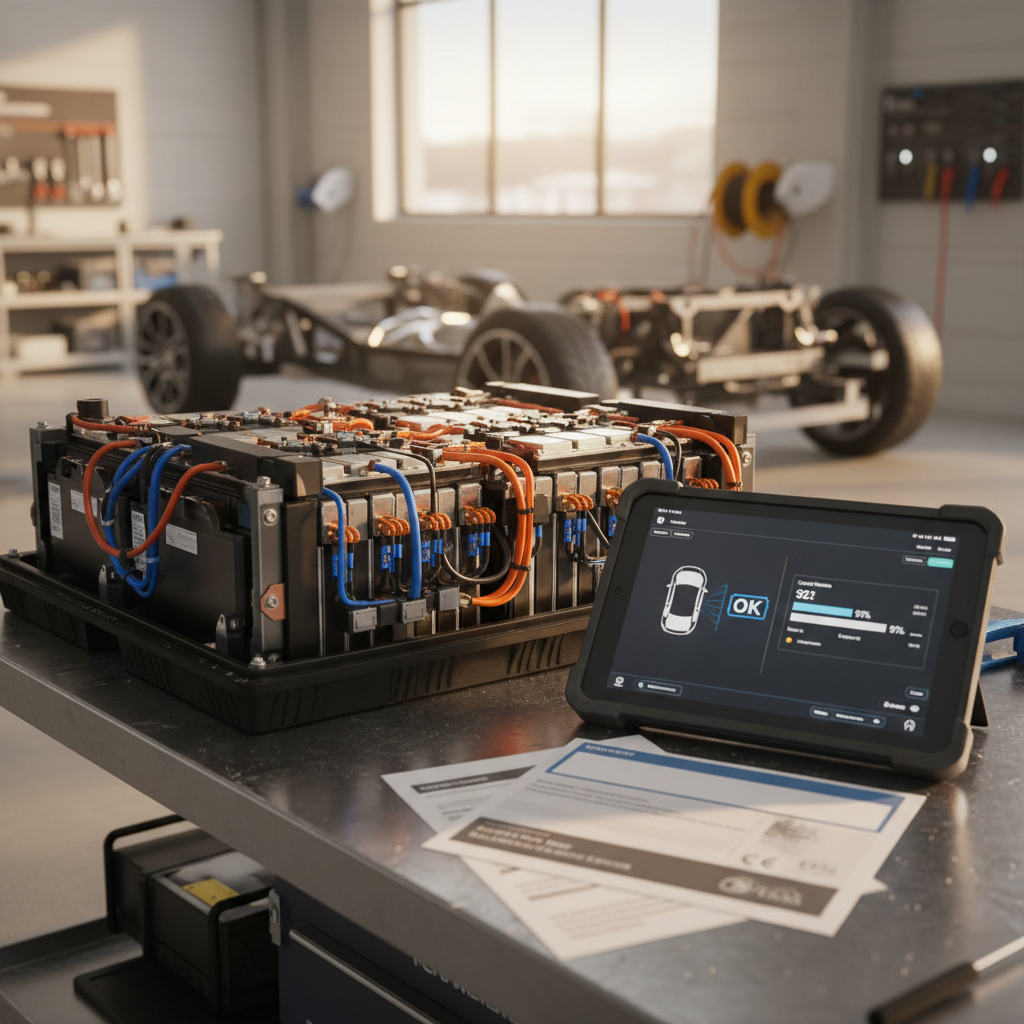
You bought a Chevrolet Bolt EUV because it’s efficient, practical and relatively affordable for an electric SUV. Then the insurance quote landed in your inbox and suddenly the math didn’t look so friendly. The good news: with the right strategy, you can get the cheapest realistic insurance on a Bolt EUV without stripping away protections you actually need.
Quick take
Why Chevrolet Bolt EUV insurance feels expensive
At first glance the Bolt EUV should be cheap to insure. It’s a small crossover with modest power, strong crash performance and lots of standard safety tech. Yet many owners report sticker shock when they switch from an older gasoline car. That disconnect comes from how insurers price modern EVs, not from anything uniquely dangerous about the Bolt EUV itself.
- Higher purchase price and complex components mean a bigger potential payout if the car is totaled.
- The high-voltage battery and underfloor structure can be very expensive to repair or replace after even moderate impacts.
- EV-qualified body shops and parts are still limited in many regions, which stretches repair times and rental-car bills.
- Insurers are still building data on long‑term EV risk, so some price in a “uncertainty premium” for now.
Why comparison shopping matters more with EVs
How much does Chevrolet Bolt EUV insurance usually cost?
Exact pricing depends on your state, driving history, credit tier, mileage, coverage limits and more, but recent market data and real‑world owner reports give us a useful range.
Chevrolet Bolt EUV insurance at a glance (2025)
How to benchmark your quote
What actually drives Bolt EUV insurance premiums
How insurers “see” your Bolt EUV
Understanding their model lets you game it, legally.
The car itself
Insurers look at trim, MSRP, body style and loss history.
- Higher trims (Premier) cost more to fix.
- EV-specific parts and headlight assemblies are pricey.
- Battery and underfloor damage often mean a total loss.
You and your habits
Your age, driving record, credit tier (in most states), and how/where you drive outweigh the car itself.
- Clean record and long history = lower base rate.
- High annual mileage or dense urban driving raises risk.
Where you live & park
ZIP code influences crash rates, theft, weather and medical costs.
- Dense coastal metros and parts of Florida, New York and California often see much higher EV premiums.
- Off‑street or garage parking usually earns a discount.
EV-specific risk factors
- Battery replacement costs can run well into five figures, so even relatively small impacts near the pack sometimes push a vehicle into total‑loss territory.
- Repairs often require specialized shops and tooling, which keeps the car in the bay longer and extends rental‑car bills.
- Some early Bolt and Bolt EUV battery fire recalls made underwriters cautious, even though updated packs and software mitigated the problem.
Bolt EUV strengths that can lower risk
- Strong crash performance and a rigid battery tunnel help in real‑world impacts.
- Standard active safety features like lane‑keeping and automatic emergency braking can reduce claim frequency.
- Modest power output and front‑wheel drive mean fewer high‑speed loss events versus performance EVs.
15 ways to get the cheapest insurance on a Bolt EUV
You can’t change that the Bolt EUV is an EV, but you can change how risky and expensive you look on paper. Here are the most effective, concrete moves to chase the cheapest Bolt EUV insurance without wrecking your coverage.
High-impact moves most Bolt EUV owners should start with
1. Quote widely, including EV‑friendly insurers
Don’t stop at your current carrier plus one comparison site. Pull quotes from at least five companies, including digital/usage‑based brands that actively court EV drivers. Pricing models vary wildly right now; you’re shopping algorithms, not logos.
2. Ask specifically about EV and telematics discounts
Many insurers offer extra savings for low‑mileage EVs, vehicles with advanced safety tech, or drivers who enroll in a telematics program that monitors braking, acceleration and time of day. These programs can cut premiums dramatically if you’re a smooth, low‑risk driver.
3. Adjust your mileage honestly but strategically
The Bolt EUV is road‑trip capable, but many owners use it primarily for commuting and errands. If you genuinely drive 6,000–8,000 miles a year, make sure your policy reflects that. Lower annual mileage bands usually mean lower rates.
4. Increase comprehensive & collision deductibles (within reason)
Moving from a $500 to a $1,000 deductible can shave meaningful dollars off your premium. Only do this if you have the higher amount in an emergency fund so a fender‑bender doesn’t turn into a financial crisis.
5. Bundle home or renters with auto
The old advice still works. Bundling your Bolt EUV with homeowners or renters insurance can unlock multi‑policy discounts that often beat chasing a rock‑bottom auto‑only quote elsewhere.
6. Clean up tickets before you switch
If you’re close to an infraction rolling off your record, time your shopping for after that date. A single recent speeding ticket can cost you more over three years than you’d save with any clever coverage tweak.
7. Remove unnecessary extras you don’t value
Roadside assistance, rental reimbursement and glass riders can each make sense, but not everyone needs all of them. If you already have robust roadside coverage through an EV‑specific service or credit card, don’t pay twice.
- Pay in full or in larger installments if your cash flow allows, many carriers tack on fees for monthly billing.
- Choose automatic payments to unlock small, easy discounts.
- Maintain continuous coverage; gaps make you look risky, even if you weren’t driving.
- If you can, place teen or high‑risk drivers on a different (cheaper) car, not the Bolt EUV.
- Ask your insurer to rerun your quote if you improve your credit tier (in states where credit is a factor).
- Take required EV safety or defensive‑driving courses that your state or insurer recognizes.
- If your Bolt EUV is financed, periodically re‑shop coverage as the loan balance falls and the car depreciates.
Leverage your EV data
Which coverages to tweak (and which not to touch)
When you’re chasing the cheapest quote, it’s tempting to slash coverage limits across the board. That’s almost always a mistake. You want to trim fat, not crash protection, especially on a modern EV with high repair costs.
Smart vs risky ways to lower your Bolt EUV premium
Use this as a quick gut‑check before you accept a bargain‑basement quote.
| Coverage area | Smart savings move | Moves that usually backfire |
|---|---|---|
| Liability (bodily injury & property damage) | Keep limits comfortably above your state minimums, think of this as lawsuit protection, not car protection. | Dropping to bare‑minimum limits to save a few dollars. One serious crash can wipe out the small savings many times over. |
| Collision | Raise your deductible if you can cover it in cash; consider dropping collision only once the car is old and fully paid and you’re comfortable walking away from it. | Eliminating collision on a financed late‑model Bolt EUV; your lender may not allow it and you’d be on the hook for major repairs. |
| Comprehensive | Higher deductibles can make sense, especially if you park in a low‑risk area and can handle small losses out of pocket. | Skipping comprehensive in hail‑ or theft‑prone areas. Bolt EUVs aren’t theft magnets, but glass, body and battery‑adjacent repairs aren’t cheap. |
| Extras (roadside, rental, glass riders, gap) | A la carte what you truly value. Rental coverage is often worth it if you only have one car; gap is critical while you owe more than the car’s market value. | Paying for duplicated coverage you already get via OEM roadside programs, credit cards or membership services. |
Focus savings on deductibles and extras, not on gutting liability protection.
Don’t cheap out on gap coverage
How to choose the right insurer for a Bolt EUV
Price matters, but you also want an insurer that understands EVs so you’re not fighting over basic realities like charger hardware or battery diagnostics. Think of it as choosing a long‑term pit crew, not just the lowest bidder.
Questions to ask before you switch
A few minutes on the phone or chat can save weeks of frustration later.
1. EV repair experience
- Do they have preferred shops that are certified to work on Chevrolet EVs?
- How do they handle high‑voltage battery inspections after a crash?
- What’s the process if the nearest EV‑qualified shop is far away?
2. Policy fine print
- Are OEM parts guaranteed for safety‑critical items?
- Does roadside assistance include EV‑appropriate towing and flatbed service?
- Do they surcharge or discount for advanced driver‑assistance systems?
3. Usage‑based programs
- What behaviors do they track and how is your score calculated?
- Is there any risk of a rate increase if your driving style doesn’t qualify for discounts?
4. Claims reputation
- Check independent reviews for EV owners’ experiences.
- Search for stories specifically mentioning Bolt or Bolt EUV claims.
Tip for households with multiple cars
Insuring a used Chevrolet Bolt EUV
If you’re shopping a used Bolt EUV, especially a 2022–2024 model, you sit in the sweet spot: the car has already taken its biggest depreciation hit, but you still benefit from modern safety tech and the latest recall fixes. Insurers like that combination, and it can translate into more reasonable premiums if you play your cards right.
Why used can be cheaper to insure
- Lower actual cash value means the insurer’s maximum payout in a total loss is smaller.
- There’s now a real‑world track record of claims and repairs for the model, which helps underwriters price more precisely.
- Many early battery‑related recalls have already been completed on used examples.
What to document for your insurer
- Proof of completed recall work and any battery module replacements.
- Recent battery health diagnostics or capacity reports, especially if they show good pack health.
- Any added safety gear, dash cams or anti‑theft devices.
Buying through Recharged gives you a Recharged Score Report with verified battery health, which you can keep in your records as evidence that your car isn’t a ticking time bomb underneath.
Lean on the Recharged Score
Battery recalls, fire risk and how insurers see the Bolt EUV
Earlier model‑year Bolts and Bolt EUVs made headlines for rare but serious battery fire risks, leading to widespread pack replacements and software updates. Some owners worry that this history permanently poisoned the car’s reputation with insurers. In practice, the picture is more nuanced.
- Most mainstream carriers now price the Bolt and Bolt EUV similarly to other small EVs, assuming recall work is complete.
- If your VIN still shows outstanding battery recalls, some insurers may decline coverage or quietly rate you as higher risk until the work is done.
- Updated packs and monitoring software significantly reduce the underlying risk, and over time, that should flow through to calmer, more consistent pricing.
Always close the loop on recalls
Chevrolet Bolt EUV insurance: FAQ
Frequently asked questions about cheap Bolt EUV insurance
Bottom line: making your Bolt EUV cheaper to insure
The Bolt EUV’s insurance story isn’t that it’s outrageously expensive; it’s that the market is still figuring EVs out, and some underwriters are pricing in their nerves. Your job is to look as boring and predictable as possible on paper while quietly enjoying an electric crossover that’s anything but.
Shop multiple EV‑savvy insurers, stack every reasonable discount, tune deductibles instead of gutting liability, and keep your battery health and recall paperwork organized. If you’re entering the market in a used Bolt EUV, consider buying through Recharged so you start with a clean, documented vehicle and a clear view of battery health, that transparency pays off across the entire ownership experience, including your insurance conversations.
Do that, and “Chevrolet Bolt EUV cheapest insurance” stops being a desperate search term and becomes your reality: solid coverage, predictable costs and an electric Chevy that’s as easy to live with on paper as it is to live with on the road.