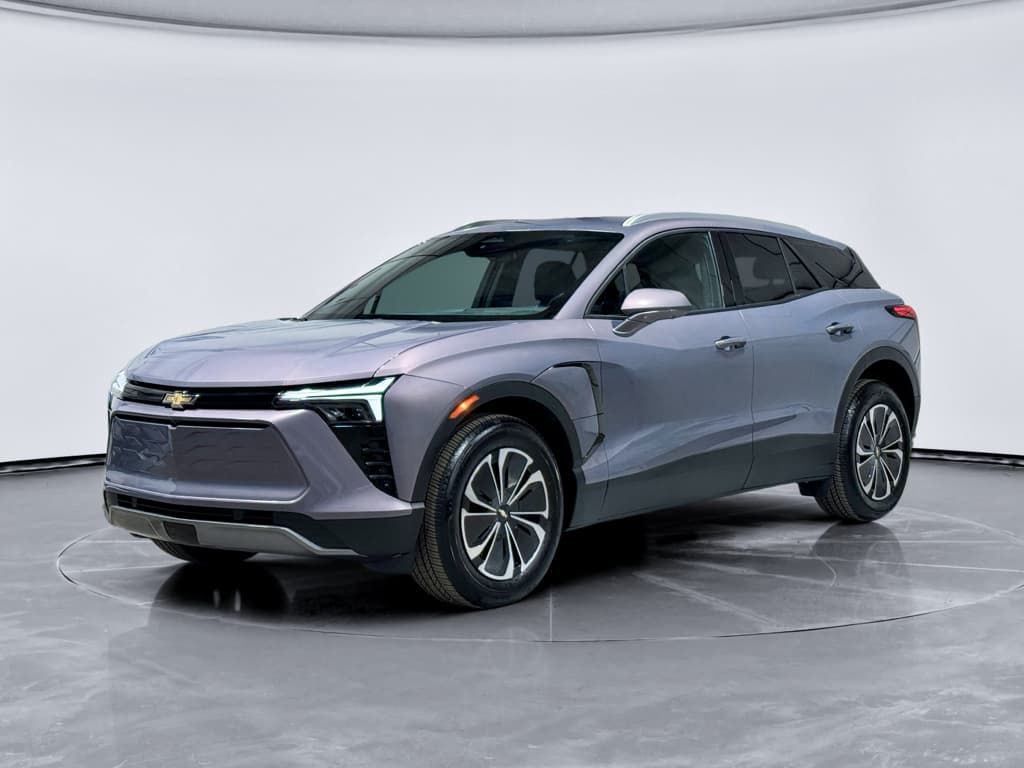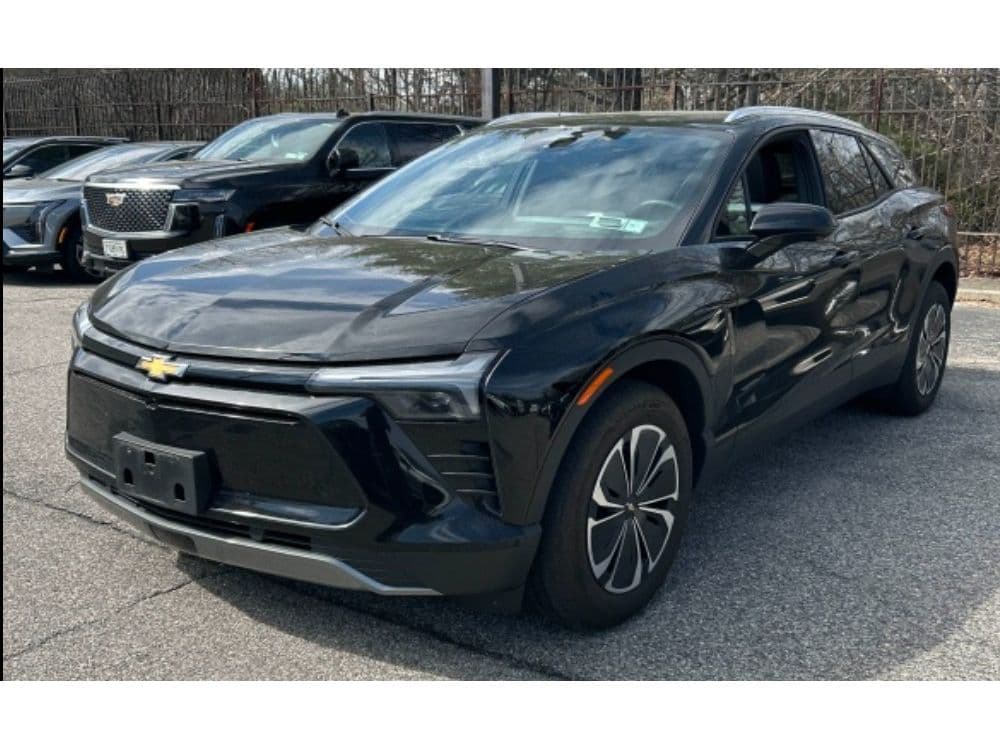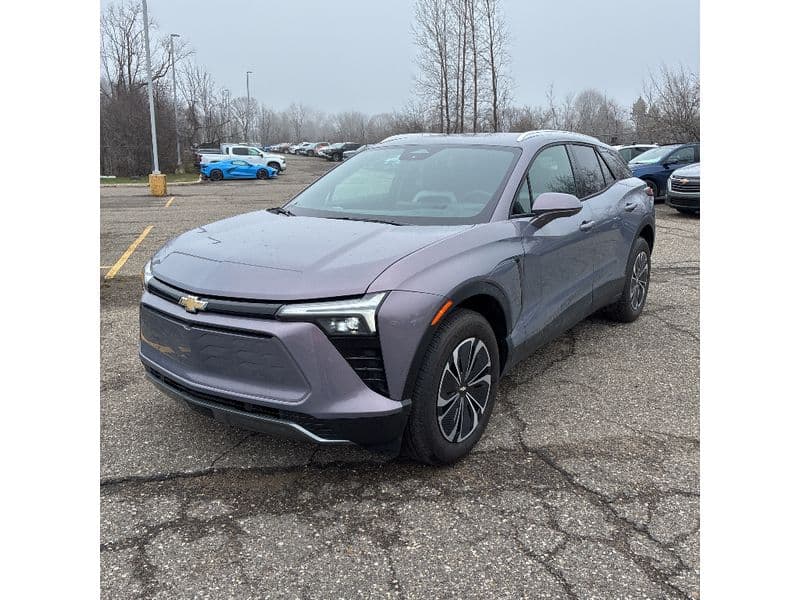
If you own a Chevrolet Blazer EV, you’ve probably noticed something uncomfortable: resale values in 2026 don’t look anything like the rosy projections from launch. This Chevrolet Blazer EV resale value guide for 2026 walks you through what your SUV is realistically worth, why depreciation has been so steep, and exactly what you can do, starting today, to protect every dollar of value you still have.
A quick word about the numbers
Blazer EV resale value in 2026: the quick take
Chevy Blazer EV depreciation at a glance
Put simply, the Chevrolet Blazer EV has been an aggressively depreciating SUV through 2025 and into 2026. Early software issues, price cuts after launch, fast-moving EV incentives, and a crowded segment have all conspired to push used values down faster than many shoppers expected. The good news is that if your Blazer EV has clean software history, strong battery health, and sensible miles, there’s still real money on the table, you just have to be smart about how and when you sell.
Reality check
Why the Blazer EV depreciated so fast
Four big forces dragging down Blazer EV resale
Understanding these helps you work *with* the market instead of against it.
1. Rough launch & software headlines
2. Price cuts on new Blazer EVs
3. Fast-moving EV competition
4. EV learning curve & incentives
Turn a weakness into a strength
Current market values for 2024–2025 Blazer EVs
No guide can quote your exact price without seeing your VIN, mileage, and options, but we can outline where values tend to land in spring 2026 for typical, clean‑title examples. Think of these as ballparks for a well‑equipped 2LT or RS, not an abused or ultra‑low‑mile outlier.
Approximate 2026 resale ranges for Chevy Blazer EVs
Ballpark private‑party pricing for typical, clean vehicles with average miles and no major accident history. Local markets vary.
| Model year | Trim examples | Typical miles (2026) | Private-sale range* | Dealer trade-in range* |
|---|---|---|---|---|
| 2024 | 2LT / RS | 15,000–30,000 | Low $20Ks to high $20Ks | High teens to low $20Ks |
| 2025 | 2LT / RS | 5,000–20,000 | Upper $20Ks to mid $30Ks | Low‑ to mid‑$20Ks |
Use these ranges as conversation starters, then confirm with live valuation tools and recent local listings.
About those asterisks
Key factors that move Blazer EV resale value
1. Trim, options, and original MSRP
The Blazer EV launched with multiple trims, 2LT, RS, and the hotter SS, and a web of option packages and wheel upgrades. Higher trims started with a richer MSRP, but in a soft EV market, that doesn’t always translate into dollar‑for‑dollar premiums used.
- 2LT: Often the pricing sweet spot; has the right features without looking overpriced used.
- RS: Commands a little more, but shoppers will compare it against deeply discounted new EVs.
- SS: Rarer and more performance‑oriented; buyers are fewer but more focused. Condition really matters here.
2. Miles, use pattern, and region
Mileage still matters more than anything else, especially on a model with a short track record. As a rough rule:
- Under 10,000 miles on a 2024–2025 is a noticeable plus.
- Over 30,000 miles starts to raise eyebrows and invite lower offers.
- Snow‑belt cars with lots of winter miles may get more scrutiny for corrosion and range loss.
Urban and coastal markets with strong EV infrastructure tend to support better resale than rural areas where charging is still catching up.
- Clean, verifiable service and software update history (especially after the early stop‑sale period).
- No major accident, flood, or lemon‑law history on Carfax/AutoCheck.
- Current software and infotainment updates already applied by a Chevrolet dealer.
- At least one working Level 2 home‑charging story you can share with shoppers (it reassures them the car just works).
What a strong listing looks like
Battery health: how much it really matters
On any EV, the battery pack is the value core. The Blazer EV rides on GM’s Ultium platform, which should age better than some early‑generation EV batteries, but buyers in 2026 still want proof, not promises. Range complaints, repeated “Service High Voltage” errors, or spotty fast‑charging behavior can knock thousands off what someone is willing to pay.
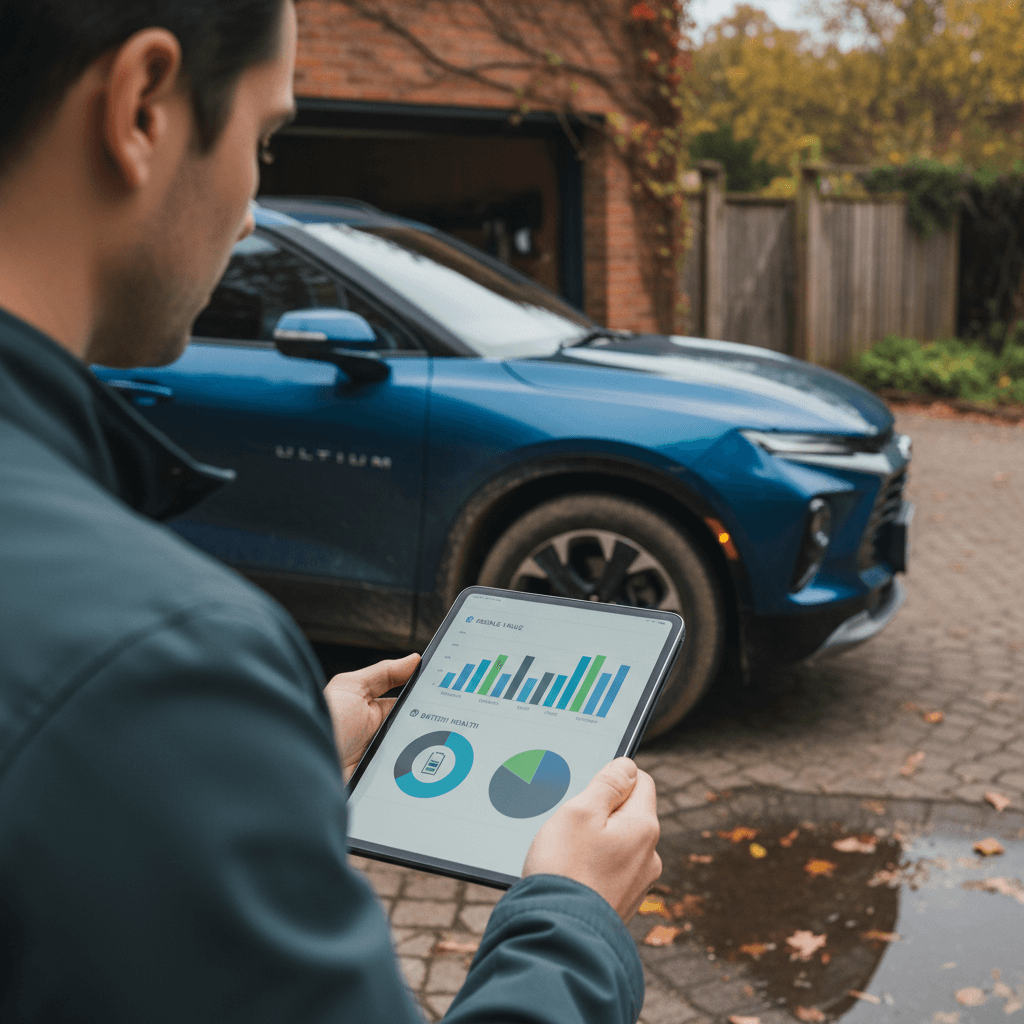
How to present your Blazer EV’s battery health
Pull real‑world range numbers
Note your typical highway and mixed‑driving range at 70–80% charge. Buyers know EPA numbers; they care what the SUV actually does on your commute.
Run a professional battery diagnostic
A third‑party battery health test (like the <strong>Recharged Score</strong>) gives a quantified state‑of‑health number, charging history flags, and degradation estimate you can share in your listing.
Share your charging habits honestly
If you mostly charge on Level 2 at home and avoid parking at 100% for days on end, that’s a plus. If you’ve been fast‑charging daily at high SOC, be ready for more questions.
Document software and recall visits
Keep every dealership invoice for software updates and recalls. A neat folder (or PDF packet) reassures buyers that any factory‑known issues have been addressed.
How Recharged can help
Trade-in vs. private sale for a Blazer EV
With a vehicle that’s fallen harder than average, the way you sell becomes just as important as what you’re selling. A Blazer EV that might bring, say, the high‑$20Ks from a patient private‑party buyer could fetch several thousand less if you rush into the first trade‑in offer you’re handed.
Which path makes sense for your Blazer EV?
Trade‑in is about speed and convenience; private sale is about squeezing every last dollar out.
Dealership trade‑in
- Pros: Fast, easy, and can reduce sales tax on your next purchase in many states.
- Cons: You’re accepting a wholesale number. On a fast‑depreciating EV, that discount can feel brutal.
- Best for: Negative equity owners who need to roll a balance, or anyone who values time over top dollar.
Private‑party or marketplace sale
- Pros: Typically the highest resale price, especially if your Blazer EV has strong battery health and options.
- Cons: You’re handling test drives, paperwork, and tire‑kickers yourself.
- Best for: Owners with clean vehicles, clear titles (or small loan balances), and patience.
Where Recharged fits in
Leasing vs. owning: impact on your 2026 exit
If you leased a Blazer EV rather than bought it, you’re playing a different game. Instead of true market depreciation, you’re dealing with the bank’s residual assumptions. Given the way real‑world values have fallen, a lot of Blazer EV lessees are discovering that their buyout price is much higher than what the truck is actually worth on the open market.
If you leased
- Compare your lease buyout price to actual retail listings for similar Blazer EVs in your area.
- If the buyout is higher than what those trucks are selling for, it often makes sense to simply turn the vehicle in.
- If the buyout is lower than market, you may be able to buy the vehicle and immediately resell it for a profit, or at least break even.
If you bought
- You’ve absorbed the real depreciation, which likely outpaced early projections.
- Focus on minimizing further value loss: keep miles in check, stay on top of software updates, and avoid cosmetic damage.
- If you’re upside‑down on the loan, look at refinancing or waiting rather than rolling big negative equity into another vehicle.
Watch out for negative equity traps
Step-by-step: how to maximize your Blazer EV’s value
Your 2026 Blazer EV resale game plan
1. Get a real valuation baseline
Pull numbers from at least two valuation tools and scan local listings for similar year, trim, and miles. This gives you a realistic range before you talk to any dealer.
2. Order or run a battery health report
Schedule a battery health diagnostic so you can quote a <strong>state‑of‑health number</strong> and show there are no hidden pack problems. If you list or trade through Recharged, your Recharged Score covers this.
3. Bring software 100% current
Visit a Chevrolet dealer to make sure every recall and key software update has been completed, and keep the paperwork. Buyers worry about glitchy early Blazer EVs; you want proof yours is up to date.
4. Detail the SUV inside and out
Professional detailing, paint correction for major scuffs, and fixing curb‑rashed wheels can add far more than they cost in buyer confidence, and final sale price.
5. Build a clean documentation packet
Combine your title or payoff quote, service history, battery report, and window sticker (if you have it) into a neat PDF or folder. Great documentation separates the top‑priced listings from the bottom.
6. Choose your selling channel strategically
Decide whether your priority is <strong>maximum price</strong> (private sale or consignment), <strong>speed</strong> (dealer trade‑in), or a balance with EV expertise (selling through Recharged).
Timing the market: when to sell your Blazer EV
The toughest question Blazer EV owners ask in 2026 is, “Will waiting help, or just cost me more?” With tech‑heavy EVs, the answer is usually that time is not your friend, especially once a model has already taken its big first hit.
How timing affects your resale outcome
Sell in the next 6–12 months
You lock in current values before more used inventory and newer rivals arrive.
You avoid running your 2024–2025 Blazer EV into higher‑mileage territory, where every 10,000 miles stings.
If you’re already upside‑down, you limit how much deeper you go.
Hold for 2–3 more years
You get more use out of the money you already spent, which can make the depreciation feel less painful.
You accept the risk of further price pressure as battery tech, incentives, and new EVs evolve.
You’ll need to keep miles reasonable and maintenance impeccable to keep the SUV attractive as it ages.
When you should not wait
Chevy Blazer EV resale value FAQ (2026)
Frequently asked questions about Blazer EV resale in 2026
Bottom line for Blazer EV owners in 2026
The Chevrolet Blazer EV’s first few years in the wild have not been kind to resale value. Between teething‑pain software issues, aggressive price moves on new inventory, and a fast‑moving EV marketplace, depreciation has been steeper than many owners hoped. But that doesn’t mean you’re powerless. By tightening up battery health documentation, staying on top of updates, presenting a clean, well‑maintained SUV, and choosing the right way to sell, you can still land at the upper end of what the market will pay in 2026.
If you’re trying to decide what to do with your own Blazer EV, you don’t have to figure it out alone. Recharged specializes in used EVs, from transparent battery diagnostics and fair market pricing to flexible selling and trade‑in options. Whether you’re ready to move on now or just want to know where you stand, getting clear on your Blazer EV’s true resale value is the first step, and the best protection against whatever the EV market does next.