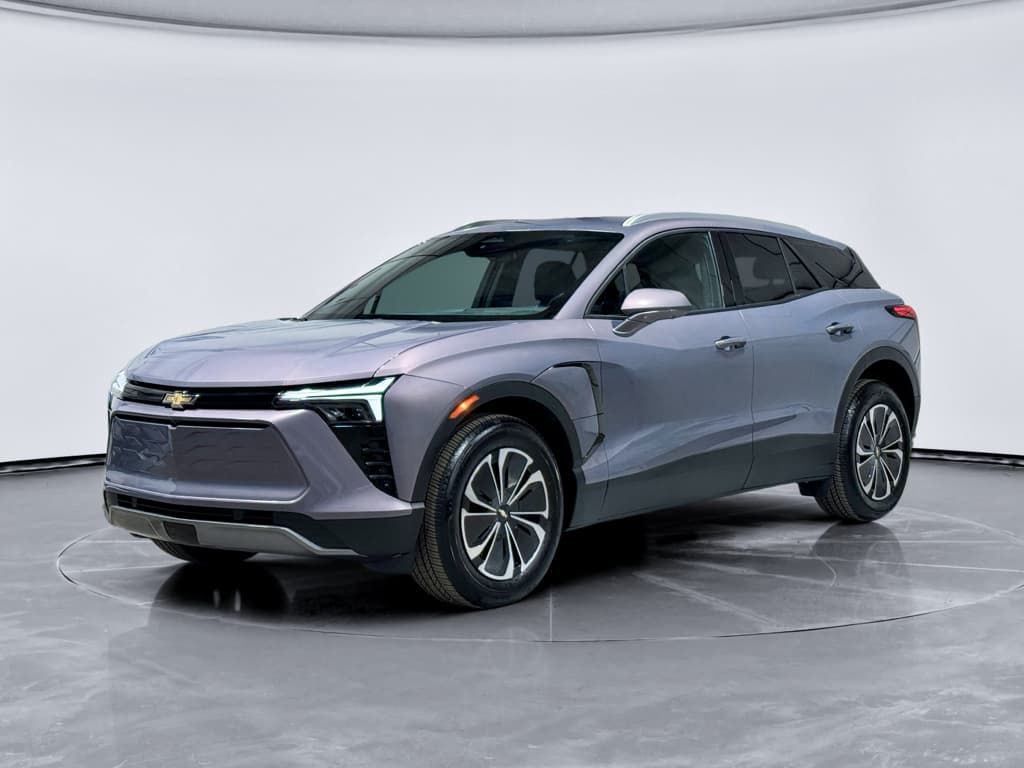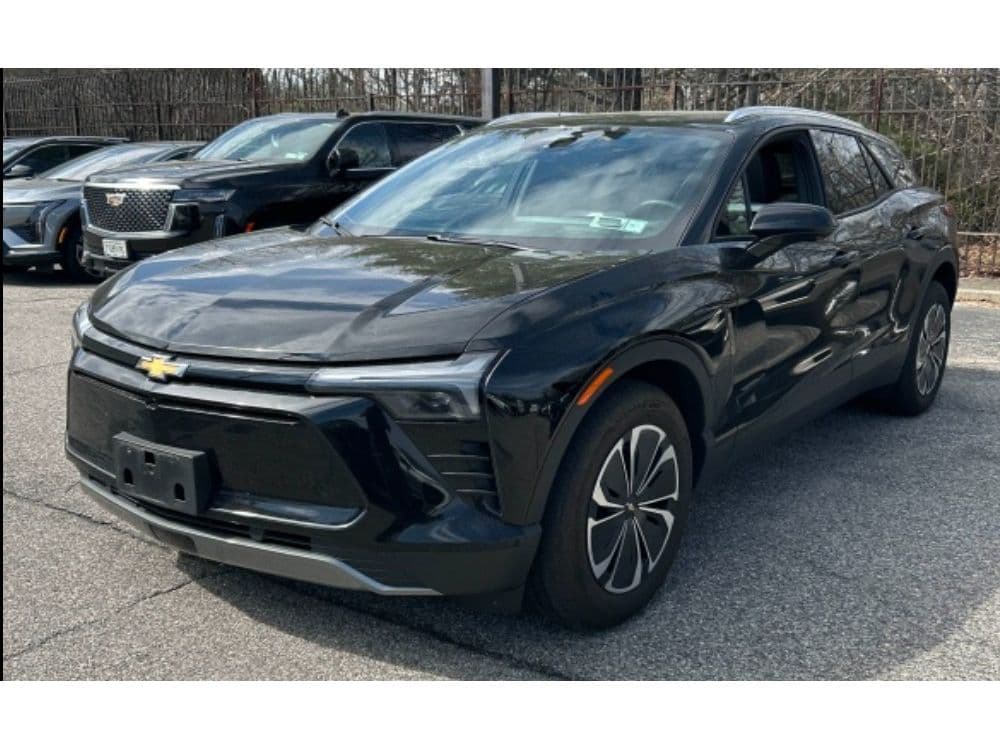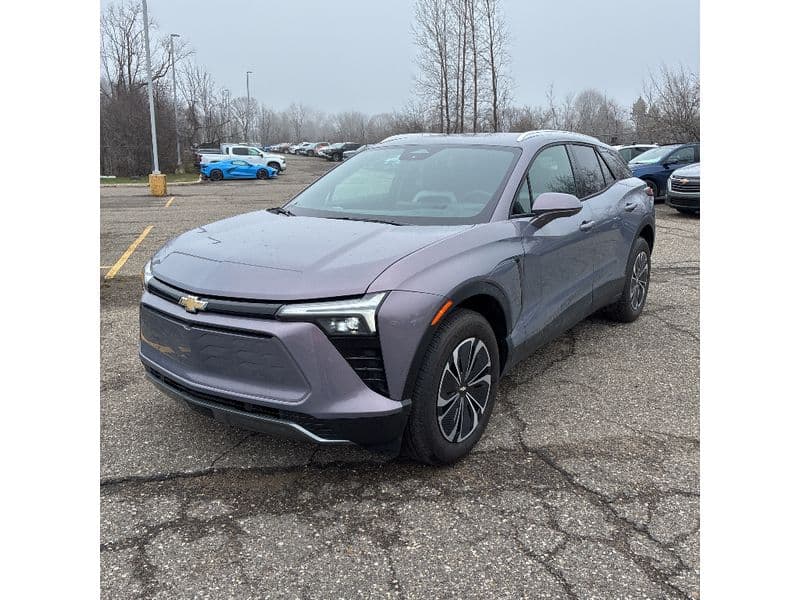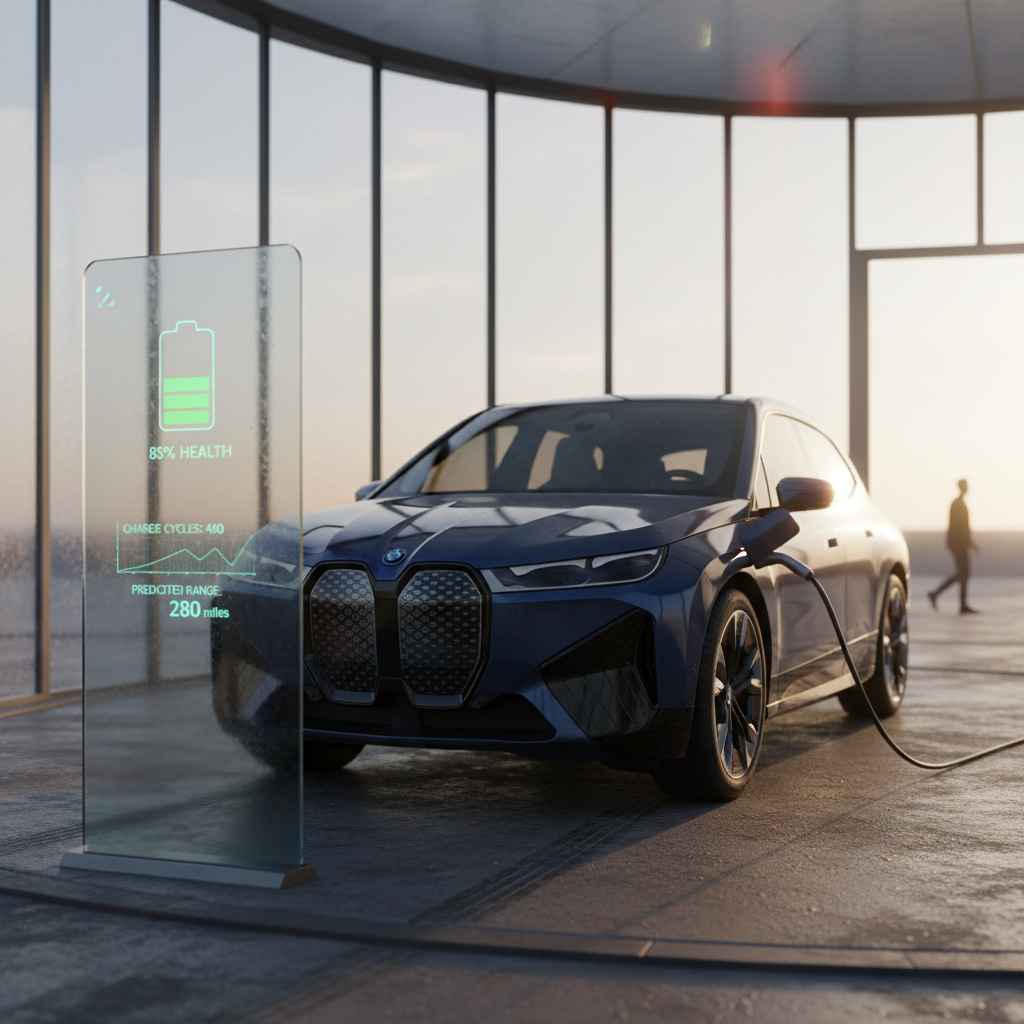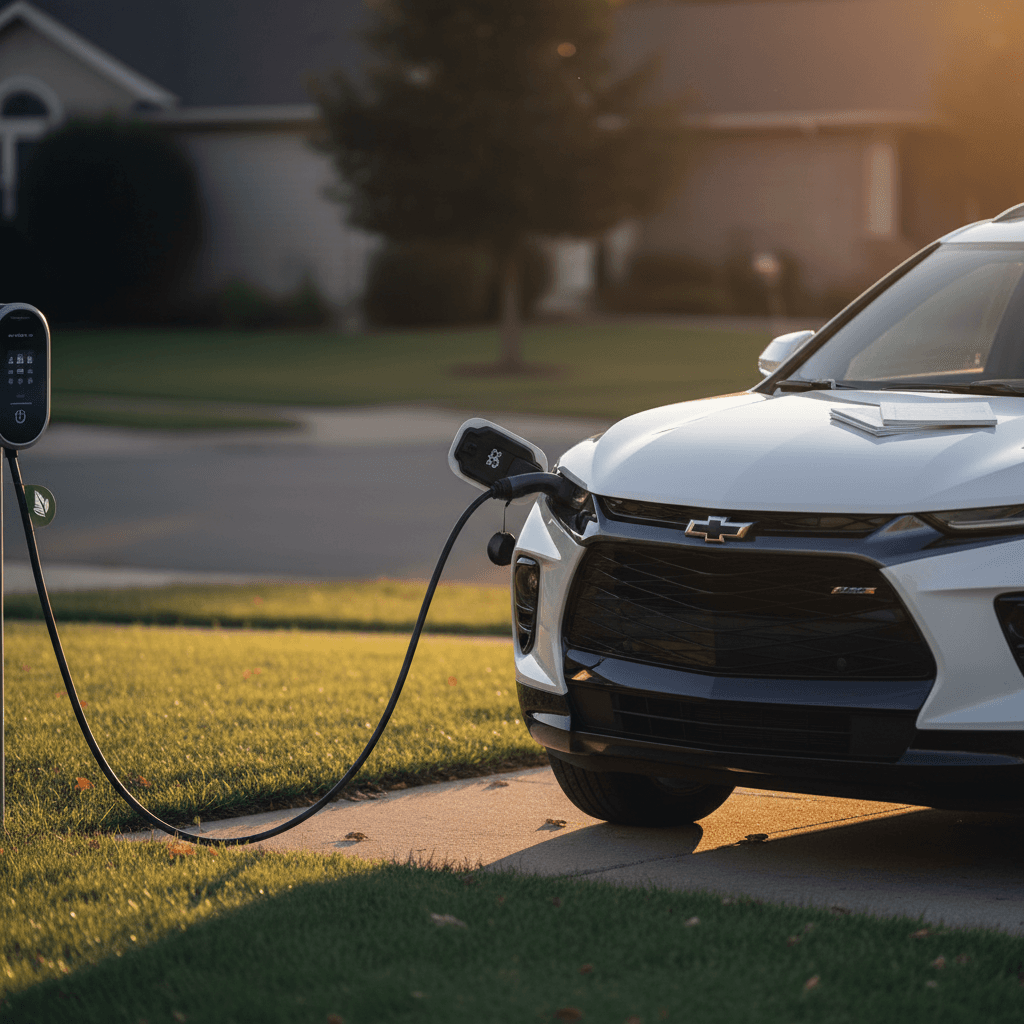
If you’re eyeing a Chevrolet Blazer EV, you’re probably not just wondering about range, you want to know what it actually costs per mile to drive. The good news: when you charge mostly at home, the Blazer EV can be startlingly cheap to run. The catch is that what you pay per mile depends heavily on efficiency, electricity prices where you live, and how often you rely on public fast charging.
Key idea
Chevrolet Blazer EV cost per mile: quick overview
Typical Chevrolet Blazer EV cost per mile (U.S. averages, 2026)
Those are ballpark numbers, not promises. Your actual Blazer EV cost per mile will swing up or down based on your model (RS vs SS vs LT), driving style, climate, and how often you use fast chargers compared with home charging.
How efficient is the Chevrolet Blazer EV?
To figure out cost per mile, you start with efficiency, how many miles you travel on 1 kWh of electricity. Chevrolet and government agencies publish efficiency numbers for the Blazer EV, and early owners are filling in the real-world picture.
Chevrolet Blazer EV efficiency benchmarks
Factory and independent test numbers you can use when estimating cost per mile. Exact figures vary slightly by trim and wheel/tire setup.
| Source / Model | Metric | Value | What it means |
|---|---|---|---|
| EPA-style label (RS AWD, early U.S. spec) | MPGe combined | 96 MPGe (approx.) | Roughly equivalent to about 35–37 kWh per 100 miles |
| ENERGY STAR listing (Blazer EV RWD) | kWh per 100 miles | 37 kWh/100 mi | About 2.7 miles per kWh under test conditions |
| Natural Resources Canada (Blazer EV, single-motor) | kWh per 100 km (combined) | 20.1 kWh/100 km | Converts to roughly 32–33 kWh/100 miles |
| Owner reports (mixed driving, RS & SS) | Miles per kWh | 2.7–3.4 mi/kWh | Higher numbers mean lower cost per mile; 3.0 mi/kWh is a safe planning average |
Use the combined numbers as a realistic baseline; then adjust for your own driving style and climate.
For cost-per-mile math, a conservative and easy number for many trims is 3.0 miles per kWh. If you tend to drive gently and do more city driving, you might see 3.3–3.5 mi/kWh. Heavy highway use at 75+ mph, big wheels, winter temps, or an SS trim driven hard can bring you closer to 2.5–2.8 mi/kWh.
A simple rule of thumb
What you’ll actually pay for electricity per kWh
The other half of the cost-per-mile equation is your electricity price. In the United States, residential rates have been creeping up. Federal forecasts expect average residential electricity prices around 17¢/kWh in 2025 and roughly 18¢/kWh in 2026, though your state could be several cents higher or lower.
Typical U.S. electricity prices in 2026
Use these brackets if you don’t know your exact rate yet.
Lower-cost states
13–16¢/kWh is common in parts of the Midwest and South.
At these prices, a Blazer EV driven at 3 mi/kWh can cost about 4–5¢ per mile when you charge at home.
Average-cost states
17–21¢/kWh is typical for the national average and many coastal states.
Here, expect 6–8¢ per mile from home charging.
High-cost states
22–30¢/kWh+ shows up in higher-cost markets.
Even then, a Blazer EV home-charging cost per mile often lands around 8–11¢, still competitive with gas.
Check your real rate
Blazer EV cost per mile with home charging
Now let’s connect efficiency and electricity prices. Here’s how to estimate your Chevrolet Blazer EV cost per mile to drive when most charging happens at home.
- Start with an efficiency estimate – for many owners, 3.0 mi/kWh is a good planning number.
- Find your electricity price in $/kWh from your bill.
- Divide the price per kWh by your miles per kWh. Example: $0.18 ÷ 3.0 mi/kWh = $0.06 per mile.
Home charging cost per mile for a Chevrolet Blazer EV
Assumes 3.0 mi/kWh efficiency; if you regularly see 3.3–3.5 mi/kWh, your real cost per mile will be a bit lower than these numbers.
| All-in electricity price | Cost per kWh | Approx. cost per mile (3.0 mi/kWh) | Rough cost per 1,000 miles |
|---|---|---|---|
| Lower-cost example | $0.14/kWh | $0.05/mi | $70/month |
| U.S. average example | $0.18/kWh | $0.06/mi | $90/month |
| Higher-cost example | $0.24/kWh | $0.08/mi | $120/month |
| Very high-cost example | $0.30/kWh | $0.10/mi | $150/month |
Use your own electricity rate and the simple formula to refine these estimates.
Home charging is where you save
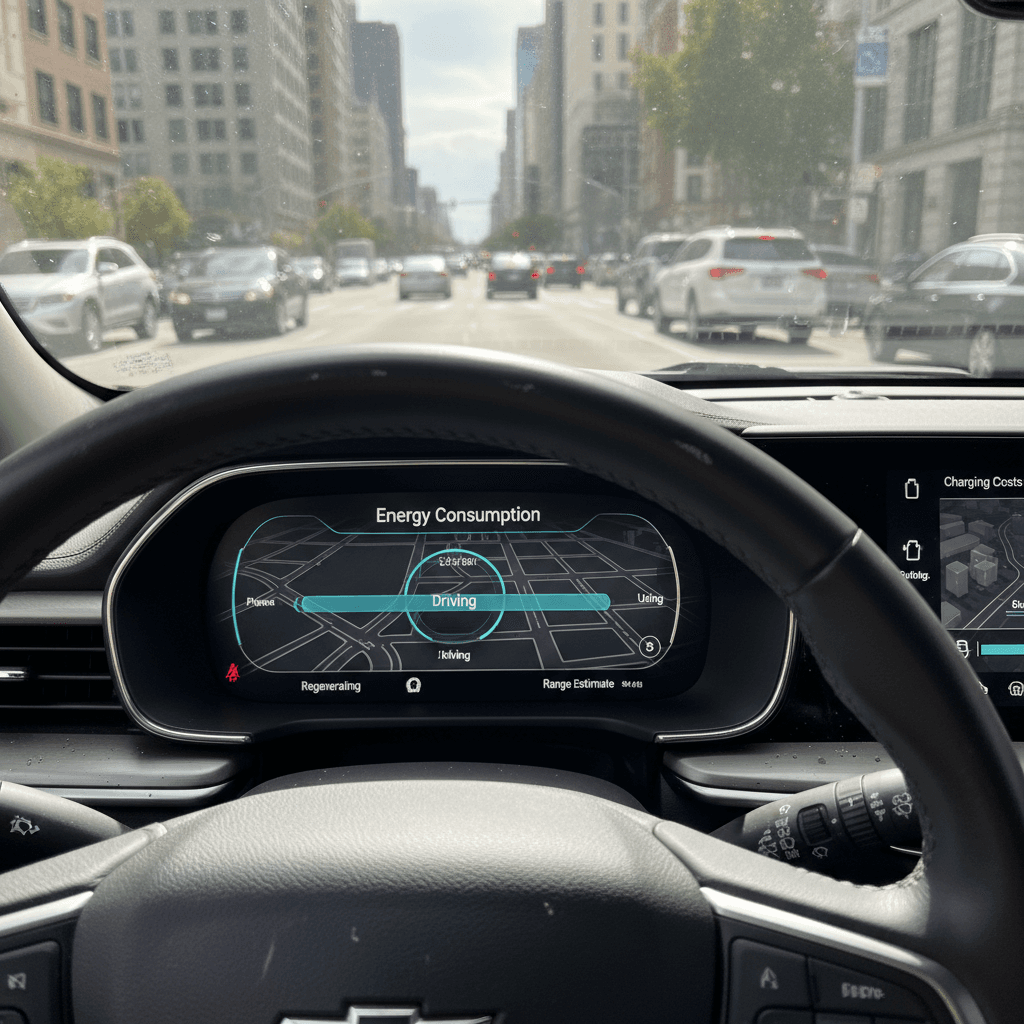
Cost per mile at public fast chargers and Tesla Superchargers
Public DC fast charging is incredibly convenient, especially on road trips or for apartment dwellers, but it’s also where your Blazer EV cost per mile jumps the most. Networks often bill per kWh, and pricing can swing from budget-friendly to eye-watering depending on where and when you plug in.
Typical public fast charging price ranges
Actual prices vary by network and state; these bands are common in 2025–2026.
Budget / membership pricing
35–40¢/kWh when you have a membership or off-peak rate (including some Tesla Supercharger and major-network plans).
At 3 mi/kWh, that’s roughly 12–13¢ per mile.
Standard daytime pricing
45–55¢/kWh is common at many DC fast chargers without a plan.
At 3 mi/kWh, you’ll see about 15–18¢ per mile.
Peak / high-demand pricing
60–75¢/kWh or more in some high-cost or peak-pricing areas.
At 3 mi/kWh, you’re spending 20–25¢ per mile, closer to gas-SUV territory.
Don’t judge EV costs by road-trip charging alone
Chevy Blazer EV cost per mile vs a gas SUV
To put the Blazer EV’s numbers in context, it helps to stack it up against a traditional gas Blazer or similar mid-size SUV. We’ll keep the math simple and use round, realistic numbers for 2026.
Blazer EV vs gas SUV: fuel cost per mile comparison
Uses broad, realistic averages for 2026 U.S. fuel costs. Your local prices may be higher or lower.
| Vehicle & fueling | Assumptions | Fuel cost per unit | Approx. cost per mile |
|---|---|---|---|
| Chevrolet Blazer EV – mostly home charging | 3.0 mi/kWh, 18¢/kWh home rate | $0.18/kWh | ~$0.06/mi |
| Chevrolet Blazer EV – mostly DC fast charging | 3.0 mi/kWh, 50¢/kWh average | $0.50/kWh | ~$0.17/mi |
| Gas mid-size SUV (22 mpg) – regular gas | $3.50/gal gasoline | $3.50/gal | ~$0.16/mi |
| Gas mid-size SUV (22 mpg) – premium gas | $4.25/gal gasoline | $4.25/gal | ~$0.19/mi |
The EV shines when you charge mostly at home; heavy fast charging narrows the gap but often still wins over gas.
When you lean on home charging, a Blazer EV can easily cost one-third to one-half as much per mile as a similar gas SUV. If you live on fast charging, you’ll still often be in the same ballpark as a gas SUV, sometimes a bit cheaper, sometimes a bit higher, depending on local prices.
Real-world Blazer EV cost per mile: common scenarios
Let’s turn the numbers into real driving scenarios. We’ll assume 3.0 mi/kWh for simplicity; if you know you’re closer to 2.7 or 3.4, you can nudge the numbers up or down.
Scenario 1: Daily commuter with home charging
You drive 50 miles per weekday and charge overnight at home at 18¢/kWh.
- Daily energy use: ~16.7 kWh (50 ÷ 3.0)
- Daily charging cost: ~$3.00
- Weekly (5-day) commuting cost: ~$15
- Cost per mile: ~6¢
Compare that with ~$16–19 per week in gasoline for a 22 mpg SUV at current prices.
Scenario 2: Apartment dweller using mostly DC fast charging
You drive 1,000 miles a month and rely on 50¢/kWh fast chargers.
- Energy use: ~333 kWh (1,000 ÷ 3.0)
- Monthly charging cost: ~$165
- Cost per mile: ~16.5¢
That’s roughly similar to a gas SUV at $3.50–4.00/gallon, but you still get EV smoothness, low maintenance, and one-pedal driving.
Scenario 3: Mixed home + road-trip use
You normally charge at home, but take a 2,000-mile summer trip with half your energy from DC fast charging at 50¢/kWh and half from home at 18¢/kWh.
- 1,000 mi at home: ~$60
- 1,000 mi on fast charge: ~$165
- Trip fuel cost: ~$225 total
- Trip cost per mile: ~11.3¢
Still below what many gas SUVs would spend on fuel for the same trip.
Scenario 4: High-efficiency driver in a mild climate
You consistently see 3.5 mi/kWh and pay 16¢/kWh at home.
- Cost per mile: 16¢ ÷ 3.5 ≈ 4.6¢
- 10,000 miles per year: ~$460 in electricity
That’s the kind of best-case EV story people brag about over coffee.
Seven ways to lower your Blazer EV cost per mile
Practical ways to squeeze every cent out of your kWh
1. Charge at home whenever you can
Every kWh you buy at home instead of at a 50–70¢/kWh DC fast charger dramatically lowers your cost per mile. If you don’t have a 240V outlet yet, that’s usually the single best upgrade you can make for EV ownership.
2. Use off-peak or EV time-of-use plans
Many utilities offer cheaper nighttime rates for EV charging. If you can shift most of your charging to those hours, using the Blazer EV’s built-in charge scheduling, you can save several cents per kWh, which adds up quickly over thousands of miles.
3. Watch your highway speeds
The Blazer EV is a big, quick SUV. Pushing 75–80 mph can pull your efficiency down into the mid‑2s mi/kWh, instantly raising cost per mile. Knocking 5 mph off your cruising speed is one of the easiest ways to save money and range.
4. Precondition while plugged in
On very hot or cold days, use cabin preconditioning while the Blazer is still plugged in. That means less energy spent warming or cooling the cabin and battery once you’re on the road, which improves mi/kWh and cost per mile.
5. Keep tires properly inflated
Underinflated tires hurt efficiency and can add a surprising amount to your cost per mile over a year. Check pressures regularly, especially with large wheel and tire packages on RS and SS trims.
6. Plan charging stops strategically
On road trips, use apps (including the myChevrolet app and third-party planners) to target lower-priced fast chargers, and arrive with a lower state of charge. You’ll charge faster and often pay less per kWh overall.
7. Track your real mi/kWh
Use the Blazer EV’s trip computer or the myChevrolet app to track your average miles per kWh over a month. Small changes in efficiency, say, 2.7 to 3.2 mi/kWh, have a big impact on your Chevrolet Blazer EV cost per mile to drive.
Turn your Blazer into a science project
Buying a used Blazer EV? Cost-per-mile questions to ask
If you’re looking at a used Chevrolet Blazer EV, cost per mile is more than just electricity prices. Battery health, software revisions, and how the previous owner charged all play a role in how efficient and predictable the SUV feels over time.
Cost-per-mile checks for a used Blazer EV
These questions help you understand real-world running costs before you sign anything.
Battery health & range
Ask for recent range data at 100% charge and typical mi/kWh. A healthier battery and efficient driving history help keep your future cost per mile low.
Charging history
Was the SUV mostly home‑charged, or did the owner live on DC fast charging? Heavy fast‑charging use isn’t automatically a deal-breaker, but it’s helpful context.
Software & updates
Confirm that the Blazer EV has current software, since energy management and charging behavior can improve with updates.
Where Recharged fits in
If you already own a gas SUV, Recharged can also help you trade it in or sell it and move into a Blazer EV or another used electric SUV. That’s often when drivers see their monthly fuel spending drop the most.
Chevrolet Blazer EV cost per mile: FAQ
Frequently asked questions about Blazer EV cost per mile
Bottom line: is the Blazer EV cheap to drive?
When you cut through all the acronyms and charging maps, the story is pretty simple: a Chevrolet Blazer EV that’s charged mostly at home can be very cheap to run. For many households, the Chevrolet Blazer EV cost per mile to drive lands around 6–8¢, which is a big step down from the 16–19¢ per mile fuel costs of a comparable gas SUV.
If you’re an apartment dweller leaning heavily on DC fast charging, your cost per mile creeps up, sometimes into the same range as a gas vehicle. But you still get the EV advantages: smooth torque, quiet cruising, low maintenance, and the ability to fuel up while you sleep or shop instead of standing at a pump.
If you’re weighing a Blazer EV, new or used, and want a clearer picture of your personal costs, that’s exactly the kind of math Recharged’s EV specialists live for. With a verified battery health report, transparent pricing, and help planning your charging setup, you can get a Blazer EV that fits both your life and your wallet, mile after electric mile.