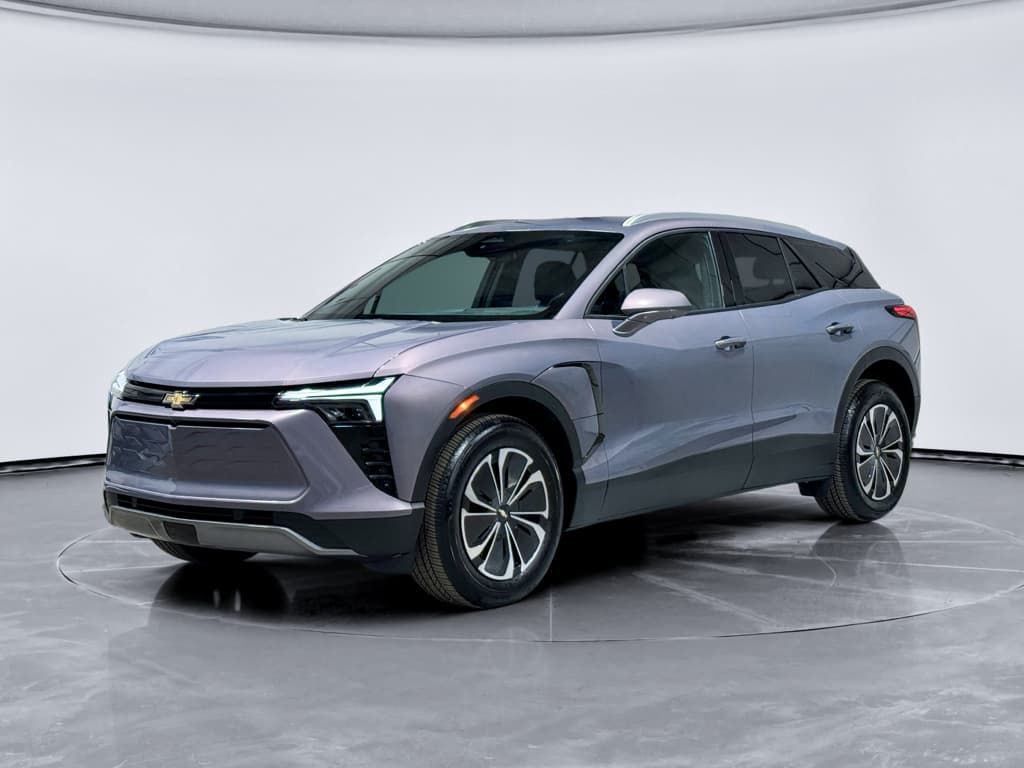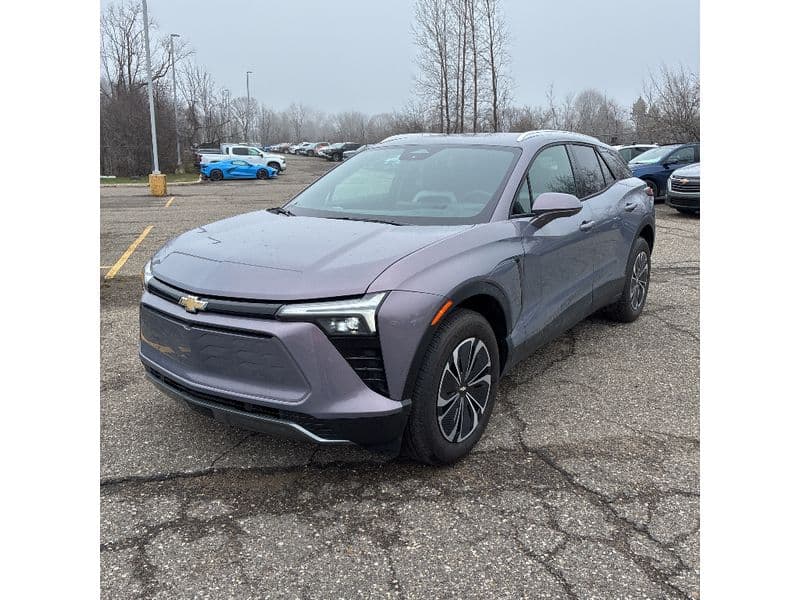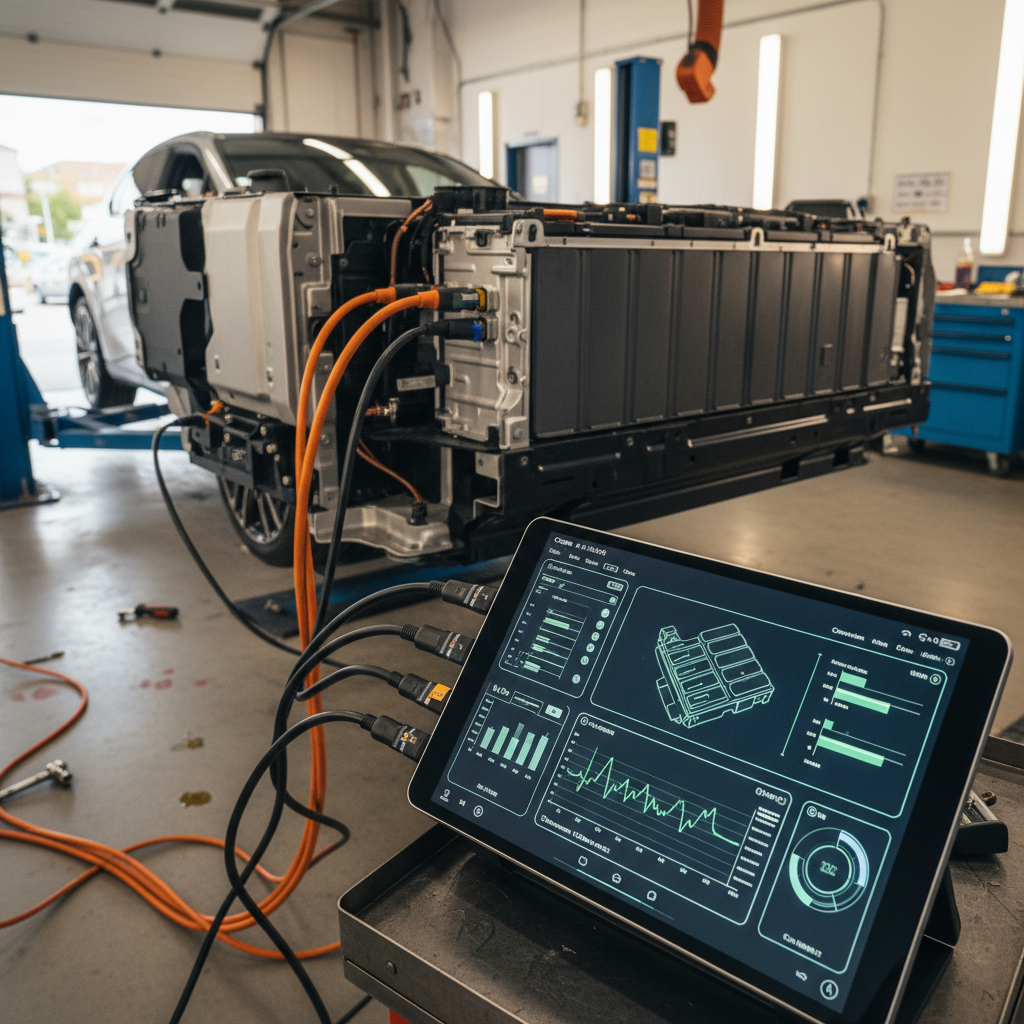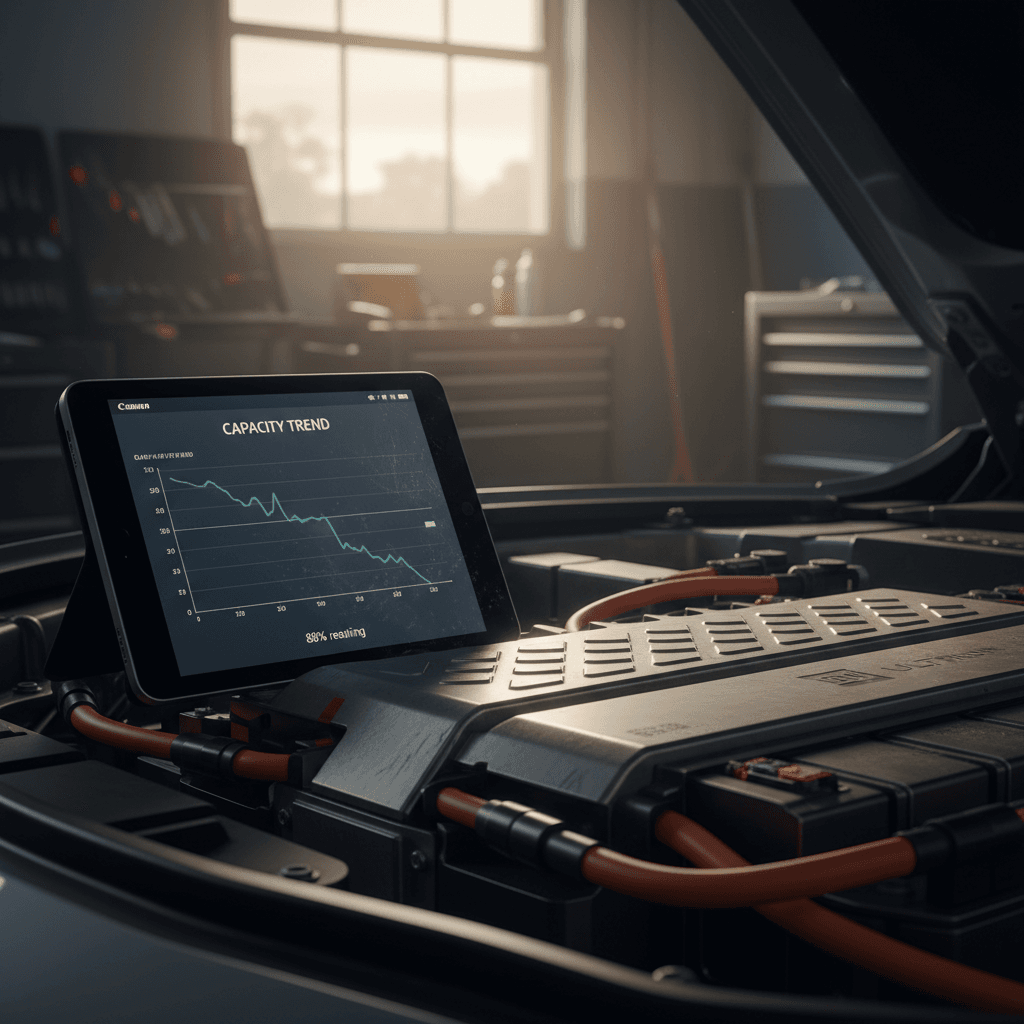
If you’re considering a Chevrolet Blazer EV, especially on the used market, you’re probably wondering how much the Blazer EV battery degrades per year and what that means for real‑world range. The model is still relatively new, but we can make informed, conservative estimates based on GM’s Ultium platform, chemistry choices, and broader EV battery data.
Quick takeaway
Chevrolet Blazer EV battery degradation basics
Battery degradation is the gradual loss of usable energy storage in your pack over time. In plain language: as the Blazer EV ages, it can store slightly less energy, so your usable range slowly shrinks. This isn’t specific to Chevrolet, every EV sees some level of degradation.
- The Blazer EV uses GM’s Ultium battery system with modern lithium‑ion chemistry and liquid cooling.
- Degradation is fastest in the first couple of years, then typically flattens into a slower, steady decline.
- Range loss is usually much slower than many first‑time EV shoppers fear, measured in single‑digit percentages over several years, not 30–40% in a few seasons.
Because real‑world Blazer EV fleets only started to build in 2024, we don’t yet have 10‑year case studies. Instead, we lean on GM’s Ultium design goals, lab testing, early field data from similar packs, and patterns seen in other long‑running EVs to estimate a realistic per‑year degradation band.
Blazer EV battery degradation at a glance (conservative estimates)
What we know about GM Ultium battery degradation
The Blazer EV is built on GM’s Ultium platform, the same architecture underpinning models like the Cadillac Lyriq and GMC Hummer EV. While every vehicle has its own calibration and pack size, the underlying chemistry and thermal management strategies are closely related.
Ultium design choices that influence degradation
Why Blazer EV batteries should age more gracefully than early EVs
Advanced cell chemistry
Liquid thermal management
Smart power management
Across the broader EV market, well‑designed liquid‑cooled packs typically show single‑digit percentage losses over the first 5–7 years under typical usage. Ultium is engineered to at least match, and likely improve on, that pattern.
Early fast charging patterns matter
Estimated Blazer EV battery degradation per year
Because long‑term field data for the Blazer EV is still building, the only honest way to talk about Chevrolet Blazer EV battery degradation per year is to give a realistic range, not a single magic number. Here’s what that looks like for most owners:
Conservative Blazer EV degradation estimates by usage pattern
These are directional estimates for planning, not guarantees. Real‑world results will vary by climate, driving, and charging behavior.
| Usage pattern | Estimated annual loss (years 1–8) | 8‑year total estimated loss | Who this describes |
|---|---|---|---|
| Gentle use | ~1% per year | 8–10% | Mostly home Level 2 charging, moderate climate, rarely over 80% or below 10% |
| Typical use | ~1–1.5% per year | 10–12% | Mix of Level 2 and occasional DC fast charging, some hot/cold exposure |
| Heavy use | ~1.5–2% per year | 12–16% | Frequent DC fast charging, high mileage, lots of heat or towing |
| Abusive use | 2%+ per year | 16–20%+ | Very frequent fast charging to 100%, parked in extreme heat, consistently deep discharges |
Assumes a typical 85–102 kWh Ultium pack as used in various Blazer EV trims.
It’s important to remember that degradation is not always linear. Many packs lose a few percent early on, then settle into a slower decline. So a Blazer EV might lose, for example, 3–4% in the first two years and then just a fraction of a percent per year for several years after that.
What this means in miles
How battery degradation changes your Blazer EV range
Battery health doesn’t just live as a percentage in a diagnostic report, it shows up every time you charge to 100% and look at the projected range estimate. Here’s how per‑year Blazer EV degradation might look in day‑to‑day use for a trim rated at 300 miles when new.
Scenario A: Careful owner
Mostly home charging to 70–80%, mild climate, 12,000 miles per year.
- Year 0: 300 miles rated range when new
- Year 3 (~3–4% loss): ~288–292 miles
- Year 6 (~7–8% loss): ~276–279 miles
- Year 8 (~9–10% loss): ~270–273 miles
You’ll plan trips similarly to when the car was new; you just keep a slightly larger buffer on long highway runs.
Scenario B: Heavy fast‑charger user
Frequent road trips, DC fast charging multiple times per week in hot weather.
- Year 0: 300 miles rated range when new
- Year 3 (~5–6% loss): ~282–285 miles
- Year 6 (~10–12% loss): ~264–270 miles
- Year 8 (~14–16% loss): ~252–258 miles
Still usable, but you’ll feel the difference on long days; additional fast‑charge stops and lower buffers are needed.
Factors that speed up or slow down degradation
You have more control over Blazer EV battery health than you might think. While chemistry and design set the baseline, your charging and driving habits determine where in the degradation range you’ll land.
Key drivers of Blazer EV battery wear
Lean into the right habits to stay near the low end of annual degradation
State of charge window
Heat exposure
Fast‑charging frequency
Mileage and driving style
Cold climate behavior
Deep discharges
Think in patterns, not one‑offs
New vs. used Blazer EV: what degradation means for buyers
If you’re shopping new, degradation is mostly about setting realistic expectations. If you’re shopping used, it’s directly linked to value, range, and peace of mind. Two Blazer EVs built in the same month can have very different battery health stories by year five.
Buying a new Blazer EV
- Expect modest early‑life degradation (a few percent) in the first couple of years.
- You get the full term of GM’s battery warranty from day one.
- You can control habits from the start, home Level 2 charging, conservative SOC, climate‑aware parking.
This is the easiest path if you want to baby the pack and keep degradation as low as possible.
Buying a used Blazer EV
- Actual battery health can vary widely based on the first owner’s usage.
- A 4‑year‑old Blazer EV could still have 90–95% capacity, or far less if abused.
- Warranty coverage is prorated by time and mileage from the original in‑service date.
Here, a verified battery health report becomes critical for fair pricing and long‑term confidence.
Where Recharged fits in
Ready to find your next EV?
Browse VehiclesHow to check battery health on a Blazer EV
GM doesn’t yet provide a simple, on‑screen "battery health" percentage for the Blazer EV the way some competitors do, so you’ll need to combine a few approaches to understand how much capacity remains, especially when evaluating a used example.
Practical ways to assess Blazer EV battery health
1. Compare 100% range to original EPA rating
Fully charge the Blazer EV and note the projected range. Compare it to the original EPA range for that trim and wheel package. A 10% lower displayed range, adjusted for temperature and driving history, roughly signals ~10% capacity loss.
2. Use trip‑meter energy data
Reset a trip meter, drive a consistent route, and note kWh used per mile. If consumption is normal but range is significantly lower than expected, capacity, not efficiency, may be the issue.
3. Look for software or BMS updates
Ask whether the Blazer EV has received battery‑related software updates. OEM updates can recalibrate range estimates and improve cell balancing, which sometimes changes the displayed range without any true capacity change.
4. Ask for charging history
If you’re buying used, ask how the previous owner charged, mostly home Level 2, or heavy DC fast charging? Frequent, high‑SOC fast charging is a red flag for faster degradation.
5. Get a third‑party or marketplace test
Battery diagnostic tools can read pack data directly through the OBD port. At Recharged, our Recharged Score process runs <strong>specialized battery health tests</strong> to estimate remaining usable capacity beyond a simple range readout.
6. Inspect warranty and service records
Review GM service history for any battery‑related repairs or high‑voltage fault codes. This can reveal past issues such as failed modules or thermal system problems.
Don’t rely on "feels fine"
Blazer EV battery warranty and what it really covers
GM backs the Blazer EV’s high‑voltage battery with a long‑term warranty (commonly 8 years or 100,000 miles in the U.S., from the original in‑service date). That coverage is important, but it doesn’t mean any amount of degradation will automatically trigger a replacement.
How to read the Blazer EV battery warranty
Exact wording can vary by model year and state, so always verify with current GM documentation, but here’s how these warranties typically work.
| Warranty aspect | What it usually means for you |
|---|---|
| Term (years/miles) | You’re protected against manufacturing defects and severe capacity loss for a set period from the original in‑service date, not from when you buy it used. |
| Capacity threshold | Many OEMs only replace the pack if usable capacity falls below a specific threshold (often around 70%) during the warranty period. |
| What’s not covered | Normal, gradual degradation is expected and usually not considered a defect. Losing, say, 15% after 8 years may be considered normal wear. |
| Transferability | Battery warranties generally transfer to subsequent owners automatically, which helps support used Blazer EV values. |
| Owner responsibilities | Following recommended maintenance and charging practices matters. Evidence of abuse (for example, ignoring thermal system faults) can complicate claims. |
Use this as a directional guide, not a substitute for official GM terms.
Used buyers: check the in‑service date
Maximizing your Blazer EV battery life
If you want to keep annual Chevrolet Blazer EV battery degradation closer to 1% than 2%+, your day‑to‑day habits matter. The good news: small, consistent changes go a long way, and most won’t impact convenience much.
Everyday habits to slow Blazer EV degradation
1. Make Level 2 at home your default
Install or use a 240V Level 2 charger where possible and reserve DC fast charging for road trips or true emergencies. Slower, cooler charging is easier on the pack.
2. Avoid living at 100% or 0%
Charge to 100% only when you’ll use that range soon and avoid routinely dropping below 10%. For commuting, aim to operate mostly between 20–80% state of charge.
3. Protect the car from extreme heat
Whenever possible, park in shade or a garage, especially after fast charging. If your Blazer EV supports cabin or battery pre‑conditioning, use it to reduce thermal stress.
4. Plan road trips with margins
Instead of arriving at chargers with 1–2% remaining, plan to stop with 10–15% left. That reduces deep‑discharge stress and gives you a buffer if a station is down.
5. Keep software up to date
OTA and dealer updates can refine charging profiles, thermal management, and range estimation. Staying current helps the car manage the pack as safely as possible.
6. Monitor long‑term trends
Once or twice a year, note your full‑charge range and typical consumption on a known route. A clear, sudden drop may warrant a dealer check or deeper diagnostics.
Use degradation to your advantage when buying used
FAQ: Chevrolet Blazer EV battery degradation
Common questions about Blazer EV battery life
Bottom line: is Blazer EV battery degradation a dealbreaker?
For most drivers, Chevrolet Blazer EV battery degradation per year is more manageable than the rumors suggest. You’re looking at a slow, predictable taper in range, especially if you rely on home Level 2 charging, avoid constant 100% fast charges, and respect what heat does to lithium‑ion cells. Those habits, combined with GM’s long‑term battery warranty, make degradation a planning factor, not a dealbreaker.
Where things get serious is on the used side, where two outwardly similar Blazer EVs can have very different remaining capacity. That’s exactly why Recharged ties every vehicle to a Recharged Score Report with verified battery health. Instead of guessing about how a Blazer EV has been treated or hoping the previous owner was careful, you see the data, price it into the deal, and decide with clear eyes whether the range and degradation profile work for you.