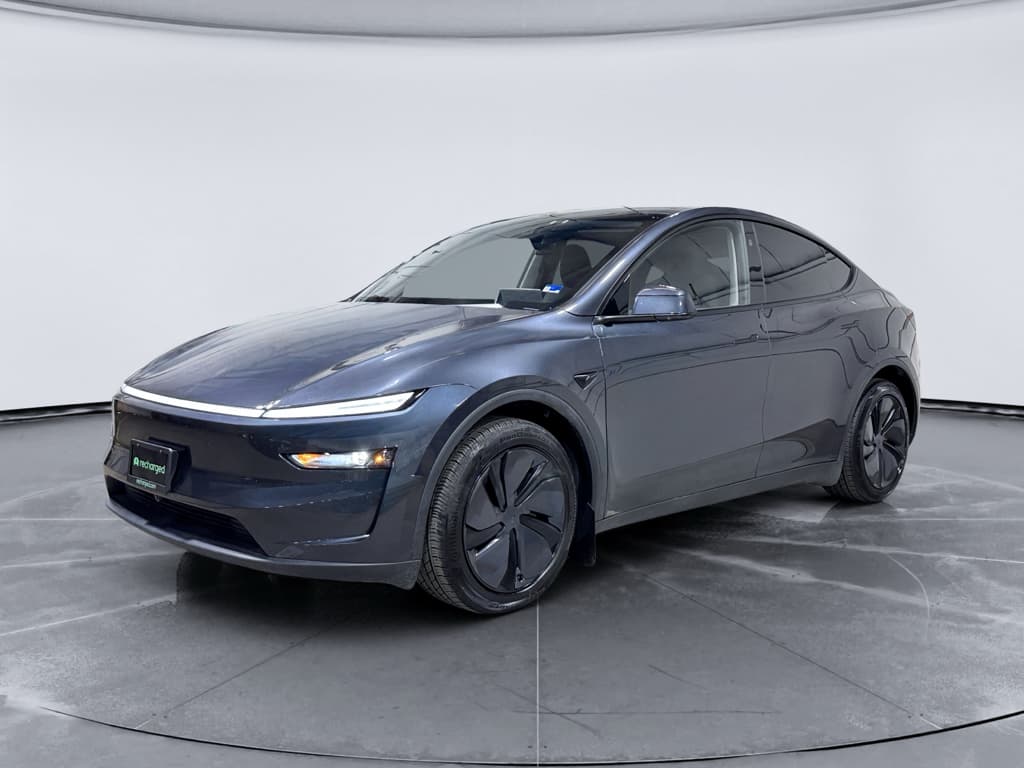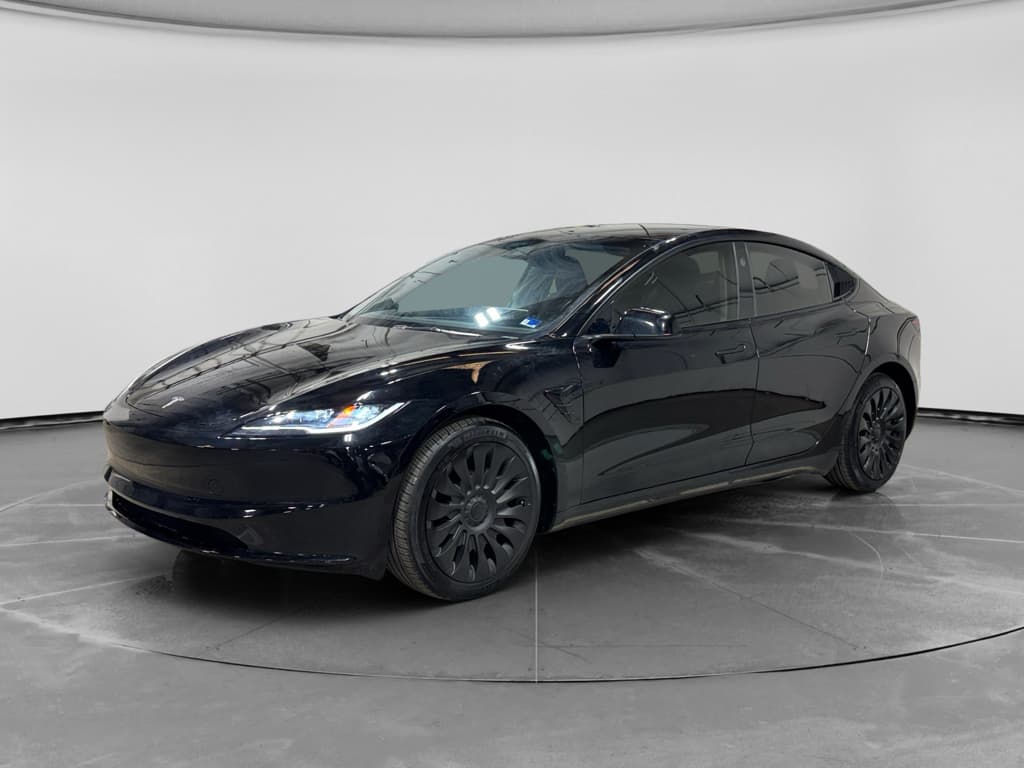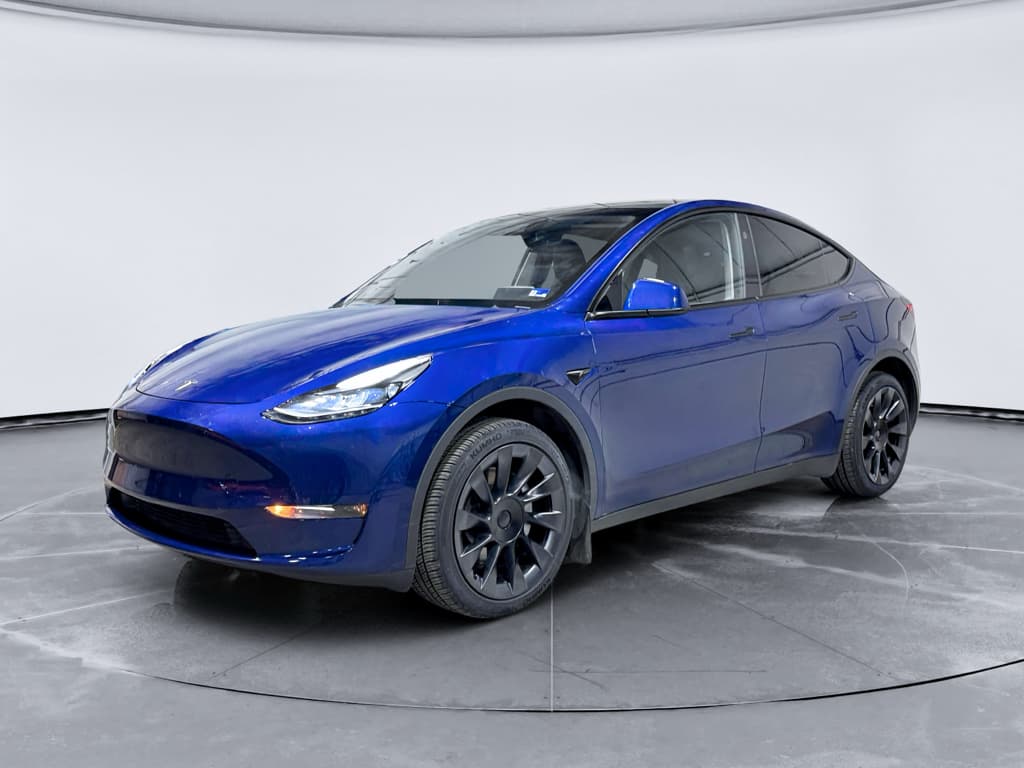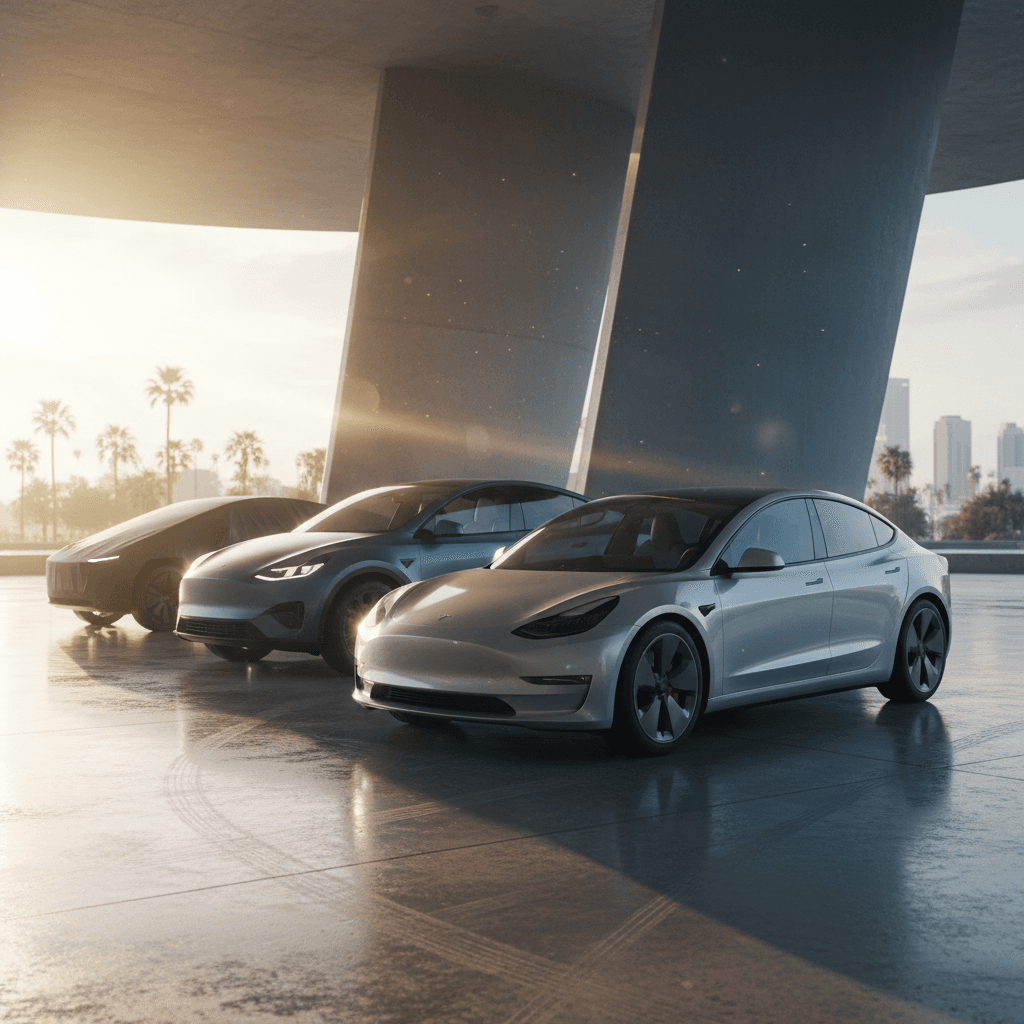
Tesla’s 2026 model lineup looks very different than it did just a few years ago. In this complete 2026 Tesla model lineup guide, we’ll walk through what’s actually in production, what’s been retired or delayed, and how the shifting product plan should shape your decision to buy a new or used Tesla.
2026 Tesla lineup in one sentence
Overview: Tesla’s 2026 lineup at a glance
Tesla’s 2026 lineup snapshot
For 2026, you can think of Tesla’s lineup in three buckets: mainstream daily drivers (Model 3 and Y), lifestyle halo truck (Cybertruck), and the still‑pending Roadster. Meanwhile, the long‑running Model S and Model X have been officially retired, and Tesla’s much‑teased low‑cost “Model 2” style car has been canceled in favor of a still‑evolving next‑generation small EV program.
What’s changed by 2026: winners, exits, and delays
Key shifts in Tesla’s lineup heading into 2026
What’s new, what’s gone, and what’s still a question mark
Model 3 & Y refreshed
Tesla’s bestsellers get incremental hardware and software updates, with cleaner styling, improved ride comfort, and efficiency tweaks that stretch range without massive battery changes.
Cybertruck ramps globally
Cybertruck production continues to scale after its late‑2023 launch, with more configurations and broader market availability by 2026, though supply can still be tight and pricing volatile.
Roadster & “cheap Tesla” delayed
The second‑gen Roadster is still not a regular showroom product in 2026, and Tesla’s original $25,000 “Model 2” plan has been walked back in favor of a new small‑EV concept on its next‑gen platform.
Model S and Model X: Era officially over
2026 Tesla Model 3: The updated compact sedan
Positioning
The 2026 Tesla Model 3 remains Tesla’s entry sedan and the most efficient car in the lineup. With the recent refresh, it leans into a more premium, minimalist feel inside while holding the line on price and range compared with earlier years.
If you mostly drive solo or as a couple, and you care more about efficiency than cargo volume, the Model 3 still makes more sense than a Model Y.
Typical 2026 trims
- Model 3 RWD – Single‑motor rear‑drive, the affordability play with solid range.
- Model 3 Long Range – Dual‑motor AWD, more power, more range, and better all‑weather confidence.
- Model 3 Performance – Track‑quick acceleration with uprated brakes and suspension, but some efficiency trade‑off.
2026 Model 3: Approximate specs overview
Ballpark numbers; exact figures vary by wheel choice, options and future OTA updates.
| Trim | Drivetrain | EPA range (est.) | 0–60 mph (est.) | Use case |
|---|---|---|---|---|
| Model 3 RWD | RWD | ~270 mi | ~5.8 s | Efficient commuter with lower upfront cost |
| Model 3 Long Range | AWD | ~320 mi | ~4.2 s | One‑car household, frequent road trips |
| Model 3 Performance | AWD | ~290 mi | ~3.0 s | Performance‑focused daily driver |
Use this as a directional guide, not a replacement for the official Tesla configurator.
Used Model 3 sweet spot
2026 Tesla Model Y: The volume leader SUV
If you look at registration data and loan books, the Model Y is the backbone of Tesla’s 2026 business. It combines the Model 3’s basic platform with a more practical hatchback body, higher seating position and family‑friendly cargo space. Tesla has continued refining the ride and cabin in recent updates, making it feel more like a modern crossover and less like an overgrown compact.
2026 Model Y: Who each trim is for
Match your driving pattern to the right version
Model Y RWD / base AWD
Best for: Price‑sensitive buyers who mostly drive in town or on moderate‑length trips.
Range is still ample for U.S. commuting, and you avoid the steepest part of the price curve.
Model Y Long Range
Best for: Families and one‑car households.
Extra range headroom makes winter, mountain and road‑trip driving less stressful.
Model Y Performance
Best for: Drivers who want crossover practicality with sports‑sedan acceleration.
Big wheels and stiffer suspension sharpen handling but can reduce comfort and efficiency.
Why used Model Y demand stays strong
2026 Tesla Cybertruck: Electric pickup with trade-offs
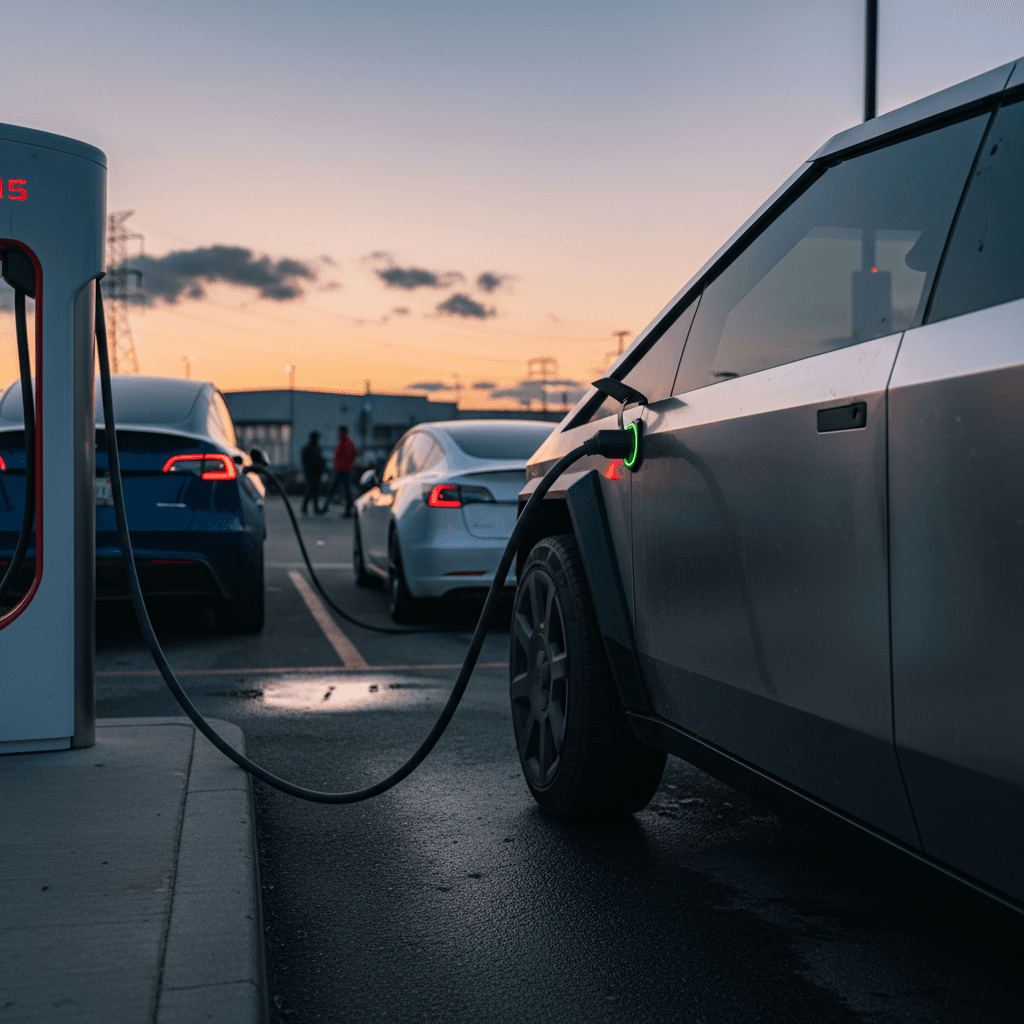
The Cybertruck is the most polarizing piece of Tesla’s 2026 lineup. It’s a stainless‑steel, wedge‑shaped full‑size pickup with serious performance and off‑road capability, but also compromises in bed design, aero drag, efficiency and repairability compared with more conventional unibody EV trucks.
Where Cybertruck makes sense
- You want an attention‑grabbing halo vehicle with extreme acceleration and unique styling.
- You’ll actually use the tow rating or off‑road capability, not just commute.
- You live near Superchargers that can handle the truck’s high‑power charging and footprint.
Where it doesn’t
- You just need an efficient family vehicle, a Model Y or Model 3 will be cheaper to buy and run.
- You’re sensitive to ride quality, tire costs or insurance premiums.
- You’re counting on body repairs being straightforward and inexpensive.
Range vs towing and speed
Tesla Roadster in 2026: Halo car or vaporware?
Tesla unveiled the second‑generation Roadster back in 2017 as a four‑seat, 200+ mph super‑EV with outrageous acceleration claims. Over the years, timelines have slipped repeatedly. Even with promises of production in the 2024–2025 window, by 2026 the Roadster remains largely theoretical for normal buyers rather than a volume product you can order and drive away.
- If it does arrive in limited numbers, expect pricing deep into supercar territory, not mainstream EV money.
- It’s more about brand halo and engineering spectacle than about solving daily transportation needs.
- For almost everyone, a Model 3 Performance or a well‑spec’d Model Y offers 90% of the usable performance for a fraction of the cost.
How to think about Roadster
Software, Autopilot/FSD and feature changes for 2026
Tesla’s software strategy in 2026 is shifting. Basic driver‑assist features that used to be standard on every car are increasingly being unbundled or turned into software‑locked options, and pricing for Full Self‑Driving (FSD) continues to move around as Tesla leans harder into the idea of future robotaxis.
Key software considerations for 2026 Teslas
What to watch when you compare new and used
Autopilot changes
Tesla has pared back which cars ship with features like Autosteer by default and which require paid upgrades. Carefully check the window sticker (new) or software screen (used) for what’s actually enabled.
FSD expectations vs reality
FSD remains a Level 2 driver‑assist system that still requires active supervision. Treat it as a comfort and convenience feature, not as a replacement for your attention or insurance.
OTA and feature drift
Over‑the‑air (OTA) updates can improve efficiency and usability, but occasional feature removals or changes happen too. When you buy used, make sure the current software behavior matches your expectations.
Don’t assume driverless capability
Range, battery and charging: How the 2026 Teslas compare
Approximate 2026 Tesla range and charging comparison
These are directional ranges and DC fast‑charging capabilities typical of 2026‑era Teslas; specific trims and wheel choices will vary.
| Model | Typical EPA range window | Battery size class | Best‑case DC fast charge | Ideal use case |
|---|---|---|---|---|
| Model 3 | ~270–330 mi | Mid‑60s kWh | Up to ~250 kW | Efficient commuting and road trips |
| Model Y | ~260–320 mi | Mid‑70s kWh | Up to ~250 kW | Family crossover, one‑car household |
| Cybertruck | ~250–340 mi+ | Very large pack | High (truck‑specific)','" | Towing, work, adventure use |
| Roadster (claimed) | >600 mi (claimed) | Very large performance | Extremely high (claimed) | Low‑volume halo / track toy |
Always confirm exact ratings and connector details before you buy or road‑trip.
Battery and charging checklist when shopping a Tesla in 2026
1. Focus on usable range, not just EPA
Look at how far you actually drive in a day and in your worst‑case conditions (winter, highway, loaded). Buying 100 extra miles you never use isn’t efficient, but buying too little range makes ownership stressful.
2. Check battery health on used cars
Range loss is usually modest in the first few years, but heavy fast‑charging or heat can accelerate degradation. Use a third‑party battery health report or tools like the Recharged Score to see real data instead of guessing.
3. Understand the connector landscape
In North America, Tesla’s NACS connector is quickly becoming the standard, and many other automakers are switching over. That makes Teslas convenient to charge but also raises questions about adapter need for older non‑Tesla EVs.
4. Confirm fast‑charge behavior
Not all trims and software versions charge at the same speed. If road trips matter, look for real‑world owner tests, not just peak kW marketing figures.
Pricing and total cost of ownership in 2026
Tesla’s list prices and incentives have been a moving target for several years, influenced by demand swings, tax‑credit rules and competition. By 2026, you should think in terms of total cost of ownership rather than just the sticker on the website configurator.
- New Model 3 and Model Y pricing in 2026 typically spans from the low‑$40,000s for sensibly optioned base trims into the high‑$50,000s or more for Performance and heavily optioned versions.
- Cybertruck pricing varies widely by configuration and local availability; early production trucks often carry higher effective prices than future, higher‑volume trims.
- Federal and state incentives can meaningfully change the math, but eligibility rules change often, verify credits for the exact VIN and build date you’re considering.
- Insurance, tires and potential FSD software purchases can add thousands of dollars over your ownership period; bake them into your budget, not as afterthoughts.
Why used Teslas can be a bargain in 2026
Buying new vs used in 2026: Where the smart money goes
When buying new makes sense
- You want the very latest hardware and software features, with full warranty coverage.
- You plan to keep the car a long time and don’t want to think about prior use or unknown charging habits.
- Specific configuration or color matters and you can’t easily find it used.
When used is the smarter play
- You’re value‑focused and comfortable letting the original buyer eat the steepest depreciation.
- You’re okay with a slightly older infotainment look as long as core range and charging features are solid.
- You can get independent battery‑health data and a clear history instead of guessing.
Model‑by‑model used opportunities
How Recharged helps you shop used Teslas with less risk
Buying a used Tesla in 2026 doesn’t have to mean rolling the dice on an opaque battery history or guessing if you’re overpaying. Recharged was built specifically to make used EV ownership simple and transparent, and that applies directly to Model 3, Model Y, Cybertruck and legacy Model S/X shoppers.
What you get with a used Tesla from Recharged
Beyond the usual used‑car checklist
Verified battery health
Every vehicle on Recharged includes a Recharged Score Report with battery diagnostics, so you see how the pack is performing relative to age and mileage instead of guessing from a range guess‑o‑meter.
Fair market pricing
We benchmark each vehicle against current market data so you’re not overpaying for a popular badge. You can compare offers confidently, whether you’re upgrading out of your current EV or buying your first Tesla.
Financing, trade‑in & delivery
Recharged offers financing, trade‑in or consignment options, plus nationwide delivery and an Experience Center in Richmond, VA if you want to see vehicles in person. The entire process is designed to be digital‑first and EV‑specialist‑guided.
Ready to find your next EV?
Browse VehiclesIf you already own a Tesla and are thinking about moving to a different model in the 2026 lineup, you can also use Recharged to get an instant offer or list on consignment, then roll that value directly into your next EV.
FAQ: Tesla’s 2026 model lineup
Frequently asked questions about the 2026 Tesla lineup
Bottom line: Which 2026 Tesla fits you best?
Match your needs to Tesla’s 2026 lineup
Efficiency‑first commuter
Prioritize a Model 3 RWD or Long Range for the best blend of price, range and efficiency.
Skip expensive wheel packages that hurt efficiency; spend on winter tires if you’re in a cold climate.
Buying used? Look for low‑mileage 2022–2025 cars with documented battery health.
Family and one‑car household
Start your search with a Model Y Long Range for extra headroom on space and range.
If budget is tight, a used Model Y RWD or base AWD can still work well for suburban duty.
Pay attention to interior wear, tire condition and software options, they matter more in daily use than pure 0–60 numbers.
Truck and adventure use
Only consider Cybertruck if you’ll genuinely use its towing, off‑road or cargo capacity.
Plan your routes around high‑power charging locations that can comfortably accommodate a large truck.
If you rarely tow or haul, a Model Y with a hitch may be a calmer, cheaper long‑term choice.
Enthusiast and performance buyer
A Model 3 or Model Y Performance gives you track‑day acceleration without exotic‑car running costs.
Keep in mind that big wheels and sticky tires increase consumable costs and can hurt ride quality.
Unless you’re in the 1% shopping genuine supercars, treat the Roadster as a sideshow, not a serious purchase plan.
Tesla’s 2026 lineup isn’t the simple S‑3‑X‑Y story it once was. Instead, it’s a maturing ecosystem centered on the Model 3 and Model Y, with Cybertruck and a still‑mythical Roadster out on the fringes. If you focus on matching your real needs to the right body style, range and budget, and you insist on transparent battery health and fair pricing, you can still make a Tesla the smartest move in your EV journey. And if you’re leaning toward used, Recharged is built to give you the data and support traditional dealerships rarely provide.