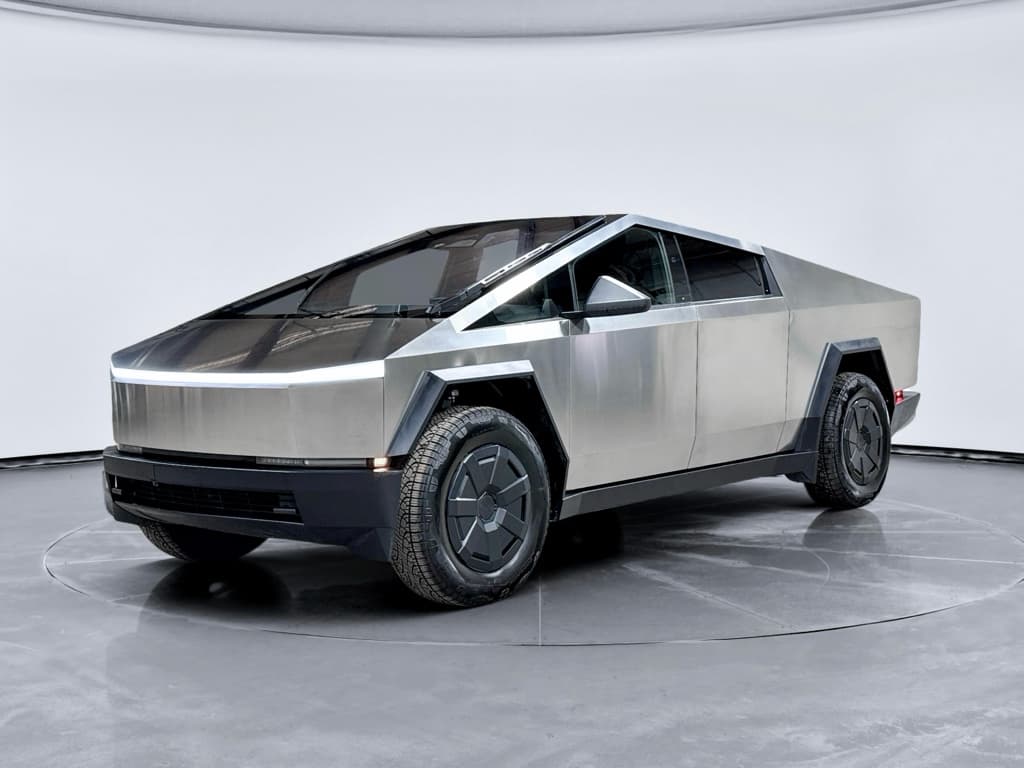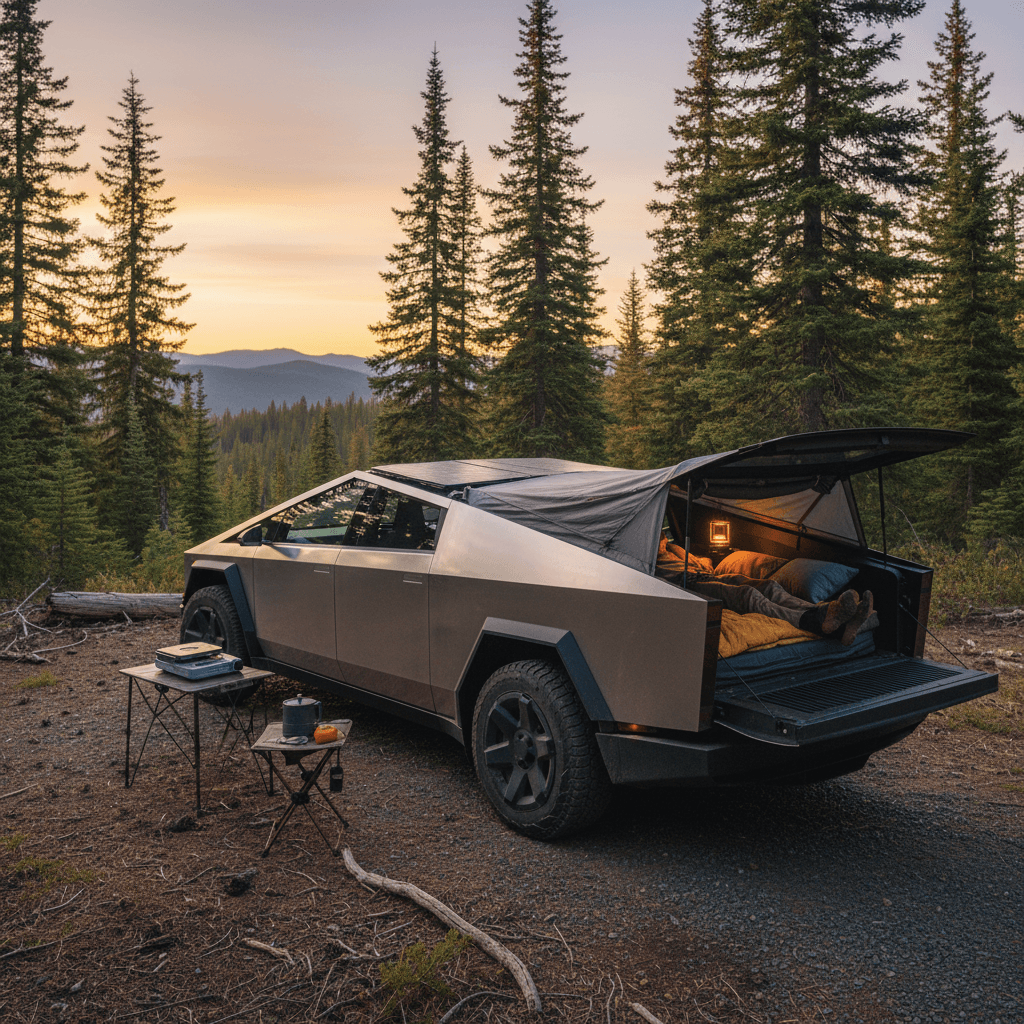
Yes, you can sleep in a Tesla Cybertruck. The question isn’t possibility; it’s **how comfortable, how safe, and for how long** you’ll actually want to do it. Between the 6‑foot vault bed, Tesla’s Camp Mode, and a growing ecosystem of truck campers, the Cybertruck is more than a stainless‑steel conversation piece, it’s a rolling studio apartment in beta.
TL;DR
Can You Sleep in a Tesla Cybertruck? Short Answer
- **Yes, in the vault (bed):** The Cybertruck’s covered bed, Tesla calls it the *vault*, is roughly 6 feet long and about 4 feet wide between the wheel wells, which is enough space for most people to lie flat on a pad or air mattress.
- **Yes, in the cabin (if you’re determined):** With the rear seats folded up or partially reclined, you can do a diagonal or front‑seat recline setup, but it’s not as naturally flat as Tesla’s sedans and crossovers.
- **Best with accessories:** A good mattress, insulated window covers, and either a bed tent or camper shell make the difference between “it works” and “I’ll actually sleep well.”
- **Camp Mode helps:** Cybertruck, like other Teslas, offers Camp Mode to keep HVAC and power outlets running overnight without constant supervision.
Reality Check
Where Can You Sleep in a Cybertruck: Cabin vs. Vault
Sleeping in the Vault (Bed)
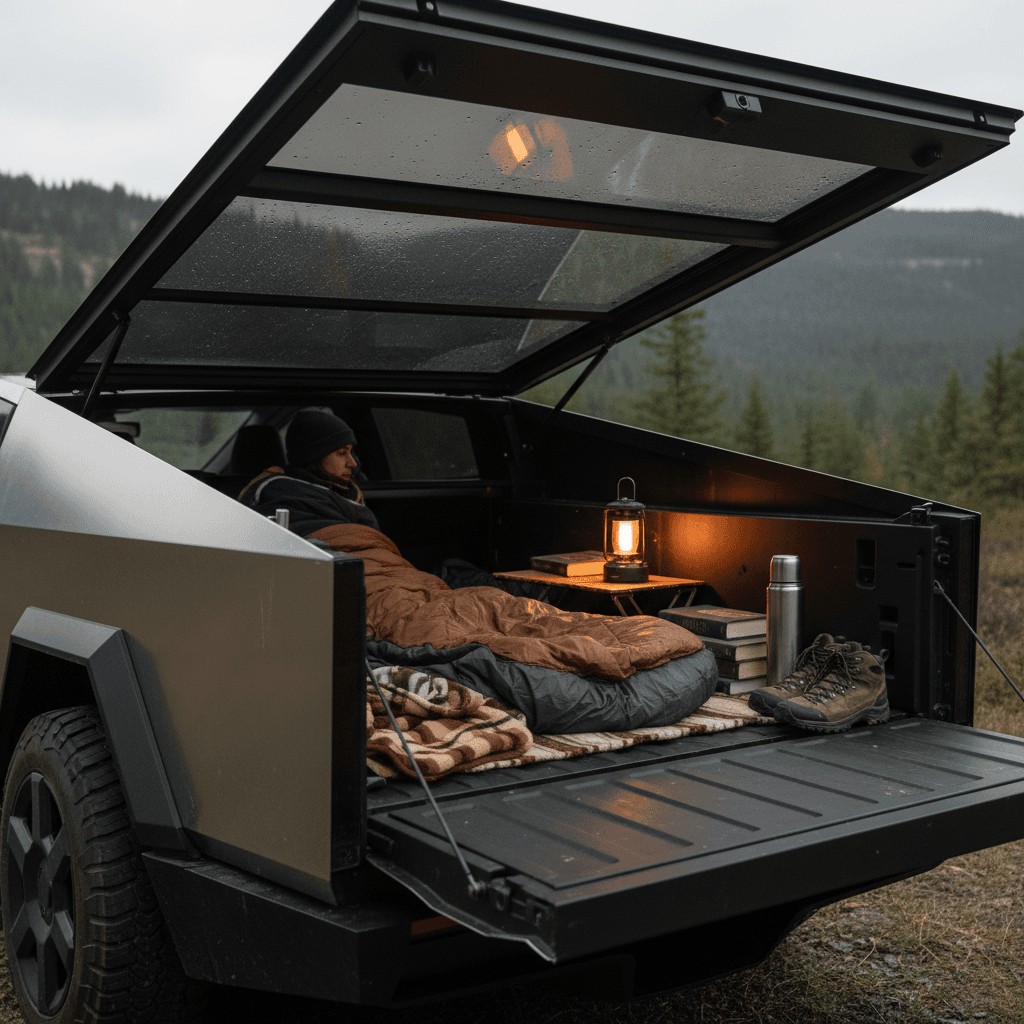
For most people, the **vault is the primary sleeping area**.
- Approx. 6 ft long and about 4–4.5 ft wide between the wheel wells.
- Flat metal surface under the tonneau cover, great for an air mattress or foam pad.
- Tonneau (“vault”) cover gives weather protection and privacy, though it’s not perfectly insulated.
- You can still access 120V and 240V outlets in the bed for lights or cooking gear.
This is where Cybertruck behaves like a classic pickup truck bed, just with a sci‑fi lid and a giant battery underneath.
Sleeping Inside the Cabin
Cabbing it is technically possible, but there are trade‑offs:
- The rear seats don’t fold into a full flat cargo floor like a Model Y; you end up with angles and height changes.
- Front seats recline, so a classic front‑seat sleeper position works in a pinch.
- Best cabin setups involve wedging a pad across the rear area with the seats partially raised or removed accessories.
For longer trips, most Cybertruck owners gravitate to the **vault or a camper shell**, not the passenger cabin.
Comfort: How Does the Cybertruck Actually Sleep?
This is where the fantasy of sleeping in your angular electric warhammer meets the physics of human joints and mattress thickness.
Cybertruck Sleeping: Pros & Cons at a Glance
The honest comfort breakdown before you toss a mattress in the vault.
Comfort Pros
- Flat vault floor works beautifully with an air mattress.
- Camp Mode can keep air at a comfortable temp for hours.
- Low center of gravity and air suspension keep the truck rock‑solid at night.
- Power outlets mean heated blankets, fans, or laptops without a gas generator.
Comfort Cons
- Vault length is about 6 feet; taller campers will sleep diagonal or curled.
- Bed is **narrower than a queen** and wheel wells intrude on space.
- From the factory, there’s no through‑opening from cabin to bed; HVAC doesn’t directly reach you in the vault.
- Metal surfaces and glass can feel cold without insulation.
Who Will Like It
- Solo travelers under ~6’ who pack a good mattress.
- Couples who don’t mind getting cozy.
- Overlanding types who value capability more than hotel‑bed comfort.
- Road‑trippers who only need to crash a night or two between destinations.
Comfort Tip
Using Camp Mode in a Cybertruck: HVAC, Noise & Battery Use
Tesla’s **Camp Mode** is what makes sleeping in any Tesla viable. In Cybertruck, it keeps climate control and power outlets running while the truck is in Park, and it relaxes some of the car’s usual energy‑saving behaviors so you don’t wake up in a rolling refrigerator, or oven.
- **How to enable Camp Mode:** Put Cybertruck in Park, open the climate controls on the center screen, and select Camp. The system will hold your set temperature, keep USB and 120V outlets powered, and allow infotainment use.
- **Typical battery use overnight:** Real‑world Tesla camping reports (Model 3/Y/X/S) usually see **5–15% battery drain over 8–10 hours** in mild conditions. Cybertruck’s larger pack and efficient heat pump mean similar or slightly better behavior, depending on weather.
- **Cold or extreme heat:** In very cold or hot weather, HVAC can use significantly more energy. At sub‑freezing temps or 100°F+ heat, plan on the higher end of that 10–20% overnight draw.
- **Automatic cutoff:** Like other Teslas, Camp Mode won’t let you fully kill the pack. Once the state of charge drops to around 20%, the system will warn you and may shut down climate to protect the battery.
- **Noise level:** HVAC in Teslas is a soft whoosh, not a generator roar. You’ll hear fans and the occasional compressor ramp‑up, but it’s generally easy to sleep with.
Pro Move: Plug In While You Sleep
Safety and Legality: Sleeping in an EV Truck
Sleeping in a Cybertruck is fundamentally different from napping in an old gasoline pickup. There’s no tailpipe, no idling engine, and no risk of carbon‑monoxide poisoning from exhaust drifting into a closed cabin, one of the quiet, unsung advantages of EV camping.
Safety Checklist Before You Sleep in a Cybertruck
1. Know the Local Laws
Overnighting in a vehicle is legal in some cities and banned in others, especially at rest areas or public streets. Check local regulations and campground rules before you treat the truck like a rolling Airbnb.
2. Park on Stable, Level Ground
Cybertruck’s air suspension can adjust height, but it can’t fix bad judgment. Avoid soft sand, mud, or steep angles that might shift under you at night.
3. Ventilation & Air Quality
Camp Mode handles HVAC, but don’t block vents or intake areas with gear. If you’re in the vault with the tonneau closed, consider cracking it slightly or using a dedicated tent/camper that’s designed for airflow.
4. Privacy & Security
Use window shades in the cabin and consider a curtain at the tailgate if the vault is open. Lock the truck from inside or via the Tesla app; Camp Mode doesn’t require you to leave the vehicle unlocked.
5. Battery Margin
Aim to start the night with at least **40–50% charge**, especially if you’re far from a fast charger. Cold weather or high winds can push HVAC use higher than expected.
6. Fire & Heat Sources
If you’re running electric heaters, induction cooktops, or lights off the truck’s outlets, keep flammables clear and gear rated for continuous use. The battery can supply lots of power, you still need basic campsite common sense.
Don’t Do This
Best Sleeping Setups for Cybertruck
Four Practical Sleep Setups for Cybertruck Owners
From “I just need to crash once” to “this is my tiny home now.”
1. Minimalist Vault Sleeper
Use when: You’re on a quick road trip or one‑night stop.
- Inflatable camping mattress or 3" foam pad cut to bed size.
- Sleeping bag rated to your coldest expected temps.
- Small battery‑powered light or low‑draw LED strip on the vault outlets.
Pros: Cheap, fast, uses the truck as‑is. Cons: Limited headroom with tonneau down, narrow for couples.
2. Tailgate Tent + Vault
Use when: You want more headroom and airflow.
- Pickup‑style tailgate tent fitted over the open vault.
- Mattress in the bed, mesh windows for ventilation.
- Easy access to outlets for fans or small heaters.
Pros: Roomier, less claustrophobic. Cons: More setup time, less stealth, more wind exposure.
3. Hybrid Cabin + Vault
Use when: You need to split sleeping space or store lots of gear.
- One person in the vault, another in a reclined front seat with a pad.
- Gear organized in bins to keep pathways clear.
- Camp Mode mainly manages cabin HVAC; the person in the vault uses heavier bedding.
Pros: Works for two adults with different preferences. Cons: Unequal comfort; awkward if you both toss and turn.
4. Full Camper Shell or Wedge
Use when: Camping is a core reason you bought the truck.
- Aftermarket camper shells, wedge campers, or pop‑tops built for Cybertruck.
- Integrated bed platforms, thicker mattresses, storage, maybe even kitchen modules.
- Uses Cybertruck’s power outlets for lighting and appliances.
Pros: Feels like a tiny EV RV. Cons: Cost, weight, and complexity climb quickly.
Cybertruck vs. Other Teslas for Sleeping
How Cybertruck Compares to Other Tesla Models for Sleeping
If your main goal is car‑camping, Cybertruck isn’t the automatic winner.
| Model | Primary Sleeping Area | Length of Flat Surface | Best For | Comfort Rating (sleeping stock) |
|---|---|---|---|---|
| Model 3 | Seats folded into trunk | ~5'8"–5'10" | Solo sleepers, occasional camping | ★★★☆☆ |
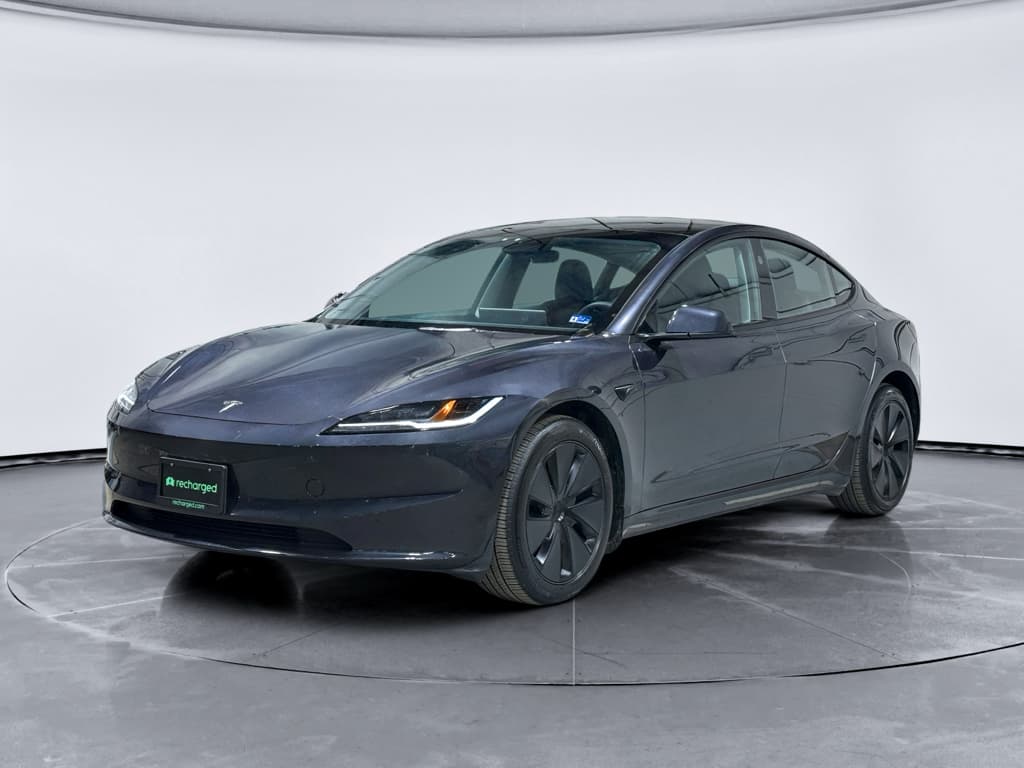
| Model Y | Seats folded into cargo area | ~6'0"+ | Couples, frequent road‑trip camping | ★★★★☆ |
| Model X | Seats folded (5/6‑seat) into cargo | ~6'0"+ with more headroom | Families, glamping | ★★★★☆ |
| Cybertruck | Vault bed or improvised cabin | ~6' in vault | Overlanding, gear‑heavy trips | ★★★☆☆ (vault) / ★★☆☆☆ (cabin) |
Cybertruck is the most rugged Tesla to sleep in, but not the most comfortable; the crossovers still win on interior sleeping space.
Why Cybertruck Isn’t Automatically the Best Sleeper
When a Camper or Tent Add-On Is Worth It
The aftermarket saw the Cybertruck and immediately smelled opportunity. Wedge campers, pop‑tops, and modular bed systems promise to turn that stainless triangle into a legitimate micro‑RV, with proper beds, standing room, and even kitchens.
Is a Camper Upgrade Worth It? Quick Math & Reality
Good Time to Go Camper
Buying a Used Tesla for Camping: How Recharged Helps
Cybertruck is still relatively new and rare on the used market, but the underlying question, *“Can I realistically sleep in this EV?”*, comes up with every Tesla model. That’s where understanding battery health, range, and charging logistics matters just as much as mattress dimensions.
Know Your Real-World Range
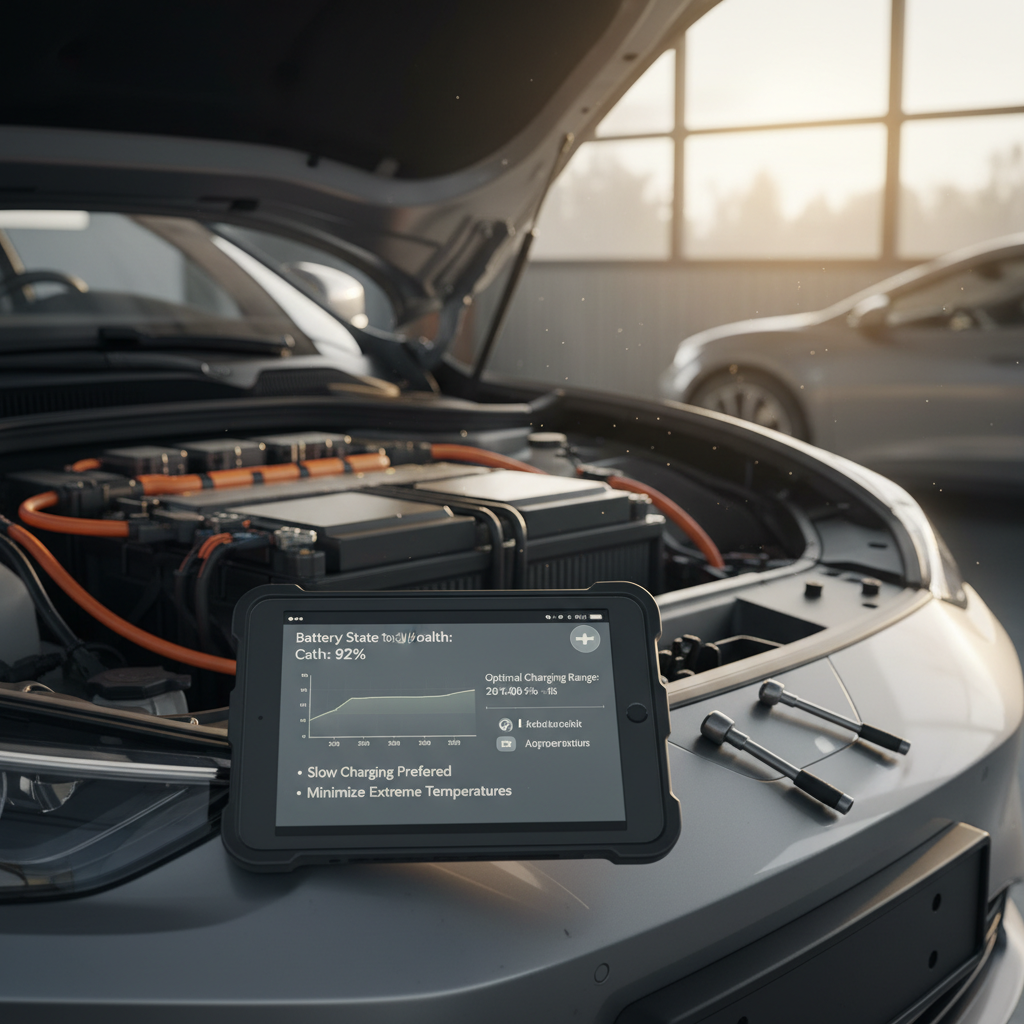
Running Camp Mode overnight, climbing mountain passes, or pulling into a trailhead on a cold morning all eat into range. With a used Tesla, Cybertruck or otherwise, you want confidence that the battery will still deliver when you’re 50 miles from the nearest fast charger.
Every vehicle sold through Recharged includes a Recharged Score Report with verified battery health and fair‑market pricing, so you know what kind of overnight camping and road‑trip margin you actually have, not just what was on the sticker when the car was new.
A Buying Process Built for EV Life
If your dream is Netflix on the Supercharger and falling asleep in a climate‑controlled cocoon, you want a buying partner that actually understands EV ownership.
- EV‑specialist support that can talk through camping use cases, not just commute range.
- Financing, trade‑in, and nationwide delivery to get the right Tesla to your driveway or campsite.
- An Experience Center in Richmond, VA where you can sit in real vehicles and imagine your first night out under the stars.
Whether you end up chasing a Cybertruck, a Model Y, or a different used EV entirely, Recharged can help you find the one that fits both your daily life and your weekend escapes.
FAQ: Sleeping in a Tesla Cybertruck
Frequently Asked Questions About Sleeping in a Cybertruck
Bottom Line: Should You Plan to Sleep in a Cybertruck?
If your fantasy is rolling into the desert, closing the vault, and sleeping in your stainless‑steel monument to futurism, the Tesla Cybertruck will absolutely indulge you. It gives you a **flat 6‑foot bed, huge onboard battery, and Camp Mode**, all of which make one‑night stops and weekend adventures easy, especially if you’re solo or don’t mind close quarters.
But it’s also honest work‑truck DNA: the comfort level depends heavily on the mattress you bring and whether you invest in a tent or camper shell. Compared with Tesla’s crossovers, Cybertruck is the **more rugged, less plush** way to sleep in an EV. Great if you prioritize gear, trails, and power outlets; less ideal if you’re trying to recreate your bedroom on wheels.
If you’re already set on the Cybertruck, plan your sleeping system as seriously as you plan your wheel and tire setup. And if you’re still deciding *which* used EV to buy for camping, consider browsing Recharged’s inventory of pre‑owned Teslas and other EVs, with verified battery health and EV‑savvy support, before you turn your next road trip into a field test.