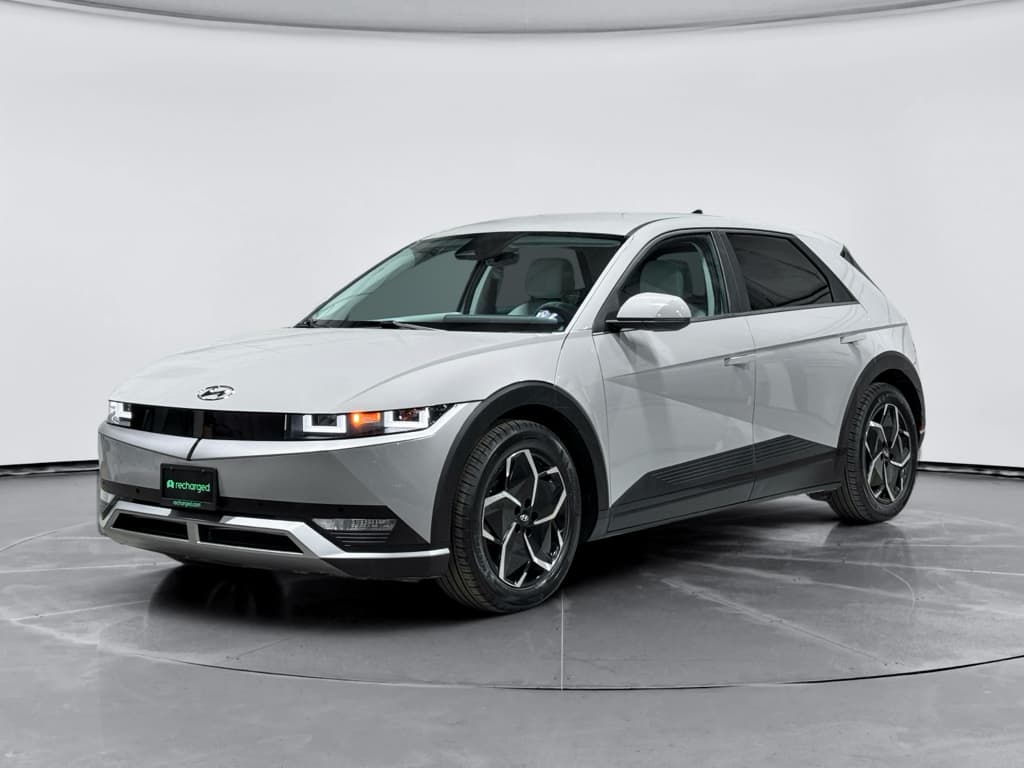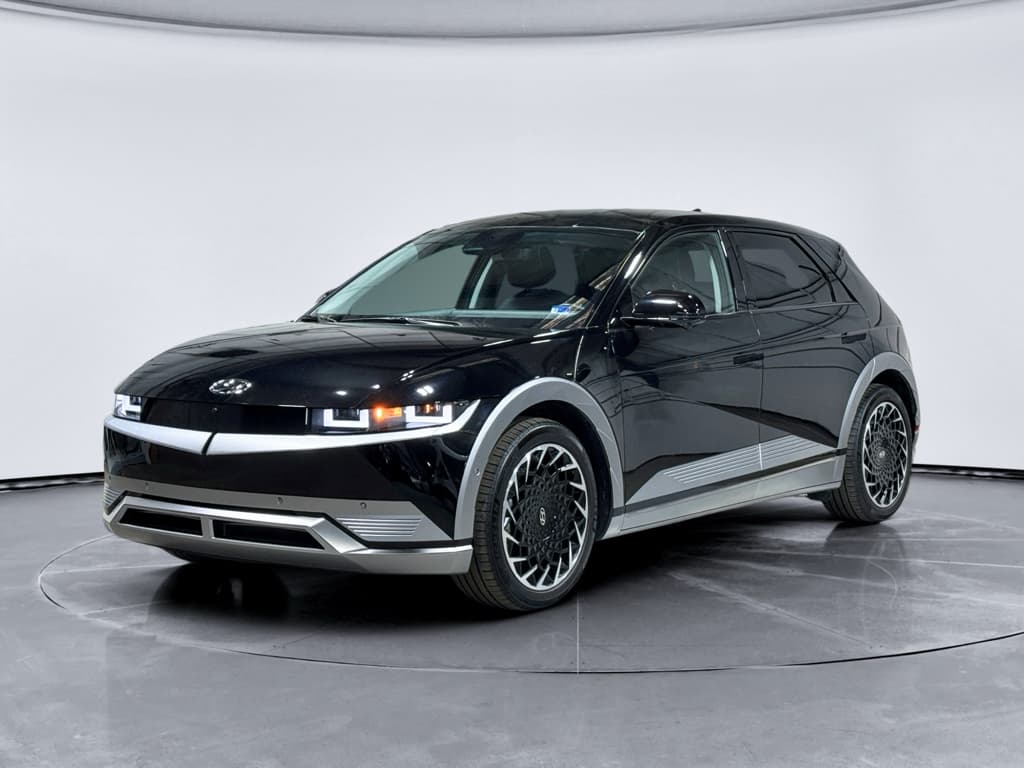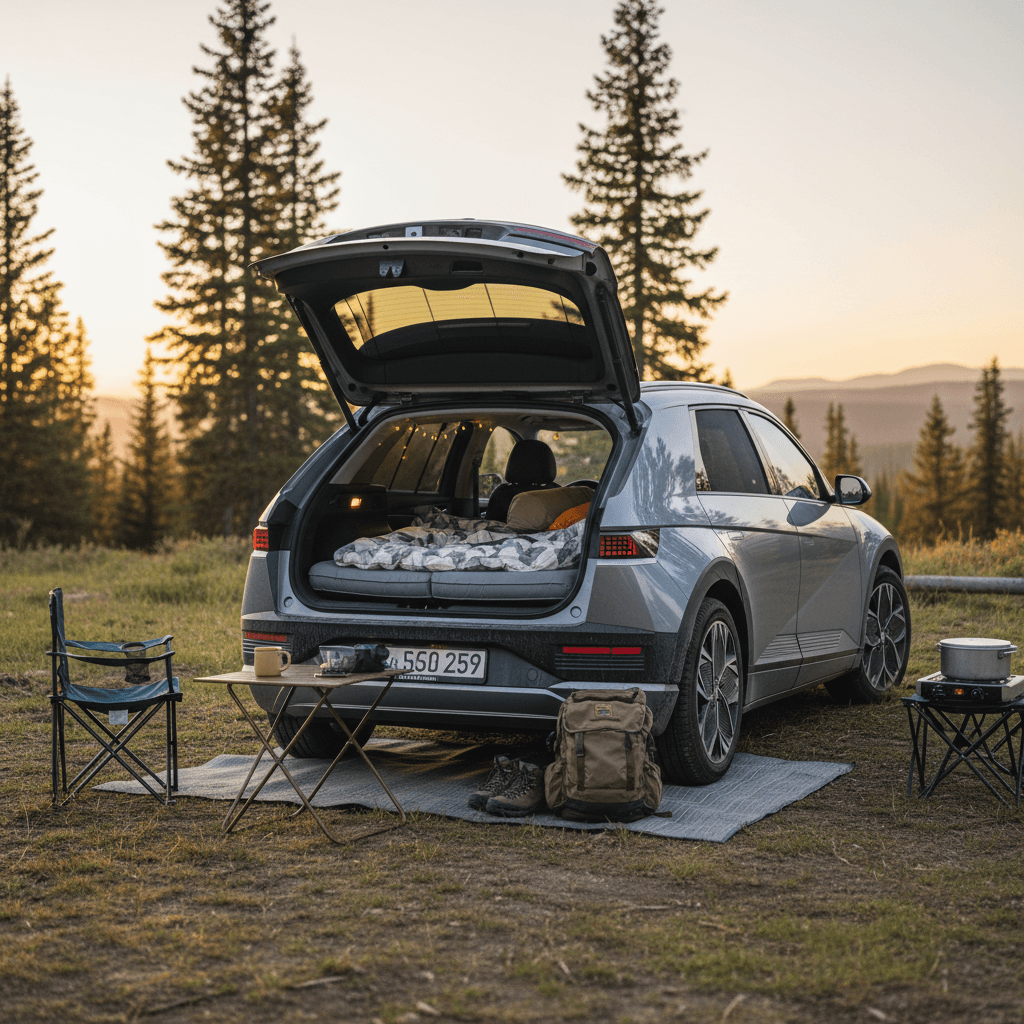
If you’re eyeing the Hyundai Ioniq 5 as a multi‑purpose adventure rig, you’re probably wondering: can you actually sleep in a Hyundai Ioniq 5 and be comfortable? The answer is yes for most people, but with a few caveats around mattress choice, climate control, and how tall you are. Let’s walk through what the car really offers for overnight stays and how to set it up so you don’t wake up sore or with a drained battery.
Quick take
Can You Sleep in a Hyundai Ioniq 5? The Short Answer
- Yes, you can sleep in an Ioniq 5: the rear seats fold nearly flat and the cargo space with seats down is about 58–59 cubic feet, similar to other compact crossovers.
- Most adults up to around 6 feet (183 cm) can lie fully extended diagonally or with the front seats moved forward; taller campers will need to angle themselves or bend their knees.
- Two adults can sleep in the back, but it’s “cozy couple” territory, not spacious glamping.
- Comfort depends heavily on using a decent mattress or pad and managing climate settings so you’re not freezing or sweating at 3 a.m.
So yes, the Ioniq 5 is absolutely sleep‑capable. The more important question is how to make it comfortable and safe, and that’s where dimensions, trim features, and EV‑specific tricks like utility mode and Vehicle‑to‑Load (V2L) really matter.
Ioniq 5 Space and Dimensions for Sleeping
Before you think about mattresses or sleeping bags, you need to know what kind of real estate you’re working with inside the Ioniq 5. On paper, the cargo and interior numbers look good, and the EV‑specific flat floor helps a lot.
Key Ioniq 5 Space Numbers for Camping
Different sources quote slightly different maximum cargo figures, but in U.S.‑spec Ioniq 5s you’re looking at roughly 26–27 cubic feet behind the rear seats and about 58–59 cubic feet with the second row folded. That’s in line with many compact SUVs and gives you a broad, low load floor for a sleeping setup.
Approximate Interior Dimensions That Matter for Sleeping
Exact measurements vary slightly by model year and trim, but these ballpark numbers are what most Ioniq 5 campers actually experience.
| Measurement | Approx. Value | Why It Matters |
|---|---|---|
| Cargo length with seats folded | ~72–75 in (front seats moved up) | Determines if you can lie fully flat; most people up to ~6 ft fit fine. |
| Cargo width between wheel arches | ~42–44 in | Roughly a "full" or narrow queen‑width mattress fits with slight squeeze. |
| Max interior width higher up | ~56–57 in | Plenty of shoulder room for two average‑size adults. |
| Cargo volume seats down | ~58–59 ft³ | Indicates total gear + mattress capacity. |
| Rear seat slide travel | Several inches fore/aft | Lets you trade rear legroom for more cargo/sleep length. |
Use these figures as planning guides, not as precision CAD diagrams, for your sleep setup.
Mind the slight slope
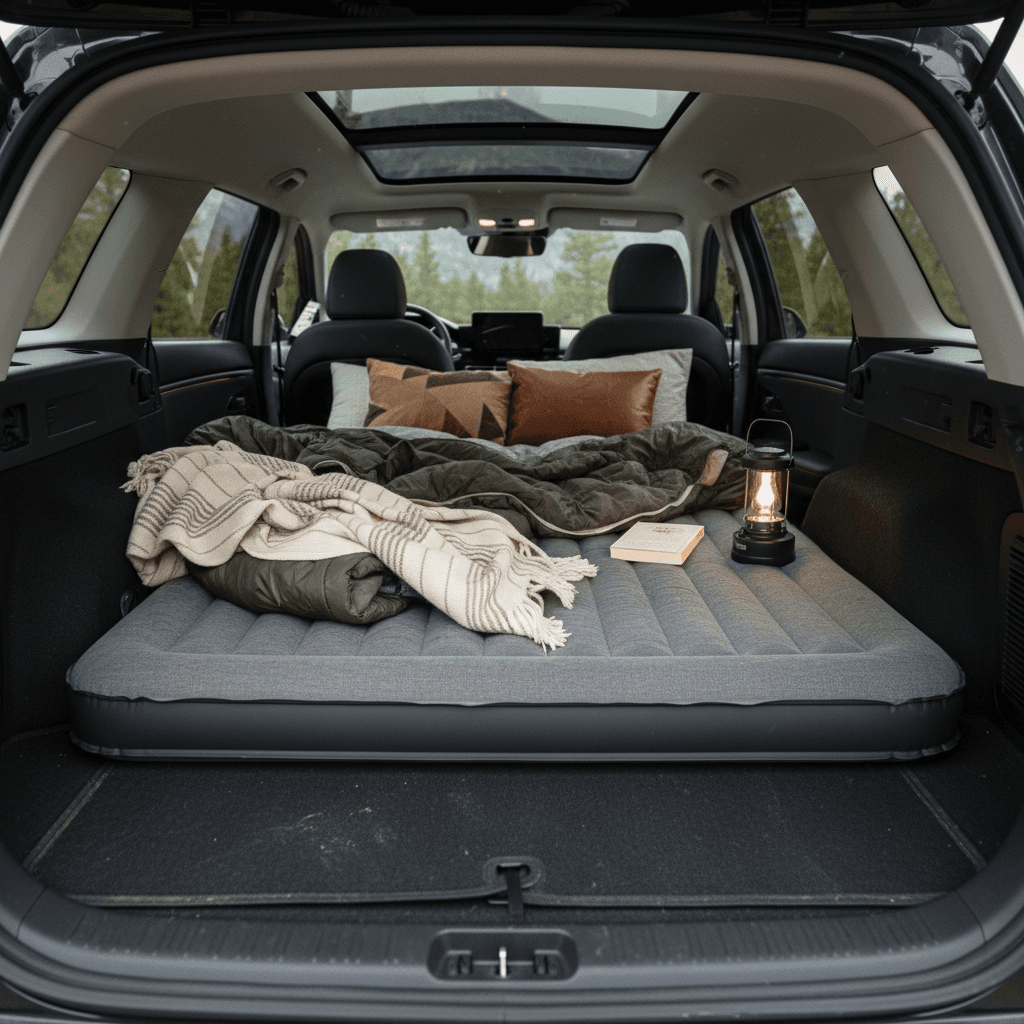
Best Sleeping Configurations in the Ioniq 5
You’ve basically got three strategies: sleep in the back with the seats folded, use the front “relaxation” seats where equipped, or mix the two for odd‑shaped bodies or gear layouts. Here’s how they compare.
Three Practical Sleeping Layouts for the Ioniq 5
Pick based on how many people, how tall you are, and whether your trim has the relaxation seats.
1. Rear seats folded – classic car‑camp mode
Best for: One or two people, most comfort overall.
- Fold rear seats, slide them back slightly to reduce slope.
- Move front seats forward and up to maximize length.
- Lay down a folding or inflatable mattress across the cargo area.
Most campers choose this layout for overnight trips.
2. Front relaxation seats (where equipped)
Best for: Solo naps, quick rest at chargers.
- On some trims/markets, front seats have a "relaxation" mode with leg rest.
- Reclines deeply but doesn’t go perfectly flat.
- Great for a quick sleep, less ideal for full nights, especially if you’re tall.
3. Mixed front–rear layout
Best for: Very tall campers or awkward gear loads.
- Fold one rear seat section and recline the opposite front seat.
- Sleep diagonally using both zones for extra length.
- Helpful if you need to keep part of the rear bench upright for a child seat or gear.
Solo sleeper hack
Comfort Tips: Mattresses, Bedding and Gear
The Ioniq 5’s interior volume is only half the comfort story. The other half is how you manage pressure points, temperature, light, and storage. This is where a bit of planning makes the difference between “this is surprisingly great” and “never again.”
Dialing in a Comfortable Ioniq 5 Sleep Setup
Choose the right mattress size
A <strong>narrow full‑size</strong> (about 48" wide) or camping mattress in the 25–30" range works well. Standard queens are usually too wide to sit flat without bunching. Test‑fit at home before your first trip.
Compensate for seat slope and gaps
Use a thicker inflatable pad, foam topper, or a few folded blankets near the hinge between cargo floor and seatbacks. Many campers report that ~3–4 inches of foam mostly erases the angle.
Bring real bedding, not just a sleeping bag
A fitted sheet over the mattress plus a light duvet or quilt feels much less “makeshift” than nylon sleeping bags, especially if you’re trying to convince a partner this is fun.
Use window covers for privacy and insulation
Reflectix cutouts or aftermarket window shades keep out early‑morning light and add some thermal insulation. Don’t forget a cover for the glass roof if your trim has one.
Organize gear in soft bags or cubes
The Ioniq 5 has plenty of nooks, but hard cases create pressure points and wasted volume. Soft duffels stow under the mattress or in the front footwells more easily.
Protect the interior
Lay down a thin tarp or waterproof blanket under the mattress to keep sand, pine needles, and condensation from soaking into the cargo carpet.
Good news for taller drivers
Climate Control and Battery Drain Overnight
Sleeping in any EV raises a reasonable concern: will climate control drain my battery overnight? The Ioniq 5, like its Kia EV6 cousin, is actually quite good at low‑load climate use, but your setup and outside temperature matter a lot.
Using Utility Mode for Overnight Climate
The Ioniq 5 has a setting often referred to as utility mode (or simply leaving the car "on" in Park) that keeps climate control running while the car is stationary.
- Set your target temperature (often 68–72°F is comfortable).
- Disable seat occupancy sensors by buckling belts under bedding if warning chimes bug you.
- Lock the car from inside or with the key while it runs.
In mild weather, owners typically report only a single‑digit percent drop in battery overnight. In very cold conditions (around freezing), it can be more like 10–15% depending on your settings.
Plugged In vs. On Battery
If you’re at a campsite or driveway with power:
- Level 1 (120V) charging can often offset most or all of the climate use overnight, especially in moderate temps.
- Level 2 (240V) more than covers it and still adds range.
- Be aware that the 120V outlet inside the car may not work while charging on some trims, so plan your plug‑in strategy.
Always arrive with a comfortable state of charge. For true boondocking, many people treat 50–60% as the minimum starting point before an overnight stay.
Conserve energy smartly
Using Vehicle-to-Load (V2L) for Camping
One of the Ioniq 5’s party tricks is Vehicle‑to‑Load, its ability to power standard household devices from the high‑voltage battery. For camping, that’s a game‑changer compared with older EVs.
Smart Ways to Use V2L While You Sleep
You’ve effectively got a quiet, giant battery pack on wheels, use it wisely.
Lights and small devices
- LED string lights, lanterns, and reading lamps.
- Phones, tablets, laptops, camera gear.
- Small fans or heated blankets (check wattage).
Most of these draw very little power compared with the car’s battery capacity.
Cooking and hot drinks (before bed)
- Electric kettle for tea or instant meals.
- Small induction burner or hotplate for quick cooking.
- Compact rice cooker or coffee maker.
Run higher‑draw appliances in short bursts, ideally before you settle in for the night.
Backup power strategy
- Think of V2L as your primary camp outlet.
- Avoid running multiple heavy loads at once.
- Know your device wattages to avoid tripping protection.
The Ioniq 5’s V2L can comfortably support most typical campsite electronics when used sensibly.
Don’t forget range planning
Safety and Ventilation Considerations
One advantage EVs have over gas cars is that you can safely run climate control without exhaust fumes. That said, there are still best practices to follow when you sleep in an Ioniq 5.
Safety Checklist for Sleeping in an Ioniq 5
Park on level, legal ground
Always camp where it’s allowed and safe: established campsites, private property with permission, or clearly permitted overnight spots. Level ground matters both for comfort and for how your mattress sits over the folded seats.
Use Park and engage parking brake
Make sure the car is in Park and the electronic parking brake is set before you climb into the back. You don’t want accidental roll‑away if someone bumps the controls at night.
Lock the doors from inside
Use the key fob or interior lock buttons to keep doors locked while you sleep. The car can stay “on” for climate while fully locked.
Crack a window slightly if not using HVAC
If you’re not running active climate control, a small crack in one or two windows helps manage condensation and keeps the cabin feeling fresh.
Avoid blocking airbags and vents
Don’t stuff pillows or gear in a way that could interfere with side‑curtain airbags, sensors, or major air vents. Keep the area around front seats relatively clear.
Mind your 12V usage
If you’re running accessories from the 12V socket without the car in utility mode, you can drain the low‑voltage battery. When in doubt, keep the main vehicle system on so it can manage 12V charge automatically.
Respect local rules
How the Ioniq 5 Compares to Other EVs for Sleeping
Viewed purely as a place to sleep, the Ioniq 5 is one of the better mainstream EVs, but not perfect. Here’s how it stacks up conceptually against common alternatives like the Tesla Model Y and other compact electric crossovers.
Ioniq 5 vs. Other Popular EVs for Car Camping
High‑level comparison of how the Ioniq 5’s interior works as a sleeping platform.
| Model | Max Cargo (Seats Down) | Floor Flatness | Notable Camping Pros | Main Drawbacks |
|---|---|---|---|---|
| Hyundai Ioniq 5 | ≈58–59 ft³ | Nearly flat, slight slope at seat hinge | Flat EV floor, V2L power, sliding rear seats, roomy width for two. | Rear seats not perfectly flush, modest frunk, ground clearance on the low side. |
| Tesla Model Y | ≈71 ft³ | Good flat area, longer overall | More total volume, big frunk, widely documented camp mode. | Firmer ride, more road noise for some, no built‑in V2L yet in U.S. |
| Kia EV6 | ≈50 ft³ | Similar to Ioniq 5, slightly lower roofline | Sportier drive, shares V2L capability, similar utility mode behavior. | Tighter headroom in back, less boxy cargo area. |
| VW ID.4 / similar | Mid‑50s ft³ | Varies by model, often flat | Boxy rear great for gear, simple folding seats. | Less advanced V2L support, interior packaging not as clever. |
Real‑world experience varies by trim and model year, but this gives you a sense of where the Ioniq 5 shines.
Why boxy matters
Buying a Used Ioniq 5 Specifically for Camping
If car camping or long road trips are a big part of why you’re considering an Ioniq 5, it’s worth being a bit choosy about the exact car you buy, especially on the used market, where specs and options vary a lot between model years and trims.
What to Look For in a Camping‑Friendly Used Ioniq 5
You’re shopping for a bedroom and power station, not just a commuter car.
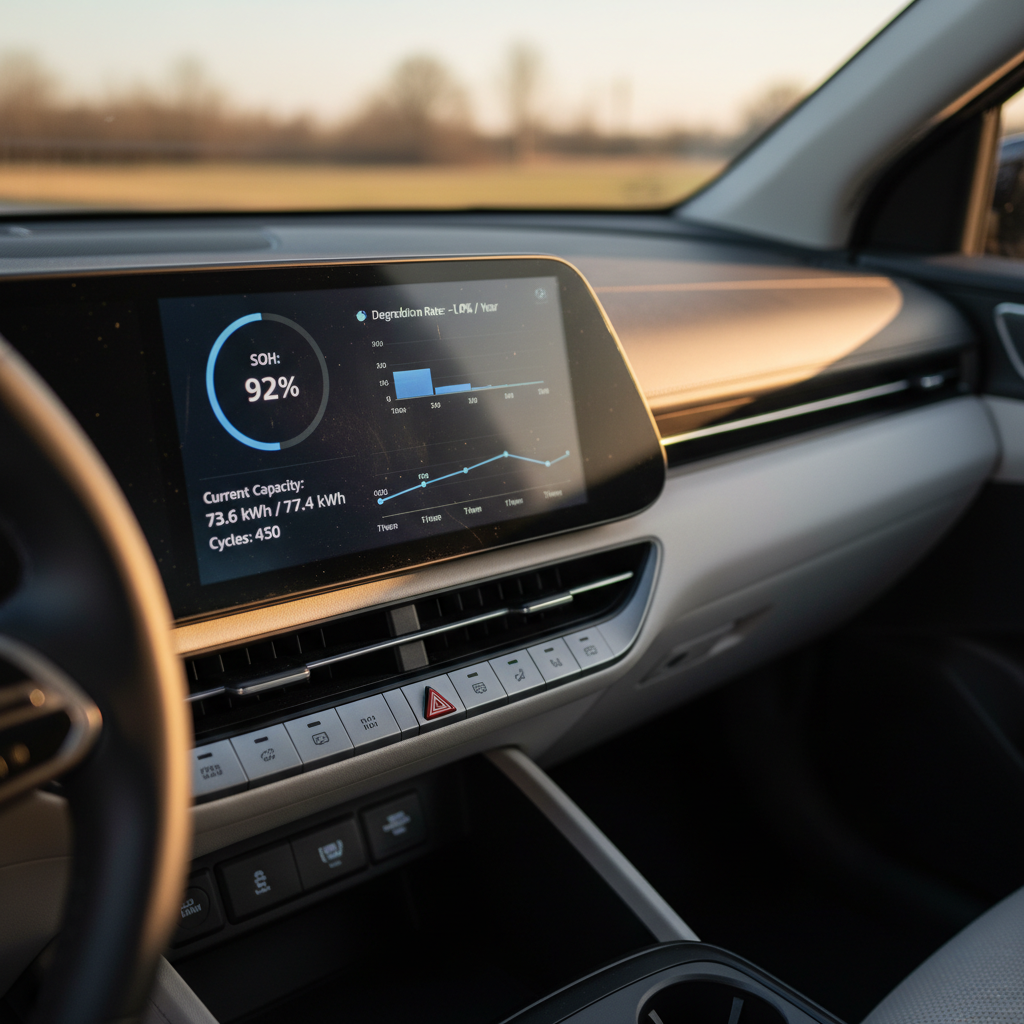
Battery health and usable range
Overnight climate control and V2L use are easier to justify when you have healthy range in reserve.
- Look for a clean battery health report and realistic range figures.
- Degraded packs mean less margin for camping loads and cold‑weather trips.
- Ask how the previous owner charged the car, mostly DC fast charging can accelerate wear.
On Recharged, every car comes with a Recharged Score and verified battery diagnostics, so you’re not guessing.
Features that improve camping life
- Trims with V2L support and interior 120V outlet are far more flexible at camp.
- Check for heated seats and steering wheel, they save energy versus blasting heat.
- Panoramic roof? Great by day, but consider whether you’ll want a shade or cover for sleep.
- Verify that rear seats fold and latch smoothly and that the cargo floor panels are intact.
If you’re trading in another vehicle to move into an Ioniq 5, working with a digital‑first used‑EV specialist like Recharged means you can shop specifically for cars that fit your camping use case, get transparent pricing, and even arrange nationwide delivery to your driveway. That’s a lot easier than trying to measure cargo length in a rushed dealer test drive.
FAQ: Sleeping in a Hyundai Ioniq 5
Frequently Asked Questions About Sleeping in the Ioniq 5
Bottom Line: Is the Ioniq 5 Good to Sleep In?
If your question is simply “can you sleep in a Hyundai Ioniq 5?”, the answer is yes, comfortably enough that plenty of owners are using theirs for road‑trip overnights and light car camping. The flat floor, generous cargo volume, and V2L power give it real advantages over many compact SUVs.
It’s not a minivan or a purpose‑built camper, and the rear seats don’t fold into a perfect hotel‑flat bed. But if you pair the Ioniq 5’s strengths with a smart sleep system, right‑sized mattress, dialed‑in climate settings, and a bit of organization, you get a quiet, efficient, and surprisingly livable micro‑camper that can also commute, haul kids, and hit DC fast chargers on the way to the trailhead.
If you’re looking at the Ioniq 5 as an adventure vehicle, it’s worth starting with a car that has healthy range and the features that matter most to you on the road. Browsing used Ioniq 5s on Recharged lets you see verified battery health, compare trims and options, and even arrange delivery to your driveway, so you can spend less time shopping and more time figuring out which campsites you want to wake up in.