You’re shopping Cadillac and torn between a familiar, gasoline-powered XT5 and the all‑electric Lyriq. One question keeps nagging you: when you stack up fuel or electricity, maintenance, insurance, and resale, which one actually costs less to own? This guide unpacks the Cadillac XT5 vs Cadillac Lyriq total cost of ownership in plain English, using realistic US numbers and real‑world behavior, not brochure fantasy.
Gas vs. electric, same luxury badge
XT5 vs. Lyriq: Who this comparison is for
- You’re comparing a new or nearly new Cadillac XT5 to a new or nearly new Lyriq.
- You drive roughly 10,000–15,000 miles per year in the US.
- You’re wondering if EV savings are real once you include purchase price, charging, and resale value.
- You’re also open to buying used, but don’t want a surprise battery bill on the Lyriq.
We’ll focus on mainstream trims (not the hottest performance variants), assume mostly home charging for the Lyriq, and use current US averages for fuel and electricity. Think of this as a realistic, commuter‑plus‑weekend‑trip scenario, not a lab test.
Quick take: XT5 vs. Lyriq total cost of ownership
XT5 vs. Lyriq: 5‑year cost snapshot (typical US driver)
Rule of thumb
Purchase price and incentives
Typical new pricing (as of 2025–2026)
- Cadillac XT5: Commonly mid‑$50,000s nicely equipped, more with options.
- Cadillac Lyriq: Frequently in the low‑to‑mid‑$60,000s for volume trims, with higher trims pressing beyond.
The Lyriq’s sticker usually runs around $8,000–$12,000 higher than a comparable XT5 before incentives, depending on configuration and local deals.
EV incentives and tax credits
- New Lyriqs may qualify for federal and state EV incentives depending on how you buy and where you live.
- Some incentives are now taken at the point of sale through the dealer instead of waiting for tax time.
- XT5, as a conventional gas SUV, does not qualify for EV incentives.
Always confirm current eligibility; EV incentive rules have changed several times since 2023.
Don’t spend your fuel savings twice
Fuel vs. electricity: what you’ll pay per mile
This is where the Lyriq quietly crushes the XT5. You feel it every time you fill up, or don’t.
Energy cost: Cadillac XT5 vs. Cadillac Lyriq
Illustrative US averages for a mid‑size luxury SUV driver at ~12,000 miles per year.
| Model | Energy use (realistic) | Energy price assumption | Cost per 100 miles | Cost per mile |
|---|---|---|---|---|
| Cadillac XT5 (gas) | ≈22 mpg combined in real life | $3.75/gal regular (or more for premium) | ≈$17.00 | ≈$0.17/mi |
| Cadillac Lyriq (EV) | ≈32–38 kWh/100 mi depending on version and driving | $0.15/kWh home rate | ≈$4.80–$5.70 | ≈$0.05–$0.06/mi |
| Lyriq on DC fast charging | Same as above, but with network fees | $0.35–$0.50/kWh common at public fast chargers | ≈$11.20–$19.00 | ≈$0.11–$0.19/mi |
Actual numbers will vary with fuel prices, electricity rates, driving style, and climate, but the gap in energy cost per mile is very real.
EVs love home charging
On a typical American commute, suburban driving with some freeway, the Lyriq’s electricity bill is roughly one‑third of what the XT5 spends on gas. Over 12,000 miles per year, that’s easily $1,200–$1,500 in annual energy savings, and more if gas prices spike.
Maintenance and repairs: where EVs quietly win
Key maintenance differences: XT5 vs. Lyriq
Same luxury badge, very different under the skin.
No oil, no tune‑ups
Brakes last longer
Fewer moving parts
On paper, EVs can cut maintenance and repair costs by 30–50% compared with a similar gas SUV over the long haul. In the first few years, both vehicles will mostly be in warranty territory; the gap widens as they age.
The big asterisk: tires
Insurance and taxes
Insurance pricing is its own dark art, but a few patterns are showing up as more Lyriqs hit the road.
- Insurance premiums: The Lyriq’s higher MSRP and specialized bodywork can make it a bit more expensive to insure than an XT5 in the same zip code and driver profile.
- Repair complexity: Body repairs on modern EVs can involve more calibration and diagnostic work, which insurers bake into premiums.
- Registration and local taxes: Some states add small annual EV fees; others discount registration or offer perks like HOV lane access. The XT5 plays by traditional gas‑SUV rules here.
Get real quotes, not guesses
Depreciation and resale value
Total cost of ownership often comes down to what the vehicle is worth when you’re done with it. Gas luxury SUVs like the XT5 have a long resale track record. The Lyriq is newer, with a less predictable curve.
Cadillac XT5 depreciation
- Mid‑size luxury SUVs typically lose a big chunk of value in the first 3–4 years, then level off.
- The XT5 has a track record now: used‑market shoppers know what to expect for fuel economy, reliability, and repairs.
- It’s easier to predict a 5‑year value, which helps if you finance or lease.
Cadillac Lyriq depreciation
- EV resale is more volatile. Incentive changes, new competitors, and tech upgrades can all move prices.
- The Lyriq’s high sticker means larger dollar losses in early years, even if its percentage drop is similar.
- Battery health and range are the first questions used‑EV shoppers ask, and they’re right to.
That uncertainty is exactly why Recharged bakes a Recharged Score battery health report into every used EV we sell, including Lyriq. It’s your flashlight in a dark market.
5‑year Cadillac XT5 vs. Lyriq cost comparison example
Let’s pull this together with a simple, apples‑to‑apples example. These aren’t lab‑perfect numbers; they’re meant to show direction and scale for a typical US driver over five years and 60,000 miles.
Illustrative 5‑year cost of ownership: XT5 vs. Lyriq (60,000 miles)
New, nicely equipped XT5 and Lyriq; 12,000 miles/year; mostly home charging for the Lyriq.
| Category | XT5 (gas) | Lyriq (EV) |
|---|---|---|
| Starting price (transaction) | $55,000 | $63,000 |
| Estimated value after 5 years | $26,000 | $29,000 |
| Depreciation (loss in value) | $29,000 | $34,000 |
| Energy cost (60k mi) | ≈$10,200 (gas) | ≈$3,300 (mostly home charging) |
| Routine maintenance & minor repairs | ≈$4,500 | ≈$2,800 |
| Tires (one full set) | ≈$1,200 | ≈$1,400 |
| Insurance (example) | ≈$9,000 | ≈$9,750 |
| Estimated 5‑year total | ≈$53,900 | ≈$51,250 |
Numbers rounded for clarity. Your exact totals will vary with local prices, incentives, and driving habits.
Why the totals can be so close
Charging, home vs. public, and lifestyle fit
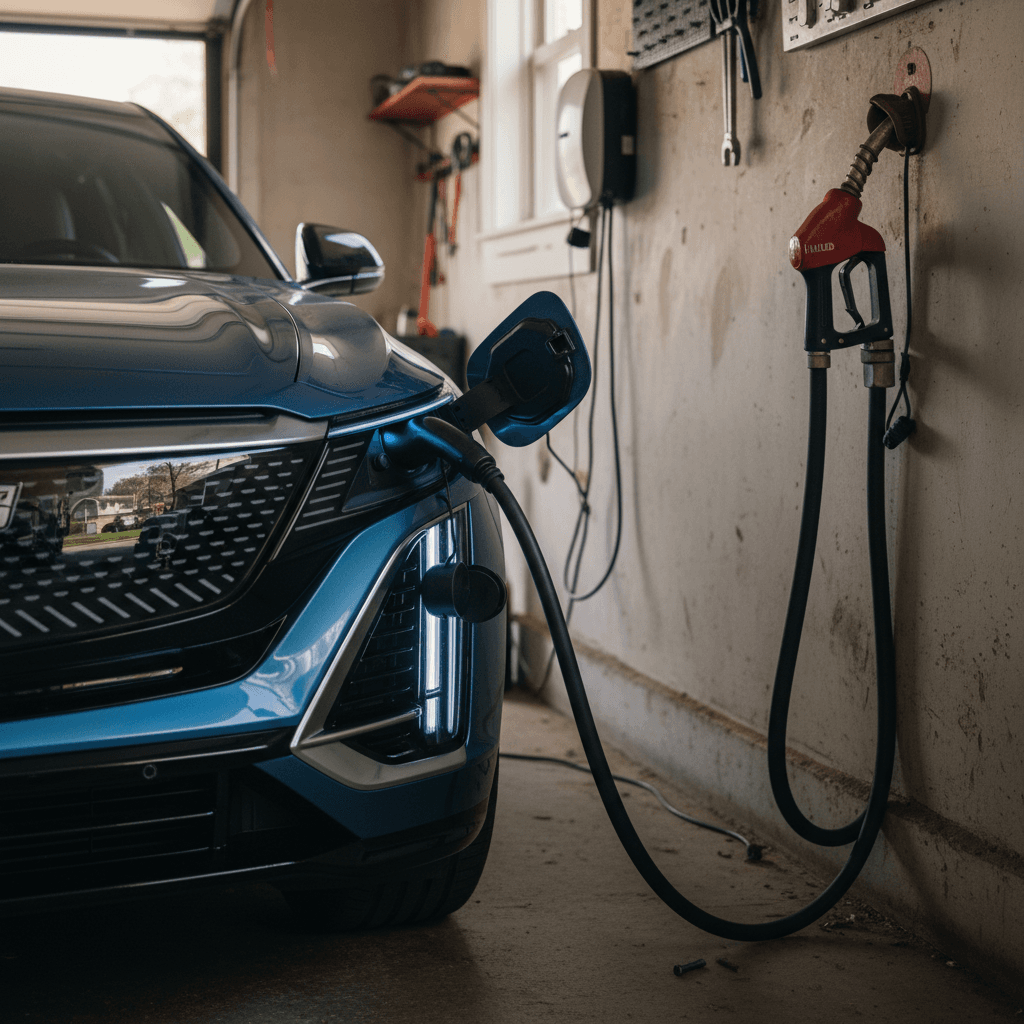
If you can plug in at home, the Lyriq feels like cheating. You leave every morning with a “full tank,” pay a fraction of gas prices, and rarely think about public chargers. If you live in an apartment with no guaranteed charging, the math and the daily hassle change quickly.
Quick checklist: Is a Lyriq a good fit for your life?
1. Do you have reliable home or workplace charging?
A 240‑volt Level 2 setup in a garage or driveway is ideal. Even a standard 120‑volt outlet can work for shorter daily commutes, but the better your home charging, the more you save.
2. How many miles do you drive each day?
If your typical day is under 60–80 miles, the Lyriq’s range and overnight charging will feel effortless. Long freeway commutes or road‑warrior sales roles demand more planning.
3. What are your local electricity and gas prices?
If your power is particularly cheap, or you can charge on off‑peak rates, the Lyriq’s advantage grows. In a high‑priced electricity pocket, or if gas is unusually cheap, the gap narrows.
4. Will you road‑trip often?
The Lyriq can road‑trip just fine, but you’ll spend more on DC fast charging and time planning stops compared with the “any pump will do” XT5. Occasional trips? Fine. Weekly cross‑state hauls? Think it through.
5. Do you keep vehicles a long time?
The longer you own, the more those cheap EV miles add up. If you swap cars every 3–4 years, depreciation and incentives matter more than the electric fuel savings.
Don’t underestimate public charging costs
Used XT5 vs. used Lyriq: what changes
Shopping used flips the script. Early depreciation is already baked into the price, and now you’re comparing a traditional used‑Cadillac gamble, transmission, engine, emissions gear, to an electric SUV where the battery is the single big question mark.
Used Cadillac XT5
- Pros: Lower purchase price; plentiful inventory; any mechanic can work on it.
- Cons: As miles stack up, so do potential engine, transmission, and emissions repairs. Fuel bills stay high forever.
- Risk: A few unlucky repairs can erase the price advantage over a well‑bought used EV.
Used Cadillac Lyriq
- Pros: Massive early depreciation can mean surprisingly affordable used prices; very low running costs if the battery is healthy.
- Cons: Battery health, warranty status, and charging history matter a lot. Not all Lyriqs age the same.
- Risk: Buying blind on battery condition can saddle you with range loss or future pack expenses.
This is where Recharged leans in: every Lyriq we list comes with a Recharged Score that quantifies battery health, real‑world range, and market‑correct pricing so you aren’t guessing.
Where used Lyriq can really win
How Recharged evaluates Lyriq battery health
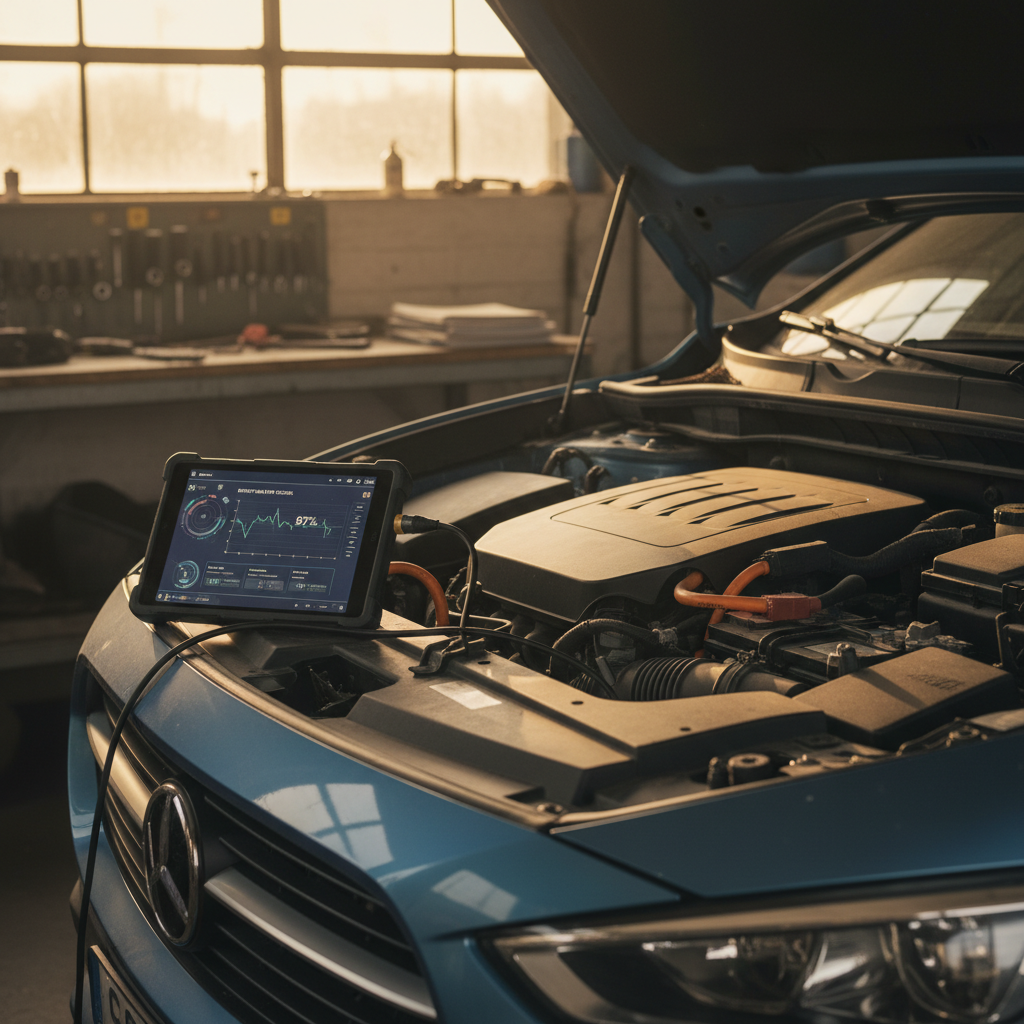
When you’re comparing XT5 vs. Lyriq ownership costs on the used market, the Lyriq’s battery is either your best friend or your biggest blind spot. That’s why Recharged doesn’t just eyeball range estimates; we measure what’s really happening inside the pack.
Inside a Recharged Score for a used Lyriq
What we look at before we put a number on battery health.
Capacity vs. original
Thermal history
Real‑world range
Ready to find your next EV?
Browse VehiclesThe result is a single Recharged Score report that tells you, in plain language, whether a particular Lyriq’s battery looks healthy, average, or tired. That’s the piece most shoppers are missing when they try to compare total cost of ownership across gas and electric on the used market.
FAQ: Cadillac XT5 vs. Lyriq ownership costs
Frequently asked questions
Bottom line: which Cadillac really costs less to own?
In the real world, a new, well‑equipped XT5 is often a little cheaper to own than a new Lyriq over just the first 4–5 years, simply because it starts lower and depreciates more predictably. But stretch the horizon or shop used and the picture flips: the Lyriq’s low energy and maintenance costs, plus the right purchase price, can make it the quieter winner for your wallet, especially if you have solid home charging.
If you’re comparing specific XT5s and Lyriqs right now, the next step is to plug your actual driving and energy prices into the rough numbers we’ve walked through here. And if you’re leaning toward a used Lyriq, consider starting your search with Recharged. Every EV we list comes with a Recharged Score battery‑health and value report, optional financing, trade‑in support, and even nationwide delivery, so you can let the math, not the mystery, make your Cadillac decision.