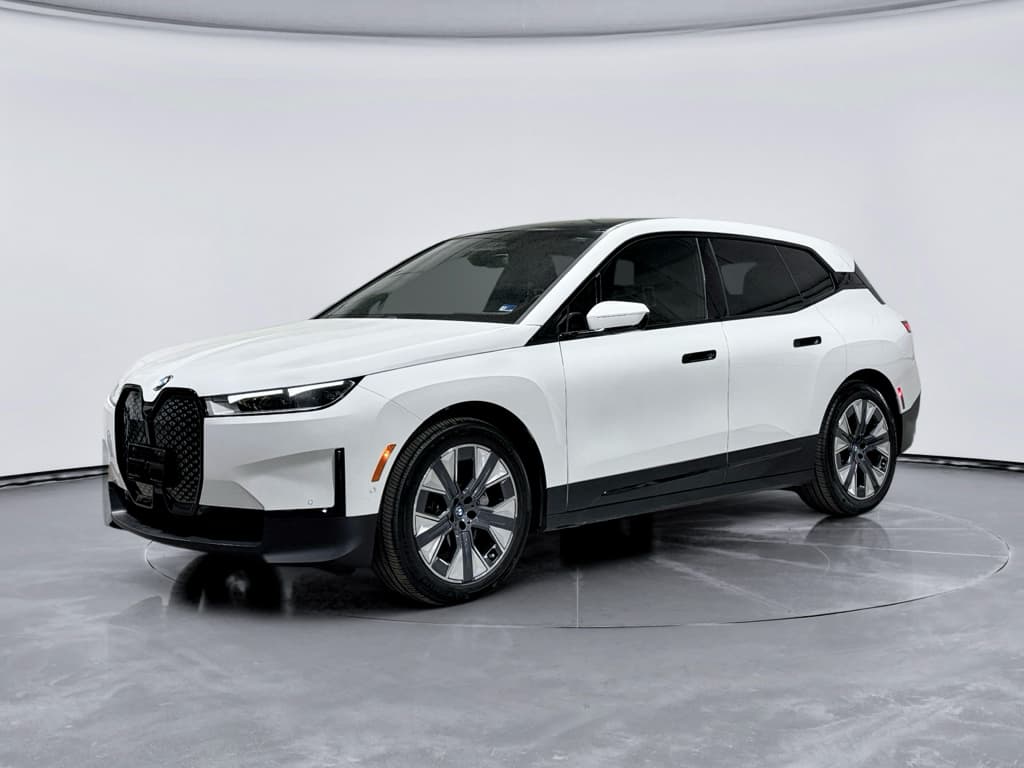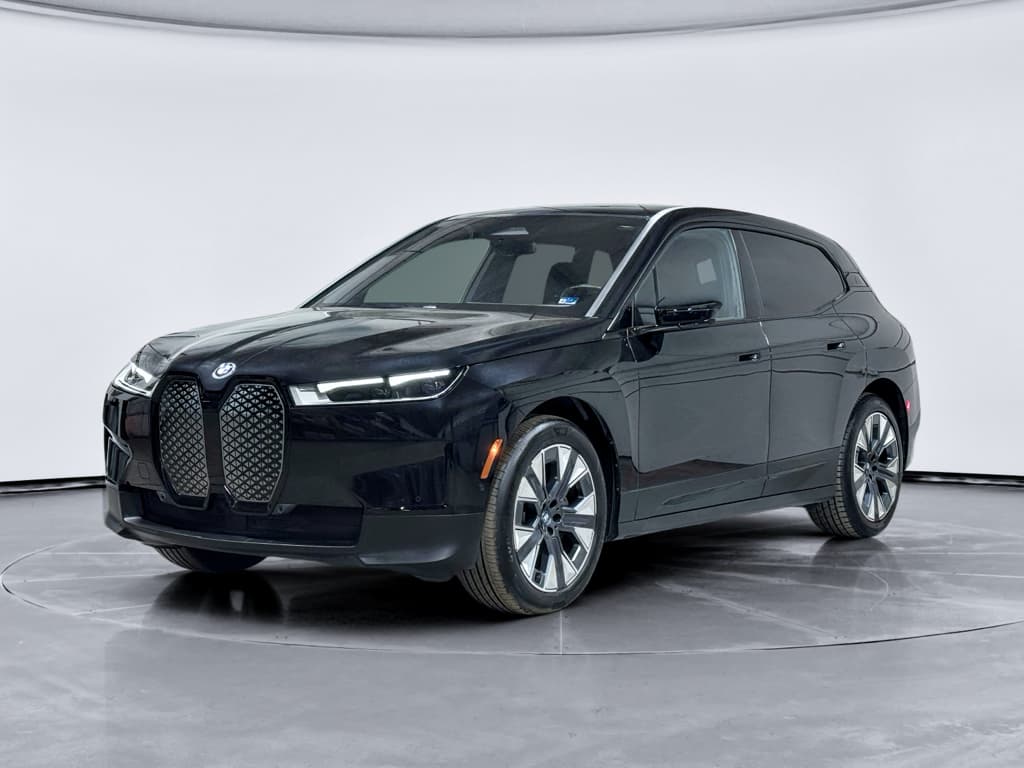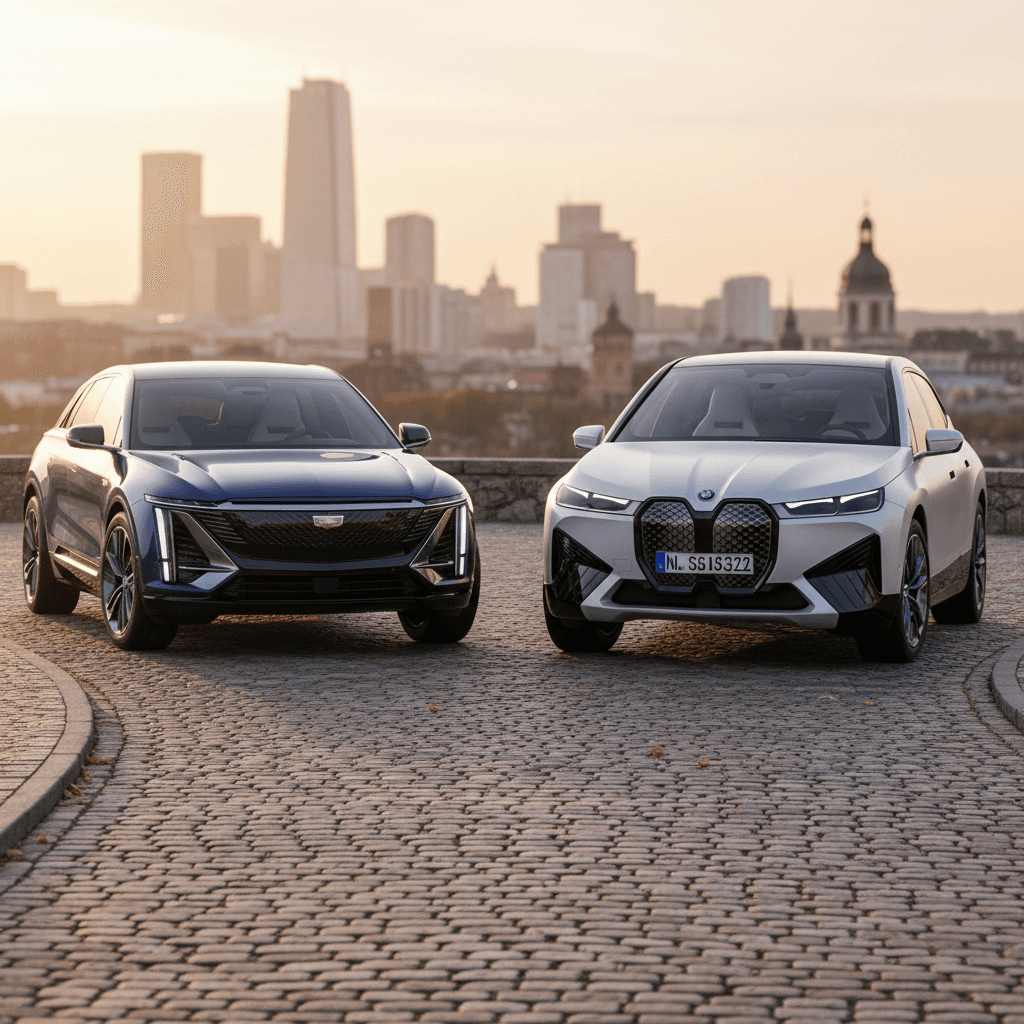
If you’re shopping luxury electric SUVs, the **Cadillac Lyriq vs BMW iX** comparison comes up fast. Both are roomy, all‑electric, five‑passenger SUVs with serious range, big batteries, and concept‑car styling. But they don’t hit your wallet, or your daily life, in the same way. Let’s walk through where each one shines so you can decide which is actually better for you.
Model years this comparison covers
Cadillac Lyriq vs BMW iX: quick overview
Headline specs: Lyriq vs iX at a glance
On paper, the **BMW iX** is the more powerful, sportier, and more expensive choice, while the **Cadillac Lyriq** leans into value, comfort, and drama‑per‑dollar. Both offer real‑world usable range over 280 miles in popular trims, DC fast charging capability, and richly appointed cabins. The right answer depends heavily on how much you value performance vs. value, and how important the badge and driving feel are to you.
Personality snapshot: two very different takes on luxury EV
Same mission, silent, electric luxury, but very different flavor.
Cadillac Lyriq: Calm, dramatic cruiser
- Design: Angular, concept‑car looks with wild lighting.
- Mission: Quiet, relaxed long‑legged touring.
- Strengths: Value, comfort, style, smooth ride.
- Weak spots: Younger software, smaller DC‑fast network support today.
BMW iX: High‑tech performance cocoon
- Design: Polarizing, but ultra‑aerodynamic and distinctive.
- Mission: Fast, refined, and tech‑heavy luxury SUV.
- Strengths: Acceleration, chassis tuning, mature driver‑assist tech.
- Weak spots: High price, complex options, expensive repairs.
Pricing and value: why the Lyriq undercuts the iX
Let’s talk numbers, because **Cadillac Lyriq vs BMW iX which is better** quickly turns into, "how much am I really paying for that badge and extra performance?"
Typical U.S. pricing: new and used
Exact numbers shift with incentives and options, but this shows how these SUVs usually stack up in the real world.
| Model | New MSRP ballpark (2025) | Typical lightly used pricing (1–2 years old) | Notes |
|---|---|---|---|
| Cadillac Lyriq (Tech/Luxury/Sport RWD) | Mid–$50,000s to low–$60,000s | Often mid–$40,000s to low–$50,000s | Already showing healthy discounts on the used market because production has ramped up. |
| Cadillac Lyriq AWD / higher trims | Low–$60,000s to low–$70,000s | Generally high–$40,000s to mid–$50,000s | Adds dual‑motor power and more features but still under many iX prices. |
| BMW iX xDrive50 | Often mid–$80,000s and up when new | Typically mid–$60,000s to $70,000s used | Highly option‑dependent; well‑equipped examples climb fast. |
| BMW iX M60 | Around or above $110,000 new when loaded | Commonly $80,000+ used | A true performance SUV, quick, but expensive to buy and insure. |
BMW iX carries a sizeable price premium over a comparable Lyriq.
Value verdict
The **BMW iX** isn’t overpriced so much as it is positioned as a flagship; BMW packs in advanced chassis tech, powerful motors, and high‑end materials. But if your priority is getting into a quiet, handsome luxury EV without stretching your finances, the Lyriq lets you pocket a serious chunk of change, money you can keep earning interest or put toward a home charger.
Range and battery: BMW iX wins on maximum range
Both SUVs have plenty of real‑world range for American commuting and road trips, but the iX edges out the Lyriq at the top end. The details matter, though, especially wheel size, drivetrain, and how you actually drive.
Range and battery comparison
Representative EPA estimates and battery specs for popular trims. Actual range will vary with temperature, speed, wheels, and terrain.
| Model / configuration | Battery (usable, approx.) | EPA range (best‑case trims) | Real‑world notes |
|---|---|---|---|
| Cadillac Lyriq RWD (single motor) | ~102 kWh | Around 308–326 miles | RWD trims with smaller wheels can flirt with mid‑300s in gentle driving. |
| Cadillac Lyriq AWD (dual motor) | ~102 kWh | Just over 300 miles | More power and traction with only a small hit to range. |
| BMW iX xDrive50 (20" wheels) | Just over 100 kWh | Roughly 320+ miles | Efficient aero and big battery mean strong highway legs. |
| BMW iX M60 | Similar pack, more power | Upper‑200s to just under 300 miles | Enthusiast‑grade acceleration costs a bit of efficiency. |
BMW iX takes the crown for absolute range, but Lyriq stays competitive for most drivers.
How to read these range numbers
If your regular drives include **very long highway routes**, say, 400–500 miles in a day, the BMW iX, especially in its most efficient xDrive50 configurations, has a small but real advantage. If your life is more about 40‑ to 150‑mile days with a few road trips a year, the Lyriq’s range is fully competitive, and you may never touch the bottom half of the battery.
Charging speed and experience
Charging is where the spec sheets start to blur but the **network story** really matters. Both SUVs support Level 2 AC charging at home and DC fast charging on the road. The iX enjoys a bit quicker DC charging in ideal conditions today and, in practice, a more polished long‑trip experience, though the gap is narrowing.
Home charging
- Cadillac Lyriq: Up to roughly 11.5 kW AC on compatible setups, which can add 30+ miles of range per hour on a 240‑volt Level 2 home charger.
- BMW iX: Similar 11 kW AC capability, so overnight charging from 20–80% is a non‑event on either SUV.
- Reality check: For home use, they’re effectively a draw. The big swing is whether you install a quality Level 2 charger and use off‑peak electricity.
DC fast charging
- Lyriq: Ultium pack supports up to roughly 190 kW peak on DC fast chargers when conditions are ideal.
- BMW iX: Tops out in the low‑200‑kW range depending on trim and station, with a strong mid‑curve that holds speeds well.
- Trip takeaway: The iX generally charges a bit faster, especially from about 10–60%, but planning and station quality matter more than the last 10–20 kW of peak speed.
Network and connector changes
If you live somewhere with dense, healthy CCS infrastructure and a few Tesla Superchargers already opening to non‑Tesla EVs, both SUVs road‑trip just fine. In rural areas with thin coverage, the iX’s slightly faster DC charging curve doesn’t help if the only station for 80 miles is offline, so always cross‑shop the **charging map** for your region before you pick a luxury EV.
Performance, ride, and handling
Here’s where the BMW earns its reputation. The iX isn’t just quick “for an EV SUV”, it’s properly fast. The Lyriq, meanwhile, feels more like a modern Cadillac sedan blown up into SUV form: relaxed, quiet, and steady, even when it’s powerful on paper.
Power and feel on the road
Both are quick; one is honestly a bit wild.
Cadillac Lyriq
- RWD models: Plenty of punch for everyday traffic, with smooth, linear power delivery.
- AWD models: Add a front motor for significantly stronger acceleration and confident passing.
- Ride: Tuned for comfort, think plush, controlled, and quiet rather than playful.
- Handling: Stable and secure, but not as eager to be hustled as the BMW.
BMW iX
- xDrive50: Well over 500 hp and stout torque can launch this big SUV to 60 mph in the mid‑4‑second range.
- M60: A full‑blown performance variant with super‑SUV acceleration.
- Ride: Firm but well‑damped, especially with adaptive suspension; feels planted and composed.
- Handling: Rear‑steer and smart weight distribution help the iX feel smaller than it is on a winding road.
How much performance do you really need?
Interior comfort, space, and tech
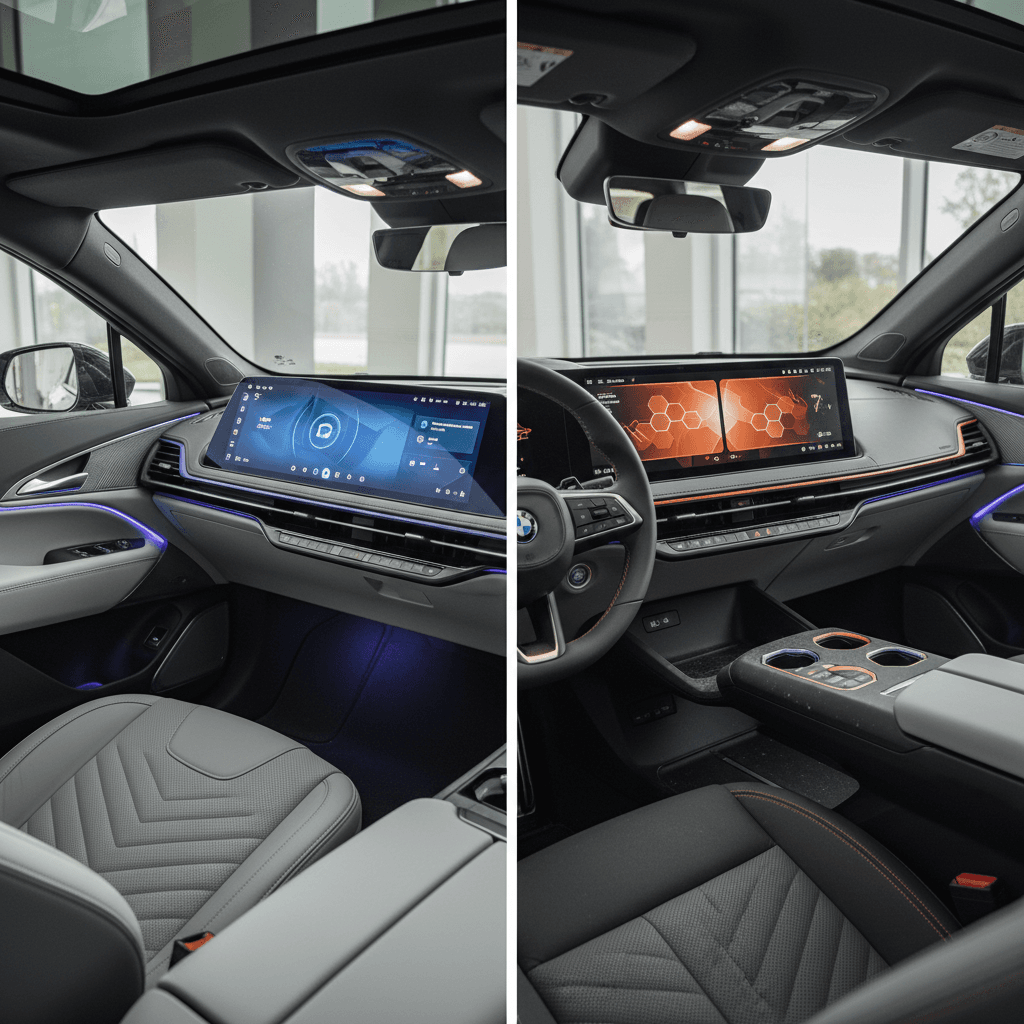
Inside, these two SUVs take very different approaches to the same brief: create a quiet, high‑tech lounge for five people and their luggage. The Lyriq goes for drama and warmth; the iX is more like a Scandinavian high‑rise lobby, minimalist, technical, and airy.
Cadillac Lyriq interior
- Design: Sweeping 33‑inch curved display, layered materials, lots of ambient lighting, and distinctive patterns.
- Space: Excellent front and rear legroom; cargo room is competitive with other midsize luxury SUVs.
- Comfort: Soft, supportive seats with available heating, ventilation, and massage depending on trim.
- Infotainment: Google‑built‑in infotainment, with wireless Apple CarPlay/Android Auto arriving on later software builds; earlier software has been evolving quickly via OTA updates.
BMW iX interior
- Design: Flat floor, panoramic glass roof, hexagonal steering wheel, and an ultra‑minimal dash dominated by a curved dual‑screen setup.
- Space: SUV‑like seating position with generous rear room; the iX feels airy thanks to big glass and slim pillars.
- Comfort: BMW seats are firmer but deeply supportive; higher trims can be configured with lounge‑like rear seating and high‑end materials.
- Infotainment: BMW’s latest iDrive with large, crisp screens; wireless smartphone integration and a long track record of OTA refinement.
Noise and refinement
If you love **warm, theatrical design** and want passengers to gasp a little the first time the welcome lighting sequence plays, the Lyriq will make you smile every morning. If your idea of luxury is clean lines and hidden complexity, the iX’s interior will feel like home.
Safety and driver-assistance tech
Both SUVs load up on active safety tech, automatic emergency braking, lane keeping, blind‑spot monitoring, and more. But their optional hands‑free or semi‑automated systems point to two different philosophies.
Driver‑assist highlights
Comfort vs control, American vs German.
Cadillac Lyriq
- Super Cruise (where equipped): Hands‑free driving on mapped divided highways, with automatic lane changes on supported roads.
- Everyday assists: Adaptive cruise, lane‑keep assist, parking aids, and surround‑view cameras on most trims or packages.
- Feel: Super Cruise is one of the most relaxing systems for long, straight highway miles.
BMW iX
- Driving Assistance Professional: Advanced adaptive cruise and lane‑centering with lane‑change assist, but driver must keep hands engaged.
- Parking Assistant: Sophisticated automated parking and memory functions that can even park via smartphone on some trims.
- Feel: More interactive; you’re always part of the loop, which many driving enthusiasts actually prefer.
Don’t overtrust the tech
Ownership costs and used‑EV considerations
Up front, the Lyriq almost always costs less. Over time, though, you’ll care about **battery health, maintenance, insurance, and resale value** just as much. This is where buying used intelligently can save you thousands, if you know what you’re looking at.
Key cost and ownership differences
Lyriq is usually cheaper to insure and finance
Because sticker prices are lower, you’ll often see friendlier finance and insurance quotes on the Lyriq than on a comparably equipped iX, especially in higher‑performance BMW trims.
BMW parts and labor can be pricier
When something breaks out of warranty, BMW labor rates and parts can add up fast. Cadillac isn’t cheap either, but dealers and independent shops are often more plentiful and less specialized.
Battery health is the wild card on any used EV
Regardless of badge, a used EV’s value lives and dies by battery condition. A healthy Lyriq battery can be worth more than a tired iX pack, and vice versa.
Software support and updates matter
Both GM and BMW push over‑the‑air updates, but timelines, features, and bug fixes can vary by year. Later‑build Lyriqs in particular benefit from maturing Ultium software and improved infotainment behavior.
Resale will track brand strength and reliability
BMW’s premium image and strong driver‑enthusiast following may support residual values, while the Lyriq’s value story and growing mainstream appeal should keep demand solid, especially if GM continues to refine Ultium reliability.
How Recharged helps with used Lyriq and iX shopping
Ready to find your next EV?
Browse Vehicles- Battery state of health (SoH) and real‑world range today.
- Remaining factory warranty on the high‑voltage system.
- Service history, especially for any early‑production Ultium or BMW electronics issues.
- Prior charging behavior (fast‑charge heavy use vs. mostly gentle home charging).
Which EV SUV is better for you?
Choose your driver type
Match your life to the SUV, not the other way around.
Comfort‑first commuter and road‑tripper
You want a quiet, luxurious cabin, lots of standard features, and a calm driving experience for commuting and long highway runs.
Better fit: Cadillac Lyriq. You get plenty of power, excellent comfort, and strong range without the BMW price tag.
Performance‑minded driver
You care about how a vehicle feels at 8/10ths, enjoy back roads, and love strong acceleration.
Better fit: BMW iX (xDrive50 or M60). Chassis tuning, torque, and steering all tilt toward the BMW.
Value‑conscious luxury shopper
You want prestige and a premium experience, but you’re conscious of monthly payments, depreciation, and long‑term costs.
Better fit: Cadillac Lyriq, especially used with verified battery health. It hits a sweet spot of design, comfort, and cost.
My bottom‑line take
So, **Cadillac Lyriq vs BMW iX: which is better?** On a clean spreadsheet of cost vs comfort vs real‑world capability, the Lyriq quietly wins for a lot of households. If you’re the kind of driver who feels every nuance through the wheel and smiles at big‑motor acceleration, the iX justifies its higher price. The best way to decide is to drive both, run the numbers on total ownership cost, and, if you’re shopping used, lean on tools like the Recharged Score to make sure the battery and pricing truly back up whatever badge is on the nose.