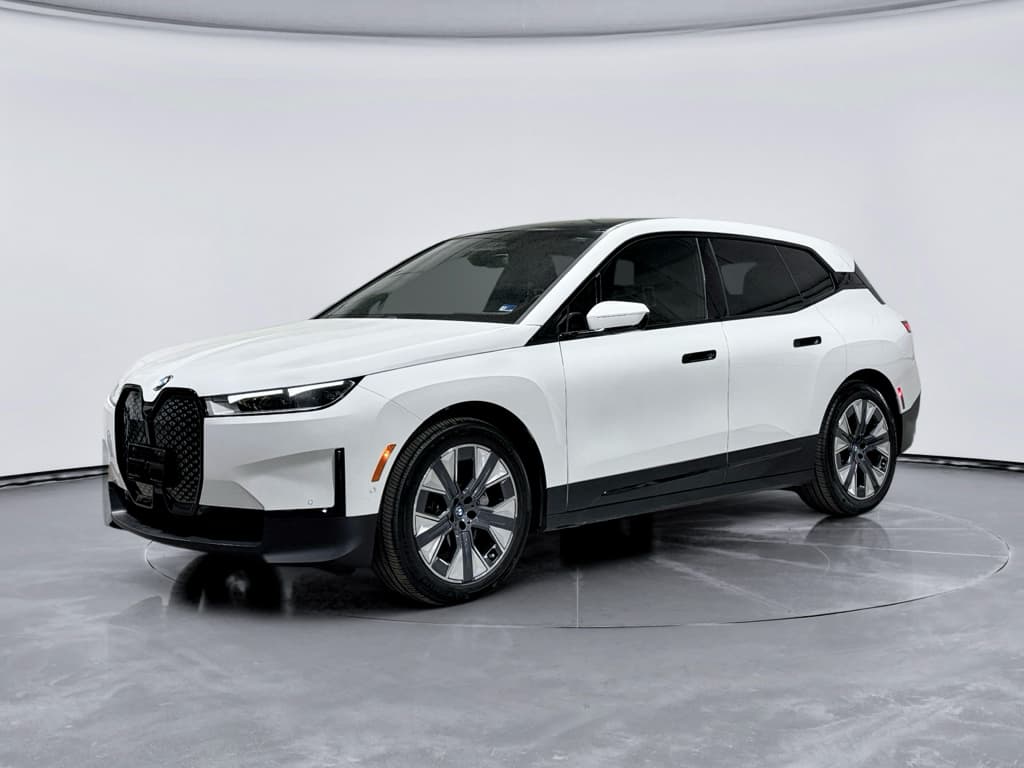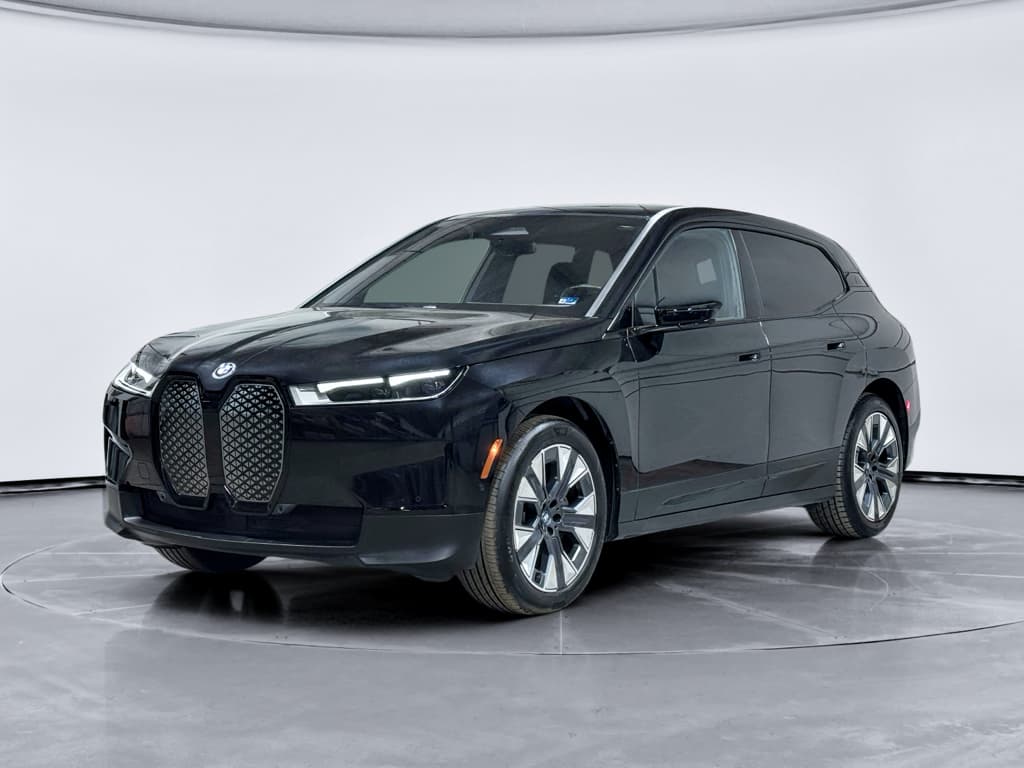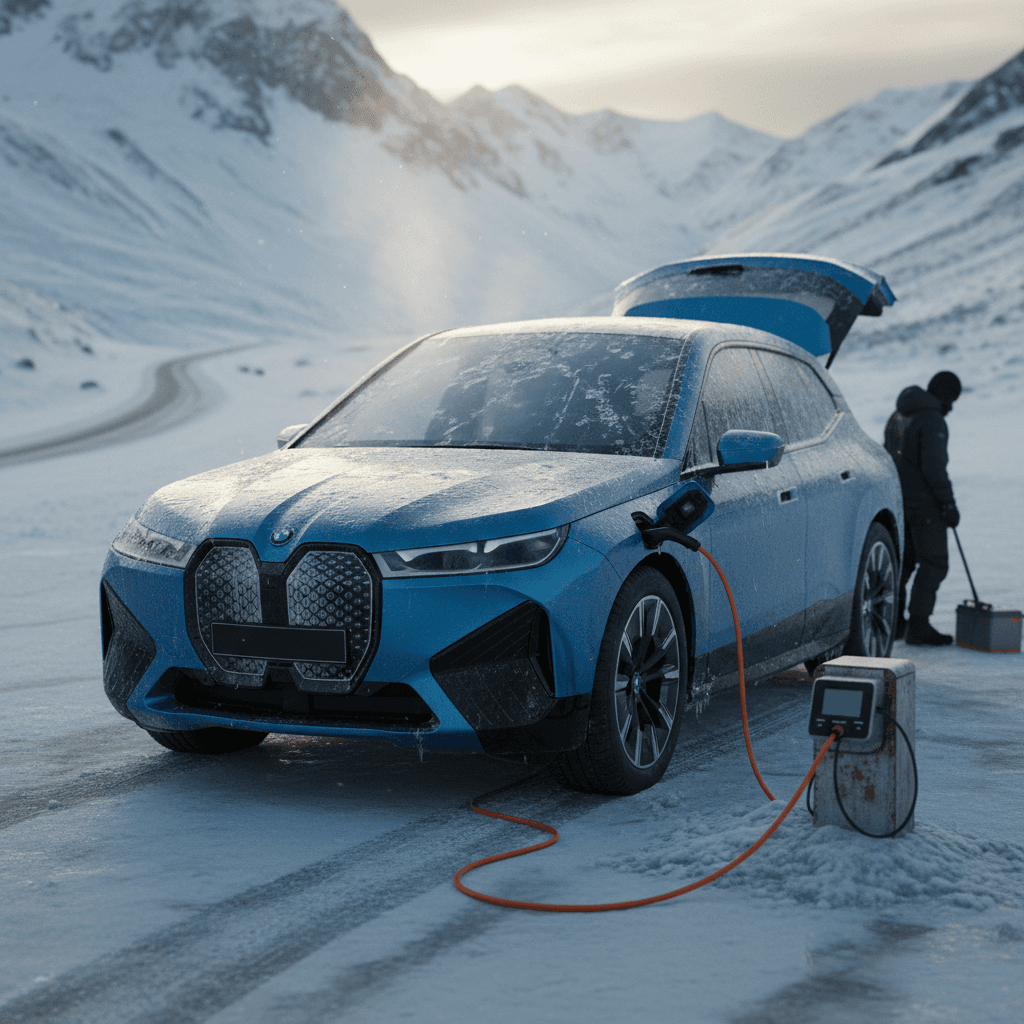
If you live where winters are real, think freezing temps, snow, and long nights, you’re right to wonder about BMW iX winter range loss percentage. The iX is an efficient luxury SUV, but physics doesn’t take days off. Cold weather will trim your usable range; the smart move is to know how much, why it happens, and what you can do about it.
The short version
BMW iX winter range loss at a glance
Typical BMW iX winter range impact
Those percentages are typical of modern long‑range EVs like the BMW iX. The good news: the iX’s big battery, heat pump, and smart software make it more winter‑friendly than many earlier EVs, especially if you use its tools the right way.
How much range does the BMW iX lose in winter?
Let’s translate percentages into the kind of numbers you’ll actually see on the dash. The exact figure depends on your trim, wheel size, temperature, roads, and how you use climate control, but here’s a practical framework for an iX xDrive50 or iX xDrive40-equivalent U.S. model.
BMW iX approximate winter range loss by scenario
Illustrative real‑world ranges based on U.S. EPA ratings. Your actual range will vary with speed, elevation, wind, and driving style.
| Scenario | Outside temp | Driving mix | Typical loss | Example: iX xDrive50 (EPA 324 mi*) | Example: iX eDrive50-style trim (~300 mi*) |
|---|---|---|---|---|---|
| Cool & wet | 45–55°F | 50% city / 50% highway | 10–15% | 275–290 mi | 255–270 mi |
| Normal winter day | 30–40°F | Mixed, moderate speeds | 15–25% | 240–275 mi | 225–255 mi |
| Cold & mostly highway | 20–30°F | 70%+ highway at 70–75 mph | 25–35% | 210–245 mi | 195–225 mi |
| Deep cold commute | 0–15°F | Short trips, stop‑and‑go | 30–40% | 190–225 mi | 180–210 mi |
| Deep cold road trip | 0–10°F | Highway, higher speeds | 35–45% | 175–210 mi | 165–200 mi |
These figures are estimates meant to show typical percentage losses, not guarantees.
EPA ratings are a warm‑weather lab number
If you mostly drive around town with preconditioning and moderate speeds, you’ll probably see winter losses close to the 15–20% range. If your iX spends its life blasting down the interstate at 75 mph in 20°F weather with a toasty cabin, 30–35% loss becomes very realistic.
Why cold weather cuts BMW iX range
Four main reasons your BMW iX loses range in winter
It’s not one thing, it’s a stack of physics problems.
1. Cold batteries are less efficient
2. Cabin heating uses a lot of energy
3. Aerodynamics & rolling resistance worsen
4. Short trips punish efficiency
The BMW iX has tools that help
Winter range loss vs. long‑term battery health
One of the biggest misconceptions is that winter range loss means permanent battery degradation. For the BMW iX, and EVs in general, that’s not the case. The range you give up in cold weather is almost entirely temporary, driven by temperature and energy use, not by long‑term battery damage.
Temporary winter loss
- Caused by cold pack temperature, heavier air, and HVAC use.
- Improves as the pack warms during a drive.
- Returns to normal as outside temperatures climb back into the 60s and 70s.
- Can vary 10–40% from day to day based on conditions.
Permanent degradation
- Happens slowly over years and charge cycles.
- Accelerated by constant fast charging, very high SOC, and extreme heat, not cold.
- Typically low single‑digit % per year on modern packs when cared for.
- Shows up in summer, too, not just winter.
Cold is more annoying than harmful
If you’re looking at a used BMW iX, pay attention to year‑round range and battery health reports, not just winter behavior. A strong pack will bounce back to nearly rated efficiency in mild temperatures, even after tough winters. When you shop with Recharged, every EV comes with a Recharged Score Report that includes verified battery diagnostics, so you know the difference between normal seasonal swing and real degradation.
BMW iX winter range by battery and trim
BMW sells the iX with different battery and powertrain configurations in various markets. In the U.S., the common trims are the iX xDrive50 and the higher‑performance iX M60. Globally, there are also smaller‑battery versions (like the iX xDrive40) that behave similarly but start with lower rated range.
How different BMW iX trims respond to winter
Approximate patterns based on known EPA ratings and typical winter loss percentages.
| Trim / battery | EPA rating* | Mild winter loss (15–20%) | Cold highway winter loss (25–35%) | Comments |
|---|---|---|---|---|
| iX xDrive50 (large pack) | ~305–324 mi (wheel‑dependent) | 245–275 mi | 200–240 mi | Most common U.S. spec; strong road‑trip choice with plenty of buffer. |
| iX M60 (performance) | ~274–288 mi | 220–245 mi | 180–210 mi | More power and often larger wheels mean a bit more winter sensitivity. |
| iX xDrive40 (smaller pack, select markets) | ~250–260 mi | 200–220 mi | 165–190 mi | Less absolute buffer; winter planning matters more. |
All trims can see similar percentage losses; bigger batteries mainly give you more usable miles to play with.
Watch your consumption, not just the guess‑o‑meter
How to reduce BMW iX winter range loss
You can’t rewrite the laws of thermodynamics, but you can stack the deck in your favor. A few practical habits can easily claw back 5–15 percentage points of range in a BMW iX during winter.
Winter driving habits that protect your BMW iX range
1. Precondition while plugged in
Use the BMW app or in‑car schedule to pre‑heat the cabin and battery while the iX is still on the charger. That way, most of the heavy lifting comes from the grid instead of your battery.
2. Use seat and steering‑wheel heaters first
Seat and wheel heaters use far less energy than blasting cabin air at 80°F. Start with them and keep the cabin temperature a couple of degrees lower than you would in a gas car.
3. Stick to Eco Pro or efficient modes
Drive modes that soften throttle response and tweak climate settings can shave meaningful energy use over a long winter commute without making the car feel sluggish.
4. Avoid frequent short hops
Group errands when you can. One 25‑mile drive is far more efficient than five 5‑mile drives, because you only warm the pack and cabin once.
5. Moderate your highway speed
In winter, every extra 5 mph at freeway speeds chews through range. Cruising at 65 instead of 75 can be the difference between one stop and two on a long trip.
6. Keep tires properly inflated
Tires lose pressure in cold air. Check pressures regularly; under‑inflated winter or all‑season tires increase rolling resistance and cut range more than you think.
Don’t sacrifice safety for range
Charging a BMW iX in cold weather
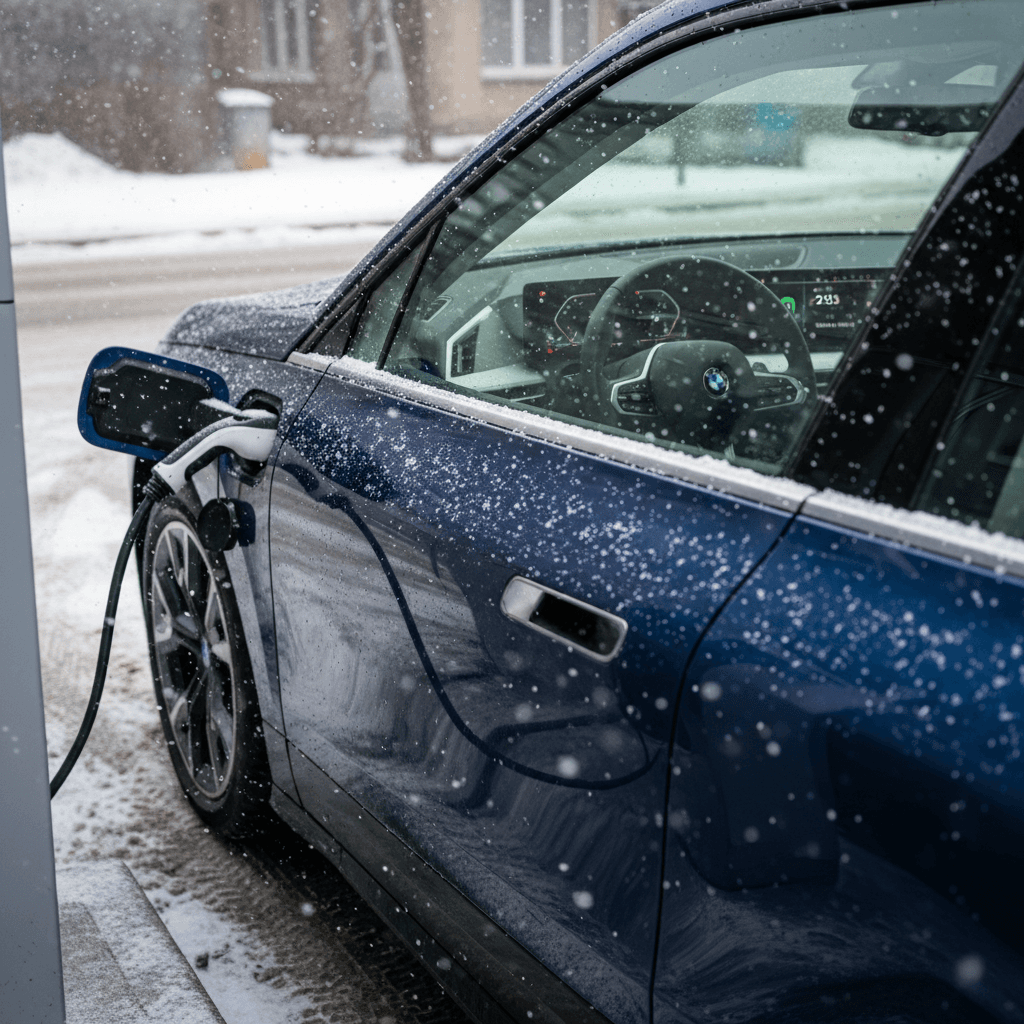
Winter doesn’t just affect how fast your BMW iX uses energy; it also changes how quickly it can take energy in. Cold batteries charge more slowly, especially at DC fast chargers, but the iX gives you several tools to keep charging times reasonable.
Cold‑weather charging tips for your BMW iX
Make the most of both home charging and fast charging.
Warm the pack at home
Use DC fast‑charge preconditioning
Don’t obsess over 100% SOC
Expect slower fast‑charging in deep cold
Planning trips around winter range in a BMW iX
For daily commuting, once you understand your personal winter efficiency, living with a BMW iX is straightforward. The bigger adjustment comes on winter road trips, where that 25–35% loss shows up in more frequent charging stops.
- Plan for your realistic winter range, not the EPA number. If your iX xDrive50 tends to use 30% over 80 miles in winter, that’s your planning yardstick.
- Use built‑in navigation or a planning app that understands elevation, temperature, and charging stops, not just distance.
- Aim to arrive at fast chargers with 10–20% state of charge; charging is fastest in the mid‑range, not from near‑empty to 100%.
- Budget a little more time for each DC fast‑charge stop on very cold days, especially for the first stop with a cold-soaked pack.
- Give yourself a cushion on the last leg home or to a remote destination, where charging options may be limited.
Let the car be your planner
Buying a used BMW iX? Winter checks that matter
If you’re shopping the iX used market, winter performance is an important part of the ownership story, especially in northern states or Canada. You’re not just buying a spec sheet; you’re buying how the SUV fits your life in January, not just June.
Used BMW iX winter‑readiness checklist
Ask these questions before you buy in a cold‑climate region.
Battery health and real‑world range
Tires, wheels, and winter setup
Software, preconditioning, and app access
Charging habits of prior owner
When you buy through Recharged, our EV‑specialist team can walk you through what to expect from a specific iX in your climate, from likely winter range to the most convenient charging setup for your home and commute. We can also arrange nationwide delivery and help with trade‑ins, so you’re not limited to what’s sitting on the local lot.
BMW iX winter range loss: FAQ
Common questions about BMW iX winter range loss
Key takeaways on BMW iX winter range loss
If you’re driving, or considering, a BMW iX, winter range loss isn’t a deal‑breaker. It’s a reality to understand, plan for, and manage. Expect something in the neighborhood of 15–35% less range in typical cold‑weather use, more in extreme conditions. Use the iX’s preconditioning, heat pump, and efficient drive modes to your advantage, and base trip plans on your real‑world efficiency rather than the brochure number.
Whether you’re cross‑shopping the iX against other luxury EV SUVs or hunting for the right used example, the key is transparency. That’s what we focus on at Recharged: verified battery health through the Recharged Score, clear pricing, EV‑specialist guidance, and nationwide delivery so you can find the right EV for your climate and your driving, not just the one that happens to be nearby.