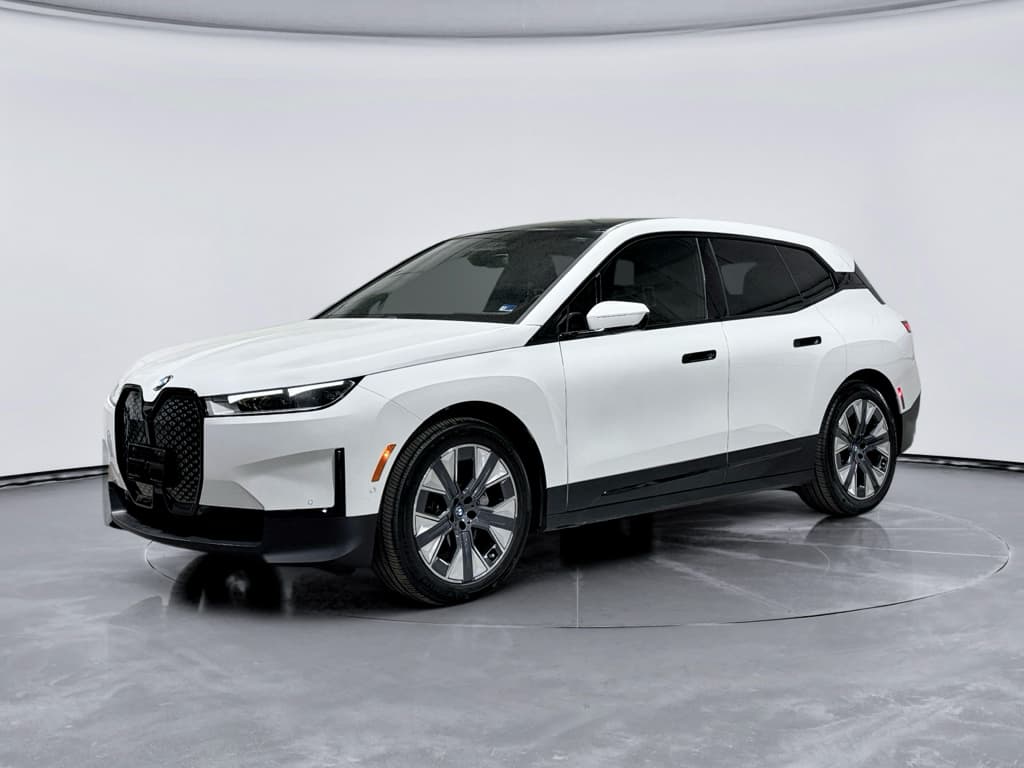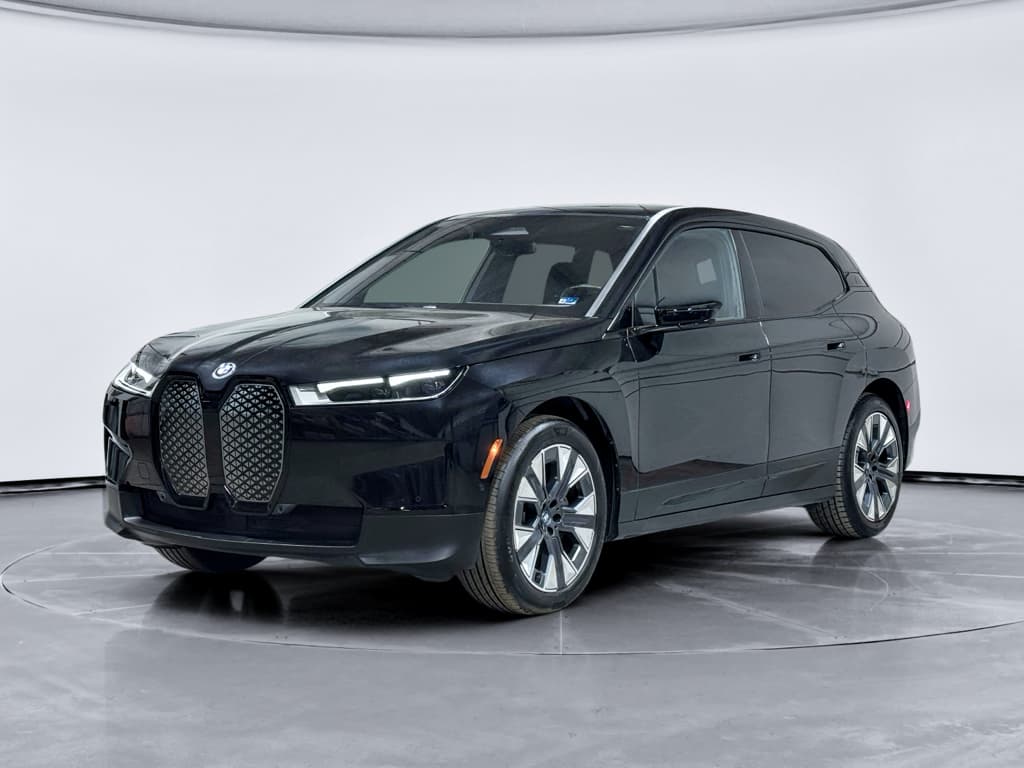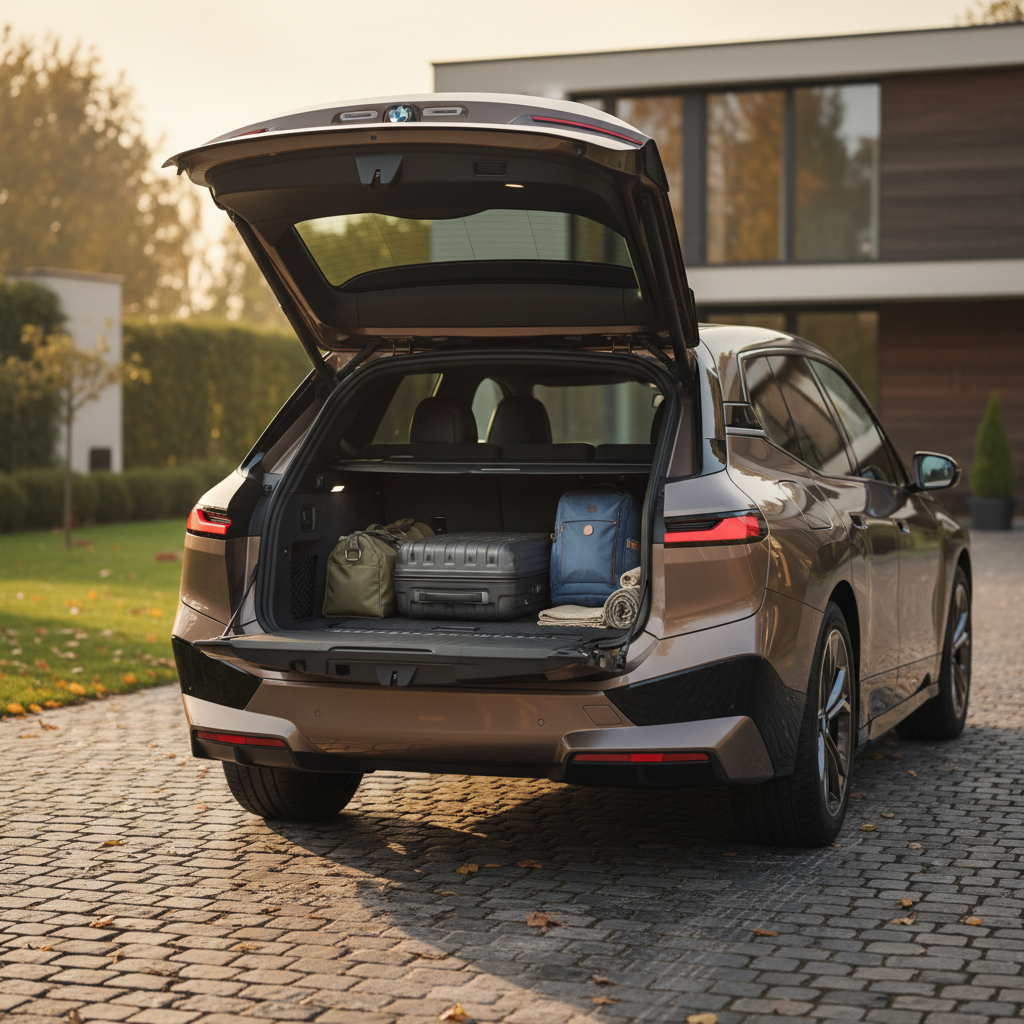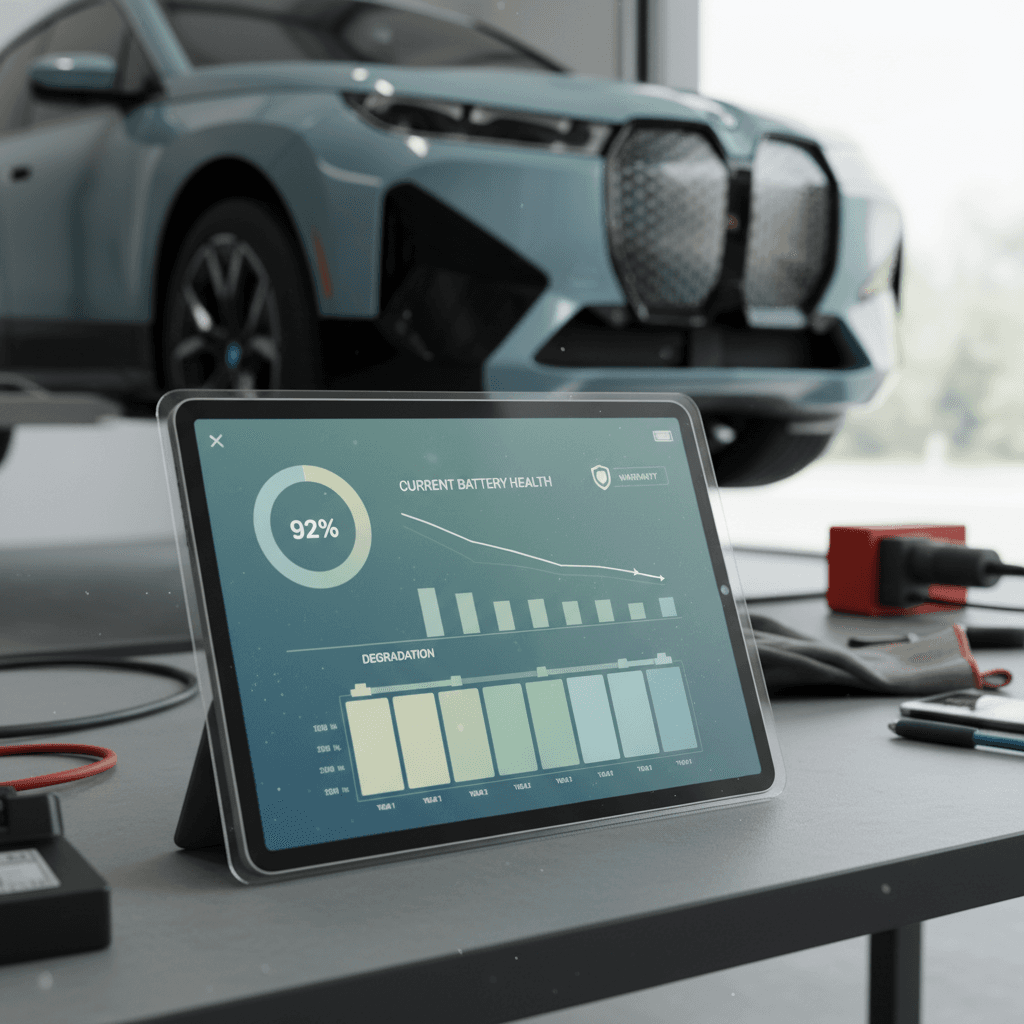
If you’re looking at a BMW iX, especially a used one, it’s natural to ask how much BMW iX battery degradation per year you should expect. Range is one of the main reasons people buy this big electric SUV, and a tired pack can turn a luxury hauler into a headache. The good news: early data suggests the iX’s battery is holding up well, and BMW backs it with a strong warranty if something goes wrong.
Key takeaway
BMW iX battery degradation per year: the short answer
BMW iX battery degradation at a glance
There’s no single published curve for BMW iX battery degradation per year, and not every iX exposes a clean “State of Health” readout. But putting together BMW’s own warranty position, independent EV degradation studies, and owner reports, a realistic expectation for a well‑cared‑for iX is roughly 1–2% capacity loss per year on average over the first 5–8 years. That usually translates to losing only a few dozen miles of range over the life of the battery, not hundreds, assuming you don’t abuse it with constant fast‑charging and extreme heat.
Degradation isn’t perfectly linear
How big is the BMW iX battery, and why it matters
To understand what “1–2% per year” really means, you need a sense of the BMW iX battery sizes. Depending on trim and market, the iX has used two main pack sizes so far:
- Smaller pack (xDrive40/xDrive45 in some markets): roughly 70–76 kWh usable
- Larger pack (xDrive50, M60 and U.S.‑spec models): roughly 100–106 kWh usable on a gross pack of about 111.5 kWh
On a large‑pack iX (about 100 kWh usable when new), a 2% loss is ~2 kWh. In practical terms, that’s only about 6–8 miles of highway range for most drivers. Even 10% total loss over several years is closer to 30–40 miles. That’s noticeable, but it usually doesn’t turn a solid road‑trip SUV into a city‑only commuter.
Real‑world BMW iX battery degradation so far
The iX has only been on the road since the 2022 model year, so we’re still in the early innings. But owner data points and independent EV fleet research give a reasonably consistent picture:
What current owners are seeing
Early BMW iX battery degradation looks mild, not catastrophic
Low single‑digit loss by year 2–3
Range still close to EPA
Healthy packs on used cars
Why BMS numbers can mislead
In other words, if you buy a 3‑year‑old BMW iX with a clean battery health report and normal charging history, you should reasonably expect it to retain the vast majority of its original capacity for years to come. The outliers, where you see much faster degradation, almost always involve heavy DC fast‑charging, extreme heat, or high mileage without much cooling time.
BMW iX battery warranty and capacity guarantees
BMW doesn’t publish a public “degradation curve” for the iX, but it does back the pack with an 8‑year/100,000‑mile high‑voltage battery warranty in the U.S. That’s on top of the standard 4‑year/50,000‑mile new‑vehicle warranty and any Certified Pre‑Owned coverage the car might carry.
BMW iX high‑voltage battery warranty basics (U.S.)
How BMW protects you against excessive battery degradation on the iX.
| Item | Coverage | What it means for you |
|---|---|---|
| High‑voltage battery defect warranty | 8 years / 100,000 miles | Covers manufacturing defects or failures in the iX’s lithium‑ion battery pack. |
| Capacity / State‑of‑Health coverage* | Typically 8 years / 100,000 miles, with a minimum SoH threshold | If usable capacity drops below a defined percentage (often around 70–75%, depending on market and program), BMW may repair or replace under warranty. |
| CPO high‑voltage coverage (2022–2025 iX) | Battery defect + capacity loss coverage | Certified iX models add capacity loss protection if the pack falls below a set State of Health threshold during the coverage period. |
| What’s not covered | Normal gradual degradation | Some capacity loss is expected and specifically excluded unless it crosses BMW’s defined floor. |
Exact terms can vary by model year and region; always check the current warranty booklet for your specific VIN.
How to use the warranty smartly
5 factors that speed up BMW iX battery degradation
Not every iX will age the same. Two SUVs built on the same day can show very different battery health by year six, depending on how they’re used. Here are the main drivers of faster BMW iX battery degradation per year:
Top degradation accelerators
1. Frequent DC fast‑charging
Regularly charging at high‑power DC fast chargers (150–195 kW for the iX) heats the pack and stresses the cells. Occasional road‑trip use is fine; using DC fast‑charging as your everyday “gas station” will almost certainly accelerate degradation.
2. Living in extreme heat
Hot climates are tough on lithium‑ion batteries. Parking in direct sun for hours, or repeatedly charging a hot battery immediately after fast highway driving, can increase long‑term capacity loss, even with BMW’s active thermal management.
3. Constant 0–100% swings
Running the iX down to very low state of charge (SoC) and charging to 100% daily is harder on the pack than keeping it in the middle bands. Think of 0–10% and 90–100% as “stress zones” you don’t want to live in every day.
4. Heavy towing and high‑speed driving
Using the iX as a high‑speed, fully‑loaded mile‑eater all the time means higher battery temperatures and deeper cycles. That’s what it’s built for occasionally, but if it’s every day, expect a bit more degradation.
5. Poor storage habits
Letting the iX sit for weeks at near‑zero or 100% charge, especially in hot weather, is not ideal. For long‑term storage, BMW, like most EV makers, prefers the battery to rest around the middle of its SoC range.
Worst‑case scenario
How to slow BMW iX battery degradation day to day
The upside to all of this: you have a lot of control over how quickly your BMW iX battery degrades. Small, repeatable habits can easily shave a percentage point or more off long‑term loss, and they cost you almost nothing in convenience.
Simple habits that protect your iX battery
You don’t need to baby it, but don’t abuse it either
Prioritize Level 2 at home
Use a smart charge limit
Time charges in cooler periods
- Avoid parking for days at 0–5% or 95–100% SoC, aim for 30–70% if you’re leaving the iX unused for a while.
- Keep software up to date; manufacturers often refine battery management over time.
- Precondition the battery before fast‑charging on road trips when the car offers that option, it helps the pack charge efficiently without unnecessary stress.
The 90/10 rule
How to check BMW iX battery health on a used car
If you’re shopping used, the real question isn’t the theoretical BMW iX battery degradation per year. It’s: “What’s the health of this specific pack?” Here’s a practical playbook.
Used BMW iX battery‑health checklist
1. Ask for a recent battery health report
Some dealers can pull a high‑voltage battery or capacity report from BMW systems. It’s not perfect, but it’s better than nothing, and a missing or refused report is a data point in itself.
2. Review DC fast‑charging history
Ask how often the car was DC fast‑charged and whether it was mostly on road trips or every day. A car that lived at highway chargers will likely have more degradation than one that charged at home.
3. Look at real‑world range
On a test drive, reset trip data and watch energy consumption. Compare estimated remaining range to the original EPA rating. Big gaps at modest consumption can hint at above‑average degradation.
4. Use an independent scan when possible
A qualified EV mechanic can often read deeper battery data via the OBD port, like estimated usable capacity and cell balance. This is exactly the kind of testing Recharged bakes into its <strong>Recharged Score</strong> for used EVs.
5. Cross‑check against warranty
Compare apparent battery health and mileage with BMW’s 8‑year/100,000‑mile coverage. If a car looks tired well before those numbers, factor potential degradation into the price, or walk away.
How Recharged simplifies this
How BMW iX battery degradation compares to other EVs
From a degradation standpoint, the BMW iX is neither an outlier villain nor an indestructible unicorn. It fits the broader pattern we’re seeing across modern long‑range EVs with large, liquid‑cooled packs:
Similar to other premium SUVs
- Big‑pack EVs like Tesla Model X, Mercedes‑Benz EQE SUV, and Audi Q8 e‑tron tend to show single‑digit percentage loss over the first 3–5 years under typical use.
- The iX’s pack design, cooling, and conservative charging curves put it in the same neighborhood.
- BMW has historically been fairly conservative with usable capacity buffers, which helps slow apparent degradation.
Where the iX may do better
- The iX’s large usable capacity means you often don’t need to charge to 100% for daily driving, reducing stress on the pack.
- BMW’s DC fast‑charging curve isn’t the absolute fastest on the market, but that can be a good thing for longevity.
- Owners who lean on home Level 2 charging are especially likely to see gentle degradation trends over time.
Bottom line: if you’re comparing a used BMW iX to other premium EV SUVs of similar age and mileage, battery health should be roughly on par, as long as you control for climate, fast‑charging history, and mileage.
When BMW iX battery degradation is a red flag
Normal degradation is part of EV life. The trick is spotting the outliers, the iX examples that have clearly had a harder life than average.
- The car shows significant range loss (for example, only 70–75% of expected range) at moderate mileage and consumption.
- Battery health tests or scans indicate capacity in the low‑80s or below within the first 5–6 years.
- There’s evidence of very heavy DC fast‑charging use (for example, fleet operation with daily fast‑charge sessions).
- The iX has lived in an extremely hot climate and often sat outside at high state of charge.
- You see warning lights, unusual charging behavior, or big swings in estimated range that don’t track with driving conditions.
Walk‑away triggers
FAQ: BMW iX battery degradation per year
Frequently asked questions about BMW iX battery degradation
Bottom line: Is BMW iX battery degradation a dealbreaker?
Put simply, BMW iX battery degradation per year is not a dealbreaker for most shoppers. Early owner data and BMW’s 8‑year/100,000‑mile high‑voltage battery warranty point to a pack that ages roughly in line with other modern long‑range EVs. If you charge mostly at home, avoid extreme heat when you can, and don’t live at 0% or 100% state of charge, you should see only modest capacity loss over a decade of mixed driving.
Where things can go sideways is with hard‑used examples: high‑mileage fleet vehicles, iX SUVs that lived at DC fast‑chargers, or cars from very hot climates with poor storage habits. That’s why verified battery health matters. Recharged was built around that idea, every used EV we list, including the BMW iX, comes with a Recharged Score Report covering battery diagnostics, fair‑market pricing, and expert guidance. If you’re considering a used iX, that kind of transparency turns battery degradation from a big unknown into just another spec you can shop confidently around.