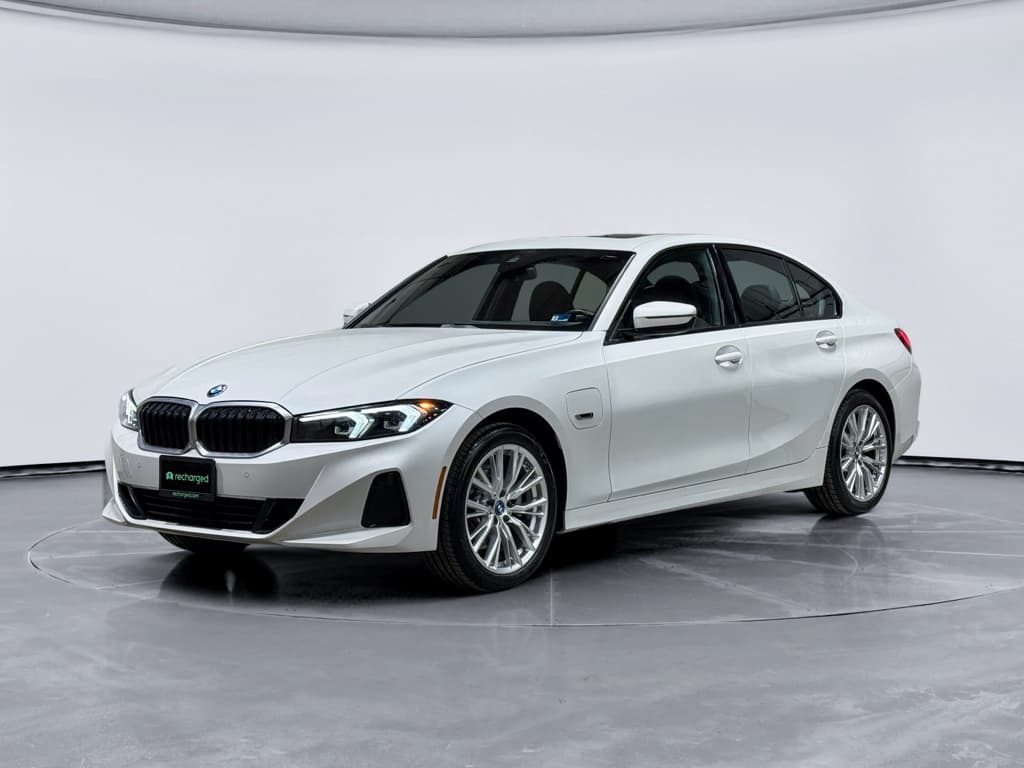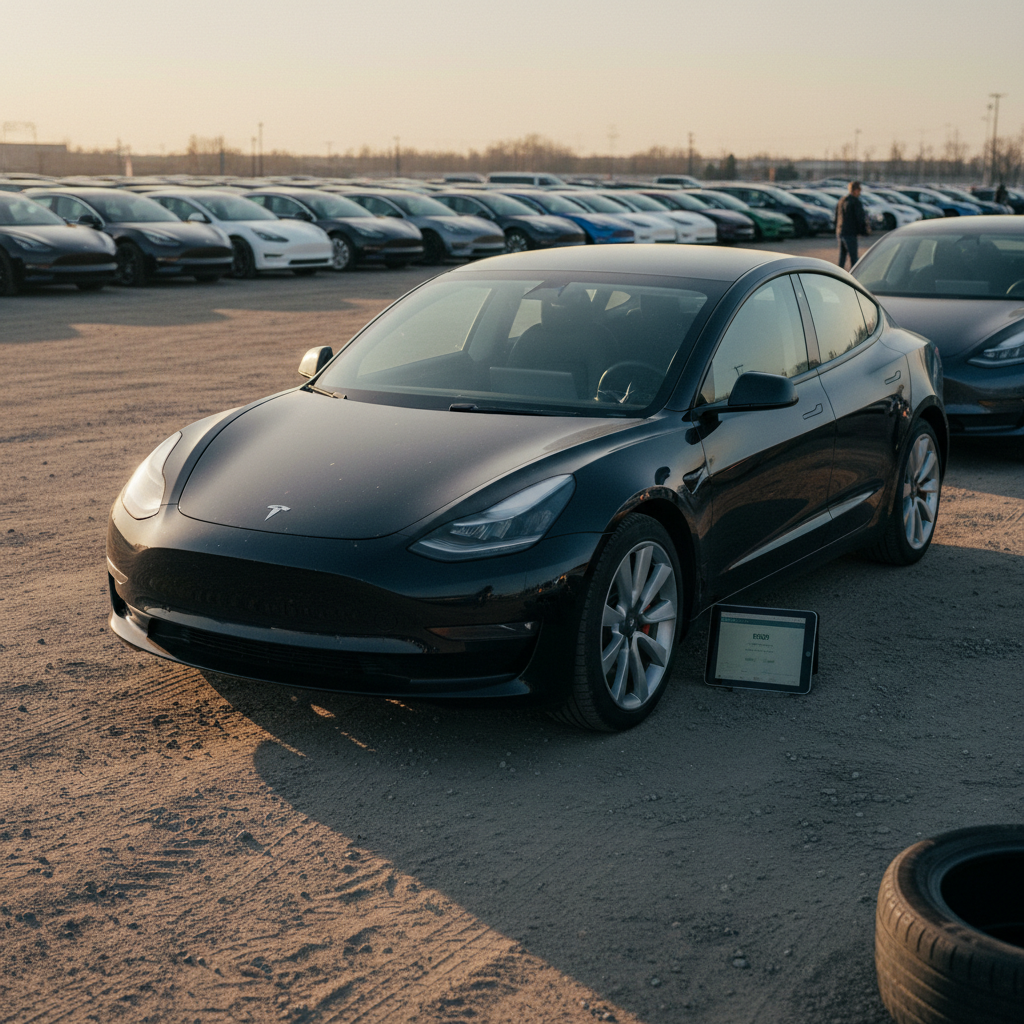
If you’re eyeing a BMW i5, you’re probably wondering what happens to all that MSRP once the new-car smell wears off. Luxury EVs can shed value quickly, but some do it more gracefully than others. The BMW i5 resale value forecast looks better than early BMW EVs, yet it still demands going in with your eyes open.
Where the market sits today
BMW i5 resale value at a glance
BMW i5 depreciation snapshot (current estimates)
The big picture: the i5 is unlikely to be a resale-value hero like a Toyota hybrid, but it’s also not the horror story of some early luxury EVs. Data from residual-value models and major pricing guides shows the i5 sitting roughly mid-pack for luxury electric sedans: it loses more than mainstream EVs, but generally less than the worst luxury sedan outliers.
How fast does the BMW i5 depreciate?
Because the i5 is still relatively new, every forecast comes with some wiggle room. But several sources point in the same direction: expect a steep first-year drop, then a more controlled slide.
- Independent EV depreciation models for the i5 eDrive show about a 25–26% hit in year one, taking a car from roughly $80,000 MSRP to the high‑$50,000s after 12–15 months of use.
- A 2024 i5 eDrive40 with an MSRP around $67,800 is modeled to be worth about $50,000 after the first year, then lose roughly 15% of its remaining value per year for the next several years.
- Some generic depreciation tools currently show the 2024 i5 as a high‑depreciation sedan, over 40% in the first couple of years, but those estimates appear to be out of sync with real‑world used listings and more EV‑specific modeling.
Why estimates can look wildly different
3- and 5-year BMW i5 resale value forecast
Let’s translate the models into numbers you can actually use. We’ll use the popular i5 eDrive40 as the baseline, with a typical MSRP just under $68,000 including destination.
Projected BMW i5 eDrive40 value over 5 years
Illustrative forecast using a 25% first-year drop and ~15% annual decline in the remaining value, assuming normal mileage and condition.
| Age | Estimated retention | Estimated value | What that means |
|---|---|---|---|
| New (MSRP baseline) | 100% | $68,000 | Brand‑new i5 eDrive40 with typical options and destination. |
| 1 year old | ~75% | ≈$51,000 | Typical first‑year hit for a luxury EV; strong example with low miles may list higher. |
| 3 years old | ~54% | ≈$36,500 | Where many off‑lease i5s will land; prime sweet spot for used buyers. |
| 5 years old | ~39% | ≈$26,500 | Similar to several 5‑year residual models; value depends heavily on battery health and software history. |
Real‑world values will vary based on trim, options, mileage, and local demand, but this gives you a planning baseline.
These numbers line up closely with independent depreciation modeling that projects a 2024 i5 eDrive40 dropping to the low‑$50,000s after one year and landing in the mid‑$20,000s by year five. For a luxury EV, that’s neither stellar nor catastrophic, it’s about what you’d expect from a tech‑heavy German sedan.
Leasing vs. buying with this forecast
How the BMW i5 compares to rival luxury EVs
You don’t shop the i5 in a vacuum. Its natural rivals are the Tesla Model S, Mercedes‑Benz EQE sedan, Genesis Electrified G80, and in some shoppers’ minds, a high‑spec gas or plug‑in 5 Series. Here’s how resale trends stack up in broad strokes.
BMW i5 resale vs. key competitors
Where the i5 tends to win, and where it doesn’t, on long‑term value.
Vs. Tesla Model S
Resale: Historically better for Tesla, but recent EV price cuts have hammered used Model S values.
The i5 may lose value a bit more slowly in the next few years as Tesla continues to adjust pricing and incentives.
Vs. Mercedes EQE Sedan
Early EQE sedans have taken notably steep hits in the used market.
The i5’s mix of range, driving dynamics and BMW brand strength should give it a slightly firmer resale floor than the EQE over 3–5 years.
Vs. gas 5 Series & 5 Series hybrid
Traditional 5 Series sedans are among the worst 5‑year resale performers in the luxury segment.
The i5 is on track to hold value a bit better than comparable gas and plug‑in 5 Series models, thanks to EV demand and lower running costs.
Where the i5 quietly shines
Key factors that shape BMW i5 resale value
Resale value isn’t magic; it’s math plus psychology. The math is supply, demand, and costs. The psychology is what buyers believe about a car’s future. For the i5, several specific levers matter:
- Range and efficiency: The i5 eDrive40’s EPA range (generally in the mid‑ to high‑200‑mile zone depending on spec) is comfortably competitive. Cars with larger wheels or aggressive tires may show more range loss and slightly worse resale.
- Charging speed and network access: Fast DC capability and access to expanding NACS (Tesla) infrastructure through adapters help reassure second owners that the car will still be easy to live with in 5–7 years.
- Trim and options mix: Well‑specced cars with popular upgrade packages, driver‑assist tech, and high‑end audio tend to sell faster and lose slightly less value, even if you rarely recoup option costs dollar‑for‑dollar.
- Software and tech stability: As with any modern BMW, over‑the‑air updates, driver‑assist features, and infotainment matter a lot. A car with a clean software repair history and current updates will be more attractive to the next buyer.
- Macroeconomics and incentives: Shifts in federal and state EV incentives, interest rates, and manufacturer discounts can all move the goalposts for used pricing, sometimes quickly.
Private-party sale
Selling your i5 yourself usually delivers the highest resale price, especially if you’ve kept mileage low and maintenance records tidy. Expect to work a bit harder: listings, showings, and negotiation are on you.
Trade-in or instant offer
Trading an i5 to a dealer or using an instant-offer platform is simpler but generally nets a few thousand dollars less than a private sale. The trade-off is speed and convenience, especially if you’re switching into your next EV.
Battery health, range and long-term value
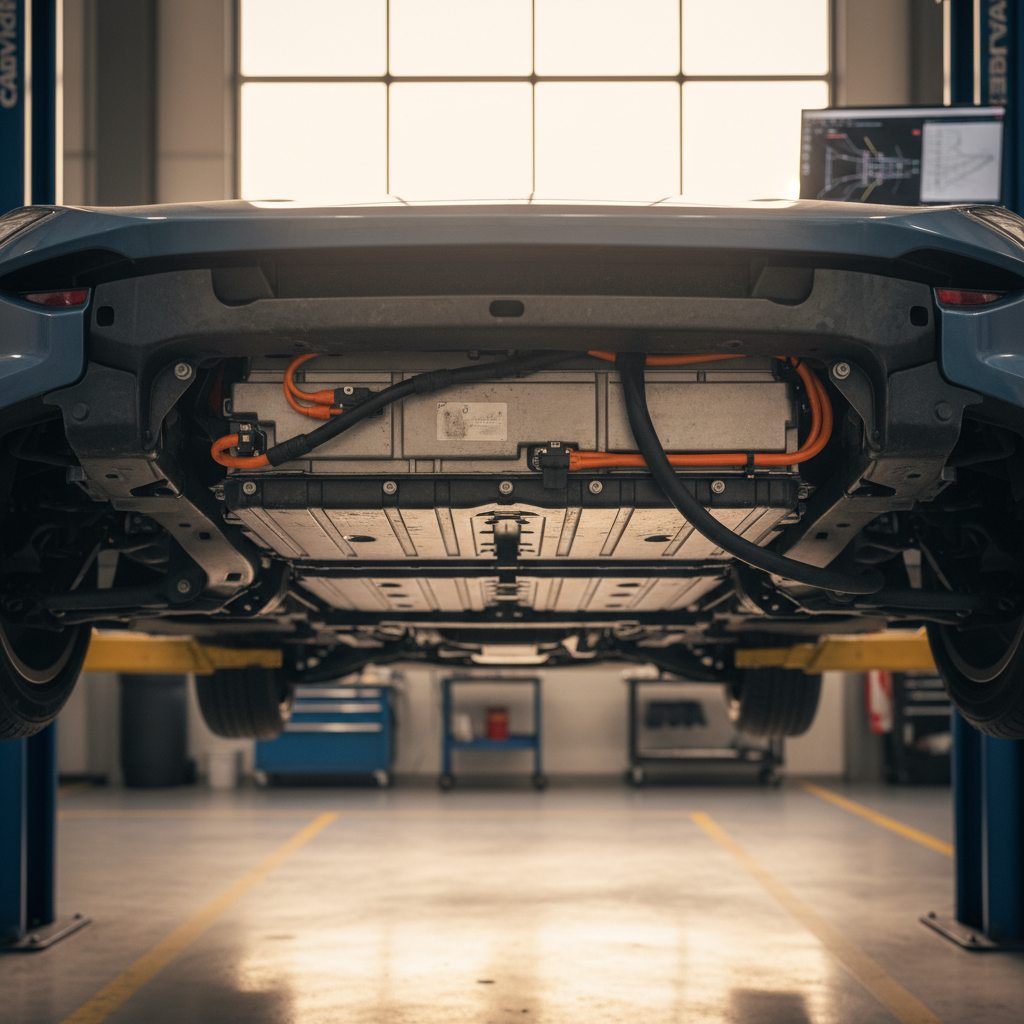
With any used EV, buyers aren’t really asking, “How many miles are on it?” They’re asking, “How much usable battery and range are left?” For a BMW i5, that question will define the second and third owners’ willingness to pay.
- Degradation expectations: Modern BMW EV packs are engineered to lose only a modest slice of capacity in the first few years, then level off. Most owners will see more impact from driving style and climate than from mere age.
- Rapid DC fast charging: Frequent high‑power fast charging can add stress to the pack. A car that lived mostly on Level 2 home charging with occasional road trips is usually a better long‑term bet, and will appraise higher as buyers catch onto this.
- Software and thermal management: BMW continually refines how the i5 heats and cools its pack. Cars kept current on firmware and used regularly (not sitting for months at 100% or near‑empty) tend to show healthier long‑term range.
- Verified battery reports: Third‑party diagnostics, like the Recharged Score battery health report included with every car sold through Recharged, give buyers concrete numbers instead of guessing from the dash gauge. That transparency supports stronger resale values and quicker sales.
How Recharged helps de‑risk a used i5
Ready to find your next EV?
Browse VehiclesPractical tips to protect BMW i5 resale value
6 ways to keep your i5’s value from evaporating
1. Keep miles and fast-charging in check
Luxury sedans are mileage‑sensitive. The closer you can stay to or below average annual mileage, the better. Use DC fast charging strategically, road trips only when possible, and lean on Level 2 at home or work.
2. Baby the battery (within reason)
Avoid routinely charging to 100% and parking the car in blazing heat. For daily use, living in the 20–80% state‑of‑charge window is easier on the pack and keeps advertised range closer to reality over time.
3. Stay on top of software and service
Keep iDrive updates current and follow BMW’s service bulletins. A detailed digital paper trail, tire rotations, brake checks, cabin filters, signals a well‑cared‑for car to the next buyer.
4. Choose timeless specs, not fads
Neutral colors, widely liked wheel designs, and comfort or driver‑assist packages tend to help resale. Ultra‑bright interiors or niche wheel/tire setups can make your i5 harder to sell quickly.
5. Document charging and ownership
If you use a home charger app or public charging account, save that history. Showing a pattern of moderate charging habits and reasonable mileage reassures savvy used‑EV shoppers.
6. Time your exit smartly
If you plan to move on, selling before the end of the basic warranty, or before a major mid‑cycle refresh, is usually kinder to resale. That’s often around the 3–4‑year mark.
What this means if you’re buying a used BMW i5
If you’re shopping used, depreciation isn’t bad news, it’s your opportunity. The i5’s front‑loaded drop means you can often step into a well‑equipped executive EV for the price of a modest new crossover. The key is buying the right car, not just the cheapest one.
Smart price expectations
For a 2–3‑year‑old i5 with typical miles, it’s reasonable to target the mid‑$30,000s to mid‑$40,000s depending on trim and options. Low‑mile, high‑spec M60s and xDrive models will sit higher; early, higher‑mile eDrive40s will sit lower.
Watch how asking prices move month to month. A softening market can give you leverage, especially on cars that have been listed for a while.
How Recharged fits in
Buying used through Recharged means every i5 comes with a Recharged Score battery health diagnostic, fair market pricing, and EV‑specialist support. You can complete the entire purchase digitally, arrange trade‑in or consignment of your current car, and have your next EV delivered to your driveway.
Don’t ignore total cost of ownership
FAQ: BMW i5 resale value and used buying
Frequently asked questions about BMW i5 resale value
Bottom line: Is the BMW i5 a safe bet on resale?
If you’re looking for a luxury EV sedan that won’t vaporize its value overnight, the BMW i5 is a solid, if not spectacular, performer. It depreciates faster than a mainstream crossover but broadly in line with other high‑end electric sedans, and better than BMW’s own gas 5 Series historically has. The secret is to let someone else take the first‑year hit, then buy smart with eyes wide open to battery health, software history, and total ownership costs.
That’s exactly where a specialist used‑EV marketplace like Recharged earns its stripes. With verified battery diagnostics, fair‑market pricing, EV‑savvy financing, and nationwide delivery, you can turn the i5’s predictable depreciation curve into an opportunity instead of a risk. Whether you’re trading in, selling, or hunting for that sweet‑spot 2‑ to 3‑year‑old BMW i5, the right data, and the right partner, make all the difference.