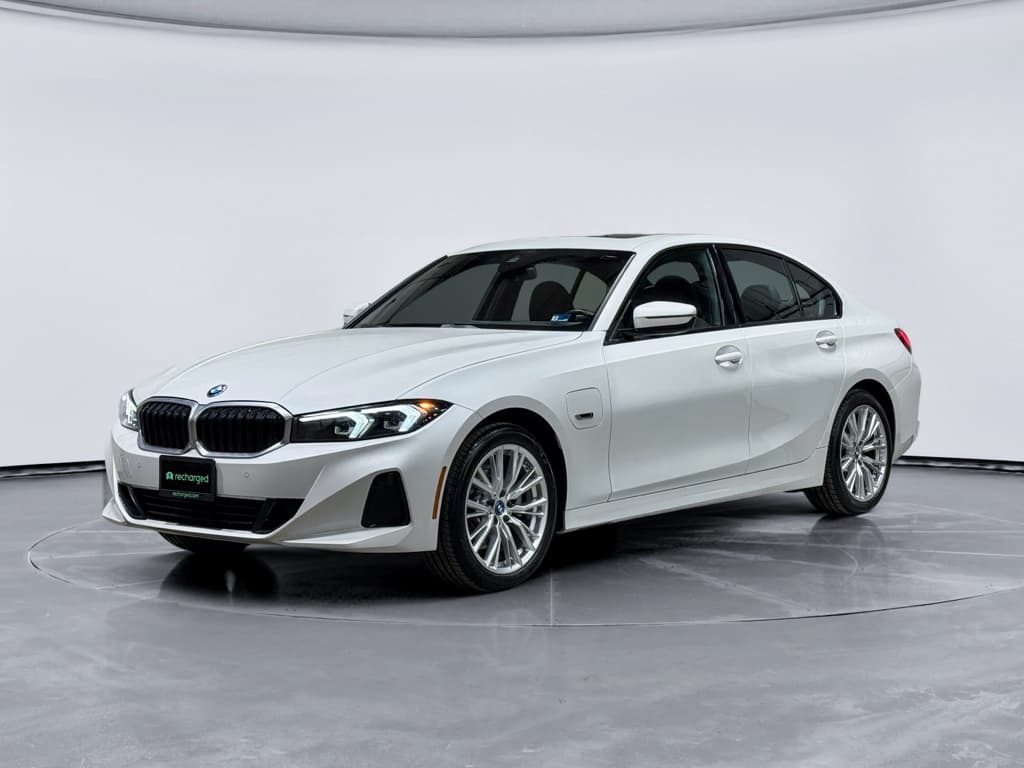
If you own, or are eyeing, a BMW i4, you’re probably wondering how this sleek electric fastback will hold its value in 2025. The honest answer: the BMW i4 resale value in 2025 is solid for a luxury EV, but it still loses value faster than many gas cars and some mainstream electric models. The good news is that if you buy carefully and sell smart, you can let someone else eat the steepest depreciation and still enjoy a genuinely great EV.
Quick context
BMW i4 resale value in 2025: the short version
BMW i4 value snapshot for 2025
Two big truths about BMW i4 resale value in 2025: first, it’s following the pattern of most luxury EVs, sharp drops in the first three years, then a slower slide. Second, trims and timing matter. The more affordable eDrive35 and eDrive40 trims tend to be easier to sell than the pricier M50, and buying a 2–3‑year‑old i4 instead of new can save you well over ten thousand dollars in depreciation alone.
What is a 2025 BMW i4 worth right now?
Let’s start with the freshest metal. For model‑year 2025, the BMW i4 is still relatively new in the marketplace, so resale data is just starting to firm up. But between dealer auction reports and appraisal tools, it’s clear that a 2025 i4 is already taking its first depreciation hit as soon as it leaves the showroom.
Estimated 2025 BMW i4 values (early 2025, U.S.)
Representative appraisal values assuming roughly 12,000 miles per year and "clean" condition, with no major accidents or modifications.
| Model year & trim | Typical condition | Approx. trade‑in value | Approx. private‑party value | Approx. dealer retail |
|---|---|---|---|---|
| 2025 i4 eDrive35 | Clean | $33,000 | $35,000 | $38,000 |
| 2025 i4 eDrive40 | Clean | $36,500 | $39,500 | $43,000 |
| 2025 i4 M50 xDrive | Clean | $45,000 | $47,500 | $50,000 |
Your specific BMW i4 could be worth more or less depending on options, mileage, region, and demand at the moment you sell.
Those numbers line up with what the major pricing guides are seeing: a clean 2025 BMW i4 typically appraises in the low‑to‑mid $30,000s for base trims and climbs into the mid‑$40,000s for a well‑kept M50. That’s already a sizeable haircut from original MSRPs that stretch from the low $50,000s into the high $60,000s.
Trim choice matters
How fast does a BMW i4 depreciate?
To understand where values are heading, it helps to look back a couple of model years. We already have a clearer picture for the 2023 BMW i4, which has been on the road long enough for used values to settle into a pattern.
2023 BMW i4: three‑year depreciation snapshot
Illustrative depreciation curve using real‑world pricing guide data for a 2023 BMW i4.
| Year in service | Estimated depreciation vs. MSRP | Approx. resale value | Approx. trade‑in value |
|---|---|---|---|
| New (2023) | , | $53,000 | $53,000 |
| End of 2024 | ‑13% | $46,000 | $42,500 |
| End of 2025 | ‑38% | $32,800 | $28,700 |
| Early 2026 snapshot | ‑48% | $27,300 | $24,200 |
Actual resale and trade‑in values vary by trim, mileage, and region, but the shape of the curve is typical for luxury EVs: steep early, then slower.
By early 2026, a typical 2023 i4 has lost nearly half of its original value in just three years of real‑world use. Forecasts and ownership‑cost tools put a five‑year depreciation figure for the BMW i4 very close to 49–50% of MSRP, almost exactly in line with what analysts expect for full battery‑electric vehicles in general.
Expect extra‑steep early drops
Why luxury EVs like the i4 lose value faster
The BMW i4 isn’t an outlier; it’s living in a rough neighborhood. Luxury sedans and EVs are two of the worst segments for resale value. Put them together in one car and you get serious sticker shock on the used‑price charts if you bought new.
- Technology moves quickly. Every year brings longer‑range batteries, faster charging, and better driver‑assist tech. Yesterday’s cutting‑edge luxury EV can feel old fast, even if it still drives beautifully.
- Luxury pricing magnifies the fall. A $65,000 car that drops 50% in value loses far more dollars than a $35,000 one, even if the percentages look similar.
- EV incentives and price cuts ripple through used values. When new EV prices fall or new incentives hit, used prices usually soften to stay competitive.
- Shoppers worry (sometimes unnecessarily) about battery life. Even with strong warranties, many buyers still assume an older EV’s battery is a ticking time bomb, and they price their offers accordingly.
The upside for used buyers
Factors that matter most for your i4’s resale value
Resale value isn’t magic; it’s math mixed with human nature. When appraisers, dealers, and used‑EV marketplaces like Recharged look at a BMW i4 in 2025, they’re weighing the same set of variables, even if they run the numbers in different ways.
5 big levers that move BMW i4 resale value
Some you can’t change, others you absolutely can.
1. Model year & trim
2. Mileage & use
3. Accident history
4. Condition & tires
5. Battery health
6. Market timing
Where Recharged fits in
Ready to find your next EV?
Browse VehiclesBMW i4 vs other used EVs: how resale compares
So is the BMW i4 a resale disaster, or just playing the same game as everyone else? The answer lands in the middle. It doesn’t hold value like some mainstream EVs and hybrids, but it’s far from the worst in the luxury world.
Compared with other luxury EV sedans
- Similar or slightly worse depreciation than rivals like the Tesla Model 3 Performance or Polestar 2, especially in the first three years.
- Brand‑new i4s have seen sharp price pressure as BMW and others adjust EV pricing, which pulls used values down too.
- On the plus side, the i4’s traditional BMW feel, solid, quiet, quick, makes it appealing on the used market for buyers who don’t want a minimalist interior.
Compared with mainstream EVs & hybrids
- Hybrids and some mainstream EVs (think Kona Electric, Bolt EUV, or hybrid crossovers) often keep a larger percentage of their value, mostly because they start cheaper.
- Insurance and repair costs can be higher for a BMW i4 than for a mass‑market vehicle, which buyers bake into what they’re willing to pay used.
- If your main goal is minimum depreciation, a well‑chosen hybrid probably beats any luxury EV, i4 included.
But value isn’t just about resale
How to protect your BMW i4’s resale value
You can’t control the entire market, but you can absolutely control how attractive your particular i4 looks when it’s time to sell. Think of resale protection as an ongoing project, not a last‑minute cleanup.
Practical steps to keep your BMW i4’s value up
1. Stay ahead on maintenance
Follow BMW’s service schedule and keep digital or paper records together. Even on an EV, documented brake and coolant service, software updates, and recalls reassure buyers.
2. Guard the battery and tires
Fast charging is fine, but living at 100% or 0% charge isn’t. Keep the car between roughly 20–80% for daily use when you can and rotate tires on schedule.
3. Fix cosmetic issues early
Curb‑rashed wheels, door dings, and cracked glass are cheaper to address as they happen, and the car looks better in photos when you list it for sale.
4. Keep it stock (or reversible)
Aftermarket wheels, tints, or audio can shrink your buyer pool. If you modify, keep original parts and be ready to return the car to stock for sale.
5. Mind the mileage
If you own multiple vehicles, let the i4 handle the miles that show it off best, daily commuting and road trips with charging planned, not every hardware‑store run.
6. Document battery health
Before you list your car, get a reputable battery health report. On Recharged, that’s built into the <strong>Recharged Score</strong>, giving buyers hard numbers instead of guesswork.
Don’t cheap out on collision repairs
Selling or trading your BMW i4 in 2025
When you’re ready to move on from your i4, your two main paths are the usual ones: trade it to a dealer, or sell it directly. The right answer depends on how much time you have and how comfortable you feel fielding questions about range, charging, and software from potential buyers.
BMW i4: trade‑in vs. selling through an EV marketplace
Convenience, price, and transparency don’t always travel together, here’s how they shake out for most owners.
Dealer trade‑in
- Fastest route: you drive in with one car, leave with another.
- Often several thousand dollars less than a carefully marketed private sale.
- Dealers may be conservative on EV trade values if they’re unsure about battery health or local demand.
Selling with Recharged
- EV‑focused audience that already understands charging, range, and incentives.
- Every car gets a Recharged Score Report with verified battery health, which can support a stronger price.
- Options for instant offer, trade‑in, or consignment, plus nationwide buyers instead of just your local market.
Think beyond your ZIP code
BMW i4 resale value 2025: FAQ
Common questions about BMW i4 resale value in 2025
Key takeaways for BMW i4 owners and shoppers
If you’re trying to make sense of BMW i4 resale value in 2025, here’s the bottom line: the i4 is a fantastic car to drive and a perfectly reasonable one to own, as long as you respect the realities of luxury‑EV depreciation. It’s likely to lose about half its value over five years, but that also means a patient shopper can buy a lightly used i4 for the price of a new mainstream crossover.
If you own one now, your job is to protect the car’s story: keep the maintenance record clean, treat the battery kindly, fix the little stuff, and be transparent when it’s time to sell. And if you’re shopping, look closely at used BMW i4 listings on Recharged, where every car comes with a Recharged Score battery‑health report and market‑correct pricing. That’s how you turn a complicated resale picture into a confident decision, whether you’re sliding into an i4 for the first time or handing yours off to its next driver.