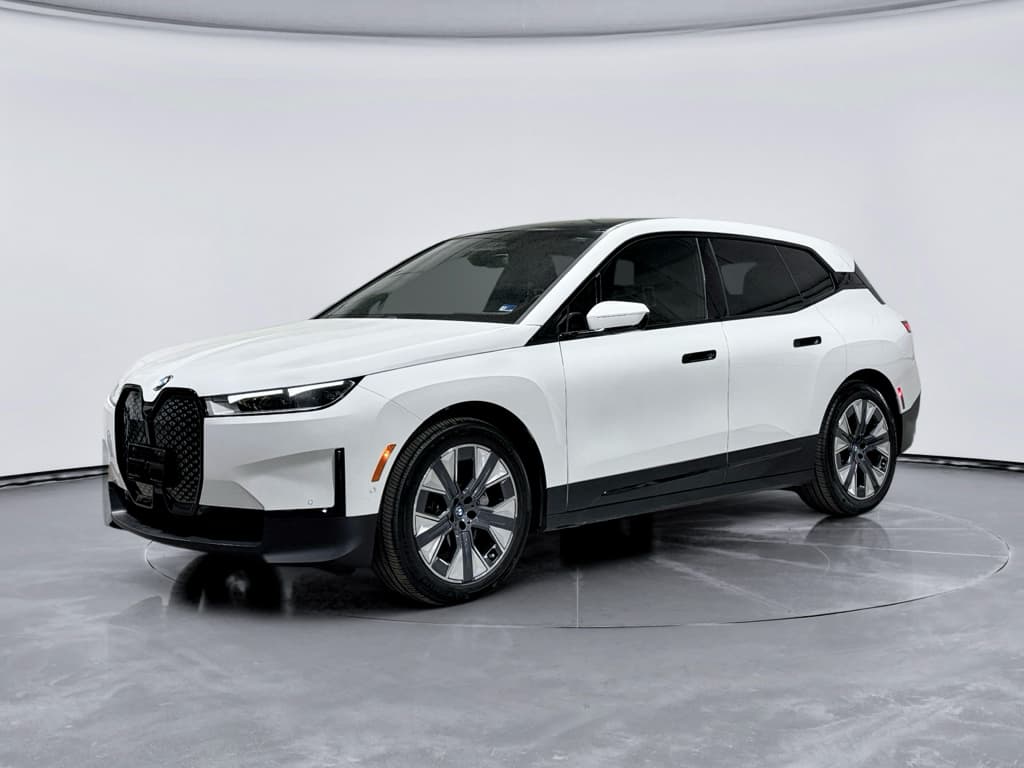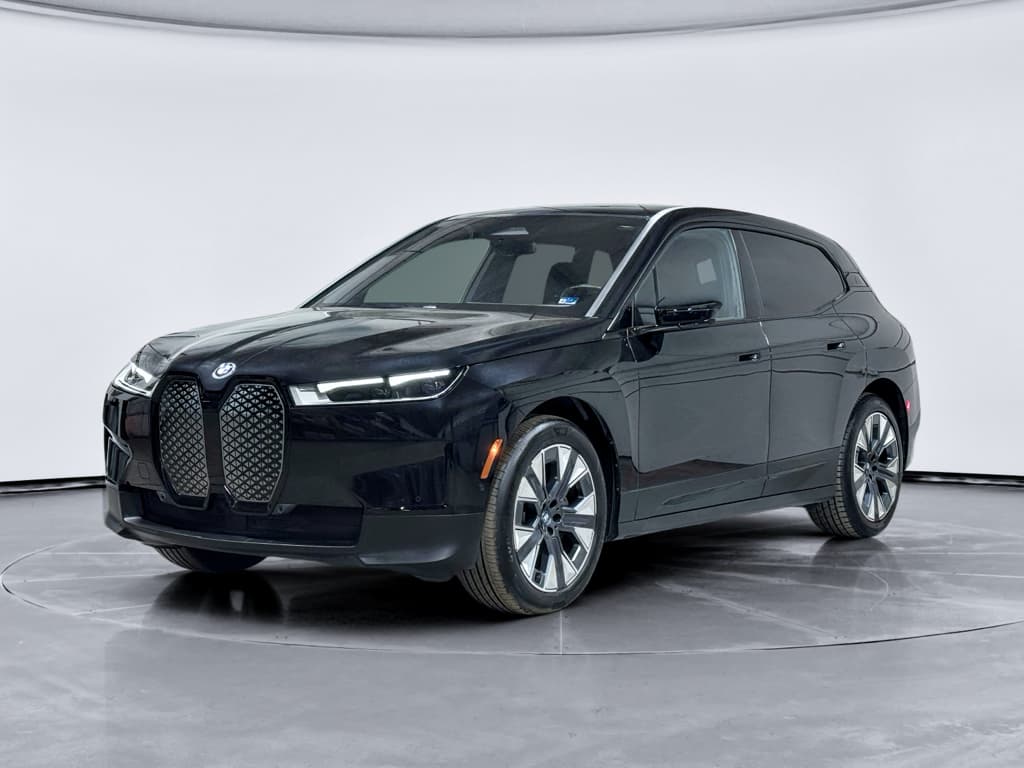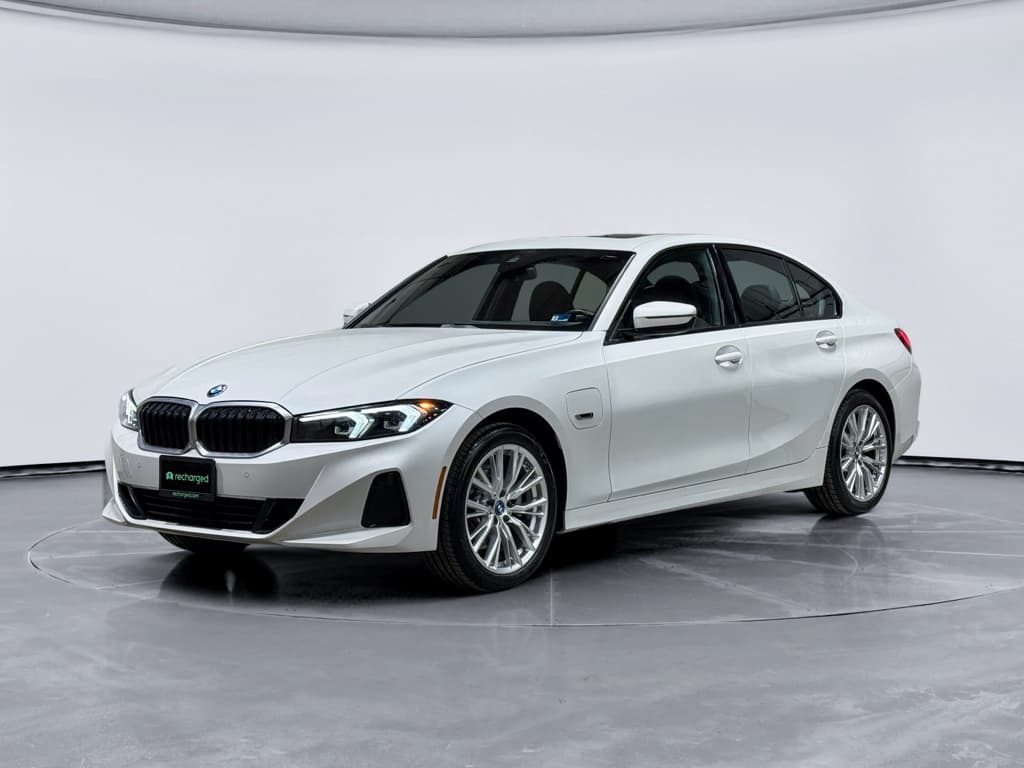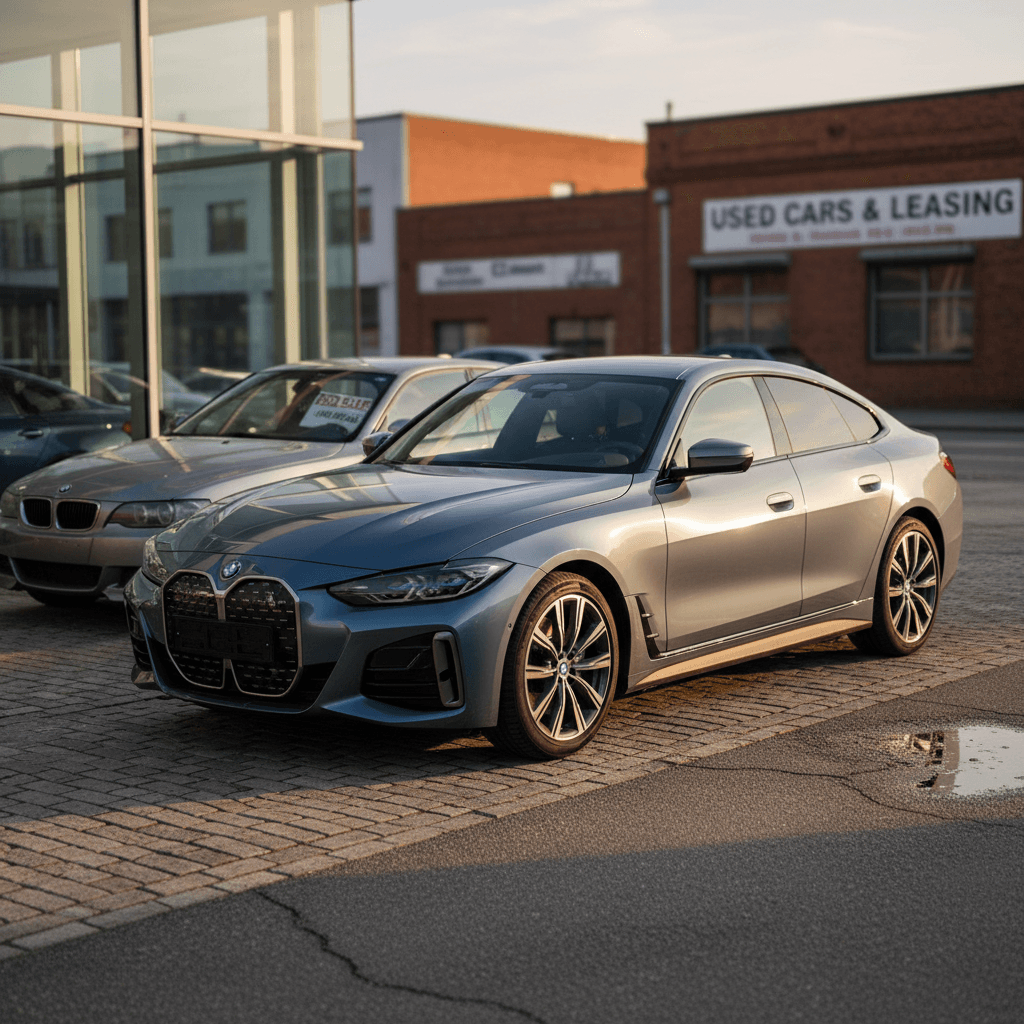
If you own or are eyeing a BMW i4, 2026 is a pivotal year. The federal new-EV tax credit has shifted, new competition is undercutting legacy luxury brands on price, and used EVs are finally moving from curiosity to mainstream. In that context, understanding a realistic BMW i4 price forecast for 2026 is the difference between a sharp deal and an expensive mistake.
Why this forecast matters
BMW i4 price forecast for 2026: the short version
BMW i4 pricing snapshot: 2026 outlook (U.S.)
Big picture: the i4 entered 2026 after a couple of rough years for used EV values, but the floor is starting to firm up. New BMW i4 sticker prices will likely nudge up modestly with equipment and inflation, while used i4s should continue to be relative bargains versus new, especially 2022–2024 cars that have already taken their biggest hit.
Forecast, not prophecy
Where BMW i4 prices stand entering 2026
To forecast 2026, you first need a solid baseline. As of early 2026, U.S. pricing for the BMW i4 looks roughly like this:
- New 2025 BMW i4 models carry MSRPs in the mid-to-high $50Ks for the eDrive40 and low $60Ks and up for xDrive and performance variants, before options and destination.
- Typical equipment pushes many real-world window stickers into the low-to-mid $60Ks, especially with popular packages and larger wheels.
- Used BMW i4 values for 2022–2024 cars commonly cluster from the low $30Ks (higher miles, lower trims) up through the high $40Ks (newer, low miles, well-optioned).
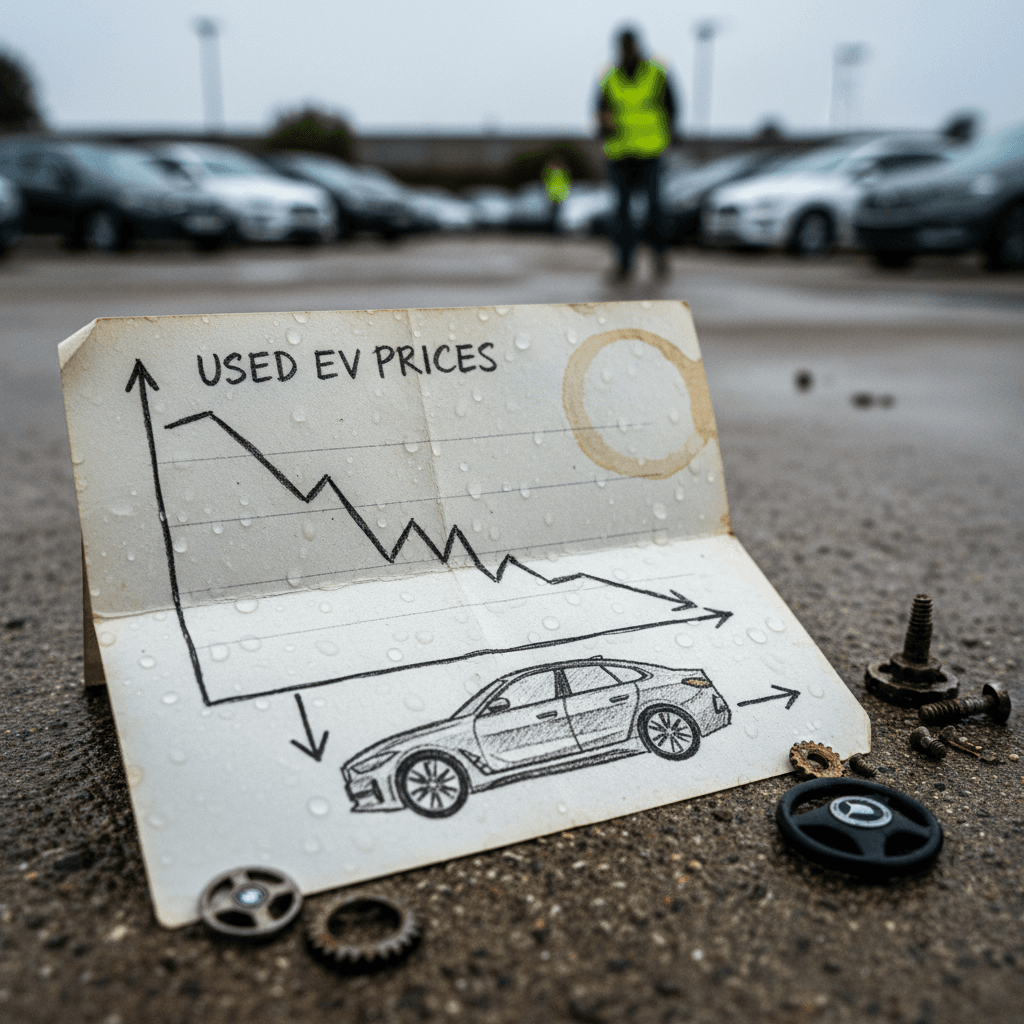
- Data from sources like KBB, auction feeds, and marketplace listings shows steep early depreciation, often 35–45% off MSRP within three years, then a slower, more traditional curve.
At the same time, the broader 2026 market is unusual: new EV sales growth has cooled, incentives have shifted, and used EV sales are accelerating as lease returns pile into the market. That pushes more shoppers toward cars exactly like a 2–3‑year‑old i4.
Forecast: new BMW i4 prices in 2026
BMW has already nudged i4 prices up across the 2023–2025 model years while adding trims and small range/feature updates. Absent a dramatic redesign, it’s reasonable to expect modest sticker increases into the 2026 model year, partly inflation, partly content creep.
Illustrative 2026 BMW i4 U.S. MSRP forecast
These are directional bands based on recent model-year increases and current transaction data, assuming no major macro shock.
| Trim | 2025 MSRP (approx.) | 2026 MSRP forecast | What this means for you |
|---|---|---|---|
| i4 eDrive40 | ≈$57,000–$59,000 | ≈$58,500–$61,000 | Entry trims could creep into the low $60Ks when modestly optioned. |
| i4 xDrive40 / equivalent dual-motor | ≈$62,000–$64,000 | ≈$63,500–$66,000 | Expect a ~$1,500–$2,000 bump with similar equipment. |
| i4 M50 or performance variant | High‑$60Ks–low‑$70Ks+ | ≈$70,000–$74,000+ | Performance models will likely stay in classic M‑car territory. |
MSRPs exclude destination, taxes, and dealer add‑ons. Real-world transaction prices will often be lower after discounts or incentives.
Watch transaction prices, not just stickers
The wildcard on the new side for 2026 is competition. Aggressively priced entries, from a redesigned Leaf targeting the high‑$20Ks to mass‑market crossovers in the $30Ks and $40Ks, put real pressure on legacy premium sedans. That doesn’t mean BMW will slash i4 stickers, but it does increase the odds of quiet discounting and lease support to keep cars moving without headline-grabbing price cuts.
Forecast: used BMW i4 prices in 2026
If you’re shopping used, or planning to sell, 2026 is where the BMW i4 gets interesting. Lease returns from 2023–2024 will hit dealer lots in volume, just as broader used‑EV prices are converging toward comparable gas cars. That combination tends to put a soft ceiling on what a 3–4‑year‑old luxury EV can command.
Expected 2026 used BMW i4 price bands (U.S.)
Directionally, here’s where different model years and trims are likely to land under normal market conditions.
2022 BMW i4
Typical 2026 asking range: ≈$30,000–$38,000
- Higher miles and base trims will live closer to $30K.
- Well‑optioned or low‑mile cars can still push toward the high‑$30Ks.
2023–2024 BMW i4
Typical 2026 asking range: ≈$34,000–$44,000
- These are the sweet‑spot cars: much cheaper than new but still relatively fresh.
- Desirable wheels, M Sport packages, and driver‑assist bundles help values.
2025 BMW i4 (lightly used)
Typical 2026 asking range: ≈$40,000–$48,000
- Expect 15–25% off original MSRP for clean, low‑mile 2025 examples.
- Higher‑spec or performance trims may still list closer to $50K.
Condition can swing price by thousands
As 2026 progresses, the most likely scenario is a slow grind down in used i4 prices rather than the cliff we saw in 2023–2024. The worst of the EV panic selling is behind us, but elevated inventory and high interest rates still limit how much sellers can push.
BMW i4 depreciation outlook through 2026
If you bought an i4 new in 2022–2024, you’ve already lived through the painful part. Data from resale trackers and auction lanes tells a consistent story: the i4 sheds a big chunk of its value in the first 3–4 years, then settles into a milder decline that looks much more like a conventional luxury sedan.
Typical BMW i4 depreciation curve
- Year 1: 10–20% off MSRP as soon as the car becomes a used unit.
- Years 2–3: Total hit often reaches 35–45% off MSRP, especially on heavily optioned cars.
- Years 4–5: Depreciation slows; total loss might land around 40–55% off depending on miles and trim.
- Beyond Year 5: Market treats it more like a normal used car, battery health and repair costs start dominating.
What that means in real dollars
Take a notional $65,000 i4:
- After 3 years: A 40% drop would put private‑party value around $39,000.
- After 5 years: A 45–50% total drop suggests something like $32,000–$36,000, assuming average miles.
- Performance trims and very high MSRPs tend to lose more absolute dollars, even if the percentage looks similar.
These are directional examples to illustrate how the curve behaves, not appraisals for a specific VIN.
Why a 2–3‑year‑old i4 is often the sweet spot
6 forces that will move BMW i4 prices in 2026
- Used EV supply surge: 2023’s EV leasing boom is feeding a wave of off‑lease returns in 2026. That adds downward pressure on nearly all used EVs, including the i4.
- Cooling new‑EV demand: Higher interest rates and incentive changes have slowed new EV sales, forcing OEMs and dealers to lean on discounts and lease support rather than headline price cuts.
- Cheaper new competition: Sub‑$30K and low‑$30K electric models undercut the i4 on price, but not necessarily on brand or driving experience. They cap how high used luxury EVs can realistically climb.
- NACS and charging anxiety: As more non‑Tesla brands adopt Tesla’s NACS plug and gain better Supercharger access, older CCS‑only cars may see a small value penalty unless they have reliable adapter solutions.
- Battery health transparency: As more buyers demand objective battery‑health data, cars with verified strong packs should command a premium, while cars with unknown or weak packs get discounted more heavily.
- Macro uncertainty: If the broader economy softens further, discretionary purchases like a premium EV sedan are the first to see deeper discounts. A hot stock market and cheap money, by contrast, would buoy prices.
Segment matters
How to shop for a BMW i4 in 2026
Given everything above, 2026 is shaping up as an unusually good year to buy a used BMW i4, especially if you’re willing to be flexible on color and options and you care more about value than having the very latest model year.
2026 BMW i4 buyer checklist
1. Decide between new vs. nearly new
If you want the latest tech and are set on a custom build, consider leasing a 2026 i4 and let BMW absorb future resale risk. If you care about total cost of ownership, a 2–3‑year‑old 2023–2024 car will usually win on value.
2. Focus on battery health, not just mileage
An i4 with 40,000 well‑managed miles and a healthy pack is often a better buy than a low‑mile example that lived on DC fast charging. Look for objective battery‑health reporting, not just a dashboard range guess.
3. Compare trims carefully
The i4’s price ladder is steep. An M50 or heavily optioned car may be fun, but the extra performance doesn’t always hold its value. Run numbers on insurance, tires, and brakes before committing to the top dog.
4. Shop total cost, not monthly payment
In 2026, rate buy‑downs and teased low payments can hide inflated prices. Always work backward from sale price, taxes, fees, and any added products to understand your true total cost.
5. Cross‑shop CPO vs. independent dealers
BMW Certified Pre‑Owned adds warranty coverage that can be comforting in year 4–6 of ownership. Independent dealers and marketplaces may undercut CPO pricing, but you’ll want extra due diligence on history and condition.
6. Time your purchase if you can
Inventory builds and sales targets still matter. Month‑end and quarter‑end remain good times to negotiate, and late in the model year is often when new‑car incentives are richest, which indirectly softens used prices too.
Use used pricing to negotiate new
Selling or trading a BMW i4 in 2026
If you own an i4 today, 2026 is a year to be pragmatic, not nostalgic about what the car "should" be worth. The combination of early EV depreciation and a maturing used‑EV market means you’re unlikely to get back what you hoped if you bought new at peak pricing, but you still have levers to pull.
Smart moves for BMW i4 sellers
- Sell before big maintenance milestones: Market values tend to soften as EVs approach out‑of‑warranty status or expensive service intervals. If your 8‑year/100k‑mile battery warranty is halfway over, timing matters.
- Present battery health clearly: A third‑party battery‑health report or marketplace‑provided score can justify a higher ask and speed up the sale.
- Be realistic on pricing: Look at actual transaction values, not just optimistic listings. Price too high in a soft market and your car will simply sit.
Trade‑in vs. private sale in 2026
Private sales often bring more money, but that gap has narrowed as dealers and EV‑focused marketplaces get more comfortable pricing these cars.
- Trade‑ins and instant‑offer tools can be compelling when you factor in sales‑tax savings on your replacement vehicle.
- Private sales still make sense for low‑mile, well‑optioned cars in desirable colors, if you’re willing to do the legwork.
Get multiple offers, including from EV specialists, before committing. The spread can easily be $2,000–$4,000.
Don’t anchor to 2022–2023 values
How Recharged can help you buy or sell smarter
The hardest part of navigating BMW i4 prices in 2026 isn’t finding a car, it’s separating good deals from expensive mistakes in a market that’s still learning how to value used EVs. That’s the problem Recharged was built to solve.
Why BMW i4 shoppers and sellers use Recharged
Designed from the ground up around used EVs, not retrofitted gas‑car playbooks.
Verified battery health
Fair, data‑driven pricing
Modern, EV‑first retail experience
Ready to find your next EV?
Browse VehiclesThinking about an offer on your i4?
BMW i4 price forecast 2026: FAQ
Frequently asked questions about BMW i4 prices in 2026
Bottom line: Is 2026 a good year to buy or sell an i4?
From a pricing perspective, 2026 is kinder to BMW i4 buyers than to original owners. New‑car MSRPs will likely edge up, but transaction prices will stay under pressure; used values should keep drifting down, just more gently than in the recent past. If you’re shopping, that means real opportunity, particularly in 2–3‑year‑old cars with documented battery health. If you’re selling, it’s a reminder to price realistically, present your car transparently, and get more than one offer before you decide.
Either way, your best defense against a volatile EV market is good information. Understanding how the BMW i4 price forecast for 2026 fits into your specific situation, and pairing that with EV‑savvy tools like the Recharged Score and expert guidance, will do more for your wallet than trying to time the market perfectly.