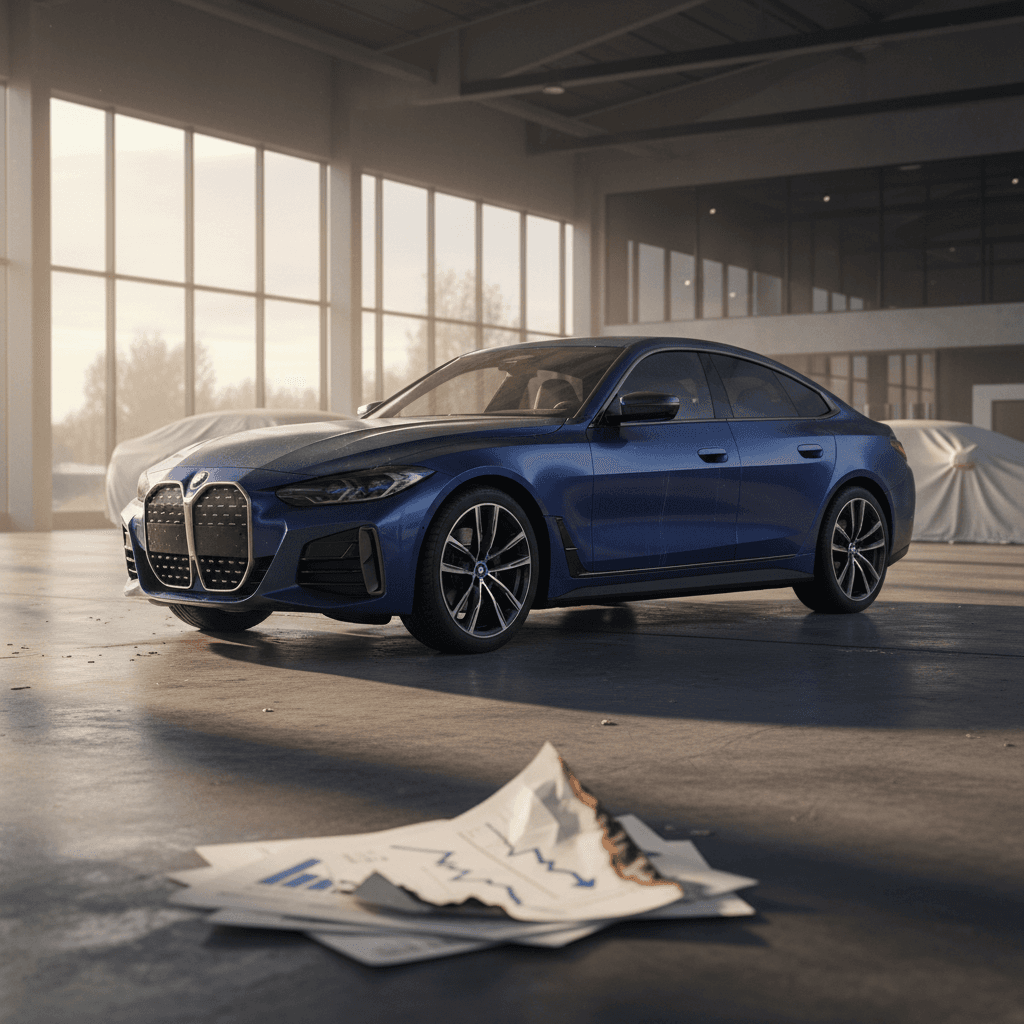
If you’re eyeing a BMW i4, you’re probably wondering about one thing right away: depreciation. Electric vehicles still lose value faster than gas cars on average, and the i4 sits at the crossroads of two worlds that traditionally shed dollars quickly: luxury and EVs. The good news is that what looks scary for the first owner can create real bargains for you if you buy used.
Key takeaway on BMW i4 depreciation
BMW i4 depreciation overview
Depreciation is simply how much value a car loses over time. For the BMW i4, we now have a few model years of real-world data plus projections based on how BMWs and EVs typically behave. One widely cited analysis of resale data pegs the 5‑year depreciation rate of the BMW i4 at around 68.1%, meaning a car that cost $60,000 new might be worth roughly $19,000 after five years if it follows the average curve.
BMW i4 depreciation at a glance
Depreciation is an average, not a rule
How fast does a BMW i4 depreciate?
You’ll see the sharpest BMW i4 depreciation in the first three years, when the market absorbs initial incentives, rapid tech changes, and the natural cooling-off of new‑car demand. After that, losses tend to slow as the car finds a stable spot in the used market.
Illustrative BMW i4 depreciation curve (typical well‑equipped model)
Approximate retained value for a BMW i4 that cost $60,000 new, assuming typical mileage and condition.
| Age | Estimated retained value | Approx. dollar value | Notes |
|---|---|---|---|
| Brand new | 100% | $60,000 | MSRP before taxes/fees, often less after incentives |
| Year 1 | ~75–80% | $45,000–$48,000 | Early hit as demos and low‑mileage used cars appear |
| Year 3 | ~45–50% | $27,000–$30,000 | Where many leases end; lots of supply pushes prices down |
| Year 5 | ~30–35% | $18,000–$21,000 | Data suggests around 68.1% value lost by this point |
| Year 7+ | ~20–25% | $12,000–$15,000 | Older tech and out‑of‑warranty concerns keep prices in check |
These are illustrative ballpark figures based on current EV and BMW i4 trend data, not guaranteed resale values.
Sweet spot for value
BMW i4 vs Tesla Model 3 depreciation
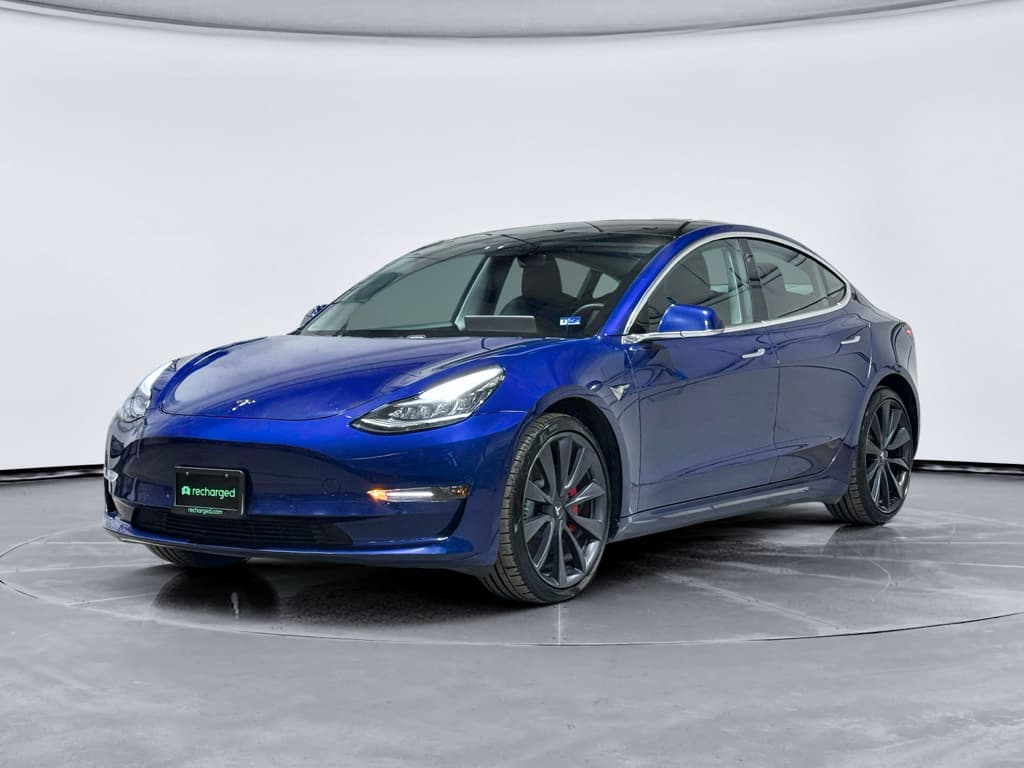
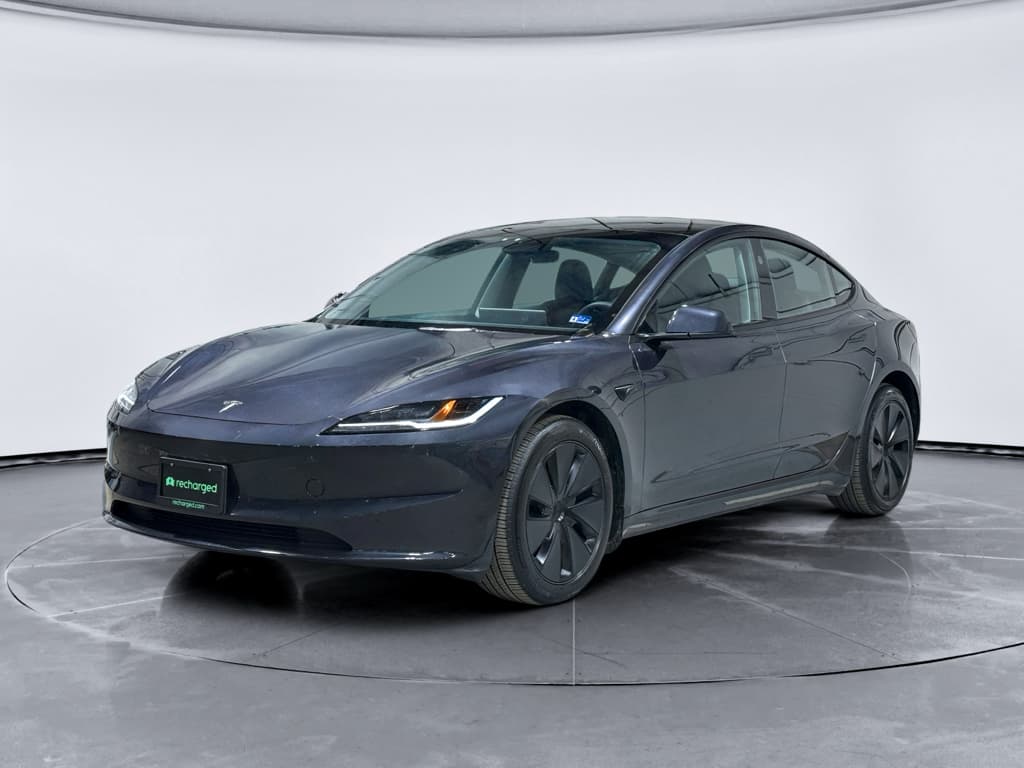
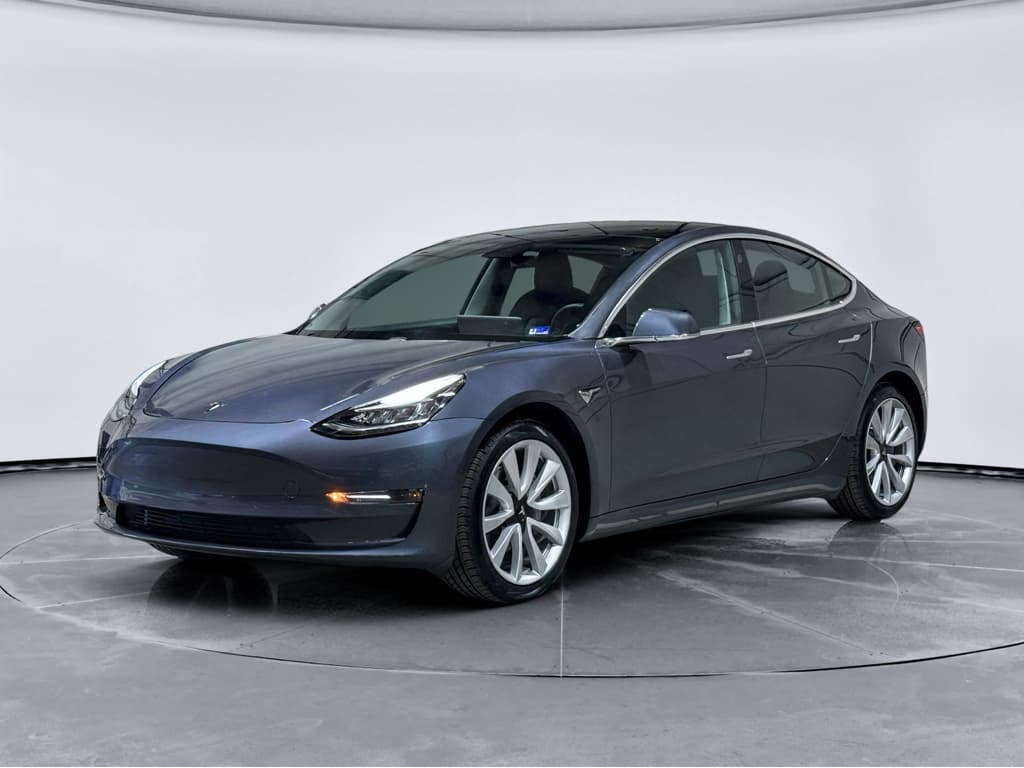
The obvious comparison in this class is the Tesla Model 3. Both are compact electric sedans; one leans luxury‑sport (i4), the other leans tech‑first (Model 3). When you look purely at 5‑year depreciation, most U.S. data sets show the BMW i4 losing more of its value than the Model 3.
How the BMW i4 stacks up against the Tesla Model 3
Depreciation and value story, not just MSRP
BMW i4 depreciation
The BMW i4 is a luxury EV built on a 4‑Series platform. Recent analyses have its 5‑year depreciation around 68.1%. Luxury badge plus rapid EV tech progress are the main culprits.
Because it starts higher, often in the $55,000–$65,000 range for well‑equipped trims, the absolute dollar loss can be sizable for first owners, which is good news if you’re buying used.
Tesla Model 3 depreciation
The Tesla Model 3 has historically held value well, with some studies putting 5‑year depreciation around the mid‑50% range. More recent market turbulence and price cuts have knocked resale values down, but it still tends to edge out the i4 in percentage terms.
That means a used Model 3 may carry a price premium over a comparable‑age BMW i4, even when both started at similar sticker prices.
Why the i4 depreciates more, percentage‑wise
- Higher starting MSRP than a Model 3, especially in M50 trim.
- Traditional luxury sedan dynamics, buyers expect bigger discounts used.
- Less brand cachet in EV circles than Tesla, which still commands strong demand.
Why that’s good if you’re buying used
- You can often get an i4 with nicer materials and options for similar or less money than a used Model 3.
- Sharper depreciation means the first owner has already taken the biggest hit.
- As Tesla resale values soften, the gap between the two is narrowing, making the i4 more compelling.
For shoppers, depreciation tilt favors the i4
Why the BMW i4 depreciates the way it does
To understand the BMW i4 depreciation rate, you have to zoom out. Luxury cars already tend to lose value faster than mainstream models, and EVs, as a category, have been depreciating faster than gas cars thanks to generous incentives, rapid tech turnover, and shifting demand. The i4 is a luxury EV, so it’s hit by all three forces at once.
Four big forces behind BMW i4 depreciation
Why the curve looks the way it does
Luxury badge effect
Fast EV tech march
Incentives & price cuts
Market volatility
The battery-health myth
Real-world used BMW i4 prices in 2025
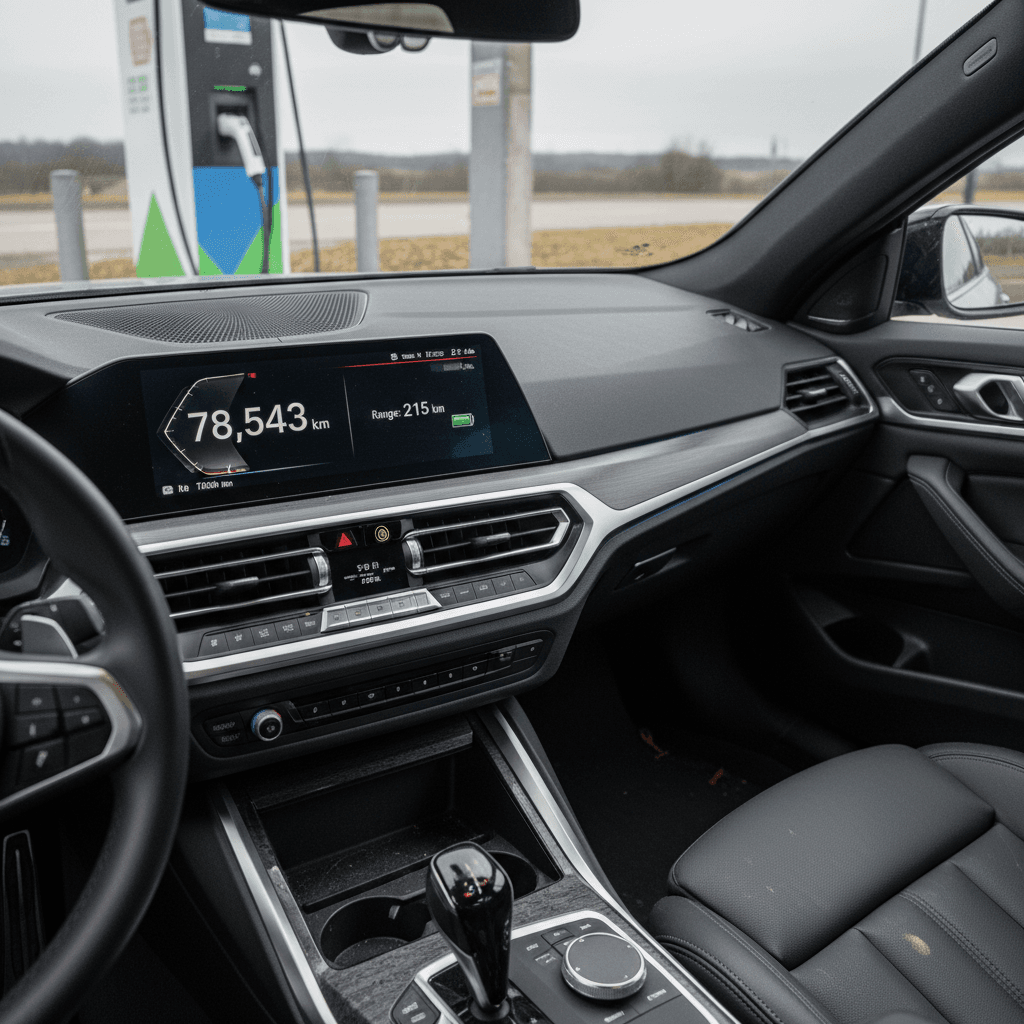
By early 2026, used BMW i4 listings in the U.S. have started to form a fairly predictable pattern. Entry‑level eDrive35 models, which come with a smaller battery and lower power output, sit at the bottom of the price ladder, while M50 performance trims sit at the top. Beyond trim, mileage and options make a big difference, but depreciation is doing a lot of the heavy lifting for you.
Typical used BMW i4 asking-price ranges (early 2026, U.S. market)
Approximate list-price windows you’re likely to see from dealers and marketplaces. Real transactions can land above or below these bands.
| Model year & trim | Typical mileage | Common asking range | Depreciation hint |
|---|---|---|---|
| 2022 i4 eDrive40 | 25k–40k miles | $29,000–$36,000 | Often 40–50% below original MSRP already, depending on options. |
| 2022–2023 i4 M50 | 20k–35k miles | $34,000–$42,000 | Performance trim started near or above $65k; many are now in the low‑$40k range. |
| 2023–2024 i4 eDrive35 | 10k–25k miles | $32,000–$39,000 | Lower MSRP new, so used prices overlap with older, higher‑spec i4s. |
| 2024 i4 eDrive40/M50 (nearly new) | Under 15k miles | $42,000–$52,000 | Early‑life depreciation but still carrying a late‑model premium. |
These ranges are directional and will vary by region, mileage, and condition. They’re most useful for understanding relative value between trims and model years.
Compare against original MSRP
How to shop a used BMW i4 smartly
Depreciation is only your friend if you don’t inherit someone else’s problems. A cheap i4 with a sketchy battery or accident history can erase any savings fast. The goal is to find the cars where depreciation has done the hard work, but the underlying vehicle is still in excellent health.
Used BMW i4 buying checklist
1. Focus on 2–4‑year‑old cars
This is where the BMW i4 depreciation curve has already steepened, but the car is still modern. You get a big discount off MSRP with plenty of usable life left.
2. Check battery health, not just range
Ask for documented <strong>battery diagnostics</strong>. With Recharged, every vehicle includes a <strong>Recharged Score Report</strong> that verifies battery health instead of guessing from the dash readout.
3. Verify charging behavior
Look for evidence of DC fast‑charging use and whether the car reliably hits expected power levels. Sluggish charging can hint at software limits, prior abuse, or pack issues.
4. Study options and packages
The i4’s depreciation hits loaded cars hardest. A used M50 with premium audio, upgraded seats, and driver assists often costs just a little more than a base car, but feels like a different vehicle.
5. Inspect tires, brakes, and suspension
EVs are heavy and quick. That extra weight can chew through tires and bushings sooner than a gas 3‑ or 4‑Series. Budget accordingly or look for fresh rubber and recent service records.
6. Use market data, not asking prices
Pull comps on similar mileage, trim, and region. Recharged bakes fair‑market pricing into every listing so you can see how a car’s price lines up with the broader market at a glance.
How Recharged helps you de‑risk depreciation
BMW i4 ownership costs beyond depreciation
Depreciation is the single biggest ownership cost for most cars, but it’s not the only lever. A BMW i4 can be less punishing to own than a comparable gas BMW once you factor in fuel and maintenance, and those savings can soften the sting of a steeper depreciation curve.
Fuel and charging costs
- Electricity vs. premium gas: Even with rising power rates, most U.S. drivers still pay less per mile to charge an i4 than to fuel a similar 4‑Series on premium.
- Home charging wins: If you can install Level 2 at home, you capture the biggest savings, especially with off‑peak utility rates.
- Road‑trip caveat: DC fast chargers, especially along interstates, can be pricey and narrow the fuel‑cost advantage on long trips.
Maintenance and repairs
- No oil changes and fewer wear parts than a gas BMW help keep routine service in check.
- BMW parts and labor are still premium‑priced, so collision repairs and out‑of‑warranty work can add up.
- Factor in tire costs: performance‑oriented trims on sticky rubber may need replacements more often.
Watch the warranty timelines
Is a used BMW i4 a good buy?
If you like the idea of a BMW that just happens to be electric, rather than a science‑project EV, the used i4 market is one of the more interesting corners of the EV world right now. Depreciation has done what it always does to luxury cars: it’s knocked the prices down hard enough that second owners can slide into a high‑spec machine for mainstream‑car money.
- You value a refined, familiar BMW interior and driving feel more than having the newest gadgetry.
- You’re shopping 2–4‑year‑old cars and want to let the first owner pay for the steepest depreciation.
- You plan to keep the car long enough that future value swings matter less than today’s purchase price.
- You’re comparing against new, non‑luxury EVs that cost similar money but feel less special day‑to‑day.
Where Recharged fits in
Ready to find your next EV?
Browse VehiclesThe bottom line: the BMW i4 depreciation rate is steeper than many gas sedans and a bit sharper than some rival EVs, but that doesn’t make it a bad car, it makes it a smarter buy when you let someone else go first. If you understand how the curve works, verify battery health, and buy at the right point in the i4’s lifecycle, you can enjoy a genuinely premium electric BMW for the price of a perfectly ordinary new car. That’s the kind of math depreciation was made for.