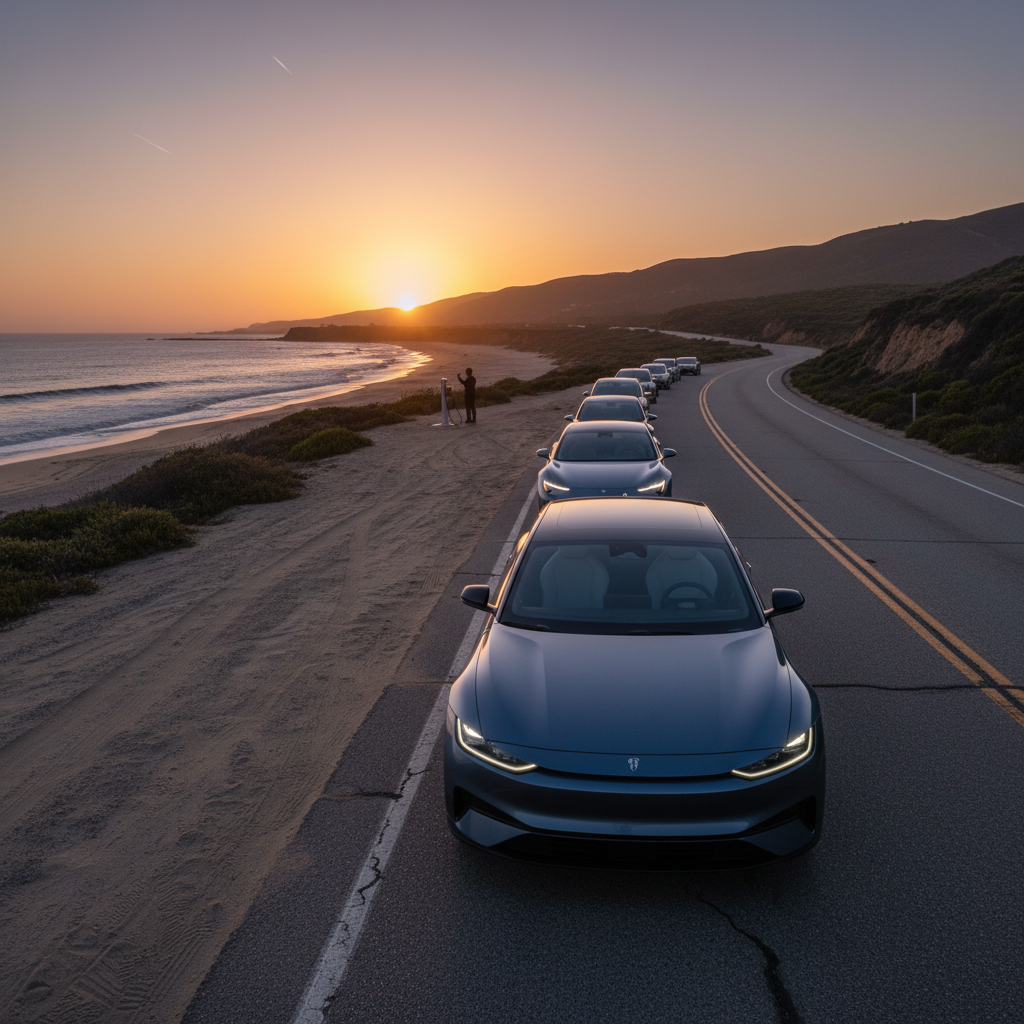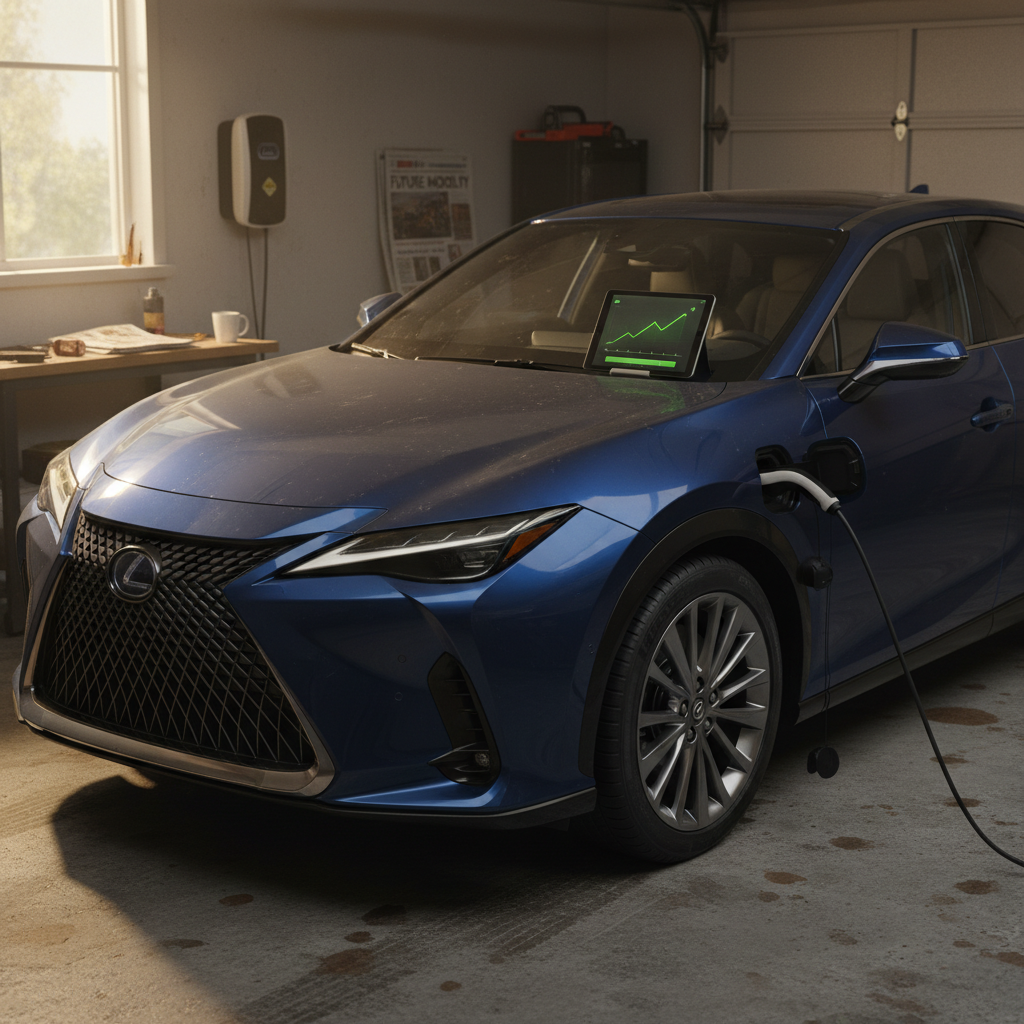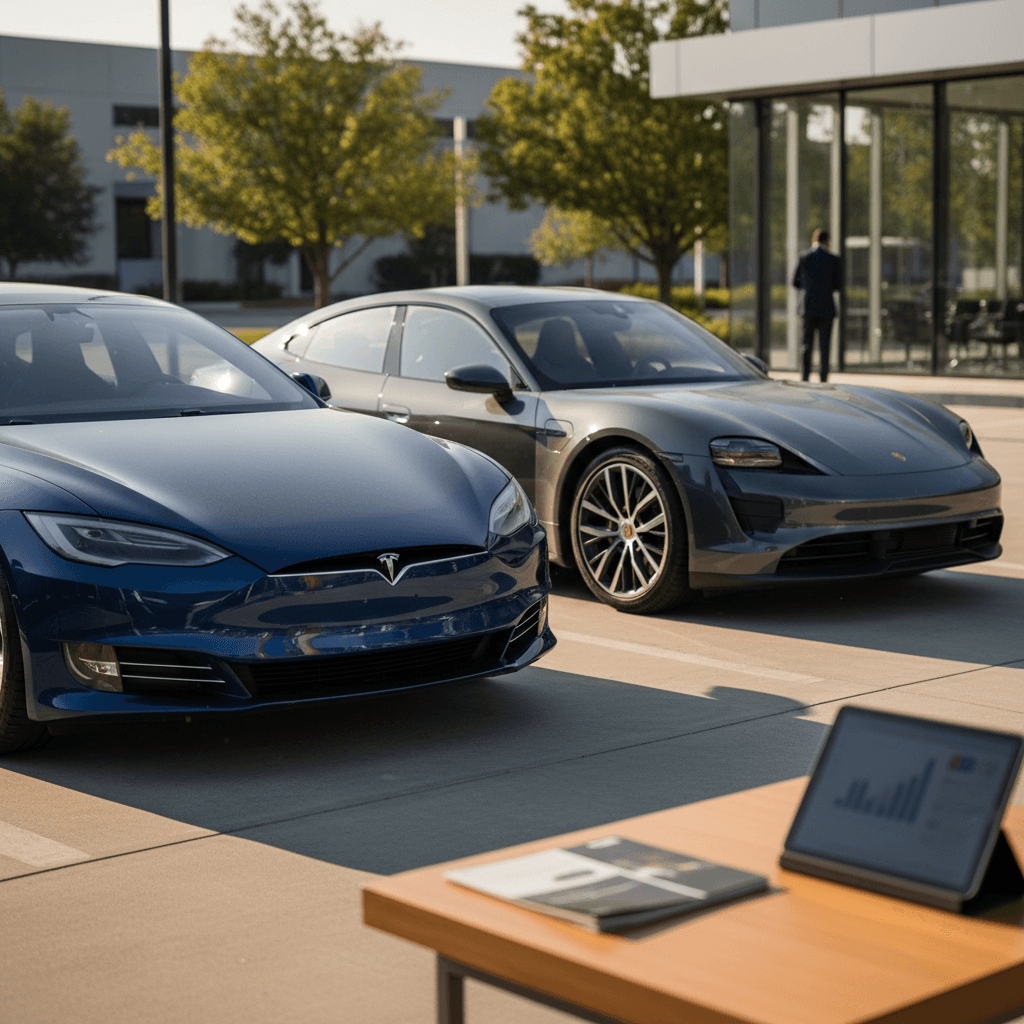
If you want a quiet, tech-loaded car with serious performance, the best used luxury electric cars are where the value is in 2025. Many high-end EVs that stickered for $80,000–$120,000 new are now trading at mainstream luxury prices, especially as newer models arrive and depreciation hits early adopters. The key is knowing which models age well, how to judge battery health, and what a fair price really looks like.
Luxury EVs are maturing fast
Why used luxury EVs are such strong values now
Luxury EVs generally depreciate faster than comparable gas models in the first few years. New tech cycles, shifting incentives, and rapid improvements in range mean early buyers take the biggest hit. By years 3–6, though, that curve flattens, and second owners reap the benefits: you pay far less for the same comfort, performance, and safety tech, while still enjoying plenty of useful battery life.
Used luxury EVs by the numbers
Add in low routine maintenance, no oil changes, fewer moving parts, and you get a compelling ownership story. But you still need to be selective: some luxury EVs hold their value and range much better than others, and battery diagnostics matter more than odometer readings.
Quick picks: the best used luxury electric cars by buyer type
Best used luxury EVs in 2025: at-a-glance
Match the right car to how you actually drive
Best all-around used luxury EV
Tesla Model S Long Range / Dual Motor (2020–2022)
- Strong real-world range, fast charging
- Huge Supercharger access for road trips
- Prices often under recent EQS and Taycan rivals
Best used luxury electric SUV
Cadillac Lyriq (2023–2024)
- Upscale cabin, competitive range
- Rapidly growing Ultium support and over-the-air updates
- Values normalizing after heavy early incentives
Best performance luxury EV deal
Porsche Taycan 4S / GTS (2020–2022)
- Sports-car dynamics, high build quality
- Heavier depreciation = strong used pricing
- Best if you fast-charge often and don’t need 300+ miles
Best comfort-focused luxury EV
Mercedes-Benz EQS 450+ (2022–2023)
- Quiet, limo-like ride and techy cabin
- Excellent efficiency and long-range variants available
- Values sliding, making it attractive vs. new
Best adventure-ready premium SUV
BMW iX xDrive50 (2022–2023)
- Plush interior, strong winter performance when properly equipped
- Plenty of power and space for families
- Depreciation makes it competitive with new mid-luxury crossovers
Best budget luxury EV badge
Audi e-tron / Q8 e-tron (2019–2022)
- Quick depreciation, often under $40k
- Comfortable, familiar Audi feel
- Range is modest, so better for suburban and local use
How to use this short list
Top used luxury EVs: detailed breakdowns
Tesla Model S (2018–2022)
If you want one car that can do almost everything, a used Model S is hard to beat. Later cars (2020–2022) pair strong real-world range with wide DC fast-charging coverage and a big, efficient battery pack.
- Best for: High-mileage drivers, road trippers, and those who value Supercharger access.
- Highlights: Hatchback practicality, over-the-air software updates, strong performance even in non-Performance trims.
- Watch for: High-mileage cars with original batteries, uneven panel gaps and interior wear, suspension noise on early high-mileage examples.
Porsche Taycan (2020–2022)
The Taycan is arguably the driver’s choice. Steering feel, chassis tuning, and build quality are top-tier, and depreciation has made early cars surprisingly attainable compared to new MSRPs.
- Best for: Enthusiasts, shorter commutes, and those with reliable access to DC fast charging.
- Highlights: Sports-car handling, premium interior materials, strong brake regen blended with physical brakes.
- Watch for: Modest range vs. rivals, wheel and tire costs, and making sure you understand and test the fast-charging behavior on the specific car you’re buying.
BMW iX (2022–2023)
The BMW iX may not look traditional, but it delivers one of the best ride-and-noise balances in the luxury EV SUV space. Inside, it feels like a high-end lounge with excellent seats and tech.
- Best for: Families and long-distance drivers who want comfort and confidence year-round.
- Highlights: Strong real-world range, roomy back seat, impressive sound insulation, available dual-motor power.
- Watch for: 21" or 22" wheel setups that can hurt ride quality and range, and verify any software updates have been applied.
Cadillac Lyriq (2023–2024)
The Lyriq quickly became one of the best-selling luxury midsize electric SUVs in the U.S., and it’s now filtering into the used market with meaningful discounts from new. It blends a dramatic exterior with a genuinely upscale, tech-forward interior.
- Best for: Buyers who want an American luxury SUV feel with modern EV tech.
- Highlights: Ultium battery platform, competitive highway range, quiet ride, and Cadillac’s premium audio and driver-assistance options.
- Watch for: Build-quality consistency on early production units and making sure you understand available home-charging options for the onboard charger.
Mercedes-Benz EQS (2022–2023)
The EQS leans into traditional S-Class values: comfort, quiet, and technology. It’s a strong luxury sedan if you care more about serenity than lap times.
- Best for: Drivers prioritizing ride comfort, cabin tech, and long-distance cruising.
- Highlights: Air suspension on many trims, optional Hyperscreen layout, whisper-quiet interior, and long-range single-motor variants.
- Watch for: Complex feature sets (make sure everything works), wheel/tire packages that can be expensive to replace, and parking sensors/cameras on city-driven cars.
Audi e-tron / Q8 e-tron (2019–2022)
The original Audi e-tron (later refreshed as Q8 e-tron) is often one of the most affordable ways into a German luxury EV SUV because it depreciated quickly from a high MSRP. That makes it appealing if your drives are mostly local.
- Best for: Suburban commuting, winter climates (with proper tires), and buyers who value Audi’s familiar cabin and controls.
- Highlights: Comfortable ride, strong standard equipment, intuitive interior compared with some touch-only rivals.
- Watch for: Relatively short range compared with newer rivals and making sure the battery and charging system are inspected on higher-mileage examples.
Range, battery health, and charging: what really matters
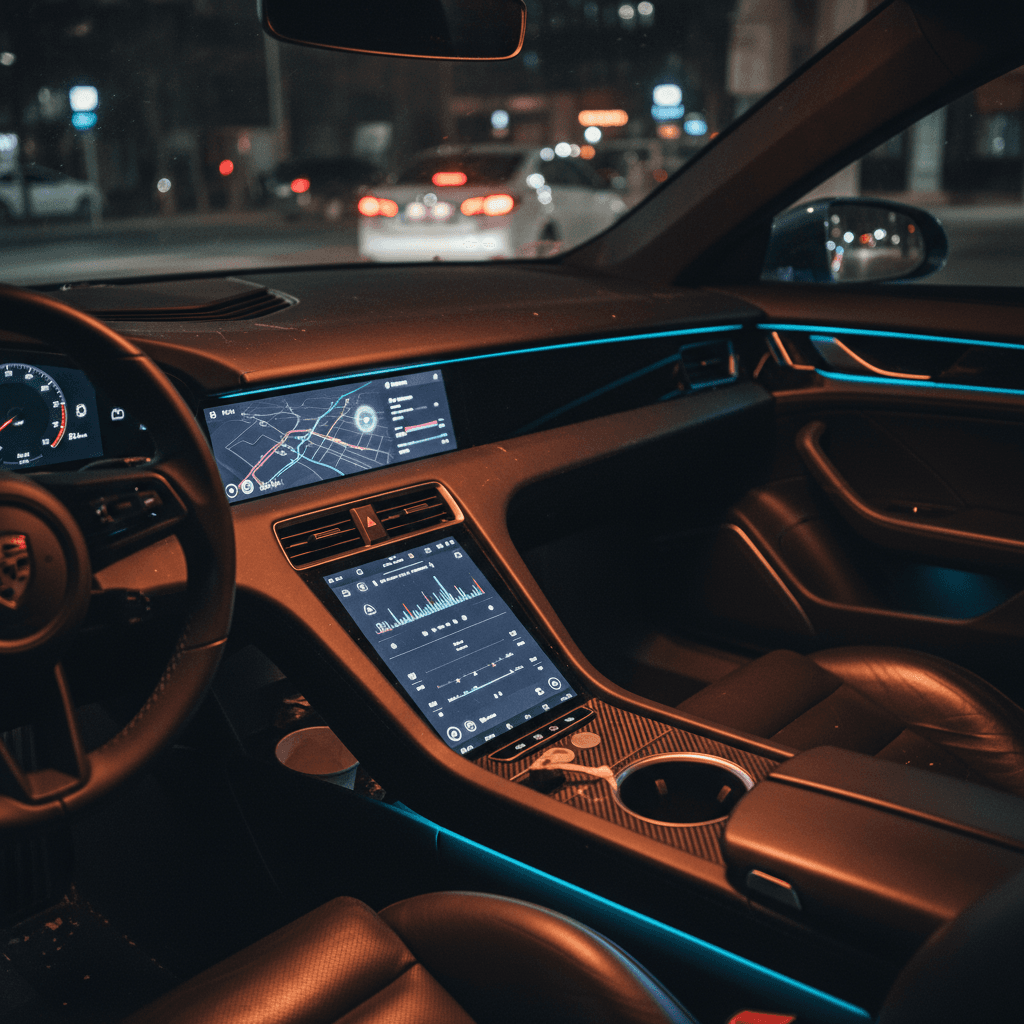
With any used EV, but especially a luxury one, range and battery health matter more than a long options list. A car with a slightly older infotainment system but a strong, well-documented battery is often a better buy than a newer, feature-packed car with unknown battery history.
- Aim for a car whose original EPA range still easily covers your typical daily driving with at least 30–40% buffer.
- Look for documented fast-charging history and software updates; both affect how the pack ages and charges.
- Prioritize models with strong DC fast-charging support if you road-trip often (Model S, Taycan, iX, Lyriq, EQS, and many newer e-tron variants do well here).
- Factor in climate: cold-weather drivers should weigh heat-pump availability, preconditioning, and real-world winter range reviews.
Don’t skip a proper battery check
Approximate usable range expectations on today’s used luxury EVs
These are ballpark real-world figures for well-maintained examples in mild conditions. Individual cars will vary, and a battery health report is essential.
| Model | Typical model years used | Original EPA range (approx.) | Healthy-used real-world range estimate* |
|---|---|---|---|
| Tesla Model S Long Range | 2020–2022 | 370–405 mi | 300–340 mi |
| Porsche Taycan 4S | 2020–2022 | 220–270 mi | 190–230 mi |
| BMW iX xDrive50 | 2022–2023 | ~300 mi | 250–280 mi |
| Cadillac Lyriq RWD/AWD | 2023–2024 | 300–314 mi | 250–280 mi |
| Mercedes EQS 450+ | 2022–2023 | 350–400+ mi | 290–330 mi |
| Audi e-tron / Q8 e-tron | 2019–2022 | 200–260 mi | 160–220 mi |
Use this table as a starting point, not a guarantee. Always verify the specific car you’re buying.
How Recharged handles battery health
How much should you pay? Pricing, depreciation, and total cost
Luxury EV values move quickly, but some themes are consistent. High-MSRP halo cars, Porsche Taycan Turbo, Audi e-tron, early Mercedes EQS trims, tend to see the steepest early depreciation. That’s good news for you, as long as you understand why they’re cheaper and whether range and charging still fit your life.
Typical used price buckets for luxury EVs in 2025
Actual prices vary by mileage, trim, and battery health, but these ranges help you benchmark.
Around $30,000–$40,000
- Earlier Audi e-tron SUVs
- Some 2018–2020 Model S and older performance variants
- Higher-mileage Taycan and first-gen Mercedes EQC/EQS variants, depending on market
Expect older tech but good value if battery checks out.
Around $40,000–$55,000
- Many 2020–2022 Model S and Taycan 4S
- Early Cadillac Lyriq and BMW iX examples
- Well-equipped Audi Q8 e-tron
This is the “sweet spot” where depreciation has done much of its work but cars still feel very modern.
$55,000+
- Newer, low-mileage Lyriq and iX
- High-performance Taycan and newer AMG/EQS variants
- Special trims or very low-mileage examples
Closer to new-car pricing, but you might get warranty coverage and peak performance.
Beware of “too cheap” outliers
Also remember to factor in the whole picture: home charging install costs, likely tire replacement (big wheels on Taycan, iX, and EQS can be expensive), and insurance. The upside is that you’ll probably save on fuel and routine maintenance compared with a V8 or V6 luxury sedan or SUV.
Inspection checklist before you buy a used luxury EV
Essential checks for any used luxury electric car
1. Get a real battery health report
Ask for a quantified state-of-health percentage, not just “the range seems fine.” Professional diagnostics or a marketplace that provides verified data are worth the cost.
2. Verify DC fast-charging behavior
If you plan to road-trip, test a fast charge or see historical logs where possible to confirm the car still charges at speeds close to factory specs.
3. Inspect wheels, tires, and brakes
Big wheels and performance tires are common on luxury EVs and can be expensive to replace. Look for curb rash, sidewall damage, and uneven wear that might indicate suspension issues.
4. Confirm driver-assistance and safety systems
On cars with adaptive cruise, lane centering, or hands-free systems, confirm everything functions properly. Repairs can be costly, and these features are a big part of the luxury experience.
5. Check infotainment, screens, and software
Make sure all displays work, the system updates correctly, and connected services are active or can be activated. Some features may require subscriptions.
6. Review warranty and service history
See what’s left of the factory battery and powertrain warranties and verify completed recalls or service campaigns. A clean, documented history is worth paying for.
Should you buy from a dealer, marketplace, or private party?
Dealers & online marketplaces
Franchise dealers and dedicated EV marketplaces can simplify the process: they often handle reconditioning, recall work, and basic inspections. You may also get access to financing, trade-in offers, and warranties that are harder to arrange in private deals.
On the other hand, list prices can start higher, and battery reporting quality varies by seller. Ask specifically what diagnostics were run and whether you’ll see a written report.
Private-party sellers
Buying directly from an owner can sometimes net a lower price, and you might get valuable anecdotal information about real-world range and charging habits. However, you’ll shoulder more of the due diligence yourself.
Budget for a third-party inspection and professional battery health check if you buy private, and don’t skip a thorough title and accident-history review.
A middle path: digital-first marketplaces
How Recharged helps with used luxury EVs
Shopping at the high end of the used EV market should feel exciting, not stressful. Recharged is built specifically to make used EV ownership simple and transparent, whether you’re eyeing a Model S, Taycan, iX, or Lyriq.
- Every vehicle comes with a Recharged Score Report that includes verified battery health, range insights, and a fair-market pricing analysis.
- You can finance your luxury EV, get a trade-in or instant offer on your current car, or explore consignment if you’re selling.
- A fully digital buying experience with nationwide delivery and EV-specialist support from first question to final paperwork.
- In-person help at our Experience Center in Richmond, VA if you’d rather walk around vehicles and talk through options.
Leverage expert eyes
FAQ: best used luxury electric cars
Frequently asked questions about used luxury EVs
Bottom line: finding the best used luxury electric car for you
The best used luxury electric car isn’t just the one with the biggest screen or highest original sticker, it’s the one that fits your driving, budget, and charging reality today. A well-chosen Model S, Taycan, BMW iX, Lyriq, EQS, or Audi e-tron can deliver top-tier comfort and performance for a fraction of its new price, especially once early depreciation has run its course.
Focus on battery health, real-world range, and total cost of ownership rather than chasing the lowest asking price. If you’d like help comparing options or want the confidence of verified diagnostics, a Recharged vehicle with a Recharged Score Report and EV-specialist support can make stepping into a used luxury EV feel as straightforward as any mainstream purchase, just quieter, quicker, and a lot more fun.