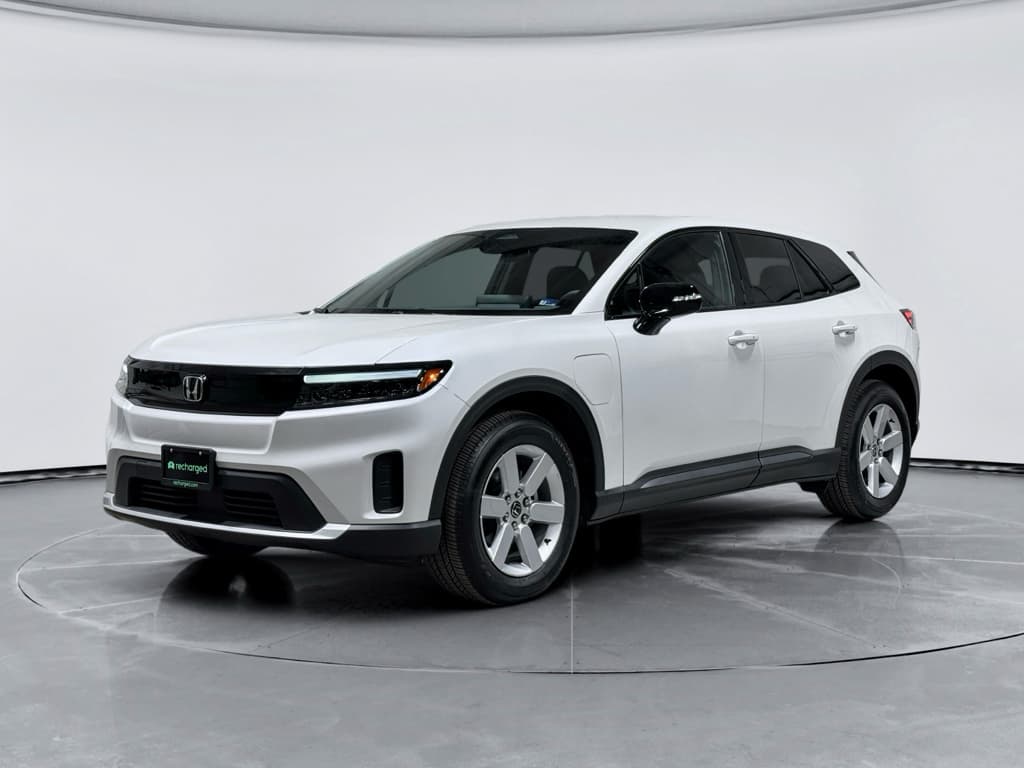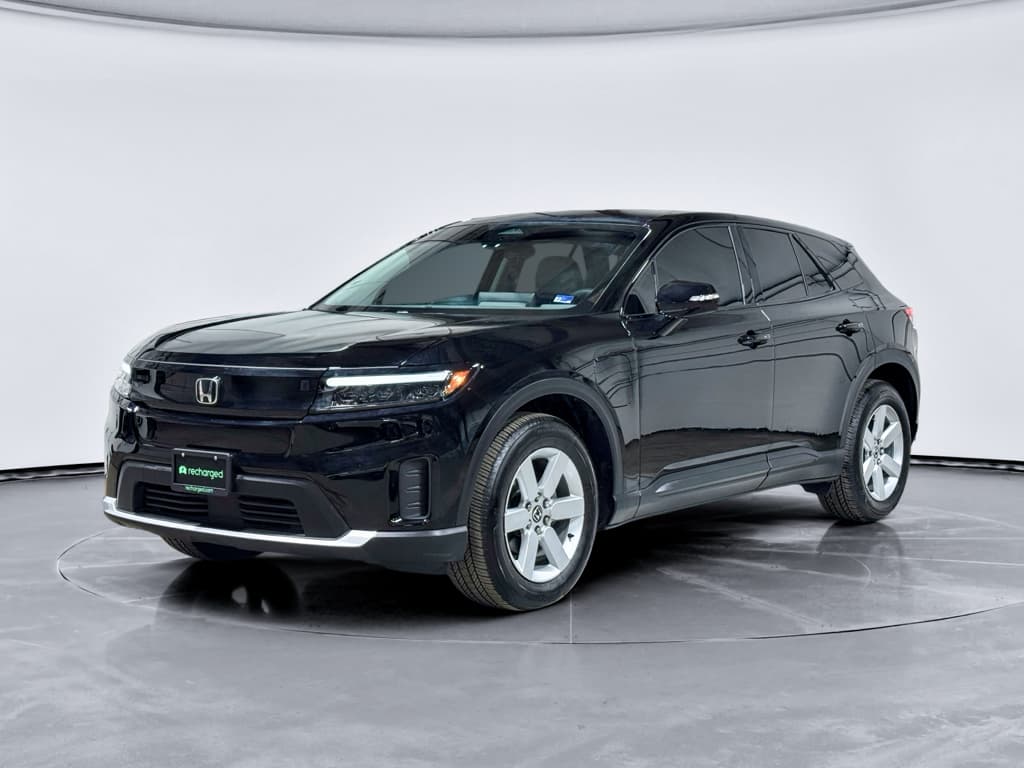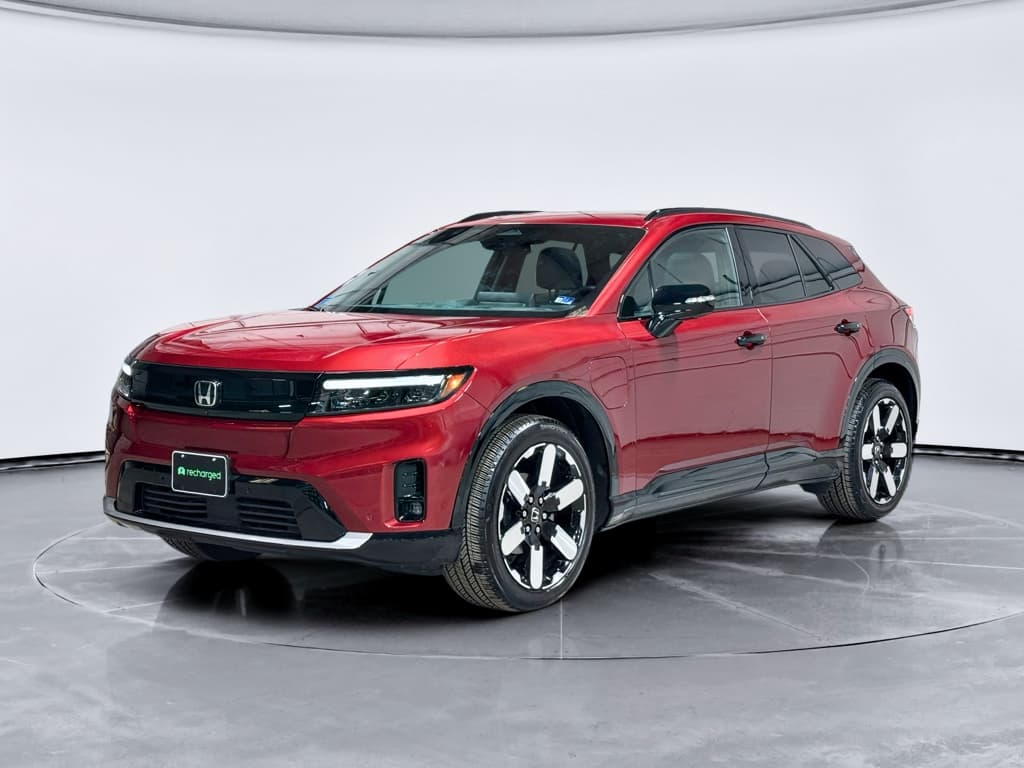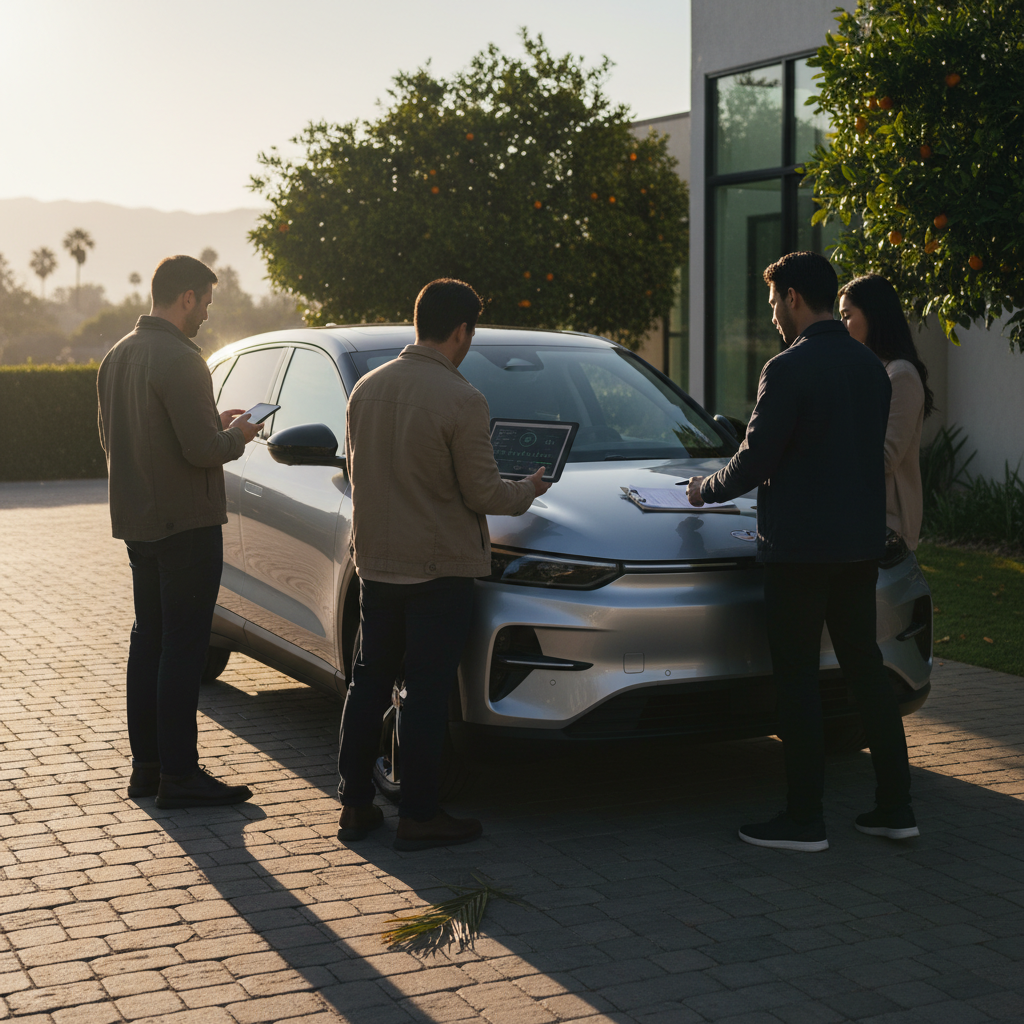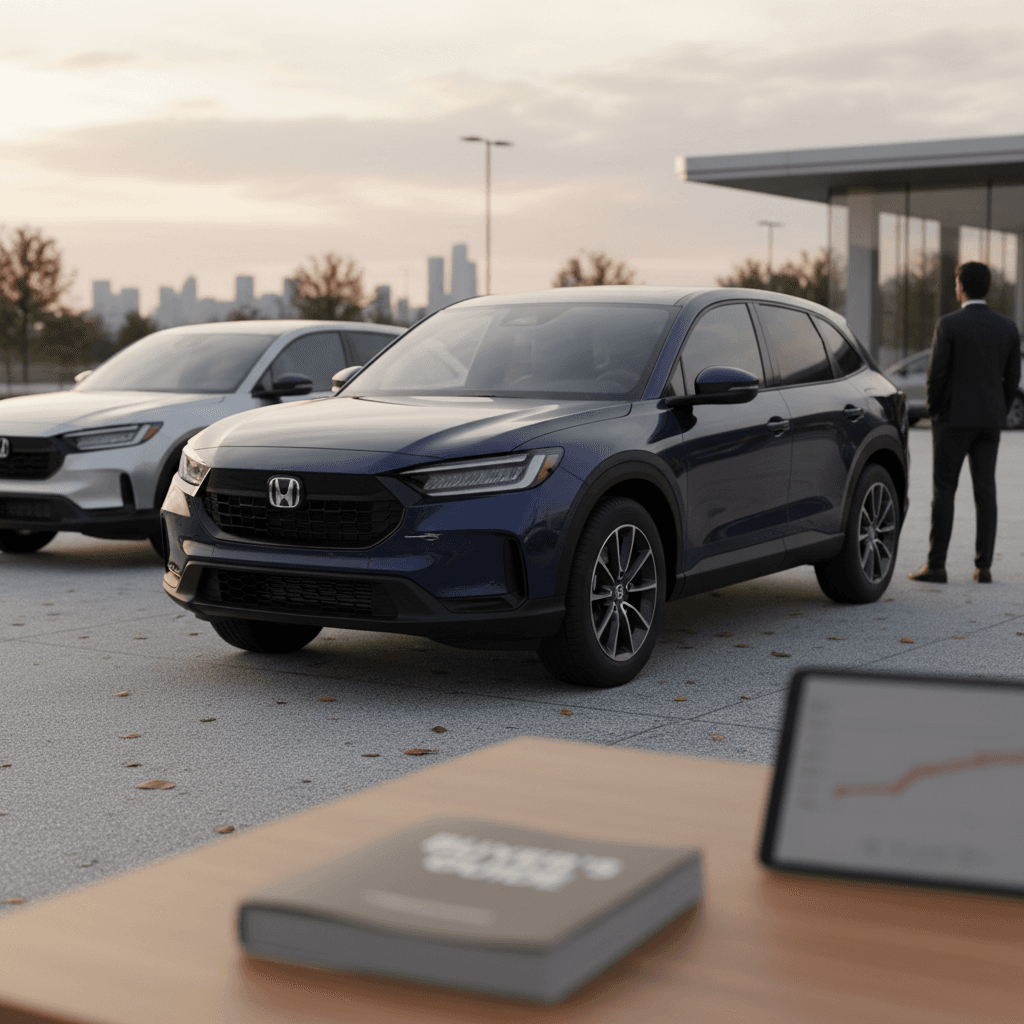
If you’re shopping for an electric SUV and want Honda practicality without new‑car pricing, a used Honda Prologue in 2026 can be a smart play. Early 2024 and 2025 models are already showing steep depreciation, yet they still deliver over 250 miles of real‑world range, a roomy cabin, and Honda’s familiar user experience layered on top of GM’s Ultium EV platform.
Context: where the Prologue sits in the used EV market
Why a Used Honda Prologue Is Attractive in 2026
Honda Prologue by the numbers (early used market view)
Two things make the Prologue compelling used in 2026: pricing and packaging. Honda’s mid‑size SUV footprint, family‑friendly interior, and strong safety tech check most mainstream boxes. At the same time, aggressive discounting and lease incentives on 2024–2025 models have pulled used prices down faster than a typical Honda, which is good news if you’re buying pre‑owned.
Quick recommendations: the best used Prologue configs
Best used Honda Prologue choices in 2026
If you want the TL;DR, start your search with these configurations.
Best all‑around value
2025 Prologue EX or EX‑L FWD
- Improved range and efficiency versus 2024
- Lower running costs with single‑motor FWD
- Plenty of standard safety and tech
Ideal if you want maximum range and value over luxury trimmings.
Best for performance & traction
2024–2025 Prologue Touring or Elite AWD
- Dual‑motor power, quicker acceleration
- Still solid range for most commuters
- More upscale interior and features
Great pick in snowy climates or if you prioritize comfort and features.
Best budget buy
High‑mileage 2024 EX AWD/FWD
- Usually the cheapest entries into Prologue ownership
- Still within EV component warranty in 2026
- Look for clean history and strong battery health scores
Perfect if you want a “workhorse” EV SUV at the lowest price point.
How to use these recommendations
Model years: 2024 vs. 2025 vs. early 2026
2024 Honda Prologue
- First model year, launched on GM’s Ultium BEV3 platform shared with Chevrolet Blazer EV and Acura ZDX.
- EPA ranges generally in the mid‑260s to around 280 miles depending on drivetrain and wheels.
- Interior and software tuned by Honda, including Google‑based infotainment and standard driver‑assist tech.
- By 2026, many are coming off 24‑month leases, creating a healthy supply of low‑mile, one‑driver vehicles.
Draw: usually the lowest prices and widest selection in the used market.
2025–early 2026 Honda Prologue
- Honda refined the power unit and efficiency, with modest range bumps and power gains in 2025.
- Front‑wheel‑drive trims stretch range toward the 300‑mile mark on paper when spec’d with smaller wheels.
- Feature content by trim gets more clearly separated (EX, EX‑L, Touring, Elite), but the core hardware remains similar.
- In April 2026, you’ll see only a small handful of 2026s in the used channel, mainly demos or very early trades.
Draw: slightly better efficiency and tech polishing, but typically higher used pricing than 2024s.
“Newer” isn’t always better for value
Which Honda Prologue trim is the best value used?
Honda Prologue trims (U.S.) – how they stack up used
Exact equipment can vary slightly by model year and market, but this gives you a working comparison for 2024–2025 U.S. Prologues.
| Trim | Drivetrain | Key Highlights | Best For Used Buyers |
|---|---|---|---|
| EX | FWD or AWD | Cloth or basic seating, solid safety suite, Google‑based infotainment, smaller wheels on most versions | Budget shoppers who still want good range and core tech |
| EX-L | FWD or AWD | Adds leather‑trimmed seating, more comfort touches, often mid‑size wheels | Drivers who want comfort upgrade without Touring pricing |
| Touring | FWD or AWD | More upscale materials, larger wheels, extra convenience and audio upgrades | Families and commuters who want a more premium feel |
| Elite | AWD only | Top‑line features, biggest wheels, strongest performance, full suite of comfort tech | Buyers who prioritize performance, style, and full feature load |
Use this table to decide how much luxury and performance you really need versus what’s nice‑to‑have.
For most used‑market shoppers, the sweet spot is an EX‑L or Touring. You avoid the price jump into Elite territory but still get leather and a more premium feel than the base EX. If you live in a mild climate and don’t need maximum traction, a FWD EX‑L or Touring will usually give you better range and lower energy costs than an AWD Elite on big wheels.
Trim pick cheat sheet
Battery, range, and charging: what matters most on a used Prologue
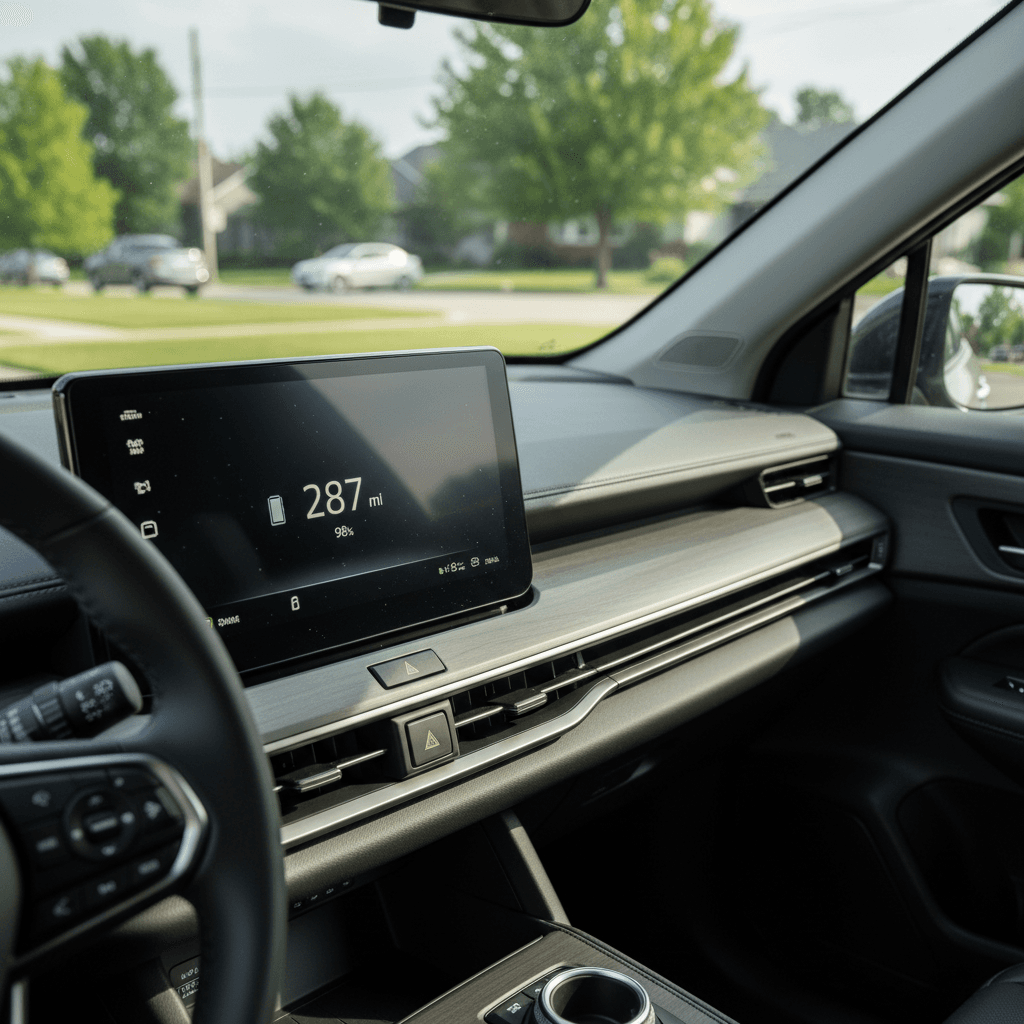
- All Prologues use an ~85 kWh Ultium battery pack, so usable capacity is broadly similar across trims and years.
- EPA range varies with wheels and drivetrain, but most real‑world owners report enough range for typical U.S. commuting with overnight Level 2 charging.
- DC fast‑charging peaks around 150 kW under ideal conditions, with many owners seeing 10–80% in roughly 35–40 minutes when the pack is warm and the charger cooperates.
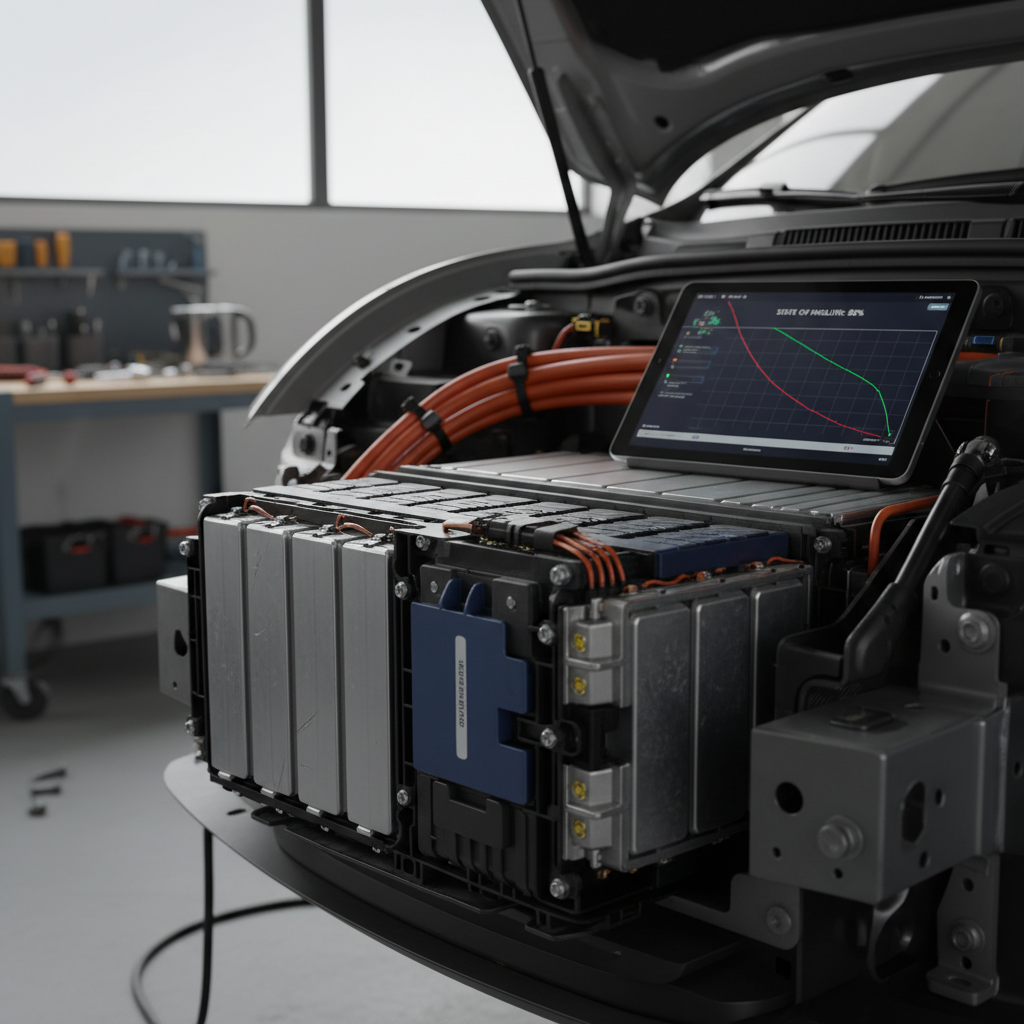
Battery health: the number that matters most
Questions to ask about the battery
- Has the vehicle ever had high‑voltage battery or charging system repairs?
- How often was DC fast charging used versus Level 2 home charging?
- Are there any lingering warnings or alerts related to the EV system?
- Can the seller provide a recent battery health report or dealer inspection?
Frequent DC fast charging isn’t automatically bad, but patterns of “fast charge only” on high‑mileage cars can accelerate wear.
Charging hardware to verify
- Original portable charge cord included and in good condition.
- Public DC fast‑charge tests show stable power (no repeated unexpected drop‑outs).
- Software up to date, particularly any charging‑system or Ultium‑related updates.
- For NACS adapter plans: confirm what Honda or third‑party solution you’ll rely on, and your local network availability.
If you’ll rely heavily on road‑trip fast charging, do a live test before signing paperwork whenever possible.
Reliability and Ultium platform: what we know so far
The Honda Prologue is built on GM’s Ultium BEV3 platform, the same core hardware used in the Chevrolet Blazer EV, Cadillac Lyriq, and Acura ZDX. That connection has raised valid questions, because early Blazer EVs drew headlines for software hiccups and charging‑system bugs that led to buy‑backs and stop‑sale orders. Honda insists the Prologue runs its own software stack and integration work, and so far, owner chatter suggests the Prologue has avoided the worst of the Blazer’s launch drama.
Honda’s role vs. GM’s role
- So far, there’s no widespread pattern of catastrophic pack failures or structural defects unique to the Prologue.
- Most issues reported in owner forums center on infotainment bugs, occasional charging‑session quirks, or isolated check‑engine lights that were resolved with software updates or module replacements.
- Because this is still an early‑cycle EV, long‑term (8–10 year) durability data simply doesn’t exist yet, so buy with eyes open and lean on remaining warranty coverage.
Platform risk is real, price it in
Pricing, depreciation, and when a deal is too good
What 2026 shoppers should know about Prologue depreciation
In 2026, it’s not unusual to see clean‑title 2024 Prologues advertised in the low‑to‑mid‑$40,000s, even when they carried stickers well into the $50,000s just a year or two earlier. That’s partly an EV‑market story (used prices correcting after pandemic highs) and partly the reality of a fast‑moving technology cycle.
When a Prologue deal deserves extra scrutiny
1. Price is dramatically below local comps
If one Prologue is thousands cheaper than similarly equipped, similar‑mileage examples, assume there’s a story. It might be fine, but you’ll want to dig into title history, accident reports, and any buy‑back or lemon‑law notations.
2. Incomplete or unusual Carfax/AutoCheck history
Gaps in registration, unexplained auction flips, or out‑of‑state title jumps can signal prior issues, especially on younger EVs.
3. No documentation of software or recall work
On an Ultium‑based EV, you want evidence that charging‑system, battery‑control, and infotainment updates have been applied. Missing paperwork doesn’t always mean missing work, but it’s a cue to ask more questions and run a fresh diagnostic.
4. Seller resists a third‑party inspection
Walk away from any seller, dealer or private, who won’t let you have the car professionally inspected, especially when it’s priced suspiciously low.
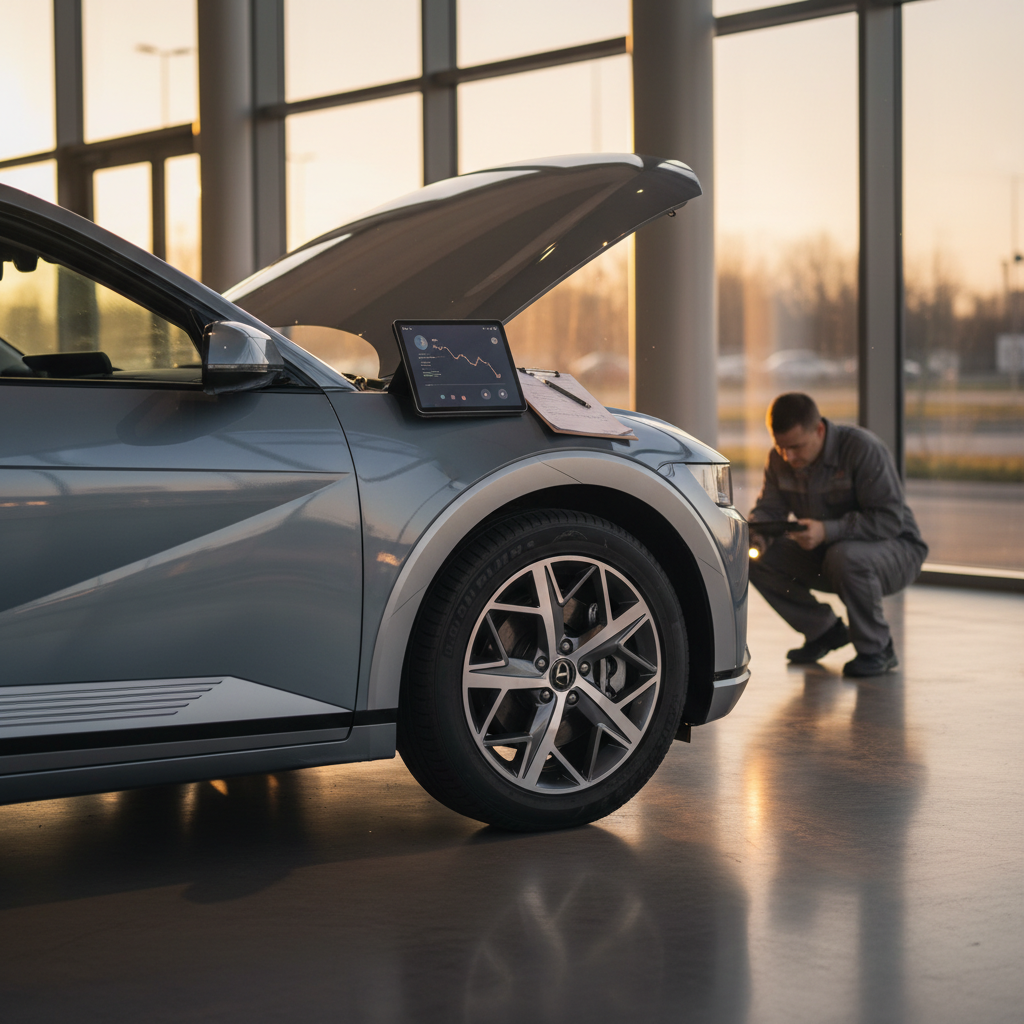
Inspection checklist for a used Honda Prologue
With any used EV, you’re really buying three things: the battery, the electronics, and the body/chassis. Here’s how to cover each area on a Prologue before you sign.
Step‑by‑step used Prologue inspection
1. Start with the Recharged‑style battery health report
Ask for a recent, data‑driven battery health report (state‑of‑health %, DC fast‑charge history, and any logged battery‑system faults). At Recharged, this is baked into the <strong>Recharged Score</strong>, so you’re not guessing about capacity or prior abuse.
2. Scan for software faults and campaign history
Have a technician pull diagnostic codes and check for open recalls or service campaigns, especially those touching the high‑voltage system or charging electronics.
3. Test AC and DC charging in real life
If possible, plug into a Level 2 charger and a DC fast charger. Confirm that charging starts quickly, stays stable, and doesn’t trigger warnings. Watch for unusually slow rates or repeated disconnects.
4. Evaluate range vs. trip computer data
On a reasonably long test drive (20–30 miles), compare energy use and projected range to the EPA figure. You’re looking for consistency and realistic projections, not perfection, but big mismatches deserve more investigation.
5. Inspect tires, brakes, and suspension
Prologues are heavy EV SUVs. Uneven tire wear, tired dampers, or brake issues can show up faster than on lighter gas crossovers. Budget accordingly if you’ll need tires soon, especially on large‑wheel Touring/Elite models.
6. Review bodywork and underbody for damage
Look underneath for impact damage, especially near battery enclosures and high‑voltage cabling. A seemingly minor curb incident can get expensive on an EV if it touches the pack or orange cabling runs.
Bring an EV‑savvy shop into the process
Should you lease or buy a used Prologue in 2026?
Reasons to buy used
- You plan to keep the SUV at least 5–7 years and want to own the asset.
- You’ve found a Prologue with excellent battery health and a clean history.
- Purchase price already reflects big‑chunk depreciation from original MSRP.
- You want the flexibility to sell or trade whenever the next EV fits your life better.
Reasons to consider leasing used
- You’re wary of long‑term Ultium platform risk and prefer to keep it on the lender’s balance sheet.
- You only need the vehicle for 2–3 years and expect to swap into a different EV afterward.
- A used‑lease structure passes along federal or local incentives in the payment instead of up front.
- You want built‑in flexibility if EV technology or charging standards shift again in a few years.
How Recharged can help with financing
How Recharged handles used Honda Prologues
Prologue shoppers have the same core worry as many first‑time EV buyers: “How do I know I’m not buying someone else’s experiment?” At Recharged, the answer starts with data. Every EV we list, including Ultium‑based models like the Honda Prologue, comes with a Recharged Score Report that brings battery health, pricing, and inspection details into the open.
What you get with a Prologue from Recharged
Designed to take the uncertainty out of early‑generation EVs.
Verified battery diagnostics
We run a detailed battery health check on every Prologue, looking at capacity, charging history, and EV‑system fault codes. The results roll into your Recharged Score so you’re not guessing about the pack.
Fair market pricing
Using live market data and depreciation models built around EV behavior, Recharged prices Prologues where they make sense, not where last year’s gas SUVs traded. You see exactly how the asking price compares to the broader market.
EV‑specialist support
Our EV‑focused team walks you through questions that matter specifically for Prologues: Ultium platform concerns, charging‑network realities in your area, and whether a Prologue truly fits your use case.
Ready to find your next EV?
Browse VehiclesFrom there, you can choose the path that fits your situation: trade in your current vehicle, get an instant offer or consignment solution if you’re selling, and arrange nationwide delivery without ever stepping into a traditional showroom, unless you want to visit Recharged’s Experience Center in Richmond, VA for an in‑person walk‑through.
FAQ: Buying a used Honda Prologue in 2026
Frequently asked questions about used Prologues
There’s no single “perfect” Honda Prologue for every shopper in 2026. But if you focus on battery health, software updates, and realistic pricing, the right used Prologue can give you a capable, comfortable electric SUV with years of useful life ahead. Start with EX‑L and Touring trims, be open to 2024s with strong diagnostics, and lean on objective data, like the Recharged Score, so your decision is driven by more than a test‑drive impression and a monthly payment.