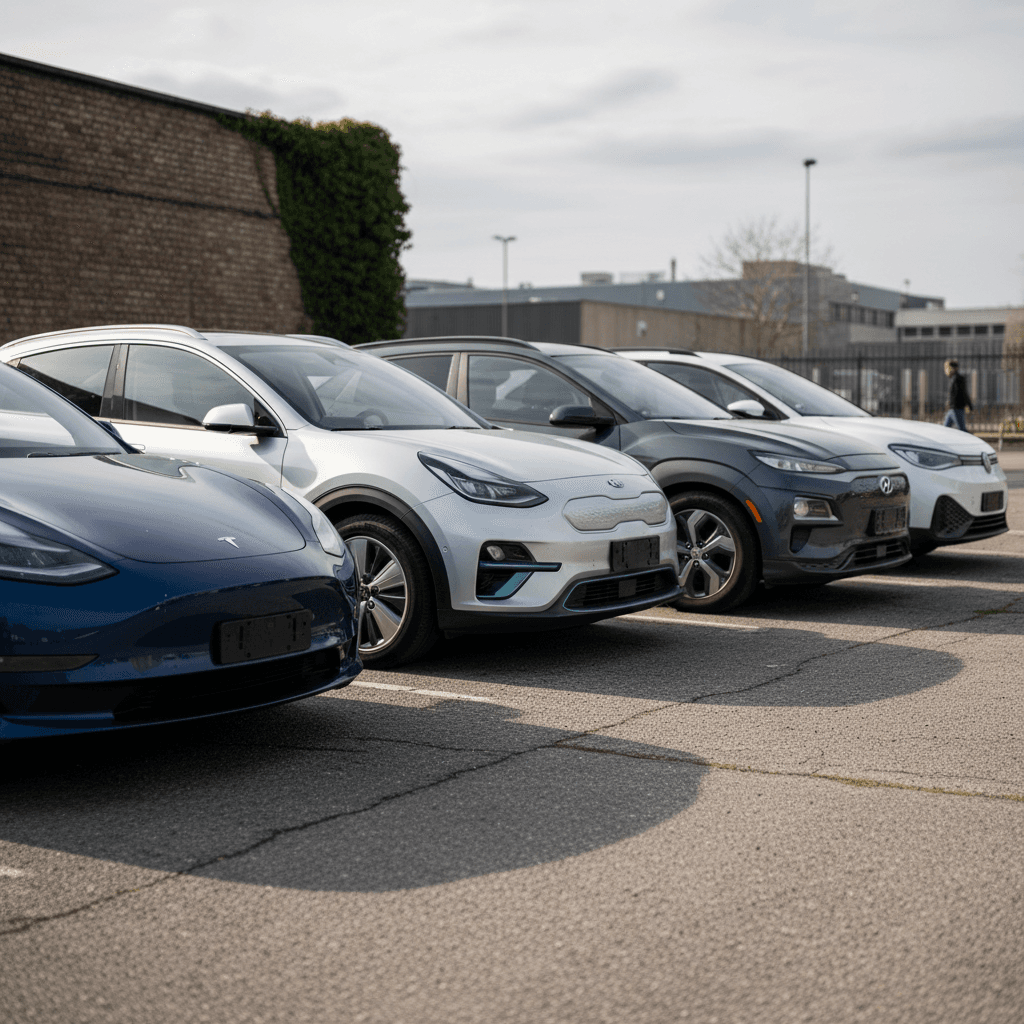
If you’re shopping for the best used EV under $35,000 in 2026, you’re looking right where the value is. After a few years of heavy depreciation, many of the most desirable electric cars, Tesla Model 3, Kia Niro EV, Hyundai Kona Electric, Volkswagen ID.4, Chevy Bolt and more, now live squarely in that sub‑$35K bracket. The trick is knowing which ones are smart buys, which ones to avoid, and how to judge battery health before you sign anything.
Why this price point matters
Why $35,000 is a sweet spot for used EVs in 2026
Used EV market at a glance in 2026
New‑EV prices have cooled, but they’re still out of reach for many households. Used EV prices, by contrast, have fallen sharply since the 2022–2023 highs as early adopters trade up and more lease returns hit the lanes. By 2025, multiple studies pegged the average used EV price several thousand dollars below the average used gas car, and that pattern is still visible heading into 2026.
Leverage early depreciation
Quick list: Best used EVs under $35,000 in 2026
Best used EVs under $35,000 in 2026
Realistic U.S. asking‑price ranges as of early 2026 (may vary by mileage and region)
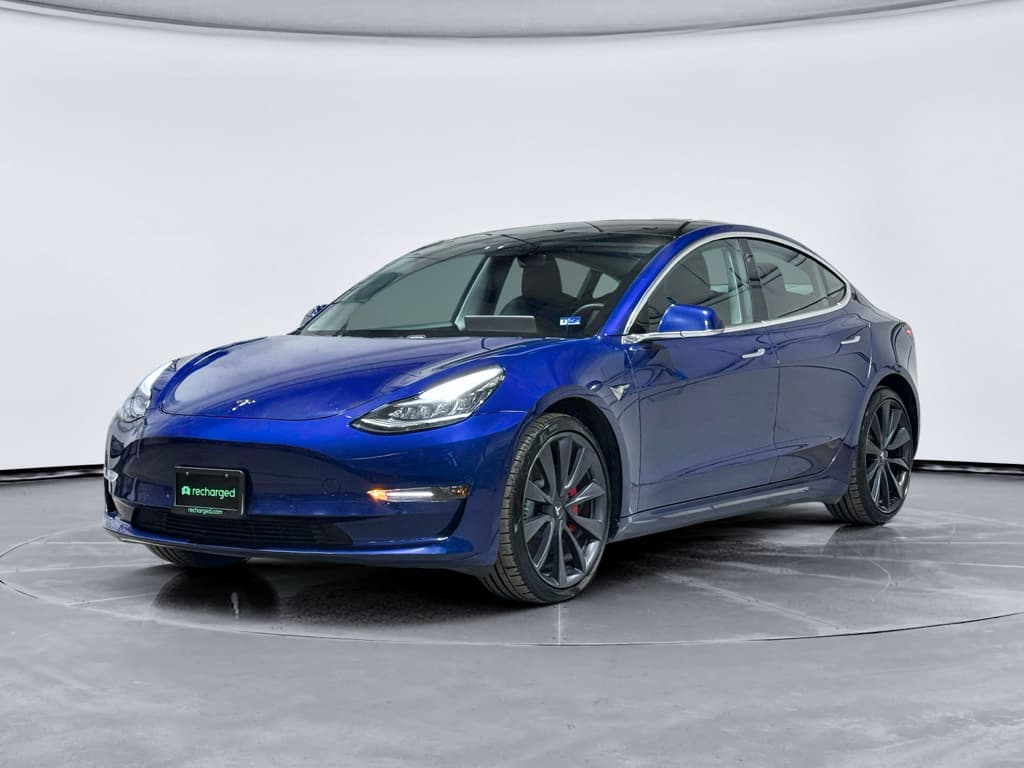
Tesla Model 3 (2018–2023)
Best for: Drivers who want efficiency, Supercharger access and strong tech.
- Typical price: low‑$20Ks to low‑$30Ks for mainstream trims
- EPA range when new: ~220–358 miles (trim‑dependent)
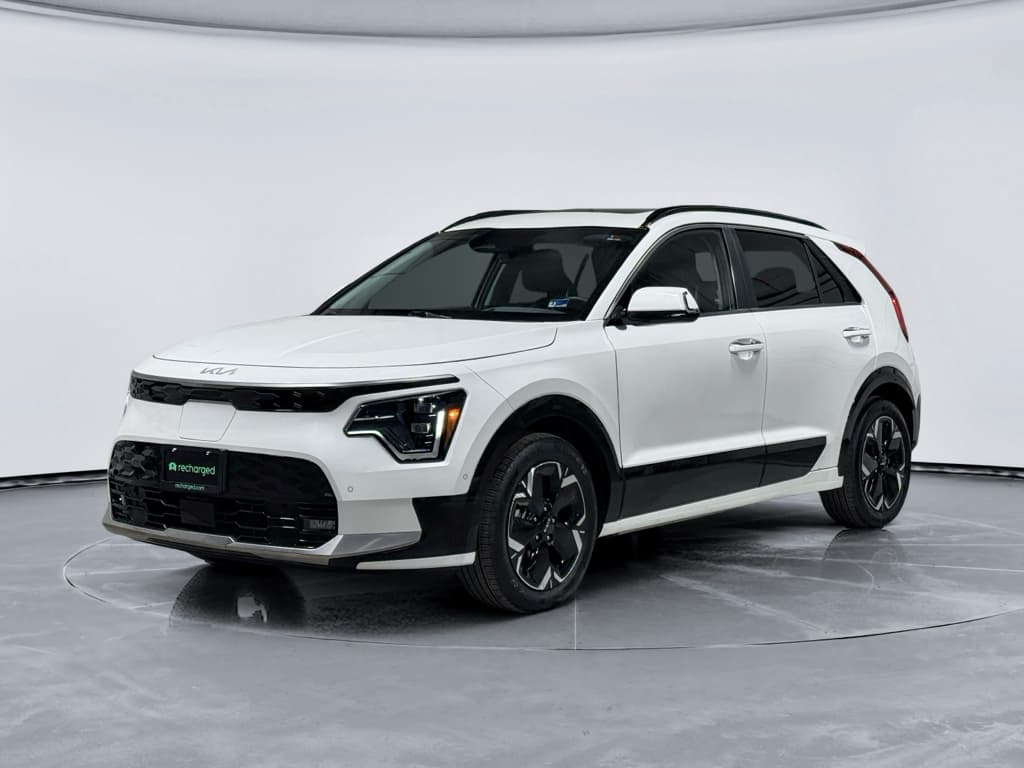
Kia Niro EV (2019–2023)
Best for: Practical, efficient daily use with hatchback utility.
- Typical price: mid‑$10Ks to mid‑$20Ks for earlier years
- EPA range when new: ~239–253 miles
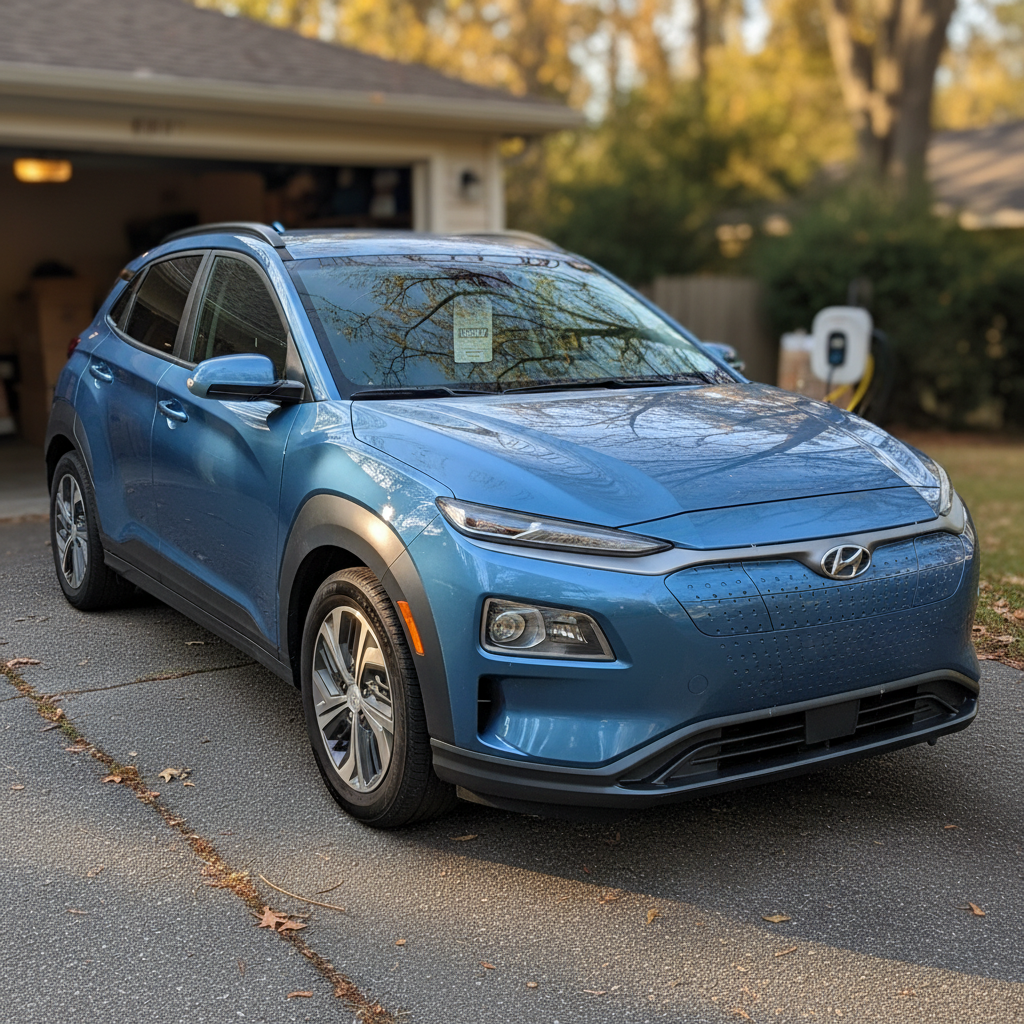
Hyundai Kona Electric (2019–2023)
Best for: Maximum range per dollar in a small crossover.
- Typical price: high‑$10Ks to mid‑$20Ks
- EPA range when new: up to ~258 miles
Volkswagen ID.4 (2021–2023)
Best for: Family‑friendly crossover space and comfort.
- Typical price: mid‑$20Ks to roughly $35K
- EPA range when new: ~240–275 miles
Chevrolet Bolt EV / EUV (2019–2023)
Best for: City and suburban commuting on a tight budget.
- Typical price: mid‑$10Ks to low‑$20Ks
- EPA range when new: ~238–259 miles
Honorable mentions
Nissan Leaf Plus, Hyundai Ioniq Electric, Audi e‑tron/Q8 e‑tron (select years) can also fall under $35K and make sense for the right use case and charging network.
Prices move quickly
Top picks in detail: Best used EVs under $35,000
Tesla Model 3 (2018–2023): Tech, efficiency and charging access
On the used market in 2026, the Tesla Model 3 is no longer a status symbol so much as a mainstream commuter car, and prices reflect that. Early rear‑wheel‑drive and Long Range models frequently land in the low‑$20,000s to low‑$30,000s depending on mileage and condition. That means you can often stay well below $35,000 and still get 240–300+ miles of original EPA range.
- Pros: Excellent efficiency, robust DC fast‑charging network via Tesla Superchargers, strong software and over‑the‑air updates, plenty of third‑party support.
- Cons: Ride quality can be firm, interior is minimalist to a fault for some drivers, and tire and glass repairs can be pricier than average.
- Watch for: Panel alignment, suspension wear on high‑mileage cars, and any signs of fast‑charging abuse (high DC fast‑charge counts can accelerate battery wear).
Model 3 years in the sweet spot
Kia Niro EV (2019–2023): Quietly one of the best values
If you’re less concerned with badges and more focused on value, the Kia Niro EV has been a standout in multiple independent rankings of used EVs. It’s a compact crossover with real‑world efficiency, 200‑plus miles of range, and a cargo area that makes it feel more useful than a small sedan. Earlier models commonly trade in the mid‑$10Ks to low‑$20Ks, with newer examples still often slipping under $30,000.
- Pros: Practical hatchback form factor, strong value for money, solid standard safety tech, and typically generous equipment levels.
- Cons: Charging speeds are just okay by 2026 standards, and older infotainment looks dated next to new EVs.
- Watch for: Completed recall work, especially on early models, and check that warranty transfers are properly documented.
Hyundai Kona Electric (2019–2023): Range champ on a budget
The Hyundai Kona Electric is another repeat name on “best value used EV” lists, and for good reason. With up to about 258 miles of EPA range when new and very competitive used pricing, it consistently delivers some of the lowest cost per mile of range you can buy under $35,000.
- Pros: Long range for the money, compact footprint that’s easy to park, and a reputation for reliability.
- Cons: Rear seat and cargo space are tighter than rivals; cabin can feel narrow for taller drivers.
- Watch for: Battery recall campaigns on certain early‑build Konas, verify that any affected car has received its battery or software update.
Volkswagen ID.4 (2021–2023): Family EV crossover
If you need a family‑friendly shape, the Volkswagen ID.4 is one of the few modern EV crossovers that now falls under $35,000 used in meaningful numbers. Depending on trim and battery size, early ID.4s offered roughly 240–275 miles of EPA range when new; by 2026, many 2021–2023 models with average mileage sit in the mid‑$20Ks to roughly $35K.
- Pros: Spacious interior, comfortable ride, big cargo area and a more traditional SUV feel than many EVs.
- Cons: Early software was glitchy, and DC fast‑charging performance can lag newer competitors.
- Watch for: Infotainment responsiveness on test drives, and review service history for software updates and campaign work.
Chevrolet Bolt EV/EUV (2019–2023): Urban efficiency play
The Chevrolet Bolt EV and EUV remain the entry ticket for many shoppers who want to go electric with the smallest possible budget. After aggressive price cuts and a major battery recall, used Bolts often slot between the mid‑$10Ks and low‑$20Ks, meaning they can undercut nearly every other modern EV on this list while still offering roughly 238–259 miles of original EPA range.
Bolt battery recall: great if handled correctly
How much range you really need
Daily driving reality
Most U.S. drivers rack up 30–40 miles per day. Even a used EV with 180–200 miles of usable range can easily handle that with overnight home charging. Chasing 300‑mile range numbers often means spending thousands more without a meaningful benefit to your weekly routine.
For commuters with predictable routes and easy access to charging at home or work, a lower‑range, lower‑price EV often frees up budget for a newer model year or more remaining warranty.
When higher range is worth paying for
- You regularly drive 150+ mile round trips without reliable fast‑charging en route.
- Your climate is cold enough that winter range drops 30–40% for much of the year.
- You tow or haul frequently (mainly relevant for electric SUVs and trucks).
If that sounds like you, prioritizing an EV that offered 250–300+ miles of EPA range when new may be worth stretching closer to the full $35,000 budget.
Account for winter and aging
Battery health, warranty and the Recharged Score
Battery health is the single biggest wild card in the used‑EV equation. Two identical cars on paper, same model year, trim and mileage, can have very different real‑world range and long‑term prospects depending on how they were charged, stored and driven.
How to think about EV battery health
Three pillars that matter more than paint color or wheel size
State of health (SoH)
SoH is a measure of current usable capacity versus original. A pack at 90% SoH on a car rated for 250 miles when new might now deliver around 225 miles in similar conditions.
Age & mileage
Most EV batteries carry an 8‑year/100,000‑mile warranty from new. A five‑year‑old, 60,000‑mile car has far more cushion left than a seven‑year‑old, 95,000‑mile one.
Charging history
Heavy DC fast‑charging and repeated 100% charges can accelerate wear. A car mostly charged at Level 2 at home typically ages more gracefully.
How the Recharged Score helps
Ready to find your next EV?
Browse VehiclesIf you’re buying elsewhere, ask the seller for any available battery health reports or telematics data, and always cross‑check range claims on a full charge during a test drive. A cheap EV with a weak pack can become expensive quickly if you have to replace or repair the battery outside warranty.
Used EV tax credit and the 2026 incentive landscape
Federal incentives have changed several times in the last few years, and they’re a big reason many buyers search for the best used EV under $35,000 in 2026 instead of going new. As of late 2025, the original federal used clean vehicle credit of up to $4,000 for eligible EVs under $25,000 ended for purchases after September 30, 2025. Some states, utilities and local programs, however, still offer their own used‑EV rebates or bill credits heading into 2026.
Double‑check current incentives
- Many state and utility programs apply whether you buy from a dealer or an online marketplace like Recharged, what matters is that the seller is licensed.
- Programs might offer one‑time rebates, bill credits, reduced off‑peak charging rates or HOV‑lane access rather than a federal‑style tax credit.
- If your income is high, some means‑tested programs may not apply, but low‑ and moderate‑income buyers can sometimes stack multiple local benefits on a sub‑$35K used EV.
Comparison table: Used EVs under $35,000 in 2026
Core specs: Popular used EVs under $35,000
Approximate U.S. used‑market price ranges as of early 2026; local conditions, mileage and trim will affect actual listings.
| Model | Typical 2026 used asking price | EPA range when new (approx.) | Body style | Notes |
|---|---|---|---|---|
| Tesla Model 3 (2018–2023) | Low‑$20Ks to low‑$30Ks | ~220–358 mi | Compact sedan | Best mix of efficiency, tech and charging access; watch for build quality and tire wear. |
| Kia Niro EV (2019–2023) | Mid‑$10Ks to mid‑$20Ks | ~239–253 mi | Compact crossover | Highly efficient, practical; charging speed is merely average by 2026 standards. |
| Hyundai Kona Electric (2019–2023) | High‑$10Ks to mid‑$20Ks | Up to ~258 mi | Subcompact crossover | Excellent range per dollar; interior tighter than many rivals. |
| Volkswagen ID.4 (2021–2023) | Mid‑$20Ks to ~35K | ~240–275 mi | Compact SUV | Spacious family EV; check software history and fast‑charging performance. |
| Chevrolet Bolt EV/EUV (2019–2023) | Mid‑$10Ks to low‑$20Ks | ~238–259 mi | Subcompact hatch/SUV | Ultra‑affordable entry to EV ownership; verify battery recall completion. |
| Nissan Leaf Plus (2019–2022) | Low‑$10Ks to high‑$10Ks | ~215–226 mi | Compact hatchback | Great value if CHAdeMO fast‑charging still works well in your area. |
| Audi e‑tron / Q8 e‑tron (select years) | High‑$20Ks to mid‑$30Ks | ~220–285 mi | Luxury midsize SUV | Upscale feel at used‑car money; range is modest for road‑trip duty. |
Use this as a directional guide, then validate against real listings on marketplaces like Recharged in your area.
Why there’s a range, not a single price
Checklist: How to shop for the best used EV under $35,000
Step‑by‑step used EV shopping checklist
1. Start with your use case, not the badge
Make a short list of how you’ll really use the EV: daily commute distance, road‑trip frequency, kids or pets, parking situation and access to home or workplace charging. Let those answers dictate body style and range needs.
2. Set a realistic all‑in budget
Your $35,000 cap should include taxes and fees. Factor in potential incentives, insurance changes and the cost of installing a home Level 2 charger if you don’t already have one.
3. Shortlist 3–5 models
Based on your needs, pick a handful of models, such as Model 3, Niro EV, Kona Electric, ID.4 or Bolt, that regularly appear below $35,000 in your region. Use tools like Recharged’s filters to see which ones actually fit your budget today.
4. Check battery warranty remaining
Look up the in‑service date and mileage to see how much of the 8‑year/100,000‑mile battery warranty remains. A slightly more expensive car with years of coverage left can be cheaper long‑term than a bargain that’s almost out of warranty.
5. Get transparent battery health data
Ask for a battery health report or shop platforms like Recharged that include a <strong>Recharged Score Report</strong> with tested battery capacity, fast‑charge history and projected range.
6. Inspect charging hardware and ports
Verify that the charge port, cable locks and included charging equipment work correctly. Replacements can be several hundred dollars; damaged ports are a red flag that the car hasn’t been treated gently.
7. Drive it like you’ll own it
On the test drive, mimic your real routes, highway, city traffic, hills if possible. Watch energy‑use readouts and how the car feels over bumps, during braking and at freeway speeds.
8. Compare total cost of ownership
Don’t just compare sticker prices. Estimate energy costs versus gas, routine maintenance, potential battery‑related expenses and insurance. A slightly pricier EV with lower running costs can win over five to seven years.
When to stretch your budget, and when to walk away
When it’s worth stretching a bit
- Newer model year, much more warranty: Jumping from a 2019 to a 2022 Kona Electric for a few thousand more but gaining three extra years of battery coverage can make financial sense.
- Meaningful range jump: Paying more for a pack that offers 50–80 extra miles of real‑world range can future‑proof your needs if your life is likely to change (new job, longer commute, more road trips).
- Native fast‑charging access: For road‑trip drivers, an EV that natively supports major fast‑charging networks or NACS can justify a mild premium.
Red flags that say “walk away”
- No documentation on recalls or battery work: Especially on cars like the Bolt or early Kona, incomplete recall history is a major warning sign.
- Inconsistent range claims: If the seller’s claimed range doesn’t match what you see from a full charge on the dash, or what the model should roughly deliver for its age, proceed very cautiously.
- Out‑of‑warranty pack + deep discount: A rock‑bottom price on a seven‑ to eight‑year‑old EV might look tempting, but a major battery issue could erase any savings overnight.
Don’t buy an EV you can’t easily charge
FAQ: Best used EVs under $35,000 in 2026
Frequently asked questions
Bottom line: Picking the right used EV under $35,000
In 2026, $35,000 is no longer just the entry ticket to EV ownership, it’s the range where some of the best used electric cars on the market quietly live. From Tesla Model 3 sedans to Kia Niro EV and Hyundai Kona Electric crossovers, you can pair 200‑plus miles of range with active battery warranty coverage and lower running costs than an equivalent gas car.
Your job is to match the car to your life, then demand transparency on the battery that powers it. Prioritize verified battery health, remaining warranty and realistic range over sunroofs and wheel designs. And if you want a shortcut, shopping through Recharged means every vehicle includes a Recharged Score Report, fair‑market pricing, financing options, trade‑in support and nationwide delivery, all built around making used‑EV ownership simple and predictable.
Do that, and the question stops being whether there’s a good used EV under $35,000 in 2026. It becomes which one is going to fit your driveway, and your driving life, the best.