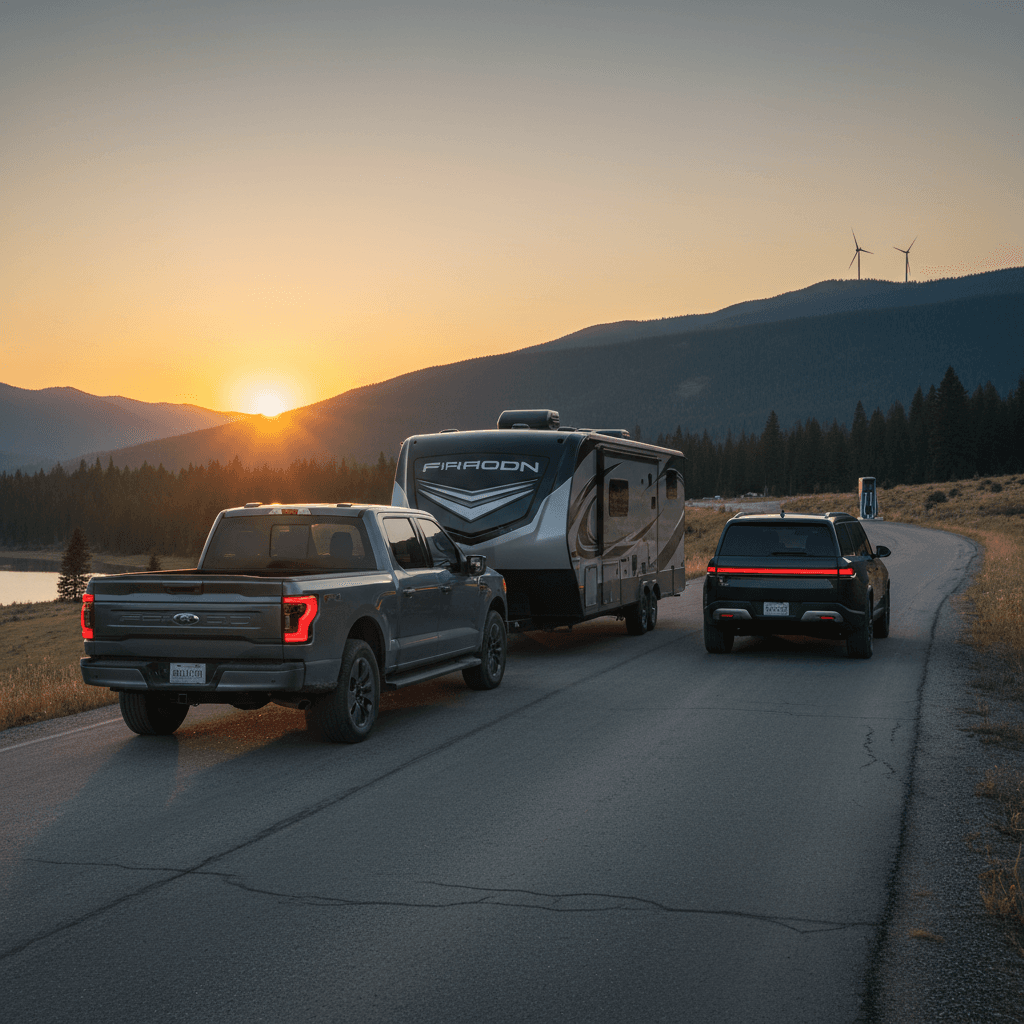
If you’re shopping for the best EV for towing in 2026, you’re probably seeing big numbers, 10,000, 11,000, even 14,000 pounds, alongside some scary stories about range dropping in half. The truth lives somewhere in the middle. The right electric truck or SUV can tow confidently, but you need to pick carefully and plan around charging.
EV towing is here, just with different rules
Why EV towing is different from gas towing
Where EVs shine when towing
- Instant torque: Electric motors deliver full torque from zero rpm, so launches and passing with a trailer feel strong and smooth.
- Low center of gravity: Heavy battery packs in the floor improve stability and reduce trailer sway.
- Integrated trailer tech: Many EV trucks estimate trailer weight, adjust brake gain, and show live efficiency data on‑screen.
Where EVs demand more planning
- Range hit: Expect 30–50% less range when towing, depending on trailer size and speed.
- Charging logistics: You may need to unhitch at some fast‑chargers, and charging stops will be more frequent.
- Weight stacking: Heavy trailers plus heavy EVs can push payload and GVWR limits quickly.
EV towing by the numbers (2024–2026 snapshot)
Quick answer: Best EVs for towing in 2026
Best EVs for towing in 2026: quick picks
Headline choices by use case, based on published tow ratings as of early 2026 plus charging and usability factors.
| Use case | Best pick | Max tow rating (approx.) | Why it stands out |
|---|---|---|---|
| Maximum towing muscle | Rivian R1T / Tesla Cybertruck | ~11,000 lb | Top‑tier ratings plus strong real‑world stability and powerful dual or tri‑motor setups. |
| Balanced tow + daily driving | Chevy Silverado EV | ~10,000–12,500 lb | Big battery, long range, strong DC fast charging and conventional truck bed usability. |
| Best value electric tow rig | Ford F‑150 Lightning | Up to ~10,000 lb | Aggressive used pricing, familiar F‑150 cabin and widely available service network. |
| Family SUV + towing | Kia EV9 | Up to ~5,000 lb | Three rows, modern tech and enough tow rating for campers, boats and toy haulers. |
| Luxury tow SUV | Tesla Model X | Up to ~5,000 lb | Quick, comfortable and capable of towing mid‑size trailers with the right hitch setup. |
Always confirm tow ratings and payload on the exact trim and model year you’re considering.
Towing ratings vs. real‑world use
Best electric pickup trucks for towing in 2026
If you want the best EV for towing in 2026, a pickup is still your easiest path. Electric trucks pair high tow ratings with stout frames and integrated trailer tech, and they give you a bed for gear that shouldn’t share space with the family dog.
Top electric towing trucks in 2026
Ratings are manufacturer‑published or widely cited estimates as of early 2026; always verify your exact trim.
Rivian R1T – Best all‑around electric tow rig
Max tow rating: Around 11,000 lb, depending on configuration.
- Excellent trailer stability and sophisticated drive modes tuned for towing.
- On‑screen tools estimate trailer weight and efficiency, helping you plan charging stops.
- Access to CCS fast‑charging plus NACS adapters opens Tesla Superchargers in many areas.
For many shoppers, the R1T hits the sweet spot: serious tow numbers, strong off‑road chops and a cabin that still works as a daily driver.
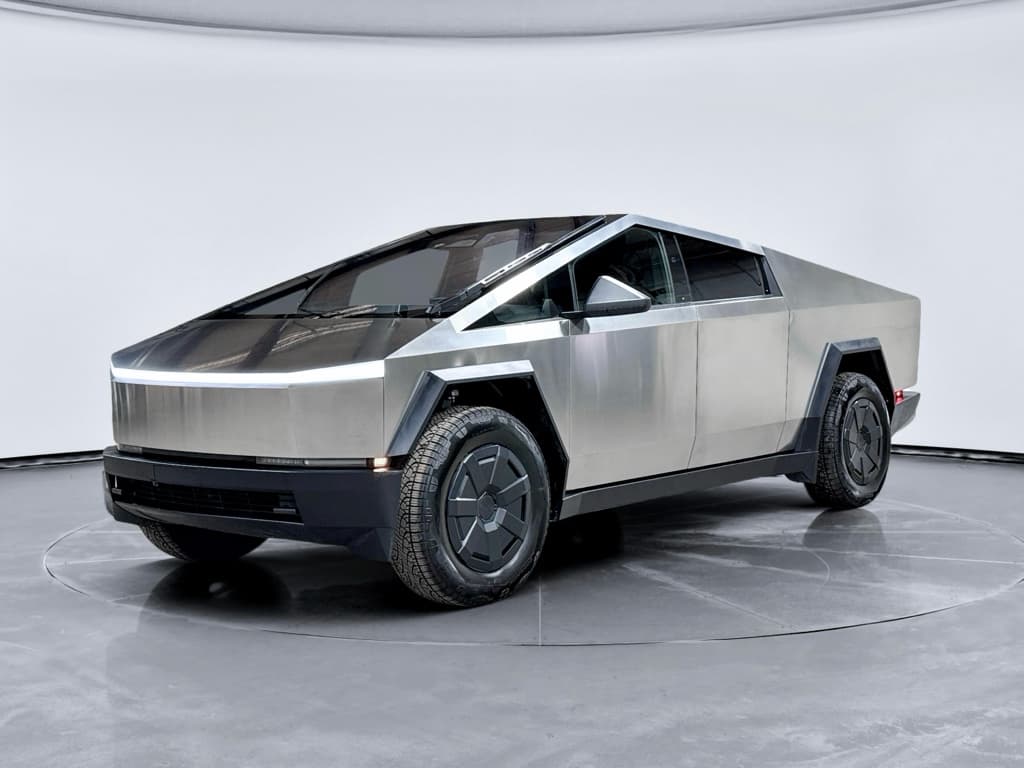
Tesla Cybertruck – Maximum drama, maximum numbers
Max tow rating: Up to roughly 11,000 lb on higher‑spec trims.
- Tri‑motor "Cyberbeast" delivers brutal straight‑line performance even with a trailer.
- Rigid exoskeleton and low center of gravity aid stability.
- Direct access to Tesla’s fast‑growing NACS Supercharger network.
Range while towing large profiles can still drop sharply, but for pure numbers and charging convenience, Cybertruck belongs on the shortlist.
Chevy Silverado EV – Long‑range workhorse
Max tow rating: Generally quoted in the 10,000–12,500 lb range, depending on trim.
- Large battery and 350 kW DC fast‑charge capability help compensate for towing losses.
- Traditional truck bed and familiar full‑size dimensions.
- Expected wide dealer coverage under the Chevy umbrella.
If you want a more conventional full‑size truck feel with modern electric guts, Silverado EV is designed to tow and haul like a half‑ton should.
Ford F‑150 Lightning – Best used‑market value
Max tow rating: Up to ~10,000 lb on selected extended‑range trims.
- Pro Power Onboard can run tools and campsite gear off the battery.
- Familiar F‑150 cabin, controls and driving position.
- Used prices have come down, making it one of the most affordable ways into an electric tow rig.
If you’re budget‑conscious and comfortable shopping used, the Lightning is often the best bang‑for‑the‑buck electric truck for towing.
Payload matters as much as towing
Best electric SUVs for towing in 2026
If you don’t need an open bed, an electric SUV with a factory tow package can be easier to live with every day. The best 2026 options pair three rows, decent range and 3,500–5,000 lb tow ratings, enough for boats, midsize campers and enclosed utility trailers.
Electric SUVs that tow well in 2026
Focus on three‑row and larger two‑row SUVs that combine family duty with real towing ability.
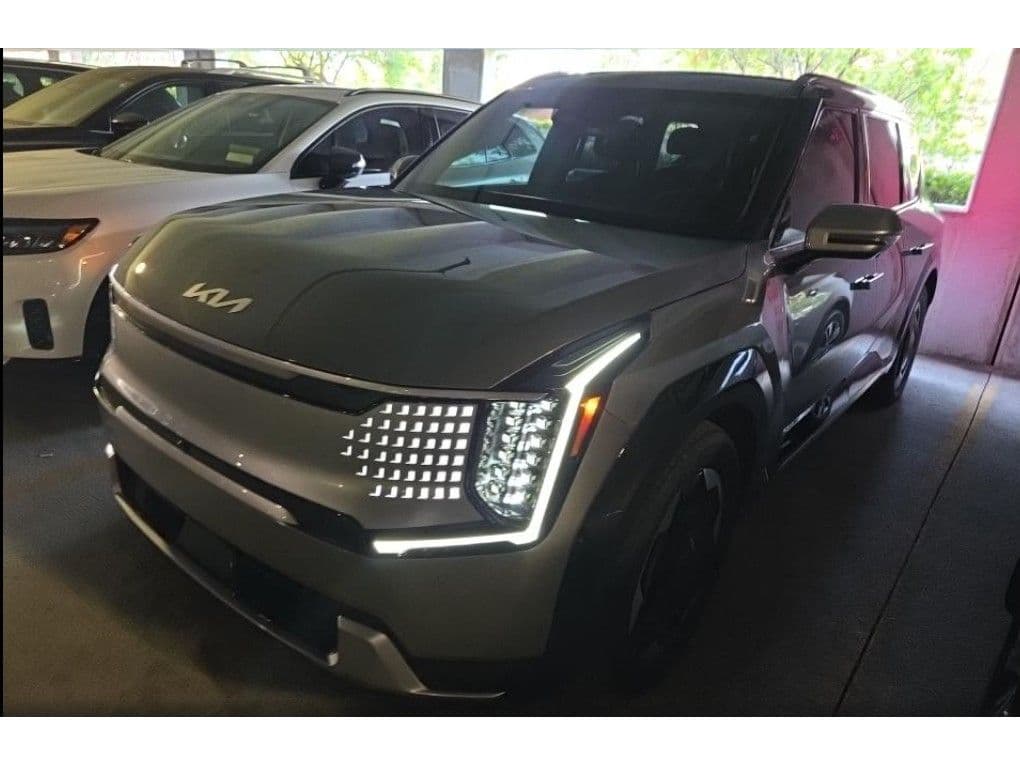
Kia EV9 – Family favorite with 5,000 lb rating
Max tow rating: Up to about 5,000 lb with the correct package.
- Three rows, lots of standard safety tech and comfortable ride.
- Fast DC charging on the E‑GMP platform keeps road trips practical.
- Ideal for travel trailers in the 3,000–4,000 lb range, boats, and toy haulers.
For many families, the EV9 is the most balanced answer: it tows, it hauls kids, and it doesn’t feel like a compromise as a daily SUV.
Tesla Model X – Luxury tow SUV
Max tow rating: Around 5,000 lb when properly equipped.
- Strong acceleration and a low center of gravity keep trailers stable.
- Direct access to Tesla’s extensive Supercharger network.
- Good fit for enclosed motorcycle trailers, small campers and car haulers under its rating.
Earlier Model X examples on the used market can be particularly compelling if you want luxury plus towing without new‑car pricing.
GMC Hummer EV SUV & Truck – Niche but capable
Max tow rating: Commonly cited in the 7,500–8,500 lb zone, depending on configuration.
- Huge battery and serious off‑road hardware.
- Heavy curb weight means stability but also large energy consumption while towing.
- Best suited to buyers who truly want an off‑road toy that can also pull a decent‑size trailer.
Other emerging three‑row EVs
By 2026, more three‑row EVs are joining the towing party, including large luxury models like the Cadillac Escalade IQ and upcoming off‑road‑oriented entries like the Scout Terra, both targeting tow ratings around or above 10,000 lb on certain trims.
If you’re cross‑shopping, focus less on headline numbers and more on usable range with your specific trailer.
How much range you really lose when towing with an EV
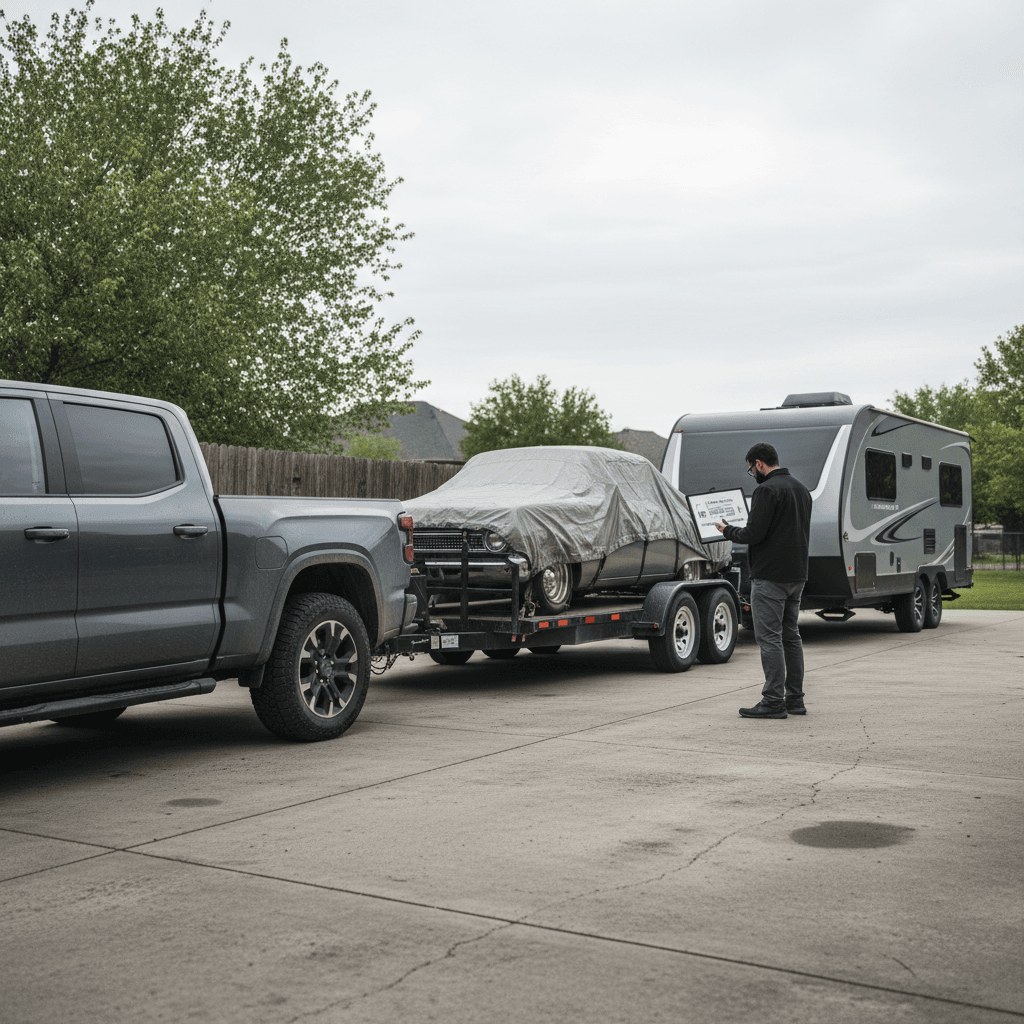
The biggest shock new owners face isn’t acceleration, it’s how quickly the range estimate drops once a trailer is in the mix. Every vehicle and trailer combo is different, but real‑world testing across Rivian, Ford, Tesla and others points to a clear pattern.
- Plan on losing roughly 30–50% of your solo highway range while towing at 60–70 mph.
- Tall, boxy campers and enclosed car haulers hurt range far more than low, aerodynamic trailers or open utility trailers.
- Colder weather, headwinds and higher speeds stack on top of the trailer penalty.
- Regenerative braking helps on downhill grades, but it can’t fully offset the extra energy you spend on climbs and aero drag.
A quick rule of thumb
Key specs that matter for EV towing
Shopping for the best EV for towing in 2026 means weighing more than a single tow rating. You’re balancing capacity, range, charging speed and payload. Here’s how to read the spec sheets with a trailer in mind.
EV towing specs you can’t ignore
1. Tow rating vs. your trailer
Look up your trailer’s <strong>GVWR (gross vehicle weight rating)</strong>, fully loaded. Aim for an EV whose max tow rating is at least 25–30% higher than that number for margin.
2. Payload and tongue weight
Tongue weight (usually 10–15% of trailer weight) counts against payload, along with passengers and cargo. A heavy electric truck with a low payload sticker can run out of capacity fast.
3. Battery size and chemistry
Bigger packs (think 120+ kWh) give you more buffer when towing. Modern chemistries also handle repeated fast‑charging better, which matters on long towing days.
4. DC fast‑charge speed and network
A truck that can charge at <strong>250–350 kW</strong> on a robust network (NACS or CCS with strong coverage) cuts your towing downtime dramatically.
5. Integrated trailer tech
Features like built‑in brake controller, trailer profiles, and on‑screen weight and range estimates make electric towing less stressful and more predictable.
6. Cooling and thermal management
Efficient thermal management for the battery and motors helps sustain power on long grades and repeated fast‑charge sessions during a tow‑heavy road trip.
How to choose the right EV for your trailer
There’s no single "best EV for towing" that fits everyone. The right choice depends on your trailer, your routes, and how often you actually tow. Start by working backward from what you own, or plan to buy, on the trailer side.
Step 1: Be honest about your trailer
- Get the trailer’s loaded weight, not just dry weight from the brochure.
- Measure overall height and width, tall, boxy trailers hurt range much more.
- Think about how often you’ll tow: a few weekends a year vs. every week.
If you’re just pulling a pair of jet skis or a light pop‑up camper, your options are much broader than if you’re hauling a 9,000‑lb fifth‑wheel stand‑in every weekend.
Step 2: Map your real routes
- Use public charging maps to see fast‑chargers along your typical path.
- Check if those sites are trailer‑friendly or require you to unhitch.
- Look at grades and weather, mountain passes and winter conditions hit range hard.
Some buyers intentionally choose a slightly smaller, more aerodynamic camper so they can keep using their favorite EV on existing routes.
Decision checklist before you sign
Confirm hitch and wiring availability
Make sure the EV you’re eyeing has a <strong>factory tow package</strong> or reputable aftermarket support for Class III/IV hitches and a 7‑pin connector with brake controller integration.
Test‑drive with a trailer if possible
Some dealers and EV specialists will let you tow a demo trailer. If that’s not available, at least load the vehicle with passengers and cargo to feel how it accelerates and brakes with weight.
Think about storage and access
Consider where you’ll park and charge at home with both EV and trailer. A tight urban driveway can make a full‑size truck and long camper frustrating.
Check insurance and registration
Confirm that your insurer understands you’ll be towing with an EV and that your state’s weight, brake and licensing rules are covered.
Where Recharged fits in
Ready to find your next EV?
Browse VehiclesWhy a used EV can be the smart tow rig
Electric trucks and SUVs depreciated quickly in their first few years on the market, especially as new models and price cuts landed. For towing shoppers in 2026, that’s an opportunity, if you’re selective.
Advantages of buying a used EV for towing
Value, transparency and real‑world track records matter.
Lower entry price
Proven battery performance
Objective health reports
Used EV towing red flags
EV towing FAQ for 2026
Frequently asked questions about EV towing in 2026
Bottom line: What’s the best EV for towing in 2026?
In 2026, the "best EV for towing" isn’t a single truck or SUV, it’s the one that matches your trailer, your routes and your appetite for planning. If you want maximum capability, Rivian R1T, Tesla Cybertruck and Chevy Silverado EV sit at the top of the heap. If you’re chasing value, a used Ford F‑150 Lightning or early Rivian can deliver serious towing for far less than new‑truck money. And if your life revolves around kids and campgrounds, a Kia EV9 or Tesla Model X with a tow package may be the most livable solution.
What matters most is going in with clear eyes about range, payload and charging. Start with your trailer and your real travel patterns, then work backward into the EV that makes those trips enjoyable, not stressful. If you’re shopping used, a marketplace like Recharged can help you compare options, verify battery health with a Recharged Score report, arrange financing or trade‑in, and even handle nationwide delivery so you can focus on planning your first all‑electric towing adventure.