The best choice isn’t automatically the largest, fastest, or most expensive EV. You need to match the vehicle to your daily mileage, passenger and cargo needs, charging access, and budget. You should also verify the individual car’s assembly location because a brand’s nationality alone doesn’t establish where every vehicle was built.
The strongest American-made EV shortlist
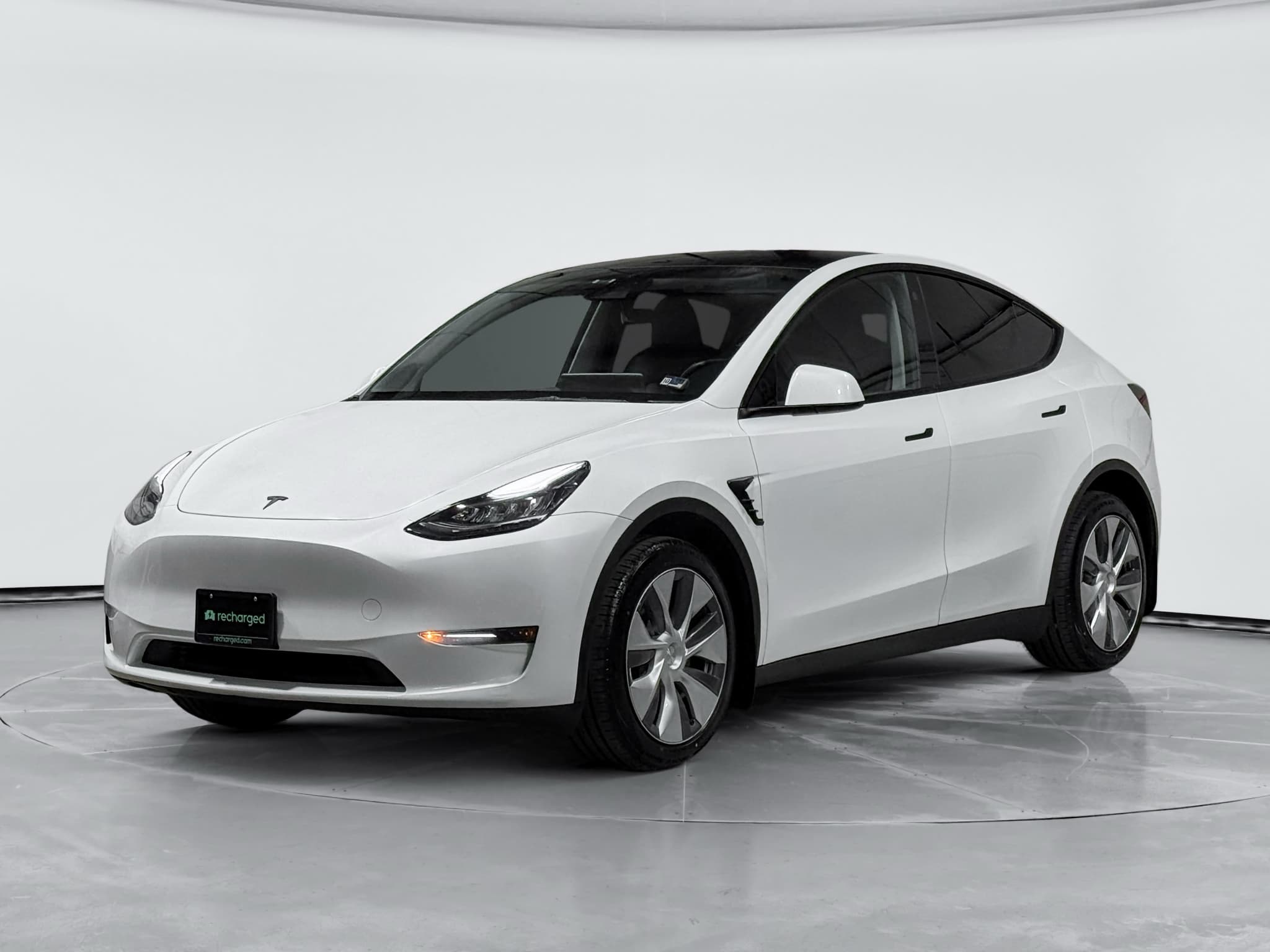
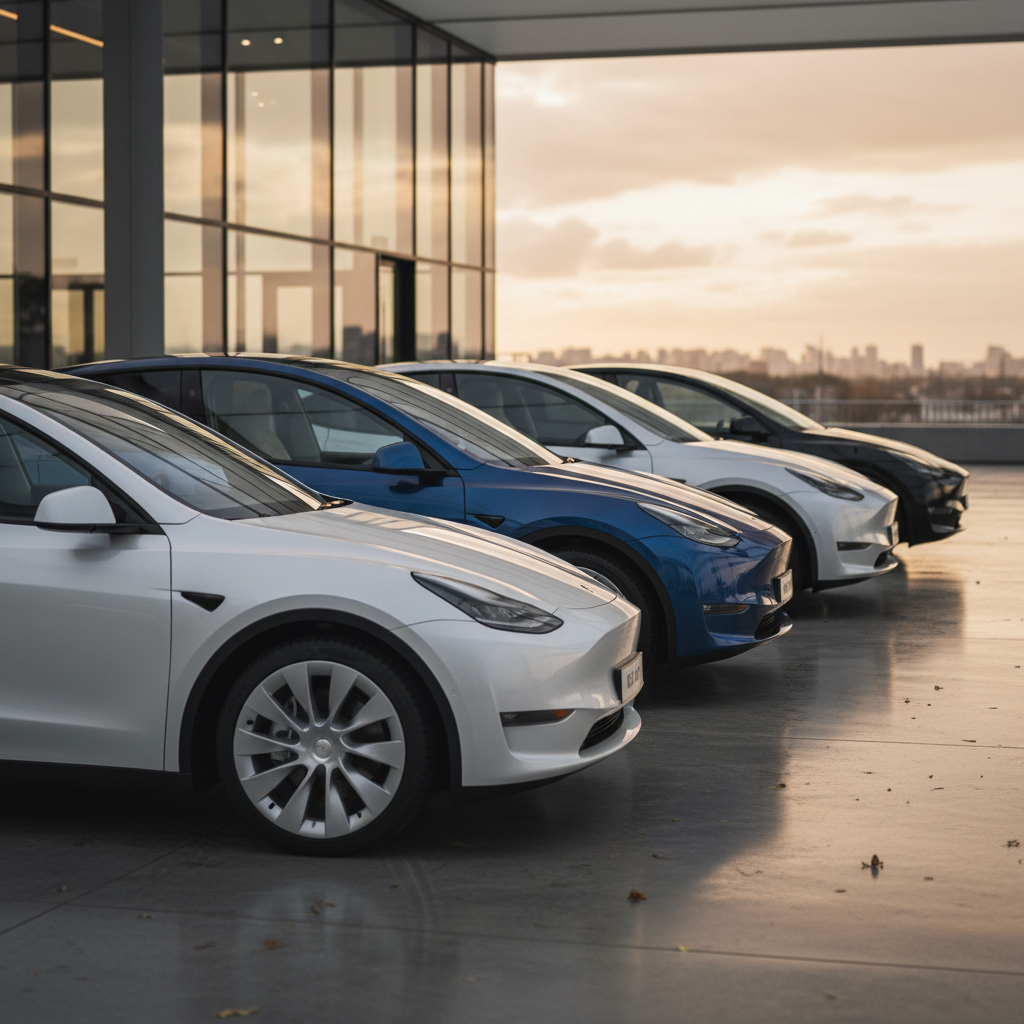
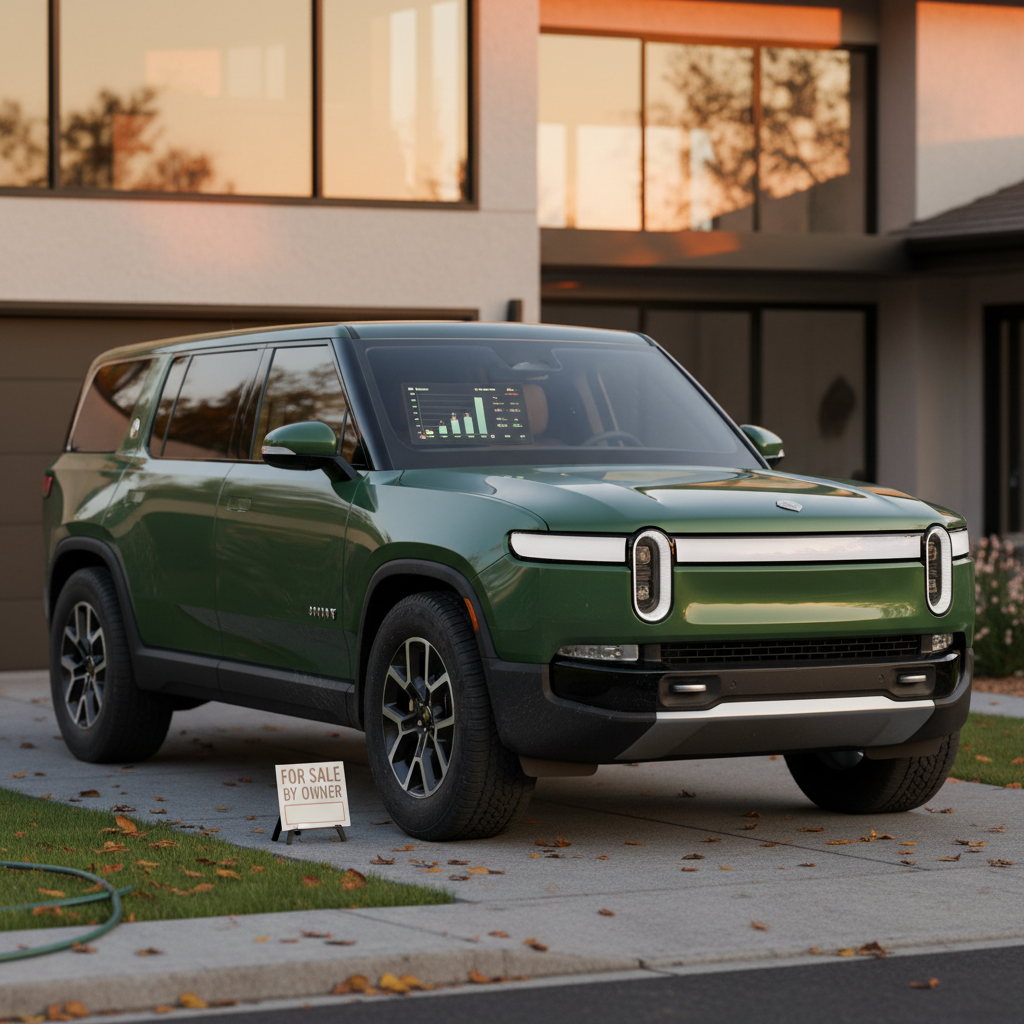
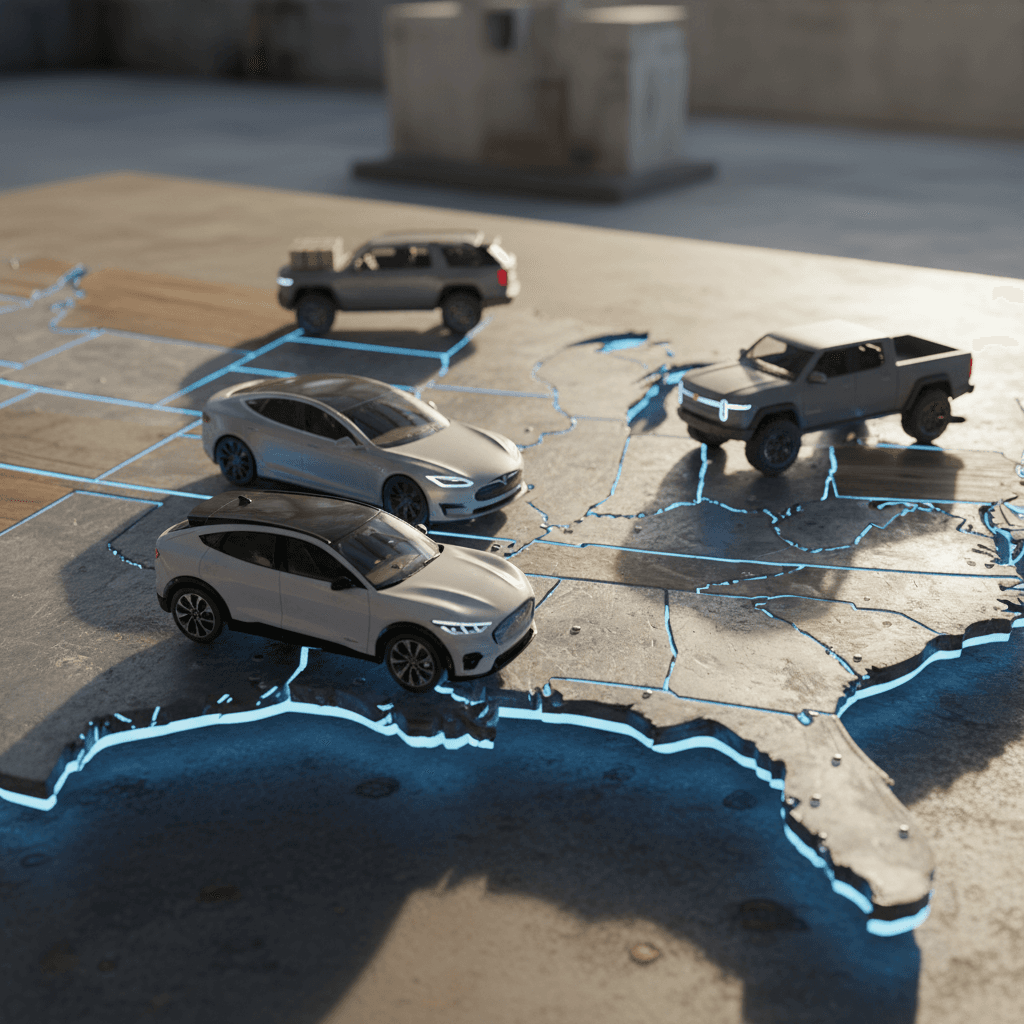
The strongest shortlist covers Tesla’s practical sedans and crossovers, Lucid’s luxury sedan, and Rivian’s SUV and pickup. Recharged team preferences repeatedly include the Model 3, Lucid Air, Rivian R1S, and Rivian R1T, while the Model Y adds a practical crossover alternative and the Model S serves luxury-minded drivers. Because production details can change, treat this as a shopping shortlist and verify the build location on the specific vehicle.
Leading U.S.-made EVs to consider
Start with the vehicle type that suits your life, then verify the individual car’s assembly location and condition.
| Model | Best for | Main appeal | Verify before buying |
|---|---|---|---|
| Tesla Model 3 | Daily commuting | Practical electric sedan | Build label, battery |
| Tesla Model Y | Family crossover use | Flexible cargo space | Build label, tires |
| Tesla Model S | Luxury road trips | Flagship comfort | Suspension, battery |
| Lucid Air | Premium sedan buyers | Luxury-focused cabin | Build label, service |
| Rivian R1S | Families and adventures | Three-row utility | Underbody, tires |
| Rivian R1T | Electric pickup buyers | Truck versatility | Bed wear, underbody |
Recommended models vary by use case; availability and assembly details can differ by vehicle.
Our team’s dream-garage picks repeatedly included the Model 3, Lucid Air, Rivian R1S, and Rivian R1T. That mix is a useful reminder that “best” changes with the job, commuting, luxury travel, family duty, or pickup utility.
If you want a straightforward commuter, begin with the Model 3; if you need easier passenger and cargo flexibility, compare the Model Y. The Lucid Air and Model S belong on a luxury-focused list, while Rivian’s R1S and R1T address SUV and pickup needs. For a broader look at body styles, compare Recharged’s best used electric SUVs before narrowing your search.
What does “made in the USA” mean for an EV?
For shopping purposes, “made in the USA” should mean the specific vehicle received final assembly at a U.S. plant, not merely that its manufacturer is American. Final assembly, battery origin, and overall domestic-parts content are separate questions, and one label doesn’t necessarily answer all three. Check the vehicle’s certification label, original window sticker when available, and VIN-linked build information rather than relying on the badge.
Verify the car, not just the model
A vehicle can be assembled in the United States while using components sourced from several countries. Conversely, an American brand can build different vehicles, or versions of a vehicle, in different places. If domestic assembly is important to you, make it a documented purchase criterion alongside price, range, and condition.
What Recharged’s used-EV data shows
Recharged’s broader used-EV data shows that battery condition can remain strong, but it must be tested on the individual vehicle. Across 2,242 Recharged Score inspections, the average verified remaining battery capacity was 93.9% of original capacity and the median was 94.9%; median tested real-world range was 268 miles. These are fleet-wide results rather than model-specific promises, so use them as market context and insist on a battery report for the car you’re considering.
Price data also shows why used examples deserve attention. Across 1,796 EVs sold by Recharged during the trailing 12 months, buyers paid an average retail price of $29,901 and a median retail price of $27,297. Those figures cover Recharged’s wider EV fleet, not only U.S.-made models, but they demonstrate the range of used-EV opportunities beyond new-car pricing.
The practical takeaway
Recharged data
Used EV battery health
94%
avg remaining capacity
From Recharged battery inspections, not manufacturer estimates.
- Lowest
- 63%
- Median
- 95%
- Highest
- 100%
- Est. range
- 266 mi avg
- Cell balance pass
- 100%
- Quick charges
- 18 avg
- Slow charges
- 65 avg
Average cell imbalance: 7.3 mV
Based on vehicles Recharged tested
Recharged data
Recent EV sold prices
$27,297
median sold price
What buyers actually paid through Recharged, not list price.
- Lowest
- $500
- Average
- $29,901
- Highest
- $129,998
Monthly median sold price
Based on Recharged sales in the last 12 months
Every EV is battery-tested with a Recharged Score. Nationwide delivery.
How to choose the right American-made used EV
Choose by verifying origin first and evaluating battery health, charging fit, wear, and ownership costs next. A battery report should show tested remaining capacity and estimated real-world range rather than offering a vague pass-or-fail claim. Recharged includes this information in its Recharged Score Report; for more context, see how to evaluate used-EV battery health.
Five checks before you buy
Confirm final assembly
Review the certification label, original window sticker, and VIN-linked build information for the specific car.
Read the battery report
Look for tested remaining capacity and estimated range, not an assumption based only on age or odometer mileage.
Match charging to your routine
Confirm connector compatibility and whether you can install a Level 2 charger, meaning a 240-volt home charging setup.
Inspect use-specific wear
Check sedan suspension, crossover tires, and SUV or pickup underbody areas according to how the vehicle may have been used.
Price the whole ownership experience
Compare financing, insurance, delivery, home-charger installation, tires, and expected service, not only the advertised price.
The vehicle’s intended job should guide the inspection. An urban commuter deserves close attention to wheels, tires, and charging history, while an adventure SUV or pickup warrants a careful underbody and suspension review. If you’re new to the process, follow a complete used electric car buying guide rather than applying a gasoline-car checklist unchanged.
Instant offer, trade-in, or consignment. Pickup available.
Frequently asked questions
The bottom line
The best American-made EV is the one that fits your use case and passes a vehicle-specific origin, battery, and condition check. Start with the Model 3 or Model Y for mainstream use, the Lucid Air or Model S for luxury, and the Rivian R1S or R1T when you need SUV or pickup capability. Compare individual vehicles using verified battery health and fair market pricing instead of choosing on brand identity alone.