If you care as much about software as you do about 0–60 times, the **best electric car for tech enthusiasts in 2026** is more than just a battery on wheels. You’re shopping for a rolling gadget: huge screens, over‑the‑air updates, hands‑free driving, tight app integration, and an interface that won’t feel dated before your next phone upgrade.
Tech-first, not spec-sheet-first
How we picked the best tech EVs for 2026
Instead of starting with MSRP and range charts, this list starts where tech enthusiasts actually live: in the UI and the software stack. To land here, an EV needed to deliver three things: strong **software foundations** (OTA updates, fast processors, good UX), **advanced driver assistance** that goes beyond basic lane keeping, and **connected features** such as rich phone integration, apps, and cloud‑aware navigation.
- Software-defined vehicle (SDV) approach: frequent OTA updates that add or improve features, not just bug fixes.
- Advanced driver assistance: hands‑free highway systems or clearly advanced lane centering and adaptive cruise.
- Display and UX: modern graphics, responsive touchscreens, clean menus, and minimal lag.
- Connectivity: solid phone key support, robust apps, wireless Apple CarPlay/Android Auto or equally capable native systems.
- Future-proofing: clear road map for software support and charging‑standard adoption (NACS in North America).
- Availability: on sale in North America by model year 2026, or close enough that you can reasonably shop or reserve it now.
Specs you shouldn’t over-index on
Quick look: Best electric cars for tech enthusiasts in 2026
9 standout EVs for tech lovers in 2026
From pure software showpieces to practical daily drivers with excellent UX.
Polestar 4
Tesla Model 3 / Model Y
Mercedes CLA Electric
Hyundai Ioniq 5 / Kia EV6 / Kia EV9
Rivian R1T / R1S / R2
Cadillac Lyriq / Escalade IQ
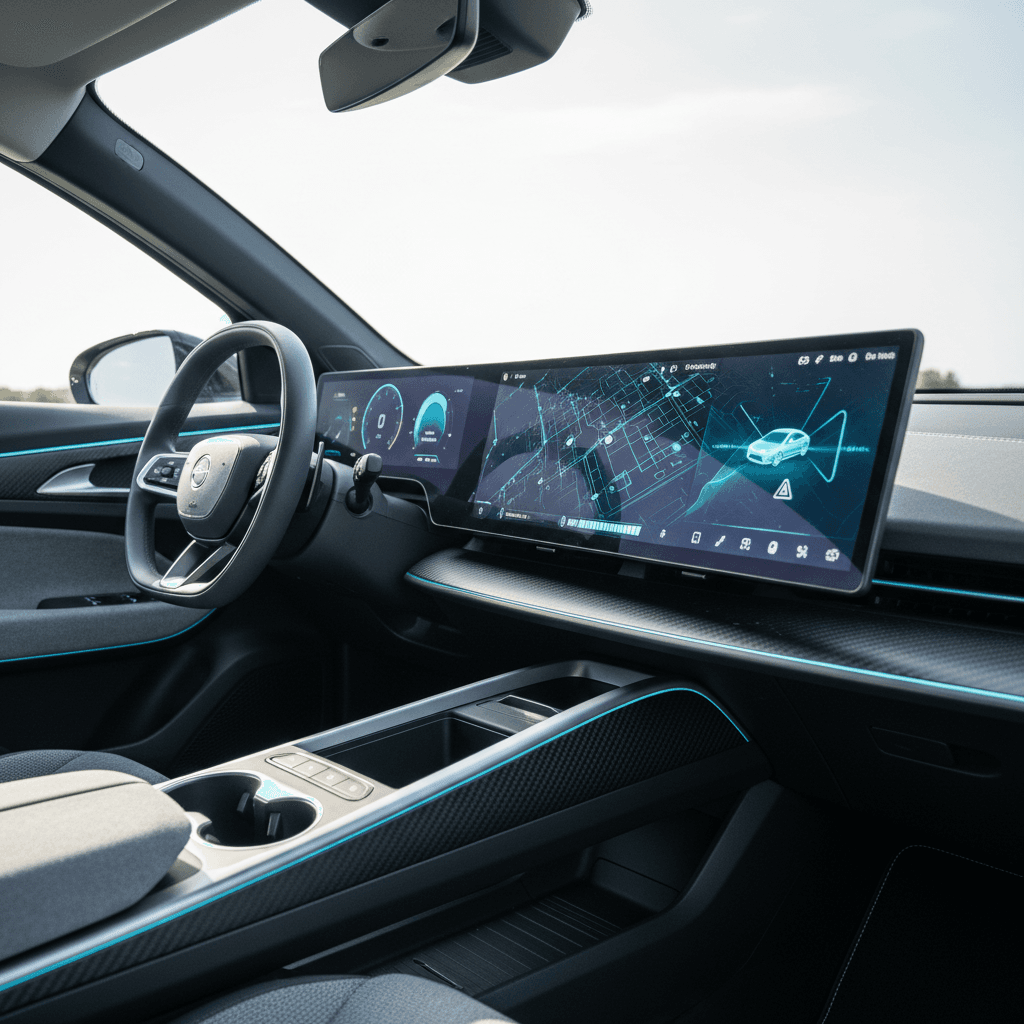
Polestar 4: Most tech-forward EV not made by Tesla
Talk to industry analysts and you’ll hear the same refrain: the **Polestar 4** looks and feels like a proof‑point for what a modern software‑defined vehicle can be. It’s built on parent company Geely’s latest tech stack, and early drives highlight just how much of this car’s personality comes from code rather than sheet metal.
Why tech enthusiasts should care
- 15.4‑inch landscape touchscreen running a fast, clean UI with Google services deeply integrated.
- 8.9‑inch digital rearview mirror instead of a conventional back window, plus a 10.2‑inch driver display.
- Optional 14.7‑inch head‑up display and an optional rear touchscreen for passengers.
- Full OTA capability covering infotainment and drivability tweaks, not just map data.
Driver-assist and connectivity
- High‑resolution surround‑view cameras and highway driver‑assist tuned for smoother lane centering.
- Phone, key‑fob and NFC card access options, plus robust app integration.
- Compatibility with Tesla Superchargers via NACS adapters, easing long‑distance charging anxiety.
- Tech‑leaning interior design that feels closer to a Scandinavian gadget than a traditional luxury car.
Used-market angle
Tesla Model 3 and Model Y: Tech benchmark, with a caveat
Whether you love or loathe the brand, the **Tesla Model 3** and **Model Y** remain reference points for tech‑centric EVs in 2026. The app unlocks the car, preconditions the cabin, plans routes around Superchargers, and pushes OTA updates that can change everything from UI theming to acceleration and range estimates.
What still makes Teslas compelling to tech buyers
The caveat for 2026 shoppers
On the used side, there’s a strong case for a late‑cycle **2022–2024 Model 3 or Model Y**. They’ve already absorbed multiple software generations, and on a platform like Recharged you can pair that software maturity with a verified battery health report, so you’re not guessing whether the tech car you love is backed by a solid pack.
Mercedes CLA Electric: AI assistant and Superscreen
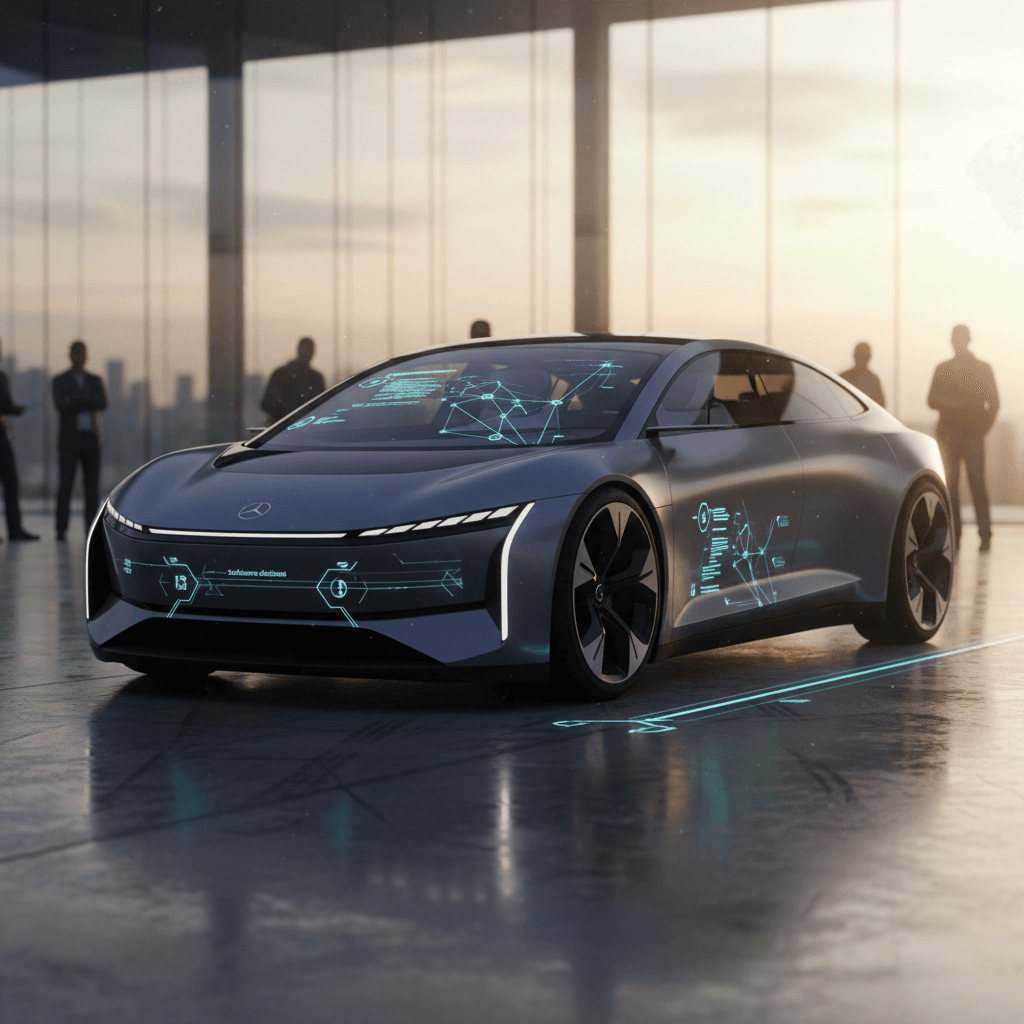
If Tesla is the archetypal minimalist, the **2026 Mercedes‑Benz CLA Electric** is its maximalist counterpart. Inside, you’re looking at a 10.5‑inch instrument display, a 14‑inch center touchscreen, an optional second 14‑inch passenger display and an available head‑up display, merged visually into a single glass "Superscreen" that spans most of the dashboard.
Inside the CLA Electric’s tech stack
A rolling showcase for AI assistants and rich apps.
Chat-based voice assistant
Pillar-to-pillar Superscreen
In-car app store
Know your distraction limits
Hyundai Ioniq 5 / EV6 / EV9: Mainstream tech heroes
Hyundai’s Ioniq 5 and Kia’s EV6 helped normalize the idea that you don’t need a luxury badge to get a high‑tech EV. By the 2026 model year, Hyundai’s larger **Ioniq 9** and Kia’s three‑row **EV9** extend that philosophy with bigger cabins, more screens and more family‑friendly features, while maintaining a sharp eye on price sensitivity.
Why they make sense for tech fans on a budget
- Modern dual‑screen layouts with crisp graphics and logical menus.
- Wireless Apple CarPlay and Android Auto on newer model years, plus native connected services.
- Robust highway driver‑assist suites: lane centering that feels natural, plus adaptive cruise that behaves predictably.
- Increasing adoption of the NACS charging port on U.S.‑built models, opening up more fast‑charging options.
Used EV sweet spot
- Early‑build 2022–2024 Ioniq 5 and EV6 models are already showing up in the used market with meaningful price drops.
- They still receive OTA updates and benefit from Hyundai’s long battery warranties.
- On Recharged, the Recharged Score helps you compare battery health and pricing trends across multiple Ioniq 5s or EV6s instead of guessing on a one‑off listing.
Why reviewers keep circling back to these
Rivian R1T/R1S and R2: Adventure rigs for software nerds
The **Rivian R1T** pickup and **R1S** SUV, with the upcoming **R2** line following, are the rare vehicles that can spend a weekend in the woods and still feel like they belong at a dev conference. Their interface is playful but serious, with big, bright tiles, smart drive‑mode logic and OTA updates that routinely add features or tweak off‑road and towing behavior.
Rivian tech highlights for enthusiasts
1. Clean, app-like UI
Rivian’s interface looks closer to a modern tablet than a legacy car screen, with bold icons and quick access to key settings like drive modes and suspension height.
2. Frequent OTA updates
Over‑the‑air releases have added drive modes, improved range estimates, refined driver assistance and polished the overall UX since launch.
3. Adventure-focused driver assists
Adaptive cruise and lane‑keeping are tuned to feel calm and confidence‑inspiring on long highway stretches, with clear on‑screen feedback when the system is engaged.
4. Integrations that make sense
Integrated trip planning, charging info and camping‑oriented features reflect Rivian’s focus on real‑world use rather than spec‑sheet bragging rights.
Used Rivian reality check
Luxury tech: Cadillac Lyriq and Escalade IQ
General Motors’ **Cadillac Lyriq** and **Escalade IQ** represent a different flavor of tech appeal: enormous screens, deep Google integration and **Super Cruise**, GM’s hands‑free highway system that can handle large stretches of mapped roads with minimal driver input.
Key tech differences: Lyriq vs. Escalade IQ
Both ride on GM’s Ultium platform but serve different tech priorities.
| Model | Cabin tech feel | Driver-assist focus | Best fit for |
|---|---|---|---|
| Cadillac Lyriq | Single large curved display with rich graphics and Google built‑in. | Super Cruise available on many trims; emphasizes luxury‑leaning highway comfort. | Buyers wanting a high‑tech luxury SUV without full Escalade size or price. |
| Cadillac Escalade IQ | Wall‑to‑wall screens and theater‑style rear options, plus serious USB and power provisioning. | Super Cruise plus a suite of visibility aids aimed at towing and big‑SUV maneuvering. | Families and executives who want maximum screen real estate and hands‑free tech. |
If you want hands‑free driving and Google‑built‑in, GM’s big EVs should be on your shortlist.
Why GM’s software story matters
Emerging and future tech to watch: BMW, Mercedes, Apple and beyond
Tech‑heavy EVs don’t live in a vacuum; they’re part of a larger trend toward cars that behave like connected devices. Automakers are betting on bigger compute, AI‑driven assistants, richer app stores and tighter smartphone integration.
Four future-facing trends tech enthusiasts should track
Even if you buy in 2026, you’ll live with this car into the 2030s.
AI copilots and productivity
Next-gen CarPlay and Android Automotive
Unified vehicle operating systems
NACS and charging standardization
New vs. used: Best path for tech enthusiasts
The obvious lure of buying new is being first in line for the latest screens and chips. But the used market for tech‑forward EVs has matured fast, and in 2026 you can buy a 2‑ or 3‑year‑old high‑end EV with most of the same software and a much smaller monthly payment.
When buying new makes sense
- You want a 2026‑only feature like the latest AI assistant or an upgraded hands‑free system.
- You need the very latest hardware, higher‑res cameras, more RAM, faster processors, for long‑term software support.
- You plan to keep the car for a decade and want the full warranty timeline on battery and electronics.
Why many techies are going used
- EVs like Polestar 2, Ioniq 5/Ev6, early Rivians and Teslas already have mature software and OTA histories.
- You can often buy a 2‑ to 4‑year‑old tech‑packed EV at a substantial discount while still getting updates for years.
- Platforms like Recharged pair those vehicles with a battery‑health verified Recharged Score, fair market pricing, financing tools and nationwide delivery, so you’re not trading tech dreams for reliability nightmares.
Pair tech shopping with battery transparency
Ready to find your next EV?
Browse VehiclesChecklist: How to evaluate tech on a test drive
On paper, nearly every EV looks cutting‑edge. In person, the difference between thoughtful software and dressed‑up hardware shows up fast. Use this checklist when you’re in the driver’s seat, whether at a dealership, an EV experience center, or evaluating a used car you found online.
Tech-evaluation checklist for your next EV
1. Measure menu depth for common tasks
Time how long it takes to change cabin temperature, switch drive modes, set a navigation destination and toggle driver‑assist on/off. If you’re drilling through multiple submenus for basics, it’ll only get more annoying.
2. Stress-test the voice assistant
Ask for a destination by name, adjust climate and start a phone call by voice. A modern assistant should understand natural speech without repeating yourself three times.
3. Check wireless integration quality
Pair your phone over Bluetooth and, if available, wireless CarPlay/Android Auto. Look for lag, audio dropouts and how smoothly the car reconnects after you turn it off and back on.
4. Evaluate driver-assist confidence
On a clear, marked highway stretch, engage adaptive cruise and lane centering. The best systems feel smooth, predictable and transparent about when they’re active or handing control back to you.
5. Explore OTA and update history
Ask which systems are updateable over the air, how often updates are pushed, and what’s actually changed in recent releases. For used EVs, look for a record of past updates and feature additions.
6. Inspect screen readability
View the screens in bright sun, at night and with polarized sunglasses if you wear them. Check for reflections, washed‑out maps or fonts that feel too small for quick glances.
Don’t let tech overshadow safety basics
FAQ: Best electric car for tech enthusiasts in 2026
Frequently asked questions
Bottom line: Which electric car is best for tech enthusiasts in 2026?
If you want the sharpest, most cohesive expression of a software‑defined EV without going all‑in on Tesla’s ecosystem, the **Polestar 4** is hard to ignore. For a more open, app‑rich and AI‑heavy dashboard, the **Mercedes CLA Electric** and GM’s **Cadillac Lyriq/Escalade IQ** stack the deck with screens and assistants. And if you’re looking to extract maximum value from the tech curve, a well‑chosen **used Hyundai Ioniq 5, Kia EV6, Rivian or Tesla** can deliver most of the same experience at a fraction of the price.
Whichever direction you lean, evaluate EVs the way you would a laptop or phone: how fast they feel, how often they update, and how long the company plans to support them. Then, especially if you’re shopping used, match that software story with hard data on battery health, pricing and ownership costs. That’s where a marketplace built around transparency, like Recharged, with its Recharged Score, financing options, trade‑in offers and nationwide delivery, can turn a tech‑driven wish list into a car you’ll still be excited about years from now.