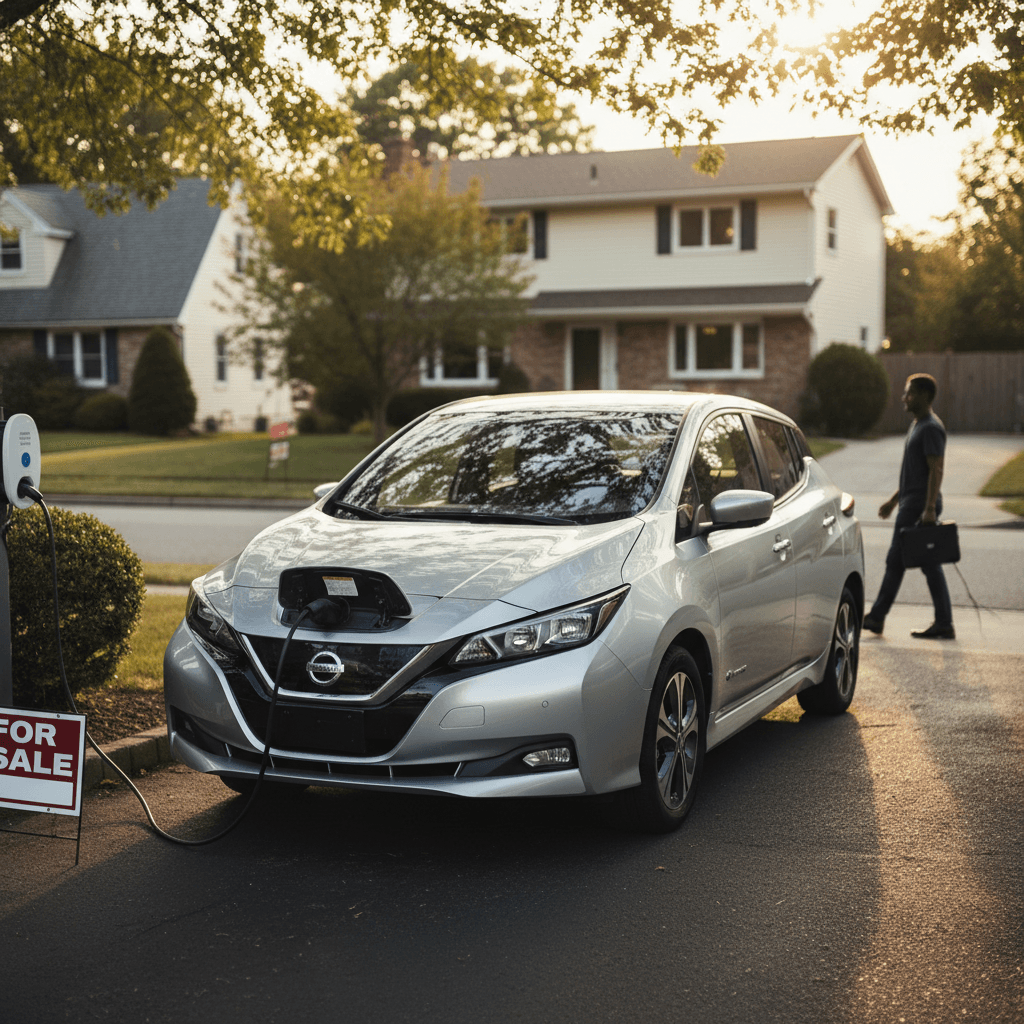
If your daily grind is around 20 miles of commuting, you’re in EV sweet‑spot territory. Almost any modern electric car can handle that distance without breaking a sweat, but some are dramatically better values, cheaper to run, and easier to live with than others. The “best electric car for a 20 mile commute” isn’t the one with the biggest battery. It’s the one that fits your budget, parking situation, and tolerance for chaos in the Starbucks drive‑thru line.
Who this guide is for
Do you need a 300‑mile EV for a 20‑mile commute?
Short answer: no. For a 20‑mile daily commute, a 300‑mile battery is like buying a three‑row SUV to haul a reusable grocery bag. Nice, but unnecessary. What you actually need is enough range to cover your weekly miles, plus a comfortable buffer for cold weather, side trips, and days when you forget to plug in.
How much range do you really need?
Practical range target
Key features the best EV for a 20‑mile commute should have
What actually matters for a 20‑mile commute
Spoiler: it’s not Ludicrous Mode.
Efficiency over excess
Easy home charging
Comfort and practicality
Nice‑to‑have commuter upgrades
Features that make traffic and parking less awful.
Driver assists
Good infotainment
Cold‑weather smarts
Best electric cars for a 20‑mile commute: top picks
Let’s talk metal. For a 20‑mile commute, the “best” EV isn’t necessarily the newest or flashiest, it’s the one that delivers painless range, low running costs, and decent comfort for the least money. Here are standout options in the U.S. used market that fit that brief especially well.
EVs that shine on a 20‑mile commute
Approximate used pricing and ranges reflect typical 2020–2023 model‑year vehicles as of 2025.
| Model | Typical used price | Est. real‑world range | Why it’s great for a 20‑mile commute |
|---|---|---|---|
| Chevrolet Bolt EV | $10,000–$18,000 | ≈220–240 mi | Super‑efficient, easy to park, and one of the best cheap EV commuters on the market. |
| Nissan Leaf (40 kWh & Plus) | $6,000–$16,000 | ≈90–200 mi | Ideal if you want to spend very little and mostly drive local miles. |
| Hyundai Kona Electric | $13,000–$20,000 | ≈200–250 mi | Punchy, efficient small crossover with plenty of range headroom. |
| Kia Niro EV | $12,000–$22,000 | ≈200–230 mi | Practical, calm commuter with hatchback utility and solid range. |
| Tesla Model 3 (Standard/Long Range) | $20,000–$30,000+ | ≈230–300+ mi | If you want a commuter that also does road trips and has Supercharger access. |
| Hyundai Ioniq Electric (older model) | $8,000–$14,000 | ≈120–170 mi | Low‑drama commuter car with excellent efficiency and sedan‑like manners. |
Numbers are ballpark; real‑world prices and range vary by trim, weather, and driving style.
The short‑list in one sentence
Chevrolet Bolt EV: the budget commuter king
If you asked a room full of EV nerds, “What’s the best cheap electric car for a 20‑mile commute?” the Chevy Bolt EV would win the popular vote. It’s compact, wildly efficient, and older examples are now shockingly affordable compared to the rest of the EV universe.
- Real‑world range around 220–240 miles for many trims, which is overkill for a 20‑mile commute in the best possible way.
- DC fast‑charging on road trips, but you’ll mostly just plug in at home and forget about it.
- Tight footprint that threads city traffic and crowded parking lots easily.
- One of the lowest cost‑per‑mile options in the used EV world.
Important note on battery recalls
Nissan Leaf: the budget hero for ultra‑short commutes
For a 20‑mile commute, especially if you’re in a mild climate and mostly stay under 50 mph, an older Nissan Leaf can be the commuter equivalent of a thrift‑store jacket that just works. Early cars don’t have massive batteries, but you don’t need them. You’d be hard‑pressed to find a cheaper, quieter way to crawl through traffic every day.
Leaf buying tip
Hyundai Kona Electric & Kia Niro EV: calm, efficient crossovers
If you like to sit a bit higher and want more cargo space than a Bolt or Leaf, the Hyundai Kona Electric and Kia Niro EV are quietly brilliant commuter tools. They pair long real‑world range with compact‑SUV practicality and a smooth, unbothered ride that makes rush hour slightly less soul‑robbing.
- Enough range to stretch well beyond your 20‑mile routine without thinking about it.
- Comfortable seats and decent sound insulation for daily duty.
- Plenty of used inventory in the U.S. at attractive prices as of 2025.
Used vs. new EV for a short commute
Why a used EV often makes more sense
- Your 20‑mile commute barely dents the capability of most EVs, so you don’t need the latest 300‑mile range hero.
- Three‑ to six‑year‑old EVs have already taken the steepest part of the depreciation curve. You benefit from that drop.
- Many still have battery or powertrain warranty coverage, especially Hyundai/Kia models with long factory warranties.
When a new or newer EV is worth it
- You want the latest driver‑assist tech, interior tech, or NACS fast‑charging port out of the gate.
- You expect your commute to grow significantly and want more range for future road trips.
- You’re planning to keep the car a long time and want maximum warranty coverage.
How Recharged fits in
How much will charging cost for 20 miles a day?
This is where EV commuting feels like cheating. Let’s do crude but realistic math. A typical compact EV might average around 3–4 miles per kWh in mixed driving. At 20 miles a day, you’re using roughly 5–7 kWh.
Daily commute charging: back‑of‑napkin math
Leverage off‑peak rates
Home charging options for short commuters
With a 20‑mile commute, you have more flexibility than almost anyone in the EV world. You don’t need a wall of high‑power chargers in the garage; you just need something reliable enough that your car is topped up by morning.
Choosing home charging for a 20‑mile commute
1. Decide if Level 1 is enough
If you can park near a standard 120V outlet and plug in every night, you’ll recover roughly 3–5 miles of range per hour. That’s plenty to cover 20 miles a day for many commuters.
2. Consider Level 2 for flexibility
A 240V Level 2 charger can add 20–40 miles of range per hour. It’s overkill purely for commuting, but great if you share the car, stack errands, or forget to plug in.
3. Check your electrical panel
Before installing a Level 2 charger, have a qualified electrician confirm you’ve got room on the panel and sufficient service. This is not a DIY‑with‑YouTube moment.
4. Think about where you park
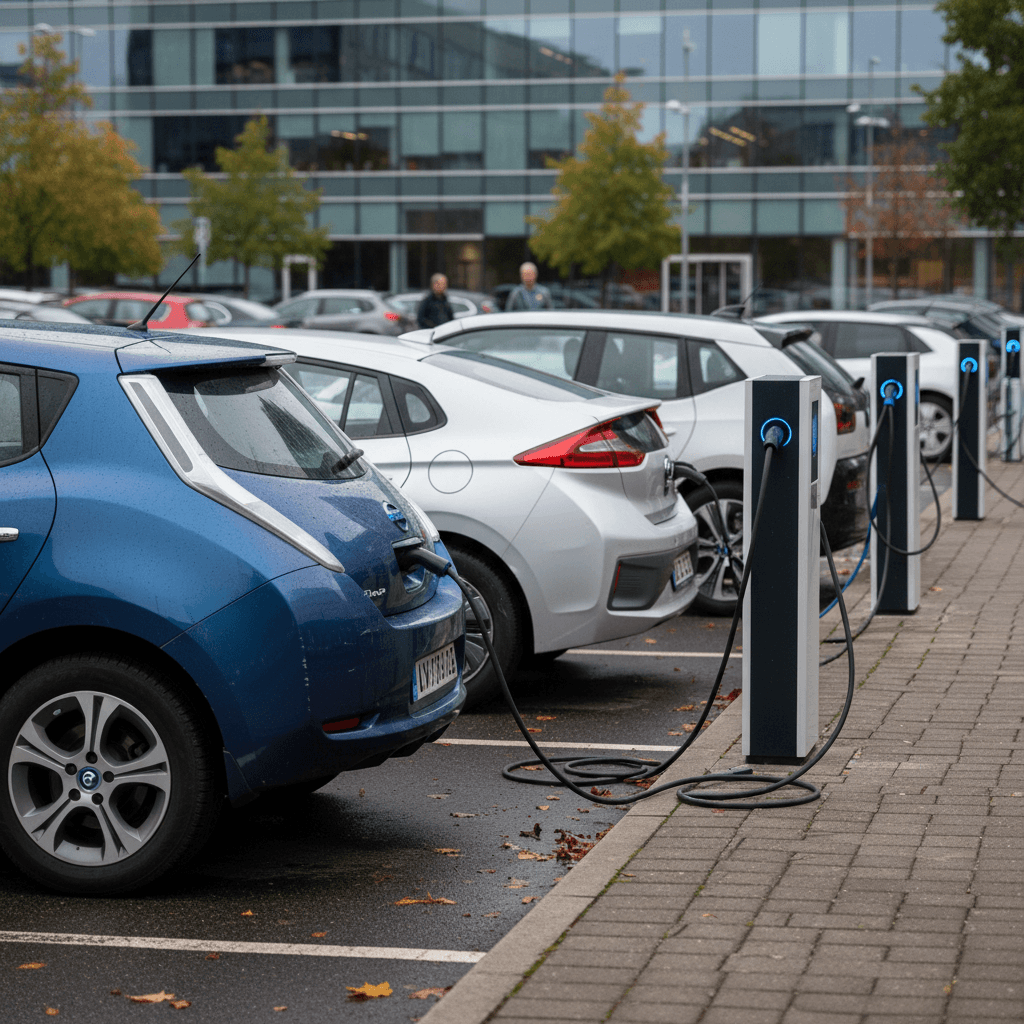
Apartments and condos are trickier. You may rely more on workplace or public Level 2 charging, which makes an efficient, modest‑range EV even more appealing.
5. Use smart charging features
Most modern EVs and many chargers let you set schedules, charge limits, and off‑peak windows. These are ideal for a short commute because you can ‘set it and forget it.’
Safety first
Will a short commute hurt my EV battery?
There’s a persistent myth that EV batteries “need to be driven” or cycled deeply to stay healthy. In reality, short, shallow daily use is easy duty for a modern lithium‑ion pack. The bigger risks are chronic extremes, sitting at 100% state of charge all the time, baking in high heat, or fast‑charging constantly, not a 20‑mile round trip to the office.
- Try to keep the battery mostly between about 20% and 80% for daily use if your car lets you set a charge limit.
- Avoid leaving the car at 100% for days on end, charge to full right before longer drives instead.
- In hot climates, park in the shade or a garage when you can; thermal management systems help, but physics still applies.
- Use DC fast‑charging as a convenience, not a lifestyle, especially for small‑battery commuters like the Leaf.
How Recharged checks battery health
How to choose the right EV for your commute
Let’s put the pieces together. Use this mini‑framework to go from “I should get an EV” to a short list that actually suits your 20‑mile lifestyle.
EV commute playbook: pick your path
Budget‑first commuter
Target older Nissan Leafs, Chevy Bolt EVs, and early Hyundai Ioniq Electrics.
Accept lower range in exchange for dramatically lower purchase price.
Prioritize verified battery health and remaining warranty over fancy tech.
Comfort & tech commuter
Look at Hyundai Kona Electric, Kia Niro EV, and newer Bolts or Model 3s.
Focus on seat comfort, driver‑assist features, and infotainment quality.
Make sure you like the driving position and visibility in real traffic.
Future‑proofed commuter
Consider newer EVs with longer range and fast‑charging chops.
Make NACS/charging‑network access part of your decision if you road‑trip.
Think of the car as both a commuter and your primary family vehicle.
Apartment/urban commuter
Prioritize efficiency and small size (Bolt, Leaf, Kona Electric).
Check your access to workplace or nearby public Level 2 charging.
Factor in parking ease and visibility on crowded city streets.
Test‑drive checklist for a 20‑mile commuter EV
1. Simulate your real route
On the test drive, pick roads similar to your actual commute, stop‑and‑go, highway on‑ramps, rough pavement. Don’t let the salesperson keep you on a perfect loop.
2. Listen for fatigue factors
Pay attention to road noise, seat comfort, and ride quality at the speeds you actually drive. Tiny annoyances become big ones by Friday afternoon.
3. Check one‑pedal driving
Try the regenerative braking modes. A good one‑pedal setup can make commuting smoother and more relaxing, especially in traffic.
4. Live with the tech
Pair your phone, try CarPlay/Android Auto, poke through menus, and judge the screen responsiveness. You’ll be using this every day.
5. Inspect cargo and rear space
Even if it’s just you most days, make sure the trunk and rear seats can handle groceries, luggage, or the occasional carpool without contortions.
6. Ask about charging history
For used EVs, ask how the previous owner charged the car and how often it fast‑charged. With Recharged, the Recharged Score does that homework for you.
FAQ: Best electric car for a 20‑mile commute
Frequently asked questions
Bottom line: the best EV for a 20‑mile commute
For a roughly 20‑mile daily commute, the best electric car is not the one with the biggest battery or the splashiest badge. It’s the one that slots into your life with almost boring ease: cheap to run, easy to park, quiet in traffic, and predictable on cold Monday mornings.
In practice, that means looking hard at used, efficient compact EVs like the Chevy Bolt EV, Nissan Leaf, Hyundai Kona Electric, and Kia Niro EV, and stepping up to a Tesla Model 3 or newer long‑range model only if you truly need the road‑trip muscle or tech. Pair that with simple, reliable home or workplace charging, and your 20‑mile commute becomes the least dramatic part of your day.
If you want help narrowing the field, Recharged can do the unglamorous homework for you, verifying battery health, fair pricing, and overall condition so you can focus on the fun part: choosing the EV that makes your daily drive feel quietly, efficiently over‑engineered for the job.