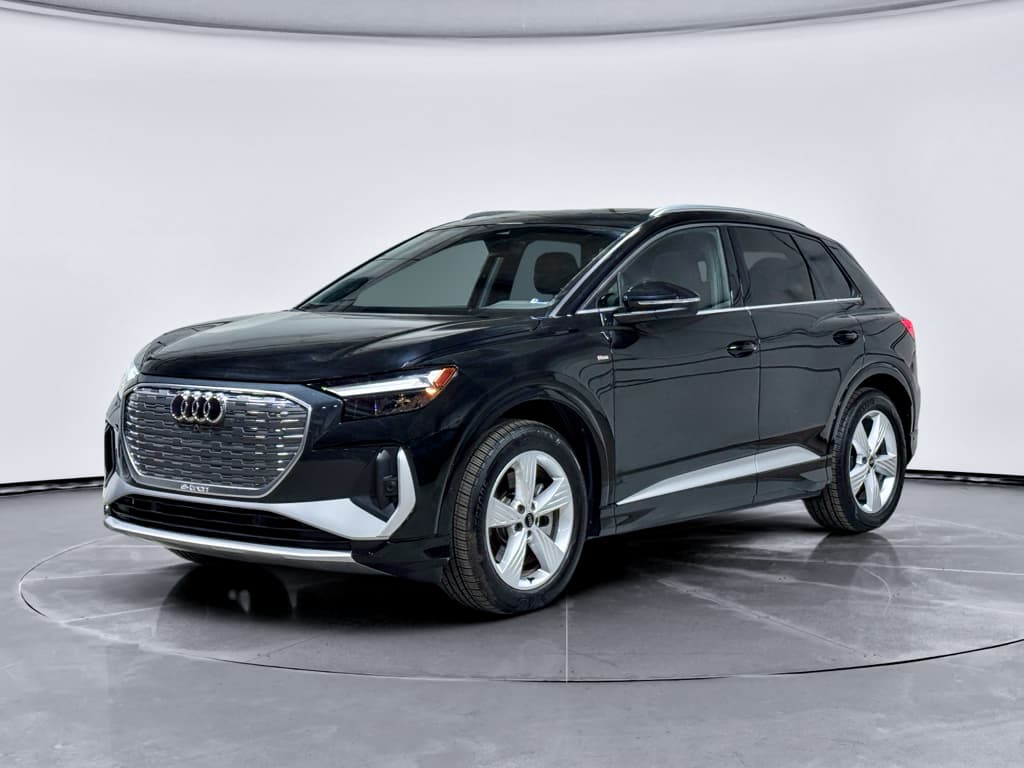
If you’re looking at an Audi Q8 e-tron, you’re probably expecting a higher insurance bill than a mainstream crossover. You’re right, but by how much? And what can you do about it? This guide breaks down real-world Audi Q8 e-tron insurance costs, why premiums are often higher for electric luxury SUVs, and practical ways to keep those numbers in check, especially if you’re considering a used Q8 e-tron from a retailer like Recharged.
Quick answer
Overview: How much does Audi Q8 e-tron insurance cost?
Audi Q8 e-tron insurance at a glance (2026 US market)
Different data sources calculate premiums in different ways, but they all point in one direction: the Audi Q8 e-tron is expensive to insure compared with an average gas SUV, and it sits in the same neighborhood as other high‑end EVs and German luxury models. That doesn’t mean you’re powerless, though, much of what you pay is driven less by the car itself and more by how, where, and how much you drive.
Don’t anchor on a single number
Why are Audi Q8 e-tron insurance rates relatively high?
What pushes Audi Q8 e-tron insurance up?
Think like an underwriter: what does your Q8 e-tron look like on a claim sheet?
It’s a large, heavy luxury SUV
Complex electronics & aluminum structure
EV‑specific battery risks
On the flip side, the Audi Q8 e-tron brings serious safety tech to the table. Recent model years come with advanced driver‑assistance systems and strong crash performance. Safety agencies rate the Q8 e-tron well for crashworthiness and pedestrian avoidance, which helps counterbalance repair costs in insurers’ models. In other words, the Q8 e-tron is costly to fix, but it’s also good at avoiding and protecting you in crashes, and both sides show up in your premium.
Safety works in your favor
8 key factors that change your Q8 e-tron premium
Insurers price risk, not just vehicles. When they look at an Audi Q8 e-tron, they’re really looking at you driving that vehicle in your real‑world situation. Here are the biggest levers that move your premium up or down.
What insurers care about most
1. Your driver profile
Age, years licensed, claims history, and any at‑fault accidents are huge drivers. A 45‑year‑old with a clean record will pay dramatically less to insure a Q8 e-tron than a 22‑year‑old in a high‑traffic metro, even with the same coverage.
2. Where you garaged the car
Urban, high‑theft, or severe‑weather zip codes tend to see higher comprehensive and collision rates. Rural or suburban drivers in low‑theft states often do much better, even on the same Audi.
3. Annual mileage and usage
Insuring a Q8 e-tron as a low‑mileage “second car” for weekend trips typically costs less than daily commuting 18,000 miles a year. When you quote, be honest about usage, insurers can and do re‑rate policies based on telematics or odometer data.
4. Coverage limits and deductibles
Higher liability limits and low deductibles give you more protection, but they raise premiums. Moving from a $500 to a $1,000 collision deductible can noticeably cut costs, though you’ll pay more out of pocket if you have a claim.
5. Credit‑based insurance score (in many states)
In most states, insurers use credit‑based scores as a proxy for risk. Strong credit usually earns better rates. A handful of states restrict or ban this practice, so impact varies regionally.
6. Trim, options, and MSRP
A fully loaded Q8 e-tron Prestige with larger wheels and more tech generally costs more to insure than a base Premium model, there’s simply more value to repair or replace.
7. Chosen insurer & discounts
The spread between insurers on the same Q8 e-tron can be $1,000+ per year. Bundling home and auto, telematics programs, advanced‑safety discounts, and EV or “green vehicle” discounts can all help.
8. New vs. used and loan/lease requirements
If your Q8 e-tron is financed or leased, the lender will typically require higher coverage limits and comprehensive/collision. A paid‑off used Q8 e-tron gives you more flexibility to raise deductibles or even drop comp/collision on an older model, if you’re comfortable with the risk.
Insurance costs by model year and trim
Because the Q8 e-tron is fairly new as a nameplate and data sets lag the market, not every site breaks out Q8 e-tron‑specific insurance averages. Still, we can triangulate from EV insurance data and broader Q8 numbers to understand the pattern.
Illustrative Audi Q8 e-tron insurance ranges by model year
These are directional ranges based on typical full‑coverage quotes in 2026 for U.S. drivers with clean records. Your actual rate will depend on your profile and location.
| Model year (Q8 e-tron) | Vehicle age | Typical annual full‑coverage range | Who usually lands here? |
|---|---|---|---|
| 2025–2026 | New | $2,800–$3,500+ | New‑car buyers, higher MSRPs, full coverage required by lender. |
| 2023–2024 | Lightly used | $2,400–$3,200 | Early depreciation helps; still high parts and repair costs. |
| 2021–2022 | Used | $2,000–$2,800 | Lower vehicle values start to ease comprehensive/collision costs. |
| Pre‑2021 e-tron SUV | Older | $1,800–$2,500 | Some owners raise deductibles or adjust coverage as the vehicle ages. |
Newer, higher‑value model years tend to cost more to insure, but older EVs keep some cost pressure because of parts and battery values.
How this compares to gas SUVs
How driving an EV changes your coverage needs
What stays the same
- Liability coverage: You still need to protect against injuries and property damage you cause to others. With a heavy, powerful EV like the Q8 e-tron, going beyond state minimums is smart.
- Collision & comprehensive: These cover damage to your own vehicle from crashes, weather, theft, vandalism, and animal strikes, regardless of powertrain.
- Medical or PIP coverage: Medical payments, PIP, or similar coverages (depending on your state) work the same whether your vehicle burns electrons or gasoline.
What’s different for EVs
- Battery and high‑voltage components: Damage here can quickly turn into a total loss, which insurers price into EV premiums.
- OEM parts & certified repair: Sticking with Audi‑approved parts and EV‑certified shops is often recommended, but that can cost more.
- Rental and loss‑of‑use: If you rely on your Q8 e-tron daily, consider higher rental reimbursement limits, repairs on high‑end EVs can take longer due to parts and technician backlogs.
Check for EV‑specific perks
7 ways to lower your Audi Q8 e-tron insurance cost
You can’t change the fact that the Q8 e-tron is a premium EV, but you have more control over your insurance bill than you might think. Here are levers that tend to move the needle most for owners.
- Shop widely, not just once. Rate spreads on a Q8 e-tron are often huge. Get quotes from at least three to five insurers, ideally including a couple that advertise strong EV or telematics programs.
- Bundle home and auto. If you own a home or condo, bundling with the same insurer can knock a meaningful percentage off your Q8 e-tron premium.
- Choose deductibles intentionally. Moving from a $500 to $1,000 deductible on collision and comprehensive will reduce premiums, but only do this if you can comfortably cover that higher out‑of‑pocket cost after a loss.
- Use telematics, if you’re a good driver. Many insurers offer apps or plug‑in devices that reward smooth braking, limited night driving, and low mileage. In a quiet, torquey EV, smoothness is your friend anyway.
- Take advantage of EV and safety discounts. Ask specifically about discounts for advanced driver‑assistance systems, anti‑theft, and electric vehicles. They’re not always applied automatically.
- Right‑size your coverage. New, financed Q8 e-trons generally warrant strong coverage and gap protection. On an older, paid‑off Q8 e-tron with a modest market value, you may choose higher deductibles or different comp/collision decisions.
- Keep mileage realistic. If you’re using your Q8 e-tron mostly for local errands and weekend trips, make sure your declared annual mileage reflects that. Overestimating by several thousand miles can quietly inflate your premium.
Short‑changing liability is a false economy
Used Audi Q8 e-tron insurance: what actually changes?
If you’re shopping the used market, which is exactly where Recharged focuses, the insurance story shifts in your favor, but not as dramatically as with a cheap compact car. That’s because even at five or six years old, a Q8 e-tron is still a high‑value, complex luxury EV.
New vs. used Q8 e-tron: insurance differences
Why a 3–5‑year‑old Q8 e-tron can be a sweet spot for total cost of ownership.
How used can help
- Lower replacement value: As the vehicle depreciates, comprehensive and collision portions of your premium usually ease down.
- More flexibility: A paid‑off used Q8 e-tron gives you the option to raise deductibles or adjust coverage to match your risk tolerance.
- Cheaper finance or no loan: With lower monthly car payments, or none at all, it’s easier to budget for a more robust insurance package without breaking the bank.
What doesn’t change much
- Repair complexity: The cost to replace an aluminum body panel or recalibrate driver‑assist sensors doesn’t drop with age.
- Battery value: Even an older pack is expensive, so insurers still price in the risk of high‑dollar total losses.
- Your driver risk: Tickets, claims, and local loss trends matter more than the model year stamped on the hatch.
How Recharged helps with used Q8 e-tron ownership
Where insurance fits in your total Q8 e-tron ownership budget
It’s easy to fixate on the monthly payment and forget that insurance is one of the biggest recurring costs of owning any luxury EV. For the Audi Q8 e-tron, 5‑year cost‑to‑own analyses from major sites consistently show insurance as one of the three largest expense lines, alongside depreciation and finance charges.
How insurance fits into a 5‑year Q8 e-tron cost picture
Illustrative breakdown for a new Audi Q8 e-tron over five years at 15,000 miles per year. Numbers are rounded to keep the picture simple and will vary by driver and deal.
| Cost category (5 years) | Approximate share of total costs | What drives it |
|---|---|---|
| Depreciation | ~40–50% | How quickly your Q8 e-tron loses value from its original price. |
| Insurance | ~10–15% | Premium level, driver profile, and coverage choices. |
| Financing | ~8–12% | Loan or lease terms, interest rate, down payment. |
| Energy (electricity) | ~5–8% | Local electricity rates, how much you drive, home vs. public charging mix. |
| Maintenance & repairs | ~5–10% | EVs avoid oil changes but still need tires, brakes, and occasional repairs. |
| Taxes & fees | ~5–8% | Up‑front sales tax and registration, plus annual state fees. |
Insurance is a major but not dominant share of total Q8 e-tron ownership costs, especially if you buy used and avoid steep new‑car depreciation.
Why many buyers go used for luxury EVs
FAQ: Audi Q8 e-tron insurance
Frequently asked questions about Audi Q8 e-tron insurance
The Audi Q8 e-tron combines the practicality of a large SUV with the refinement of an Audi and the instant torque of an EV, and insurers price it accordingly. Expect to pay more than you would for a mainstream crossover, but remember that you still control many of the levers that shape your premium, from your deductibles and coverage limits to the insurer you choose and the way you drive. If you’re considering a used Q8 e-tron, pairing a carefully vetted vehicle, backed by a Recharged Score Report and EV‑specialist support, with smart insurance decisions can make this flagship electric SUV far more affordable to live with over the long haul.