If you’ve watched Audi e-tron depreciation over the last few years, you know it hasn’t been kind. Early e-tron SUVs and even newer Q8 e-tron models have lost far more value than rivals, which hurts original owners, but creates some of the best used EV deals on the market right now if you buy carefully.
Key Takeaway
Why the Audi e-tron Depreciates So Fast
Before you judge the e-tron too harshly, it helps to understand why its resale value has taken such a hit. Several forces are working against first owners, and in your favor as a used shopper.
- Rapid EV tech improvements: The earliest 2019–2020 e-tron SUVs launched with real‑world range closer to 200 miles for many drivers. Newer EVs routinely offer 260–300+ miles, making older packs look dated on paper.
- Heavy MSRPs: Many e-trons left the showroom with stickers in the $75,000+ range. When incentives and used‑market reality caught up, resale values corrected hard.
- Competition from Tesla and new luxury EVs: Tesla’s ongoing price cuts and newer rivals like the BMW iX and Mercedes EQE SUV pushed used values down across the luxury EV segment, and especially on first‑generation products.
- Brand rename and phase‑out: Audi rebranded the original e-tron as the Q8 e‑tron and is now pivoting to newer EVs. Once a model is perceived as “yesterday’s tech,” depreciation accelerates.
Don’t Confuse Models
How Much Value the Audi e-tron Has Lost
Audi e-tron Depreciation by the Numbers
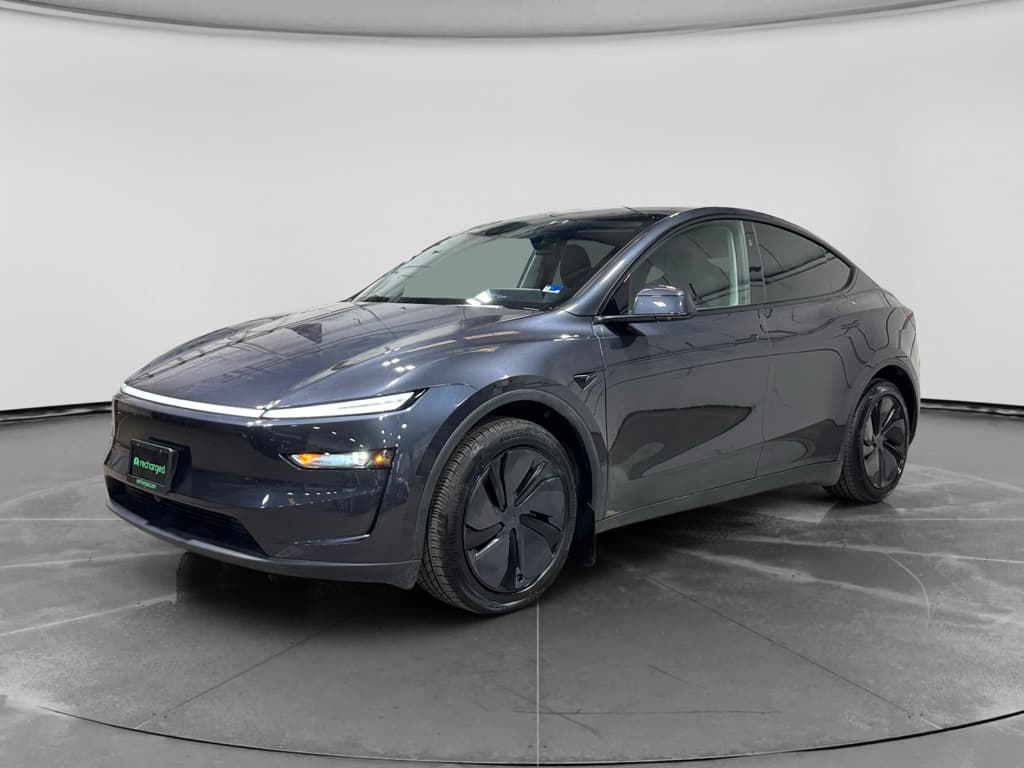
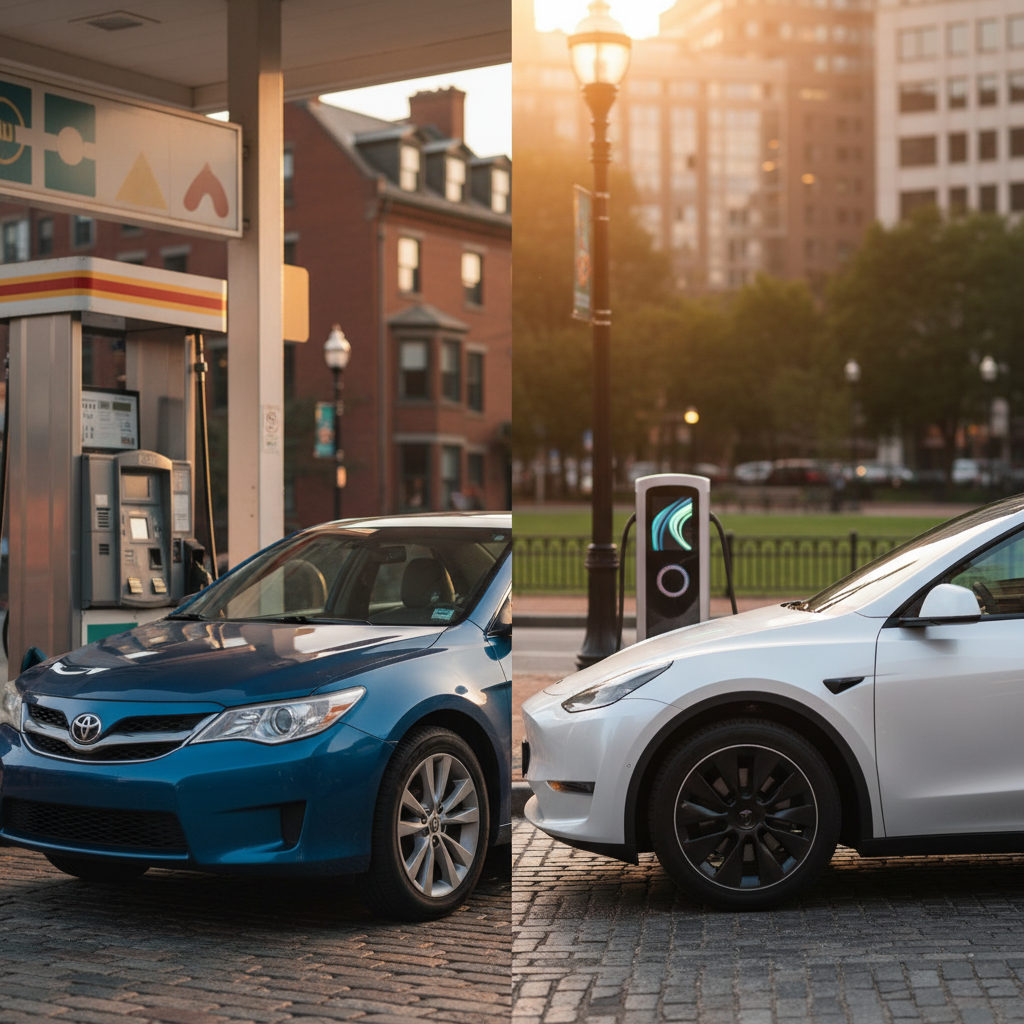
Data from multiple valuation sources shows the pattern clearly: the Audi e-tron is a heavy depreciator compared with the average EV and especially versus some Teslas. Studies comparing five‑year resale show the e-tron losing around 70% of its original value, compared with roughly 60% for a Tesla Model Y over the same period.
What That Means in Plain English
Why Heavy Depreciation Can Be a Win for You
When a vehicle loses value quickly, it’s painful for the first buyer, but the second or third owner can come out ahead. With the Audi e-tron, depreciation turns a flagship luxury EV into something priced more like a new mainstream crossover.
How e-tron Depreciation Favors Used Buyers
You’re paying for the car it is today, not the MSRP on the window sticker five years ago.
Luxury for Camry money
High safety, low price
Plenty of real‑world range
Where Recharged Fits In
Ready to find your next EV?
Browse VehiclesWhich Audi e-tron Models Make the Best Used Deals
Not every e-tron is created equal from a value standpoint. Some model years and trims combine friendlier pricing with better hardware, making them stronger long‑term bets.
Audi e-tron / Q8 e-tron Generations at a Glance
Where depreciation and everyday usability intersect for used buyers.
| Model years | Nameplate | Why consider it? | Approx. EPA range | Value sweet spot |
|---|---|---|---|---|
| 2019–2020 | Audi e-tron | First wave of depreciation already absorbed; often the lowest prices on the market. | ~204–218 mi | Best for budget buyers who drive modest daily miles. |
| 2021–2022 | Audi e-tron (updated) | Software tweaks and minor improvements; can offer better efficiency and newer tech. | ~222 mi | Good blend of price and freshness. |
| 2023 | Audi Q8 e-tron | Renamed, with aero and efficiency updates; more range and refinement. | ~265 mi (varies by trim) | Higher prices today but could age well if bought right. |
| Sportback variants | e-tron Sportback / Q8 e-tron Sportback | Same hardware with sleeker styling; sometimes less cargo but more curb appeal. | Similar to SUV | Great if you value style over max cargo space. |
Battery and range figures are EPA estimates; real‑world range varies with driving style, climate, and wheel size.
Don’t Chase the Newest Just Because It’s New
Price Targets: What a Fair Used Audi e-tron Deal Looks Like
Every local market is different, but depreciation data and current listings point to realistic price windows for shoppers in 2025. Think of these as starting benchmarks, not hard rules.
Sample Price Windows for Used Audi e-tron SUVs (U.S.)
Approximate retail asking‑price ranges assuming clean history and typical mileage.
| Model year | Odometer range | Target price range | Notes |
|---|---|---|---|
| 2019 e-tron | 45k–70k miles | $19,000–$25,000 | Where depreciation is deepest; prioritize strong battery health and service history. |
| 2020 e-tron | 35k–60k miles | $22,000–$28,000 | Often the best mix of price and remaining life for budget shoppers. |
| 2021 e-tron | 25k–50k miles | $26,000–$33,000 | You’ll pay more but typically get newer software and less wear. |
| 2022 e-tron | 15k–40k miles | $30,000–$38,000 | Good if you want something “nearly new” but still discounted vs. a new Q8 e‑tron. |
| 2023 Q8 e-tron | Under 25k miles | $40,000–$52,000 | Still relatively fresh; discounts are meaningful but not as dramatic yet. |
Your local market, mileage, options, and condition will push real prices above or below these bands.
How to Use These Ranges
Battery Health and Warranty: What Really Matters
With any used EV, and especially one that’s depreciated heavily, battery condition is the main line between a great buy and a headache. The good news: most e-tron packs have aged reasonably well when maintained and charged properly.
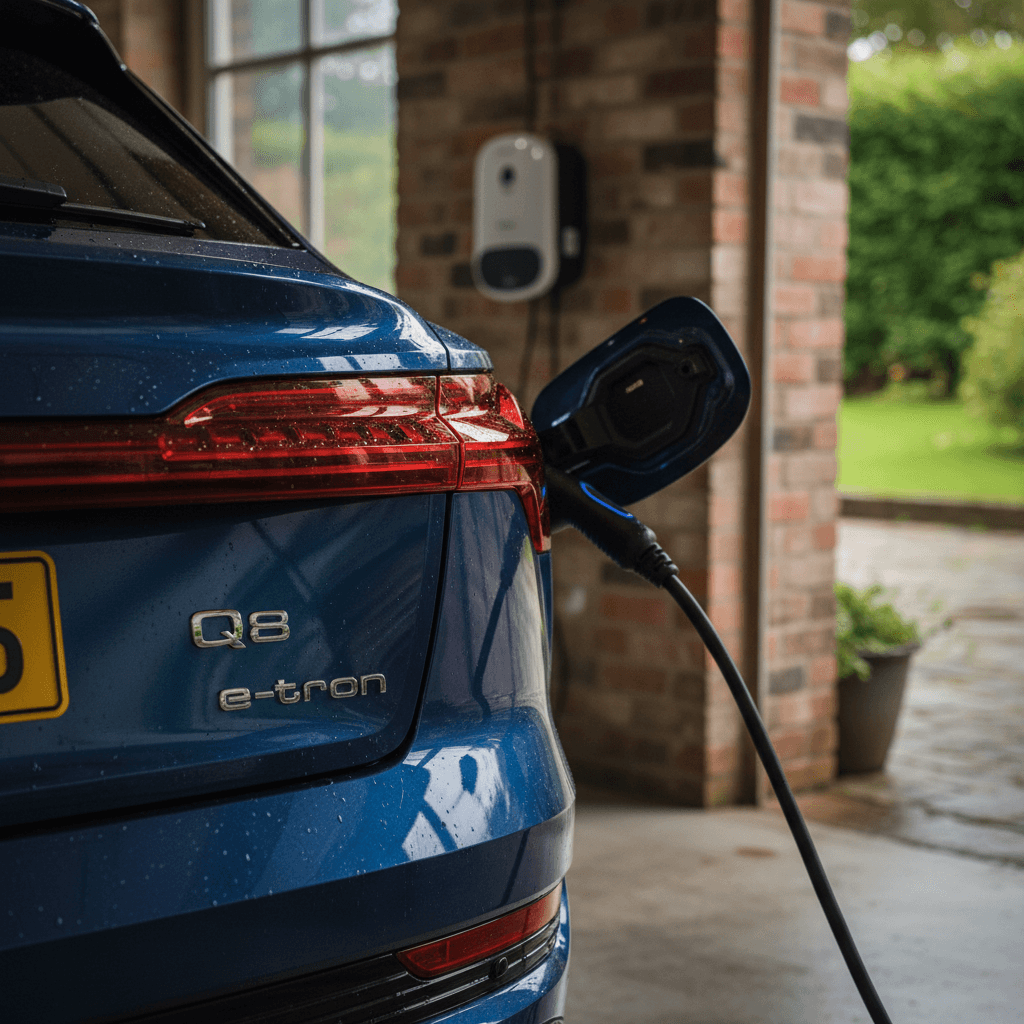
- High‑voltage battery warranty: In the U.S., Audi typically covers the e-tron’s main battery for 8 years or 100,000 miles (whichever comes first), against excessive capacity loss or defects. Many 2019–2020 models still sit under this umbrella in 2025, especially if mileage is modest.
- Capacity vs. range display: The dash range estimate reacts to recent driving. What you really care about is long‑term capacity (how many kWh the pack can still hold) relative to new.
- DC fast‑charging history: Occasional fast charging is fine, but heavy, repeated high‑power sessions, especially in hot climates, can accelerate wear. Ask for charging habits if buying privately.
- Battery health scans: Tools that read pack data (like what underpins the Recharged Score battery assessment) can gauge actual remaining capacity and flag imbalance between modules.
The One Corner You Shouldn’t Cut
Every used EV sold through Recharged includes a Recharged Score Report that pulls battery health into the open. Instead of guessing from the dash, you see how the pack compares to similar vehicles, how it’s been charged, and whether it’s trending like a normal, healthy e-tron or showing early warning signs.
Features, Trims, and Options That Add or Kill Value
Depreciation is only half the story. Certain options and configurations make an Audi e-tron easier to live with, and easier to resell down the road.
High-Value vs. Low-Value e-tron Features
What to prioritize when you’re comparing used listings.
Features that usually HELP resale
- Premium or Prestige trims with upgraded audio, driver‑assist, and comfort features.
- Cold‑weather package (heated steering wheel, heated rear seats) in northern climates.
- Smaller wheels (19" or 20") that improve ride and range versus 21" show wheels.
- Tow package if you plan to pull small trailers or bikes.
Features that can HURT resale
- Large, optional wheels that cut range and lead to expensive tire replacements.
- Odd color combos that narrow the future buyer pool.
- Aftermarket suspension or wheel mods that may worry conservative buyers.
- Missing DC fast‑charge history when paired with high mileage, raises battery‑care questions.
How the Audi e-tron Compares to Other Used Luxury EVs
Used‑market shoppers rarely look at the e-tron in isolation. You’re probably also cross‑shopping Tesla’s SUVs and maybe a Jaguar I‑Pace, Mercedes EQC/EQE SUV, or BMW iX. Here’s how the e-tron typically stacks up.
Audi e-tron vs. Other Used Luxury EV SUVs
General patterns in depreciation and ownership experience.
| Model | Typical 5-yr depreciation | Used price vs. original | Stand-out strengths | Where Audi e-tron wins |
|---|---|---|---|---|
| Audi e-tron / Q8 e-tron | High (~70%) | Often low‑ to mid‑$20Ks from ~$70K+ new | Quiet, comfortable, traditional luxury SUV feel. | Usually the cheapest way into a German luxury EV SUV with Quattro all‑wheel drive. |
| Tesla Model Y | Lower (~60%) | Prices often higher than e-tron for similar age. | Range, charging network, efficiency. | e-tron can be thousands cheaper for similar space and luxury feel. |
| Jaguar I‑Pace | Very high (70%+ in many studies) | Deeply discounted but older tech and smaller dealer network. | Unique styling, strong performance. | Audi has broader service support and more conventional SUV packaging. |
| Mercedes EQC / early EQE SUV | High | Large MSRP drop; used prices still often above e-tron. | Cabin design, brand cachet. | e-tron undercuts many on price while offering similar comfort and safety. |
This table is directional, not exhaustive. Always compare specific vehicles on price, condition, and battery health.
Who the e-tron fits best
- Drivers who prioritize comfort and refinement over absolute maximum range.
- Owners with access to reliable home or workplace charging.
- Shoppers who want German luxury quality without the new‑car sticker shock.
Who might be better off elsewhere
- Road‑warriors who routinely drive 250–300+ miles in a day without easy charging.
- Buyers in regions with sparse Audi dealer coverage for EV service.
- Drivers who value cutting‑edge driver‑assist tech over classic luxury cues.
Checklist: How to Buy a Used Audi e-tron the Right Way
If you’re serious about turning Audi e-tron depreciation into a smart purchase, structure your search like an appraiser would. This checklist walks you through the major steps.
Used Audi e-tron Buyer’s Checklist
1. Define your real‑world range needs
Write down your longest regular days, commute, errands, kids’ activities, and add a buffer. If you rarely exceed 120–150 miles in a day, even early e-tron models can work well.
2. Set a realistic total budget
Include taxes, registration, home charging upgrades, and insurance. Decide whether you’re targeting a high‑teens 2019 model, a low‑$30Ks 2021, or a newer Q8 e‑tron.
3. Screen listings with price sanity checks
Compare asking prices against the depreciation‑based ranges in this guide. Walk away from outliers unless there’s a clear reason, like ultra‑low miles or unusual options.
4. Demand a battery health report
Whether you buy through a dealer, marketplace, or private seller, don’t rely on the dash alone. Ask for a third‑party battery scan, or look for a Recharged Score Report that already includes this data.
5. Verify remaining warranties
Confirm in writing how much of the 8‑year/100,000‑mile high‑voltage battery warranty is left, plus any extended coverage from Audi or the selling dealer.
6. Inspect for tire, brake, and suspension wear
Heavy EVs like the e-tron can eat through tires and suspension components. Look for even tire wear, listen for suspension clunks, and budget for replacements if needed.
7. Test charging at home and on DC fast charge
If possible, plug the vehicle into your home Level 2 charger and a nearby DC fast charger before purchase to confirm normal charge rates and stable behavior.
8. Run a history report and check recalls
Pull a vehicle history report to verify title status and accident history, and confirm that open recalls or software campaigns have been addressed at an Audi dealer.
FAQ: Audi e-tron Depreciation & Used Deals
Frequently Asked Questions About Audi e-tron Depreciation
Bottom Line: Turning Audi e-tron Depreciation Into a Smart Buy
The Audi e-tron’s steep depreciation is headline‑worthy, but it doesn’t make the vehicle a bad product. It makes it a different kind of opportunity. For the right driver, someone with regular access to charging, realistic range expectations, and an eye for value, a used e-tron or Q8 e‑tron can deliver German‑luxury comfort and Quattro confidence for the price of a new mainstream SUV.
Your job is to buy the depreciation, not fear it: target realistic price ranges, insist on a clear picture of battery health, and favor trims and options that will age well. Platforms like Recharged are built around exactly that idea, combining verified battery diagnostics, fair‑market pricing, financing, and trade‑in options with nationwide delivery so you can shop the best used e-tron deals, without wondering what’s hiding under the floor.