When people talk about American EVs, they might mean cars built in the U.S., brands with American roots, or simply electric models that qualify for U.S. incentives. In 2025, those lines blur more than ever: Tesla still sells nearly half of all EVs in the country, while Ford, GM, Rivian, Lucid and others are racing to catch up. This guide cuts through the noise so you can decide whether an American EV, especially a used one, fits your budget, values and daily life.
Quick snapshot: American EVs in 2025
What we really mean by “American EVs” in 2025
The phrase American EVs sounds simple until you try to pin it down. Is a Hyundai IONIQ 5 built in Georgia more or less “American” than a Tesla Model 3 made in California or Texas? Does a U.S. headquarters matter more than the factory location, or the battery supply chain?
1. American brands
These are companies with U.S. roots and headquarters, like Tesla, Ford, General Motors (Chevrolet, GMC, Cadillac), Rivian, Lucid and others. For many shoppers, buying from these brands feels like supporting the domestic auto industry.
2. American-built EVs
These are EVs whose final assembly happens in North America, the U.S., Canada or Mexico. That’s what matters for most federal tax rules. Some are from American brands, others from global brands investing in U.S. factories.
For incentives and long‑term support, what usually matters most is where the EV is assembled and where its battery materials and components come from. You’ll see why that matters when we get to tax credits, but it’s also a good lens for thinking about the long‑term stability of parts, service and software support.
The big American EV players: Tesla, Ford, GM and more
How American EV brands shape today’s U.S. market
Who’s who among American EV makers
Each brings a different personality to the plug‑in party.
Tesla
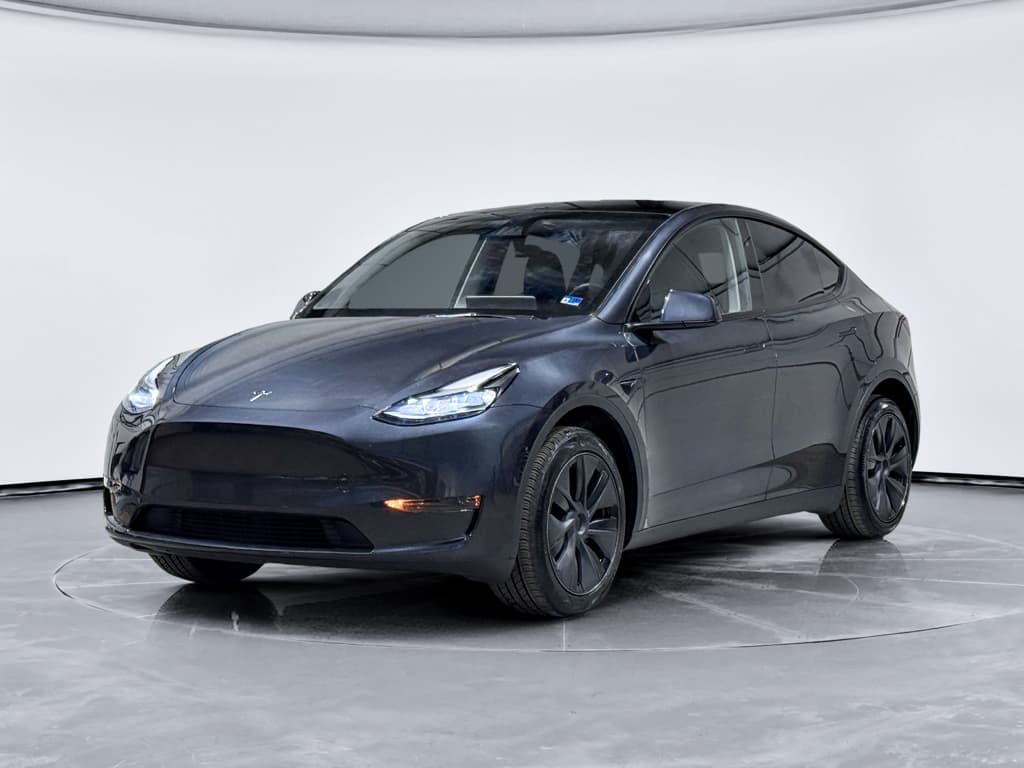
Still the volume leader in American EVs, with the Model Y and Model 3 dominating sales. Known for fast charging, over‑the‑air updates and a minimalist interior design that some drivers love and others… don’t.
Ford
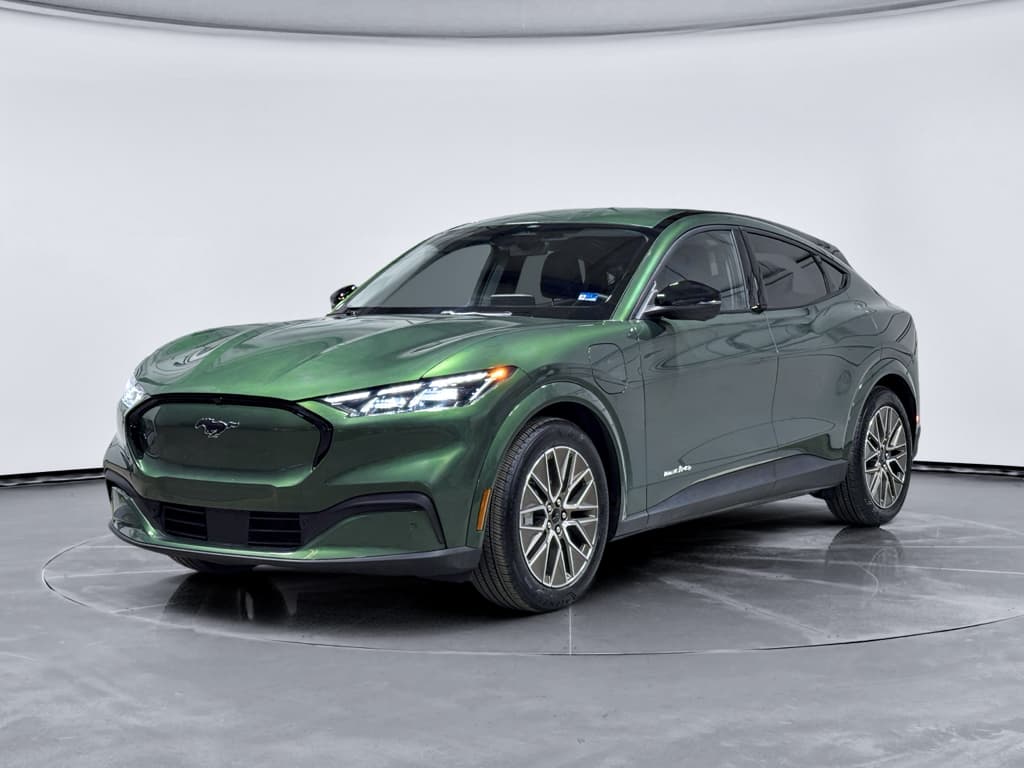
Ford leans into its heritage with the Mustang Mach‑E and F‑150 Lightning. If you like the idea of an electric truck or a sporty SUV with a familiar badge, Ford is front and center.
GM (Chevrolet, GMC, Cadillac)
GM is pivoting hard to EVs with the Chevy Equinox EV, Blazer EV, Cadillac Lyriq and electric pickups from Chevy and GMC, all riding on its Ultium battery platform.
Rivian
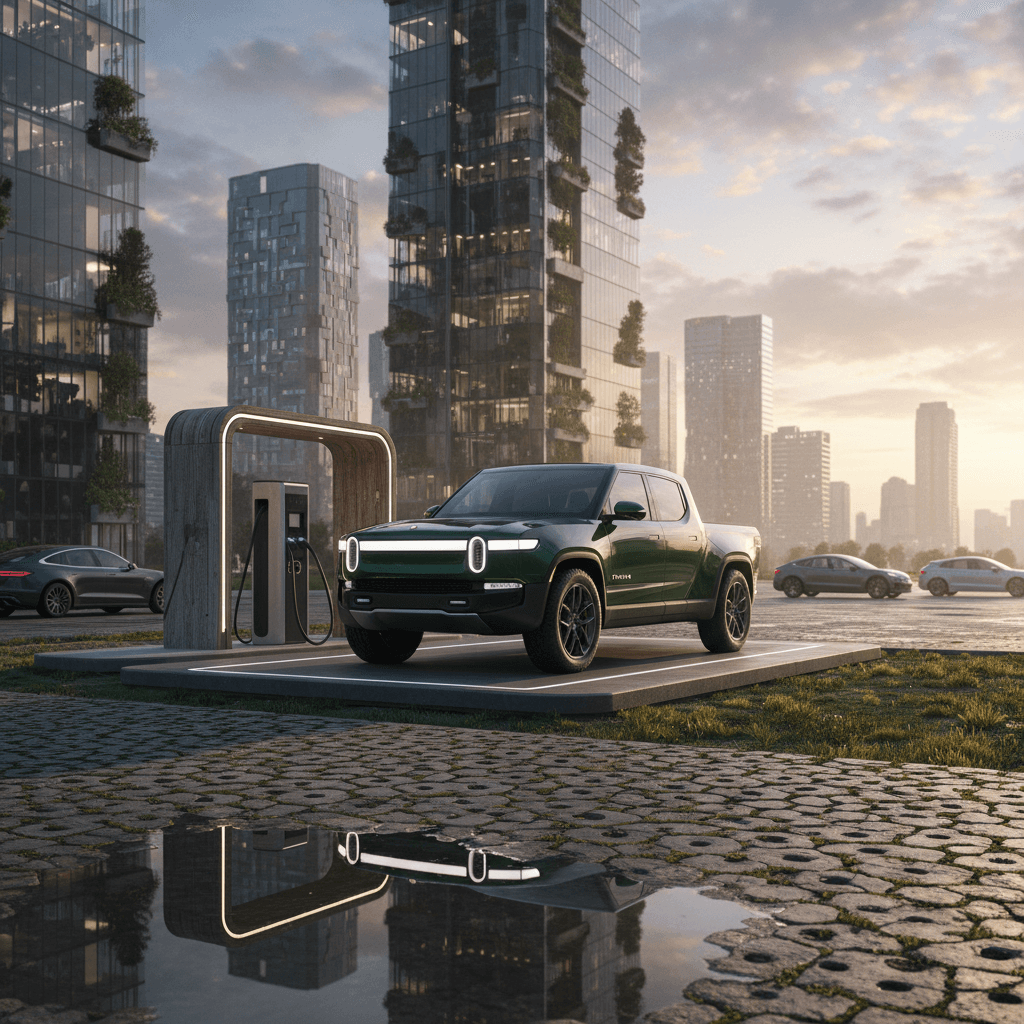
Rivian’s adventure‑oriented R1T pickup and R1S SUV made a splash with outdoorsy styling and clever storage. Newer, more affordable models are on the way to broaden its appeal.
Lucid
Lucid plays in the luxury lane. The Air sedan offers serious range and performance, and newer models aim to bring its tech to more accessible price points over time.
Up‑and‑coming & niche
From commercial vans to work trucks and specialty vehicles, a handful of smaller American companies are chasing niche EV segments you’re unlikely to find at a typical dealership.
Tip for sorting the field
Standout American EV models to know
You don’t need to memorize every spec sheet. Instead, it helps to know a few reference models, EVs that set the tone for how American brands are approaching the market today. Think of these as landmarks on the map.
Snapshot: Key American EV models (new and used)
These aren’t the only American EVs on the road, but they’re good reference points when you’re shopping, especially on the used market.
| Model | Brand | Type | Typical EPA range (approx.) | What it’s best at |
|---|---|---|---|---|
| Model Y | Tesla | Compact SUV | 260–330 miles | All‑rounder family EV with huge charging network access. |
| Model 3 | Tesla | Sedan | 250–330 miles | Efficient commuter with sporty feel and strong resale. |
| Mustang Mach‑E | Ford | SUV | 240–320 miles | Stylish crossover; widely available used and new. |
| F‑150 Lightning | Ford | Pickup | 230–320 miles | Work + family truck with serious torque and onboard power. |
| Equinox EV | Chevrolet | SUV | 250–320 miles | Mainstream compact SUV aimed at first‑time EV buyers. |
| Lyriq | Cadillac | Luxury SUV | 300+ miles | Quiet, upscale cruiser for longer trips and comfortable commuting. |
| R1T | Rivian | Pickup | 270–350 miles | Adventure‑focused truck for towing, camping and trail duty. |
| R1S | Rivian | SUV | 270–350 miles | Three‑row SUV with off‑road chops and camping‑friendly features. |
| Air | Lucid | Luxury sedan | 300–400+ miles | High‑end long‑range highway touring with serious performance. |
Always confirm exact trim, range and equipment on the actual vehicle you’re considering.
Ranges are estimates, not promises
Tax credits and why American assembly matters
One reason people search for American EVs is simple: incentives. Federal rules tie the EV tax credit to final assembly in North America and to where battery minerals and components come from. Those details can be the difference between thousands of dollars on the hood, or no credit at all.
- Final assembly must happen in North America for a vehicle to be considered at all for the main federal EV credit under Section 30D.
- There are separate content rules for critical minerals and battery components that determine how much of the $7,500 credit a car actually qualifies for.
- Price caps and income limits also apply, and these thresholds have shifted over time.
- Used EVs can qualify for a separate, smaller credit with their own rules, regardless of whether they’re from an American or international brand.
2025 snapshot (high level, not tax advice)
Because so many global automakers are building factories in the U.S., the list of qualifying vehicles changes often. Some American‑brand models miss the credit if their batteries don’t meet sourcing rules, while some non‑American brands built in the U.S. do qualify. In other words, a flag on the hood doesn’t guarantee a tax break, the build sheet does.
How to actually check a specific car
American EVs vs. imported EVs: What’s the real difference?
On paper, American EVs and imported EVs increasingly share components, suppliers and even platforms. Hyundai and Kia build EVs in the U.S. alongside American brands. Tesla has factories in multiple countries. So what actually separates an American EV from a foreign‑branded one in your driveway?
Where American EVs often shine
- Better access to U.S. incentives when final assembly and battery sourcing are dialed in.
- Parts and service footprint that leans on existing dealer or service networks (Ford, GM) or dedicated facilities (Tesla, Rivian).
- Designed for U.S. driving patterns, think big cabins, towing, road‑trip range and cold‑weather options.
Where imports compete hard
- Value and packaging: Some Korean and Japanese EVs offer generous equipment and efficient packaging at lower prices.
- Refinement: Many imported EVs prioritize ride comfort and quiet over performance.
- Unique form factors: Not every American brand offers a compact city EV or plug‑in that fits tight urban parking.
Don’t over‑romanticize the badge
Buying a used American EV: What to look for
Used American EVs are where the value gets interesting. Early Tesla Model 3s, off‑lease Mustang Mach‑Es and first‑generation Cadillac Lyriqs or Rivians bring serious capability at prices that, in many markets, now compete with well‑equipped gas crossovers. The trade‑off is uncertainty: battery health, remaining warranty and past fast‑charging habits aren’t obvious from a glossy listing.
Used American EV buying checklist
1. Verify battery health, not just mileage
Two cars with the same odometer reading can have very different battery conditions. Look for a <strong>verified battery health report</strong> rather than relying on the dash’s range estimate. Small capacity losses are normal; big ones are a red flag.
2. Understand fast‑charging history
Frequent DC fast charging isn’t automatically bad, but extreme high‑power charging on a hot battery can speed up degradation. Ask for charging history where possible, and pay attention to how quickly the car currently charges at DC stations.
3. Check software and feature status
Some American EVs offer software‑locked features or subscription options (driver‑assist suites, connectivity, performance boosts). Confirm what’s included, what’s transferable and what might cost extra down the road.
4. Confirm warranty and recall coverage
Battery and drive unit warranties often extend well beyond the basic bumper‑to‑bumper coverage. Check remaining years and miles, plus whether any open recalls have been addressed.
5. Inspect for towing and heavy use
Electric trucks and SUVs like the F‑150 Lightning and Rivian R1T often tow or haul. That’s what they’re built for, but heavy use can stress tires, suspension and, in extreme cases, the battery. Look for uneven tire wear, hitch usage and underbody damage.
6. Test charging at home and in public
If you’re serious about a particular used EV, test it with your home outlet or Level 2 charger and, if you can, a DC fast charger. You’ll quickly see whether charging speeds and connector compatibility match your expectations.
Why battery transparency matters
How Recharged helps you shop used American EVs with confidence
If you like the idea of an American EV but not the idea of guessing about its battery, pricing or history, you don’t have to go it alone. Recharged is built around making used EV ownership simple and transparent, whether you’re hunting for a Tesla, a Ford, a GM model, a Rivian or something more niche.
What you get when you shop used American EVs with Recharged
Designed specifically around how EVs age and how people actually buy them.
Recharged Score battery diagnostics
Every vehicle comes with a Recharged Score Report that includes verified battery health, so you can see how that American‑built pack has aged in real life, not just on paper.
Fair, EV‑savvy pricing
Recharged benchmarks used EVs against the market and their battery condition. That means pricing that reflects real‑world range and value, not just mileage and trim.
Financing, trade‑in and instant offers
You can finance, trade in your current car, or get an instant offer or consignment support, all tuned to EV buyers and sellers rather than gas‑car assumptions.
Nationwide delivery & Richmond Experience Center
Buy fully online with nationwide delivery, or visit Recharged’s Experience Center in Richmond, VA if you’d rather walk around real cars and ask questions in person.
EV‑specialist support
From charging options to road‑trip planning and home setup, EV specialists help you choose the right American EV for your routines, not just the one with the splashiest ad campaign.
Fully digital, transparent process
Browse, compare and sign online at your pace. Every listing includes the details that matter to EVs, battery health, charging speed, connector type, and more.
Ready to find your next EV?
Browse VehiclesThe future of American EVs: What’s coming next
Even with policy headwinds and changing incentives, American EV programs aren’t going back in the bottle. Automakers have sunk billions into U.S. battery plants, assembly lines and charging partnerships, and they’re not walking away from that overnight.
Where American EVs are headed over the next few years
What you’ll see from vehicles
More <strong>mid‑priced SUVs and crossovers</strong> from American brands, not just halo trucks and luxury models.
Longer‑range base trims as battery tech improves and costs come down.
Compact and entry‑level EVs aimed at first‑time buyers, including college‑town and city‑living options.
Increased standardization around the <strong>NACS</strong> charging connector so you can use more fast‑charging networks with one port.
What you’ll see from policy & infrastructure
Evolving federal and state incentives tied to domestic manufacturing and battery sourcing.
More investment in public DC fast charging along highways and in underserved regions.
Shifting tariffs and trade policies that may make American‑built EVs more competitive, or more expensive, depending on the year.
Growing support from utilities for time‑of‑use rates that reward smart home charging.
EVs built, engineered or supported in the U.S. are no longer science‑project cars. They’re just cars, and for many drivers, they’re already the better everyday choice.
FAQ: American EVs, incentives and used buying
Frequently asked questions about American EVs
Bottom line: Should your next car be an American EV?
If you like the idea of driving electric and supporting American manufacturing, you have more options in 2025 than at any point in history, from accessible Tesla sedans and Ford crossovers to GM’s new wave of Ultium‑powered SUVs, plus Rivian and Lucid at the enthusiast and luxury ends of the spectrum. The smart move is to focus less on the flag on the hood and more on the fit with your life: range, charging, space, budget and how long you plan to keep the car.
For many drivers, a used American EV hits the sweet spot: modern tech, lower running costs and a price that doesn’t feel like a moonshot. With tools like the Recharged Score, transparent battery health diagnostics and EV‑savvy pricing, you can shop those cars with the same confidence you’d have scanning a window sticker on a brand‑new model. That’s the real promise of American EVs today, not just where they’re built, but how much easier they make it to live electric every day.