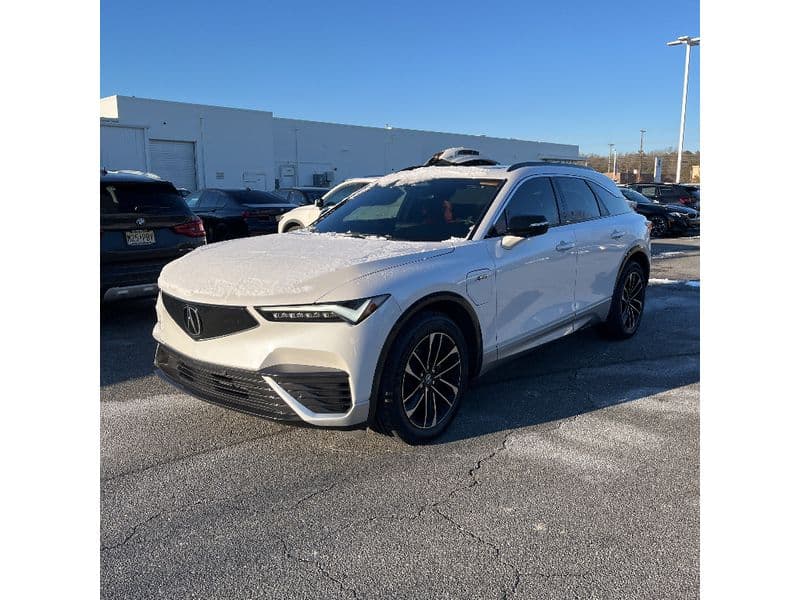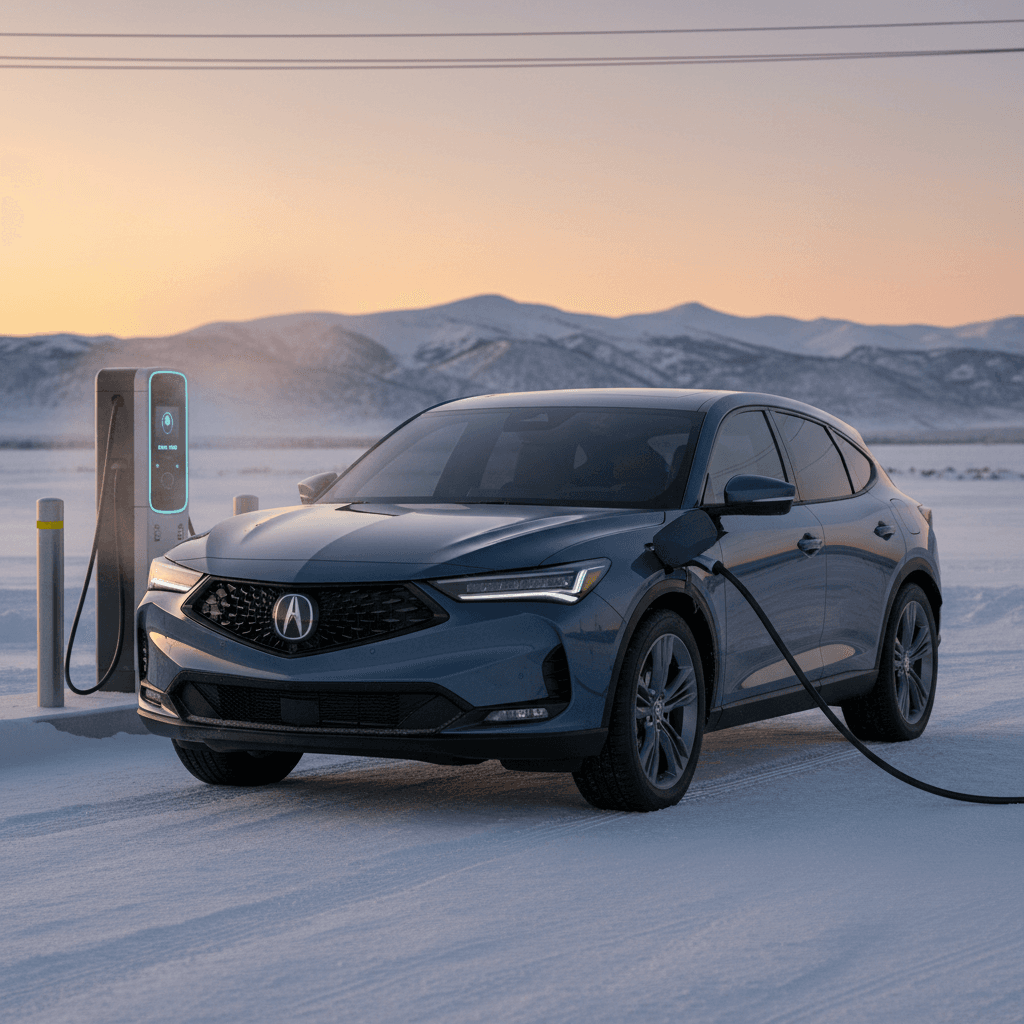
If you’re considering an Acura ZDX or already have one in the driveway, winter range is probably high on your list of questions. The short answer: most drivers see an Acura ZDX winter range loss percentage in the 15–30% band in typical cold weather, with more extreme drops possible in deep freezes or on lots of short trips. Let’s break down what that actually means for daily driving, road trips, and used‑ZDX shoppers.
Why winter range loss matters
Acura ZDX winter range loss: big picture
Acura doesn’t publish an official “winter range” number for the ZDX. What we have instead are EPA range ratings, general EV cold‑weather data, and early owner reports from cold‑weather states. Put together, they paint a consistent picture: the ZDX behaves a lot like other mid‑size luxury EV crossovers in the cold.
Acura ZDX range and typical winter loss at a glance
Industry‑wide studies of EVs in freezing conditions consistently show that most modern EVs retain roughly 75–85% of their rated range around 20°F when driven normally with the cabin heated. The ZDX, built on GM’s Ultium platform and equipped with a heat pump HVAC system, slots right into that pattern. In plain English: you typically lose about a quarter of your rated range in routine winter use, sometimes a bit less, sometimes more depending on how and where you drive.
EPA range vs. real-world Acura ZDX winter range
To understand winter losses, you first need to anchor on the EPA combined range ratings for the main ZDX trims (for 2024 in the U.S.):
2024 Acura ZDX EPA range vs. realistic winter range
Approximate real‑world winter ranges assume steady highway driving around freezing temperatures with the cabin heated and a healthy battery.
| Trim | Drivetrain | EPA Combined Range (mi) | Mild Winter (~32°F) Likely Range (mi) | Cold Winter (~20°F) Likely Range (mi) |
|---|---|---|---|---|
| ZDX A-Spec RWD | Single motor | ≈313 | 235–260 (15–25% loss) | 215–240 (20–30% loss) |
| ZDX A-Spec AWD | Dual motor | High 200s–low 300s | 210–240 | 195–225 |
| ZDX Type S AWD | Dual motor | 278 | 200–225 | 185–210 |
These are estimates based on EPA ratings plus observed cold‑weather loss patterns for modern EVs on the Ultium platform. Your actual results will vary with speed, wind, terrain, and how you use climate control.
These are estimates, not guarantees
The key takeaway is that an Acura ZDX winter range loss percentage in the mid‑teens to upper‑20s is normal when you’re seeing freezing temperatures but not polar‑vortex extremes. Driving at 75–80 mph, combining high speeds with aggressive cabin heating, or stringing together 2–5 mile errands can push that toward 30–35%.
Typical Acura ZDX winter range loss percentages
Because the ZDX is still a relatively new EV, we don’t yet have decade‑long data sets. But between broader EV winter studies, Ultium‑platform behavior, and early Acura owner reports from places like New Jersey, Connecticut, and the upper Midwest, a realistic pattern for Acura ZDX winter range loss percentage looks like this:
ZDX winter range loss bands you’re likely to see
Think in ranges, not single numbers, conditions matter more than the badge.
Cool weather (40–55°F)
Range loss: ~5–15%
- Light jacket weather, roads dry
- Heat pump runs efficiently at low cabin settings
- Highway at 65–70 mph often still feels close to EPA range
Typical winter (20–35°F)
Range loss: ~15–30%
- Most U.S. winter days in colder states
- Cabin heat + battery conditioning eat into range
- Short trips hurt more than long, steady drives
Deep cold (below 10°F)
Range loss: ~25–40%+
- Arctic blasts, heavy snow, strong winds
- Heater may draw several kW continuously
- Fast charging slows, especially if battery is cold‑soaked
How ZDX compares to other EVs
6 factors that change your ZDX’s winter range
When you hear someone say they’re losing “40% in winter” and another claim “only 10–15%,” they’re both probably right, for their specific use case. Here are the six levers that matter most for your own Acura ZDX winter range loss percentage.
- Ambient temperature – Moving from 40°F down to 0°F dramatically increases battery and cabin‑heating losses.
- Trip length – Short hops are worst. Pre‑heating and initial battery warming are a big fixed energy hit that gets amortized over a longer drive.
- Speed and wind – Pushing 75–80 mph in a headwind can easily add another 10–15 percentage points of loss versus calm 60–65 mph cruising.
- Cabin comfort – High temp setpoints, max fan speed, and heated seats/steering all stack on top of each other. The ZDX’s heat pump is efficient, but it’s not magic.
- Road conditions – Wet, slushy, or snowy pavement adds rolling resistance, and traffic that constantly speeds up and slows down wastes energy.
- Battery health and state of charge – A healthy pack at 40–80% state of charge responds better than a degraded pack that’s frequently left full or very low.
Use the ZDX’s energy screens
How much winter range you can expect by scenario
Let’s translate percentages into real miles so you can sanity‑check winter range against your life. We’ll use the ZDX A‑Spec RWD at about 313 miles of EPA range as an easy reference point and then adjust for conditions. You can apply the same percentages to the Type S or AWD A‑Spec by starting from their EPA numbers instead.
Scenario 1: Suburban commute, cold but not brutal
Conditions: 25–35°F, mostly 45–60 mph, mix of city and suburban, car garaged overnight.
- Typical winter loss: 15–20%
- Practical range window: 250–265 miles per full charge on the A-Spec RWD
- Comfort: Normal cabin temps, heated seats on low
For many commuters in the Northeast or Midwest, this is the “new normal” outcome: you don’t see full EPA numbers, but you’re nowhere near stranded either.
Scenario 2: Interstate road trip in freezing temps
Conditions: 20–30°F, 70–75 mph highway cruising, modest headwind, minimal traffic.
- Typical winter loss: 25–30%
- Practical range window: 215–235 miles per full charge on the A-Spec RWD
- Planning rule of thumb: Use 70–75% of EPA as your planning number for charging stops
This is where careful route planning and realistic expectations shine. If your navigation app says 210 miles to the next DC fast charger, don’t depart with 230 miles showing and hope for the best.
Scenario 3: Urban errands and school runs
Conditions: 15–30°F, lots of 2–6 mile trips with the car sitting cold between stops.
- Typical winter loss: 25–35%
- Effective range often feels like: 200–230 miles on a “full charge”
- Why it’s worse: You’re paying the warm‑up penalty repeatedly while barely putting miles on the odometer.
If this is your lifestyle, leaning on pre‑conditioning while plugged in and using heated seats instead of cranking cabin temps can noticeably improve your effective winter range.
Scenario 4: Deep‑freeze highway run
Conditions: Single‑digit temps or colder, 70+ mph, possibly snow and wind.
- Potential winter loss: 30–40%+
- Practical range window: 185–215 miles on A-Spec RWD; 170–200 miles on Type S
- Charging: Expect slower DC fast charging if the battery is truly cold‑soaked.
This is when you want extra margin, arrive at chargers with 15–25% rather than 5–10%, and don’t stretch between stations just to save one stop.
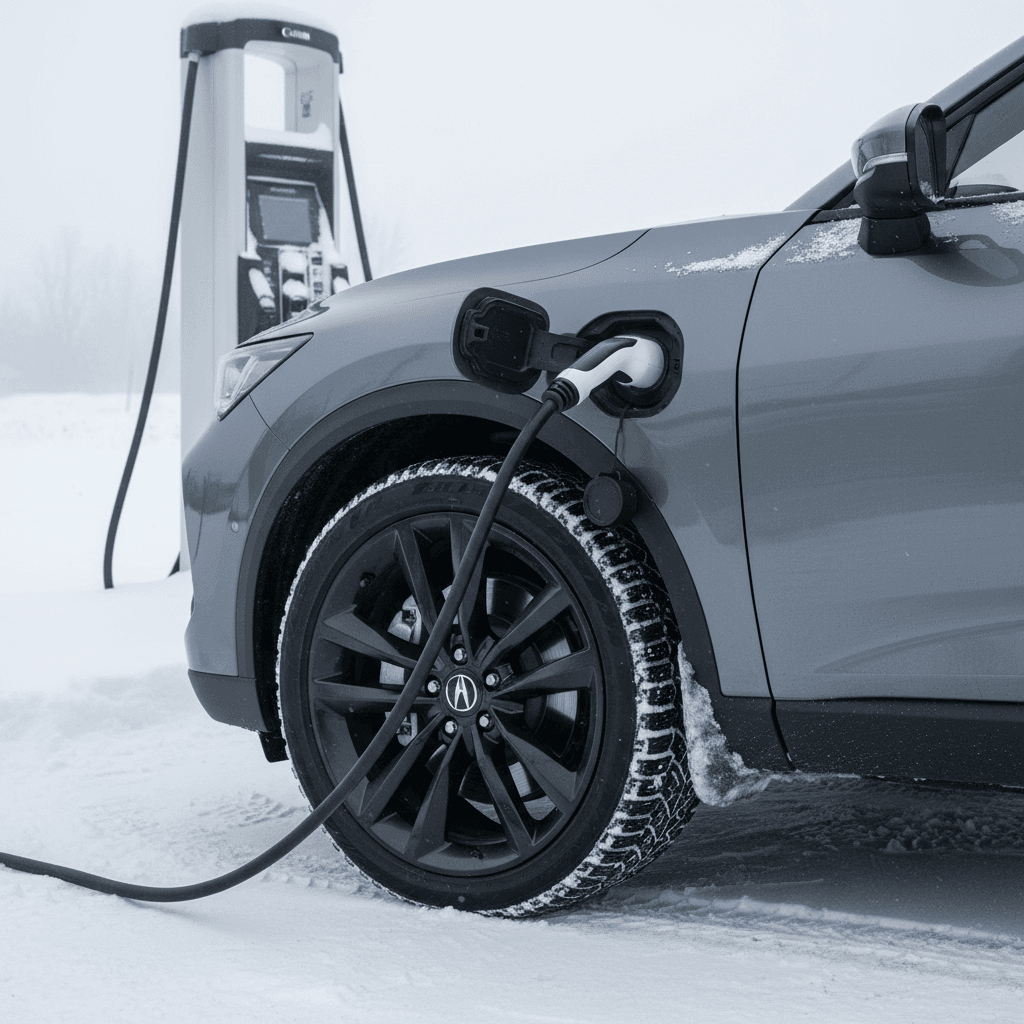
Driving tips to cut Acura ZDX winter range loss
You can’t beat physics, but you can strongly influence where your personal Acura ZDX winter range loss percentage lands within the bands above. Here are practical habits that move the needle without turning every drive into a science project.
7 practical habits to improve ZDX winter range
1. Precondition while plugged in
Use the Acura app or in‑car scheduling to warm the cabin and battery while the ZDX is still connected to Level 2. That way, a good chunk of the heating energy comes from the grid, not your battery.
2. Use heated surfaces first
Heated seats and steering wheels use far less energy than blasting hot air at the whole cabin. Try a slightly lower cabin setpoint (say 68°F instead of 74°F) with seat and wheel heat turned on.
3. Dial back highway speed
In winter, aero drag plus cold‑soaked components add up fast. Dropping from 75 mph to 65–68 mph can cut loss by around 5–10 percentage points on its own, especially over long trips.
4. Avoid leaving the pack full and cold
Just like other Ultium‑based EVs, the ZDX prefers living between roughly 20–80% state of charge. In winter, schedule charging to finish shortly before you leave so the battery is both warm and not sitting at 100% for hours.
5. Batch your errands
If you can combine chores into one longer drive instead of five separate cold starts, you’ll spread those initial warm‑up losses over more miles and see your average efficiency climb.
6. Watch tire pressure
Cold air drops tire pressure. Running several PSI low increases rolling resistance and eats range. Check pressures regularly in winter and keep them at or near the door‑jamb spec.
7. Let the car handle the hills
Use normal drive modes and regen rather than manual gear‑like behavior. The ZDX’s powertrain logic is calibrated to recapture a lot of energy on descents, especially useful on cold mountain trips.
A realistic winter rule of thumb
Smart charging strategies for cold weather
Charging behaves differently in winter too. The ZDX can DC fast charge at up to around 190 kW under ideal conditions, but you’ll only see those numbers when the battery is warm and in the right state of charge window. Smart charging habits can keep your winter road trips comfortable instead of stressful.
- Time your DC fast‑charge stops so you arrive with 10–30% state of charge, not 50–60%. The battery warms faster when it’s working a bit harder, and DC chargers pump energy fastest into a lower‑SOC pack.
- Use built‑in navigation to chargers whenever possible. The ZDX can pre‑condition the battery on the way to a DC fast charger, making a noticeable difference in speed in cold weather.
- Don’t chase 100% at fast chargers unless absolutely necessary. In winter, the last 20% of charging is slow and far less efficient, plan to leave around 70–80% and make an extra short stop instead.
- Prefer Level 2 at home or work for day‑to‑day use. Slower charging is easier on the pack, and plugging in routinely makes it far easier to pre‑condition without dipping into your usable range.
- Expect some stalls to be slower than others on public networks in deep winter. If your ZDX is pulling unusually low power, check your SOC, battery preconditioning status, and try moving to another stall if hardware seems suspect.
Cold batteries charge slowly
Used Acura ZDX, winter range, and battery health
If you’re shopping the used market, it’s natural to wonder how battery age stacks with cold weather. A lightly degraded pack plus a January cold snap can feel like a double hit, especially if you’re comparing it to glossy new‑car marketing claims.
What a healthy used ZDX should look like in winter
- Percentage loss similar to new – The shape of winter loss (say 20–30%) is usually similar; you just start from a slightly lower absolute range if the pack has aged.
- Predictable behavior – Range estimates stabilize after a few drives in consistent conditions. You shouldn’t see wild swings once you’re driving familiar routes.
- Normal charging speeds – Given a warmish battery, DC fast‑charging power should be in the same ballpark as new ZDXs on the same network.
How Recharged helps you sanity‑check a used ZDX
Every used EV sold through Recharged comes with a Recharged Score battery health report, which includes:
- Measured usable battery capacity vs. when the car was new
- Charging behavior and DC fast‑charge exposure over time
- Range modeling that accounts for temperature, driving style, and topography
That means you’re not guessing whether a specific ZDX’s winter range is off because “all EVs do that” or because this particular pack has had a hard life.
Winter range is not permanent degradation
If you’re comparing a used ZDX to other used EVs, remember that winter hits all of them, Tesla, Hyundai, Ford, you name it. The real differentiator is transparency. A data‑backed battery health report and clear pricing, like you get at Recharged, makes it much easier to decide if the winter range you’re seeing lines up with expectations.
FAQ: Acura ZDX winter range loss percentage
Common questions about Acura ZDX winter range
Key takeaways for Acura ZDX winter range
When you cut through the anecdotes and forum horror stories, the pattern is clear: an Acura ZDX winter range loss percentage of 15–30% is what most owners see in everyday cold‑weather use, with deeper losses reserved for extreme conditions and unfavorable driving patterns. That puts the ZDX squarely in line with other modern EV crossovers.
For prospective buyers, the question isn’t "Will winter cut my range?", it absolutely will, but whether the ZDX’s winter range fits your actual life. If your commute and trips sit safely inside a 170–240 mile winter window and you’re willing to adopt a few smart habits around preconditioning, speed, and charging, the ZDX can be an easy year‑round companion.
And if you’re looking at a used Acura ZDX, that’s where Recharged is built to help. Every vehicle comes with a Recharged Score battery health report, transparent pricing, and EV‑specialist guidance so you know what kind of winter range to expect from that specific car, not just from the brochure. That level of clarity makes the difference between winter being a hassle and winter being just another season you enjoy from behind a warm, quiet EV windshield.