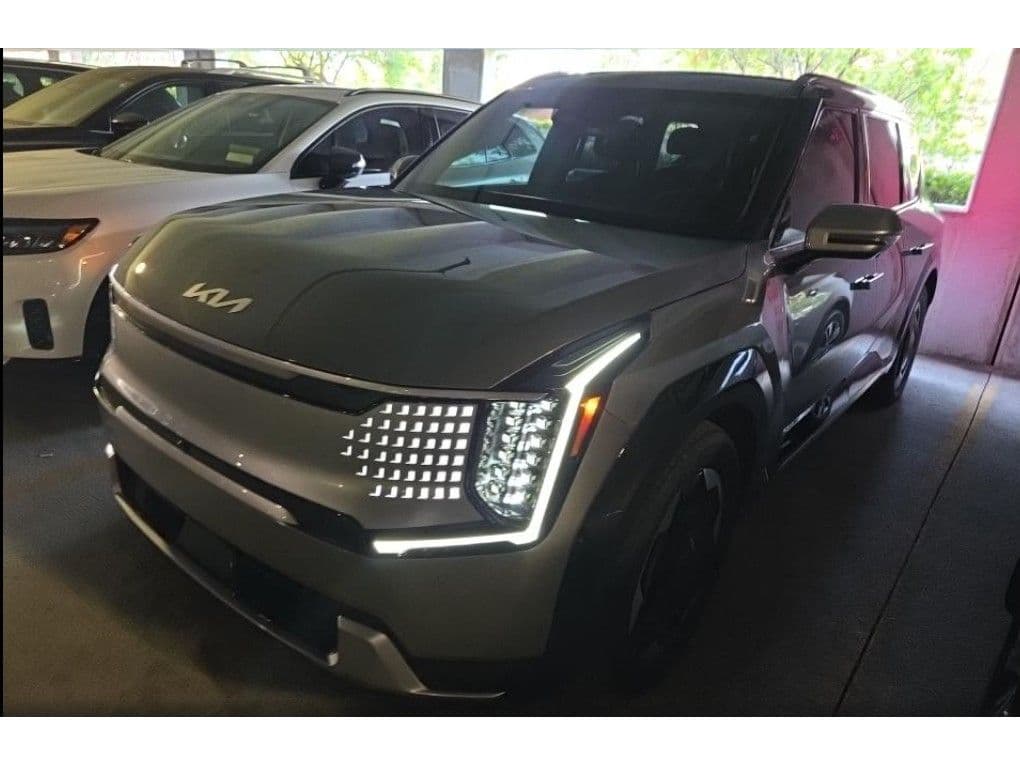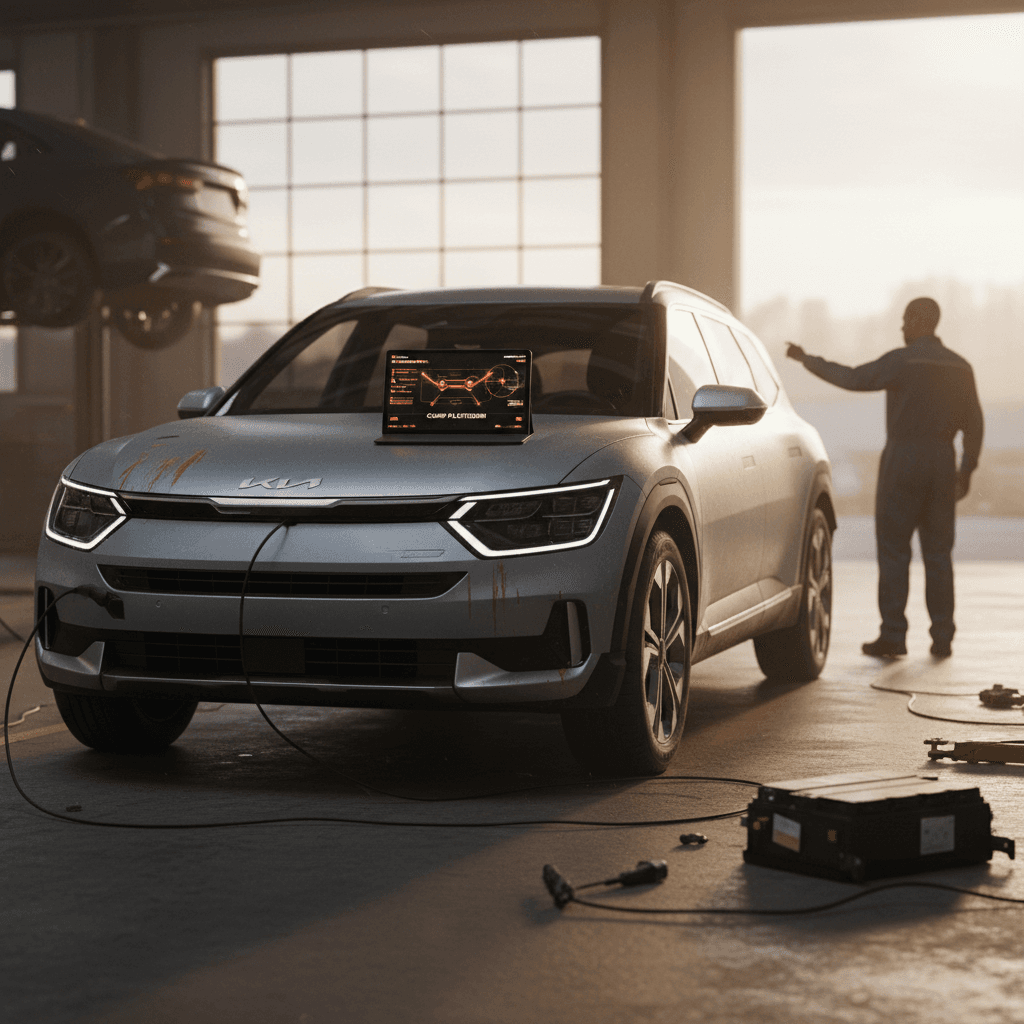
The 2026 Kia EV9 is one of the most appealing three‑row electric SUVs on the road, but like any new, high‑tech vehicle, it isn’t perfect. Owners are already reporting a mix of software gremlins, recall campaigns, and a few mechanical concerns. If you’re driving, or shopping for, a 2026 EV9, understanding the most common problems and fixes will help you stay ahead of issues and protect your investment.
Important context
2026 Kia EV9 reliability at a glance
How the EV9 is shaping up so far
Strong fundamentals, but early‑generation quirks to watch
1. New platform, ongoing refinements
2. Generous factory coverage
3. Recalls and software are part of the deal
Platform, warranty, and what that means for problems
Before we dive into specific 2026 Kia EV9 problems and fixes, it helps to understand the hardware underneath. The EV9 uses Hyundai’s Electric‑Global Modular Platform (E‑GMP), which underpins a long list of electric models. The upside is shared engineering and rapid development. The downside is that a single design issue, like a control module fault, can affect many vehicles across several brands.
Key E‑GMP traits that matter for reliability
- 800‑volt electrical architecture for very fast DC charging.
- Integrated charging and power electronics (ICCU and related modules) that manage both DC fast charging and the 12‑volt system.
- Extensive use of software to coordinate motors, battery, charging, and driver‑assistance features.
When things go wrong, it’s often a software or control‑module issue rather than a traditional mechanical failure.
What Kia’s warranty realistically covers
- 10‑yr/100,000‑mi limited powertrain and high‑voltage battery coverage (for original owners) in the U.S.
- Coverage for many electronics, charging, and motor components that cause the most expensive repairs.
- Separate basic bumper‑to‑bumper coverage for wear items, trims, and some infotainment complaints.
If you’re seeing warning lights, power loss, or charging faults on a 2026 EV9 that’s still within this window, get the issue documented with a dealer quickly.
Major Kia EV9 recalls and what they fix
Several EV9 recall campaigns launched for 2024–2025 models, and many 2026 vehicles share the same hardware and software families. When you’re troubleshooting 2026 Kia EV9 problems and fixes, recall completion is step one.
Key EV9 recalls relevant to 2026 owners
Exact recall numbers and coverage can change, so always run your VIN on the NHTSA and Kia owner sites. This table summarizes the main patterns to look for.
| Issue area | Typical symptoms | What the recall/TSB does | Owner action |
|---|---|---|---|
| 12V support / power‑loss risk on E‑GMP EVs | Warning lights, limp‑home mode, possible loss of motive power | Updates charging and control‑unit logic governing the 12‑volt system and related modules | Confirm all high‑voltage / ICCU / power‑loss recalls are closed on your VIN |
| Cluster / display or warning logic | Instrument cluster blanking, wrong speed‑limit display, glitchy warnings | Reprograms instrument cluster and related controllers for more stable operation | Make sure the latest cluster software updates are installed |
| Charging management software | DC fast charging stopping prematurely, errors at some stations, inconsistent charge curve | Updates the Vehicle Charging Management System (VCMS), VCU, and Battery Management Unit logic | Ask the dealer to confirm you’re on the latest VCMS/BMU software |
| Windshield wiper operation | Intermittent or inoperative windshield wipers in wet conditions | Investigates and, if needed, replaces or repairs components in the wiper system | If your wipers hesitate or fail, schedule dealer inspection immediately |
Use this table as a starting point, then verify details with an official VIN check.
Don’t assume a 2026 is “all fixed”
Software bugs, OTA updates, and how to avoid headaches
The EV9 is deeply software‑defined: charging behavior, instrument cluster, driver‑assistance, and even how the car wakes up and sleeps are controlled by code. Owners report that many 2026 Kia EV9 problems and fixes come down to software, either an update that didn’t complete correctly, or one that introduced new bugs.
Common software complaints on EV9 models
Most are annoying more than dangerous, but they’re still worth fixing
Glitchy instrument cluster or HUD
Infotainment and phone‑integration bugs
Post‑update charging or range quirks
Best practice for OTA updates
Quick software triage before heading to the dealer
1. Reboot the infotainment and cluster
Consult your owner’s manual for the proper reboot sequence (often holding a button on the infotainment). This can clear temporary glitches without erasing settings.
2. Power the car completely down
Turn the EV9 off, lock it, walk away with the key for at least 10–15 minutes to allow modules to sleep, then restart. Many minor driver‑assist and camera issues reset this way.
3. Check for pending OTAs
In the vehicle settings and Kia Access app, look for any <strong>pending software updates</strong>. Install them before assuming there’s a hardware failure.
4. Note exact conditions
Write down or record video showing <strong>what you were doing when the bug appeared</strong> (speed, weather, using CarPlay, DC fast charging, etc.). This makes it much easier for technicians to reproduce and fix.
5. Verify recall and TSB status
Ask your dealer to check for any <strong>open technical service bulletins</strong> related to software or charging. TSBs are often the playbook technicians use to fix recurring bugs.
Charging, battery, and 12V issues on the EV9
Thanks to its 800‑volt system, the EV9 can DC fast charge impressively quickly under the right conditions. But across the E‑GMP family, most of the serious, tow‑truck‑worthy problems involve charging electronics and the 12‑volt support system, not the main high‑voltage battery pack itself.
Charging and battery: what typically goes wrong
On earlier E‑GMP vehicles, owners and regulators flagged failures in the Integrated Charging Control Unit (ICCU) and related modules that charge the 12‑volt system. Symptoms ranged from multiple warning lights to sudden power loss. Kia and Hyundai responded with recalls and software updates designed to prevent premature module failure and improve diagnostics. The 2026 EV9 benefits from those lessons, but the underlying architecture is similar, so you still want to watch for warning signs.
- Repeated “Check EV system” or charging‑system warnings that clear and then return.
- 12‑volt battery going flat after the car sits a few days, especially in colder weather.
- DC fast charging sessions that stop early or refuse to initiate, while other EVs charge fine on the same station.
- Noticeable slowdown in DC fast‑charge speed compared with earlier ownership, without any change in temperature or state of charge.
When to stop driving immediately
For long‑term owners and used‑EV shoppers, the bigger concern is battery health. The EV9’s pack is large and thermally managed, and Kia tends to be conservative with usable capacity. If an OTA update later tightens battery‑management limits, you might see a slight drop in indicated range or percentage at "full" compared with earlier in ownership. That can be frustrating, but it’s usually a software‑level protection measure, not evidence that the pack is physically failing.
Driver-assistance, cameras, and sensor glitches
Kia stuffs the EV9 with driver‑assistance tech: blind‑spot monitoring, lane‑keeping, Highway Driving Assist, parking cameras, and more. Most of the time it works well. But when you look at owner reports, a meaningful slice of 2026 Kia EV9 problems and fixes revolve around these systems acting up, especially after a software update or in bad weather.
Typical ADAS and camera issues owners report
Usually fixable with software or sensor service
Blind‑spot or rear‑cross‑traffic warnings inconsistent
Parking cameras not turning off or on properly
Lane‑keeping and Highway Driving Assist misbehavior
Simple ADAS fix you can do at home
Windshield wiper and visibility concerns
One of the more worrying complaint patterns regulators have begun looking at involves intermittent or inoperative windshield wipers on 2024–2025 EV9s. For a big family SUV, losing wiper function in the rain is more than an annoyance, it’s a safety hazard. That’s why U.S. safety officials have opened an investigation into EV9 wiper performance, and Kia has followed with diagnostic guidance for dealers.
- Wipers that hesitate or stop mid‑sweep in steady rain.
- Wipers that fail to start on the first stalk command, then suddenly jump to life later.
- Inconsistent automatic wiper behavior that seems unrelated to actual rainfall or windshield wetness.
What to do if your wipers act up
Squeaks, rattles, and ride-quality complaints
Beyond hard failures and recalls, some EV9 owners mention the usual early‑life irritants you find on a big, heavy SUV: minor interior rattles, suspension noises, and steering‑wheel vibrations at highway speed. These can be tricky to diagnose, but they’re still worth addressing while the vehicle is young and under warranty.
Common comfort and NVH complaints
- Light steering‑wheel shimmy or seat vibration above 60–70 mph.
- Rattles from the third row, cargo cover, or rear hatch over rough pavement.
- Clunks when going over speed bumps or driveway entries.
These issues are more about refinement than safety, but on a premium‑priced EV you’re right to expect better.
Typical fixes dealers use
- Road‑force wheel balancing and alignment to smooth out high‑speed vibration.
- Re‑torquing suspension components and inspecting bushings or end links.
- Adding felt tape or clips to quiet interior trim, seat tracks, and cargo‑area panels.
Be persistent and test‑drive with the technician if needed. The more precisely you can demonstrate the noise, the better the chances of a long‑term fix.
DIY troubleshooting checklist before you head to the dealer
Step‑by‑step: what to check yourself
1. Document the problem clearly
Write down <strong>when, where, and how</strong> the problem happens, speed, weather, charging location, which drive mode you were in, etc. Take photos or video when it’s safe.
2. Rule out environmental causes
For charging issues, try <strong>multiple different stations and networks</strong>. For ADAS quirks, clean sensors and cameras. For noises, empty the cargo area and fold seats to see if anything loose is causing the sound.
3. Try a proper power cycle
Shut the EV9 down, lock it, walk away for 10–15 minutes, then restart. Some modules only reset when the vehicle has been allowed to sleep.
4. Check software and recall status
Use the Kia Access app, the Kia owner portal, and the NHTSA VIN lookup to confirm that all <strong>recalls and major software campaigns</strong> are completed on your EV9.
5. Avoid DIY electrical tinkering
Resist the temptation to pull random fuses or disconnect the 12‑volt battery unless you’re following a documented procedure. You can easily mask symptoms that technicians need to see, and risk warranty problems.
6. Get everything on the repair order
When you do visit the dealer, <strong>ask that every symptom be written on the repair order</strong>. This paper trail is your friend if a problem becomes recurring or you need to pursue buyback remedies later.
Buying a used 2026 Kia EV9: how to avoid a problem child
By 2026 and 2027, you’ll start seeing early EV9s, including 2026 models, show up on the used market. A well‑sorted example can be a fantastic value: three rows, strong range, and a long remaining battery warranty. But a neglected or glitchy EV9 can become a rolling software‑support project. Here’s how to stack the odds in your favor.
Used 2026 EV9 buying red flags vs green lights
Questions to ask and documents to demand
Red flags
- Owner can’t produce service records or recall completion paperwork.
- History of repeated “Check EV system,” wiper failures, or power‑loss episodes.
- Charging problems that the seller brushes off as “just the station.”
- Multiple dealers involved and long stays for unexplained software issues.
Green lights
- Clean, single‑owner history with documented maintenance.
- All recall and software campaigns marked completed on VIN lookup.
- Consistent fast‑charge behavior and healthy displayed range.
- A pre‑sale inspection that includes battery health data, not just a quick test drive.
How Recharged helps with used EV9s
Ready to find your next EV?
Browse VehiclesFrequently asked questions about 2026 Kia EV9 problems
2026 Kia EV9 problems and fixes: FAQ
Bottom line: Is the 2026 Kia EV9 a safe bet?
If you strip away the headlines and forum horror stories, the 2026 Kia EV9 looks like a fundamentally capable and well‑engineered family EV with some predictable new‑platform growing pains. The most serious concerns, power‑loss risk, charging‑system behavior, and wiper reliability, are already the subject of recalls, investigations, or software campaigns, and Kia’s long battery and powertrain warranty does a lot of heavy lifting for peace of mind.
For current owners, the smartest move is to stay current on software, close out all recalls, and document issues early. For used‑EV shoppers, focus on examples with clean histories, consistent charging behavior, and verifiable battery health. When you combine that diligence with a data‑driven inspection, like the Recharged Score Report, there’s every reason a 2026 EV9 can serve as a comfortable, reliable, and efficient three‑row SUV for years to come.