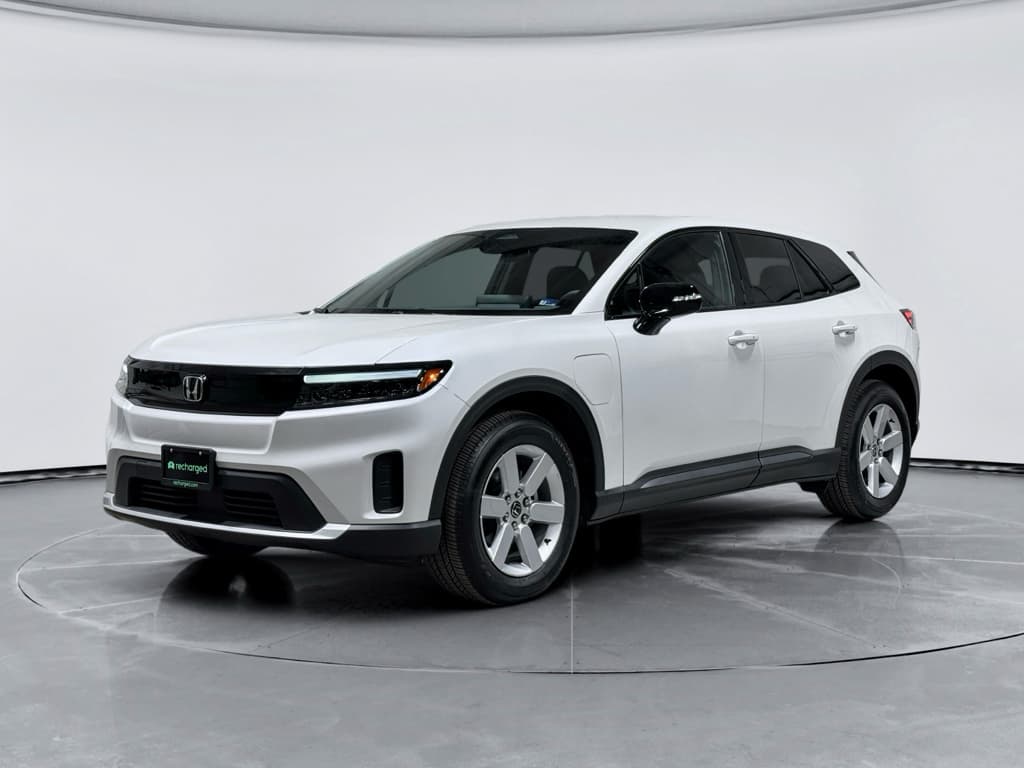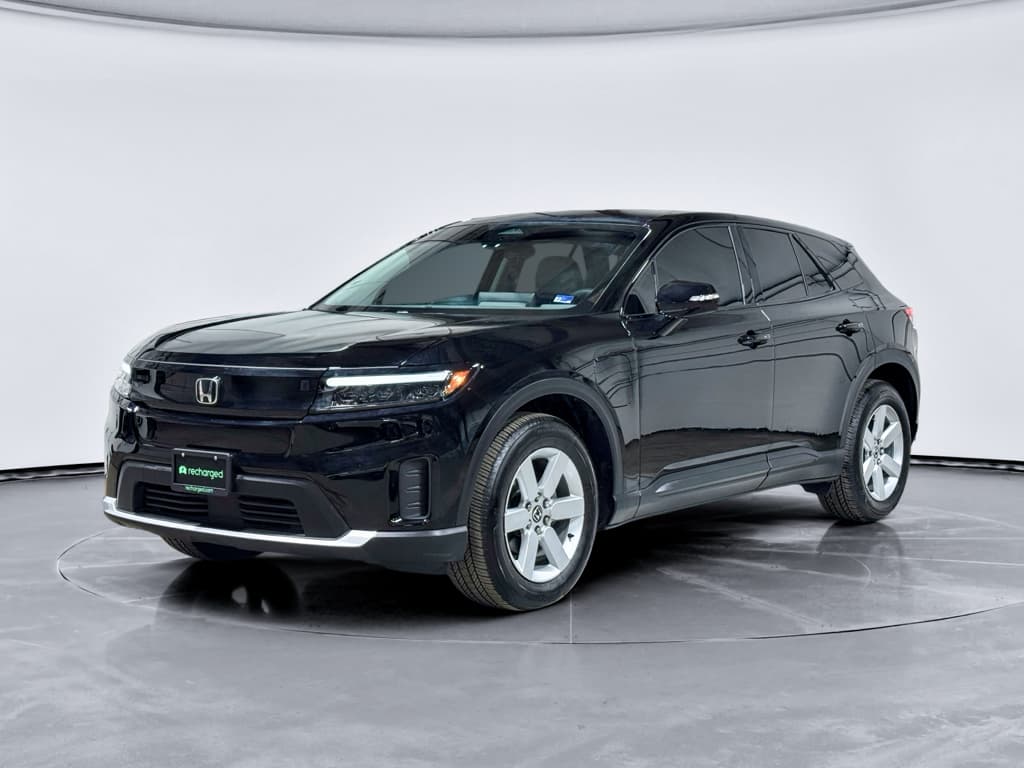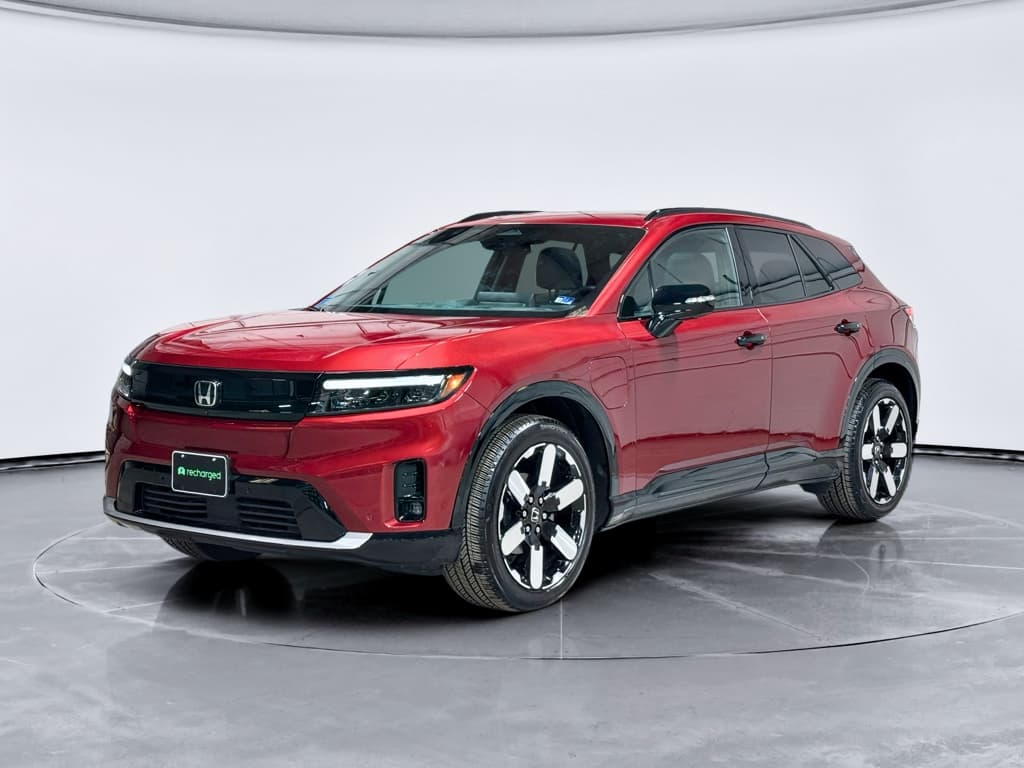
If you’re researching 2026 Honda Prologue problems and fixes, you’ve probably already seen some ugly headlines: axle noise lawsuits, high‑voltage battery warnings, and owners stuck at chargers. The truth is somewhere in the middle. The Prologue isn’t a disaster, but it also isn’t the set‑and‑forget Honda reliability story you might expect, especially in its early years on a shared GM Ultium platform.
First things first
Overview: How worried should you be about 2026 Honda Prologue problems?
By April 2026, the Prologue is still a first‑generation EV sharing GM’s Ultium battery and electronics. That gives you strong charging hardware on paper, but it also means you’re driving an early‑cycle vehicle whose platform has already produced some very public software and charging headaches in sibling models like the Chevy Blazer EV.
2026 Honda Prologue reliability snapshot
Owner reports and early reliability rankings suggest a split experience: some Prologues run trouble‑free, while others bounce between dealers for axle noise, high‑voltage warnings, and buggy screens. The good news is that Honda is quietly rolling out software updates, Technical Service Bulletins (TSBs), and at least one safety recall aimed at stabilizing these problems. Your job as an owner, or used‑EV shopper, is to understand the common failure modes and make sure your specific vehicle has had the right fixes.
Quick list: the most common 2026 Honda Prologue problems
- Sharp clicking or clunking from the front axles when turning at low speeds, sometimes tied to a developing CV joint or driveshaft issue.
- Suspension pops or rattles over low‑speed bumps, especially in colder climates.
- High‑voltage system warnings, reduced‑power or “limp mode,” and in rare cases complete shutdowns that require a tow and control‑module updates.
- Infotainment and digital cluster glitches, frozen screens, random reboots, lost CarPlay/Android Auto, and laggy camera views.
- Overly sensitive driver‑assist systems (especially forward collision mitigation and lane‑keeping) that brake or beep when nothing is there.
- Intermittent charging faults on some public DC fast chargers, usually fixed with software updates and improved charger compatibility.
- Occasional panel fit, wind noise, or trim rattles on early‑build vehicles.
How to use this guide
Problem #1: Front axle clicking and suspension noise
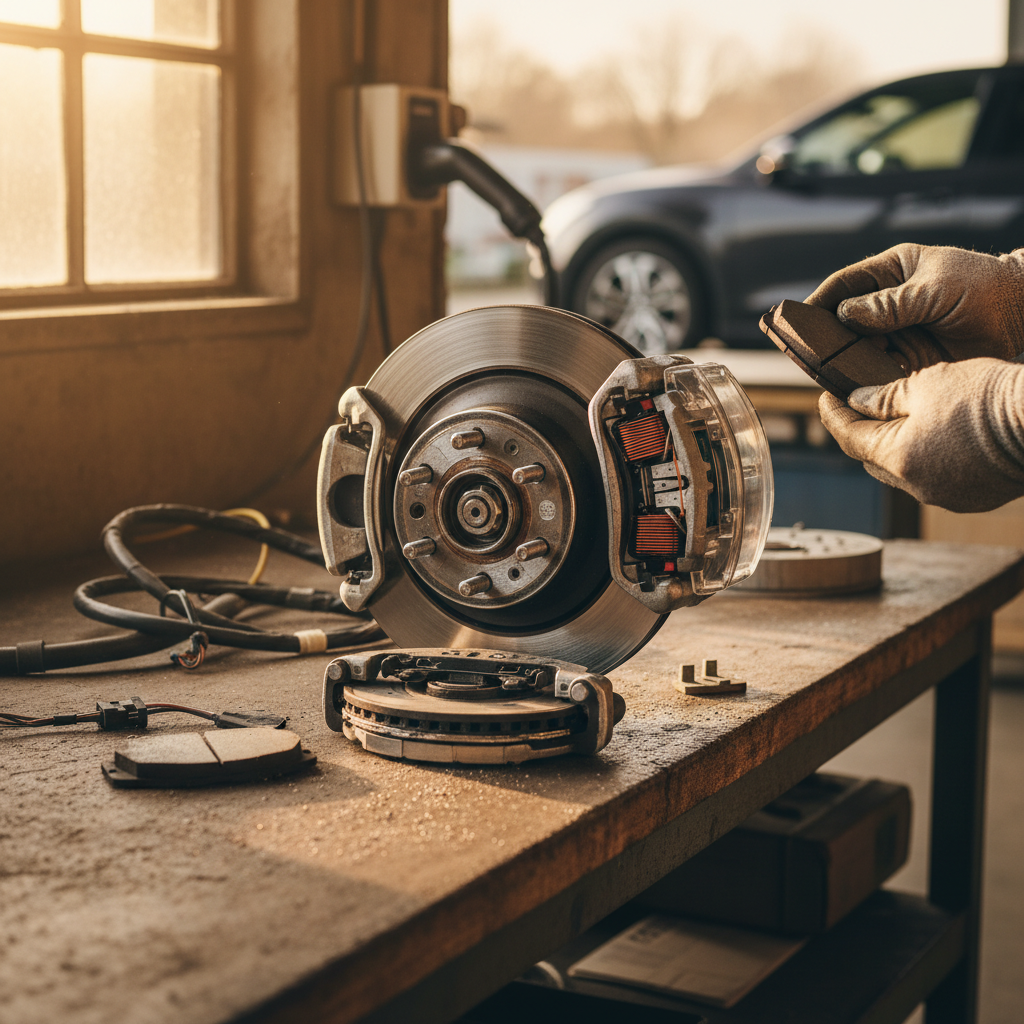
The front axle click is the Prologue’s signature complaint so far, enough that it has already spawned owner forums, service bulletins, and even legal action around 2024–2026 model years. If you’re test‑driving a 2026 Prologue and hear a sharp, rhythmic clicking or ratcheting sound when you turn at low speed, pay attention.
What it feels and sounds like
- Sharp click‑click‑click when accelerating through a tight turn, especially in parking lots.
- Sometimes a single clunk when you shift between Drive and Reverse.
- Noise may get louder after a few thousand miles as parts wear in.
What’s actually happening
- Heavy curb weight and instant EV torque put extra load on the front CV joints, axle splines, and suspension mounts.
- On some Prologues, tolerances or lubrication aren’t quite right, letting metal surfaces move and click under load.
- Left alone, this can evolve from “annoying noise” into premature wear of axles or related components.
Don’t ignore persistent axle noise
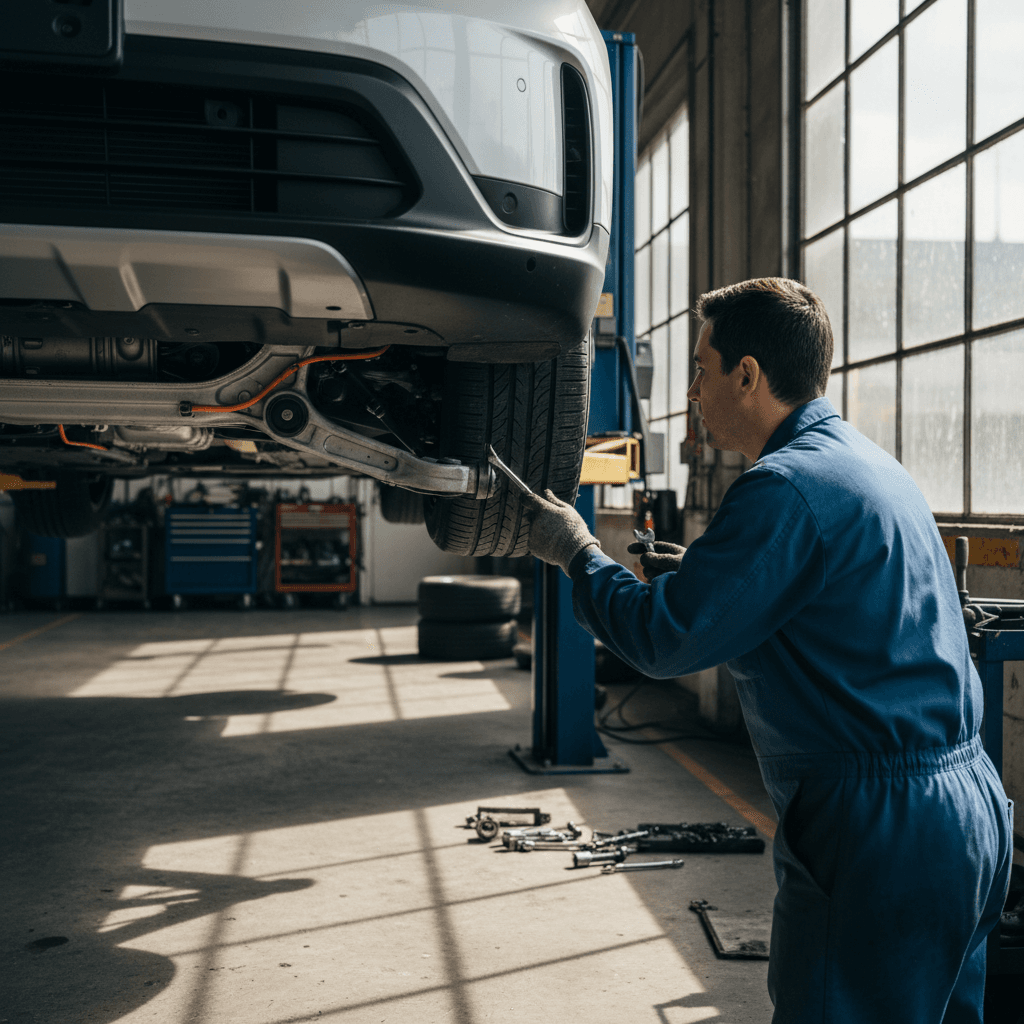
How dealers are fixing Prologue axle and suspension noise
1. Confirm the noise with a low‑speed test
Ask the advisor to ride with you. In an empty lot, turn the wheel near full lock and accelerate gently. Make sure the technician documents exactly when and how the click occurs.
2. Inspect CV joints, axles, and hubs
Dealers typically check for play in the CV joints, look for grease leaks from torn boots, and verify the axle nut torque and hub condition.
3. Apply updated TSB procedures
Honda has issued <strong>Technical Service Bulletins</strong> for axle/suspension noise on early Prologues. Fixes can include cleaning and re‑lubing splines, replacing axle assemblies, or updating mounting hardware.
4. Replace affected parts under warranty
On a 2026 Prologue, axle or hub replacements should fall under the 3‑year/36,000‑mile bumper‑to‑bumper warranty, not your wallet, provided there’s a clear paper trail of the complaint.
5. Re‑test on the same route
Before you leave, drive the same route and reproduce the steering angle and speed that caused the noise. Any remaining clicks should be documented and escalated to Honda if necessary.
What a “good” outcome looks like
Problem #2: High-voltage battery warnings and shutdowns
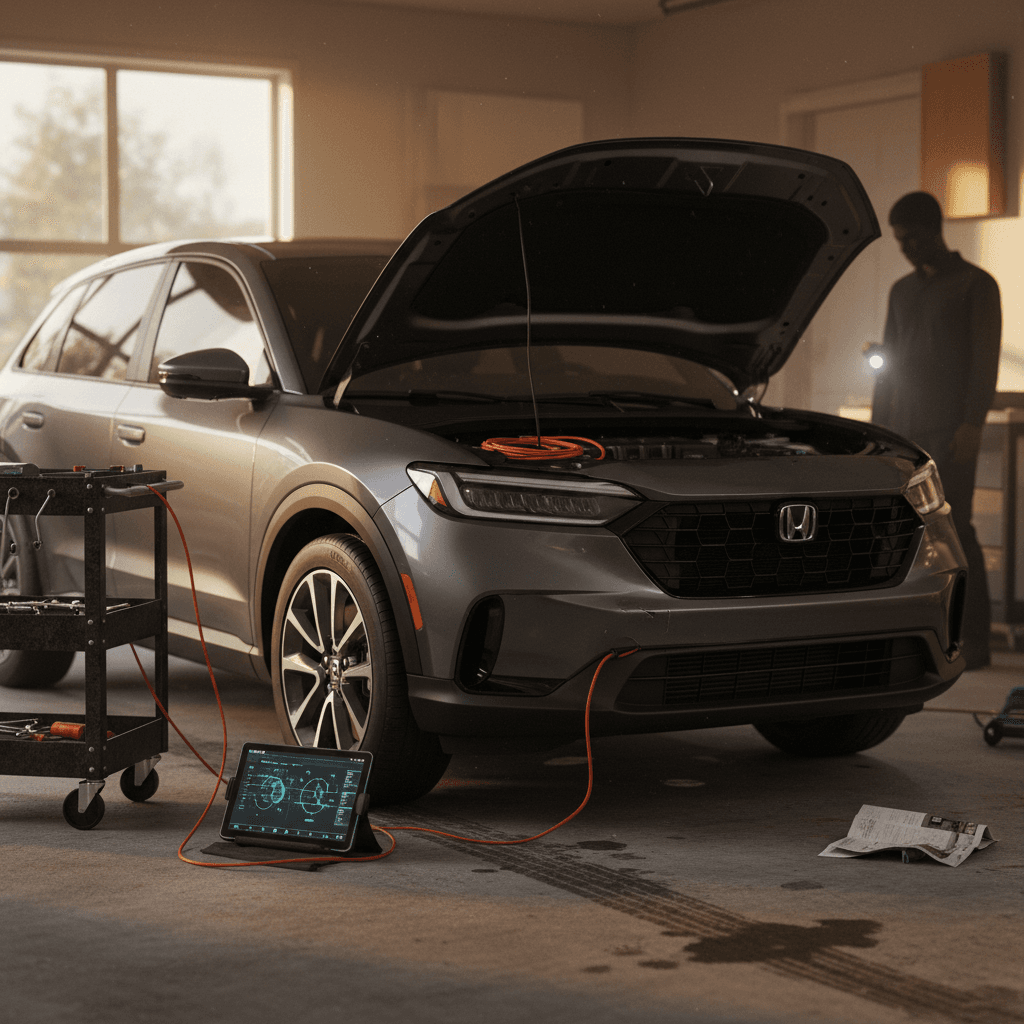
A smaller but more serious group of Prologue owners report high‑voltage system warnings, sudden loss of propulsion, or the car dropping into a reduced‑power “limp mode.” These issues echo some of the trouble seen on early Ultium products: they’re often more about software and control modules than the physical battery itself.
High-voltage problems: what you might see
Know the warning signs before a road trip
Warning lights & messages
- “Service High Voltage System” or similar alerts.
- Multiple EV system warning lights at once.
- Car may refuse to start after you park.
Reduced power or shutdown
- Vehicle limits acceleration and top speed.
- Sudden drop to very low power on the highway.
- In rare cases, complete shutdown requiring a tow.
Charging‑related triggers
- Faults appearing right after a DC fast‑charge session.
- Car refusing to accept a charge until codes are cleared.
- Dealers finding ghosts codes in battery or inverter modules.
Behind the scenes, these issues often trace back to control‑module software, battery‑cooling logic, or miscommunication between Honda’s interfaces and GM’s Ultium hardware. The fix is usually a combination of software updates, control‑module reprogramming, and in some cases hardware replacement of inverters or battery components.
If the car loses drive power
What to do if you see a high-voltage warning
1. Document everything immediately
Take clear photos of the warning messages, battery state of charge, outside temperature, and your approximate speed. These details matter later if you seek a buyback or lemon‑law relief.
2. Request a full HV system scan
Ask the dealer to scan all high‑voltage modules (battery, inverter, onboard charger, DC/DC converter). Make sure they print code history and attach it to your repair order.
3. Ask about software campaigns
By 2026 there are multiple <strong>software updates and at least one safety recall</strong> targeting Prologue control modules. Confirm your vehicle is fully up to date, especially if you bought it used.
4. Escalate recurring failures
If the same HV warning returns after documented repairs, open a case with Honda corporate and mention state lemon‑law thresholds. Multiple repair attempts for the same safety‑related defect are not normal.
Problem #3: Software bugs, screens, and driver-assist quirks
Like most modern EVs, the Prologue runs a lot of its personality through software: Android‑based infotainment, digital gauges, and a full suite of advanced driver‑assistance systems (ADAS). Early 2024–2025 builds were prone to screen freezes, random reboots, laggy cameras, and overly jumpy safety systems. By 2026, Honda has pushed major updates, but not every vehicle in the wild is current.
- Central screen goes black or freezes, then reboots itself while driving.
- Wireless Apple CarPlay or Android Auto drops repeatedly or never connects.
- Backup camera is slow to appear or stutters, especially in cold weather.
- Driver‑assist features, particularly forward collision mitigation, false alarm or brake too aggressively.
- Occasional warning that clears on restart, with no obvious mechanical symptom.
Check the software version
Honda and GM have learned some hard lessons from earlier Ultium launches, so most Prologue software issues are fixable with updates. Dealers can apply over‑the‑wire updates to infotainment and safety systems, and some safety recalls bundle multiple module updates into a single visit. The key for a 2026 shopper is verifying that those campaigns have already been completed, before you sign anything.
Problem #4: Home and DC fast-charging problems
Thanks to the Ultium hardware, the Prologue looks strong on paper for charging: DC fast‑charging up to competitive rates and 11 kW AC Level 2 capability. Real‑world experience has been more uneven. A minority of owners report failed DC fast‑charge sessions, charge‑port faults, or picky behavior with certain home chargers.
Common charging symptoms
- DC fast charger connects, ramps up briefly, then aborts with an error on the charger or in the car.
- Home Level 2 unit that works fine on other EVs, but the Prologue throws a fault or refuses to charge overnight.
- Charge port door not closing cleanly, or misalignment that lets in water and dirt.
Typical root causes
- Early firmware on the onboard charger and charge‑port electronics being too strict or misreading handshake signals.
- Known problem public chargers (especially aging hardware) that struggle with high‑power Ultium vehicles.
- Physical issues at the charge port, contamination, loose pins, or door alignment, that trigger intermittent faults.
Rule out the charger first
How to tackle 2026 Prologue charging problems
1. Capture error codes and photos
Snap pictures of any charger error messages and what the Prologue displays. Note station brand, power level, outside temperature, and your starting state of charge.
2. Update all EV system software
Ask your Honda dealer to confirm the Prologue has the latest <strong>EV system firmware, onboard‑charger software, and any charging‑related TSBs</strong> installed.
3. Have the charge port physically inspected
Technicians should inspect the inlet for damage or corrosion, verify proper door alignment, and check harness connections. In some cases, replacing the charge‑port module solves recurring faults.
4. Test on multiple networks after repair
Once repairs or updates are complete, test DC fast charging on at least two different networks and one home or workplace Level 2 charger to confirm the fix holds up.
Recalls, TSBs, and Honda’s official fixes for the Prologue
By early 2026, the Prologue has already accumulated multiple Technical Service Bulletins and at least one high‑profile safety recall targeting software stability and EV system reliability. That’s not unusual for a first‑generation EV, but it means the difference between a good and bad 2026 Prologue often comes down to whether those campaigns were actually done.
Examples of campaigns affecting 2024–2026 Honda Prologues
Exact campaign IDs change over time. Always check your VIN on Honda’s and NHTSA’s recall lookup tools.
| Type | What it targets | Typical fix at dealer | Why it matters |
|---|---|---|---|
| Safety recall | High‑voltage system or control‑module behavior | Reprogram multiple modules, update HV control logic, sometimes replace hardware | Reduces risk of sudden loss of drive power or charging failures. |
| TSB (technical bulletin) | Axle clicking / suspension noise | Inspect, re‑lube or replace axles, update torque specs, add revised parts | Prevents long‑term wear and eliminates annoying front‑end noises. |
| Product update | Infotainment / ADAS stability | OS upgrade, updated camera, radar, and driver‑assist calibration | Cuts down on screen crashes and false driver‑assist alarms. |
| Customer satisfaction program | Charging compatibility or range display | Onboard‑charger firmware update, revised range estimator | Improves real‑world charging reliability and more honest range estimates. |
Use this as a pattern: you want a 2026 Prologue that’s fully up to date on safety recalls and key product updates.
Always run a VIN recall check
Warranty coverage, buybacks, and when to push back
Every 2026 Honda Prologue sold in the U.S. carries a 3‑year/36,000‑mile basic warranty and a longer high‑voltage and powertrain warranty (typically 8 years/100,000 miles). That means most of the scary‑sounding problems, axles, modules, charging hardware, major electronics, should not be out‑of‑pocket repairs in the early years.
Know your protections as a Prologue owner
Understanding coverage gives you leverage at the service desk
Bumper‑to‑bumper
Covers most mechanical, electrical, and infotainment components for the first 3 years or 36,000 miles, whichever comes first.
EV & battery warranty
High‑voltage components, battery pack, and much of the charging hardware carry extended coverage, usually 8 years/100,000 miles.
Lemon‑law thresholds
If your Prologue spends significant time in the shop or has repeated repairs for one safety‑related defect, you may qualify for a buyback or replacement under state law.
Always build a paper trail
Buying used? 2026 Honda Prologue inspection checklist
If you’re considering a used 2026 Honda Prologue, your goal is simple: find a vehicle that has either been trouble‑free or has had its early‑life issues fixed correctly and completely. Here’s a focused checklist to run through before you commit.
Pre-purchase checks for a used 2026 Prologue
1. Verify recall and software status
Run the VIN through Honda and NHTSA recall tools. Ask the seller for service records showing completed software campaigns, especially high‑voltage and infotainment updates.
2. Listen for axle and suspension noise
On the test drive, make tight low‑speed turns in a parking lot with the windows slightly open. Any sharp clicking or clunking from the front should trigger more investigation or negotiation.
3. Stress‑test charging
If possible, plug into a nearby DC fast charger and a Level 2 station. Look for error messages, unusually slow ramp‑up, or aborted sessions. Charging that “just works” is a green flag.
4. Cycle all screens and cameras
Spend a few minutes with the infotainment system. Switch between CarPlay/Android Auto, native navigation, cameras, and settings. You’re looking for lag, reboots, or persistent glitches.
5. Check driver‑assist behavior
On a safe road, gently test adaptive cruise, lane‑keeping, and forward collision warnings. They should be helpful, not constantly crying wolf or braking for nothing.
6. Review service history for patterns
Multiple visits for the same issue, especially high‑voltage faults or repeated axle replacements, are a yellow flag. A short list of one‑and‑done fixes is much better.
Good used Prologue profile
How Recharged evaluates and prices used Honda Prologues
Because Recharged specializes in used EVs, we treat the 2026 Prologue as a high‑variance model: some examples are solid, others are more trouble than they’re worth. That’s exactly what our Recharged Score Report is built to sort out.
What Recharged looks at on a Prologue
Beyond a basic test drive
Battery health & HV system scan
We run a full high‑voltage diagnostic and battery‑health check, looking for stored fault codes, cooling issues, or signs of repeated fast‑charge abuse.
Axle & suspension noise check
Our inspectors perform low‑speed steering and bump tests, then check for any history of axle or hub replacement in service records.
Software & recall status
We verify that all Honda and NHTSA campaigns have been completed and that the infotainment/ADAS stack is running the latest stable software.
Ready to find your next EV?
Browse VehiclesIf a Prologue doesn’t meet our standards, or shows chronic high‑voltage faults, unresolved axle issues, or repeated software instability, we either price it accordingly or pass on it entirely. For the ones that make the cut, we publish the Recharged Score so you can see battery health, pricing fairness, and any EV‑specific concerns before you ever hit “buy.”
FAQ: 2026 Honda Prologue problems and ownership questions
Frequently asked questions about 2026 Honda Prologue problems
Bottom line: Is the 2026 Honda Prologue still worth it?
The 2026 Honda Prologue sits in a complicated place. On one hand, it delivers comfortable ride quality, competitive range, and strong DC fast‑charging in a roomy midsize SUV. On the other, it carries more early‑life problems than you’d expect from the Honda badge, especially around front axles, high‑voltage warnings, and software polish.
If you’re risk‑averse and just want a totally drama‑free EV, there are simpler choices from brands with more time in the battery‑SUV game. But if you like the way the Prologue drives and you’re willing to be selective, focusing on well‑documented, fully updated 2026 examples, it can still be a smart buy, particularly on the used market where prices already reflect its uneven reputation.
Whichever camp you’re in, don’t treat Prologue shopping as business as usual. Dig into service records, insist on software and recall verification, and listen carefully for axle and suspension noise. Or let Recharged do that heavy lifting for you: with a Recharged Score Report, EV‑focused inspection, and nationwide delivery, you can zero in on the rare 2026 Prologues that live up to Honda’s reputation, and sidestep the ones that don’t.