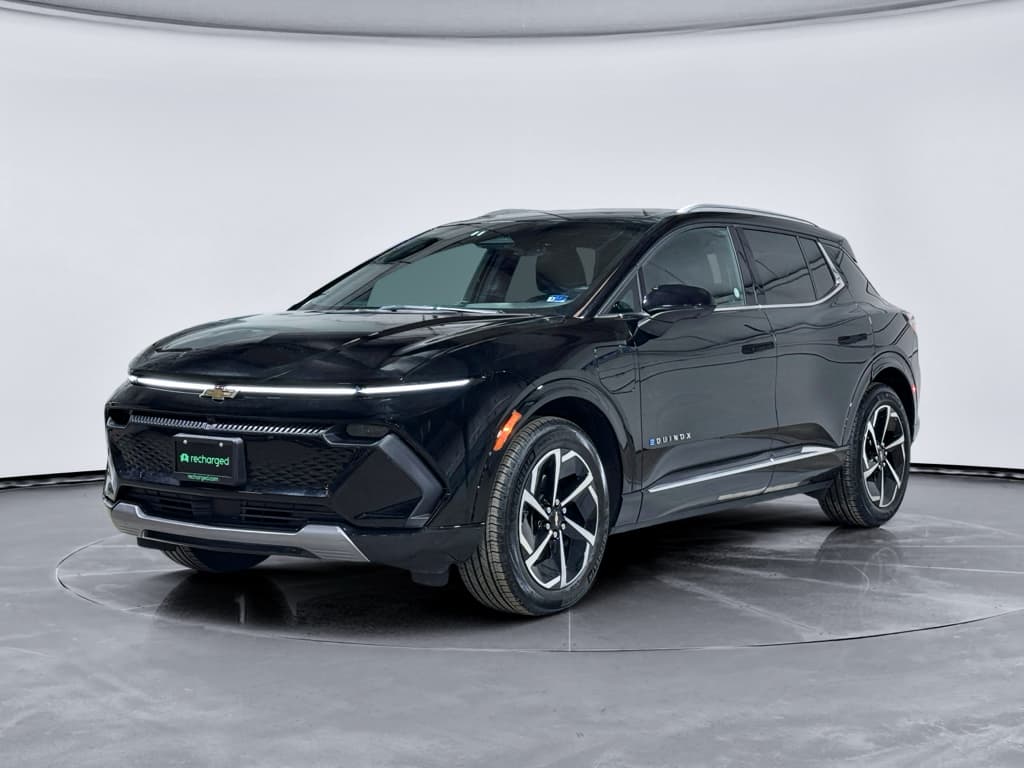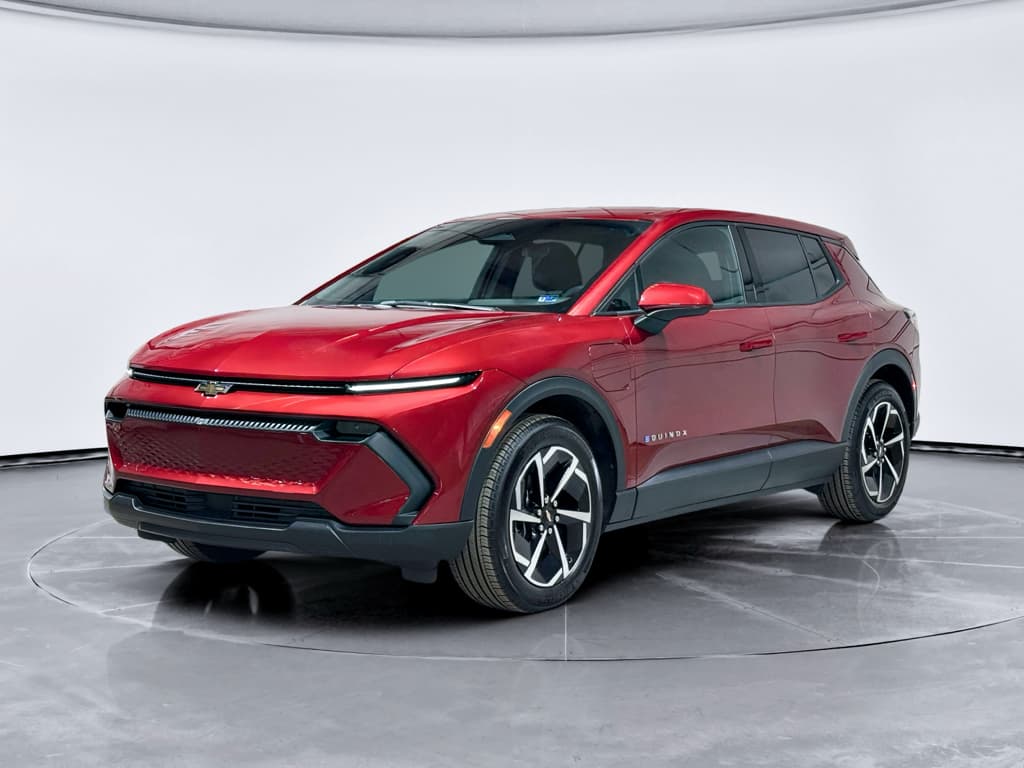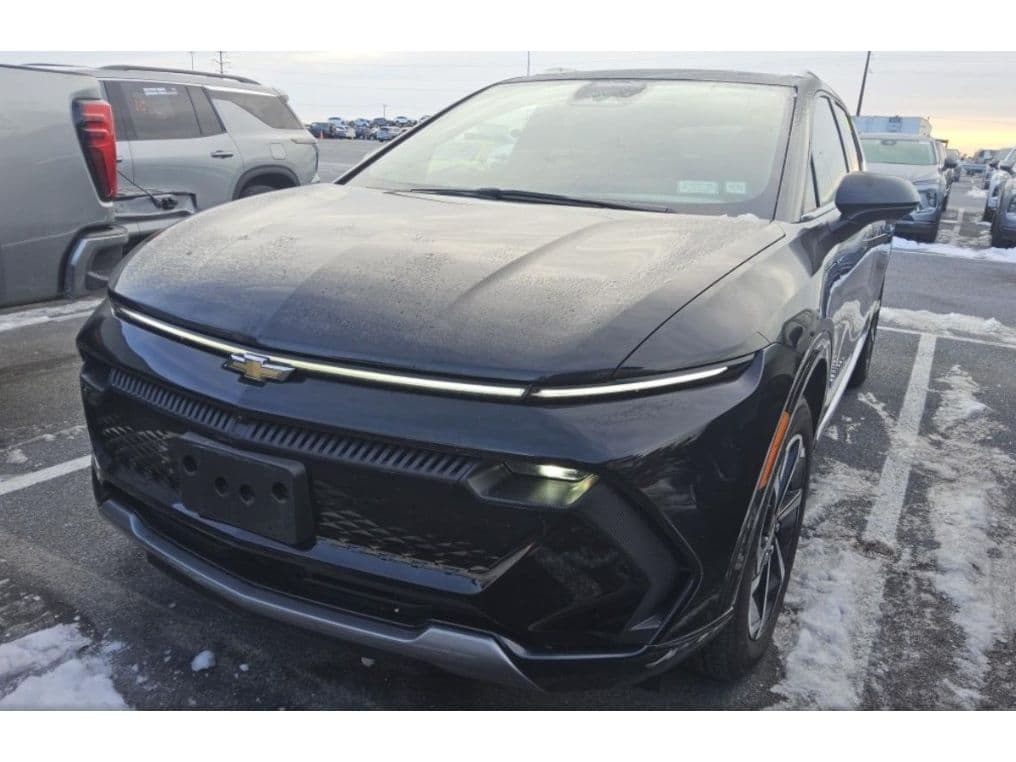
If you’re considering a 2026 Chevrolet Equinox EV, or eyeing one on the used market, you’re probably asking two big questions: what problems are showing up, and how expensive are they to fix? The Equinox EV is still a relatively new Ultium-based crossover, so long-term data is limited, but by spring 2026 we’ve seen enough real-world use, owner reports, and recall campaigns to draw some meaningful conclusions.
New EV, Evolving Story
How Reliable Is the 2026 Equinox EV So Far?
The first thing to understand about 2026 Chevrolet Equinox EV problems is that they’re not all created equal. Many early complaints involve software glitches, charging quirks, and electronic modules, which are annoying but usually fixable under warranty. At the same time, there are documented recalls for items like tires and pedestrian warning sounds, plus scattered reports of more serious high-voltage battery behavior.
Early Equinox EV Ownership Snapshot
In other words, the 2026 Equinox EV is not a disaster, but it isn’t flawless either. It’s typical of a first‑wave mass‑market EV: solid fundamentals, wrapped in a lot of new software that still needs polishing. Your experience will depend heavily on whether recalls and updates have been performed and how carefully the car has been maintained.
Why a Used EV Specialist Helps
2026 Chevrolet Equinox EV Recall Roundup
By the 2026 model year, General Motors has already issued multiple recalls affecting the Equinox EV line. Some are shared with earlier 2024–2025 models and carried forward to 2026 production. Here are the big ones shoppers and owners should know about:
Key 2025–2026 Equinox EV Recalls Affecting 2026 Models
Major recall themes that may show up on a 2026 Equinox EV. Exact applicability depends on build date, trim, and equipment.
| Recall area | Model years affected | Typical symptom | Dealer remedy |
|---|---|---|---|
| Pedestrian warning sound too quiet | 2025–2026 | EV is nearly silent at low speeds, may not meet legal sound requirement | Update or reprogram the acoustic vehicle alerting system (AVAS) so it’s louder at low speed. |
| Automatic emergency braking / driver-assist behavior | Primarily 2025, may carry into similar 2026 builds | AEB may not apply brakes properly in specific conditions, or driver‑assist may behave unexpectedly | Update driver‑assist software; in some cases, reprogram related control modules. |
| 21-inch tire tread detachment risk | 2025–2026 with specific 21" Continental all-season tires | Possible vibration, noise, or tread separation at speed | Inspect all four tires and replace affected DOT‑week tires at no charge. |
| Brake / sound compliance and other minor campaigns | Select 2024–2026 units | Warning lights or messages, unusual alerts; often no visible symptom | Software update to ensure compliance with regulations and correct warning behavior. |
Always run the VIN through NHTSA or a GM dealer to confirm open recalls on a specific vehicle.
Don’t Assume the Dealer Checked
Software and Infotainment Glitches
Like most modern EVs, the Equinox EV relies heavily on software and connected services. That means some of the most common 2026 Equinox EV problems are electronic gremlins rather than mechanical failures. Owners have reported issues with the telematics control module, infotainment freeze‑ups, and driver‑assist systems that temporarily stop working until software is reinstalled.
Common Equinox EV Software and Electronics Issues
Annoying, but usually fixable under warranty
Telematics / OnStar module failures
Some owners report the telematics module failing, which can take out OnStar, connected services, and even infotainment in severe cases.
Dealers are often replacing these modules, but parts have been on backorder at times.
Frozen or blank infotainment screen
Center display may reboot randomly, freeze, or go black. In mild cases, it comes back after a restart; in others, it needs a software reinstall.
Driver-assist functions dropping out
Lane‑keeping, forward‑collision alerts, or Super Cruise–related features can occasionally go offline or throw messages until software is updated.
First-Line Fix: Soft Resets
If You Already Own a 2026 Equinox EV
- Keep over-the-air (OTA) updates turned on and install them promptly.
- Note dates, mileage, and conditions when glitches occur, this helps the dealer duplicate the concern.
- If a dealer visit doesn’t solve it, escalate with GM customer care and reference any open bulletins.
If You’re Shopping Used
- During a test drive, spend real time in the menus, pair your phone, run navigation, and test all driver‑assist features.
- Ask the seller for repair orders showing completed software updates or module replacements.
- Buying through Recharged adds a diagnostic layer; our Recharged Score process can surface stored faults that a quick lot drive might miss.
Charging Problems: Home and Public
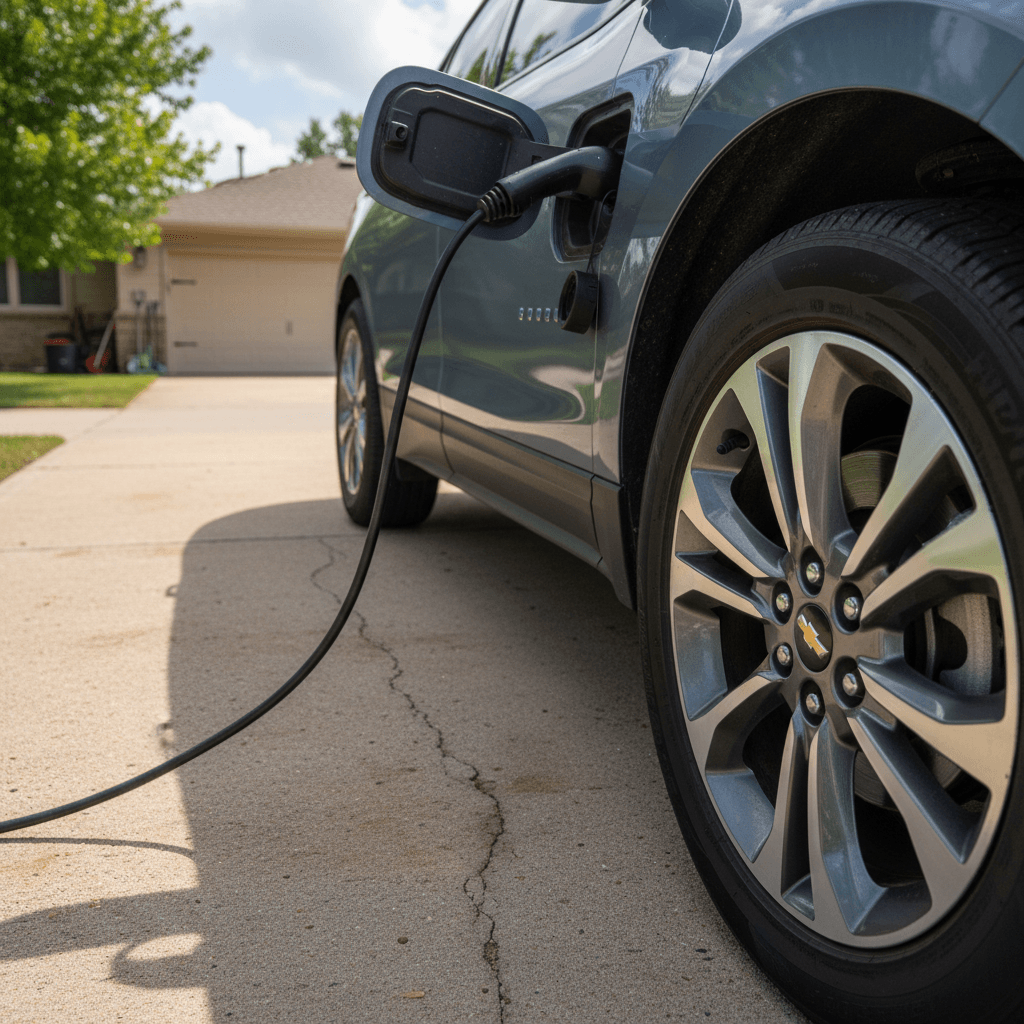
Early Ultium vehicles, including the Equinox EV, have shown a pattern of charging quirks more than outright hardware failures. Most 2026 owners charge trouble‑free, but a minority have encountered situations where the car refuses to start charging, stops early, or doesn’t respect the set charge limit, especially when mixing home Level 2, public DC fast charging, and phone‑app scheduling.
- Equinox EV refuses to start charging at home, but DC fast charging still works.
- Charging stops at 30–50% despite higher limits being set.
- App shows one charge limit; the car behaves as if a different limit or schedule is active.
- Level 1 trickle charging fails or throws “service charging system” messages while Level 2/DCFC are fine.
Common Root Causes
Basic Charging Troubleshooting Before the Dealer Visit
1. Simplify your charging settings
Turn off all delayed‑charging and utility rate‑schedule features in both the car and app. Set the car to “charge now” and plug into a reliable Level 2 charger to see if behavior improves.
2. Try a different charger and outlet
Test a different Level 2 station or DC fast charger. If the car charges normally elsewhere, your home EVSE or circuit may be the culprit.
3. Reboot the charger and the car
For a home wall unit or portable EVSE, power it off at the breaker, wait 30 seconds, and restart. Then do a full vehicle shutdown and restart the Equinox EV before plugging back in.
4. Watch for specific error messages
Take photos of any on‑screen errors and note temperatures, state of charge, and charger brand. Precise info makes it easier for technicians to find a pattern.
5. Don’t ignore repeated failures
If you see “service charging system” more than once, or the car repeatedly refuses to charge, get it inspected. Persistent faults can sometimes hint at higher‑voltage or onboard charger issues.
When to Stop Driving and Call for Help
Tire, Wheel, and Brake Issues on 2025–2026 Equinox EVs
Not every problem on a 2026 Equinox EV is electric. Some very old‑school issues have cropped up, especially on vehicles with the large 21‑inch wheels. Owners have reported cracked wheels, rapid tire wear, eye‑watering replacement costs, and noisy brakes, plus a formal recall for potential tread detachment on certain 21‑inch tires.
Tires, Wheels, and Brakes: What’s Showing Up
Mostly avoidable with the right spec and maintenance
21" tire recall and wear
Certain 21‑inch all‑season tires fitted to Equinox EVs have been recalled for possible tread detachment. Even without defects, they’re expensive and can wear quickly, especially in rough climates.
Cracked or bent 21" wheels
Low‑profile tires on big wheels don’t love potholes. At least one owner replaced 21s with smaller‑diameter wheels to avoid cracks and lower replacement costs.
Brake squeal and noise
Some owners complain of loud squealing, particularly in reverse. Regenerative braking means friction brakes are used lightly, which can promote surface rust and noise.
Spec Smarter if You Can
For brake noise, the usual fixes apply: having the pads cleaned and de‑glazed, chamfered, or replaced with updated parts if GM issues a revised design. The upside of EV friction brakes is that, once sorted, they often last far longer than what you’re used to on a gas crossover.
Driver-Assistance and Braking Issues
Beyond basic braking hardware, the Equinox EV’s electronically controlled braking and driver‑assistance systems have drawn their share of attention. Early recalls addressed automatic emergency braking behavior with cruise control active, and GM continues to refine brake‑assist feel through software updates.
What Owners Report
- Warning messages about front camera or driver‑assist systems suddenly appearing.
- Automatic emergency braking (AEB) that feels inconsistent or over‑eager in certain conditions.
- On a minority of vehicles, safety systems that stop working until the car is restarted or software is reloaded.
How GM Is Responding
- Rolling software updates that adjust AEB logic and brake‑assist calibration.
- Recalls or service bulletins to reprogram control modules when a pattern is identified.
- Updated parts or revised sensors if hardware defects are discovered.
Don’t Ignore Safety Warnings
Battery Health, “Bricking,” and Range Concerns
Whenever a new EV hits the market, social media tends to amplify the scariest stories, like an Equinox EV that allegedly drove fine one day and then bricked itself the next, dropping to 0% state of charge and refusing to restart. Those cases matter, but they’re the exception, not the rule.
What we’re seeing so far from Ultium‑based crossovers like the Equinox EV is that average battery degradation appears modest, in the ballpark of 1.5–2.5% of usable capacity per year under normal use. Abuse, frequent fast charging on a hot pack, and ignoring warning signs can certainly make things worse, but most owners won’t notice meaningful range loss in the first few years.
Understanding the Scary Stories
- Don’t routinely run the pack from 100% to near 0% unless you must for range.
- If possible, keep daily charging in the 20–80% window; save 100% for trips.
- Avoid repeated DC fast charges on a very hot battery, let the car cool when you can.
- Treat warning messages about the high‑voltage system as serious and get them checked promptly.
If you’re shopping used, you don’t have to guess about all of this. A structured battery diagnostic, the type Recharged bakes into its Recharged Score, can tell you how a specific Equinox EV’s pack is aging compared with similar vehicles. That’s far more meaningful than debating anecdotes in a forum thread.
Preventive Maintenance Checklist for Equinox EV Owners
You can’t control every defect or recall, but you can dramatically tilt the odds in your favor with smart habits. Here’s a practical checklist tailored to 2025–2026 Equinox EVs.
Simple Habits to Reduce 2026 Equinox EV Problems
Update software regularly
Keep OTA updates enabled and install them when prompted. Schedule dealer visits for any open campaigns, especially those tied to charging, braking, or driver‑assist systems.
Inspect tires and wheels often
If you have 21‑inch wheels, visually inspect tire tread and sidewalls for bulges or separation and listen for new vibrations. Any change warrants a prompt inspection, recall or not.
Exercise the friction brakes
Once in a while, do a few firm, safe stops from moderate speed to clean the rotors. This can help reduce squeal and rust build‑up on EVs that rely heavily on regen.
Standardize your charging routine
Choose one primary home solution (e.g., a quality Level 2 unit), keep settings simple, and avoid constantly toggling between multiple schedules in the app and vehicle.
Document everything
Keep a digital folder with photos of warning messages, service receipts, and recall notices. If problems escalate, you’ll have a paper trail to support warranty or goodwill claims.
Buying a Used 2026 Equinox EV: What to Check
From a buyer’s standpoint, the 2026 Equinox EV is attractive: mainstream badge, family‑friendly size, good range, and usually a lower used price than some rivals. But you do need to be intentional about which one you choose. Here’s how to separate the keepers from the headaches.
Used 2026 Equinox EV Inspection Shortlist
Key questions to ask and items to verify before you sign.
| Area | What to Look For | Why It Matters |
|---|---|---|
| Recalls and updates | Printout from a GM dealer or service history showing all recalls closed and major software updates completed. | Open recalls or outdated software are red flags and may explain odd behavior. |
| Charging behavior | Test Level 2 charging from 20–80%. Confirm it starts immediately, respects the charge limit, and doesn’t throw warnings. | Charging issues can be tricky to pin on the charger vs. vehicle, better to find out before purchase. |
| Infotainment and driver‑assist | On a test drive, test the camera system, lane‑keeping, adaptive cruise (if equipped), and navigation for glitches. | Intermittent faults can mean future dealer visits if they’re not resolved under warranty. |
| Tires, wheels, and brakes | Measure tread depth, check DOT codes on 21" tires, inspect wheels for curb rash or cracks, and listen for brake squeal. | Tires and wheels on big‑wheel trims can be a major surprise expense. |
| Battery health and range | Compare indicated range at full charge with factory estimates, and if possible, get a battery‑health report. | A healthy pack should be in the expected ballpark for its age and mileage; big gaps deserve explanation. |
You can tackle this yourself, but a dedicated EV inspection, like the process built into Recharged’s buying experience, will go deeper on battery health and software history.
How Recharged De‑Risks a Used Equinox EV
Ready to find your next EV?
Browse Vehicles2026 Chevrolet Equinox EV Problems: FAQ
Frequently Asked Questions About 2026 Equinox EV Problems
Bottom Line: Should 2026 Equinox EV Problems Scare You Off?
The 2026 Chevrolet Equinox EV is exactly what you’d expect from an early‑generation mainstream EV from a legacy automaker: fundamentally sound, wrapped in software and support processes that are still maturing. The headline problems, charging quirks, tire and wheel complaints, occasional electronic gremlins, and a handful of recalls, are real, but they’re also manageable if you know what to look for.
If you already own one, your best moves are straightforward: keep software and recalls current, simplify your charging setup, keep an eye on tires and wheels, and document any recurring warnings. If you’re shopping used, lean on a structured inspection and battery‑health report rather than gut feel. That’s where Recharged can do some of the heavy lifting, pairing a transparent Recharged Score with expert support so your Equinox EV purchase is guided by data, not guesswork.
Handled that way, the 2026 Equinox EV’s problems become a checklist to work through, not a reason to cross it off your list entirely.